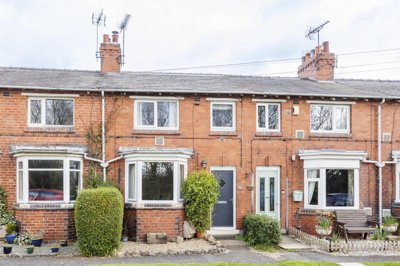
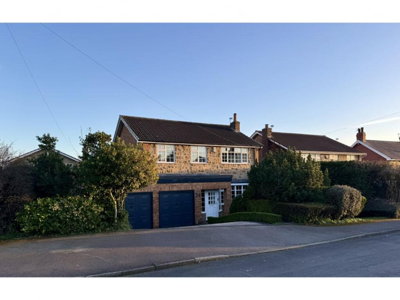
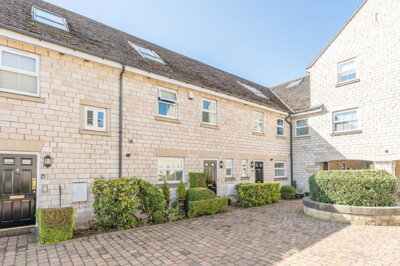
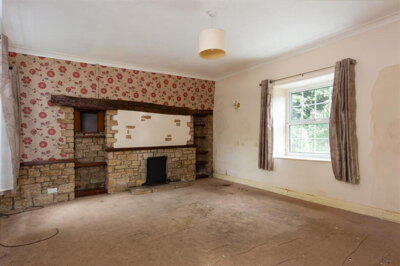
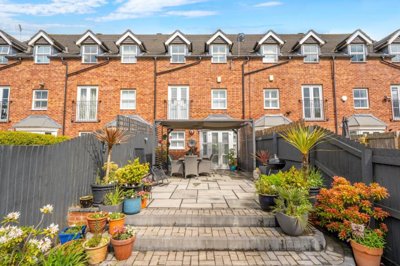
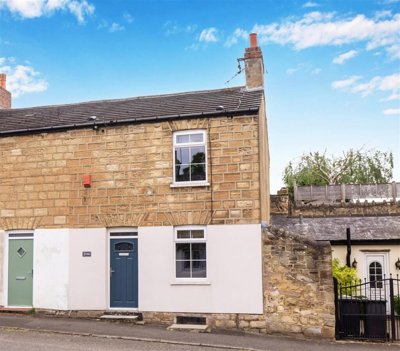
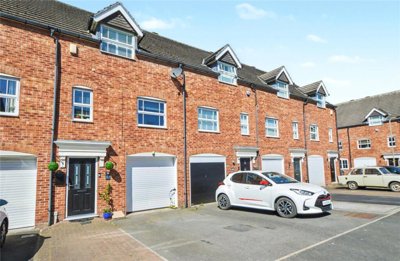
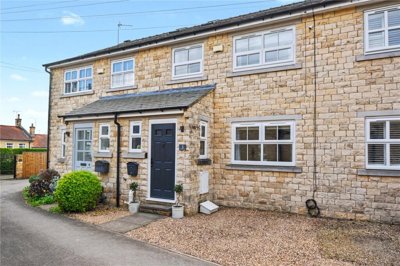
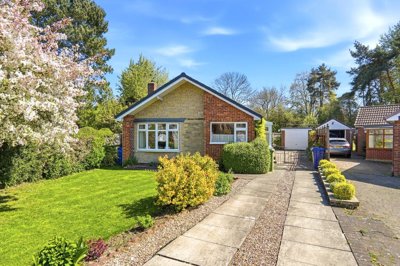
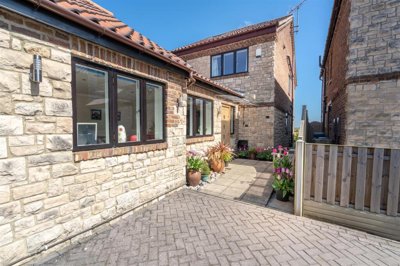
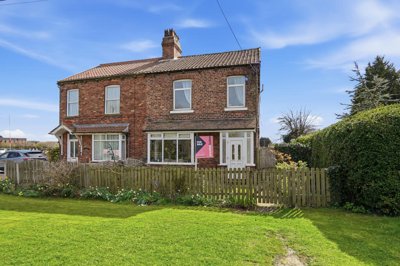
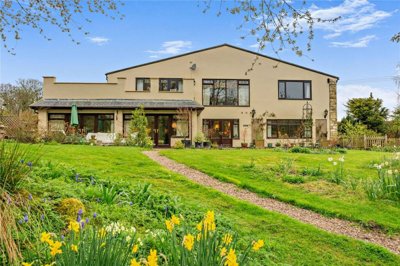
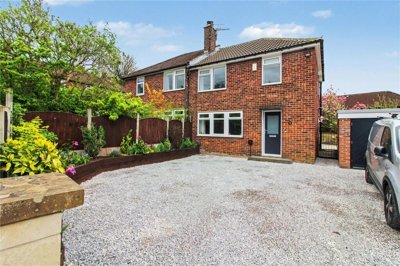
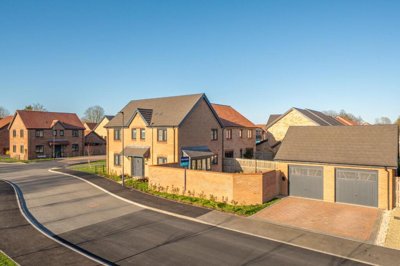
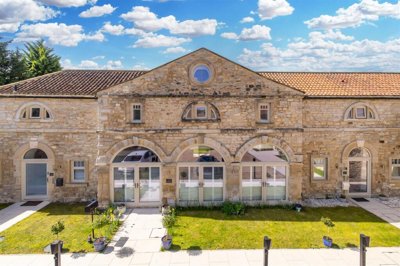
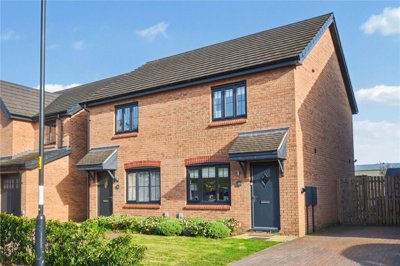
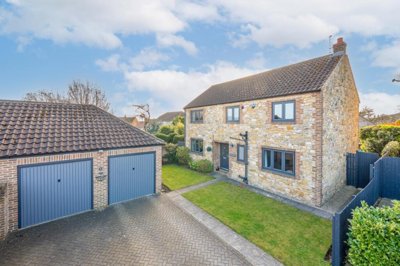
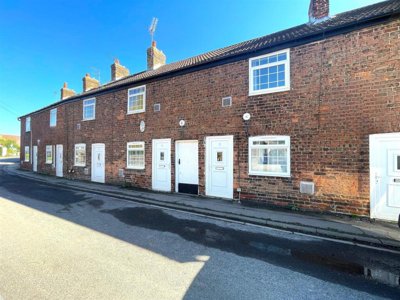
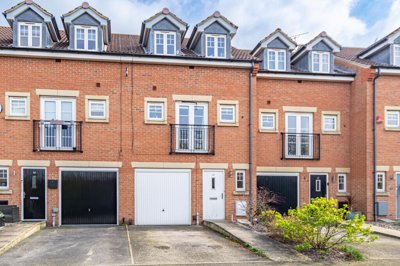
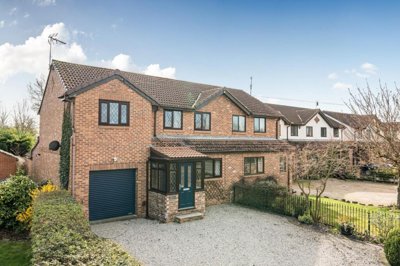
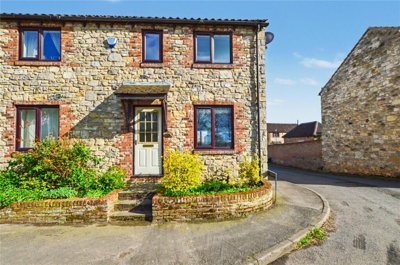
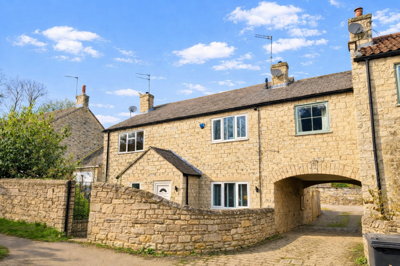
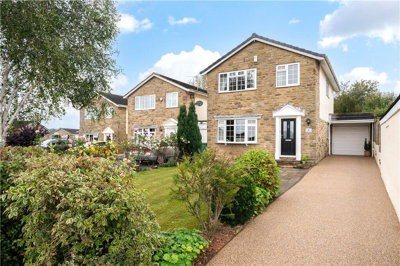
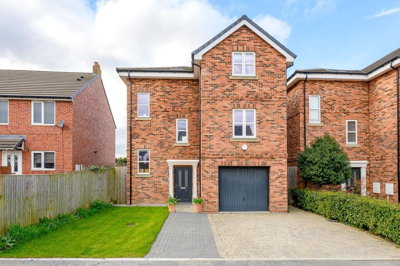
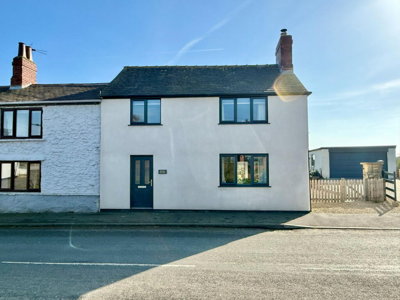
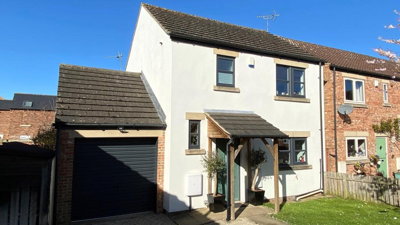
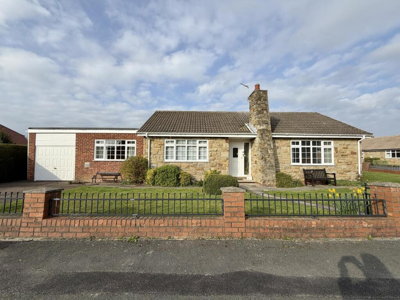
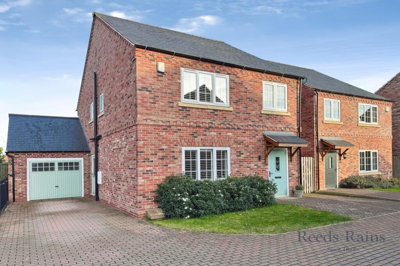
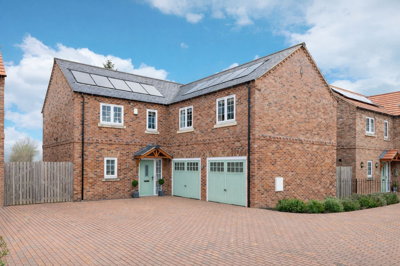
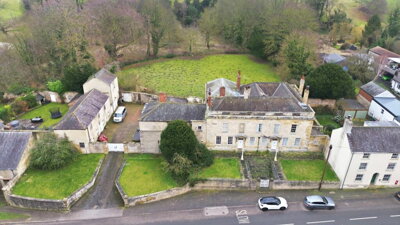
Browse 76 homes for sale in Saxton with Scarthingwell from local estate agents.
homedata.co.uk sold-price data points to a market that is small in scale but far from uniform. In Saxton, the average sold house price over the last 12 months was £200,000, which was 63% lower than the previous year and 67% below the 2022 peak of £597,900. In Scarthingwell, the average came in at £322,708, only 4% down year on year and close to the 2023 peak of £323,458. We think that gap is a useful reminder that this parish is best judged settlement by settlement, not as a single market.
Scarthingwell’s property mix tells a similar story. Over the last year, semi-detached homes averaged £268,496, detached homes averaged £479,000, and terraced homes averaged £229,733. That range gives buyers a choice from smaller village houses to larger country homes, although transaction volumes still look light. In postcode LS24 9PG, Scarthingwell Park saw just 2 property transactions within the last 3 years, which shows how thin the market can be in this part of North Yorkshire.
We have not identified any verified active new-build developments within Saxton with Scarthingwell, so most buyers here are weighing up existing homes rather than newly finished schemes. That shifts the focus onto surveys, title checks, and the maintenance record. In a market this small, condition, setting, and long-term fit can matter just as much as the asking price. Buyers who are ready to move quickly, and who compare homes on a true like-for-like basis, usually get the clearest read.

Rural character runs through Saxton with Scarthingwell, and the landscape has a real bearing on everyday life. Farming is still central to the local economy, while the area feels open, green, and low-rise, with older village buildings mixed in with scattered homes and land-based businesses. There is history in plain sight as well. All Saints' Church in Saxton is a Grade I listed building dating back to the 11th century, and Saxton Castle survives as a scheduled monument with visible earthworks. Taken together, those features give the parish a depth of character that larger settlements rarely match.
Population is modest here, which adds to the close-knit feel. The 2021 census recorded 566 residents across the parish, while the village of Saxton itself has around 250 residents, and postcode areas including LS24 9PG and LS24 9QE cover only 18 and 11 households respectively. For buyers who want quieter roads and a stronger sense of place, that scale can be a real draw. Scarthingwell has its own pull too, with the golf course and Scarthingwell Hall both reinforcing the rural, established setting.
There is no long village high street, but daily life is still supported by a handful of familiar amenities. The parish has an Anglican church, a primary school, a village hall, The Greyhound pub, and a cricket club, so much of the social life revolves around a few well-used local institutions. We often find that this suits families, downsizers, and buyers looking for a slower pace without losing community activity altogether. The trade-off is straightforward, calm, space, and heritage on one side, and more travel for a wider range of shops and services on the other.
Schooling is usually high on the list for anyone moving into a parish of this size, and Saxton with Scarthingwell does at least have the basics in place. Our research confirms a local primary school, which will appeal to families who want younger children close to home and who would rather avoid a long daily drive in the early years. Beyond that, most parents will need to look outside the parish for the full secondary picture. Catchments, admissions, and school transport can all change, so we would always check them early, before you become attached to a particular house.
Rural family life brings practical questions with it. In a parish like this, morning routines often revolve around the car, especially where clubs, childcare, or more than one school run shape the week. Buyers also tend to ask us about wraparound care, bus availability, and the distance to after-school activities in nearby towns. If a school place is the main reason for moving, speak to the school and North Yorkshire Council before making an offer, so you know exactly where you stand.
For older children and teenagers, sixth-form or further education will also usually mean travelling outside the parish. That is entirely normal in a village of this size, but it does make transport planning part of the property decision. We always suggest looking beyond the front door and trying the school run at the actual time it would be used. A quick test like that can tell you far more than a brochure.

Saxton with Scarthingwell makes more sense as a rural parish first, and a commuting base second. Our research does not show a station inside the parish, so rail users are likely to depend on nearby towns and a drive to reach wider regional links. Road access is therefore the main transport theme, alongside the fact that parking is usually easier than in denser suburban areas. For buyers with flexible working patterns, that quieter setting can be a benefit in its own right.
In small North Yorkshire villages, bus services are often less frequent than they are in larger places, so timetables need checking carefully if you do not drive every day. On the plus side, the parish’s low density usually means less pressure on parking outside your own home and fewer issues finding space for visitors. Cycling may suit confident riders on rural roads, though dedicated infrastructure is limited and lighting can be patchy once you move away from the core village streets. Where commuting really matters, we would test the whole journey, not just the route on a map.
There is also a wider question of peace versus convenience. The setting is attractive, but living here usually means the car carries more of the load than it would in a city-edge location. That works well for buyers who put space first. It may be less suitable for someone who depends on a fast train and a late-night bus network. We always encourage movers to judge transport against their own routine, not against a generic picture of rural life.
One good starting point is the split between Saxton and Scarthingwell, because this is a small market and the price difference between the 2 can be meaningful. We would compare recent sold prices, line up property types, and then decide what matters most, village character, a larger plot, or an easier commute.
On paper, homes in a tiny rural market can appear quite alike, but in person they often feel very different. We recommend visiting at different times of day where possible, so you can get a proper sense of traffic, noise, parking, and the pace of the village rather than relying on a single viewing slot.
Before making serious offers, it helps to have a mortgage agreement in principle in place and your deposit evidence ready. Sellers then know you are proceedable, and you are in a better position to move quickly when a well-priced home appears in a market with limited stock.
Older village houses, listed buildings, and homes close to historic assets all merit a careful look. For many buyers, a RICS Level 2 survey is a sensible first step. Where there is visible movement, damp, or unusual construction, moving up to a fuller survey can save money later.
Legal checks matter here. Rural purchases can come with title quirks, access rights, drainage issues, and heritage considerations, so we would want a good conveyancer involved early. The right solicitor should help make sense of the paperwork before the transaction gets too far along.
Once the survey, mortgage, and searches are in place, exchange and completion tend to come with fewer surprises. We would keep communication close between agent, broker, and solicitor, because even small delays can feel frustrating when the local market offers so few alternatives.
A first check should be whether the property sits in a historic or otherwise protected setting. All Saints' Church is Grade I listed, Saxton Castle is a scheduled monument, and Scarthingwell Hall adds to the area’s heritage profile, so nearby homes may come with conservation sensitivity, listed-building issues, or closer planning scrutiny. That is not a reason to walk away, but it is a reason to ask more about alterations, windows, roofs, and any previous applications. Where a home has been altered over time, we would want the paperwork to back up the work.
Practical rural services matter just as much, especially drainage, heating, and access. Our research did not identify a specific flood hotspot for the parish, but any countryside purchase should still include checks on surface water, nearby watercourses, and the maintenance history of drains and gutters. With older homes, we would also ask about oil tanks, septic arrangements, and insulation, because the standard of updating can vary widely from one property to the next. A house that looks charming from the lane can still call for practical spending once you get behind the walls.
Even in a small parish, leasehold and freehold points are worth raising, particularly for an apartment-style property, a conversion, or a house with shared land. Service charges may be uncommon here, but where they do apply, we would want to see the accounts, the reserve fund position, and any planned works. For any property older than 50 years, a RICS Level 2 survey is especially helpful, since damp, roof condition, and hidden maintenance issues are often harder to spot in historic homes. In a market with few listings, careful inspection is one of the best protections for your budget.

According to homedata.co.uk, Saxton averaged £200,000 over the last 12 months, while Scarthingwell averaged £322,708. Because the market is so small, a single sale can shift the average more sharply than it would in a larger town. Saxton was also 63% below the previous year and 67% below its 2022 peak, which shows how volatile a low-volume market can be. Scarthingwell, by contrast, was just 4% down year on year and remained close to its 2023 peak, so it has been steadier.
Council tax here is set through North Yorkshire Council, and the banding depends on the individual property rather than the parish overall. A cottage, a larger detached house, and a newer home can therefore sit in different bands even when they are on nearby lanes. We would ask the agent for the current band before buying and work it into the monthly budget. It is a small detail, but in a rural parish it can make a noticeable difference to running costs.
For younger families, the local primary school is one of the parish’s stronger points. Our research confirms that it is in place. Secondary education is a different picture, and most buyers will need to look beyond the village, checking the wider catchment area, admissions rules, and transport options. In a small parish like this, the right school often depends as much on travel logistics as it does on distance. We would always confirm the latest admissions position with the school and the council before an offer goes in.
This is a rural parish, so transport links are not as extensive as they would be in a larger settlement with its own station and regular buses. Our research does not identify a rail station inside Saxton with Scarthingwell, which means many residents depend on nearby towns and driving for wider rail access. Bus services are likely to be more limited than in a town centre, so the key is checking timetables for the times you would actually need them. For regular commuters, we would test the journey before committing to a purchase.
Potentially, yes, but it suits a particular type of buyer. The attraction is scarcity, village character, and the appeal of a historic North Yorkshire parish, rather than rapid turnover or a large rental pool. That means long-term investors usually need patience and a clear plan, because resale can take longer than it would in a busier market. Homes that present well, offer good parking, and have broad owner-occupier appeal are usually the safer options.
For a standard main residence, stamp duty is 0% up to £250,000, then 5% from £250,000 to £925,000. On that basis, a £200,000 home would usually have no stamp duty to pay, while a £322,708 home would be charged 5% on the amount above £250,000, which comes to about £3,635. First-time buyers get 0% relief up to £425,000, so both of those examples would be free of SDLT for a qualifying first-time purchase. Second-home and buy-to-let buyers may also face the higher-rate surcharge, so we would get advice before reserving.
Yes, and we think they deserve proper attention. The parish has historic assets nearby, including All Saints' Church and Saxton Castle, so some homes may sit in sensitive settings or include altered fabric that needs close review. A survey should look hard at roofs, damp, drainage, and any signs of movement, particularly in homes that have been standing for decades or longer. Where a property has been extended or converted, we would ask for building regulation sign-off and planning paperwork.
We would strongly recommend a survey here, especially because so much of the local appeal comes from older village homes and historic surroundings. A RICS Level 2 survey is a sensible option for many properties, while a more detailed report can be better for listed, altered, or visibly unusual homes. Even where a house appears well kept, a survey can uncover roof defects, damp, or maintenance issues that are expensive to fix. In a small market with few alternatives, that extra clarity matters.
From 4.5%
We compare mortgage rates and help you get an agreement in principle before you view.
From £499
Our solicitors handle the searches, contracts, and completion.
From £350
Homebuyer report for older village homes and cottages
From £60
Arrange an energy performance certificate for your purchase
Stamp duty is one of the larger costs to budget for, and the current 2024-25 rules are easier to follow once set out clearly. Standard buyers pay 0% up to £250,000, 5% from £250,000 to £925,000, 10% from £925,000 to £1.5 million, and 12% above £1.5 million. First-time buyers pay 0% up to £425,000, then 5% from £425,000 to £625,000, with no relief above £625,000. In practice, that means many village homes in Saxton with Scarthingwell fall into a relatively manageable SDLT band, especially around the Saxton average.
Using the local figures, a £200,000 purchase in Saxton would normally carry no stamp duty at all for a standard main residence. A property at Scarthingwell’s 12-month average of £322,708 would be taxed only on the portion above £250,000, which comes out at roughly £3,635 for a standard buyer. For a first-time buyer, both examples sit within the 0% relief band, so the SDLT bill would be nil on a qualifying purchase. Second homes and buy-to-let purchases work differently, so we would check the extra surcharge before committing.
Stamp duty is not the whole story, and rural purchases can bring a few extra costs that are easy to overlook. We would budget for the mortgage fee, legal fees, searches, survey costs, moving costs, and any immediate repairs highlighted by the survey. In a parish with heritage buildings and older homes, it is also sensible to hold back a contingency for roof work, timber treatment, or upgrades to heating and insulation after completion. We help buyers compare the property itself, the local market, and the practical costs, so there is a clear plan before moving forward.
Properties for Sale In London

Properties for Sale In Plymouth

Properties for Sale In Liverpool

Properties for Sale In Glasgow

Properties for Sale In Sheffield

Properties for Sale In Edinburgh

Properties for Sale In Coventry

Properties for Sale In Bradford

Properties for Sale In Manchester

Properties for Sale In Birmingham

Properties for Sale In Bristol

Properties for Sale In Oxford

Properties for Sale In Leicester

Properties for Sale In Newcastle

Properties for Sale In Leeds

Properties for Sale In Southampton

Properties for Sale In Cardiff

Properties for Sale In Nottingham

Properties for Sale In Norwich

Properties for Sale In Brighton

Properties for Sale In Derby

Properties for Sale In Portsmouth

Properties for Sale In Northampton

Properties for Sale In Milton Keynes

Properties for Sale In Bournemouth

Properties for Sale In Bolton

Properties for Sale In Swansea

Properties for Sale In Swindon

Properties for Sale In Peterborough

Properties for Sale In Wolverhampton

Enter your details to see if this property is within your budget.
Loans, cards, car finance
Estimated property budget
Borrowing + deposit
You could borrow between
Typical borrowing
Monthly repayment
Est. at 4.5%
Loan-to-value
This is an estimate only. Your actual budget may vary depending on interest rates, credit history, and personal circumstances. For an accurate affordability assessment, speak to one of our free mortgage advisors.
This calculator provides estimates for illustrative purposes only and does not constitute financial advice. Your home may be repossessed if you do not keep up repayments on your mortgage. Estimates based on 4.5% interest rate, repayment mortgage. Actual rates depend on your circumstances.
Homemove is a trading name of HM Haus Group Ltd (Company No. 13873779, registered in England & Wales). Homemove Mortgages Ltd (Company No. 15947693) is an Appointed Representative of TMG Direct Limited, trading as TMG Mortgage Network, which is authorised and regulated by the Financial Conduct Authority (FRN 786245). Homemove Mortgages Ltd is entered on the FCA Register as an Appointed Representative (FRN 1022429). You can check registrations at NewRegister or by calling 0800 111 6768.

We use cookies to show you personalised content and improve your experience of our website. Find out more in our Privacy policy and Cookie policy.