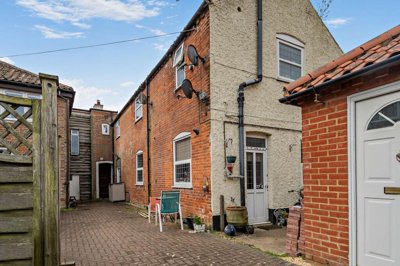
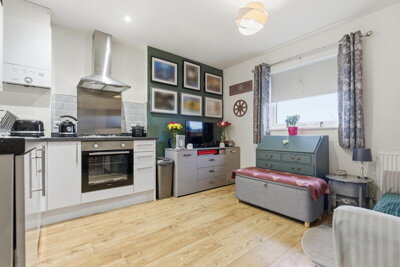
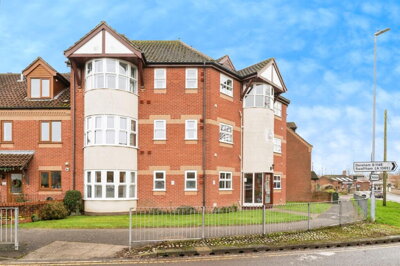
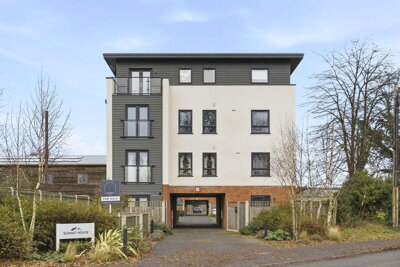
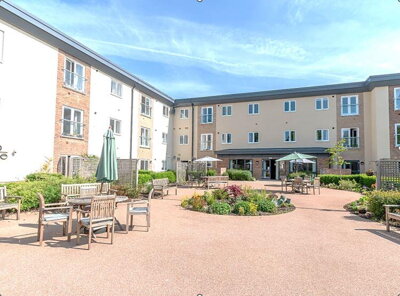
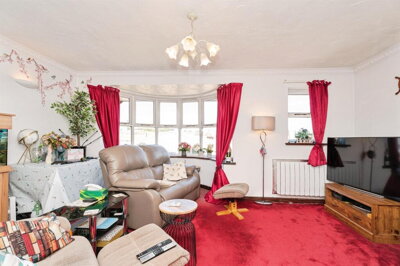
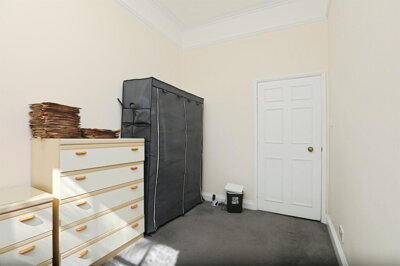
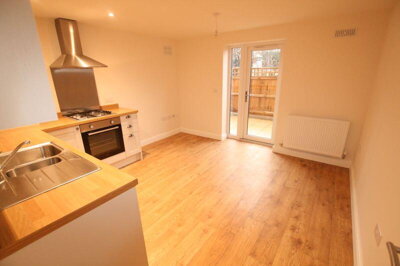
Browse 8 homes for sale in Ryburgh, North Norfolk from local estate agents.
Studio apartments feature open-plan living spaces without separate bedrooms, incorporating sleeping, living, kitchen, and bathroom facilities. The Ryburgh studio market includes properties in modern apartment complexes, converted Victorian and Georgian buildings, and purpose-built developments.
£0k
0
0
0
Source: home.co.uk
Showing 0 results for Studio Flats for sale in Ryburgh, North Norfolk.
Ryburgh's property market still reflects the village's pull as a North Norfolk address. Detached homes top the table, averaging £417,500 over the past year, while semi-detached properties usually sell for around £230,000. Buyers pay for space, privacy, gardens and countryside views here, and the market has held up well, with prices 27.6% above the 2022 peak of £293,068 even after a modest 5% annual decline.
Terraced cottages, substantial detached family homes and brick-and-flint houses shape Ryburgh's Conservation Area. The local brick and flint building tradition gives the village its unmistakable look, and that heritage value matters. New-build work has been limited in recent years, although proposals for extra housing near Station Road suggest some room for growth. Home ownership stands at 72.24%, which says a lot about the area's stability and long-term appeal.

Set against Norfolk countryside, Ryburgh offers a proper village way of life. The River Wensum runs through the parish, bringing riverside walks and adding to the pastoral feel. Beyond that, there is rolling farmland and meadowland for walking, cycling and wildlife watching. The Boar Inn sits at the centre of it all, with locally sourced food and drink, and as a listed building it has served villagers and visitors for generations.
A strong sense of community runs through Ryburgh, helped by local initiatives and the neighbourhood planning work behind recent development decisions. Fakenham is just 4 miles away, so residents can get to supermarkets, independent shops, healthcare and the monthly farmers' market without much fuss. Wells-next-the-Sea and Cromer are also within easy driving distance, bringing beaches, seaside attractions and seafood restaurants. It is that mix of rural calm, community ties and access to Norfolk's best-known landscapes that keeps Ryburgh so appealing.
Crisp Malting on Station Road shapes much of the local economy. The works have been producing malt for over two centuries and remain one of the village's most enduring employers. They also bring a little traffic through the village, but that trade has helped support services and community facilities for years.

Families moving to Ryburgh have several primary options in the surrounding villages and market towns. OFSTED-registered settings cover reception through to Year 6, so there is a clear local pathway for younger children. It is sensible to check performance data and catchment rules before making an offer, because admission policies can be tight in popular North Norfolk villages. Some families also look to private schools in Norwich and across the wider Norfolk area.
Secondary schools in nearby Fakenham and other towns give older pupils access to a broader spread of GCSE and A-Level subjects, even if the daily trip is a little longer. The Ryburgh Neighbourhood Plan places real emphasis on keeping local services, including education, in good shape as the village develops. For families who want strong academic results and a wider curriculum, the larger towns provide well-established comprehensive schools. Norwich colleges add vocational and academic routes for older students.
Moving from town to village school life usually means a longer school run, though many families find the trade-off worthwhile. Several of the primary schools nearby have earned good or outstanding OFSTED ratings in recent years, which makes them a draw for parents who value small classes, pastoral care and academic progress. The village setting helps too.

Ryburgh's transport links are rural, but not awkward. The village lies about 4 miles southeast of Fakenham, the local bus hub for services to Norwich, King's Lynn and the Norfolk coast. Norwich and King's Lynn are the nearest railway stations, with routes to London Liverpool Street and Cambridge respectively. By car, Norwich is roughly 45 minutes away in normal traffic.
Access by road runs out to the A148 King's Lynn to Cromer road, which ties Ryburgh into the wider Norfolk network. Day-to-day essentials are usually within a short drive, yet the village still feels tucked away. Quiet lanes make cycling attractive, and North Norfolk's growing cycle routes add to that. Parking is generally straightforward, a reflection of the low-density housing and the lighter traffic that residents value.
For those commuting to Norwich, the A47 trunk road offers the most direct route from the Fakenham area into the city. Peak-hour congestion can drag the journey out, so hybrid working or slightly different travel times may make more sense for city-based jobs. Norwich's park and ride sites, on the edge of the city, can also take the strain when heading into the centre.

A good first step is to look at current listings in Ryburgh and get a feel for the stock, the asking prices and what comes with each home. Semi-detached properties average £230,000, while detached homes sit at £417,500. A local estate agent with proper North Norfolk knowledge will be useful here. Many homes use brick-and-flint construction, so it helps to understand how those materials age and what maintenance they tend to need.
Before arranging viewings, speak to a lender about an agreement in principle. It shows sellers that financing is in place and signals that we are serious about moving ahead. Our mortgage partners can compare rates and talk through the options. Ryburgh's older housing stock can prompt extra lender checks, so it is sensible to raise those points with a broker early.
Viewings are worth taking slowly. Look closely at historic details, the quality of the brick-and-flint work and any signs of damp or structural movement. Ryburgh's Conservation Area status also means some planning controls may affect future changes. With just 264 households, the market can move more slowly than in town, so a good relationship with local agents can help when a new property comes up.
A Level 2 survey is usually the right place to start with most Ryburgh homes. Older houses in the village often need close attention to traditional construction, timber elements and historic features, and a survey can pick up defects before they become expensive surprises. Our inspectors know brick-and-flint properties across North Norfolk well, and they see the common issues that crop up in rural homes.
Choose a conveyancing solicitor to deal with searches, contracts and title transfers. They will work alongside the seller's solicitor and the mortgage lender from start to finish. Someone familiar with North Norfolk will also recognise local issues such as flood risk reports for homes near the River Wensum and any planning conditions tied to the Conservation Area.
Once searches are clear and finance is confirmed, contracts are exchanged and the deposit is paid. Completion usually follows within days or weeks, at which point the keys are handed over and the purchase is complete. In a village this small, that is really only the start, as neighbours are often quick to welcome newcomers and village life can be surprisingly sociable.
Ryburgh's traditional building methods deserve proper attention from any buyer. The Conservation Area reflects the importance of its vernacular architecture, much of it brick and flint from different periods. Flint nodules dug from the local chalk geology were paired with handmade bricks to form the distinctive walls seen around the village. These materials need different care from modern cavity walls, and lime-based mortars and pointing matter if the walls are to breathe properly.
Many Ryburgh houses have solid walls rather than the cavity insulation found in newer homes. They have plenty of thermal mass, but they can be more prone to penetrating damp if maintenance slips, and insulation upgrades are not always straightforward. Our surveyors regularly spot failed original lime pointing, old brick repairs using unsuitable modern materials and timber affected by damp or woodworm. A Level 2 survey will flag those issues before purchase goes any further.
The Grade II* listed Church of St Andrew is the clearest example of local building tradition, with dressed stone, flint and brick all part of its fabric. Historical records note that repairs have involved 'Lyme' (lime) for pointing and large quantities of bricks, a reminder of how long traditional buildings here have been maintained. Anyone buying a listed property in Ryburgh needs consent for alterations that could affect character, so those obligations should be clear before completion.
Ryburgh asks buyers to think about a few area-specific issues that do not always arise in urban purchases. Because the village sits in a Conservation Area, exterior alterations, extensions and some improvements may need planning permission from North Norfolk District Council. The local planning portal and the Ryburgh Neighbourhood Plan are both worth reading before any plans are made. Those controls protect the village character, though they can limit what can be done to a home.
Flood risk is a real point to check in Ryburgh because the River Wensum runs through the parish. Homes in or near the flood plain may face higher insurance costs and, in some cases, access problems during flood events. We would always ask for flood risk reports during conveyancing and look carefully at how close a property sits to watercourses. The chalk bedrock and clay deposits beneath the village can also affect ground conditions, so older homes merit a thorough survey.
Beyond the Church of St Andrew, Ryburgh has several listed buildings, including the Grade II listed Great Ryburgh War Memorial on the village green and The Boar Inn, both of which help protect the area's character. Homes near the malting works on Station Road may also pick up occasional heavy vehicle traffic linked to the business, and that is worth weighing up during viewings. Those details matter when the aim is peaceful rural living.

Buying in Ryburgh involves more than the headline price, so stamp duty, survey fees, legal costs and moving expenses all need to be part of the budget. At the village average of £374,000, stamp duty Land Transaction Tax would be nil for most buyers under the current thresholds. First-time buyers at that price point would also pay no stamp duty, which keeps Ryburgh within reach for those stepping onto the ladder. Anyone buying above £250,000 should allow for the 5% rate on the amount over that level.
A RICS Level 2 survey usually comes in at between £375 and £500 for Norfolk homes, and that can be money well spent in Ryburgh because of the age of the stock and the brick-and-flint construction. Conveyancing fees often begin at around £499 for straightforward work, with higher costs for leasehold properties or tricky title matters. Search fees, title registration fees and disbursements can add several hundred pounds more, and mortgage arrangement fees, valuation fees and broker charges should also sit in the budget.
Moving to a rural village like Ryburgh can bring removal van hire costs that vary with distance and how much needs shifting. There is some admin in setting up utilities, internet and council tax at the new address, but not much direct expense. Buildings insurance has to be in place from completion, and contents cover is best sorted from move-in day. A clear budget helps keep the process calm and leaves room to enjoy the move into North Norfolk.
Traditional cottages and listed buildings in Ryburgh can throw up extra costs, especially where specialist surveys or historically appropriate restoration materials are needed. Homes with heavier maintenance demands may also need immediate repairs after purchase. Our team can put buyers in touch with local tradespeople who understand traditional building methods, which makes it easier to plan a realistic renovation budget.
The average sold house price in Great Ryburgh is £374,000 over the past year. Detached homes average £417,500, while semi-detached properties usually sell for around £230,000. Prices have remained resilient, sitting approximately 27.6% above the 2022 peak of £293,068 despite modest annual fluctuations. That mix of rural character, Conservation Area status and proximity to the Norfolk coast keeps demand steady.
For council tax, properties in Ryburgh sit under North Norfolk District Council. Bands run from A to H depending on value, although many of the village's cottages and family homes fall within B to D. Exact bands can be checked through the Valuation Office Agency website or by our solicitor during conveyancing searches. Because the village contains homes of very different ages and sizes, neighbouring properties can sit in different bands, so it is worth checking each one carefully.
Primary schooling for Ryburgh children is provided by schools in surrounding villages and in Fakenham, which is just 4 miles away. Current OFSTED ratings and catchment boundaries should be checked, because both can change and may depend on the exact address. Secondary options include schools in Fakenham and further afield, with comprehensive schools offering GCSE and A-Level study. Norwich adds private schooling choices for families who want something different. Many parents like the smaller classes and community feel of village schools, where staff often know pupils and families well.
Public transport is limited, but it works. Bus services run from Fakenham and connect to Norwich, King's Lynn and the North Norfolk coast, while the nearest railway stations are at Norwich and King's Lynn with links to London, Cambridge and the wider rail network. Most residents depend on cars for daily journeys, with Ryburgh about 4 miles from Fakenham and roughly 45 minutes' drive from Norwich. Car ownership levels are therefore high compared with urban areas.
Ryburgh has solid investment appeal, helped by a restricted housing supply, home ownership rates of over 72% and continued demand for rural Norfolk homes. The Conservation Area and the village's heritage buildings support values, while the nearby coastal destinations add to the draw. New development has been limited, which has helped existing property prices, although the rental market is small and flood risk matters for some homes. With about 718 residents, the market is relatively illiquid, so selling may take time.
Stamp duty rates for 2024-25 are 0% on the first £250,000 of property value, 5% on £250,001 to £925,000, 10% on £925,001 to £1.5 million and 12% above £1.5 million. First-time buyers get 0% on the first £425,000 and 5% on £425,001 to £625,000. With the average Ryburgh property price at £374,000, most buyers would pay no stamp duty or only a small amount under the current thresholds. That keeps the village appealing for first-time buyers working with smaller deposits and tighter budgets.
As a designated Conservation Area, Ryburgh has planning controls that go beyond standard permitted development rights. External changes such as window replacements, roof alterations and exterior painting may need consent from North Norfolk District Council. The Ryburgh Neighbourhood Plan, made in June 2021, gives further guidance on the kinds of development considered suitable for the village. Anyone planning alterations should read both documents first, because breaches of conservation area controls can lead to enforcement action and requirements to restore original features.
Properties for Sale In London

Properties for Sale In Plymouth

Properties for Sale In Liverpool

Properties for Sale In Glasgow

Properties for Sale In Sheffield

Properties for Sale In Edinburgh

Properties for Sale In Coventry

Properties for Sale In Bradford

Properties for Sale In Manchester

Properties for Sale In Birmingham

Properties for Sale In Bristol

Properties for Sale In Oxford

Properties for Sale In Leicester

Properties for Sale In Newcastle

Properties for Sale In Leeds

Properties for Sale In Southampton

Properties for Sale In Cardiff

Properties for Sale In Nottingham

Properties for Sale In Norwich

Properties for Sale In Brighton

Properties for Sale In Derby

Properties for Sale In Portsmouth

Properties for Sale In Northampton

Properties for Sale In Milton Keynes

Properties for Sale In Bournemouth

Properties for Sale In Bolton

Properties for Sale In Swansea

Properties for Sale In Swindon

Properties for Sale In Peterborough

Properties for Sale In Wolverhampton

Enter your details to see if this property is within your budget.
Loans, cards, car finance
Estimated property budget
Borrowing + deposit
You could borrow between
Typical borrowing
Monthly repayment
Est. at 4.5%
Loan-to-value
This is an estimate only. Your actual budget may vary depending on interest rates, credit history, and personal circumstances. For an accurate affordability assessment, speak to one of our free mortgage advisors.
This calculator provides estimates for illustrative purposes only and does not constitute financial advice. Your home may be repossessed if you do not keep up repayments on your mortgage. Estimates based on 4.5% interest rate, repayment mortgage. Actual rates depend on your circumstances.
Homemove is a trading name of HM Haus Group Ltd (Company No. 13873779, registered in England & Wales). Homemove Mortgages Ltd (Company No. 15947693) is an Appointed Representative of TMG Direct Limited, trading as TMG Mortgage Network, which is authorised and regulated by the Financial Conduct Authority (FRN 786245). Homemove Mortgages Ltd is entered on the FCA Register as an Appointed Representative (FRN 1022429). You can check registrations at NewRegister or by calling 0800 111 6768.

We use cookies to show you personalised content and improve your experience of our website. Find out more in our Privacy policy and Cookie policy.