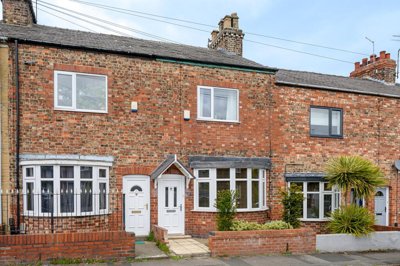
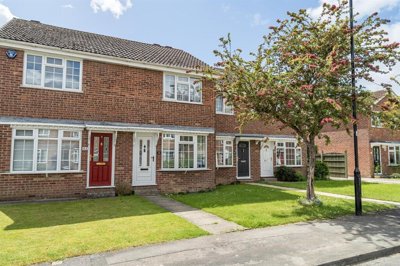
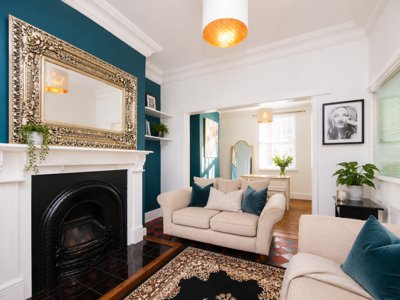
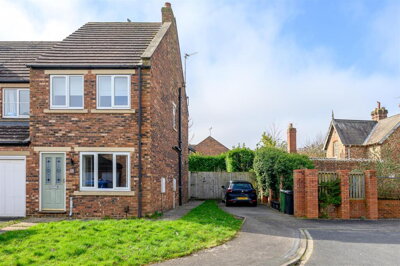
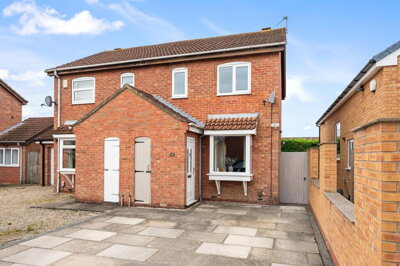
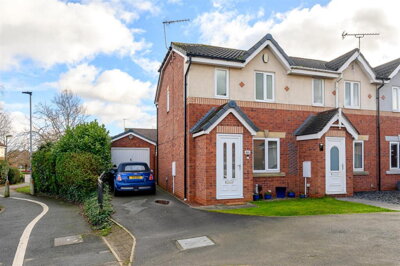
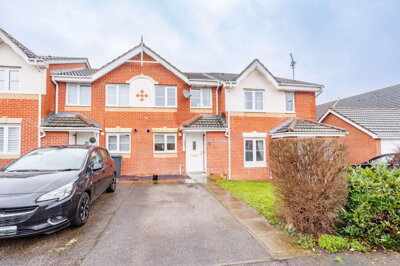
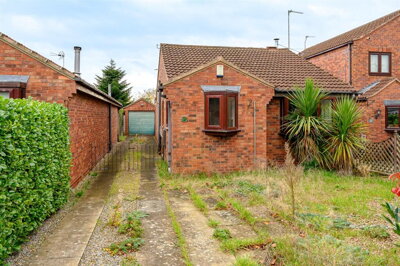
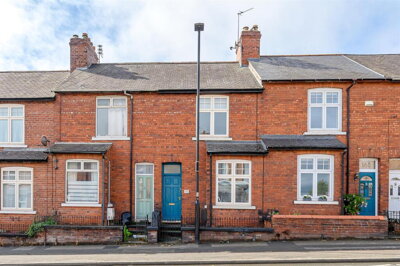
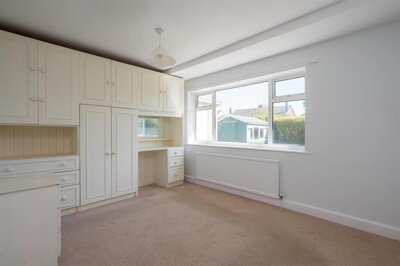
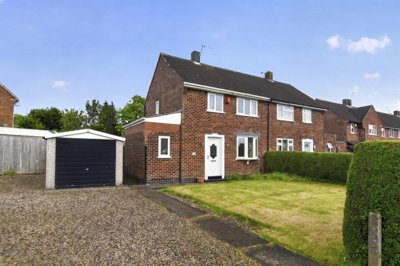
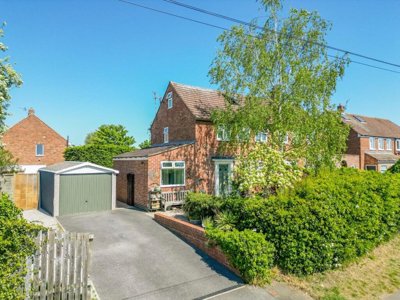
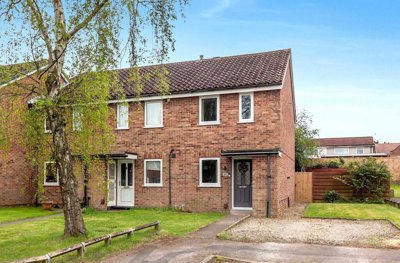
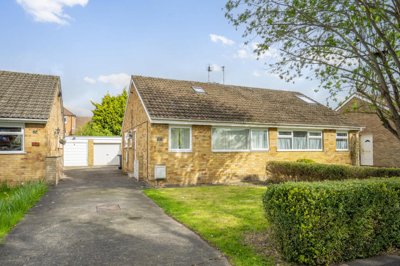
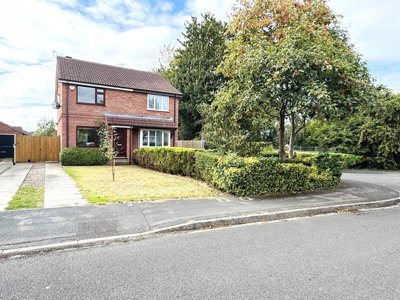
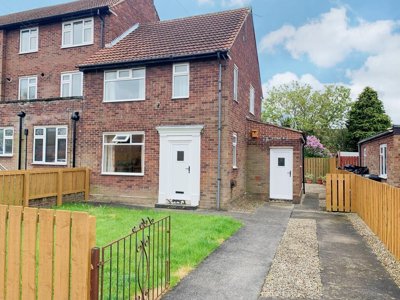
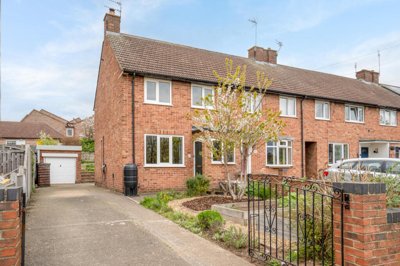
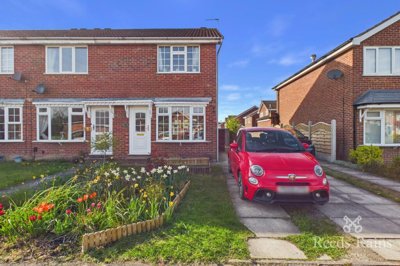
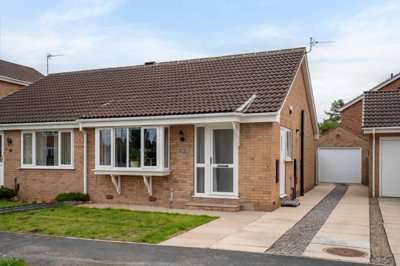
Browse 116 homes for sale in Rufforth with Knapton from local estate agents.
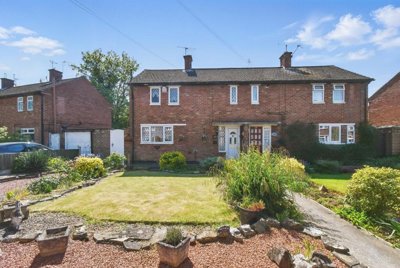
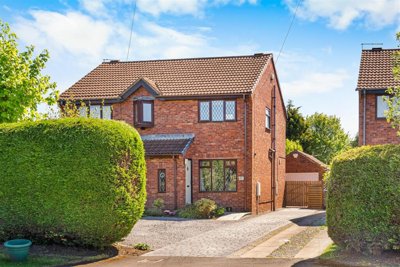
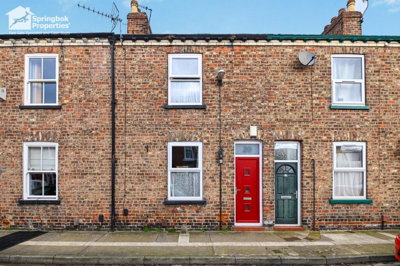
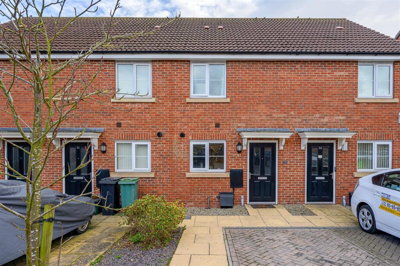
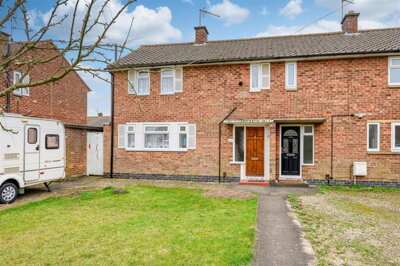
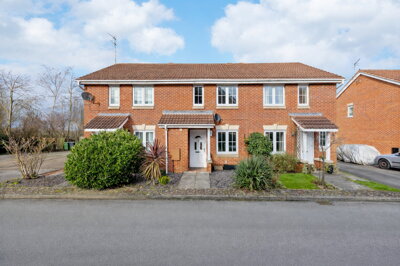
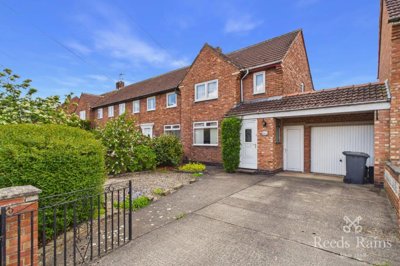
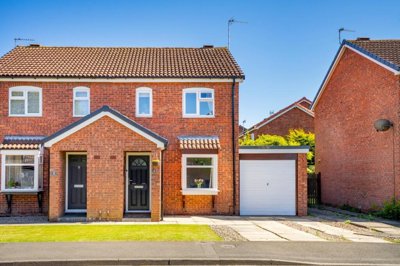
The 2 bed house market features detached, semi-detached, and terraced properties with two separate bedrooms plus living spaces. Properties in Rufforth With Knapton range from Victorian and Edwardian period homes to modern new builds, with pricing varying across different neighbourhoods.
Rufforth with Knapton's property market gives buyers and sellers a mixed picture. The average sold price for properties in Rufforth over the last twelve months stands at £393,500 according to home.co.uk listings data and homedata.co.uk data, while home.co.uk reports an average price paid of £472,000 as of February 2026. Sales volumes have eased back, with the parish recording 21 sales in 2023 averaging £531,429, then 11 sales in 2024 at £497,182, and just 7 sales in 2025 at £447,929. That quieter pace sits alongside the parish being the ninth most expensive in York, which tells us demand is still there for homes in this sought-after location.
Different property types sit in different brackets across the parish, so there is some choice across budgets. homedata.co.uk data for Rufforth with Knapton Parish shows detached properties averaging £534,941 based on 68 sales since 2018, although home.co.uk records recent detached sales averaging £418,125 over the last year. Semi-detached homes average £294,511 and terraced properties £290,356, which keeps those categories within reach for first-time buyers or anyone wanting a smaller footprint. Flats average £138,143, but there are fewer of them in circulation. The market has also corrected, with Rufforth prices down approximately 30% on the previous year and 31% below the 2023 peak of £569,222, so current pricing may suit buyers looking to step in now.
The split between Rufforth and Knapton matters. Rufforth has pulled back from its 2023 peak, yet Knapton has held firm at £590,000 over the last year, which is a 28% increase on the previous year and only 3% down from the 2023 peak of £574,000. That difference points to contrasting supply patterns: Knapton has fewer homes available, but its smaller scale and village character keep prices at a premium. Buyers with some flexibility may find better value in Rufforth, while those drawn to Knapton should expect tighter competition and higher price points.
In Rufforth with Knapton, the average price paid of £472,000 covers everything from terraced cottages to substantial detached family homes. home.co.uk data shows terraced properties averaging £295,000 over the last year, while detached homes averaged £418,125, which shows the premium for larger houses with more garden space.

Two villages, one parish, and each keeps its own feel. Rufforth has around 300 residents and sits on a sandy ridge that historically gave firmer ground above the surrounding marshland. All Saints Church, Pear Tree Farmhouse, the Pinfold, and the Village Pump and Trough are all listed buildings, and they anchor the village's long history. Knapton, with around 100 residents, is smaller but no less historic, with St Peter's Farmhouse and St Peter's Cottages on Main Street also listed. Both villages lie within Green Belt land, so planning controls stay tight and the countryside around them remains protected.
Day-to-day living is practical here without losing the village feel. Rufforth Airfield, once a major military site, now houses the Ouse Gliding Club and a haulage company, so it still contributes both jobs and leisure. York city centre is only five miles away, bringing shopping, restaurants, the National Railway Museum and healthcare within easy reach while keeping the semi-rural setting intact. Local pubs, village halls and recreation spaces also carry much of the social life, with events through the year helping the neighbourly feel.
That sandy ridge is more than a local quirk. It is the reason the village grew where it did, because the higher ground stayed dry while the lower land around it was once marsh with standing water. Homes are concentrated on the ridge, with farmland and agricultural land spread across the clay soils nearby. For buyers, that matters, since foundation conditions can differ quite a bit between the sandy ground and the adjoining clay where the water table sits higher.
Schooling for families in Rufforth with Knapton is available both nearby and across York. The parish sits in the catchment area of schools run by City of York Council, and primary-aged children usually attend schools in neighbouring villages or on York's outskirts. We would always suggest checking the current catchment boundaries and admission arrangements directly with the council, because they change and can affect placement. For secondary education, several schools and academies on York's western side sit within a reasonable travelling distance.
The village's 1950s RAF-built homes on Trenchard Road and Portal Road give Rufforth a clearly military layer of history. They sit alongside older cottages and farmhouses, so the housing stock covers several architectural periods rather than just one. For families focused on education, York's independent schools are an obvious draw, with institutions in the city offering teaching from primary through to sixth form level. Higher education is close too, thanks to the University of York and York St John University, both part of the city's strong academic scene.
Before we buy in Rufforth with Knapton, we would always check the current school allocations and weigh the good transport links to educational options across York. The A59 gives direct access to schools on the western side of the city, and the parish's position means families can reach a broader spread of settings than they might from more isolated rural places. Several well-regarded primary schools serve the area, while York's secondary schools generally hold good Ofsted ratings across most institutions.
One of Rufforth with Knapton's biggest strengths is how well it connects. West of York on the A59, the village gives drivers a direct run into the city centre in about fifteen to twenty minutes, depending on traffic. The same road links to the outer ring road and the A64 towards Leeds, so regional travel stays straightforward. York Pullman and First York also run bus services linking Rufforth with central York and nearby villages, though frequencies are less generous than urban routes, which is why many residents still rely on a car.
For longer journeys, York railway station opens up Leeds, London, Edinburgh, and Manchester. High speed services to London Kings Cross take around two hours, so day commuting to the capital is realistic for some workers. Leeds Bradford Airport sits within reach via the A64, while the port of Hull offers ferry links for longer trips. Cyclists can use routes into York that are popular with commuters, and the flat ground around Rufforth's sandy ridge makes shorter rides practical. Parking in York can be awkward at peak times, so anyone driving in should factor that into their routine and may prefer commuter car parks on the city's edge.
The A59 is the parish's main selling point for commuters. It brings reliable journey times into York from the west, and although traffic is heavier at peak hours, flows are usually manageable outside those windows. Off-peak, the drive through open countryside before the urban fringe can take about fifteen minutes. For those heading towards Leeds or the A1, the A64 links into the motorway network without forcing a route through central York.
New build activity has also reached Rufforth. At Middlewood Close, Mulgrave Developments Ltd completed 21 homes at the end of the existing road, with work starting around June 2023 and carrying on for roughly 18 months. The site is set out in the York Local Plan, which shows how the council is managing growth inside the Green Belt. Buyers there get the chance to live in a village setting with a new build home, though the usual new build premium and snagging issues still apply.
Hawthorn Fields gives Rufforth another modern option. Mulgrave Properties has built a collection of 2, 3, and 4-bedroom homes there, each fitted with low-carbon Air Source heat pump systems that reflect current energy efficiency standards and may trim running costs. The postcode is YO23 3AE. Anyone buying new should still budget for snagging surveys, because brand-new does not mean fault-free and build quality can vary from one developer to another.
Knapton has its own future supply pinned down in the York Local Plan, with a housing allocation at the junction of Main Street and Back Lane and an application already submitted. We also note a planning application lodged in December 2024 for a single dwelling with ancillary storage on Sharon Ten Thorn Lane, Knapton (YO26 6PN), following demolition of an existing property. With Green Belt constraints keeping numbers tight, Knapton is likely to stay short of stock, which helps explain the village premium. Buyers after newer homes may want to watch both finished schemes and plots with recent planning permission.
For buyers, geology is not just background detail here. Rufforth village sits on a sandy ridge that once offered firm, dry ground above marshland, but the lower land around it is clay with a higher water table. Before drainage, the area was marsh, with places of standing water. Clay soils can shrink and swell as moisture changes, and that movement can affect foundations, especially in the upper two metres of the ground where conditions are most variable.
The British Geological Survey GeoSure dataset looks at shrink-swell potential across England. We have not found a specific hazard rating for Rufforth with Knapton in the available data, but the clay land around the sandy ridge still points to some risk, especially in the lower-lying areas. Homes built on the more stable sandy ground, or with deeper foundations, may be less exposed than properties on clay with shallower footings. The area's marshland history and higher water table also mean surface water flooding can be a concern during heavy rainfall.
The Rufforth with Knapton Neighbourhood Plan takes flooding seriously, with an aim to keep development out of the highest-risk areas and to require proper mitigation where new building does go ahead. We would always advise checking the Environment Agency flood risk maps for any property-specific concerns, especially in lower-lying positions. There is also an extant planning permission for coal extraction by deep mining in the wider area, backed by an agreed compensation and mitigation package. That will not touch most homes directly, but anyone worried about ground stability should get specialist advice and look through the planning records.
Rufforth with Knapton has several listed buildings that underline the history of both villages. In Rufforth, All Saints Church, Pear Tree Farmhouse, the Pinfold, and the Village Pump and Trough are all protected, while in Knapton, St Peter's Farmhouse and two cottages on Main Street also hold listed status. A barn and gin gang at Rufforth Grange were listed in 1987 but were later de-listed in 1993 after becoming derelict and damaged, which shows that listed status can be lost when special interest disappears. For buyers, that means extra cost and complexity whenever listed building consent is needed for alterations.
Both villages sit within Green Belt land, so development is tightly controlled to stop settlements merging and to keep the countryside open. That designation supports values by limiting supply, but it also means buyers should not assume they will be able to extend or redevelop later on. City of York Council uses the Rufforth with Knapton Neighbourhood Plan alongside its own policies when deciding applications in the area. Anyone with ideas for alterations or extensions should read the plan and speak to the council planning department before committing to a purchase.
The housing stock here runs from 18th-century listed buildings to 1950s RAF homes on Trenchard Road and Portal Road, as well as stone and brick cottages and more recent developments. That mix means each property type deserves its own close look. Older homes often need someone who understands traditional construction, while post-war houses can bring different defect patterns linked to their era. We would advise a thorough survey on any purchase, and for listed buildings or homes in poor condition, a full RICS Level 3 Building Survey is often the better call than a standard Level 2 assessment.
We suggest speaking to a mortgage broker or lender first and getting an Agreement in Principle before the viewings start. It shows estate agents and sellers that the finance is lined up, which strengthens a buyer's position in a market where detached family homes and period cottages are keenly sought after.
Check home.co.uk for current listings, and homedata.co.uk for recent sale prices and property trends in Rufforth with Knapton. Seeing how Rufforth prices have slipped from the 2023 peak while Knapton prices have risen 28% year on year will help narrow the right village and price band for your circumstances.
Once a shortlist is in place, call the estate agents and book viewings. Hawthorn Fields with its air source heat pumps is very different from the historic listed buildings in the parish, so it pays to think carefully about which style suits your needs and budget.
Before you go any further, arrange a RICS Level 2 Homebuyer Report to look over the condition of the property. Clay soils in the area can trigger shrink-swell ground movement, and many homes are older, including listed buildings, so a proper survey is key for spotting structural issues or maintenance problems.
Choose a conveyancing solicitor with experience of Yorkshire property transactions to deal with the legal side. They will carry out searches, review the contracts, and work with the mortgage lender to keep the sale moving through to completion.
By source, the average house price in Rufforth with Knapton comes out differently, with home.co.uk and homedata.co.uk reporting £393,500 over the last year, while home.co.uk shows £472,000 as of February 2026. Rufforth with Knapton Parish sits as the ninth most expensive parish in York out of 31 parishes with at least ten sales since 2018. Detached properties average £534,941, semi-detached homes £294,511, terraced properties £290,356, and flats £138,143. Recent prices have softened too, with Rufforth prices down approximately 30% from the previous year and 31% from the 2023 peak of £569,222, while Knapton has remained resilient with prices up 28% year on year.
Properties in Rufforth with Knapton sit under City of York Council. Council tax bands run from A through H and are based on valuations as of April 1991. The band for an individual property can be checked on the City of York Council website or on property listings that set it out. Because the parish is rural and the housing stock ranges from period cottages to modern developments, the bands vary a lot, with larger detached family homes usually in higher bands than smaller terraced properties or flats.
Rufforth with Knapton falls within City of York Council's school admission area, with primary and secondary schools available in nearby villages and on York's outskirts. We would point parents towards the City of York Council admissions website for the latest catchment areas and school performance data. The short hop into York opens up a wide choice of educational options, including several well-regarded primary schools, secondary schools, and sixth form colleges. York's independent schools are also within reasonable travelling distance for families looking at private education, with provision from early years through to sixth form.
Bus routes link Rufforth and Knapton to York city centre, although they are less frequent than urban services, so many residents still find a car useful. The A59 gets drivers into York in about fifteen to twenty minutes. York railway station provides strong national rail links, including direct services to London, Leeds, Edinburgh, and Manchester. For air travel, Leeds Bradford Airport is reachable via the A64. Cyclists also do well here, with popular routes into York and relatively flat ground around Rufforth's sandy ridge making short trips workable.
Rufforth with Knapton has a few features that will catch the eye of property investors and homebuyers alike. As the ninth most expensive parish in York, it clearly has appeal and staying power. Green Belt designation keeps supply tight by restricting new development, which can support long-term values. Recent schemes such as Middlewood Close with 21 homes and Hawthorn Fields show there is still investment in the area. York city centre is close enough to bring jobs, amenities, and rental demand from commuters and city workers who like village living. The flip side is volume, just seven sales in 2025, so liquidity is limited and a quick exit may be harder than in a busier urban market.
For purchases in England, including Rufforth with Knapton, Stamp Duty Land Tax applies. The standard rates are 0% on the first £250,000, 5% on £250,001 to £925,000, 10% on £925,001 to £1.5 million, and 12% above £1.5 million. First-time buyers get relief on the first £425,000, with 5% charged from £425,001 to £625,000. Most homes here, averaging £393,500 to £472,000, sit in the lower bands. A first-time buyer at the average price would usually pay no stamp duty, while an existing homeowner would pay about £7,175 on a £472,000 property. We would always check the final position with a solicitor or tax adviser, because thresholds can change.
The Neighbourhood Plan for Rufforth with Knapton is designed to keep development out of areas at highest flood risk, reflecting the marshland that once surrounded the village. Homes on Rufforth's sandy ridge usually sit above the lower-lying clay land where the water table is higher, but it still makes sense to check the Environment Agency flood risk maps for any specific property, especially if it sits low or near watercourses. The surrounding farmland was historically marsh, and although drainage has cut the risk back, surface water flooding remains something to think about in heavy rain. A survey by a RICS qualified professional will pick up any visible damp or water ingress that could hint at a deeper issue.
Older homes in Rufforth with Knapton include 18th-century listed buildings and 1950s properties built for RAF personnel. Clay soils nearby mean foundation conditions need a close look, particularly where a property sits on lower ground. Cracking, settlement, or uneven floors can point to subsidence linked to clay shrink-swell behaviour. The age of these homes can also bring old wiring, original plumbing, or roofs approaching the end of their useful life. For older stock, a thorough RICS Level 2 or Level 3 survey is vital, and listed buildings need allowance in the budget for listed building consent whenever works are planned.
From 4.5%
Competitive mortgage rates for a Rufforth with Knapton purchase
From £499
Experienced solicitors handling your property transaction
From £350
Professional property survey tailored to local properties
From £85
Energy performance certificate for your new home
Buying here costs more than the asking price alone. Stamp Duty Land Tax rates for 2024-25 are 0% on the first £250,000, 5% on the portion between £250,001 and £925,000, 10% on £925,001 to £1.5 million, and 12% on anything above £1.5 million. With average property prices in Rufforth with Knapton sitting between £393,500 and £472,000, most buyers at median levels will pay between zero and about £7,175 in stamp duty, depending on buyer status. First-time buyers purchasing homes up to £425,000 pay no stamp duty under the current relief rules.
Beyond stamp duty, buyers should budget for a RICS Level 2 survey, which usually costs between £400 and £800 depending on property size and value. Properties in Rufforth with Knapton averaging over £390,000 may sit towards the higher survey cost brackets, particularly larger detached family homes. Solicitors' conveyancing fees typically run from £500 to £1,500 plus disbursements for searches and registration fees. Local searches with City of York Council, drainage and water searches, and property registration will add several hundred pounds to the bill. Mortgage arrangement fees, lender valuation fees, and removal costs all need a place in the overall budget.
The smaller number of sales in the parish can also mean a better chance of chain-free deals, which may move faster than chain-heavy transactions more common in urban markets. With just 7 sales recorded in 2025, Rufforth with Knapton is a relatively slow-moving market, so purchases can take longer, though the flip side is fewer competitive bidding wars. We would budget a contingency of around 10% above the purchase price to cover surprises such as survey repairs, extra legal work, or furniture and fittings if the property is sold with fewer inclusions than expected.
Properties for Sale In London

Properties for Sale In Plymouth

Properties for Sale In Liverpool

Properties for Sale In Glasgow

Properties for Sale In Sheffield

Properties for Sale In Edinburgh

Properties for Sale In Coventry

Properties for Sale In Bradford

Properties for Sale In Manchester

Properties for Sale In Birmingham

Properties for Sale In Bristol

Properties for Sale In Oxford

Properties for Sale In Leicester

Properties for Sale In Newcastle

Properties for Sale In Leeds

Properties for Sale In Southampton

Properties for Sale In Cardiff

Properties for Sale In Nottingham

Properties for Sale In Norwich

Properties for Sale In Brighton

Properties for Sale In Derby

Properties for Sale In Portsmouth

Properties for Sale In Northampton

Properties for Sale In Milton Keynes

Properties for Sale In Bournemouth

Properties for Sale In Bolton

Properties for Sale In Swansea

Properties for Sale In Swindon

Properties for Sale In Peterborough

Properties for Sale In Wolverhampton

Enter your details to see if this property is within your budget.
Loans, cards, car finance
Estimated property budget
Borrowing + deposit
You could borrow between
Typical borrowing
Monthly repayment
Est. at 4.5%
Loan-to-value
This is an estimate only. Your actual budget may vary depending on interest rates, credit history, and personal circumstances. For an accurate affordability assessment, speak to one of our free mortgage advisors.
This calculator provides estimates for illustrative purposes only and does not constitute financial advice. Your home may be repossessed if you do not keep up repayments on your mortgage. Estimates based on 4.5% interest rate, repayment mortgage. Actual rates depend on your circumstances.
Homemove is a trading name of HM Haus Group Ltd (Company No. 13873779, registered in England & Wales). Homemove Mortgages Ltd (Company No. 15947693) is an Appointed Representative of TMG Direct Limited, trading as TMG Mortgage Network, which is authorised and regulated by the Financial Conduct Authority (FRN 786245). Homemove Mortgages Ltd is entered on the FCA Register as an Appointed Representative (FRN 1022429). You can check registrations at NewRegister or by calling 0800 111 6768.

We use cookies to show you personalised content and improve your experience of our website. Find out more in our Privacy policy and Cookie policy.