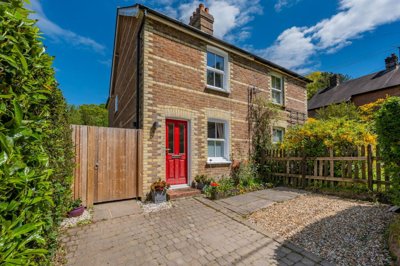
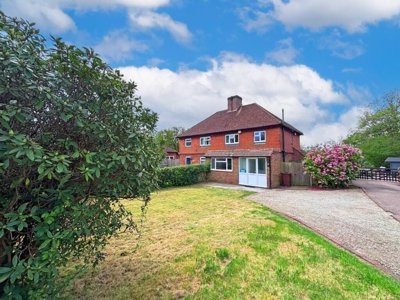
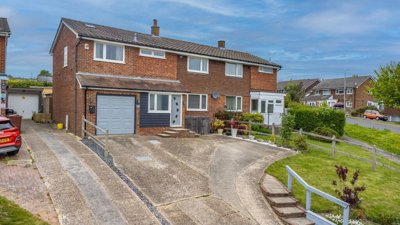
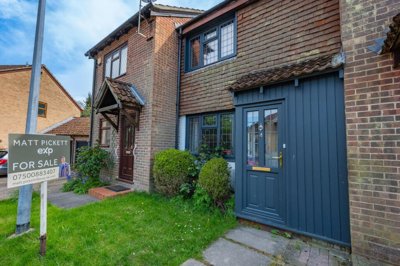
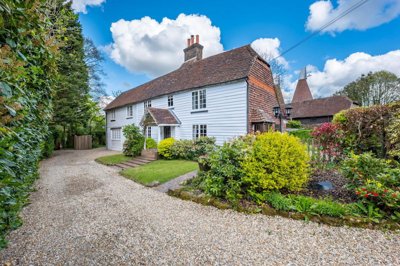
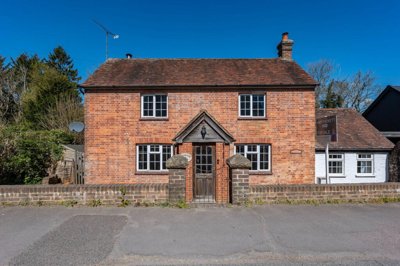
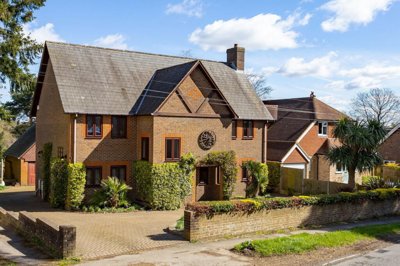
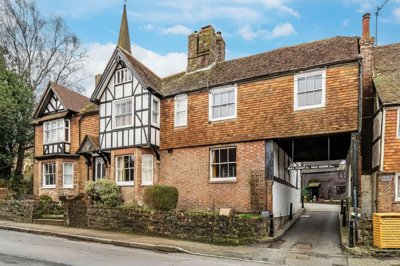
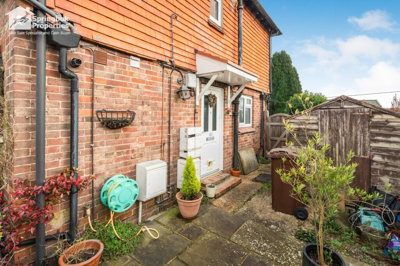
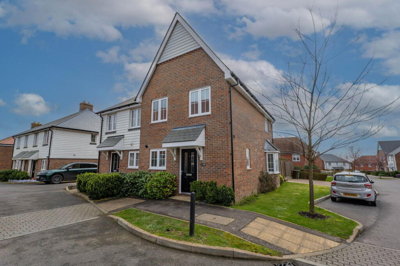
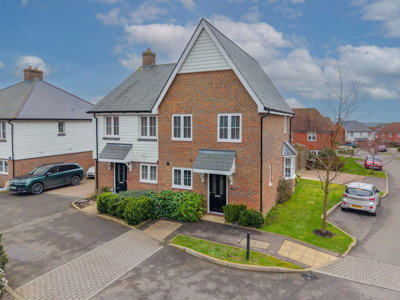
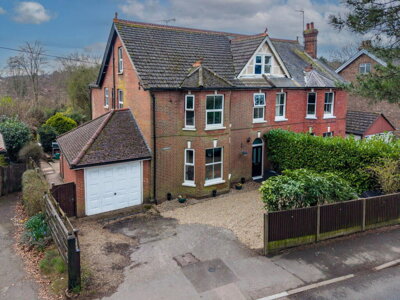
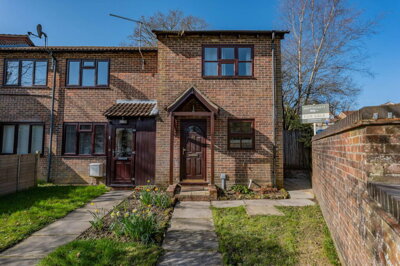
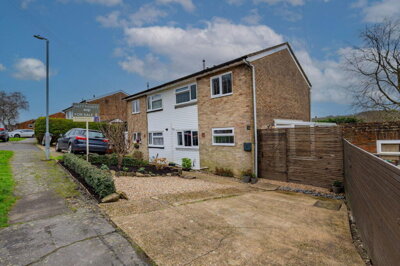
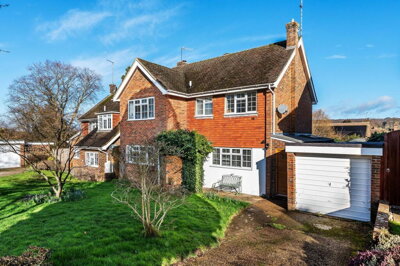
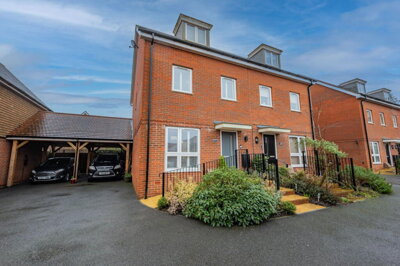
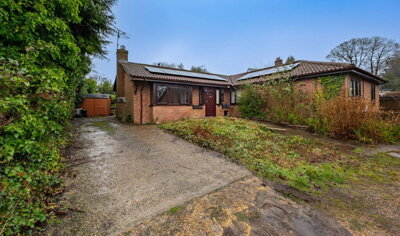
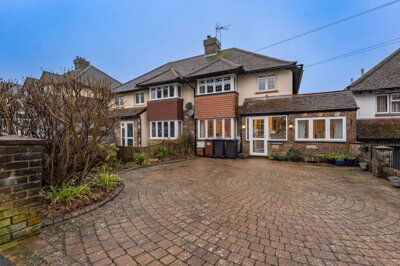
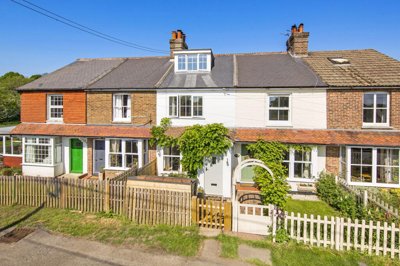
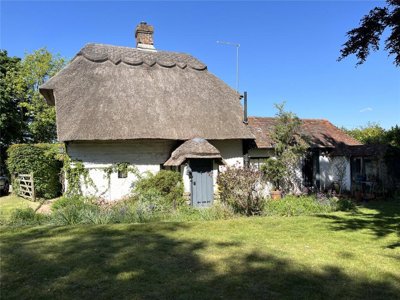
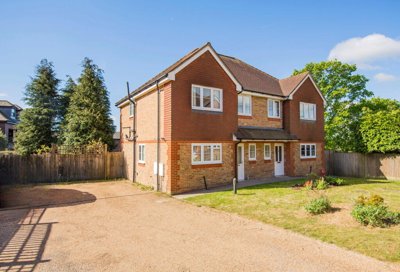
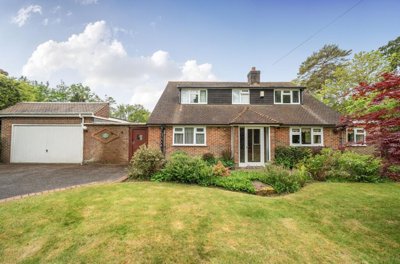
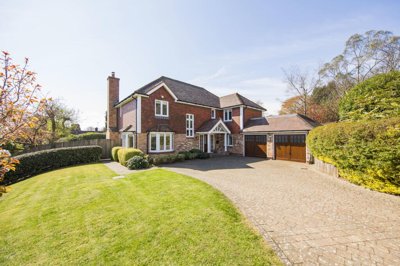
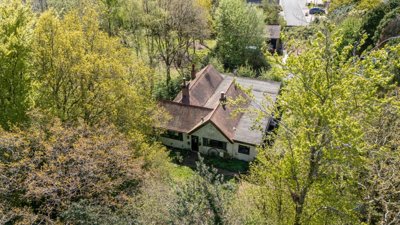
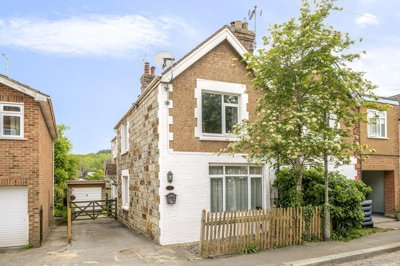
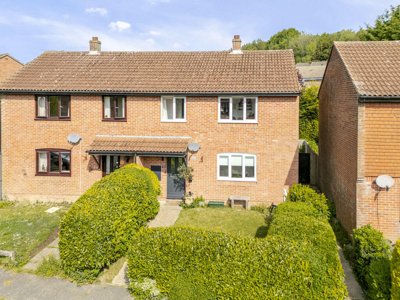
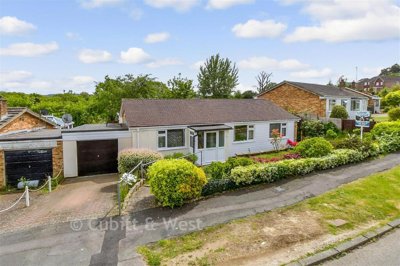
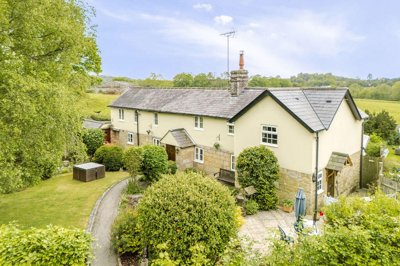
Browse 429 homes for sale in Rotherfield, Wealden from local estate agents.
The Rotherfield property market offers detached, semi-detached, and terraced houses spanning various price ranges and neighbourhoods. Each listing includes detailed property information, photographs, and direct contact with the marketing agent.
£700k
43
4
92
Source: home.co.uk
Showing 43 results for Houses for sale in Rotherfield, Wealden. 4 new listings added this week. The median asking price is £700,000.
Source: home.co.uk
Detached
32 listings
Avg £987,500
Semi-Detached
6 listings
Avg £603,333
Terraced
5 listings
Avg £393,990
Source: home.co.uk
Source: home.co.uk
Rotherfield’s property market has shown notable resilience over the last year, with average prices up 11% on the previous twelve months, according to home.co.uk listings data. Even so, values are still 12% below the 2023 peak of £691,591, which leaves room for buyers who missed the last high point. People are drawn here for homes in the High Weald AONB, where local stone, brick and timber framing give the village a character that seldom comes up for sale.
Detached homes lead the way in Rotherfield, averaging £767,557 and reflecting steady demand for larger family houses with decent gardens. Semi-detached properties sit at £401,250, a more accessible route into this sought-after village. Terraced houses average £324,700, which keeps them on the radar for first-time buyers and investors after character cottages. New build supply is thin. A proposed 75-home scheme at Court Farm was recently refused by Wealden District Council because of its effect on the AONB, while a separate application for 9 houses on land behind St Peter's Church was granted outline planning permission in 2017, with a revised scheme now under consideration.
For investors, Rotherfield has plenty going for it, not least its High Weald AONB setting, tight new development pipeline and steady interest from buyers after a rural way of life. The refusal at Court Farm points to supply staying restricted, which should help support existing values. Homes in the conservation area, and those with listed status, usually hold their worth well, although older buildings bring maintenance bills that need to be allowed for. There is rental demand from commuters working in London or Tunbridge Wells, but the available stock is limited at most times.

According to 2024 estimates, the parish population is around 3,388, with 1,088 people in the built-up area. Rotherfield feels like a classic English village, set in the High Weald with rolling hills, ancient woodland and the sandstone and clay geology of the Hastings Beds formation. Those layers shape the ridges and valleys that give the area its look, although buyers should bear in mind the shrink-swell risk linked to clay soils, especially in older homes.
The local workforce has a professional lean, with census figures showing 20.8% in professional occupations, 16.8% in managerial or senior official roles and 15.6% in associate professional and technical positions. Day to day life is covered by useful village basics, including a convenience store, a traditional public house and local services. The conservation area keeps the historic centre in good order, while several Grade II listed buildings add to the village’s architectural story. Markets at weekends and community events through the year help keep the social side of Rotherfield strong, which is part of its appeal for families.
It is the church that anchors the village, with cottages and farmhouses around it creating the rural scene people expect from this part of East Sussex. Beyond that, there are walking routes through fields and woodland, plus public bridleways that open into the wider High Weald. Fresh produce comes from local farms, and the village hall hosts regular events across the seasons. The atmosphere is calm, the community is close-knit, and that combination suits families and anyone wanting a quieter pace without losing touch with urban facilities.

Families with primary-aged children are served by the local primary school, which gives children a solid start in a rural setting that many parents prefer for early years. Class sizes are manageable, and parental involvement is strong, which fits the community-led feel of education in rural East Sussex. For secondary school, pupils usually head to nearby towns, where there are several well-regarded choices within reasonable commuting distance. Uplands Community College in Wadhurst and Mascalls Academy in Paddock Wood are both used by local families from surrounding villages.
School catchments need checking early, because admissions can be competitive in popular rural areas like this. Several grammar schools in Kent and East Sussex take pupils from the Rotherfield area through the selective testing route, which gives able students an academic path. The nearby grammar options include The Skinners' School in Tunbridge Wells, Tunbridge Wells Girls' Grammar School and Judd School in Tonbridge, all available through the Kent testing arrangement. Independent schools in the wider area offer preparatory and senior provision too, and many families choose them for smaller classes and stronger facilities. Tunbridge Wells, around 8 miles away, brings further choice in the form of secondary schools and further education colleges.
For most children, the move on to secondary school means a short bus journey, with East Sussex County Council handling the transport arrangements. That said, the rural location and the changing frequency of bus services mean parents do need to think through the logistics carefully. The local primary school gives many children an excellent foundation, and from there they can move on to the secondary option that fits both ability and family circumstances.

Despite its countryside setting, Rotherfield is well placed for travel to larger centres. The village lies about 8 miles from Royal Tunbridge Wells and has straightforward access to the A26, which links into bigger towns. Commuters can use Tunbridge Wells station for regular trains to London Bridge, with journey times generally around 50-55 minutes, so it works for people in the capital. From the A26, the A21 dual carriageway is also within reach, giving access to the M25 motorway at Sevenoaks for longer trips.
Residents without private cars can still rely on local bus services, which connect Rotherfield with nearby villages and towns. The 402 bus route serves the village, linking it to Tunbridge Wells for secondary school access and rail connections for commuters. Cycling is popular too, and the lanes and bridleways of the High Weald make a good network for both leisure and practical journeys. The village centre is compact enough for everyday cycling, while the wider countryside gives plenty of room for longer rides. Parking in the centre is limited, as you would expect in a rural village, although most homes have driveways or garages. Gatwick Airport is about 40 miles away via the M23, and Heathrow is reached via the M25, so international travel is still manageable for business and holidays.
For most households, a car is close to essential because public transport is limited, though everyday trips rarely involve motorway driving. Driving to Tunbridge Wells takes around 20 minutes, which keeps the town’s shopping and leisure offer within easy reach. Anyone commuting to London may still prefer the train from Tunbridge Wells, particularly at busy times when station parking is tight.

Begin with our property listings if you want a feel for what is available in Rotherfield and the neighbouring High Weald villages. Detached homes average £767,557 and terraced properties sit near £324,700, so setting a budget early will help narrow the search to homes in the conservation area and the AONB. It also makes sense to register with local estate agents who cover the village, as some appealing properties sell quietly before they reach the major portals.
Mortgage agreement in principle should be in place before you book viewings. It strengthens any offer and shows sellers that the finance is already lined up. Local brokers who know the Rotherfield market can advise on the most suitable mortgage products. With property values here running high, it is sensible to check that your borrowing capacity matches village prices.
Once you are viewing, focus on the construction type, the age of the building and any sign of maintenance trouble. In the High Weald, older homes and clay geology make it especially important to inspect walls, foundations and drainage carefully before you go any further. It also helps to visit at different times of day, so you can judge the feel of the village and see how close the property sits to any local amenities that might affect day-to-day living.
After an offer is accepted, we would normally arrange a RICS Level 2 survey to look at the property’s condition in detail. For homes above £500,000, the average cost is around £586, with higher fees for older, listed or non-standard construction properties that need a specialist eye. In a place like Rotherfield, where period houses are common, that money is well spent before completion.
Choose a conveyancing solicitor who knows rural East Sussex transactions, especially where conservation area controls or planning restrictions are involved. They will carry out the local searches, check the title and deal with the legal transfer through to completion. We would also ask them to look closely at any planning conditions connected to nearby sites, including the Court Farm location.
Age and geology both matter here, so properties in Rotherfield need proper scrutiny. Clay soils from the Hastings Beds formation can leave older houses open to subsidence and shrink-swell movement, particularly where trees or drainage problems sit close to the foundations. A full survey is a must for any property, and especially for homes over 50 years old or those showing cracking, sticking doors or uneven floors that could point to movement.
It is important to check whether a purchase falls inside the Rotherfield Conservation Area, because that brings specific planning controls over alterations, extensions and exterior finishes. Listed buildings need Listed Building Consent for most changes, which can add both complexity and cost to renovation plans. The Court Farm development site on the western edge of the village lies next to the conservation area, so buyers nearby should look into any planning conditions that may affect the property or future outlook. If the site is re-applied for, nearby homes could also see noise and disruption.
Leasehold flats and apartments need close attention to service charges and lease terms, because those ongoing costs can make a big difference to affordability. Freehold houses with larger gardens can also bring higher running costs, especially where retaining walls, septic tanks and private drainage systems are part of rural ownership. Energy performance certificates should be read carefully too, since older traditional buildings often score lower and may need upgrading to meet modern expectations. Those extra costs should sit in your budget from the outset.
Across the High Weald, the geology has a clear effect on drainage, so buyers should check that any property has proper systems for surface water and wastewater. Septic tanks need regular upkeep and may also require upgrades to meet current regulations. A drainage and water search ought to be part of the conveyancing process, particularly for homes in lower-lying spots near watercourses where flood risk can rise during heavy rain. These searches are relatively cheap, yet they can uncover problems that would be expensive to sort out later.

Buying in Rotherfield means looking beyond the asking price, with stamp duty land tax taking a sizeable share of the total outlay. On a property at the current average price of £607,578, a standard buyer would pay stamp duty at 5% on the amount between £250,000 and £925,000, which gives a liability of about £17,878. First-time buyers fare better, paying nothing on the first £425,000 and 5% on the balance between £425,000 and £625,000, which brings their stamp duty down to around £9,129.
There are other costs too, and they add up quickly. Solicitor fees usually come in at £800 to £1,500 for conveyancing, with disbursements for local searches, title checks and registration fees often bringing the total to £300 to £500. A RICS Level 2 survey costs between £376 and £930 depending on value, and homes above £600,000 tend to sit at the top of that range. In Rotherfield, where prices average over £600,000, it is sensible to allow £586 to £930 for a thorough survey that can pick up structural issues common in older homes. Listed properties may also need specialist assessments, which can add £150-400.
Mortgage buyers should also factor in arrangement fees, usually 0.5% to 1.5% of the loan amount, as well as valuation fees and broker costs if an intermediary is used. Buildings insurance needs to be in place from exchange of contracts, and removals plus any immediate renovation work should sit in the moving budget too. For homes in the Rotherfield Conservation Area, or those with listed status, it is wise to set aside extra funds for specialist surveys and any planning application fees if changes are planned soon after purchase.

Home.co.uk listings data puts the average property price in Rotherfield at £607,578, while homedata.co.uk reports £626,595 for homes sold over the last 12 months. Detached properties fetch the highest values at around £767,557 on average, with terraced homes at £324,700 and semi-detached properties near £401,250. Prices have climbed 11% year-on-year, yet they are still 12% below the 2023 peak of £691,591, so buyers in this High Weald village may still find room to negotiate beneath the top of the market.
Wealden District Council is the local authority for Rotherfield, and most homes in the village fall into council tax bands C through F. Band D properties usually pay about £1,800 to £2,000 a year, although the exact figure depends on the property valuation and any relevant discounts. The Valuation Office Agency, or your solicitor during conveyancing, can confirm the band for a specific property.
Local families are well served by a strong primary school in Rotherfield, which provides education for children in the village and the surrounding area. For secondary school, parents usually look towards Tunbridge Wells, where both grammar and comprehensive options are available, including Uplands Community College in Wadhurst and Mascalls Academy in Paddock Wood, while some pupils travel further to independent schools in Kent and East Sussex. Because grammar places depend on selective testing, it pays to look at admission rules early, especially where popular schools are concerned.
Public transport is limited but workable, with local buses including the 402 linking Rotherfield with surrounding towns and villages such as Tunbridge Wells. Tunbridge Wells is also where the nearest railway station is found, with services to London Bridge taking approximately 50-55 minutes. Car ownership is still close to essential for everyday commuting in such a rural place, although the village is compact enough for cycling to local amenities.
Rotherfield remains attractive to investors because it sits in the High Weald AONB, there is little room for new development and demand stays steady from buyers after a rural lifestyle. The refusal of the 75-home Court Farm scheme suggests supply will stay constrained, which should continue to support values. Homes in the conservation area, and those with listed status, generally hold their value well, although the upkeep on older properties has to be budgeted for.
At the current average price of £607,578, a standard purchaser would pay stamp duty on the portion above £250,000. That comes to roughly £17,878 at present rates. First-time buyers get a better deal, with 0% on the first £425,000 and 5% on the rest, which brings the bill to around £9,129. Once the price goes above £625,000, first-time buyer relief is no longer available.
Flood mapping for Rotherfield shows the village is generally at low risk from river flooding, although some lower-lying places near watercourses can be vulnerable in periods of heavy rain. Drainage can also be affected by the clay geology of the High Weald, especially in older houses. A local drainage and water search should be included in the conveyancing process so that any property-specific risks are identified early.
Several Grade II listed properties help shape Rotherfield’s historic character, and many of the buildings within the conservation area date from the 17th and 18th centuries. Listed status protects them, but it also means consent is needed for most external alterations and for significant interior works. Anyone looking at a listed home should budget for specialist surveys and potentially higher renovation costs, because the right materials and methods have to be used.
From 4.5%
Expert mortgage advice for Rotherfield buyers
From £499
Specialist solicitors for Rotherfield properties
From £350
Comprehensive property surveys in Rotherfield
From £80
Energy performance certificates for Rotherfield homes
Properties for Sale In London

Properties for Sale In Plymouth

Properties for Sale In Liverpool

Properties for Sale In Glasgow

Properties for Sale In Sheffield

Properties for Sale In Edinburgh

Properties for Sale In Coventry

Properties for Sale In Bradford

Properties for Sale In Manchester

Properties for Sale In Birmingham

Properties for Sale In Bristol

Properties for Sale In Oxford

Properties for Sale In Leicester

Properties for Sale In Newcastle

Properties for Sale In Leeds

Properties for Sale In Southampton

Properties for Sale In Cardiff

Properties for Sale In Nottingham

Properties for Sale In Norwich

Properties for Sale In Brighton

Properties for Sale In Derby

Properties for Sale In Portsmouth

Properties for Sale In Northampton

Properties for Sale In Milton Keynes

Properties for Sale In Bournemouth

Properties for Sale In Bolton

Properties for Sale In Swansea

Properties for Sale In Swindon

Properties for Sale In Peterborough

Properties for Sale In Wolverhampton

Enter your details to see if this property is within your budget.
Loans, cards, car finance
Estimated property budget
Borrowing + deposit
You could borrow between
Typical borrowing
Monthly repayment
Est. at 4.5%
Loan-to-value
This is an estimate only. Your actual budget may vary depending on interest rates, credit history, and personal circumstances. For an accurate affordability assessment, speak to one of our free mortgage advisors.
This calculator provides estimates for illustrative purposes only and does not constitute financial advice. Your home may be repossessed if you do not keep up repayments on your mortgage. Estimates based on 4.5% interest rate, repayment mortgage. Actual rates depend on your circumstances.
Homemove is a trading name of HM Haus Group Ltd (Company No. 13873779, registered in England & Wales). Homemove Mortgages Ltd (Company No. 15947693) is an Appointed Representative of TMG Direct Limited, trading as TMG Mortgage Network, which is authorised and regulated by the Financial Conduct Authority (FRN 786245). Homemove Mortgages Ltd is entered on the FCA Register as an Appointed Representative (FRN 1022429). You can check registrations at NewRegister or by calling 0800 111 6768.

We use cookies to show you personalised content and improve your experience of our website. Find out more in our Privacy policy and Cookie policy.