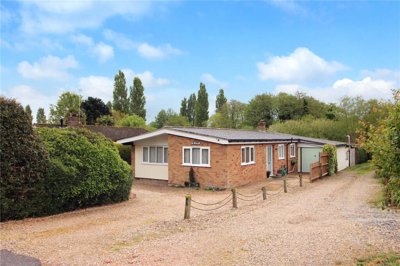
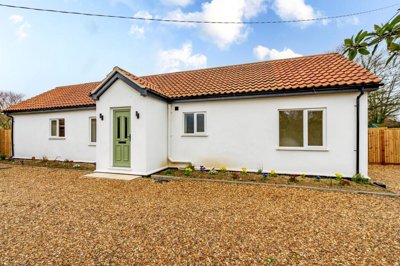
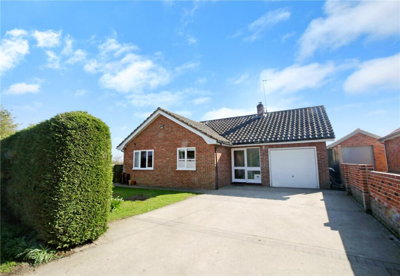
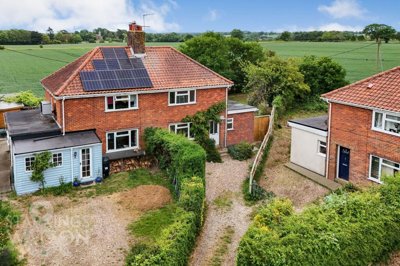
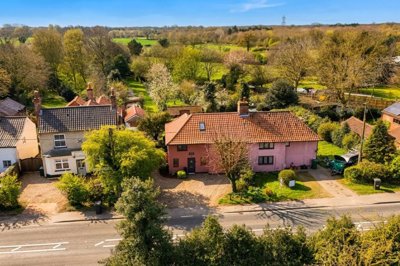
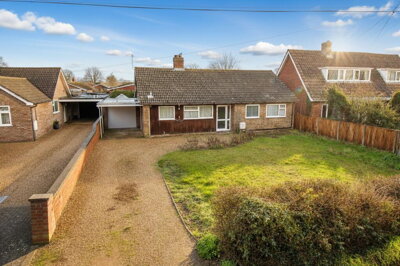
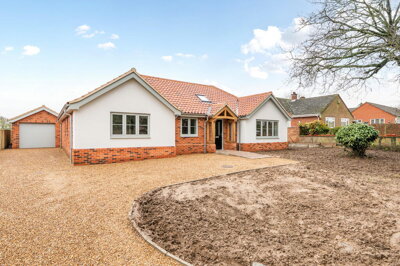
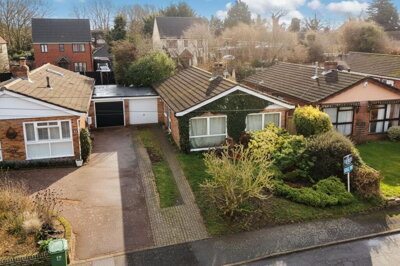
Browse 9 homes for sale in Rockland St. Mary from local estate agents.
Mary from local agents. Three bedroom properties represent a significant portion of the Rockland St. Mary housing market, offering space for families with multiple reception rooms and gardens in many cases. Browse detached, semi-detached, and terraced options ranging from period character homes to contemporary developments.
homedata.co.uk records show that Rockland St. Mary remains a noticeably mixed market for such a small village. The detached segment sits at a striking £700,000 average, which points to a limited supply of larger or more premium homes. Semi-detached properties averaged £276,667 and terraces came in at £300,000, giving buyers a better entry point if they are not looking for the largest plots. That spread matters, because it tells you the village is not one single price bracket but a place where different budgets can still find a foothold.
The 6.9% annual fall in values is the clearest sign that the market has softened, even if the area still holds a rural premium. Buyers looking for family space may find the current moment more approachable than the last few years, especially if they are prepared to act decisively on the right house. Recent sales data suggests that detached homes carry the biggest price gap, while terraced and semi-detached options create more affordable routes into the parish. Because no active new-build schemes were identified, the market is shaped by resale homes rather than developer-led stock.

Rockland St. Mary is best understood as a Broads-edge village in South Norfolk, not a commuter suburb or a dense settlement. The research points to a compact parish setting with a rural atmosphere, older housing, and a housing mix that leans towards bungalows, detached homes, and smaller village streets. That makes it appealing to buyers who want more breathing room, quieter roads, and a genuine sense of place. Life here feels tied to the surrounding landscape as much as it does to the village itself.
The local geography is part of the appeal, and part of the caution, because Rockland Dike and The Broad sit within the parish boundary. Low-lying waterland scenery gives the area a distinctive character, but it also means buyers should think carefully about drainage, flood history, and insurance costs. Norfolk’s underlying chalk, with clay, sand, and gravel deposits above it in places, can also influence how homes behave over time. In practical terms, this is a place where the setting is a major selling point, but the ground beneath the house deserves attention too.
The research pack did not include confirmed school catchments, Ofsted ratings, or named local schools for Rockland St. Mary, so the safest approach is to check education details directly before you offer. Because the village is small, many buyers look beyond the parish and compare options across wider South Norfolk and Norwich as well as the local primary stage. That matters for families, since a short rural drive can still make a big difference to the school run, breakfast clubs, and after-school routines. Before you book viewings, ask the agent which schools previous owners have used and whether transport links work at peak times.
Buyers with children usually want to know about both the immediate primary provision and the next step into secondary and sixth form education. In a rural setting like this, catchment boundaries can be as important as the homes themselves, especially if you are aiming for a specific academy, grammar route, or a school with a stronger pastoral offer. The same is true for further education, where Norwich is likely to be the main hub for sixth form and college choices. If schooling is a deciding factor, it is worth confirming admissions rules, distances, and bus availability before you narrow your shortlist.
Rockland St. Mary is a location where road access matters more than rail convenience. The village itself is rural, so most buyers will treat Norwich as the nearest major hub for shopping, work, and onward travel. That makes the commute straightforward for drivers, but less convenient for people who rely on frequent rail services or a dense bus network. If you work in the city, the main question is usually how easy it is to reach your preferred route rather than whether there is transport on the doorstep.
Parking is generally less pressured than in urban Norwich, which is one reason families and downsizers often like villages of this type. Cycling can work well for shorter rural journeys, although unlit lanes and weather make it a seasonal choice rather than a year-round certainty for everyone. Public transport options are likely to be more limited than in the city, so checking timetables in advance is sensible if you do not want to depend on the car. Buyers who commute regularly should test the route at the same time of day they would travel in real life.

Start with a mortgage agreement in principle, then decide how much of your budget needs to cover legal fees, surveys, and moving costs as well as the purchase price.
Spend time checking flood maps, road links, school catchments, and the feel of the surrounding streets so you know whether the property suits your routine.
Visit at different times of day if you can, because rural roads, parking, and noise can feel very different in daylight, dusk, and wet weather.
A RICS Level 2 Survey is often a sensible choice for typical homes, especially where older stock, damp, or water-related issues could affect the building.
Ask a conveyancer to check title, boundaries, drainage, and any local planning history, then make sure searches are ordered early.
Once finance, searches, and survey results are in place, move to exchange and completion with enough time to organise removals and utilities.
Flood awareness should be high on your checklist in Rockland St. Mary because the parish sits near Rockland Dike and The Broad. Low-lying land can mean surface water, drainage, or river-related risk in some spots, so ask for the seller’s insurance history and whether the property has ever had water ingress. It is also worth checking whether the driveway, garden, or access route sits in a higher or lower part of the plot. A home can look perfect on a sunny day and still deserve a careful review if the land around it drains slowly after heavy rain.
Older village homes can bring charm, but they also need a more forensic look at roofs, pointing, windows, electrics, and signs of damp. Norfolk properties often use a mix of brick and render, and older builds can show their age in places where maintenance has been deferred. A good survey will tell you whether the house is simply characterful or whether hidden repairs are likely in the near future. If you are considering a flat or any leasehold property, ask about service charges, ground rent, and the length of the lease, even if flats are less common here than houses.
Planning history is another sensible check, especially if a property has been extended or altered over the years. Rural homes sometimes gain side returns, outbuildings, conservatories, or loft changes that look tidy from the outside but need paperwork to prove they were approved properly. Conservation status and listed building rules were not highlighted in the research pack, but buyers should still verify whether any restrictions apply before changing windows, roofs, or external finishes. The safest purchases in a village like this are usually the ones where title documents, surveys, and seller answers all line up cleanly.
homedata.co.uk records show an average house price of £366,000 over the last year. Detached homes averaged £700,000, semis £276,667, and terraces £300,000, so the village covers a fairly wide price range. The market has also fallen 6.9% over the last 12 months, which is useful context if you are comparing offers or deciding when to buy.
Council tax bands vary by individual property rather than by village name alone. South Norfolk District Council applies the charge, and homes can fall into different bands depending on size, age, and later alterations. The best approach is to ask for the exact band on the specific house you are viewing before you make an offer.
The source pack did not include confirmed school ratings or a named catchment map for the village, so it is better to check the current situation directly. Buyers with children usually compare the wider South Norfolk and Norwich options, then confirm transport and admissions rules before committing. If schooling is a priority, ask the agent for the current school run details and the local authority allocation for that address.
Rockland St. Mary is more car-friendly than rail-friendly, so most buyers will rely on road access for work and day-to-day travel. Norwich is likely to be the main transport hub for rail connections and wider services, while local buses may be less frequent than in the city. If you need public transport for commuting, check timetables carefully and test the journey before you buy.
It can be, especially if you are looking for a village setting with limited new-build competition and a clear countryside appeal. The 6.9% fall in the last 12 months may give buyers a better entry point than before, but rural villages usually have a smaller buyer pool than Norwich. That means resale liquidity can be slower, so this type of purchase works best for buyers who value location and long-term appeal as much as short-term movement.
On a standard main-home purchase of £366,000, a non-first-time buyer would usually pay £5,800 in stamp duty, based on 0% up to £250,000 and 5% from £250,000 to £925,000. If you are a first-time buyer, the relief currently gives 0% up to £425,000, so a £366,000 purchase would usually be free of stamp duty. If you are buying a second home, a surcharge may apply on top, so it is worth checking the exact figure before you proceed.
Yes, it should be part of your buying checks because the parish includes Rockland Dike and The Broad. That does not mean every street is high risk, but it does mean location within the village matters and drainage needs to be checked properly. Ask for flood history, insurance details, and a survey that comments on any water-related signs inside or outside the home.
Stamp duty is one of the biggest extra costs to plan for after you agree a price, and the current bands matter just as much in a village market as they do in a city one. For a main home, the threshold is 0% up to £250,000, 5% from £250,000 to £925,000, 10% from £925,000 to £1.5 million, and 12% above that. First-time buyers have 0% up to £425,000, then 5% from £425,000 to £625,000, with no relief above £625,000. If you are moving from another property, you should also remember that legal fees, survey costs, and mortgage charges sit alongside the tax bill.
At the Rockland St. Mary average of £366,000, a standard buyer who is not a first-time buyer would usually pay £5,800 in stamp duty on the main rates. A first-time buyer would usually pay nothing at that level because the purchase price sits below the £425,000 relief limit. That difference can shape your budget in a very practical way, especially if you are deciding between a larger detached home and a smaller semi or terrace. Before you commit to an offer, it is sensible to add together the purchase price, SDLT, legal work, survey costs, removals, and any immediate repairs the survey flags up.
Properties for Sale In London

Properties for Sale In Plymouth

Properties for Sale In Liverpool

Properties for Sale In Glasgow

Properties for Sale In Sheffield

Properties for Sale In Edinburgh

Properties for Sale In Coventry

Properties for Sale In Bradford

Properties for Sale In Manchester

Properties for Sale In Birmingham

Properties for Sale In Bristol

Properties for Sale In Oxford

Properties for Sale In Leicester

Properties for Sale In Newcastle

Properties for Sale In Leeds

Properties for Sale In Southampton

Properties for Sale In Cardiff

Properties for Sale In Nottingham

Properties for Sale In Norwich

Properties for Sale In Brighton

Properties for Sale In Derby

Properties for Sale In Portsmouth

Properties for Sale In Northampton

Properties for Sale In Milton Keynes

Properties for Sale In Bournemouth

Properties for Sale In Bolton

Properties for Sale In Swansea

Properties for Sale In Swindon

Properties for Sale In Peterborough

Properties for Sale In Wolverhampton

Enter your details to see if this property is within your budget.
Loans, cards, car finance
Estimated property budget
Borrowing + deposit
You could borrow between
Typical borrowing
Monthly repayment
Est. at 4.5%
Loan-to-value
This is an estimate only. Your actual budget may vary depending on interest rates, credit history, and personal circumstances. For an accurate affordability assessment, speak to one of our free mortgage advisors.
This calculator provides estimates for illustrative purposes only and does not constitute financial advice. Your home may be repossessed if you do not keep up repayments on your mortgage. Estimates based on 4.5% interest rate, repayment mortgage. Actual rates depend on your circumstances.
Homemove is a trading name of HM Haus Group Ltd (Company No. 13873779, registered in England & Wales). Homemove Mortgages Ltd (Company No. 15947693) is an Appointed Representative of TMG Direct Limited, trading as TMG Mortgage Network, which is authorised and regulated by the Financial Conduct Authority (FRN 786245). Homemove Mortgages Ltd is entered on the FCA Register as an Appointed Representative (FRN 1022429). You can check registrations at NewRegister or by calling 0800 111 6768.

We use cookies to show you personalised content and improve your experience of our website. Find out more in our Privacy policy and Cookie policy.