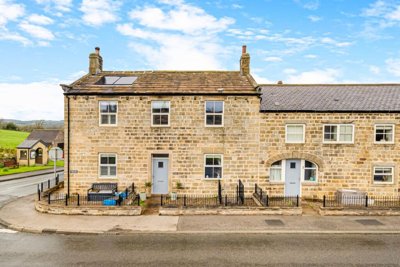
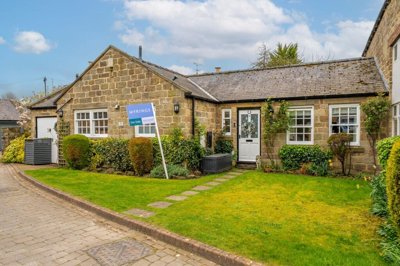
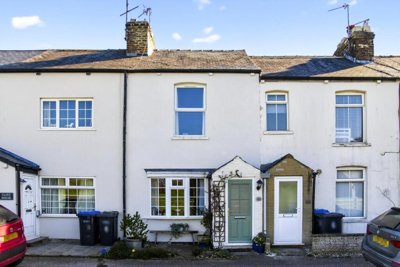
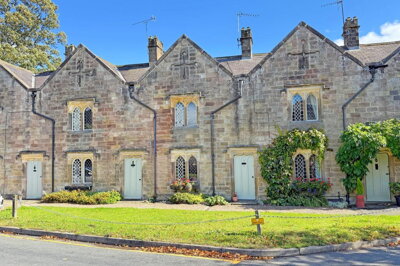
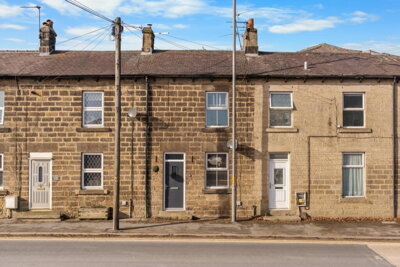
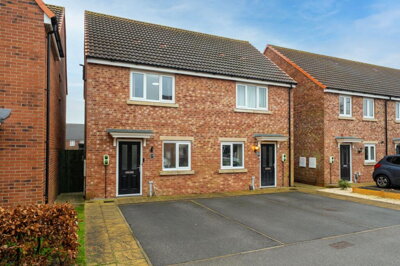
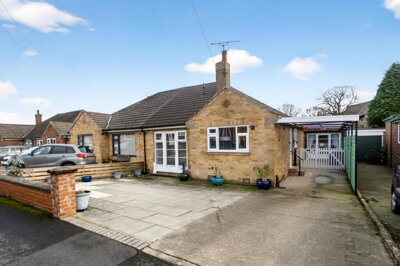
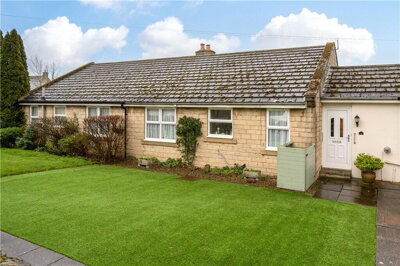
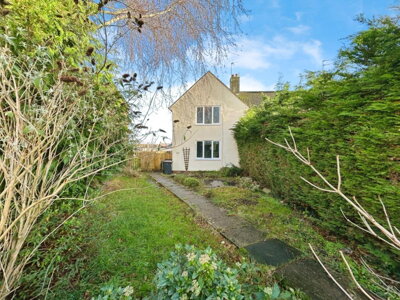
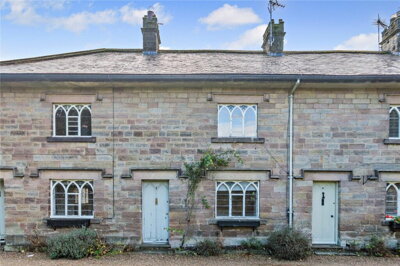
Browse 13 homes for sale in Ripley from local estate agents.
The 2 bed house market features detached, semi-detached, and terraced properties with two separate bedrooms plus living spaces. Properties in Ripley range from Victorian and Edwardian period homes to modern new builds, with pricing varying across different neighbourhoods.
Homedata.co.uk records show that Ripley’s market has been moving up steadily, with overall prices rising by 6% over the last 12 months. Detached homes have climbed by 7%, semi-detached properties by 5%, terraced homes by 4%, and flats by 3%, which points to continued demand across most parts of the market. The stock mix is also varied for a village of this size, with about 40% detached homes, 30% semi-detached, 20% terraced, and 10% flats. That balance helps explain why Ripley appeals to both buyers seeking a family house and those wanting a smaller lock-up-and-leave home.
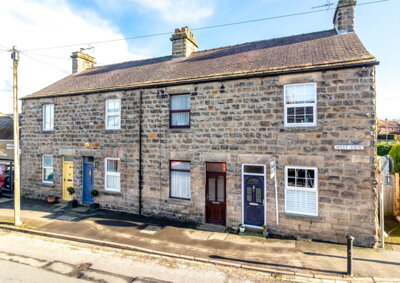
Most homes here are not new-builds, and no active new-build developments have been verified within the immediate HG3 3xx postcode area. Instead, buyers are usually looking at older stone houses, period cottages, converted properties, and a smaller number of post-1980 homes. Around 35% of properties were built before 1919, while roughly 75% were built before 1980, so many purchases deserve a careful survey. In a village with that kind of age profile, original features can be a major draw, but maintenance costs deserve attention from the start.

Ripley has a population of about 1,800 people and roughly 750 households, so day-to-day life feels intimate and community-led. The village is known for its strong heritage identity, with Ripley Castle shaping both the skyline and the local economy through tourism and hospitality. Agriculture and rural services also play a part, which helps keep the surrounding landscape open and working rather than purely residential. For many buyers, that blend of village life and historic character is the main reason to search here.
Stone and sandstone are common across the area, often paired with slate roofs, while red brick appears in later Victorian and twentieth-century homes. The local geology is mainly Carboniferous, with sandstone and shale underfoot, plus pockets of glacial till and alluvium near river corridors. That matters because clay-rich soils can carry a moderate to high shrink-swell risk, which is relevant for foundations and older extensions. Buyers who like character homes often find Ripley rewarding, yet the same character is why sensible pre-purchase checks are so valuable.
The village also benefits from its setting in the Nidderdale area, where open countryside, river valleys, and historic buildings create a very specific sense of place. Ripley itself is a Conservation Area, and the concentration of listed buildings is unusually high for such a small settlement. That protects the look and feel of the village, but it can also affect what you can alter or extend. If you want a home with real local identity, Ripley offers one of the most recognisable village settings in the Harrogate district.
Ripley is a small village, so families usually think beyond the boundary and look at schools across the wider Harrogate and North Yorkshire area. That makes catchments, admissions rules, and travel time just as important as the school name itself. Because the local population is relatively small, places can be in demand, especially where families are drawn by the village lifestyle and a short commute into Harrogate. Before you offer on a home, it is smart to check which schools are most realistic for your postcode.
Buyers with children should pay close attention to the school run, because village locations often rely more on car use than urban areas. North Yorkshire Council admissions guidance is the right place to confirm current catchment arrangements, and it is worth checking both primary and secondary options before committing. If you need sixth-form or further education choices, Harrogate gives you a broader pool than the village itself. For many households, that wider choice is part of the appeal, since Ripley combines a quiet home base with access to more established education routes nearby.
A smaller village can sometimes feel quieter to families, but that does not mean the education search should be light-touch. School places, transport links, and start times can all affect whether a property really works for your routine. If you are comparing homes in Ripley with a move into Harrogate, think about travel habits over the next five years, not just the first term. That kind of planning can save a lot of disruption later on.

Ripley does not function like a town with a station on every corner, so most commuters rely on road travel for the first part of the journey. Harrogate is the key nearby hub for rail connections, while local roads link the village into the wider district and beyond. That makes the location attractive for buyers who want countryside living but still need to reach a larger centre for work, shopping, or the station. If public transport matters to you, check the timetable before you fall in love with a property, because rural service levels can change quickly.
Drivers will usually find the village straightforward to reach from the Harrogate side of the district, and the road network makes trips into town manageable. Cycling is possible for some local journeys, although rural lanes and hills mean it suits confident riders more than casual commuters. Parking is generally easier than in central Harrogate, but spaces around the village core can become tighter during visitor periods and local events. Buyers who work hybrid patterns often like that balance, since they can commute when needed without living in a dense urban setting.
Anyone who depends on the train should think about the full door-to-door journey, not just the station itself. That includes parking at the station, school-run timing, and how often you need to travel in peak traffic. Ripley suits buyers who want flexibility, a quieter setting, and access to Harrogate rather than a station-adjacent lifestyle. For many households, that trade-off is exactly what makes the village appealing.
Start by comparing Ripley’s conservation setting, property age, and likely repair costs, then look at how each home fits your budget and lifestyle.
Arrange a mortgage agreement in principle before viewing so you can act quickly when a suitable village home comes onto the market.
Check the condition of roofs, stonework, damp signs, parking, and access, then revisit at a different time of day if the location matters.
Older stone and period homes in Ripley often benefit from a RICS Level 2 Survey, and a fuller report can be sensible for listed or heavily altered properties.
Choose a conveyancer who is comfortable with conservation area issues, title checks, and any restrictions tied to older or listed buildings.
Once searches, survey findings, and mortgage checks are in place, move through exchange and completion with a clear budget for moving and setup costs.
Ripley’s historic core means that conservation controls can matter just as much as room sizes and garden space. If you are buying in the village centre, check whether the home is listed, sits within the Conservation Area, or needs consent for future alterations. That can affect windows, doors, extensions, and even external paint choices. Buyers who want a straightforward project should ask these questions early rather than after they have fallen for a building’s character.
Older stone and brick homes in the area can show damp, roof wear, timber decay, and signs of movement, especially where clay-rich ground and moisture changes affect foundations. Homedata.co.uk price data suggests many homes here are well over 50 years old, which makes a survey especially useful before you exchange contracts. Flood risk also deserves attention, particularly near the River Nidd and its tributaries, where river flooding or surface water can become an issue after heavy rain. A careful inspection should also cover drainage, gutters, and any signs of past water ingress.
Flats and converted properties can be attractive at the lower end of the market, but buyers should check lease length, service charges, and ground rent before offering. A lower purchase price does not always mean a lower long-term cost if repair obligations are shared or major works are expected. For detached and semi-detached homes, focus on insulation, roof condition, and whether previous extensions were properly documented. In a village like Ripley, the best purchase is usually the one that balances charm with practical upkeep.
Homedata.co.uk records show an average house price of £428,000 in Ripley. By type, detached homes average £570,000, semi-detached homes £340,000, terraced houses £270,000, and flats £170,000. Prices have also risen by 6% over the last 12 months overall, so the market has been moving in a positive direction. The best value usually depends on whether you want village character, space, or a lower entry price.
Ripley sits within North Yorkshire Council, so council tax banding depends on the individual property rather than the village as a whole. Smaller cottages and flats are often in lower bands, while larger detached houses can sit much higher. The band usually reflects the property’s assessed value at the time of valuation and the type of home you are buying. Always check the band on the listing or with the council before you budget.
Ripley itself is too small to have a wide local school network inside the village boundary, so most families look across the Harrogate and wider North Yorkshire area. The best option depends on catchment, admissions rules, travel time, and whether you need primary, secondary, or sixth-form places. Because school places can be competitive, it is wise to confirm the exact postcode implications before you offer on a home. If education is a top priority, treat the school search as part of the property search.
Ripley is better described as road-connected than rail-connected, so most residents use the car for the first part of their journey. Harrogate is the main nearby hub for rail services, which makes the village workable for commuters who do not mind a short drive or bus connection. Public transport is useful, but service levels are not the same as in a larger town, so timetables matter. Buyers who rely on trains should check the full door-to-door route before deciding.
Ripley can suit buyers who want a scarce, character-led market with a strong rural identity. The combination of Conservation Area protection, listed buildings, and limited housing supply means good properties can hold appeal for the long term. Homedata.co.uk records also show a 6% annual rise in average prices, which supports the case for steady demand. The main caution is that older homes can need more maintenance, so your rental or resale assumptions should include repair costs.
For most buyers, the current stamp duty bands are 0% up to £250,000, 5% from £250,000 to £925,000, 10% from £925,000 to £1.5 million, and 12% above that. On a £428,000 Ripley home, a standard buyer would pay £8,900 in stamp duty because the 5% rate applies to the portion above £250,000. First-time buyers get relief up to £425,000, so on the same price they would pay £150. If you are buying a second home or investment property, the additional property surcharge can raise the bill further.
Yes, those risks are worth checking carefully in this part of North Yorkshire. Properties near the River Nidd and its tributaries can face river flooding, and low-lying spots may also be vulnerable to surface water after heavy rain. The local geology includes clay-rich deposits in places, which can create shrink-swell movement and affect foundations. A survey and environmental checks are sensible steps before you commit.
From 4.5%
Compare mortgage rates and secure a deal that fits your budget before you start viewing homes
From £499
Expert solicitors to handle searches, contracts, and completion for your Ripley purchase
From £450
A homebuyer report that suits many village homes, cottages, and older properties
Stamp duty should be part of the budget from the start, especially in a market where the average home price is £428,000. Under the current rules, buyers pay 0% on the first £250,000, then 5% on the portion from £250,000 to £925,000, 10% from £925,000 to £1.5 million, and 12% above that. First-time buyers get 0% up to £425,000, then 5% on the slice between £425,000 and £625,000, with no relief above £625,000. That means the tax bill can differ sharply depending on whether you are buying your first home or moving up the ladder.
A standard buyer purchasing at Ripley’s average price would face a stamp duty bill of £8,900, before legal fees, survey costs, lender charges, and moving expenses are added. A first-time buyer at the same price would pay just £150, which is a big saving and can make a real difference to affordability. Buyers adding a second home or buy-to-let property should also allow for the additional property surcharge, which increases the total payable. Once you have a mortgage agreement in principle, it becomes much easier to work out the full figure and search with confidence.
The wider cost picture matters just as much as the tax bill itself. Conveyancing, a survey, mortgage arrangement fees, removals, and insurance can all add up quickly, particularly on older homes that may need work soon after completion. In a village like Ripley, where many properties are historic and potentially listed, sensible budgeting protects you from last-minute surprises. The stronger your upfront plan, the easier it is to move quickly when the right home appears.
Properties for Sale In London

Properties for Sale In Plymouth

Properties for Sale In Liverpool

Properties for Sale In Glasgow

Properties for Sale In Sheffield

Properties for Sale In Edinburgh

Properties for Sale In Coventry

Properties for Sale In Bradford

Properties for Sale In Manchester

Properties for Sale In Birmingham

Properties for Sale In Bristol

Properties for Sale In Oxford

Properties for Sale In Leicester

Properties for Sale In Newcastle

Properties for Sale In Leeds

Properties for Sale In Southampton

Properties for Sale In Cardiff

Properties for Sale In Nottingham

Properties for Sale In Norwich

Properties for Sale In Brighton

Properties for Sale In Derby

Properties for Sale In Portsmouth

Properties for Sale In Northampton

Properties for Sale In Milton Keynes

Properties for Sale In Bournemouth

Properties for Sale In Bolton

Properties for Sale In Swansea

Properties for Sale In Swindon

Properties for Sale In Peterborough

Properties for Sale In Wolverhampton

Enter your details to see if this property is within your budget.
Loans, cards, car finance
Estimated property budget
Borrowing + deposit
You could borrow between
Typical borrowing
Monthly repayment
Est. at 4.5%
Loan-to-value
This is an estimate only. Your actual budget may vary depending on interest rates, credit history, and personal circumstances. For an accurate affordability assessment, speak to one of our free mortgage advisors.
This calculator provides estimates for illustrative purposes only and does not constitute financial advice. Your home may be repossessed if you do not keep up repayments on your mortgage. Estimates based on 4.5% interest rate, repayment mortgage. Actual rates depend on your circumstances.
Homemove is a trading name of HM Haus Group Ltd (Company No. 13873779, registered in England & Wales). Homemove Mortgages Ltd (Company No. 15947693) is an Appointed Representative of TMG Direct Limited, trading as TMG Mortgage Network, which is authorised and regulated by the Financial Conduct Authority (FRN 786245). Homemove Mortgages Ltd is entered on the FCA Register as an Appointed Representative (FRN 1022429). You can check registrations at NewRegister or by calling 0800 111 6768.

We use cookies to show you personalised content and improve your experience of our website. Find out more in our Privacy policy and Cookie policy.