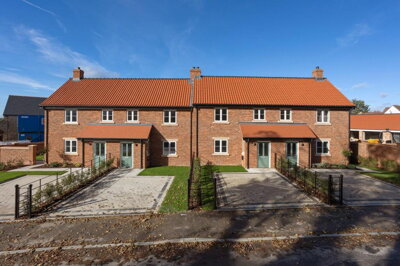
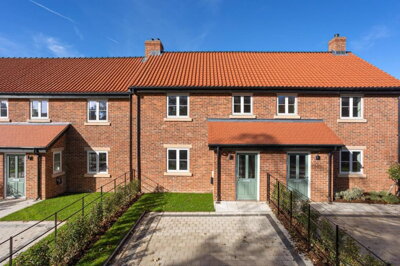
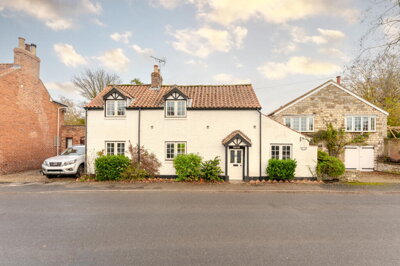
Browse 3 homes for sale in Rillington, North Yorkshire from local estate agents.
The 2 bed house market features detached, semi-detached, and terraced properties with two separate bedrooms plus living spaces. Properties in Rillington range from Victorian and Edwardian period homes to modern new builds, with pricing varying across different neighbourhoods.
£0k
0
0
0
Source: home.co.uk
Showing 0 results for 2 Bedroom Houses for sale in Rillington, North Yorkshire.
Buyers looking for value in rural North Yorkshire often end up looking closely at Rillington. Recent market figures put the average property price at £293,744 across all property types, and there are usually around 8 active listings at any one time. That low level of activity says a lot about the size of the village and the tight supply of homes, so serious buyers are usually best served by registering with local agents and moving quickly when the right place appears.
Prices in Rillington are not uniform, far from it. Detached houses sit at the top end with an average of £525,000, semi-detached homes come in at about £291,238, and terraced properties offer a lower entry point at roughly £195,000. Over the past 12 months the market has seen a slight correction, which can give buyers a bit more room to negotiate, especially on homes that have been sitting unsold for longer than expected.
Most of Rillington's homes were built in traditional materials, chiefly local limestone and brick. The village's Conservation Area covers the historic centre and includes a good number of listed buildings that speak clearly to the area's past. Within that part of the village, buyers will often find Yorkshire stone, original sash windows and old fireplaces, all of which add proper period character. There is a practical side to that charm, though, because homes inside the Conservation Area can be subject to tighter planning controls and reduced permitted development rights.
One reason the local market stays appealing is Rillington's position on the edge of the North York Moors National Park, rural in feel but not cut off. A fair number of properties date from before 1919, especially inside the Conservation Area where stone-fronted terraces and detached farmhouses still line the older lanes. Mid-20th century building added more semi-detached housing, and post-1980 homes brought in more modern layouts and better insulation for buyers who want something less traditional.

Life in Rillington has the shape of a traditional English village, with the North York Moors National Park fringe close by as a constant backdrop. In the centre you will find a historic church, a traditional pub and the day-to-day local services people rely on, while the surrounding countryside opens up miles of walking and cycling across the Yorkshire Wolds. Being in Ryedale also puts residents within easy reach of some of Yorkshire's finest scenery, from rolling hills to ancient woodland and river valleys.
The village economy leans on agriculture, tourism and the smaller businesses that support both locals and visitors. Quite a few residents travel out to work in Malton, York and Scarborough, all typically reachable within 30 to 45 minutes by car. The railway station adds another option for those who would rather use public transport, linking Rillington with regional centres without making car ownership essential. That mix of countryside living and workable connections has made the village more attractive to remote workers and to buyers wanting a break from urban strain.
For a small place, Rillington has a busy community life. Parish council activity, local events, clubs and societies all help keep people connected through the year, and the village hall is used for everything from craft groups to quiz nights. Seasonal events still matter here too, from harvest traditions to summer fetes. Newcomers are usually brought into the fold quickly, which is one of the advantages of a village this size.
Rillington residents also benefit from what the wider Ryedale area offers around them. Malton, only a short drive away, broadens the choice considerably with more shops, restaurants and practical services such as supermarkets, banks and healthcare facilities. Beyond that, the area has no shortage of attractions, including castles, stately homes and gardens, and there is strong local produce too, with farm shops and growers reflecting the farming character of the district.

Families moving to Rillington can access schooling at both primary and secondary level within a reasonable distance. Across Ryedale there is a mix of primary schools serving village communities, and many of the smaller schools appeal to parents who prefer a more close-knit setting for younger children. Catchment areas and admission rules need proper checking, though, because they can have a real effect on which school is available for homes in and around Rillington.
For secondary education, families usually look towards schools in Malton and elsewhere across the Ryedale district. These offer a mix of academic and vocational routes for pupils moving on from primary school, and in the wider North Yorkshire area there are also several independent schools with strong reputations and very good facilities. Sixth form options are available both through secondary schools with sixth forms and through further education colleges in nearby towns, giving students a clear path towards higher education or vocational training.
Listed buildings and Conservation Areas in Rillington do not directly shape school provision, but they can still affect family decisions in practical ways. In a rural setting like this, school transport and daily journey times can have a bigger impact on routines than many buyers first expect. We would suggest making early contact with the local education authority to check current school capacity, catchment boundaries and any proposed changes before committing to a purchase. Access is generally reasonable, but transport can become a deciding factor for some households.
School journeys from Rillington are usually handled by private car or by school bus services run by North Yorkshire Council. Families should check the latest routes, pickup times and any distance rules linked to free transport eligibility. Compared with more built-up areas, mornings and afternoons can start earlier here, especially for secondary pupils travelling into Malton or going further afield.

Rail is a genuine asset here, with Rillington railway station offering regular services towards York and the east coast. A direct train to York normally takes about 35 to 40 minutes, which makes commuting and day trips entirely realistic. Services also run towards Scarborough, giving access to the coast and tying the village into the wider regional network. For anyone travelling on to York, Leeds or beyond, the station can be a practical alternative to getting behind the wheel.
By road, Rillington is easy enough to reach thanks to the nearby A64. That route links the village westwards to York and eastwards to Scarborough, with York city centre usually about 40 minutes away in normal traffic and Leeds around one hour once motorway connections are picked up. The A169 heads towards Whitby and the North York Moors, which is useful not just for travel but for days out as well. So although the setting is rural, access is better than some buyers expect.
Bus services do run through the area and connect Rillington with surrounding villages and towns, which matters for households without a car. Even so, frequencies are lighter than in urban areas, so anyone depending on buses should compare current timetables against daily needs before moving. Cycling is possible too, though rural roads call for care despite the attractive scenery. Parking in the village is generally reasonable for a settlement of this size, but homes without off-street space may still rely on parking on the road.
Drivers should keep the A64 in mind, especially at busy times of year. Holiday traffic heading for the coast can make the route noticeably slower, and although Rillington sits away from the worst urban congestion, summer weekends often bring delays closer to Scarborough and other seaside resorts. Leeds Bradford Airport is about 75 minutes away by car, which gives access to both domestic and international flights.

We usually tell buyers to begin with the numbers, not the brochures. In Rillington, the average price is £293,744 and stock is often limited to about 8 active listings, so it helps to know early on what fair value looks like for detached, semi-detached and terraced homes. That groundwork makes it easier to judge an asking price properly and to negotiate with confidence when a suitable property comes up.
Before arranging too many viewings, we recommend securing a mortgage agreement in principle from your lender. It puts you in a stronger position once you are ready to offer and shows sellers that funding is already in place. In a market where availability is limited, that can matter quite a lot because sellers are often able to be choosy about who they deal with.
Once you start viewing, look beyond layout and decoration. We advise paying close attention to build quality, likely maintenance and how well the property actually fits the way you live. In Rillington's Conservation Area, older homes need an extra level of care at viewing stage, particularly around stonework, traditional window joinery and any signs that sympathetic renovation may be needed.
Before you commit, we strongly recommend booking a RICS Level 2 Survey. Rillington has a mix of older housing on boulder clay and clay soils with shrink-swell potential, so a careful inspection can pick up issues such as damp, timber defects, roof problems and possible subsidence risk. It is one of the clearest ways to understand the real condition of a property before purchase.
We also advise appointing a solicitor early to deal with the legal side of the purchase, from searches and contract review through to registration of title. Local conveyancing knowledge can be especially useful in Rillington, where matters such as Conservation Area controls or listed building status may affect both the purchase itself and any future plans for the property.
Once the checks are complete and the finances are in place, your solicitor can move matters on to exchange of contracts and completion. Completion day is the point at which the keys are handed over and the move becomes real. After the searching, paperwork and waiting, that is the moment you become part of village life in Rillington.
Buying in Rillington means paying attention to factors that often matter less in towns and cities. Local geology is one of them. Homes built on clay soils can move in periods of drought or heavy rainfall, and in this area there are superficial deposits of boulder clay over Jurassic age bedrock including limestones and sandstones. That creates shrink-swell risk, which can affect foundations over time. Buyers should watch for cracks in walls, sticking doors or windows and uneven floors, all of which may point to subsidence. For that reason, we strongly recommend a thorough RICS Level 2 Survey on any property here, especially one built before 1980.
Flood risk should be part of the picture as well. Some parts of Rillington are vulnerable to surface water flooding, particularly lower ground and stretches of road, even though the village is not set directly on a major river. Smaller watercourses and drainage ditches can still trigger local flooding after heavy rain. Conveyancing searches ought to show the relevant flood risk classification, and we suggest reading that alongside the property's height, drainage history and wider setting before making a final call.
Buying within the Rillington Conservation Area brings another layer of consideration. Homes in the designated area may be restricted in terms of alterations, extensions and some forms of development, while listed buildings will often need Listed Building Consent for works that might seem routine elsewhere. That can add both cost and time to renovation plans, so it is worth building those constraints into your budget and timescale from the start. Older stone and brick houses can also need more thought on energy efficiency, because they offer plenty of character but can be harder to insulate and more expensive to heat.
We regularly see a recognisable set of defects in Rillington's traditionally built homes. Pre-1919 properties with solid brick or stone walls can suffer from penetrating damp where mortar pointing has failed or parapet walls do not have effective lead flashing. Older houses with timber floors and traditional roof structures may also show woodworm or wet rot if ventilation has been reduced. On period homes, slated and tiled roofs often need continuing attention as tiles crack or slip over time. For any property more than 50 years old, our team would recommend a RICS Level 2 Survey before you proceed.

The current average property price in Rillington stands at £293,744 based on recent market evidence. Detached homes average £525,000, semi-detached properties about £291,238, and terraced housing roughly £195,000. There has been a slight correction over the past 12 months, which may give buyers some leverage when discussing asking prices. Supply remains tight, though, with only 8 active listings typically available at any given time, so hesitation can still cost you the right opportunity.
Administratively, Rillington sits within the area formerly covered by Ryedale District Council, with oversight now handled by North Yorkshire Council after local government reorganisation. Council tax bands run from A to H, depending on the valuation assigned to the property by the Valuation Office Agency. Buyers should confirm the band for any individual home through the VOA website or ask for it during conveyancing, because council tax is one of the recurring ownership costs that sits alongside mortgage payments, insurance and ongoing maintenance.
School access in Rillington depends largely on catchment. Primary provision comes from schools in nearby villages and the wider Ryedale area, and the exact school linked to a property can only be confirmed by checking current boundaries with North Yorkshire Council's education department before purchase. Secondary options are found in Malton and elsewhere in the Ryedale district, including schools with sixth forms offering both A-level and vocational routes. Capacities, catchment rules and any planned changes should all be checked directly with the local education authority.
For a rural village, Rillington is connected reasonably well. The railway station provides regular services to York and the east coast, and the train to York usually takes around 35 to 40 minutes. By road, the nearby A64 gives straightforward access to York, Leeds and Scarborough, with York generally about 40 minutes away in normal traffic. Bus services also link the village with neighbouring towns and villages, although they run less frequently than urban routes. Many residents end up combining public transport with car ownership simply because it offers the most flexibility.
Rillington can appeal to owner-occupiers and investors alike, particularly those looking for a North Yorkshire village with a strong sense of community. Its links to employment centres in York, Leeds and Scarborough are a real advantage, yet the village still keeps its rural identity and quieter atmosphere. Values have been fairly steady despite the recent 4.9% correction, and the low number of transactions points to continued demand whenever homes do come to market. Rental demand may be present from commuters and from tenants seeking rural living within reach of cities, but we would still urge investors to check local rents, likely void periods and tenant demand in detail before proceeding.
Stamp Duty Land Tax for standard purchases starts at 0% on the first £250,000, then rises to 5% on the portion from £250,001 to £925,000. Above £925,000 there are further thresholds and higher rates. First-time buyers purchasing up to £425,000 receive relief, so there is no SDLT on the first £425,000 and 5% applies only to the amount between £425,001 and £625,000. With Rillington's average price sitting at £293,744, many purchases may fall inside the 0% band or benefit from first-time buyer relief, which can make buying here noticeably cheaper than in higher-priced areas.
Surface water flooding is a known issue in parts of Rillington, especially on roads and in lower sections of the village where drainage can struggle in heavy rain. The village is not directly beside a major river, but that does not remove risk, because smaller watercourses and drainage ditches can still cause localised flooding during prolonged or intense wet weather. During conveyancing, property searches should show the flood risk classification for the specific address, along with any known history of flooding and proximity to risk areas. We advise weighing that information against the property's elevation, drainage record and any flood resilience works already carried out.
Most homes in Rillington are of traditional construction, with solid brick or stone walls, timber floors and roofs finished in slate or tile. Local limestone and brick are part of what gives the village and the wider Ryedale area their distinct appearance. Pre-1919 properties often have solid walls with no cavity insulation, which creates a familiar trade-off between character on one side and thermal performance or damp resistance on the other. Homes from the 1980s onwards are more likely to have cavity wall construction with brick or render finishes. In our inspections, common concerns with solid wall buildings include penetrating damp, failing mortar pointing and timber defects.
From 3.85%
Finding the right mortgage for your Rillington purchase
From £499
Legal services for your property purchase
From £450
Professional property survey for Rillington homes
From £85
Energy performance certificate
Getting clear on costs early helps buyers avoid awkward surprises later in the transaction. Stamp Duty Land Tax is one of the main upfront expenses, although Rillington's average price of £293,744 means many purchasers will face little or no SDLT. Under standard rates, 0% applies to the first £250,000 and 5% to the slice between £250,001 and £925,000. On a typical Rillington purchase at about £293,744, that would mean SDLT of roughly £2,187 at current rates.
First-time buyers have a more favourable position. For purchases up to £425,000, SDLT is removed entirely on the first £425,000, and 5% is charged only on the amount between £425,001 and £625,000. So a first-time buyer purchasing at the average Rillington price of £293,744 would pay zero SDLT. That is one reason the village can look especially attractive to buyers taking their first step onto the ladder. The relief does not apply to properties above £625,000, however, so buyers considering larger period houses or detached homes at the top end of the market will need to budget on that basis.
Stamp Duty is only part of the picture. Buyers should also allow for solicitor fees of around £500 to £1,500 depending on complexity, plus search disbursements that may come to £250 to £500. In the Rillington area, a RICS Level 2 Survey is usually about £450 to £700, with larger detached houses tending to sit nearer the top of that range because they take more time and involve more complexity. Removal costs depend heavily on distance and volume, buildings insurance needs to be in place from completion day, and any mortgage arrangement fees should be added into the budget too, even if the lender allows them to be rolled into the mortgage rather than paid upfront.

Properties for Sale In London

Properties for Sale In Plymouth

Properties for Sale In Liverpool

Properties for Sale In Glasgow

Properties for Sale In Sheffield

Properties for Sale In Edinburgh

Properties for Sale In Coventry

Properties for Sale In Bradford

Properties for Sale In Manchester

Properties for Sale In Birmingham

Properties for Sale In Bristol

Properties for Sale In Oxford

Properties for Sale In Leicester

Properties for Sale In Newcastle

Properties for Sale In Leeds

Properties for Sale In Southampton

Properties for Sale In Cardiff

Properties for Sale In Nottingham

Properties for Sale In Norwich

Properties for Sale In Brighton

Properties for Sale In Derby

Properties for Sale In Portsmouth

Properties for Sale In Northampton

Properties for Sale In Milton Keynes

Properties for Sale In Bournemouth

Properties for Sale In Bolton

Properties for Sale In Swansea

Properties for Sale In Swindon

Properties for Sale In Peterborough

Properties for Sale In Wolverhampton

Enter your details to see if this property is within your budget.
Loans, cards, car finance
Estimated property budget
Borrowing + deposit
You could borrow between
Typical borrowing
Monthly repayment
Est. at 4.5%
Loan-to-value
This is an estimate only. Your actual budget may vary depending on interest rates, credit history, and personal circumstances. For an accurate affordability assessment, speak to one of our free mortgage advisors.
This calculator provides estimates for illustrative purposes only and does not constitute financial advice. Your home may be repossessed if you do not keep up repayments on your mortgage. Estimates based on 4.5% interest rate, repayment mortgage. Actual rates depend on your circumstances.
Homemove is a trading name of HM Haus Group Ltd (Company No. 13873779, registered in England & Wales). Homemove Mortgages Ltd (Company No. 15947693) is an Appointed Representative of TMG Direct Limited, trading as TMG Mortgage Network, which is authorised and regulated by the Financial Conduct Authority (FRN 786245). Homemove Mortgages Ltd is entered on the FCA Register as an Appointed Representative (FRN 1022429). You can check registrations at NewRegister or by calling 0800 111 6768.

We use cookies to show you personalised content and improve your experience of our website. Find out more in our Privacy policy and Cookie policy.