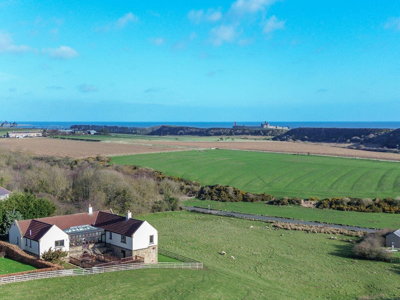
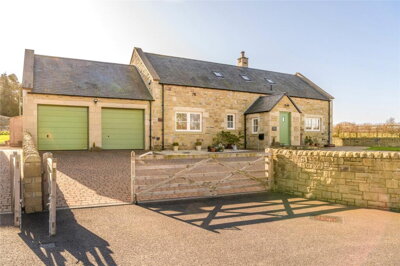
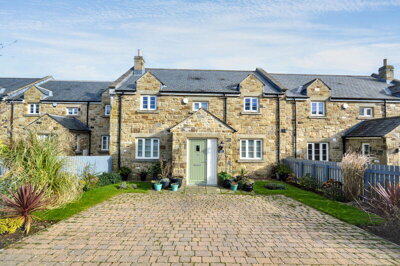
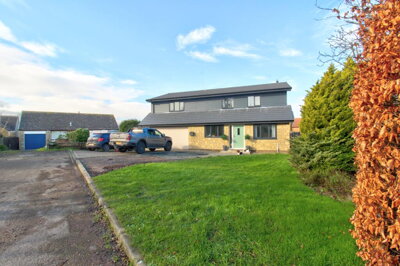
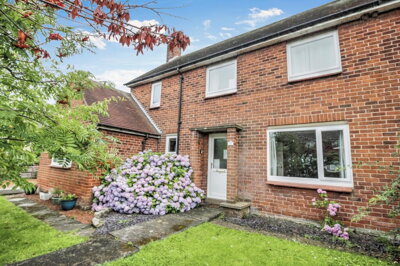
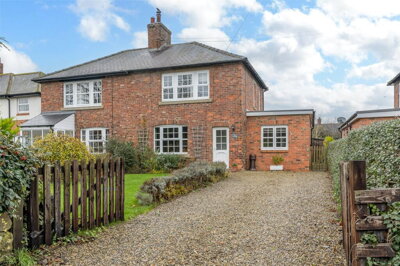
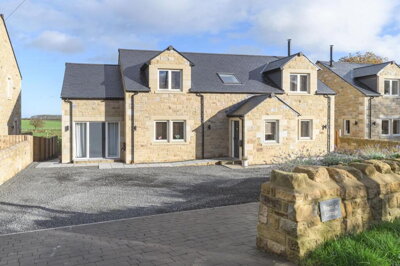
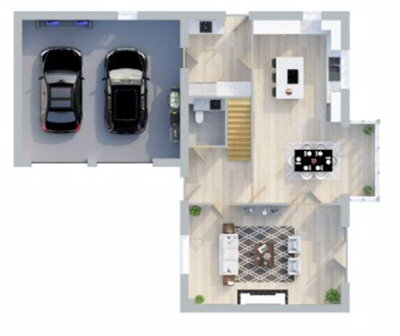
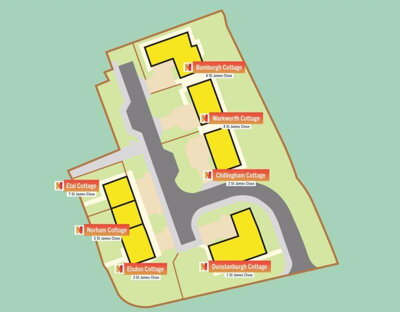
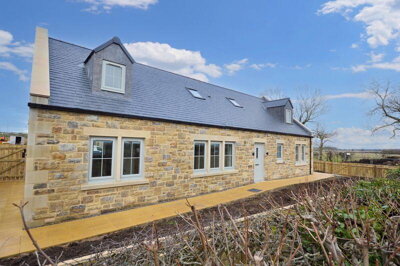
Browse 10 homes for sale in Rennington, Northumberland from local estate agents.
The larger property sector typically features multiple bathrooms, substantial reception space, and private gardens or off-street parking. Four bedroom houses in Rennington span detached, semi-detached, and occasionally terraced configurations, with styles ranging from period properties to modern executive homes.
£595k
1
0
87
Source: home.co.uk
Showing 1 results for 4 Bedroom Houses for sale in Rennington, Northumberland. The median asking price is £595,000.
Source: home.co.uk
Terraced
1 listings
Avg £595,000
Source: home.co.uk
Source: home.co.uk
Rennington’s property market has stayed remarkably resilient, with house prices up 15.3% over the past twelve months according to homedata.co.uk. That performance reflects the pull of Northumbrian village life and the thin supply of decent homes in this countryside setting. Our platform lists available homes from estate agents across the area, and detached family houses still sit at around £544,667, which gives a fair sense of where the premium end lies. Stone-built homes dominate the village stock, so before starting a property search in Rennington it helps to have that local picture in mind.
Stone-built homes dominate Rennington’s housing stock, giving the village its settled, traditional feel. Detached properties are the most common sale type, with generous gardens and roomy accommodation that suit families and anyone after a quieter rural pace. Semi-detached homes, at a median price of £600,000, offer a good middle ground for buyers who want period character without the higher cost of a fully detached place. Terraced cottages, priced from £495,000, can work well for first-time buyers and downsizers looking to join village life.
New building in Rennington has been sparse, and the North Farm Mews development, completed in 2022, brought only a small number of barn conversions and traditionally styled new homes that sit neatly within the village. Those homes have attracted strong interest, which speaks to the demand for well-finished properties that respect local design while still delivering modern comfort and energy performance. With so little fresh development coming forward, good traditional homes in the village tend to be chased hard.

To make sense of Rennington property, it helps to look closely at how these homes were built. The village is largely made up of traditional stone houses using locally sourced sandstone, with solid walls usually 400-600mm thick, so they behave very differently from modern cavity wall construction. That means insulation, ventilation, and moisture control all need a different approach, and buyers should know that before they commit.
Geology plays its part too. Rennington sits on Carboniferous bedrock, with the Stainmore Formation bringing sandstone, siltstone, and mudstone, and the Alston Formation adding limestone, sandstone, and mudstone. Across the area, the main superficial deposit is till, or boulder clay. That clay-rich ground can shrink and swell as moisture levels change, and homes with mature trees nearby may face a higher subsidence risk because roots draw water out of the clay in dry spells, which can lead to foundation movement.
Older properties here often rely on timber roof structures with traditional cut rafters carrying slate or stone tile coverings, while more recent work, such as at North Farm Mews, uses modern roof methods. External walls usually have lime mortar pointing rather than cement, which lets the stone breathe and cuts down on water getting into the building fabric. Those details explain why surveys matter so much for Rennington stone homes, because failing pointing, tired lime mortar joints, or timber decay in the roof can easily be missed at a casual viewing.
Rennington offers a pace of life that many town and city residents would envy, with open countryside, fresh air, and a community feel that has been part of village life for generations. The settlement clusters around stone cottages and farmsteads, giving it that timeless rural England look where neighbours know each other and local events still bring people together through the year. Footpaths and bridleways run out into the surrounding farmland, so morning dog walks and weekend rides are part of the rhythm here.
Alnwick is only 2.5 miles away, so Rennington residents get a calm village base without losing easy access to day-to-day essentials. The town has four supermarkets, plenty of independent shops, and the well-known Alnwick Garden beside the castle. There are also hospitals, medical practices, and dental surgeries for routine care, so longer trips are rarely needed. For evenings out, the Alnwick Playhouse offers theatre and cinema, and the town’s pubs and restaurants show off Northumbrian food and hospitality.
The local economy draws strength from tourism, helped by Northumberland’s coastline and countryside attractions. Visitors come all year round for beaches, castles, and National Trust properties, which supports work in hospitality, retail, and tourism services. Agriculture remains important as well, with farms around Rennington producing livestock and crops that shape both the landscape and the area’s food heritage. Country lanes can carry farm traffic, so buyers should think carefully about exact location when weighing up a home in the village.

Traditional stone homes in Rennington need a different maintenance mindset from newer buildings, and knowing the common defects helps buyers judge survey needs and future upkeep. Penetrating damp is one of the most common problems in stone-built property, usually caused by porous stone, failing pointing, or damaged flashings and leadwork. Exposed elevations take the brunt of driving rain, so west-facing and north-facing walls are especially prone to weathering and mortar erosion.
Older houses can also suffer from rising damp where a damp-proof course was never installed or has failed over time. Solid floors without a damp-proof membrane may let moisture rise through screeds and concrete, which can affect skirtings, plaster, and timber joinery at low level. A thorough RICS Level 2 Survey should pick up the extent of any damp and point to suitable remediation for traditional buildings, such as chemical damp-proof courses or physical membranes paired with better sub-floor ventilation.
Roof issues in Rennington often include slipped or broken slate and tile coverings, worn leadwork around valleys, chimneys, and abutments, and timber decay in roof structures where moisture has lingered or ventilation has been poor. Pitched roofs with timber cut rafters may also show deflection or distortion if woodworm or wet rot has weakened the timbers. Given the age of many village homes, timber treatment specialists usually recommend checking for historic or active infestations before purchase. Older electrical and plumbing systems often need updating as well, and re-wiring or new central heating can be a major cost that a survey should flag.
Families looking at Rennington will find school choices within easy reach, covering different age groups and educational needs. Primary places are available in the surrounding villages and in nearby Alnwick, where The Duchess's Community High School is a major investment in local education. This modern secondary school serves Rennington and neighbouring communities, with facilities that support a broad mix of academic and vocational subjects, plus extracurricular options.
Alnwick’s school provision also includes primary schools for younger children, and several Good and Outstanding Ofsted-rated schools give children a strong start in core subjects and the creative curriculum. Catholic and Church of England primary schools serve families seeking faith-based education, while the nearby market town offers secondary routes that include grammar school options for academically able pupils. Sixth form provision in Alnwick lets students stay local for A-levels and vocational courses that lead towards university or apprenticeship paths.
Working families are supported by early years and childcare provision in Alnwick and the surrounding villages, with nurseries and preschool settings available nearby. Wraparound care and holiday clubs help parents balance work and home life, which makes Rennington workable for households where both adults are employed. School bus services connect the village with education settings in Alnwick and elsewhere, though parents should still check catchment areas and bus routes for their exact property, as rural services can be less frequent outside the main school run.

Despite its rural setting, Rennington is well connected for travel and commuting. The A1 trunk road runs nearby, giving strong road links south to Newcastle upon Tyne and north to Edinburgh. That dual-carriageway, motorway-standard route cuts out the frustration of narrow lanes and trims journey times to major job centres, which makes village life realistic for people who still need to reach the city now and again.
Rail travel is available from Alnmouth and Berwick-upon-Tweed stations, both of which have regular services beyond the region. Alnmouth has direct trains to Newcastle, Edinburgh, and cross-country routes that link the area with destinations across Britain. Berwick-upon-Tweed offers similar east coast main line services, with London around four hours away by train from stations that Rennington residents can reach without much effort. That rail access keeps day trips to capital cities practical and suits flexible working patterns too.
Bus links are provided by Arriva and community transport schemes, connecting Rennington with Alnwick and nearby villages for those without a car. Services to Alnwick run several times a day, which means town centre amenities, healthcare appointments, and schooling are still accessible without relying entirely on driving. For commuting further afield, the nearby motorway-standard road network and regional rail stations make the village a workable base for people in education, healthcare, tourism, and digital roles, and many residents mix occasional office time with home working now that high-speed broadband is available in the village.

A sensible property search in Rennington starts with the numbers. Median prices sit around £438,000, while detached homes average £797,500, so setting a realistic budget early makes the search far more focused. We would also suggest speaking to a mortgage adviser for a borrowing check and an agreement in principle before offers go in. Then add stamp duty, survey fees, legal costs, and removals to the total.
Create a free account with us to set up property alerts for Rennington and the surrounding area. Our platform brings together listings from multiple estate agents, so we can give a broad view of homes that match the brief. Save favourites, compare prices with local market data, and book viewings through the platform. We also cover nearby villages such as Shilbottle, Longhoughton, and Swarland, which can widen the search while keeping within the Alnwick catchment area.
Once we have identified promising homes, we arrange viewings through the listed estate agents. It is sensible to see the village and the surrounding lanes at different times of day before making a decision. Noise from nearby farms, winter mud on country roads, and the ease of reaching Alnwick amenities all matter. Daylight visits are best for checking condition, and a second look can be useful for road noise at busier times or the reality of parking.
Before buying any property in Rennington, especially an older stone-built home, we always recommend a RICS Level 2 Survey to pick up structural issues or defects. Traditional homes may have damp, roof problems, or timber defects that need proper attention. A survey usually costs between £400-1,000 depending on size and complexity, but it can save thousands by highlighting issues before completion. Because the area sits on boulder clay geology, foundation condition and any subsidence risk deserve close attention.
A conveyancing solicitor with Northumbrian property experience should handle the legal work on your purchase. They will run searches including local authority checks, environmental searches, and, where appropriate, a mining search because of Northumberland’s mining history. Exchange of contracts usually happens 4-6 weeks after the offer is accepted, with completion not long after. A mining search (Con29M) is especially sensible for properties across the wider Northumberland area, as it can reveal any risk of ground instability linked to past mining activity.
On completion day, the solicitor sends the remaining funds to the seller’s solicitor and the keys to the new Rennington home are released. Buildings insurance needs to start from that date, utility companies should be told about the move, and local services such as doctors and dentists in Alnwick should be registered with. Our Homemove platform can help source conveyancing and survey services for the purchase. Meter readings should be taken on completion day, and the council tax department should also be notified of the new address.
Buying in Rennington means keeping an eye on a few local factors that matter in this rural Northumbrian setting. Traditional stone construction is the norm, with solid walls and period features that need a different upkeep approach from modern homes. Signs of penetrating damp should be checked in stone walls, especially around windows and where pointing has failed over time. Older houses may not have a modern damp-proof course, so rising damp is another thing a proper survey should spot. External pointing also deserves close attention, because tired lime mortar joints let water in and speed up stone weathering and internal damp.
The ground beneath the village can also affect buyers. Underlying clay deposits may cause shrink-swell movement that affects foundations, and homes with mature trees nearby can face a higher subsidence risk when tree roots pull moisture from clay soil in dry weather. Gutters, downpipes, and drainage all need checking too, because failures can soak the ground around foundations and worsen movement problems. A RICS Level 2 Survey gives a detailed view of structural condition and should pick up signs of subsidence or movement that need more investigation. Cracking in walls, especially diagonal cracks from window corners, and doors or windows that stick are both worth noting.
Rural villages like Rennington often come with planning limits that protect local character, so it pays to understand them before buying. Conservation area designations can restrict permitted development rights and limit extensions, outbuildings, or major alterations without planning permission. Listed buildings bring extra obligations too, especially around historic features and suitable repair materials. Always check planning history and any permission conditions before setting a renovation budget. A local authority search from the solicitor should show any planning permissions, building control decisions, or highway schemes affecting the property.

The average house price in Rennington is currently around £696,667 according to home.co.uk listings data, with the median price at £438,000 based on 60 sales recorded since 2018 on homedata.co.uk. Detached properties average £797,500, semi-detached homes about £600,000, and terraced homes from £495,000. Prices have risen 15.3% over the past twelve months, which reflects steady demand for rural Northumberland homes. Three sales were recorded in 2025, according to homedata.co.uk, so individual transactions can still move the averages quite a bit.
For council tax, Rennington falls under Northumberland County Council. Bands run from A to H depending on value, and many traditional stone cottages are likely to sit in bands B to D, while larger detached family homes may land in bands E or F. The exact band for any property can be checked through the Valuation Office Agency website using the address. Council tax usually covers refuse collection, local authority services, and community safety provision from Northumberland County Council.
Families in Rennington can reach primary education through schools in surrounding villages and Alnwick, where several Good-rated Ofsted schools provide a solid grounding. The Duchess's Community High School in Alnwick covers secondary education with modern facilities and a broad curriculum, and the town also has further secondary choices and sixth form provision. Early years settings and childcare support younger children, with transport links helping families get in and out of the village. Parents should check catchment areas and any overlap between villages before they settle on a property.
Bus services link Rennington with Alnwick and the nearby villages, with several departures each day giving access to town centre amenities and services. Rail options are available at Alnmouth and Berwick-upon-Tweed, both on east coast main line services to Newcastle, Edinburgh, and beyond. The nearby A1 trunk road gives straightforward access to major cities, so the village works well for commuters who drive to stations or travel to regional workplaces. Alnmouth station is about 12 miles away and Berwick-upon-Tweed is around 25 miles north, with both offering regular cross-country connections.
Rennington property makes a sound investment case, helped by strong historical price growth of 15.3% a year and the continuing appeal of rural Northumberland life. Limited new build supply keeps demand focused on existing homes, while Alnwick and the Northumbrian coastline support rental interest from professionals and families who want countryside living. Homes needing renovation can offer real value-add potential for investors prepared to improve traditional stone houses. The village’s character and limited development opportunities suggest prices should stay supported by buyers seeking a rural base within easy reach of town amenities.
Standard stamp duty rates apply to purchases in Rennington, 0% on the first £250,000, 5% on £250,001 to £925,000, 10% on £925,001 to £1.5 million, and 12% above £1.5 million. First-time buyers get relief on the first £425,000, with 5% charged between £425,000 and £625,000. For instance, a first-time buyer paying £495,000 for a terraced property would pay roughly £3,500 in stamp duty after relief. Anyone buying a second home should also budget for the extra 3% surcharge across all bands above the nil rate threshold.
Rennington is inland, so coastal flooding is not an issue, but surface water flooding and flooding from small watercourses can still happen during heavy rainfall. The boulder clay geology affects drainage because clay soils do not let water through easily, which can leave surface water pooling in low-lying spots. A purchase should include drainage and flood risk searches, and the government’s flood risk checker should be used for the exact property location. Homes with gardens falling towards the house, or with poor drainage, may need extra spending on guttering, land drainage, or damp-proofing work.
There is no specific mining legacy identified for Rennington itself, but Northumberland’s coal mining past still makes a mining search worth considering during a purchase. A mining search (Con29M) shows whether the property lies in a mining search area and highlights any records held in the Coal Authority database. That matters most for homes with ground floor extensions, outbuildings, or gardens where old mining work may have left voids or ground instability. Your conveyancing solicitor can add this to the standard local authority and environmental searches, usually for a modest extra fee.
Get a mortgage quote for your Rennington purchase
From 4.5%
Expert conveyancing solicitors for your Rennington property purchase
From £499
Essential survey for traditional stone properties in Rennington
From £400
Energy performance certificate for your Rennington property
From £60
It pays to understand the full cost of buying in Rennington so there are no surprises along the way. Beyond the purchase price, the biggest extra cost is stamp duty land tax, worked out on a tiered basis by price. On a typical Rennington home at the median price of £438,000, a standard buyer without first-time buyer relief would pay about £9,400 in stamp duty, while a first-time buyer paying the same amount would pay nil on the first £425,000 and roughly £650 on the remaining £13,000. Second home buyers should add a 3% surcharge to the relevant rates.
Survey fees are money well spent, especially for traditional stone homes where damp, timber defects, or structural movement may not be obvious at first glance. A RICS Level 2 Survey in Rennington usually costs between £400 and £800 depending on size and complexity, with larger detached homes sitting at the top end. Some buyers see surveys as optional, but finding defects before exchange gives room to renegotiate the price or factor repairs into the plan. For listed buildings or homes with more involved structural concerns, a RICS Level 3 Building Survey gives a fuller assessment and more specific guidance.
Conveyancing fees normally run from £500 to £2,000 plus VAT and disbursements, covering title checks, local authority enquiries, and the transfer of ownership. Extra costs include search fees, usually around £250-400 for the standard set of environmental and drainage checks, registration fees of £20-455 depending on property value, and bank charges for telegraphic transfers. Removals, any estate agent fees if a sale is happening at the same time, and buildings insurance from completion day all need to be budgeted for as well. Keeping those costs in mind alongside the mortgage helps the move to a Rennington home run more smoothly. Our platform can put you in touch with conveyancing and survey services with Northumbrian property experience.

Properties for Sale In London

Properties for Sale In Plymouth

Properties for Sale In Liverpool

Properties for Sale In Glasgow

Properties for Sale In Sheffield

Properties for Sale In Edinburgh

Properties for Sale In Coventry

Properties for Sale In Bradford

Properties for Sale In Manchester

Properties for Sale In Birmingham

Properties for Sale In Bristol

Properties for Sale In Oxford

Properties for Sale In Leicester

Properties for Sale In Newcastle

Properties for Sale In Leeds

Properties for Sale In Southampton

Properties for Sale In Cardiff

Properties for Sale In Nottingham

Properties for Sale In Norwich

Properties for Sale In Brighton

Properties for Sale In Derby

Properties for Sale In Portsmouth

Properties for Sale In Northampton

Properties for Sale In Milton Keynes

Properties for Sale In Bournemouth

Properties for Sale In Bolton

Properties for Sale In Swansea

Properties for Sale In Swindon

Properties for Sale In Peterborough

Properties for Sale In Wolverhampton

Enter your details to see if this property is within your budget.
Loans, cards, car finance
Estimated property budget
Borrowing + deposit
You could borrow between
Typical borrowing
Monthly repayment
Est. at 4.5%
Loan-to-value
This is an estimate only. Your actual budget may vary depending on interest rates, credit history, and personal circumstances. For an accurate affordability assessment, speak to one of our free mortgage advisors.
This calculator provides estimates for illustrative purposes only and does not constitute financial advice. Your home may be repossessed if you do not keep up repayments on your mortgage. Estimates based on 4.5% interest rate, repayment mortgage. Actual rates depend on your circumstances.
Homemove is a trading name of HM Haus Group Ltd (Company No. 13873779, registered in England & Wales). Homemove Mortgages Ltd (Company No. 15947693) is an Appointed Representative of TMG Direct Limited, trading as TMG Mortgage Network, which is authorised and regulated by the Financial Conduct Authority (FRN 786245). Homemove Mortgages Ltd is entered on the FCA Register as an Appointed Representative (FRN 1022429). You can check registrations at NewRegister or by calling 0800 111 6768.

We use cookies to show you personalised content and improve your experience of our website. Find out more in our Privacy policy and Cookie policy.