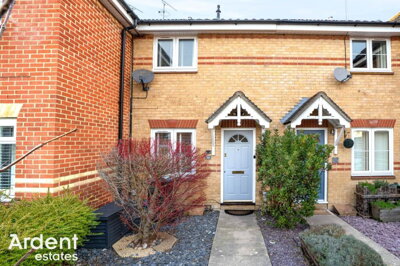
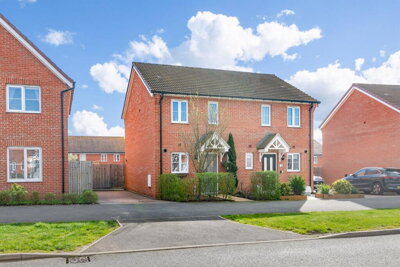
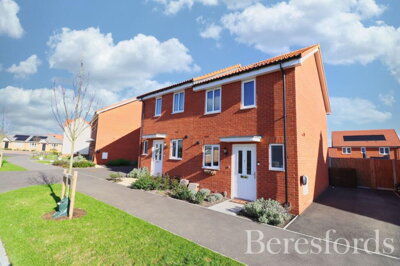
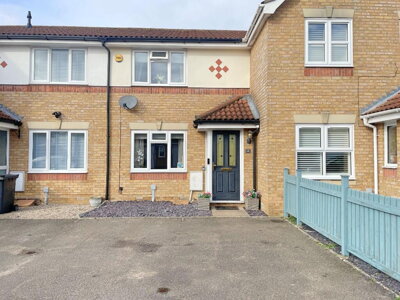
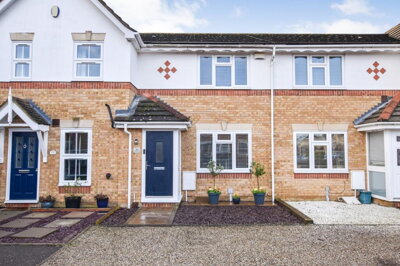
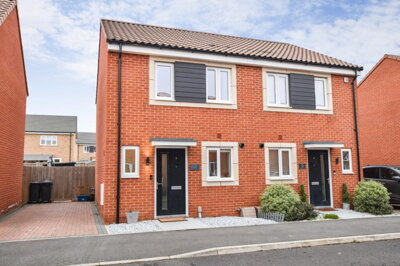
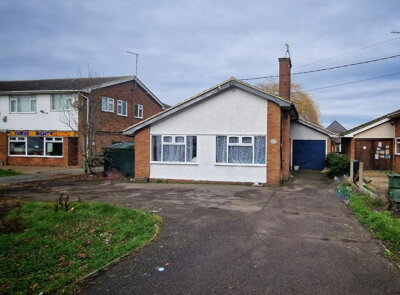
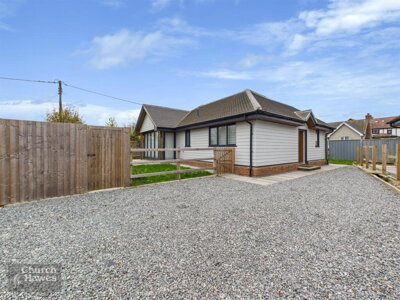
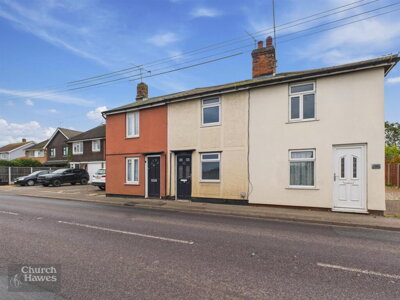
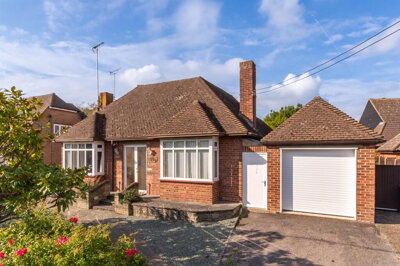
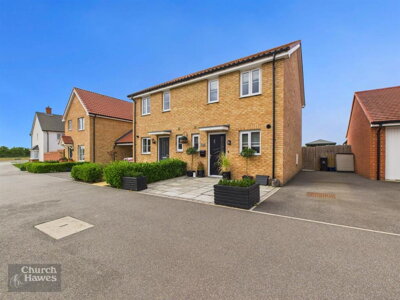
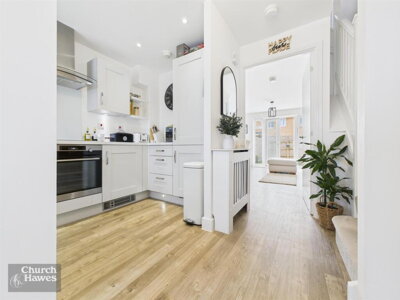
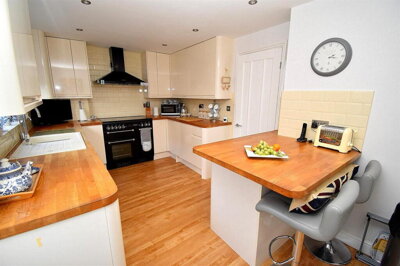
Browse 18 homes for sale in Purleigh, Maldon from local estate agents.
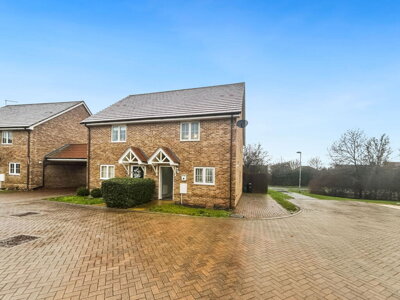
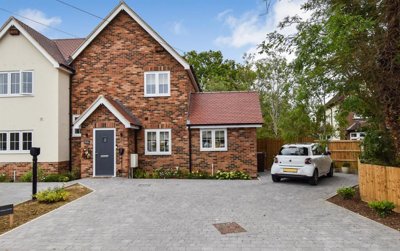
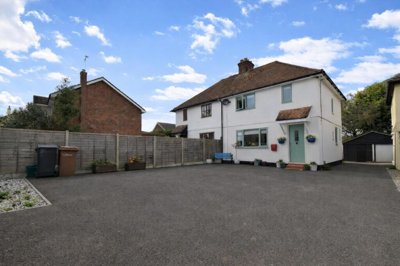
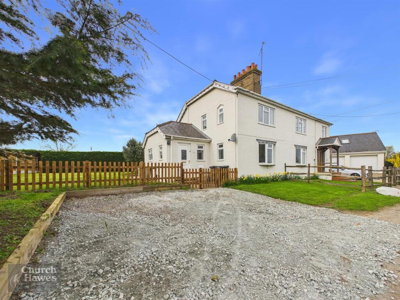
The 2 bed house market features detached, semi-detached, and terraced properties with two separate bedrooms plus living spaces. Properties in Purleigh range from Victorian and Edwardian period homes to modern new builds, with pricing varying across different neighbourhoods.
£425k
1
0
53
Source: home.co.uk
Showing 1 results for 2 Bedroom Houses for sale in Purleigh, Maldon. The median asking price is £425,000.
Source: home.co.uk
Semi-Detached
1 listings
Avg £425,000
Source: home.co.uk
Source: home.co.uk
Purleigh’s property market has been moving steadily, with house prices up by around 5% over the past 12 months. That rise points to continued demand for rural Essex living, while still feeling more affordable than Greater London and the surrounding commuter towns. We list homes at every level, from flats around £250,000 through to substantial detached houses at £700,000 and beyond, so buyers can find something that fits. The market draws a mixed crowd, from first-time purchasers looking for value to families trading up for bigger homes with gardens.
Detached homes make up roughly 60% of the village stock in Purleigh, and semi-detached houses add another 25%. That balance helps explain why the area appeals to buyers after more space and proper gardens. Terraced properties account for around 10% of the market, while flats sit at just 5%, which suits the countryside feel of the place. Purleigh also has homes from several periods, with about 20% dating from the pre-1919 era, roughly 15% built between 1919 and 1945, and another 35% from 1945 to 1980. The result is a mix of streets with mature trees and long-settled planting.
There are two new build schemes currently shaping Purleigh’s housing offer. The Mulberries, built by Bellway Homes off The Street (CM3 6QJ), has 3, 4, and 5-bedroom detached and semi-detached homes priced from £450,000 to £750,000. Purleigh Grange by Countryside Homes on Maldon Road (CM3 6PN) offers 2, 3, and 4-bedroom houses from £380,000 to £600,000. Both bring modern specifications into established village boundaries, which suits buyers who want new build comfort without losing Purleigh’s rural feel. Warranty cover comes with these homes, though the pricing reflects the premium of modern construction and energy efficiency standards.

Purleigh life is shaped by community spirit and the countryside, giving residents a quiet base without losing everyday essentials. The conservation area, centred on St Peter ad Vincula Church and The Street, protects the historic core and its 17th to 19th-century character, helped along by a good number of Grade II listed buildings. Footpaths through farmland and bridleways put Essex countryside on the doorstep, while the River Chelmer to the north-west offers scenic walking along its banks. We often hear that the walks and the green open spaces are among the biggest lifestyle draws.
The village’s day-to-day life is supported by local facilities and small businesses that serve both residents and visitors. Purleigh Common gives people somewhere open to enjoy, while the church and village hall host events across the year and bring neighbours together. With 60% detached homes and 35% built before 1980, the streets feel settled and established, with mature gardens and trees everywhere you look. Red brick is common, often paired with rendered sections and tiled roofs, which reflects traditional Essex building practice handed down over generations. The centre along The Street remains the natural meeting point for local services and community activity.
At around 1,800 residents, Purleigh has a population that feels balanced, with families, professionals, and retirees all contributing to village life. Many working residents travel to Maldon, Chelmsford, and London, taking advantage of the transport links while keeping the advantages of rural living. Employment nearby is mostly in agriculture, small businesses, and services, and that countryside appeal helps support property values across the market. The village still has a shop and a pub, which means day-to-day needs can be met without always heading into a larger town. Agents working in the area continue to see regular interest from buyers drawn to the Purleigh lifestyle, and well-priced homes tend to move in a sensible timeframe.

Families moving to Purleigh will find schooling within a reasonable travelling distance for the village and the surrounding area. The local primary school serves Purleigh pupils in the early years and Key Stage 1, and further primary choices can be found in nearby villages including Woodham Walter and Danbury. It is wise to check the latest catchment areas and admissions rules, as these can affect where children are placed after a move. Looking at school distance alongside transport links gives useful context when comparing homes in different parts of the village.
Secondary schooling is usually taken up in Maldon, though some families look towards grammar school options in nearby towns such as Chelmsford, which is about 25 minutes away by car. Essex’s selective system keeps grammar schools in high demand for academically able pupils, and the entry process is competitive, so parents should research it properly when planning a move. School performance, Ofsted ratings, and admission policies all matter for families with older children. Travelling to Chelmsford grammar schools means crossing the catchment boundary, so early registration and application planning pays off.
Schooling is often part of the property conversation here, because transport links and education provision together shape where families choose to live. Independent schools in the region widen the choice for parents who want a particular style of education, and several respected options sit within a reasonable drive. Further and higher education can be reached through colleges and universities in Chelmsford, Colchester, and London. Surrounding market towns also provide sixth form places with a broad spread of A-level courses, while vocational training is available at colleges across Essex. Strong transport links from Purleigh mean older students can reach institutions across the county without needing weekday residential accommodation, which gives families more flexibility at different stages.

For commuters, Purleigh gives a practical set of transport links without losing its village character. The village is within easy reach of major road networks, so surrounding towns and cities are straightforward to access. Many residents like that blend of countryside calm and efficient travel into work. In the Maldon district, Chelmsford and its mainline railway station can be reached in about 20-30 minutes by car, which opens up London travel for those working in the capital. Plenty of residents head to Chelmsford, London, or nearby business parks, and they value the chance to come home to a rural setting.
Road access from Purleigh works well for the surrounding area, with routes leading into Maldon and out to the A414 trunk road for Chelmsford and beyond. Traffic levels are generally light compared with urban areas, although some rural roads still have single-track sections, so it is worth keeping that in mind. Parking varies by property, but many family homes have generous off-street space, which suits car-dependent rural Essex living. Local bus services also link Purleigh with neighbouring villages and towns, giving a useful option for those without a car or those who prefer public transport. The 31 bus service runs between Purleigh, Maldon, and Chelmsford at different times through the day.
Rail travel is handled by Chelmsford station, which has regular services to London Liverpool Street and journey times usually around 35-40 minutes. That keeps Purleigh workable for people in the City or Canary Wharf who want country living without paying the higher prices seen closer in to the commuter belt. Stansted Airport is about one hour’s drive away, and Harwich port offers international ferry links. Cycling has become more practical in recent years too, with some residents using bikes for local journeys, especially in good weather. The land around Purleigh is fairly flat, which helps, although the lack of dedicated cycle lanes on some rural roads means caution is still needed.

We are seeing strong interest in current listings and recent sales data for Purleigh, as buyers try to pin down what different property types are actually achieving. Average prices sit around £595,000, and detached homes can command about £700,000, so the budget you have makes a real difference to the search. It also helps to think about the conservation area, transport links, and schools when weighing up different parts of the village. Setting property alerts is sensible too, because good homes in Purleigh can sell quickly once they appear.
Before arranging viewings, it is best to have a mortgage agreement in principle ready from a lender. That shows estate agents and sellers that you can proceed, which gives your offer more weight. With average values in Purleigh ranging from £250,000 for flats to £700,000 for detached homes, knowing your borrowing limit helps keep the search focused. Having the paperwork ready also signals that you are serious, which matters in a market where interest often comes in more than one direction.
Once you have a shortlist, go and view the properties, and pay attention to the house as well as the street around it. Look at the construction materials, the age of the property, and any signs that maintenance has been pushed back. Purleigh’s London Clay geology and the number of older houses mean it helps to compare homes of different ages and conditions side by side. Take photographs and jot down notes while you are there, because details blur after a few viewings. Evening and weekend appointments are useful for judging noise, traffic, and the character of the neighbourhood at different times.
After an offer is accepted, we would usually recommend instructing a RICS Level 2 Survey so the property condition is checked properly. For a typical 3-bedroom semi-detached property in Purleigh, costs generally sit between £450 and £650, while larger detached homes usually need surveys priced from £550 to £800. That outlay can uncover structural problems, which matters here because of the shrink-swell clay risk and the number of homes over 45 years old. With about 70% of Purleigh’s properties built before 1980, survey findings often highlight issues that are familiar to the local stock.
The legal side should be handed to a solicitor, who will deal with local searches, contract review, and title checks. They will look into planning permissions, easements, and any restrictions that affect the property. Because Purleigh has a conservation area and listed buildings, extra searches may be needed to confirm permitted development rights. You should budget for drainage and water enquiries, environmental searches, and local authority checks through Maldon District Council.
After the survey and legal work come back satisfactorily, you move on to exchange contracts and pay the deposit. The balance is then transferred on completion day, when the keys are handed over and the Purleigh home becomes yours. From offer to completion, the average timescale is usually 8 to 12 weeks, although chains and mortgage lender requirements can change that. Removal arrangements and utility transfers are best lined up early so moving day runs more smoothly.
Understanding how properties in Purleigh were built helps buyers judge condition and spot likely maintenance needs. The stock spans a few different periods, and each one brings its own methods and common faults. Homes built before 1919 usually have traditional timber frame construction with brick infill or solid brick walls, lime mortar pointing, and slate or clay tile roofs. Those heritage techniques give plenty of character, but they also need care in line with traditional building practice. In the conservation area, many older homes still keep original details such as exposed beams, inglenook fireplaces, and panelled doors.
Homes from 1919 to 1945 brought in cavity wall brick construction, and concrete roof tiles became more common too. The post-war building boom from 1945 to 1980 used mainly cavity wall brick methods, often with rendered finishes and concrete tiles. About 35% of Purleigh’s housing stock dates from this period, so many family homes share similar construction methods and maintenance patterns. Properties built after 1980 tend to have better insulation and more modern building methods, although standards do vary between developers and specifications.
Building materials across Purleigh say a lot about Essex tradition and what was available locally. Red brick is widely used, often alongside rendered sections that add both visual interest and a layer of weather protection. Tiled roofs, usually clay or concrete, remain the main choice, while older properties sometimes still have natural slate where original fabric survives. The underlying London Clay geology affects foundation design and can influence ground conditions, especially where there are mature trees and moisture extraction from the soil. Knowing those local construction traits helps buyers read survey comments properly and makes the homes easier to assess.
Buying in Purleigh means paying attention to a few things that do not always come up in urban locations. The London Clay geology creates shrink-swell risk for foundations, particularly in periods of extreme weather with prolonged wet or dry spells. Mature trees nearby can add to the problem, since roots draw moisture out of the clay soil and can lead to movement over time. Homes in the conservation area come with planning restrictions on future alterations, and listed buildings need Listed Building Consent from Maldon District Council for most changes. Some lower-lying spots can also be affected by surface water flooding in heavy rain, while much of the housing stock is older and may need spending on electrics, heating, and insulation. A thorough RICS Level 2 Survey helps pick up these issues before purchase and gives you room to negotiate, or to walk away if the home is not right.
Properties inside the Purleigh Conservation Area are subject to planning controls that protect the village’s historic character. That can limit permitted development rights, so extensions or alterations may need planning permission from Maldon District Council. Listed buildings, most of them Grade II and dating from the 17th to 19th centuries, need Listed Building Consent for most works, which adds both complexity and cost to any project. It is sensible to keep extra budget aside if you are looking at older homes in the conservation zone. Historic farmhouses and cottages along The Street show exactly the kind of architecture those controls are designed to protect.
Flood risk should be part of your checks, especially for homes in lower-lying spots or close to the River Chelmer to the north-west. Purleigh village itself is generally raised, so river flood risk is low, but heavy rain can still leave surface water issues in some areas. Looking at drainage history and where the property sits relative to local watercourses gives useful context before you commit. EA flood risk maps show that most of the village centre sits in very low flood risk categories, though each property still needs to be checked on its own merits. Local searches can also turn up historical flooding records, which gives a clearer picture of a specific address.
Common defects in Purleigh properties tend to reflect the age and type of housing found here. Damp, both rising and penetrating, often appears in older houses where damp-proof courses are missing or external maintenance has been left too long. Roof issues, including slipped tiles, damaged flashing, and tired felt, show up often in homes over 30-40 years old. Timber problems such as rot and woodworm can affect older timber-framed houses or properties with timber elements. Outdated electrical systems that fall short of current safety standards are another risk in older homes, especially where nothing has been modernised for years. A RICS Level 2 Survey picks up these issues methodically, giving you a clear picture before you go ahead.

As of February 2026, the average property price in Purleigh is £595,000, which is 5% higher than 12 months earlier. Detached properties sit at the top end at about £700,000, while semi-detached homes average around £450,000. Terraced properties usually sell for £350,000, and flats reach around £250,000. That steady rise reflects lasting demand for rural Essex homes with good transport links. About 30 properties sold in Purleigh over the last year, which points to a market that keeps moving rather than stalling.
Purleigh homes sit within Maldon District Council’s council tax banding system, and the band depends on value and size as assessed by the Valuation Office Agency, ranging from A through to H. Most detached family houses in the village fall into bands D through F, with annual charges between £1,700 and £2,500 depending on the band. Smaller homes and flats can fall into bands A through C, where yearly charges start from around £1,300. It is worth checking the exact band for any property under consideration, because this feeds into ongoing costs alongside mortgage payments and utility bills.
Purleigh has local primary schooling close to hand, with the village primary school covering early years and Key Stage 1 for younger children. Secondary choices in the wider Maldon area include several schools with good Ofsted ratings, while Chelmsford grammar schools attract families willing to travel for selective education. Parents should check admissions rules and catchment areas as they stand now, because these can shift and affect placement. Independent schools within a reasonable drive give further options for families with particular educational needs, and there are several well-regarded independent schools across Essex.
Bus links from Purleigh give residents without a car a practical way to reach surrounding towns and villages. The 31 bus route serves the village, with connections into Maldon and links to wider destinations. Rail access comes via Chelmsford station, about 20-30 minutes away by car, where trains to London Liverpool Street run regularly and take around 35-40 minutes. Because the village is rural, most people still find car ownership the easiest option, although the public transport does add flexibility for commuters and anyone with reduced mobility. Stansted Airport can be reached in about one hour by car, which is handy for international travel.
For investors, Purleigh offers a few clear attractions, including the premium attached to rural Essex living, its link to London, and the conservation area that helps restrict fresh development. Property values have been rising by about 5% a year, and the limited supply of new homes in the village helps support long-term value. There is rental demand from commuters and families who want village life, although yields will depend on the type and condition of the property. Returns need to be measured against local rental conditions, void periods between tenants, and any regulations that apply to lettable homes. Developments such as The Mulberries and Purleigh Grange show that interest in the village continues from both owner-occupiers and investors.
Stamp duty land tax applies to all purchases above £250,000, with 5% charged on the portion between £250,001 and £925,000 for standard buyers, while purchases as additional homes carry a 3% surcharge. On a typical Purleigh purchase of £595,000, the calculation applies 5% to £345,000, which is the amount above the £250,000 threshold, and that gives stamp duty of roughly £17,250. First-time buyers receive much better relief, paying 0% on the first £425,000 and 5% on the remainder up to £625,000, which would bring the tax down to around £8,500 on a qualifying purchase. Homes priced above £925,000 attract higher rates, with 10% on the portion between £925,001 and £1.5 million, then 12% on homes over £1.5 million.
Several area-specific issues deserve attention when buying in Purleigh. The London Clay geology creates shrink-swell risk for foundations, especially in extreme weather with long wet or dry periods. Homes with mature trees close by face a higher risk, because roots pull moisture from the clay and can lead to movement over time. Properties in the conservation area have planning restrictions on alterations, and listed buildings need Listed Building Consent from Maldon District Council for most changes. Surface water flooding can affect some lower-lying areas during heavy rain, and because much of the stock is older, buyers should set aside money for possible upgrades to electrics, heating systems, and insulation. A thorough RICS Level 2 Survey will identify these matters before purchase, giving room to negotiate or to step back from a property that does not fit.
From 3.5%
Compare competitive mortgage rates from leading lenders
From £499
Expert legal services for your Purleigh property purchase
From £450
Professional property surveys matched to Purleigh housing stock
From £80
Energy performance certificate for your new home
Budgeting for a purchase in Purleigh means looking beyond the asking price. Stamp duty land tax is a major item, with standard rates applying to purchases above £250,000. On the village average price of £595,000, a non-first-time buyer would pay tax on the £345,000 above that threshold, which comes to around £17,250. First-time buyers benefit from current reliefs, taking the cost down to about £8,500 for qualifying purchases under £625,000. Buy-to-let purchases and second homes attract a 3% surcharge across the stamp duty bands.
Survey fees need to sit in the budget too, particularly because Purleigh has so many older houses. RICS Level 2 Surveys for a typical 3-bedroom semi-detached property usually range from £450 to £650, while larger 4-bedroom detached homes need a more detailed check at between £550 and £800. With about 70% of Purleigh’s properties built before 1980 and around 35% predating 1945, a professional survey is valuable protection against hidden problems such as subsidence, damp issues, and out-of-date electrical systems. Homes in the conservation area, or those that are listed, may be better served by RICS Level 3 Building Surveys because the construction is often more complex and the maintenance requirements more specialist.
Conveyancing fees normally start from £499 for straightforward transactions, although more complicated purchases involving leasehold properties, listed buildings, or conservation area restrictions can cost more. Local searches through Maldon District Council, drainage and water enquiries, and title checks add extra costs, usually somewhere between £250 and £400. Environmental searches that look at flood risk, ground stability, and contamination are especially useful in areas with London Clay geology. Mortgage arrangement fees vary from lender to lender, and many sit between 0% and 1.5% of the loan amount. Removal costs, valuation fees, and any renovation budget should also be built into the total when planning a move to Purleigh.

Properties for Sale In London

Properties for Sale In Plymouth

Properties for Sale In Liverpool

Properties for Sale In Glasgow

Properties for Sale In Sheffield

Properties for Sale In Edinburgh

Properties for Sale In Coventry

Properties for Sale In Bradford

Properties for Sale In Manchester

Properties for Sale In Birmingham

Properties for Sale In Bristol

Properties for Sale In Oxford

Properties for Sale In Leicester

Properties for Sale In Newcastle

Properties for Sale In Leeds

Properties for Sale In Southampton

Properties for Sale In Cardiff

Properties for Sale In Nottingham

Properties for Sale In Norwich

Properties for Sale In Brighton

Properties for Sale In Derby

Properties for Sale In Portsmouth

Properties for Sale In Northampton

Properties for Sale In Milton Keynes

Properties for Sale In Bournemouth

Properties for Sale In Bolton

Properties for Sale In Swansea

Properties for Sale In Swindon

Properties for Sale In Peterborough

Properties for Sale In Wolverhampton

Enter your details to see if this property is within your budget.
Loans, cards, car finance
Estimated property budget
Borrowing + deposit
You could borrow between
Typical borrowing
Monthly repayment
Est. at 4.5%
Loan-to-value
This is an estimate only. Your actual budget may vary depending on interest rates, credit history, and personal circumstances. For an accurate affordability assessment, speak to one of our free mortgage advisors.
This calculator provides estimates for illustrative purposes only and does not constitute financial advice. Your home may be repossessed if you do not keep up repayments on your mortgage. Estimates based on 4.5% interest rate, repayment mortgage. Actual rates depend on your circumstances.
Homemove is a trading name of HM Haus Group Ltd (Company No. 13873779, registered in England & Wales). Homemove Mortgages Ltd (Company No. 15947693) is an Appointed Representative of TMG Direct Limited, trading as TMG Mortgage Network, which is authorised and regulated by the Financial Conduct Authority (FRN 786245). Homemove Mortgages Ltd is entered on the FCA Register as an Appointed Representative (FRN 1022429). You can check registrations at NewRegister or by calling 0800 111 6768.

We use cookies to show you personalised content and improve your experience of our website. Find out more in our Privacy policy and Cookie policy.