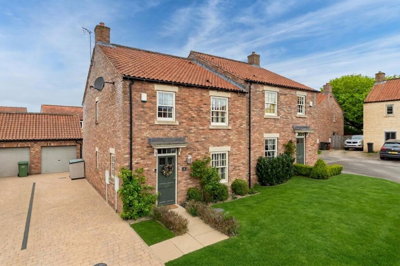
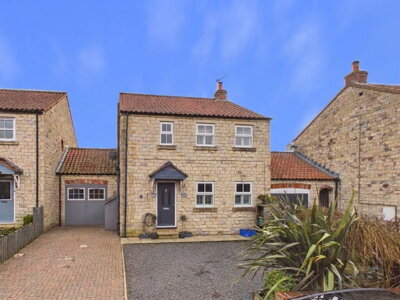
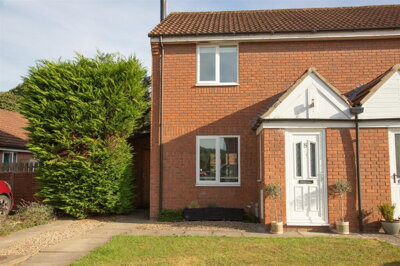
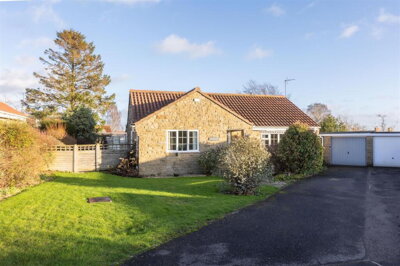
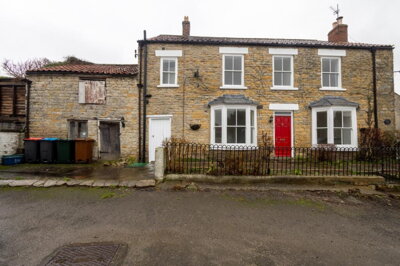
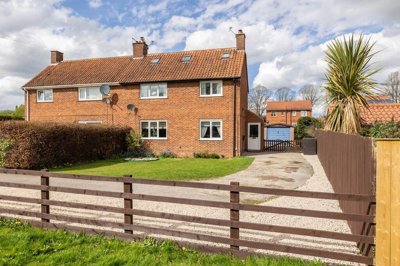
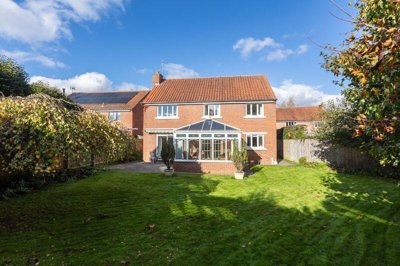
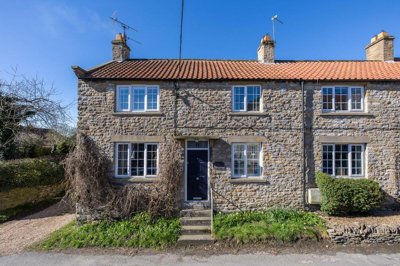
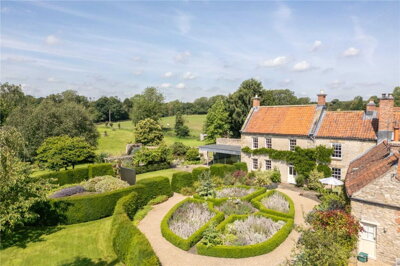
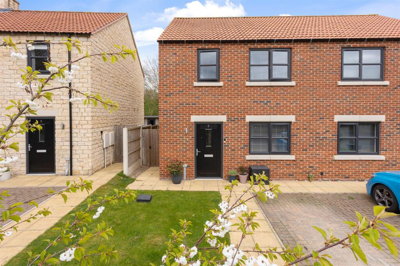
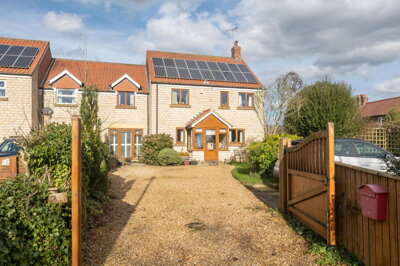
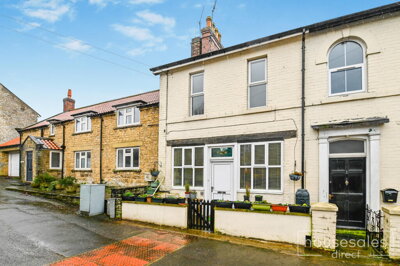
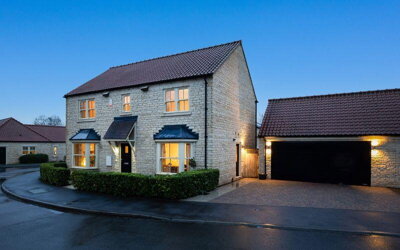
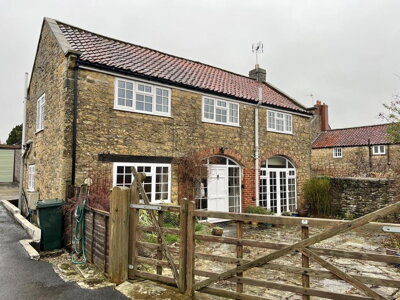
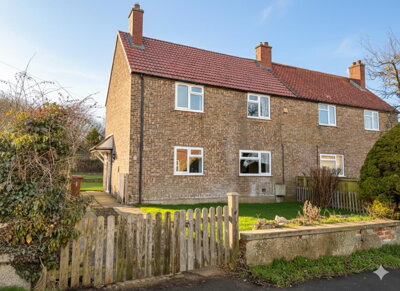
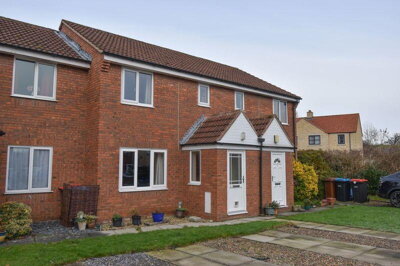
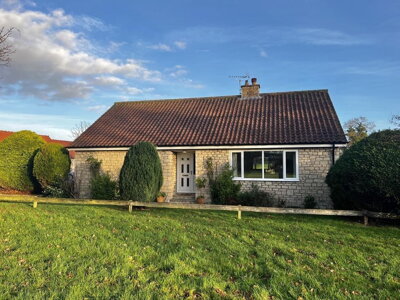
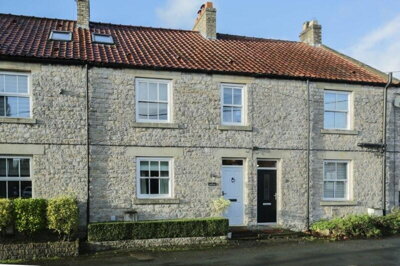
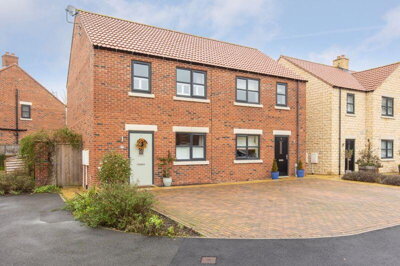
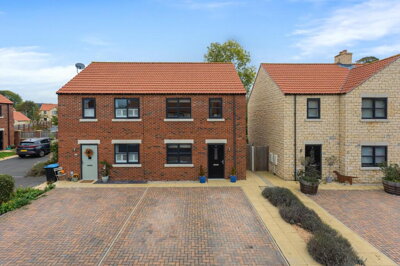
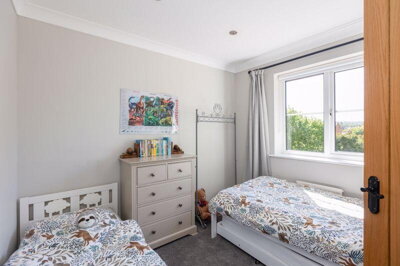
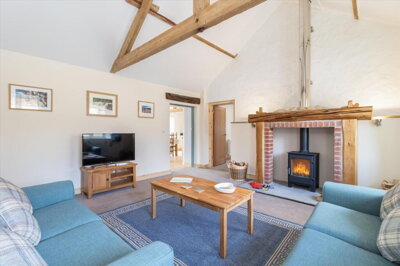
Browse 25 homes for sale in Pockley, North Yorkshire from local estate agents.
The Pockley property market offers detached, semi-detached, and terraced houses spanning various price ranges and neighbourhoods. Each listing includes detailed property information, photographs, and direct contact with the marketing agent.
£0k
0
0
0
Source: home.co.uk
Showing 0 results for Houses for sale in Pockley, North Yorkshire.
Pockley’s property market mirrors the village itself, distinct, tightly held, and keenly pursued by the people who uncover it. Our records show 12 properties have changed hands in Pockley over the past twelve months, a low figure that is entirely in keeping with small North Yorkshire villages where sales are few and far between. That shortage of stock means homes that do come up often draw strong interest fast, so buyers who spot the right place tend to move quickly.
Detached homes sit at the top of the price range in Pockley, with average values coming in at around £560,000. These larger houses usually bring generous gardens, several reception rooms, and the extra space families now want as home working has become part of daily life. Semi-detached properties provide a more reachable way into the market, averaging about £350,000, and they can suit first-time buyers or anyone trimming down from a bigger house in a nearby town.
Looking back over the longer run, Pockley’s prices tell an interesting story. The village reached a high of about £1,175,000 in 2017, so present-day values are roughly 61% below that peak. Across rural England, that kind of reset is not unusual, especially in places that saw premium valuations in the mid-2010s before things settled. For buyers now, it opens the door to substantial Yorkshire homes at more grounded prices, particularly the character properties and period houses that give the village its look.

Pockley gives residents a classic rural Yorkshire setting, with rolling farmland, dry stone walls, and the striking backdrop of the North York Moors. It sits in a valley, which brings a sense of shelter without losing the long views across the surrounding countryside. The landscape mixes improved grassland with small pockets of ancient woodland, and the moors are close enough for everything from easy valley walks to tougher hikes over the heathland plateaus.
There is a strong village feel here, and that matters to people who want more than a postcode. Local events draw people together through the year, while the village hall acts as the natural base for social life. Even with a small population, the community association stays busy, putting on seasonal celebrations, craft fairs, and those unplanned get-togethers that help neighbours actually know one another. For families and anyone wanting a break from urban pressure, that kind of connection can be a real draw.
Day-to-day amenities come from nearby villages and market towns rather than from Pockley itself. Helmsley, around five miles away, has a butcher, baker, greengrocer, and convenience stores, along with medical facilities, pubs, and restaurants. Thirsk is also within a sensible drive, with larger supermarkets, high street banks, and more retail choice. That mix of rural calm and practical access works well for remote workers, occasional commuters, and retired buyers who want peace without feeling cut off.
Ryedale’s local economy leans on farming, tourism, and the services that support the North York Moors visitor economy. Farm shops in neighbouring villages sell fresh local produce, while places such as Rievaulx Abbey, Byland Abbey, and Helmsley Walled Garden keep visitors coming throughout the year. It is a useful combination, giving residents different work options while leaving the agricultural feel of the surrounding landscape intact.

Families thinking about a move to Pockley will find school choices in the wider area, although the village’s rural setting means primary and secondary schools are based in nearby communities. Primary education is available through village schools in surrounding settlements, and several are rated Good or Outstanding by Ofsted within a short drive. Catchment areas and admission rules are worth checking early, as rural admissions can work differently from urban ones and sometimes give priority to distance rather than a points-based system.
For secondary schooling, families usually look to the market towns of Helmsley, Thirsk, and Malton. Those schools serve Pockley and the surrounding villages, with transport generally arranged by the local authority. It makes sense to check current performance figures and think through the journey times as well, especially for pupils travelling further in winter when rural roads can be harder going.
Independent schools are available a little further out, with options in York, Harrogate, and Darlington for families who want a wider choice. These boarding and day schools give rural households more routes into education, though they bring either longer daily travel or a residential arrangement. The region also has several colleges offering sixth form and further education courses, and transport links make day travel manageable for older students from Pockley.

Roads do most of the work here. Pockley links out through country lanes to the A170 and A19 trunk roads, giving the village a practical connection to the wider area. The A170 runs through nearby Helmsley and heads east towards Scarborough, while westbound it reaches the A1(M) motorway at Thirsk. That A1(M) link is what makes longer trips realistic, putting Leeds, Newcastle, and York within manageable driving distance. The A19 runs north to south through the region and offers a quicker route to York, along with wider motorway connections.
Rail travel comes through stations in nearby towns, with Thirsk station offering regular services to York, Newcastle, and London King’s Cross on the East Coast Main Line. From Thirsk to London, the journey takes about two hours, which keeps occasional commuting to the capital within reach. York station adds even more choice and acts as the main rail hub for the area, with broad services across England and Scotland. For Pockley residents, that access makes rural living much more workable.
Bus links are there, though they are limited, with Arriva Yorkshire and community transport schemes connecting Pockley to surrounding villages and market towns. The timetables are usually sparse, which reflects the lower population density, but they still matter for older residents, school pupils, and anyone who prefers not to rely on a car every time they leave the house. Anyone without their own vehicle should look closely at the schedules and service frequencies before buying, especially if regular commuting or access to specific services will be needed.

We usually suggest starting with current property listings in Pockley and the nearby villages. That gives a clearer picture of the price bands for different homes and helps set a realistic budget. From there, review recent sale prices through homedata.co.uk data so you can see what similar properties have achieved in the village, and how Pockley sits beside neighbouring communities.
Before you start booking viewings, speak to lenders or a mortgage broker about where you stand financially. An Agreement in Principle can help when you put in an offer, because it shows sellers you are serious. Rural homes can also bring extra points to check, such as flood risk assessments or specialist insurance needs, and those can feed into the mortgage process.
Once you are viewing, go in with open eyes and look closely at the condition of rural homes, any maintenance likely to be needed, and the particular quirks of each property in the village. When a suitable home comes up, put your offer forward through the estate agent and make sure your financial position is explained clearly.
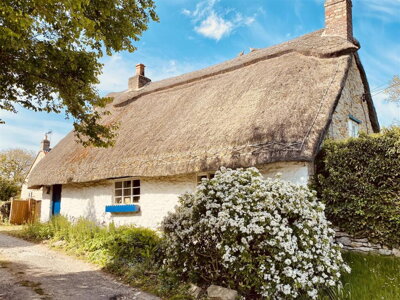
After an offer is accepted, we would normally recommend a RICS Level 2 Homebuyer Report or a Level 3 Building Survey so the property is properly checked. Rural homes often need a more detailed look at older construction methods, thatched roofs where relevant, septic tanks, oil-fired heating systems, and private water supplies, all of which differ from the standard urban setup.
The legal side should be handled by a conveyancing solicitor with rural property experience. Our solicitor will carry out local authority searches, go through the title deeds, and check that all planning permissions and building regulations are in order before exchange.
At exchange, contracts are signed and deposits paid, and from that point the purchase becomes legally binding. Completion normally follows within weeks, and the keys are handed over on the agreed date once the remaining funds have been transferred.
Buying in a rural North Yorkshire village brings a few issues that are less common in town. Flood risk needs careful thought, because valley settings can be affected by surface water flooding in periods of heavy rain. It is sensible to check the Environment Agency flood maps for the exact plot and ask whether there has been any past flooding at the property. Homes in flood-risk areas may carry higher insurance premiums, or even struggle to get full cover, so it pays to understand that before you commit.
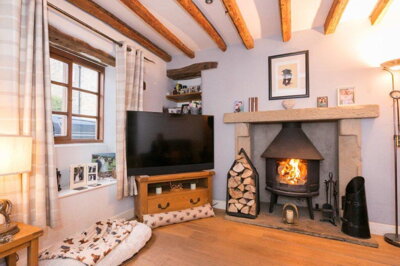
Many of the houses in Pockley are older, and some may date from the Georgian, Victorian, or even earlier periods. Those homes often keep their original features, with exposed beams, stone fireplaces, and thick walls that hold heat well, though they can ask more of an owner in maintenance than newer builds. Roof condition, damp proof courses, heating systems, and any signs of movement in walls or floors are all worth a close look.
Living near farmland is part of village life in North Yorkshire, and buyers should be clear about what that means. Farms nearby may bring noise and traffic at harvest time, and agricultural buildings or road diversions can sometimes alter the local landscape. A check with the local planning authority about any live applications nearby is helpful. Properties next to farmland may also sit alongside public footpaths, which cannot be blocked even when they cross private land.

The full cost of buying in Pockley goes beyond the asking price and includes stamp duty, which forms part of the total transaction cost. With an average property price of £455,000, most buyers fall into the 5% stamp duty band, leaving a liability of about £10,250 on a standard purchase. First-time buyers get better treatment, and on an average-priced home their stamp duty drops to around £1,500, which leaves more room for moving costs or furniture.
There are other expenses to put into the pot as well. Solicitor fees usually sit somewhere between £500 and £2,000, depending on how complex the purchase is and whether the property is freehold or leasehold. Search fees with the local authority and other bodies generally come to between £200 and £500, covering checks on planning history, environmental matters, and other local authority issues. Survey costs vary by inspection level, with RICS Level 2 Homebuyer Reports starting from around £350 for smaller homes and Level 3 Building Surveys beginning at approximately £600 for larger or older properties.
It is also wise to allow for mortgage arrangement fees, which can range from zero to £2,000 depending on the lender, valuation fees that usually fall between £150 and £500, and removal costs that shift a lot depending on distance and how much you are moving. Buildings insurance needs to be in place from completion day, and life or income protection can make sense for the wider financial picture. In rural settings, some buyers also commission specialist surveys for septic tanks, oil tanks, or thatched roofs, which adds cost but can give useful information on the condition of the home.

Over the past twelve months, the average house price in Pockley has been about £455,000. Detached homes are higher, averaging around £560,000, while semi-detached properties offer a more accessible route in at roughly £350,000. The village has also moved a long way from its 2017 peak of £1,175,000, with current prices sitting about 61% below that level. For buyers, that means substantial Yorkshire homes can be found at more sensible valuations than those seen at the mid-2010s high.
Pockley falls within Ryedale District Council’s area. Council tax bands in the village run from A through H, which reflects the range of homes here, from smaller cottages to sizeable country houses. It is worth checking the band for any property under consideration, since that will affect yearly running costs. The council also sets out the current rates, along with any exemptions or discounts that might apply.
Nearby village primary schools serve the Pockley community, and several are rated Good or Outstanding within a short drive. For secondary education, families usually look to market town schools in places such as Helmsley and Thirsk, with transport usually arranged by North Yorkshire County Council. Current Ofsted ratings and admission arrangements should be checked carefully, because rural catchment areas can work differently from urban ones. York and the surrounding cities also offer independent schools for families wanting other routes.
Public transport is sparse here compared with an urban setting, which is simply part of the village’s rural character. Bus services link Pockley with nearby villages and market towns, although they run to reduced timetables that are typical in low-density areas. Rail access comes via Thirsk station on the East Coast Main Line, with direct trains to York, Newcastle, and London. Most residents still rely on the road network, and the A170 and A1(M) are what make that practical; access to those major routes has a big effect on how workable life in Pockley feels.
For buyers who care more about lifestyle than investment returns, Pockley has clear appeal. The limited supply means homes seldom come up, and when they do, demand tends to be strong. That said, rural locations do not always see the same price growth as urban areas with more transactions and more buyer competition. Homes with land, character details, or sweeping countryside views often hold their value well with specific buyer groups. If you plan to stay long term, the case for buying here is really about quality of life rather than capital growth.
For 2024-25, the stamp duty bands are straightforward, properties up to £250,000 attract zero duty, those from £250,000 to £925,000 are charged at 5%, prices from £925,000 to £1.5 million are charged at 10%, and anything above £1.5 million pays 12%. First-time buyers get relief on the first £425,000 of the purchase price, with 5% then applying between £425,000 and £625,000. On Pockley’s average property price of £455,000, a standard buyer would pay about £10,250 in stamp duty, while a first-time buyer would pay £1,500.
Broadband in rural North Yorkshire can be patchy, so we always advise checking the connection at any property you are thinking about. Some homes may already have fibre broadband through the national rollout programme, while others still depend on slower ADSL lines. Mobile coverage from the main networks has improved, but signal can still be uneven in valley locations and inside older stone houses. Anyone planning to work from home should factor that in, and it may be sensible to run speed tests before making an offer.
Before buying in Pockley, the property should be checked against Environment Agency flood maps, especially if it sits in a lower-lying part of the village. Valley settings can pick up surface water flooding during heavy rain, and being close to watercourses means some homes may sit in zones exposed to fluvial flooding. Buildings insurance can cost more where flood risk is marked, and some insurers may refuse cover if there is a flooding history. We would always ask for any flood risk assessments from the seller and confirm both availability and cost of insurance before you complete.
From 4.5%
Compare mortgage rates from leading lenders
From £499
Expert property solicitors for your Pockley purchase
From £350
Professional homebuyer report for your new property
From £80
Energy performance certificate for your Pockley home
Properties for Sale In London

Properties for Sale In Plymouth

Properties for Sale In Liverpool

Properties for Sale In Glasgow

Properties for Sale In Sheffield

Properties for Sale In Edinburgh

Properties for Sale In Coventry

Properties for Sale In Bradford

Properties for Sale In Manchester

Properties for Sale In Birmingham

Properties for Sale In Bristol

Properties for Sale In Oxford

Properties for Sale In Leicester

Properties for Sale In Newcastle

Properties for Sale In Leeds

Properties for Sale In Southampton

Properties for Sale In Cardiff

Properties for Sale In Nottingham

Properties for Sale In Norwich

Properties for Sale In Brighton

Properties for Sale In Derby

Properties for Sale In Portsmouth

Properties for Sale In Northampton

Properties for Sale In Milton Keynes

Properties for Sale In Bournemouth

Properties for Sale In Bolton

Properties for Sale In Swansea

Properties for Sale In Swindon

Properties for Sale In Peterborough

Properties for Sale In Wolverhampton

Enter your details to see if this property is within your budget.
Loans, cards, car finance
Estimated property budget
Borrowing + deposit
You could borrow between
Typical borrowing
Monthly repayment
Est. at 4.5%
Loan-to-value
This is an estimate only. Your actual budget may vary depending on interest rates, credit history, and personal circumstances. For an accurate affordability assessment, speak to one of our free mortgage advisors.
This calculator provides estimates for illustrative purposes only and does not constitute financial advice. Your home may be repossessed if you do not keep up repayments on your mortgage. Estimates based on 4.5% interest rate, repayment mortgage. Actual rates depend on your circumstances.
Homemove is a trading name of HM Haus Group Ltd (Company No. 13873779, registered in England & Wales). Homemove Mortgages Ltd (Company No. 15947693) is an Appointed Representative of TMG Direct Limited, trading as TMG Mortgage Network, which is authorised and regulated by the Financial Conduct Authority (FRN 786245). Homemove Mortgages Ltd is entered on the FCA Register as an Appointed Representative (FRN 1022429). You can check registrations at NewRegister or by calling 0800 111 6768.

We use cookies to show you personalised content and improve your experience of our website. Find out more in our Privacy policy and Cookie policy.