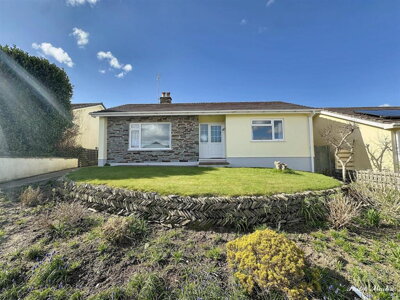
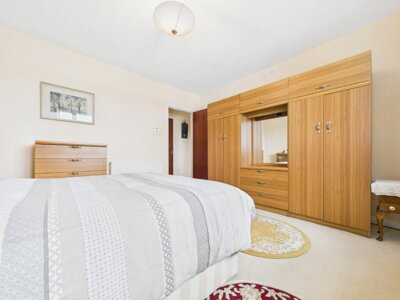
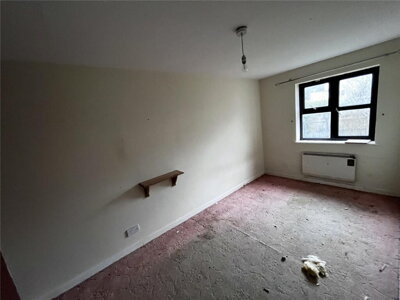
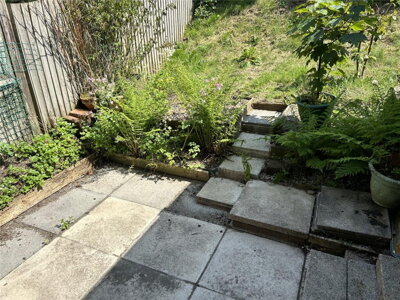
Browse 4 homes for sale in Philleigh, Cornwall from local estate agents.
The 2 bed house market features detached, semi-detached, and terraced properties with two separate bedrooms plus living spaces. Properties in Philleigh range from Victorian and Edwardian period homes to modern new builds, with pricing varying across different neighbourhoods.
£0k
0
0
0
Source: home.co.uk
Showing 0 results for 2 Bedroom Houses for sale in Philleigh, Cornwall.
£566,682
Average Property Value
+41.1%
10-Year Price Growth
-3.9% (since Sep 2024)
Recent Price Change
£277,000
Cornwall Average (Dec 2025)
Philleigh’s property market mirrors a small rural Cornish village, transactions are rare, but the long-term lift in values has been clear. Our data shows the Philleigh Sales Market has risen by 41.1% over the last decade, which points to steady demand for homes in this prized peninsula spot. Average values in the TR2 area currently sit at £566,682, although individual properties can differ sharply depending on size, condition and where they sit in the parish. There has been a slight reset too, with prices down 3.9% since the last recorded sale in September 2024, in step with wider Cornwall trends where the average house price fell 2.5% to £277,000 in December 2025.
In Philleigh and across the Roseland Peninsula, the stock is usually made up of traditional stone and rendered cottages, period farmhouses and detached family homes with generous grounds. Cornwall-wide, detached homes average £422,000, semi-detached properties come in at £280,000 and terraced houses sit at £230,000. Flats average £147,000, though village apartment options in places like Philleigh are thin on the ground because the housing stock is overwhelmingly houses. New build activity nearby is limited, so any fresh development is more likely to be a one-off custom build or a small infill scheme than a full estate. Buyers after new build property may need to widen their search to nearby towns, or look at self-build plots if planning consent is in place.
Across Cornwall, the property market recorded roughly 7,000 sales in the twelve months to December 2025, a 14.1% drop in transaction volumes on the year before. Fewer homes coming to market has had an impact county-wide, although the Roseland Peninsula has held up better than many areas thanks to tight supply and consistent demand from people looking for a rural way of life. For buyers in Philleigh, that leaves a useful window to secure a home in this sought-after location before values settle, or resume their longer-term climb.

Philleigh has that classic rural Cornwall feel, with hedgerow-lined lanes linking farms and cottages across rolling countryside. It sits within the Roseland Peninsula, an Area of Outstanding Natural Beauty, so its coastline, creeks and countryside are protected from unsuitable development. Agriculture still shapes the local economy, with dairy and livestock farming important alongside tourism and hospitality across the wider peninsula. Second homes and holiday lets also have a major influence on the housing market, affecting both supply and pricing for permanent residents. The village pub remains a social anchor, while the nearby parish church adds to the settled, centuries-old atmosphere.
Philleigh’s population mix reflects its rural setting and the lack of local employment, with many residents working in agriculture, local services or commuting to larger places for professional roles. The village attracts people and families who want the quieter side of Cornwall, including those looking to leave city pressure behind while still keeping access to essentials. Amenities within the village itself are basic, so shopping, healthcare and schooling are usually handled in neighbouring settlements. Around the area there are public footpaths and bridleways in abundance, and the River Fal plus the south Cornwall coastline bring sailing, coastal walks and beach days within easy reach. Life here moves at its own pace, with village hall events and seasonal farming activities setting the rhythm.
Step beyond the village and there is plenty to draw on. The River Fal estuary gives a dramatic backdrop for watersports and walks, and the coastal path opens up wide views across this relatively unspoiled stretch of the Cornish coast. St Mawes, reached via the King Harry Ferry, adds another layer of convenience with specialist shops, restaurants and sailing facilities that broaden the lifestyle offer for Philleigh residents. That ferry crossing is scenic as well as practical, carrying traffic over the River Fal to the north bank and offering an alternative route towards Truro.

Philleigh’s education provision is what you would expect of a small rural village, there is no primary school in the settlement itself. Children usually go to nearby schools such as St Just-in-Roseland, Gerrans or Probus, which serve communities across the Roseland Peninsula. These primaries are central to village life and teach children from Reception through to Year 6. Parents should look closely at school performance and Ofsted ratings before buying, because catchment areas and admission policies can make a real difference. For primary-aged children, transport is often arranged through Cornwall Council school transport services, although private lifts are common in rural areas too.
Families moving to Philleigh from towns or cities need to be ready for a different school run. There are no simple walk-to-school routes here, so parents have to build school transport into the day or arrange private lifts. The primary schools used by Roseland families do more than teach, they also host events and activities that bring people together from the surrounding villages. Before buying, it makes sense to visit the schools, speak with the headteachers and get to grips with the admissions process.
Secondary schooling is available in Truro, the nearest major town, about 10 miles from Philleigh. Truro has several secondary options, including grammar school provision for pupils who pass the entrance selection process. For sixth form, Truro College offers further education, with A-level and vocational courses for students moving on from their GCSEs. For families who put education at the top of the list, being within reach of Truro is a key part of the property decision, since travel time and transport costs feed into the affordability picture. Private schooling in wider Cornwall includes Truro School and other independent schools, giving alternative routes for those who can meet the fees and travel costs.

Transport in Philleigh reflects its rural village status, so most residents rely on private cars for commuting and everyday journeys. Truro, Cornwall’s main city, is around 10 miles away and holds the main employment centres, healthcare provision and retail choice. The A390 is the main road link between the Roseland Peninsula and Truro, as well as the wider road network, though journey times can stretch at peak times and during the summer tourist season when traffic rises sharply. Most roads on the peninsula are single-carriageway lanes, scenic yes, but they need care and they do add time compared with major routes.
Public transport is limited from Philleigh, with bus services running less often than in urban areas. The St Mawes to Truro bus passes through the Roseland Peninsula, giving a connection to the main line railway station. Truro station is the nearest rail link, with services to major destinations including London Paddington on the Great Western Railway main line. The trip from Truro to London takes about four and a half hours, so daily commuting to the capital is not realistic, though occasional business travel is still possible. Newquay Cornwall Airport is the nearest major airport, with seasonal and limited year-round flights to UK and European destinations.
Cycling works well for shorter journeys, but the hills and narrow lanes mean confident riders are best suited to it. People do use the scenic lanes of the Roseland Peninsula on bikes, though there are no dedicated cycle paths, so roads are shared with motor traffic. For those commuting regularly to larger employment centres, life in Philleigh usually means working locally, working remotely or allowing plenty of travel time each day. Anyone without a car should think carefully about how everyday transport would work before buying here.

Start by looking at the current listings in Philleigh and across the wider Roseland Peninsula. Once you know the £566,682 average property value and the recent market movement, it is easier to set realistic expectations and narrow the search to homes that fit both budget and brief.
Before booking viewings, speak to a lender and get an Agreement in Principle so you know what you can borrow. It shows sellers and agents that you are serious, which can strengthen your position in a rural market that can still be competitive.
See properties in person so you can judge their condition, orientation and how they sit with your day-to-day needs. Look closely at the access roads, nearby amenities and the feel of the surrounding area. Historic villages such as Philleigh often need a careful eye, as older homes and traditional construction can hide more than they show.
Because many homes in Philleigh are likely to be older, we strongly recommend a Level 2 Survey before you commit to buy. It helps pick up common issues in older properties, including damp, roof condition and any signs of subsidence or structural movement.
Bring in a solicitor with rural conveyancing experience to handle the legal work. They will carry out searches, deal with contracts and work with your mortgage lender to keep the purchase moving towards completion.
Once the searches are clear and finance is in place, contracts are exchanged and the deposit is paid. Completion usually follows within 28 days, when the balance is transferred and the keys to your new Philleigh home are handed over.
Buying in a historic village like Philleigh means thinking about the particular features of rural Cornwall housing stock. The main construction materials here are traditional stone, cob and rendered finishes, built up over centuries from local materials and to suit local conditions. Those methods often leave homes with solid walls rather than the cavity insulation used in modern builds, which can affect both energy efficiency and heating bills. Before you buy, we would recommend a full building survey to flag problems such as penetrating damp, rising damp and condensation, all of which are common in older homes with solid walls or poor ventilation.
Flood risk is another point to check in Philleigh and across the Roseland Peninsula. The village sits a little inland from the immediate coast, but the River Fal estuary and smaller watercourses mean surface water and river flooding still need to be checked on Environment Agency flood maps. Homes near watercourses or in low-lying spots may face higher insurance costs or mortgage restrictions, so an early flood search matters. Cornwall’s geology also includes clay soils in places, which can create shrink-swell subsidence risks, although each site needs proper professional assessment. Historic mining across parts of Cornwall can also affect ground stability, and searches should confirm whether any mining legacy affects the property you are considering.
Conservation status and listed building restrictions need careful thought in Philleigh. With the village’s historic character, many homes are likely to be listed buildings or sit within conservation areas, which limits permitted development rights and changes. Those protections help preserve the architectural heritage, but they can also narrow renovation plans and future improvement options. Buyers should check listed status and any planning constraints before they commit, because work that might be fine on an ordinary property could need consent here. The proportion of homes over 50 years old is high in villages like Philleigh, which makes a full survey especially valuable before purchase.

A RICS Level 2 Survey gives proper due diligence for anyone buying in Philleigh, with a professional view of the property’s condition, structure and any defects that could affect value or need work. It covers the home inside and out, spotting issues that may not show up on a standard viewing and giving you a detailed report to guide the purchase. On the Roseland Peninsula, where much of the housing stock dates from earlier periods, that kind of survey is particularly useful for picking up defects linked to traditional construction methods.
For a RICS Level 2 Survey, the usual cost is between £400 and £1,000 or more, depending on the size and complexity of the property. On a modest two to three-bedroom cottage, £450-600 would be a sensible expectation, while larger detached homes or those with more complicated layouts may cost more. The surveyor normally spends two to four hours on site, and the written report usually follows within five to seven working days. It is an upfront expense, but it can save far more by revealing problems before you commit to buy.
The survey looks at the roof structure and covering, external walls, foundations where they can be seen, windows and doors, services such as plumbing and electrics, plus signs of damp or timber defects. Moisture meters and other specialist kit are used to spot hidden issues, and further specialist investigation may be recommended if there is anything serious. For Philleigh homes, the roof age and condition, the presence of solid wall insulation, the state of any timber framing and signs of movement or cracking all deserve close attention. If the property is listed or sits in a conservation area, a Level 3 Building Survey may be more suitable if you need a deeper look at the implications of its special status.

According to market data for January 2026, the average property value in Philleigh is £566,682. That figure reflects the TR2 area where Philleigh sits, although prices vary widely by type, size, condition and exact location. Over the past decade, the Philleigh market has risen by 41.1%, showing strong long-term growth despite the modest recent correction seen across wider Cornwall.
For council tax, properties in Philleigh fall under Cornwall Council. The banding on any individual home depends on its assessed value, with properties ranging from bands A through H. Rural homes of different sizes and traditional construction will sit across that range, and buyers should check the band for any specific property via the Cornwall Council website or through their solicitor during conveyancing searches.
There is no primary school within Philleigh itself, so children generally attend schools in nearby communities such as St Just-in-Roseland, Gerrans or Probus. Parents should look up Ofsted ratings for each school and check which catchment area covers the home they are considering. Secondary schooling is available in Truro, around 10 miles away, including grammar school provision for pupils who pass the selection process. Families should build in school transport arrangements, since daily secondary journeys will mean either school transport services or private travel.
Public transport links from Philleigh are limited, which is exactly what you would expect of a rural village. The St Mawes to Truro bus passes through the Roseland Peninsula, though services run less often than in towns. Truro station is the nearest railway point, with main line services towards London and the wider national network. Newquay Cornwall Airport is the nearest major airport and offers seasonal flights to UK and European destinations. For many people, remote working is the practical answer, because daily commuting to major employment centres is difficult from here.
Philleigh has delivered solid long-term growth, with values up 41.1% over the past decade. Demand is supported by the Roseland Peninsula’s status as an Area of Outstanding Natural Beauty and the limited supply in this historic village. Even so, buyers should remember that second homes and holiday lets have a strong influence locally, which can affect availability and the feel of the community. Rural Cornwall rental yields are often lower than in towns and cities, although summer holiday lets may provide extra income for some owners.
Stamp Duty Land Tax on standard purchases is charged at 0% on the first £250,000, 5% on £250,001 to £925,000, 10% on £925,001 to £1.5 million and 12% above £1.5 million. First-time buyers get relief on the first £425,000, with 5% on £425,001 to £625,000. With the average Philleigh property value sitting at £566,682, a typical non-first-time buyer would pay SDLT on the amount above £250,000, while a first-time buyer may pay less or nothing at all depending on price and eligibility.
Flood risk should be checked carefully for properties in Philleigh because of the River Fal estuary and local watercourses nearby. Cornwall’s geology includes clay soils in some places, and those can bring shrink-swell subsidence risks, though conditions vary across the peninsula. Parts of Cornwall also have a history of mining that can affect ground stability. A RICS Level 2 Survey will pick up visible signs of subsidence, cracking or drainage problems, while your solicitor should order the right local searches, including mining records and flood risk data, before completion.
The full cost of buying in Philleigh goes beyond the asking price and includes Stamp Duty Land Tax, solicitor fees, survey costs and other disbursements. On a property bought at the current average value of £566,682, a standard buyer without first-time buyer relief would pay SDLT at 0% on the first £250,000, then 5% on the amount between £250,001 and £566,682. That comes to roughly £15,834 in SDLT before any reliefs or exemptions are applied. First-time buyers purchasing residential property up to £625,000 and meeting the qualifying rules would pay SDLT only on amounts above £425,000, which cuts the tax bill significantly for those eligible.
For buying property in Cornwall, solicitor conveyancing fees often start at £499 for straightforward transactions and rise for more complex cases involving leasehold homes, new builds or title issues. There are also Land Registry fees to register ownership, search fees for local authority, drainage and environmental checks, and bank transfer charges. Survey costs should be allowed at £400 to £1,000 or more depending on size and value, with a RICS Level 2 Survey particularly important given the age and construction of homes in historic villages like Philleigh. Mortgage arrangement fees differ by lender, from free to several hundred pounds, and life insurance plus buildings insurance start-up costs should also be included in the moving budget.
After the purchase itself, buyers should also think about the running costs of owning a home in rural Cornwall. Buildings insurance can be higher than average for older homes, especially thatched properties or places with a higher flood risk. Cornwall council tax bands run from A to H, with the band set by the property’s assessed value. Energy bills for solid wall homes may be higher than for newer properties because of lower insulation, although some improvements may be possible if listed building consent allows it.
Properties for Sale In London

Properties for Sale In Plymouth

Properties for Sale In Liverpool

Properties for Sale In Glasgow

Properties for Sale In Sheffield

Properties for Sale In Edinburgh

Properties for Sale In Coventry

Properties for Sale In Bradford

Properties for Sale In Manchester

Properties for Sale In Birmingham

Properties for Sale In Bristol

Properties for Sale In Oxford

Properties for Sale In Leicester

Properties for Sale In Newcastle

Properties for Sale In Leeds

Properties for Sale In Southampton

Properties for Sale In Cardiff

Properties for Sale In Nottingham

Properties for Sale In Norwich

Properties for Sale In Brighton

Properties for Sale In Derby

Properties for Sale In Portsmouth

Properties for Sale In Northampton

Properties for Sale In Milton Keynes

Properties for Sale In Bournemouth

Properties for Sale In Bolton

Properties for Sale In Swansea

Properties for Sale In Swindon

Properties for Sale In Peterborough

Properties for Sale In Wolverhampton

Enter your details to see if this property is within your budget.
Loans, cards, car finance
Estimated property budget
Borrowing + deposit
You could borrow between
Typical borrowing
Monthly repayment
Est. at 4.5%
Loan-to-value
This is an estimate only. Your actual budget may vary depending on interest rates, credit history, and personal circumstances. For an accurate affordability assessment, speak to one of our free mortgage advisors.
This calculator provides estimates for illustrative purposes only and does not constitute financial advice. Your home may be repossessed if you do not keep up repayments on your mortgage. Estimates based on 4.5% interest rate, repayment mortgage. Actual rates depend on your circumstances.
Homemove is a trading name of HM Haus Group Ltd (Company No. 13873779, registered in England & Wales). Homemove Mortgages Ltd (Company No. 15947693) is an Appointed Representative of TMG Direct Limited, trading as TMG Mortgage Network, which is authorised and regulated by the Financial Conduct Authority (FRN 786245). Homemove Mortgages Ltd is entered on the FCA Register as an Appointed Representative (FRN 1022429). You can check registrations at NewRegister or by calling 0800 111 6768.

We use cookies to show you personalised content and improve your experience of our website. Find out more in our Privacy policy and Cookie policy.