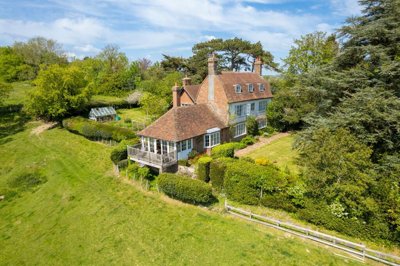
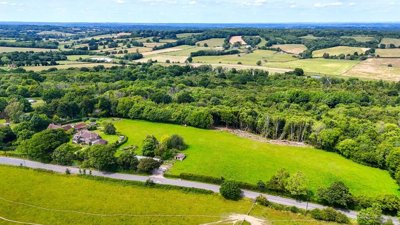
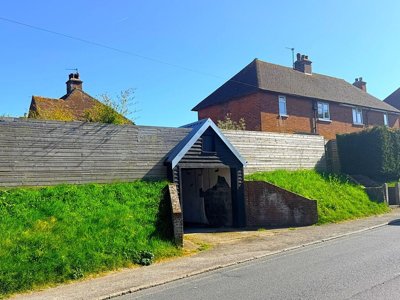
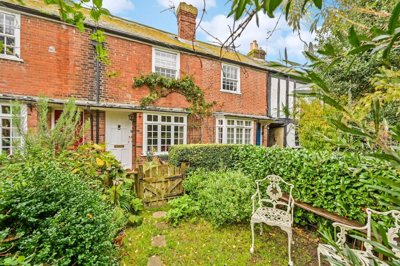
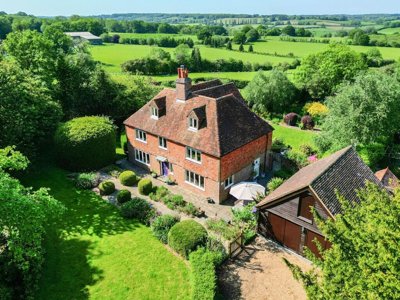
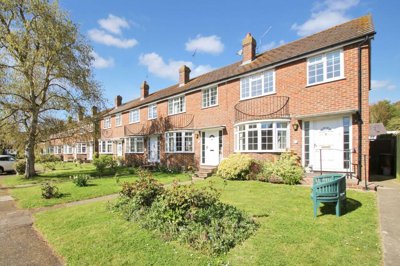
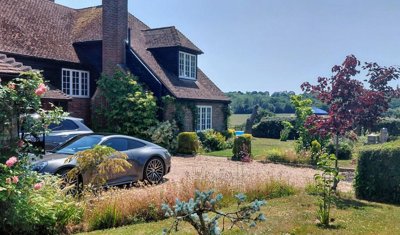
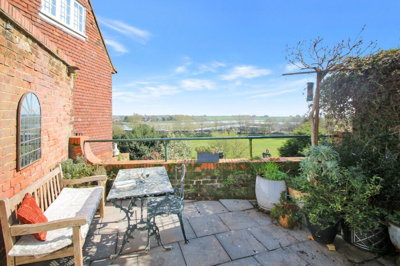
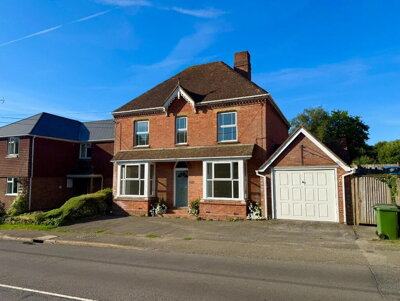
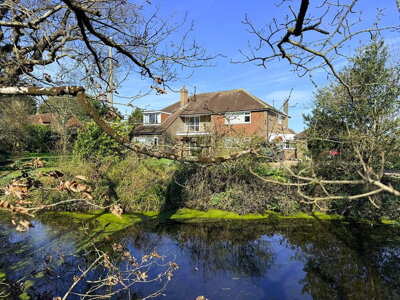
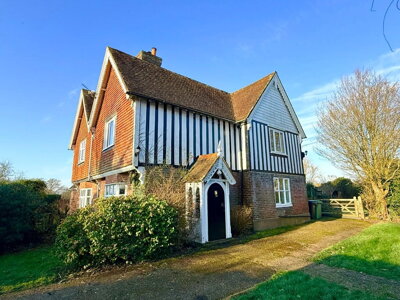
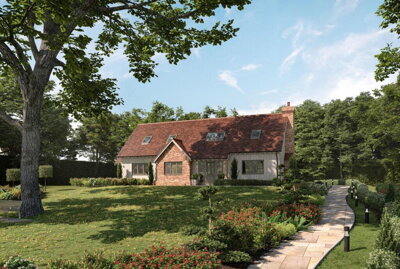
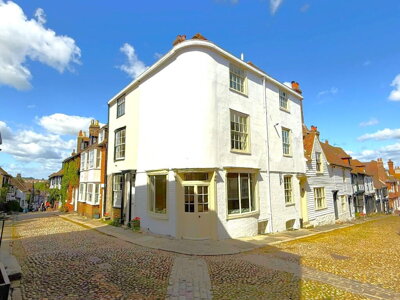
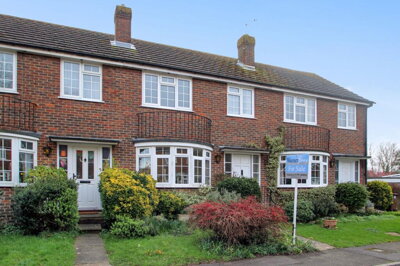
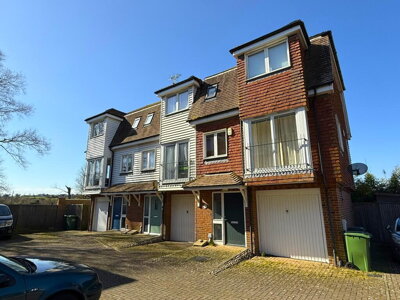
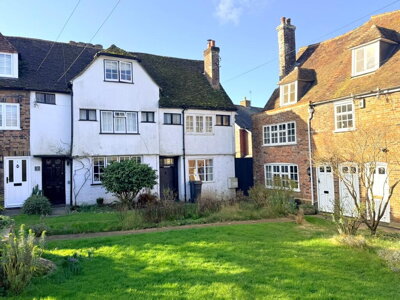
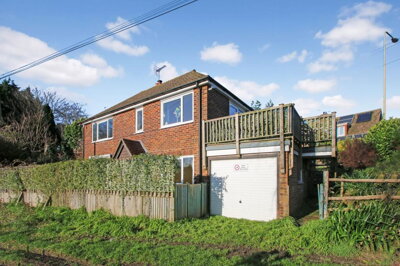
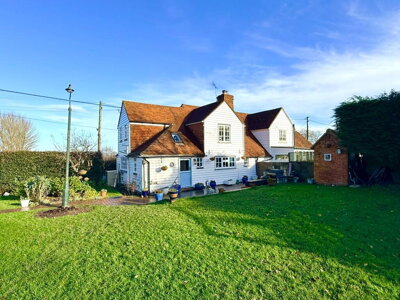
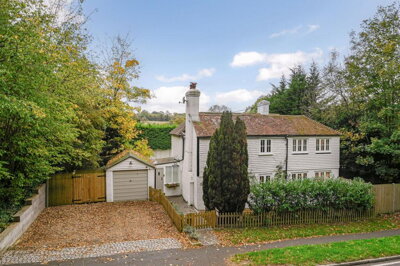
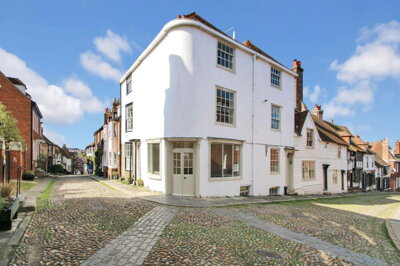
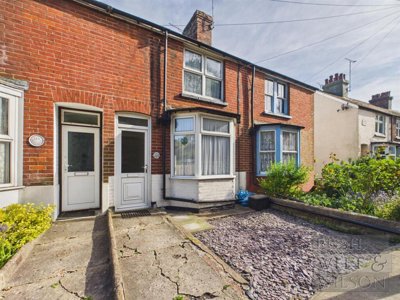
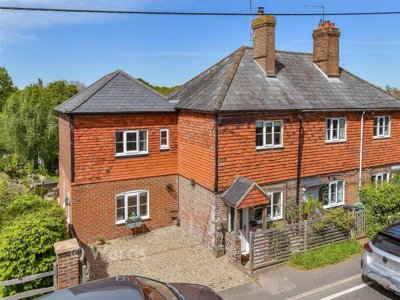
Browse 136 homes for sale in Peasmarsh, Rother from local estate agents.
The Peasmarsh property market offers detached, semi-detached, and terraced houses spanning various price ranges and neighbourhoods. Each listing includes detailed property information, photographs, and direct contact with the marketing agent.
£475k
11
0
226
Source: home.co.uk
Showing 11 results for Houses for sale in Peasmarsh, Rother. The median asking price is £475,000.
Source: home.co.uk
Detached
9 listings
Avg £683,778
Semi-Detached
1 listings
Avg £475,000
Terraced
1 listings
Avg £360,000
Source: home.co.uk
Source: home.co.uk
Peasmarsh's property market offers a striking blend of traditional English homes set against East Sussex countryside. home.co.uk reports an overall average property price of £410,833 over the past year, while homedata.co.uk's data points to an average sold price of £619,500 in the same period, with home.co.uk putting the figure at £587,000 as of early 2026. That spread across platforms mirrors the range on offer, from modest terraced cottages to sizeable detached houses that command premium prices. Recent sales data shows detached properties going from £370,000 on Farleys Way to £1,116,000 for distinctive homes such as Oast Cottage on Barnets Hill, a reminder of just how wide the price range is within this compact village.
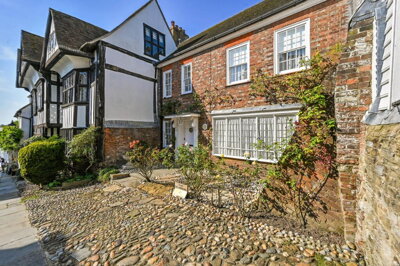
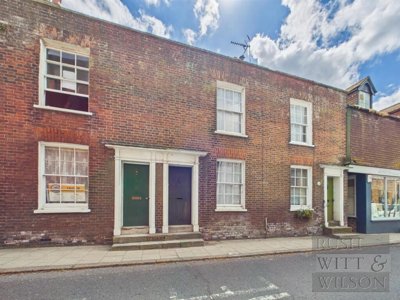
The housing stock in Peasmarsh leans towards larger, less dense homes than the national picture. The Peasmarsh Neighbourhood Development Plan says semi-detached homes make up a higher proportion of the mix than is usually seen across the country, with around 20% of properties sitting in the terraced houses and flats categories. Ages vary too, from modest cottages dating to the 15th and 16th centuries through to mid-century homes built between 1936 and 1979 in areas such as TN31 6YG. Buyers can expect a mix of construction methods and materials, from the traditional red brick with stone dressings at Peasmarsh Place to the thatched roofs found on several historic properties. There are 54 listed buildings in the parish, among them the Grade I listed Parish Church of St Peter and St Paul, which gives the area its strong heritage feel.
Price movement in Peasmarsh depends a bit on which dataset we read. home.co.uk shows historical sold prices in the village over the last year as 14% down on the previous year and 11% down on the 2020 peak of £463,464. Yet home.co.uk also reports a rise of 12.2% over the last 12 months for sold prices, which hints that the market may be recovering after a recent correction. For buyers, the message is clear enough, individual property condition and circumstances still matter a great deal at the point of sale.

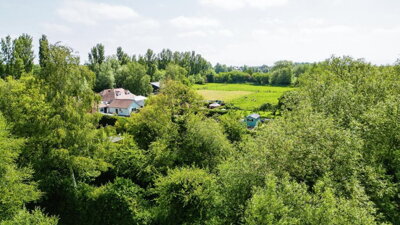
Peasmarsh sits in the High Weald Area of Outstanding Natural Beauty, so daily life comes with some of England's most cherished countryside on the doorstep. The parish stretches from the River Rother to the River Tillingham, which marks its southern boundary, creating a patchwork of rolling farmland, woodland and pastoral meadows. The village itself centres on Main Street, where the primary school, local shops and traditional pubs act as the main social anchors. According to the 2011 Census, Peasmarsh had 1,191 residents across 504 households, and newer estimates place the population at around 1,200, which makes this a genuinely close-knit place where neighbours often know each other by name.
Peasmarsh still carries the stamp of its farming past and its setting in a landscape prized for natural beauty. Many homes keep original features that reflect centuries of local building tradition, and the Neighbourhood Development Plan specifically highlights the need to preserve locally distinctive vernacular building forms, along with their settings, features, fabric and materials. East Sussex County Council has also designated the village as an Archaeological Notification Area, so much of the built environment carries historical significance that residents help protect. Local life revolves around familiar institutions, including the three pubs, each with its own character, from a traditional locals' bar to a more polished dining room, while the country hotel gives visitors somewhere to stay when they come for the area's attractions. An independent supermarket covers day-to-day essentials, although the rural setting means most people keep cars for wider shopping and travel.
The High Weald AONB does more than provide good views, it shapes planning policy and helps protect the village character for the long term. Development in the parish is tightly controlled to keep the rural landscape intact, and that restraint helps support property values by blocking unsuitable building. For buyers, the upside is simple. Peasmarsh is unlikely to see the sort of large-scale growth that changes more urban villages beyond recognition, so the quiet atmosphere that draws people here is likely to stay.

For families, education in Peasmarsh centres on the village primary school, which serves the local community and the surrounding countryside. Having a school within walking distance of most homes is a real plus for households with young children, because it cuts out long school runs before and after work. Secondary pupils usually travel on to nearby towns such as Rye, where schools serve the wider Rother district, or sometimes further afield depending on catchment and preference. Because the village falls within East Sussex, admissions follow the local authority process, and parents should check current catchment arrangements and any council transport provision for older children.
Learning opportunities do not stop at the village boundary. Rye, with its historic setting, offers further educational options, while the larger towns nearby open the door to specialist tuition and a broader range of extracurricular activities. Peasmarsh's rural setting also creates natural learning spaces, and the High Weald AONB gives schools outdoor education possibilities that urban locations cannot easily match. Families planning a move should speak to East Sussex County Council's education department for the latest details on admissions, catchment areas and any policies affecting school places.
Primary school performance data and Ofsted ratings can be checked on the government website, though many parents place just as much value on atmosphere and the individual attention that smaller village schools can offer. Peasmarsh's primary school is small enough for teachers to know pupils well, which can mean more personal support than some larger urban schools manage. For families who care more about community integration and a supportive setting than league table headlines, the village school is often an appealing option.

Getting around from Peasmarsh reflects the village's rural character, so most residents depend on private cars for everyday travel. The A268 runs through the village and links to the A259 coast road, with onward routes to Rye, Hastings and Folkestone. The nearest mainline stations are in Rye and Appledore, giving access to services across Kent and East Sussex, although frequency and journey times vary by line and time of day. Commuters heading for Brighton, London or other major centres need to plan carefully, and drive times to the M20 motorway are usually around 30-40 minutes, depending on traffic and destination.
Public transport remains limited in Peasmarsh. The Neighbourhood Development Plan notes that the population relies on cars because bus services are sparse and there are no cycleways linking the village to nearby communities. Where buses do run, they usually operate on a reduced timetable compared with urban routes, so they are better suited to occasional trips to market towns than to everyday commuting. Many residents value the quiet and the scenic drives through the High Weald, but that lifestyle does mean accepting a higher level of car dependency than buyers might expect in more urban places.
For anyone using Peasmarsh as a base, transport needs should sit near the top of the planning list, because daily life here is best matched to those with a vehicle. Rye station connects on to Ashford International, where faster services to London St Pancras are available, although the trip involves a change and total travel times can go beyond two hours. Buyers without a car should study the public transport timetable closely before committing to a purchase in Peasmarsh.

Many properties in Peasmarsh carry heritage value, so listed building status needs careful thought during the buying process. Across the parish there are 54 listed buildings, including the Grade I Parish Church of St Peter and St Paul and two Grade II* properties, and buyers may come across homes covered by different heritage protections. Listed building consent can be needed for alterations, and keeping original features becomes a legal responsibility as well as part of the charm of ownership. Before buying a listed home, it makes sense to budget for specialist surveys and to get clear on which works need approval from the local planning authority.
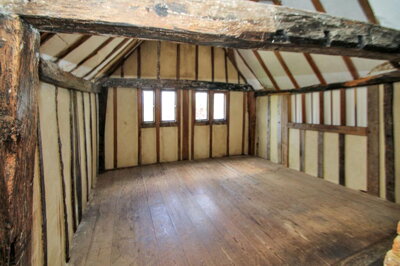
Because so many homes here are old, buyers need to watch for the kind of construction issues that often affect period buildings. Timber framing, traditional brickwork and original plaster can all suffer from damp penetration, woodworm and structural movement over time. Thatched roofs look beautiful, but they also bring specialist maintenance and insurance considerations that differ from standard houses. The oldest homes in Peasmarsh date back to the 15th or 16th centuries, so the methods and materials can look very different from modern construction. Properties in postcode areas such as TN31 6YG were also built in the mid-century period between 1936 and 1979, which brings familiar concerns too, including asbestos in older extensions and original wiring that may need updating.
A RICS Level 2 Survey is especially useful in Peasmarsh, because it can uncover problems that are easy to miss at a viewing and give us a clearer view of any negotiating room if defects turn up. Properties within the Archaeological Notification Area can also face extra planning considerations, although that usually affects groundworks more than day-to-day living. With homes ranging from late medieval cottages to mid-century family houses, knowing the construction era of a property is key when weighing up likely maintenance needs and future costs.

Begin with home.co.uk's Peasmarsh listings to get a feel for current asking prices, available property types and market movement. With prices ranging from £410,000 to over £600,000 depending on property type and condition, an early budget keeps the search focused. The contrast between home.co.uk's £410,833 average and homedata.co.uk's £619,500 sold-price figure is a good reminder to compare like with like rather than rely on headline averages alone.
A mortgage agreement in principle from a lender comes next, as it confirms borrowing capacity before viewings get serious. It also strengthens any offer and shows sellers that the buyer is financially ready, with funding already in place. In Peasmarsh, where detached homes can reach well over £1 million, getting the finance side sorted early matters more than ever.
Viewings should be practical and unhurried, with attention paid to construction materials, age and any signs that maintenance is due. In a village with heritage homes and listed buildings, we would always think about whether renovation work is likely and what that might cost. Cosmetic presentation can hide a lot, so it pays to look at structural integrity, the roof, foundations and original features rather than stopping at the surface finish.
Once an offer is accepted, we recommend a RICS Level 2 Survey to check the property's condition properly. Many Peasmarsh homes date from earlier periods, so this sort of survey can pick up structural issues, damp and roof concerns that are easy to overlook during viewings. Older properties, and especially those with thatched roofs, may also call for extra specialist surveys.
The legal side should be handled by a solicitor who can manage searches, contracts and registration of ownership. They will deal with the seller's representatives and take care of the paperwork involved in transferring the property. For listed buildings, it helps to use a solicitor with experience of heritage property transactions.
From there, the transaction moves on to signed contracts, deposit funds and agreement on a completion date with all parties involved. On completion day, the keys are handed over and the move into a Peasmarsh home can begin.
Average house prices in Peasmarsh sit at £410,833 according to home.co.uk listings data, or £619,500 on homedata.co.uk sold price data over the past twelve months. home.co.uk reports an average of £587,000 as of February 2026. Individual prices vary sharply with type, size and condition, with detached homes starting at around £370,000 on Farleys Way and rising to over £1 million for distinctive properties such as Oast Cottage on Barnets Hill.
For council tax, Peasmarsh falls under Rother District Council. Bands run from A through H, and most traditional village homes are likely to sit in bands B to E depending on valuation. Buyers should check the exact band for any property through the Valuation Office Agency website, since this affects the annual running costs that need to sit in the household budget. Those payments help fund education, waste collection and other local authority services.
Peasmarsh has a primary school for the local community, while secondary schools are found in nearby towns including Rye and elsewhere in East Sussex. Parents should review current performance data on government websites and keep admissions criteria in mind when choosing a property, because catchment areas do not always follow parish boundaries and can change which schools children attend. East Sussex County Council manages admissions in the area, and transport provision varies depending on distance and personal circumstances.
Transport links are limited, which fits the village setting. The nearest railway stations are in Rye and Appledore, and Rye offers connections to Ashford International for London services. Bus timetables are reduced compared with urban areas, and the Neighbourhood Development Plan points out that there are no dedicated cycleways linking the village to neighbouring communities. Most residents use private vehicles for day-to-day travel, so car ownership is effectively essential in Peasmarsh.
Peasmarsh appeals most to buyers who care more about lifestyle and natural beauty than quick investment gains. The village sits within the High Weald AONB, and the planning protections that come with that status help support property values by stopping unsuitable development. Homes near the historic town of Rye and within easy reach of the coast tend to attract steady interest, although limited transport and rural amenities mean growth may be slower than in commuter-belt places closer to major cities. The village's heritage character and 54 listed buildings still give it lasting appeal.
Stamp duty rates from April 2025 start at zero for properties up to £250,000, then rise to 5% on the portion between £250,001 and £925,000. Homes priced above £925,000 pay 10% up to £1.5 million, with 12% above that threshold. First-time buyers may qualify for relief on properties up to £625,000, paying zero on the first £425,000 and 5% on the rest up to that limit, although the relief does not apply above £625,000. Since average Peasmarsh prices are above £400,000, most buyers should allow for at least some stamp duty liability.
With properties ranging from 15th-century cottages to mid-century homes, a RICS Level 2 Survey gives buyers in Peasmarsh an important layer of protection. Older homes often develop damp penetration, timber defects, roof deterioration and outdated electrical systems that may not show up during a viewing. Some properties have thatched roofs, which need specialist assessment, while listed buildings can carry maintenance obligations that affect running costs. A careful survey can flag these points before completion and may save thousands in repairs later on.
From 3.99%
We help buyers find the right mortgage for a Peasmarsh purchase.
From £499
Our solicitors handle the legal work on the property purchase.
From £450
A condition report matters for Peasmarsh's older properties.
From £85
An energy performance certificate is required for every property sale.
Buying in Peasmarsh brings costs beyond the sale price, and stamp duty land tax is one of the biggest ones to plan for. For properties purchased from April 2025, the standard rates charge zero percent duty on the first £250,000 of the purchase price, 5% on the portion between £250,001 and £925,000, 10% on amounts between £925,001 and £1.5 million, and 12% on anything above £1.5 million. As average prices in Peasmarsh usually sit above £400,000, most buyers should expect stamp duty on at least the part above £250,000.
There is more to budget for as well, with solicitor fees usually ranging from £500 to £1,500 depending on complexity and property value, plus disbursements such as local authority searches, land registry fees and bankruptcy searches. A RICS Level 2 Survey typically costs between £450 and £1,000 depending on property size and location, while larger or higher-value homes tend to attract higher fees because the work involved is more involved. For Peasmarsh homes valued above £500,000, survey costs average around £586, compared with £384 for properties under £200,000.
Removal costs vary with distance and the volume of belongings, while mortgage arrangement fees, where they apply, usually range from zero to two percent of the loan amount. We advise folding these extra costs into the overall budget so financial planning stays realistic throughout the purchase. Buildings insurance should be in place from completion day, and specialist insurers may be needed for thatched properties. First-time buyers should also think about potential land transaction tax implications, although buying as a first-time buyer does give relief on stamp duty thresholds as set out above.

Properties for Sale In London

Properties for Sale In Plymouth

Properties for Sale In Liverpool

Properties for Sale In Glasgow

Properties for Sale In Sheffield

Properties for Sale In Edinburgh

Properties for Sale In Coventry

Properties for Sale In Bradford

Properties for Sale In Manchester

Properties for Sale In Birmingham

Properties for Sale In Bristol

Properties for Sale In Oxford

Properties for Sale In Leicester

Properties for Sale In Newcastle

Properties for Sale In Leeds

Properties for Sale In Southampton

Properties for Sale In Cardiff

Properties for Sale In Nottingham

Properties for Sale In Norwich

Properties for Sale In Brighton

Properties for Sale In Derby

Properties for Sale In Portsmouth

Properties for Sale In Northampton

Properties for Sale In Milton Keynes

Properties for Sale In Bournemouth

Properties for Sale In Bolton

Properties for Sale In Swansea

Properties for Sale In Swindon

Properties for Sale In Peterborough

Properties for Sale In Wolverhampton

Enter your details to see if this property is within your budget.
Loans, cards, car finance
Estimated property budget
Borrowing + deposit
You could borrow between
Typical borrowing
Monthly repayment
Est. at 4.5%
Loan-to-value
This is an estimate only. Your actual budget may vary depending on interest rates, credit history, and personal circumstances. For an accurate affordability assessment, speak to one of our free mortgage advisors.
This calculator provides estimates for illustrative purposes only and does not constitute financial advice. Your home may be repossessed if you do not keep up repayments on your mortgage. Estimates based on 4.5% interest rate, repayment mortgage. Actual rates depend on your circumstances.
Homemove is a trading name of HM Haus Group Ltd (Company No. 13873779, registered in England & Wales). Homemove Mortgages Ltd (Company No. 15947693) is an Appointed Representative of TMG Direct Limited, trading as TMG Mortgage Network, which is authorised and regulated by the Financial Conduct Authority (FRN 786245). Homemove Mortgages Ltd is entered on the FCA Register as an Appointed Representative (FRN 1022429). You can check registrations at NewRegister or by calling 0800 111 6768.

We use cookies to show you personalised content and improve your experience of our website. Find out more in our Privacy policy and Cookie policy.