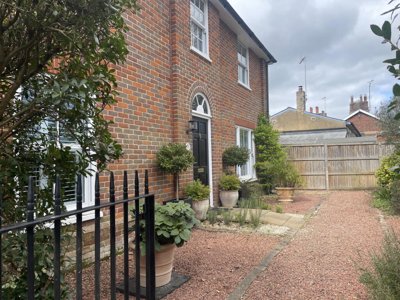
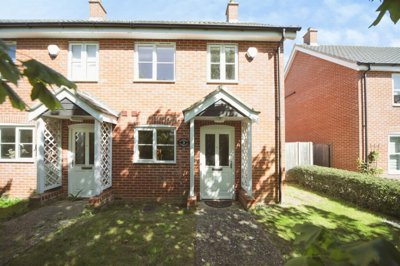
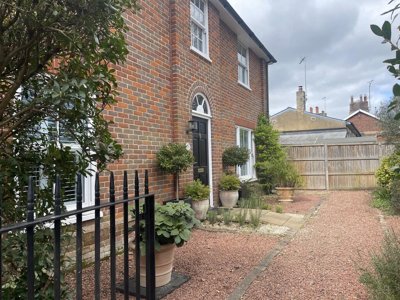
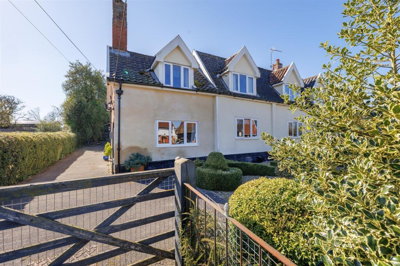
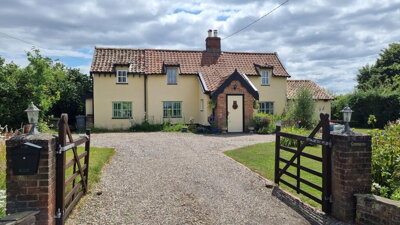
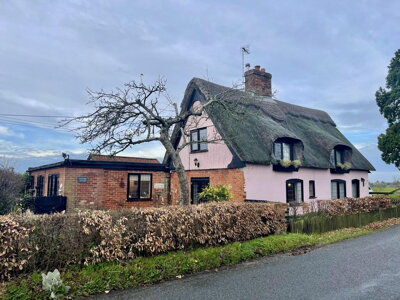
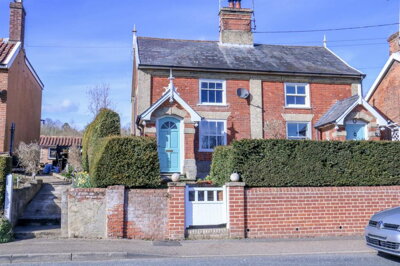
Browse 7 homes for sale in Peasenhall, East Suffolk from local estate agents.
Three bedroom properties represent a significant portion of the Peasenhall housing market, offering space for families with multiple reception rooms and gardens in many cases. Browse detached, semi-detached, and terraced options ranging from period character homes to contemporary developments.
£535k
2
1
24
Source: home.co.uk
Showing 2 results for 3 Bedroom Houses for sale in Peasenhall, East Suffolk. 1 new listing added this week. The median asking price is £535,000.
Source: home.co.uk
Semi-Detached
2 listings
Avg £535,000
Source: home.co.uk
Source: home.co.uk
Peasenhall’s property market sits within the wider rural Suffolk pattern, with a spread of homes that can suit different budgets and ways of living. Over the past twelve months, homedata.co.uk records an average sold price of approximately £426,667, while home.co.uk shows a figure of £367,500. Prices have moved around a fair bit here, with home.co.uk noting an 8% fall year-on-year and an 18% drop from the 2022 peak of £445,938. More recently, though, home.co.uk reports a 32.6% uplift in sold prices over the twelve months to February 2026. Taken together, that points to a market settling after the pandemic-era spike, with room for both buyers and sellers to find their moment.
Different property types in Peasenhall sit at very different price points. Detached homes lead the way at around £725,000, which reflects the premium attached to space, privacy and countryside views. Semi-detached houses are a more accessible route in, at roughly £230,000, and are often favoured by first-time buyers and growing families. Terraced homes, a sizeable part of the village’s older stock, average around £340,000 and tend to bring the kind of character that comes with properties dating back centuries. Looking at sales since 2018, there have been 23 detached properties, 20 semi-detached properties, 14 terraced properties and 3 flats changing hands, so activity has stayed fairly broad-based.
At street level, the picture shifts again. Homes on The Street, the village’s main thoroughfare, averaged £445,250 over the past twelve months, which reflects the draw of a central village address. Mill Road sits higher still at £595,000 on average, probably helped by larger plots and easier access to open countryside. Hackney Road has moved differently, with values 45% down on the 2023 peak of £475,000, a useful reminder that nearby roads do not always follow the same script. Recent transactions back that up, with 6 recorded sales in 2025 averaging £433,333, compared with 4 sales in 2024 at £341,375.

Peasenhall has the feel of a classic English village, and its history, which stretches back several centuries, shows in both the buildings and the way the community works. In the centre, conservation-quality surroundings place historic properties alongside later additions, so the streetscape reads like a timeline of the village’s growth. Most homes are pre-1919, built with the sort of Suffolk methods that use timber framing, red brick and rendered exteriors. Original beams, inglenook fireplaces and other period details give these houses a character modern construction rarely matches. Living in one also creates a direct link to the village’s agricultural past, when farms and craft workshops shaped everyday life.
Peasenhall, together with rural East Suffolk around it, has an economy rooted in agriculture, local services and a growing tourism offer. The surrounding farmland produces high-quality crops and livestock, while farm shops and markets keep producers and customers closely connected. Village events, church activities and social groups help maintain a strong sense of community, bringing together long-established families and newer arrivals. Saxmundham, the nearest market town, acts as the main commercial hub, with supermarkets, independent shops, banks and professional services all on hand. For leisure, there are golf courses, equestrian facilities, fishing lakes and a wide network of public footpaths through farmland and ancient woodland.
Clay deposits and other soils in this part of Suffolk can matter a great deal to owners and buyers. During dry spells and periods of heavy rain, they may shrink and swell, which can affect foundations over time. In older homes, that means it is sensible to look for subsidence or structural cracking when viewing. Major structural problems are not especially common, but the ground conditions still make a detailed survey a wise step before purchase, especially where a property has already seen decades of movement. In lower-lying parts of the village, surface water drainage can also be an issue, so checking for damp or water ingress in the property history is a good idea.

For families, Peasenhall offers primary school options in the surrounding area, serving the rural communities of East Suffolk. Several good and outstanding-rated schools are within a sensible driving distance for younger children. In this part of Suffolk, primary schools are often small, with class sizes that allow for more individual attention and strong pastoral care. It is also common for one school to serve several villages, which helps children build friendships across the wider local area and gives families a stronger community feel.
Secondary education is usually accessed through schools in Saxmundham and the wider East Suffolk area, with pupils travelling in each day to attend their chosen school. Several of the local secondaries have good or outstanding Ofsted ratings, and they tend to combine academic subjects with vocational courses and plenty of extracurricular activities. Suffolk’s selective system also gives academically able pupils the chance to apply for grammar school places in nearby towns, with entrance testing taking place in the final year of primary school. Sixth form options are available at schools and colleges in Saxmundham, creating routes into higher education or vocational training. Parents should check admissions policies and catchment areas carefully, as these can change which homes work best for a family’s plans.
There is more to family life here than formal schooling. Local sports clubs, music groups and youth organisations add extra opportunities for children to learn and stay active outside the classroom. The village hall and church spaces often host workshops, craft groups and interest classes, which round out community life in a practical way. With Saxmundham offering extra facilities such as sports centres and libraries, families can tap into resources that sit neatly alongside the village’s smaller-scale educational setting.

Getting around from Peasenhall is very much a rural arrangement, with most residents relying on a car for day-to-day travel and making use of public transport when it fits. The village is about 5 miles from Saxmundham, where the East Suffolk Line links to Ipswich, around 45 minutes away, and Lowestoft, about 35 minutes away. From Ipswich, mainline trains reach London Liverpool Street in roughly 1 hour 20 minutes, so commuting to the capital is possible. Saxmundham station has also seen improvements in recent years, with better facilities and more frequent services making rail travel easier for nearby villages.
Bus routes do run between Peasenhall and nearby towns, which gives useful links for people without a car, although the service levels are modest by urban standards. The A1120 runs east-west through the village and connects Saxmundham to the A14 trunk road, the Suffolk route that links Felixstowe port with the Midlands. For flights, Norwich International Airport is around 45 miles north and London Stansted is about 90 miles southwest. Quiet country lanes suit cyclists making short local journeys, though the rolling Suffolk landscape can be a challenge for less experienced riders. Most residents accept that car ownership is a practical part of rural living, even if it comes with the usual trade-offs.
For commuters, Peasenhall’s position works better than many rural villages might suggest. It is a workable base for people employed in Ipswich, Norwich or the surrounding market towns, and the A14 gives straightforward access to Felixstowe, Britain’s busiest container port, as well as the wider motorway network towards Cambridge and the Midlands. Those working remotely or in professional services may find the village’s quieter pace attractive, while still staying connected. Improved digital infrastructure has also helped home working, and that has made places like Peasenhall more appealing to people who no longer need to travel in every day.

Before you book viewings in Peasenhall, it pays to do the groundwork. Research the local market, get a feel for current price trends, and secure a mortgage agreement in principle from a lender. That gives estate agents a clear sign you are serious and helps define the budget you have to work with. Set up alerts on online property portals for new listings, and speak to a local estate agent too, as they may hear about homes before they reach the major websites.
Once the search begins, contact local estate agents and arrange viewings for homes that actually fit your requirements. While you are in a Peasenhall property, look closely at condition, likely maintenance work and whether the place suits your day-to-day routine. It can also help to visit at different times, so you can judge traffic, noise and how active the community feels. Bring measurements and photos, because the details blur quickly, and ask for a second viewing if you need a better look before deciding.
After your offer has been accepted, the next step is the survey. For standard homes, a RICS Level 2 Survey (Homebuyer Report) is usually suitable, while older or character properties are better matched with a RICS Level 3 Building Survey. In Peasenhall, where the housing stock is predominantly older, that extra scrutiny matters, as it can uncover damp, timber defects or structural issues common in period homes. The fee is small beside the purchase price, but it can reveal points that justify a renegotiation or even walking away.
Our advice is to choose a solicitor who knows Suffolk property transactions well. They will handle the searches, check boundaries, verify ownership and move the funds through to completion. If the property sits in a conservation area or is listed, extra checks may be needed and that can stretch the timetable. It is also sensible to ask for local authority searches, drainage searches and any environmental searches that apply to the specific location.
Once the survey and searches come back clean, your solicitor can deal with the final paperwork and transfer of funds. On completion day, the keys to your new Peasenhall home are handed over, which is the proper end of the buying process. A little delay is not unusual, particularly in rural transactions, where searches or leasehold documents can occasionally take extra time to sort out.
Buying in Peasenhall does come with a few particular points to weigh up. The village’s historic character and largely older housing stock mean that a period home is often a long-term maintenance project as much as a purchase. Traditional Suffolk construction, including timber framing and solid brick walls, needs a different approach from modern cavity wall builds. It is also wise to budget for updates to electrical systems, plumbing and heating, especially where the property has not been modernised for some time.
Flood risk should always be checked when buying anywhere in East Anglia, and for Peasenhall the relevant flood risk data should be obtained from the Environment Agency and local authority planning records during conveyancing. Some properties may also fall within conservation area controls, which can restrict permitted development rights and mean that alterations need planning permission when they otherwise might not. Listed buildings, which are likely to be found in the village, bring their own obligations for maintenance and alteration, all aimed at preserving historic character. Council tax banding should be confirmed too, as it depends on valuation and property type. Getting these details right helps avoid unpleasant surprises later on.
When we view properties in Peasenhall, we pay close attention to the usual period-home warning signs. Damp can be more common in solid-wall buildings than in modern homes with cavity wall insulation, so walls need a careful look. Roofs are another area to inspect closely, as old coverings and tired flashings are typical issues in older Suffolk houses. Cracks, sticking doors and other signs of movement may point to foundation problems linked to clay soil conditions. Older electrical systems often need upgrading to current safety standards, and original fuse boards should usually be replaced. We also ask to see any earlier survey reports, building regulation approvals and planning permissions for extensions or alterations, because they help build a fuller picture of the property’s condition and history.

The current average house price in Peasenhall sits somewhere between £367,500 and £426,667, depending on which data source is used. homedata.co.uk puts the twelve-month average at £426,667, while home.co.uk shows £367,500. The gap between property types remains marked, with detached homes averaging about £725,000, terraced homes around £340,000 and semi-detached homes roughly £230,000. Prices have been a little unsettled, with home.co.uk listings data showing a fall of 8% year-on-year, although more recent sales suggest renewed growth in the village. At street level, the contrast is just as clear, with Mill Road averaging £595,000 and The Street at £445,250 over recent sales periods.
East Suffolk Council is the authority for properties in Peasenhall, and council tax bands are based on April 1991 valuation levels. The bands run from A, the lowest values and typically up to £40,000, through to H, the highest values and typically above £320,000. Most terraced and semi-detached homes in Peasenhall are likely to sit in bands A through C, while larger detached properties may fall into bands D through F. You can check the band for a specific home through East Suffolk Council’s online council tax checker, or by asking the seller or their estate agent during conveyancing. Current East Suffolk Council tax rates for band D properties are listed on the council website and give a useful comparison point across the bands.
Primary schooling for Peasenhall children is usually found in nearby villages and towns, where several good and outstanding-rated schools sit within easy driving distance. It is worth checking catchment areas and admission criteria early, because those details can make a real difference to which homes are the best fit for families with school-age children. For academically able pupils, grammar school places are available through Suffolk’s selective admissions system, with testing held during Year 5 for entry to Year 7. The nearest secondary schools are generally in Saxmundham, while Halesworth, Leiston and Woodbridge provide further options across East Suffolk. School transport should be confirmed with Suffolk County Council, as catchment areas and bus routes can shape how practical each school choice really is.
Public transport in Peasenhall is limited, which is exactly what you would expect from a rural Suffolk village. Bus services do run to nearby towns, but they are far less frequent than urban routes and usually do not suit daily commuting. Saxmundham railway station is about 5 miles away and provides links to Ipswich and Lowestoft, with onward services from Ipswich to London Liverpool Street taking roughly 1 hour 20 minutes. Most residents see a car as a necessity for convenience, although the village’s calm setting and decent road connections make driving relatively straightforward. The A1120 gives east-west access, and the A14 is within reach for trips towards Cambridge, Felixstowe and the Midlands.
For investors, Peasenhall has a few points in its favour. Prices are still relatively affordable compared with Suffolk’s coastal hotspots, and there is steady demand for rural homes with character. Its position near the Suffolk coast and the Areas of Outstanding Natural Beauty brings interest from holiday lets, though any short-term rental plans should be checked with East Suffolk Council for planning permission requirements. There is also long-term rental demand from commuters and people looking for a rural lifestyle, even if limited local employment keeps the tenant pool smaller than in larger settlements. Average rental yields in rural Suffolk typically sit between 4% and 6%, depending on property type and condition, with terraced homes often giving stronger returns against purchase price. As ever, it makes sense to review yields, void periods and local market conditions properly before committing.
Stamp duty land tax on residential purchases in England is charged in bands. The rate is zero on the first £250,000, then 5% on the portion from £250,001 to £925,000, 10% on the portion from £925,001 to £1.5 million, and 12% on anything above £1.5 million. First-time buyers may qualify for relief on the first £425,000, with 5% payable between £425,001 and £625,000, which can make a meaningful difference for those who are eligible. Because Peasenhall prices sit mainly in the lower bands, most buyers will only hit the 5% rate on the amount above £250,000. On a typical terraced home at £340,000, that produces SDLT of £4,500, while an average detached home at £725,000 would attract SDLT of approximately £23,750.
The older homes that make up most of Peasenhall’s housing stock can show the kinds of issues often found in period properties across Suffolk. Damp may appear as rising damp or penetrating damp in solid-wall buildings, while timber problems such as rot and woodworm can affect structural and decorative timbers. Roof defects are also common, from slipped tiles to poor flashing and ageing coverings. In older houses, electrical systems may need upgrading to meet current safety standards, and plumbing may still include materials like lead pipes or early copper installations. Clay soils in parts of Suffolk can lead to foundation movement over time, so signs such as cracking, warped door frames or uneven floors deserve attention. Homes with original single-glazed windows and solid walls without insulation will also cost more to heat, which should be built into the budget. A full RICS Level 2 or Level 3 survey before purchase will help identify these matters and price in the necessary repairs.
First-time buyer and remortgage options available
From 3.5% APR
Expert property solicitors for your Peasenhall purchase
From £499
Essential for standard properties in Peasenhall
From £350
Recommended for older and period properties
From £600
Knowing the full cost of buying in Peasenhall helps keep the transaction on track. Alongside the purchase price, buyers need to allow for stamp duty land tax, which applies to all residential purchases above £250,000 at standard rates. On a typical Peasenhall terraced home priced at around £340,000, SDLT would be charged at 5% on the £90,000 above the threshold, giving a bill of £4,500. At the higher end, an average detached home at £725,000 would bring a much larger SDLT charge, so it is sensible to work these numbers out before going too far with an offer.
There are several other buying costs to keep in mind as well. Conveyancing fees with a solicitor typically start from around £499 for standard transactions, though they can rise for leasehold properties, conservation areas or listed buildings where extra checks are needed. Survey fees should be budgeted at £350 or more for a RICS Level 2 Survey, and at £600 or beyond for a detailed RICS Level 3 Building Survey on larger or older homes. If you need a mortgage, arrangement fees can add several hundred to over a thousand pounds, depending on the lender and the product. Land registry fees, local authority search fees and Electronic Money Transfer charges make up the rest of the usual cost stack. Buyers using a mortgage will also need to allow for valuation fees, and anyone taking advice from a mortgage broker should check whether advisory fees apply. Planning for these charges from the outset makes the process smoother and keeps last-minute pressure down.
It is just as important to budget for the ongoing costs of ownership in Peasenhall. Council tax varies by band, with Band A homes paying much less than Band D or higher properties. Buildings insurance is a must for mortgage holders and often costs more for older homes with higher rebuild values. Leasehold purchases may also come with service charges, while freehold houses still need an allowance for maintenance across the years. Energy performance certificates (EPCs) are required for all sales, and homes with poor ratings may need investment to meet minimum standards before they can be let or sold on.

Properties for Sale In London

Properties for Sale In Plymouth

Properties for Sale In Liverpool

Properties for Sale In Glasgow

Properties for Sale In Sheffield

Properties for Sale In Edinburgh

Properties for Sale In Coventry

Properties for Sale In Bradford

Properties for Sale In Manchester

Properties for Sale In Birmingham

Properties for Sale In Bristol

Properties for Sale In Oxford

Properties for Sale In Leicester

Properties for Sale In Newcastle

Properties for Sale In Leeds

Properties for Sale In Southampton

Properties for Sale In Cardiff

Properties for Sale In Nottingham

Properties for Sale In Norwich

Properties for Sale In Brighton

Properties for Sale In Derby

Properties for Sale In Portsmouth

Properties for Sale In Northampton

Properties for Sale In Milton Keynes

Properties for Sale In Bournemouth

Properties for Sale In Bolton

Properties for Sale In Swansea

Properties for Sale In Swindon

Properties for Sale In Peterborough

Properties for Sale In Wolverhampton

Enter your details to see if this property is within your budget.
Loans, cards, car finance
Estimated property budget
Borrowing + deposit
You could borrow between
Typical borrowing
Monthly repayment
Est. at 4.5%
Loan-to-value
This is an estimate only. Your actual budget may vary depending on interest rates, credit history, and personal circumstances. For an accurate affordability assessment, speak to one of our free mortgage advisors.
This calculator provides estimates for illustrative purposes only and does not constitute financial advice. Your home may be repossessed if you do not keep up repayments on your mortgage. Estimates based on 4.5% interest rate, repayment mortgage. Actual rates depend on your circumstances.
Homemove is a trading name of HM Haus Group Ltd (Company No. 13873779, registered in England & Wales). Homemove Mortgages Ltd (Company No. 15947693) is an Appointed Representative of TMG Direct Limited, trading as TMG Mortgage Network, which is authorised and regulated by the Financial Conduct Authority (FRN 786245). Homemove Mortgages Ltd is entered on the FCA Register as an Appointed Representative (FRN 1022429). You can check registrations at NewRegister or by calling 0800 111 6768.

We use cookies to show you personalised content and improve your experience of our website. Find out more in our Privacy policy and Cookie policy.