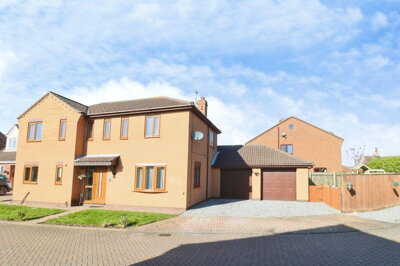
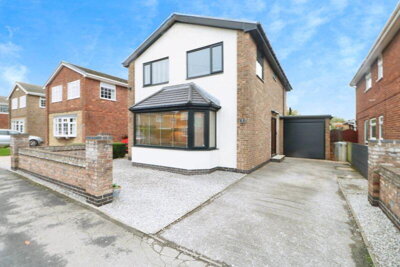
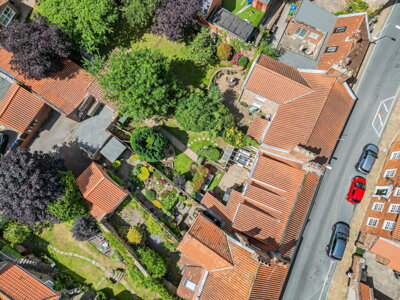
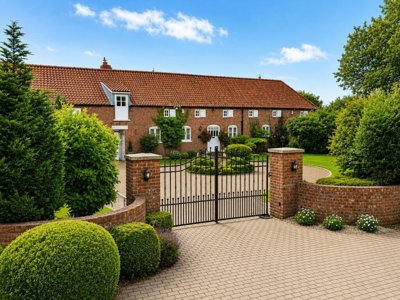
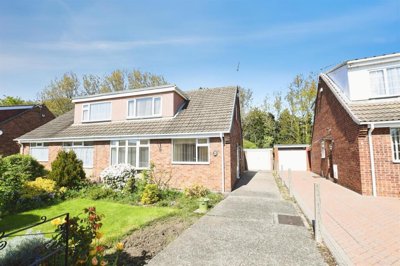
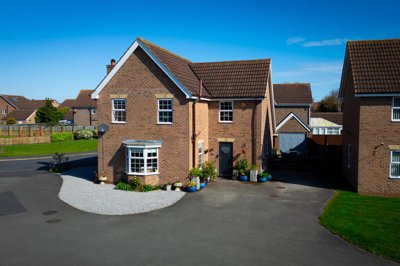
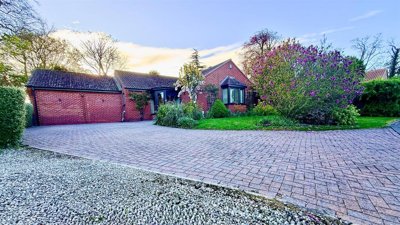
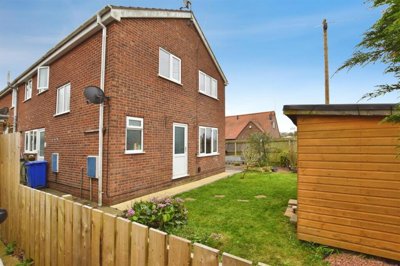
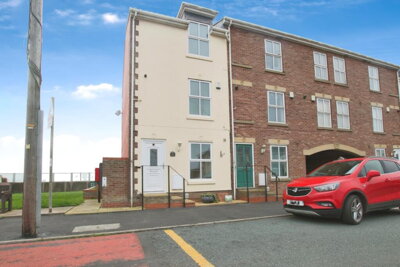
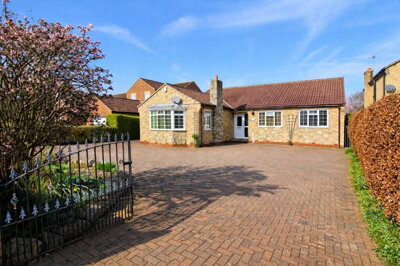
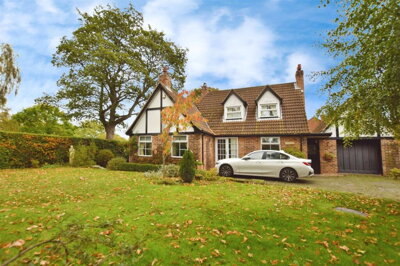
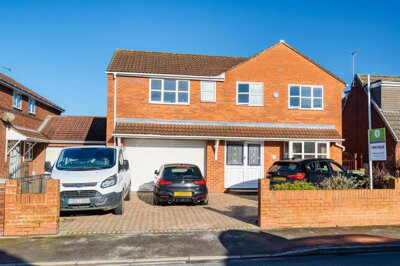
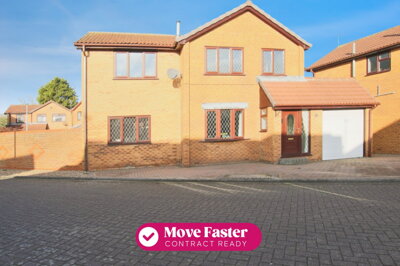
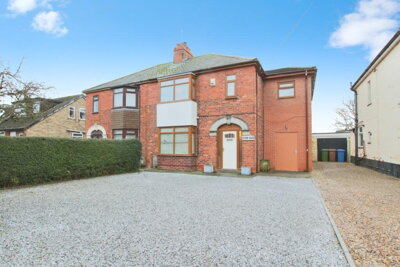
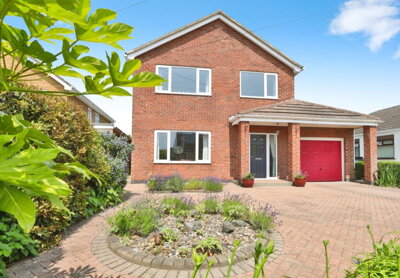
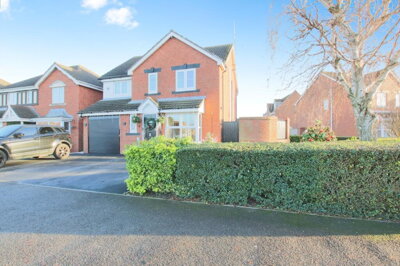
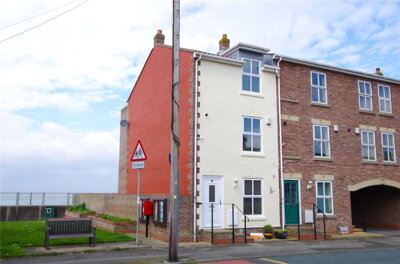
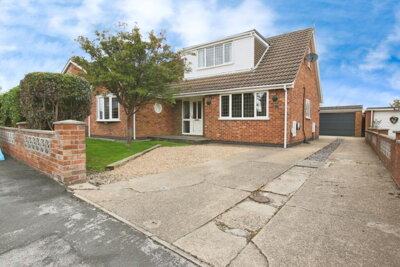
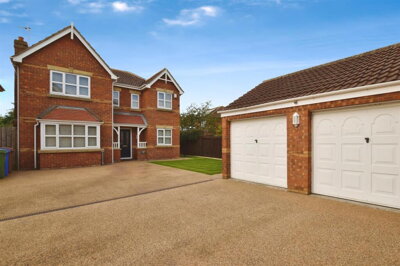
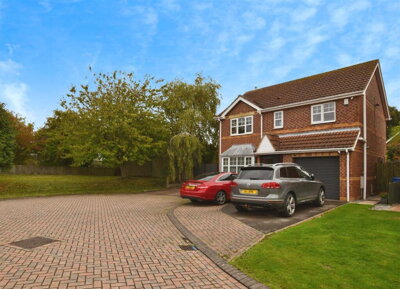
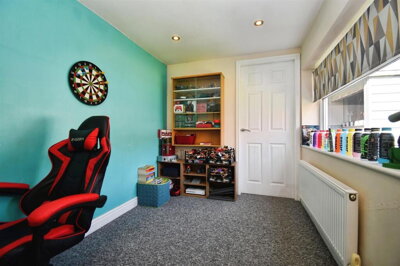
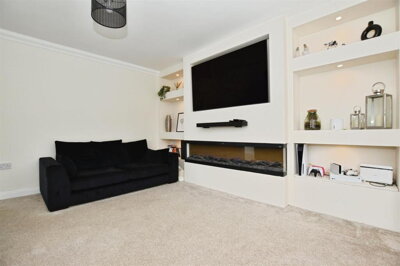
Browse 36 homes for sale in Paull, East Riding of Yorkshire from local estate agents.
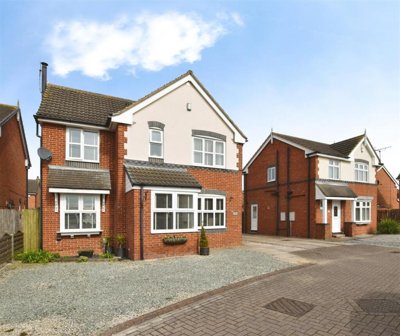
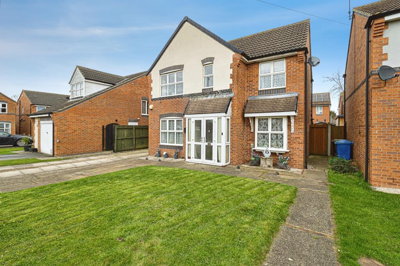
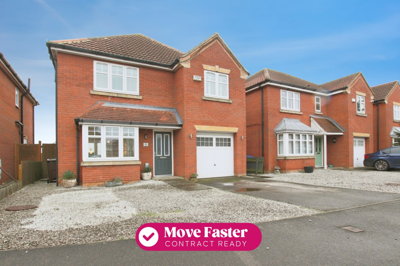
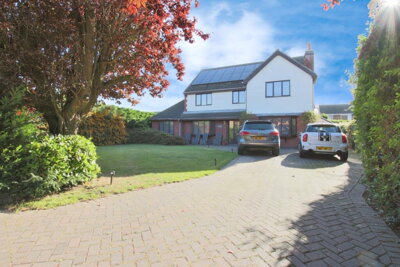
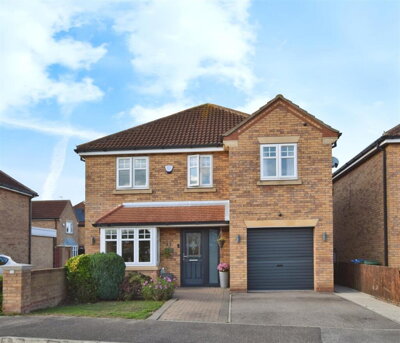
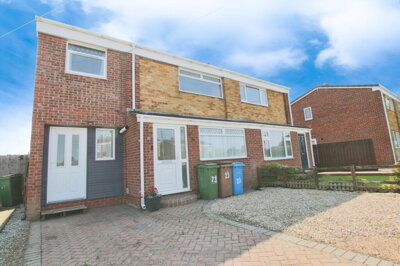
The larger property sector typically features multiple bathrooms, substantial reception space, and private gardens or off-street parking. Four bedroom houses in Paull span detached, semi-detached, and occasionally terraced configurations, with styles ranging from period properties to modern executive homes.
£0k
0
0
0
Source: home.co.uk
Showing 0 results for 4 Bedroom Houses for sale in Paull, East Riding of Yorkshire.
Paull’s property market offers buyers a curious mix of opportunity and constraint, with prices shaped by the village’s sought-after position and tight supply. Current figures put the overall average at £187,492, but that sits over a wide spread between types. Semi-detached homes average about £182,475, detached properties sit much higher at around £235,000, and terraced houses can begin at £135,000, including a 2-bedroom terrace on Main Street that sold in January 2025 within that bracket. In the HU12 8AL postcode area, leasehold 2-bedroom flats have sold for as little as £174,975.
New building in Paull is still thin on the ground, although a proposal from Ettridge Architecture points to possible development ahead. It seeks permission for eight new dwellings on land near the River Humber, with habitable accommodation set at first-floor level because of flooding concerns. Large terraces are part of the design, taking in wide river views, which is very much the sort of premium waterfront setting can command here. For the moment, most buyers are looking at the existing stock, a mix of 18th and 19th century period homes and more modern builds from the mid-20th century onwards.
Looking street by street, the figures shift in ways that matter. HU12 8AL has recorded modest growth of 2.2% since January 2024, while HU12 8AW has slipped slightly, by 0.7%, since January 2025. Thorngumbald Road properties have jumped 164% against the previous year, even though prices are still 32% below the 2015 peak. That is why it pays to dig into a specific road or scheme before buying in Paull, because a small change in location can alter value quite sharply.

With a population of about 723 residents, based on 2011 Census data, Paull has the sort of close-knit feel that is hard to find now. It lies on the flat Holderness coastal plain, surrounded by farmland and the wide sweep of the Humber Estuary. The low-lying ground, formed from till and boulder clay left by glacial deposits, gives the village those long horizons and open skies that appeal to people who want more space and a quieter pace away from the towns.
Maritime history still shapes Paull’s character and can be seen in the fabric of the village. Fishing and shrimping were once central, and shipbuilding also left its mark, including Hepworths Shipyard, which opened around 1940 and helped with wartime vessel construction. HMS Anson, a ship of the line, was built here in 1812, so the village’s links to the sea run deep. Fort Paull, now a museum, adds another layer to the story and gives residents and visitors a local landmark to explore. It all gives the place a distinct identity, rather than the feel of a generic housing estate.
For day-to-day errands, most residents head to Hedon or Hull for supermarkets, healthcare and extra shopping. The village does still have a few local businesses and community facilities, which helps keep its traditional feel intact. The Church of St Andrew, a Grade I listed building with centuries of history behind it, sits at the centre of that community life. Heritage, a strong local spirit and quick access to larger towns make Paull attractive for buyers who want village living without losing the convenience of urban services.

Families thinking about a move to Paull will find that schooling is available in the surrounding area, although the village’s small size means secondary and further education sit in nearby towns. For primary years, options in the Hedon and Burstwick area serve local children within a sensible distance. Paull falls within East Riding of Yorkshire, so catchment areas and admissions follow the local authority’s rules, and parents would be wise to check those carefully before making plans.
Across the wider HU12 postcode area, secondary school choices include establishments in Hull and the neighbouring towns, with the best fit depending on catchment and parental preference. East Riding of Yorkshire has a broad mix of secondary schools, many with a solid reputation for academics and after-school activities. For families after faith schools, grammar schools or specialist academies, Hull adds further options, including some of the strongest performers in the region.
Further and higher education is centred in Hull, where the University of Hull sits alongside colleges offering both vocational and academic routes. The University provides a wide range of undergraduate and postgraduate programmes, while Hull College and East Riding College cover apprenticeships and vocational qualifications. That proximity makes Paull workable for families with older children in education, while still enjoying village life. Before buying, parents should check current school performance, admissions boundaries and transport links, because all three can shape day-to-day family routines and influence property values.

Road access from Paull centre is straightforward enough, but it relies on minor roads that link to the A1033 and then the A63, the main route towards Hull. The A63 runs east-west across the north of the Humber Estuary, joining Hull to Goole and opening access to the wider motorway network through the M62 at J37 or J38 near Howden. For anyone commuting into Hull, the drive is usually under 30 minutes, so the village can work well for people who want a quieter base without giving up city jobs.
Public transport is more modest in a rural setting like this. Bus services run between Paull and nearby villages such as Hedon and Thorngumbald, though they are unlikely to be as frequent as urban routes, and on some days they may be hourly or even less often. Anyone without a car will need to plan carefully around timetables and connections. Hull Paragon Interchange, the city’s main rail and bus station, links to Leeds, York, Sheffield and London King’s Cross, with the capital roughly two and a half hours away.
For shorter trips, cycling can be practical because the Holderness coastal plain is flat, although rural cycle infrastructure is limited. Most dedicated cycle routes are in Hull itself rather than on the roads leading into Paull. For people commuting to Hull, a bike combined with a rail station or park-and-ride can be a useful setup. The Humber Bridge, to the west of Hull, also widens commuting options towards the Lincolnshire side of the estuary, including towns such as Grimsby or Scunthorpe.

We always advise spending time in Paull before deciding to buy. Go at different times of day and on different days, talk to residents and get a sense of how the village actually feels. Flood risk deserves close attention too, because Paull sits within the Humber Estuary floodplain, so it is sensible to check the Environment Agency website for any warnings affecting homes in the HU12 8 postcode area.
Before you start viewing, arrange a mortgage agreement in principle with a lender. It shows estate agents and sellers that you are ready to proceed, which strengthens your hand when you make an offer. With average prices in Paull at about £187,492, most buyers will need mortgage funding, so having that paperwork in place can help keep the purchase moving in what can still be a competitive market.
After you have found homes that fit the brief, book viewings through the estate agents listed on our platform. When the right property comes along, put forward a strong offer that reflects conditions in Paull, while taking account of the price movement in your postcode area and the home’s position relative to flood risk or heritage protections.
Paull’s geology, with its shrink-swell clay soils, and the number of older properties here make a RICS Level 2 Survey a sensible step before you proceed. It can pick up structural movement, subsidence, damp or roof defects that are easy to miss on a standard viewing. For homes in Paull with average values around £187,492, survey fees usually sit between £376 and £500, depending on size and type.
The legal side of the purchase will be handled by your solicitor, including local authority searches, title checks and the contract review. In Paull, searches ought to include flood risk, any planning history connected to the Humber Estuary flood defences, and records linked to the tidal defence scheme completed in 2018.
Once the searches come back clean and your finance is in place, contracts are exchanged and the deposit is paid. Completion normally follows within days or weeks, and then the keys to your new Paull home are handed over. Buildings insurance should start from exchange, and in Paull we would make sure the policy covers flood risk because of the village’s place on the Humber Estuary floodplain.
Buyers should keep several local factors in mind, because they can affect both condition and value. Flood risk is the obvious one, as Paull sits entirely within the Humber Estuary floodplain and has suffered serious tidal flooding, most notably in December 2013 when a surge damaged defences and flooded homes. A £5 million tidal defence scheme was completed in 2018, with a 520-metre glass flood wall installed in 2016 alongside rock armour, extra flood walls and flood gates, giving a 1 in 200-year standard of protection for about 1,500 residential properties. Even so, buyers should still check the Environment Agency’s flood data and look for flood resilience measures in the property itself.
The geology is the other big consideration. Paull sits on glacial lake clays and boulder clays from the Devensian glaciation, and these are prone to shrink-swell behaviour, Britain’s most damaging geohazard. In practical terms, that means older homes with shallow foundations may suffer subsidence or heave, particularly where trees are nearby. Soil movement can reach up to 5 metres in affected spots, and our inspectors regularly see foundation movement and cracking across the HU12 area. For older Paull homes, a thorough structural survey is well worth having, and we would always ask about any previous foundation work or structural repairs during a viewing.
Paull properties also reflect the area’s building history and geology in the materials used. Older homes are often red brick, as with Boreas Hall, built in the first half of the 18th century in Flemish-style red brick, and the Old Lighthouse, built in 1836 as a stuccoed brick tower. The 15th-century Paull Holme Tower shows that brick has been part of the local building story for centuries. That said, modern non-breathable finishes such as cement render on traditionally built brick houses can trap moisture and lead to damp, a problem our surveyors see regularly in older East Riding properties. When viewing period homes in Paull, we would look closely at pointing, any cement-based renders or waterproof paints, and signs of low-level damp.
The village’s listed buildings, including the Grade I listed Church of St Andrew, The Hall and the Old Lighthouse with its adjoining keepers’ houses, show that heritage issues can affect properties in some parts of Paull. If a listed building is on your shortlist, any alterations or extensions will need Listed Building Consent as well as standard planning permission, and a specialist survey may be needed. Standard building surveys do not always capture the construction methods and materials used in period homes, so for older or non-standard heritage property a RICS Level 3 Survey may be the better option.

According to home.co.uk listings data, the average house price in Paull is currently about £187,492. The detail matters, though, because values vary quite a bit by type. Semi-detached homes average around £182,475, detached properties sit at about £235,000, and terraced houses start from £135,000. In the HU12 8AL postcode area, 2-bedroom leasehold flats have sold for as little as £174,975. Recent market data shows a 54% year-on-year rise across the village, although that follows a period of relative calm, with some postcode areas moving by around 2% and others seeing bigger swings.
Homes in Paull sit within East Riding of Yorkshire Council’s tax system, with council tax bands set each year from A to H according to a property’s assessed value as of April 1991. The exact band for any address can be checked through the Valuation Office Agency website using the property address or postcode HU12 8. Band D is usually the middle band for the area, although individual properties may sit higher or lower depending on their assessment. East Riding of Yorkshire Council charges roughly £1,800 to £2,000 a year for a Band D property, but exact figures should always be confirmed with the council.
Paull is a small village and does not have its own secondary school, so families usually rely on schools in the surrounding area. Primary schools in nearby places such as Hedon and Burstwick serve the local community, with several within a few miles for children aged 5 to 11. For secondary education, families can look to Hull and the wider East Riding, with admissions shaped by catchment areas that can change from year to year. Current Ofsted ratings and admissions policies are best checked directly through the East Riding of Yorkshire Council website or the government school performance data portal.
Transport from Paull is limited compared with what you would find in a town or city. Bus links connect the village with surrounding places such as Hedon and Thorngumbald, though evening and weekend frequencies are reduced. The Stagecoach East Midlands network serves the HU12 area, but the routes are aimed more at local links than commuting. For rail travel, Hull Paragon Interchange is the nearest main station, with services to Leeds, York, Sheffield and London King Cross. Getting to London takes about two and a half hours. Road access via the A63 and the M62 network means car travel is the most practical choice for most residents.
Paull has clear appeal for property investment, especially after the 54% rise in house prices over the past year, even though some areas had been flat or slightly weaker before that. The village benefits from Hull’s proximity, open views across the Humber Estuary and a heritage appeal that includes several listed buildings. Flood risk remains a real issue, though, and that affects both desirability and insurance costs for some homes, particularly in the lower-lying areas closer to the river. The proposed new development of eight riverside dwellings on the River Humber could add further value if it gets approval and is built out. As ever, detailed research into the exact location, condition and market context is the sensible way forward before money is committed.
Stamp duty in England from April 2025 begins at 0% on the first £250,000 of property value. For purchases between £250,001 and £925,000 the rate is 5%, rising to 10% between £925,001 and £1.5 million, and 12% above £1.5 million. With Paull’s average property price at around £187,492, many buyers at or below the average would pay no SDLT at all. First-time buyers get extra relief, with 0% on the first £425,000 of purchase price and 5% on the slice between £425,001 and £625,000. Your solicitor will work out the exact SDLT figure from your purchase price and circumstances.
From 3.5% APRC
Compare competitive mortgage rates from multiple lenders
From £499
Expert solicitors handling your Paull property purchase
From £376
Surveying homes in Paull’s HU12 postcode
From £60
Energy performance certificate for Paull properties
Budgeting for a purchase in Paull means looking beyond the asking price, because the full cost picture matters. Stamp Duty Land Tax, or SDLT, is one of the larger items. From April 2025, standard rates apply at 0% on the first £250,000 of purchase price, 5% on the portion between £250,001 and £925,000, 10% on the portion between £925,001 and £1.5 million, and 12% above £1.5 million. With the average property price in Paull sitting at around £187,492, many buyers at or below that level would pay no SDLT, which makes the village especially appealing for smaller budgets.
First-time buyers receive extra SDLT relief too, with 0% on the first £425,000 of purchase price and 5% on the portion between £425,001 and £625,000. So a buyer purchasing a typical Paull property at the average price would pay no stamp duty at all. Once the price moves above £625,000, that relief stops applying above the threshold. Your solicitor will calculate the exact SDLT liability from your purchase price and circumstances, and it will appear in the financial statement before completion. For investment purchases or second homes, a further 3% surcharge is added on top of the standard rates.
There are other costs to allow for as well. Solicitor fees, for example, with conveyancing typically starting from around £499 for standard purchases but rising to £1,000 or more for leasehold property or homes with more complex titles. Survey costs need a place in the budget too, with RICS Level 2 surveys starting from £376 for properties under £200,000 and rising to around £500 for homes in the £200,000 to £300,000 range typical of Paull. Removals expenses come on top. If you need a mortgage, arrangement fees usually run from £500 to £2,000 depending on the lender and product, although some lenders do offer fee-free mortgages that can offset that cost. Buildings insurance should start from exchange, and in Paull we would specifically check that the policy covers flood risk, because the village sits within the Humber Estuary floodplain and some standard policies may exclude it or charge higher premiums in flood zones.

Properties for Sale In London

Properties for Sale In Plymouth

Properties for Sale In Liverpool

Properties for Sale In Glasgow

Properties for Sale In Sheffield

Properties for Sale In Edinburgh

Properties for Sale In Coventry

Properties for Sale In Bradford

Properties for Sale In Manchester

Properties for Sale In Birmingham

Properties for Sale In Bristol

Properties for Sale In Oxford

Properties for Sale In Leicester

Properties for Sale In Newcastle

Properties for Sale In Leeds

Properties for Sale In Southampton

Properties for Sale In Cardiff

Properties for Sale In Nottingham

Properties for Sale In Norwich

Properties for Sale In Brighton

Properties for Sale In Derby

Properties for Sale In Portsmouth

Properties for Sale In Northampton

Properties for Sale In Milton Keynes

Properties for Sale In Bournemouth

Properties for Sale In Bolton

Properties for Sale In Swansea

Properties for Sale In Swindon

Properties for Sale In Peterborough

Properties for Sale In Wolverhampton

Enter your details to see if this property is within your budget.
Loans, cards, car finance
Estimated property budget
Borrowing + deposit
You could borrow between
Typical borrowing
Monthly repayment
Est. at 4.5%
Loan-to-value
This is an estimate only. Your actual budget may vary depending on interest rates, credit history, and personal circumstances. For an accurate affordability assessment, speak to one of our free mortgage advisors.
This calculator provides estimates for illustrative purposes only and does not constitute financial advice. Your home may be repossessed if you do not keep up repayments on your mortgage. Estimates based on 4.5% interest rate, repayment mortgage. Actual rates depend on your circumstances.
Homemove is a trading name of HM Haus Group Ltd (Company No. 13873779, registered in England & Wales). Homemove Mortgages Ltd (Company No. 15947693) is an Appointed Representative of TMG Direct Limited, trading as TMG Mortgage Network, which is authorised and regulated by the Financial Conduct Authority (FRN 786245). Homemove Mortgages Ltd is entered on the FCA Register as an Appointed Representative (FRN 1022429). You can check registrations at NewRegister or by calling 0800 111 6768.

We use cookies to show you personalised content and improve your experience of our website. Find out more in our Privacy policy and Cookie policy.