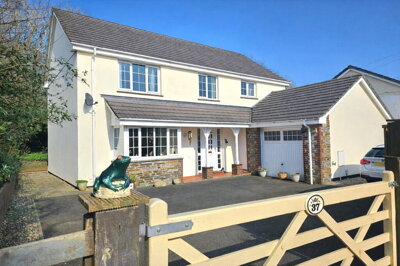
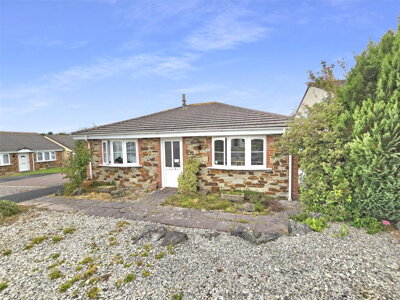
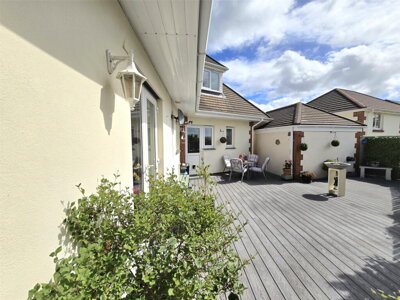
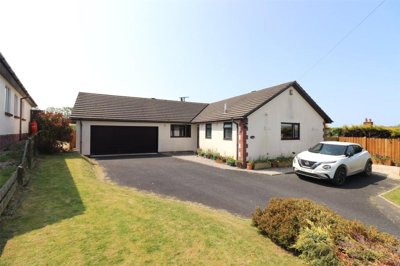
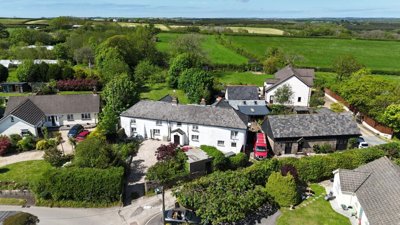
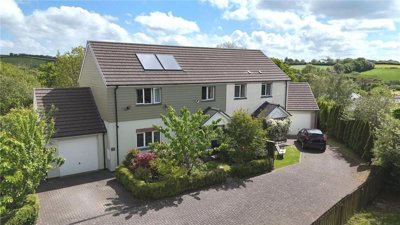
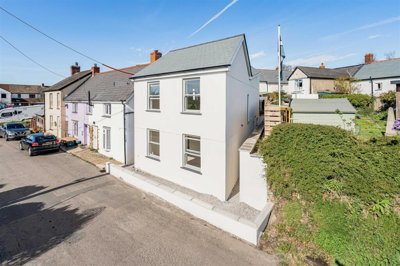
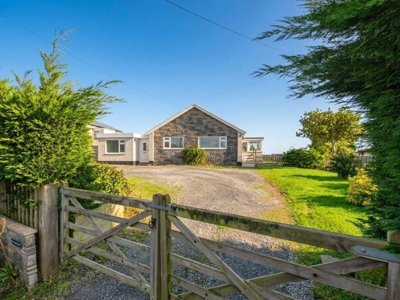
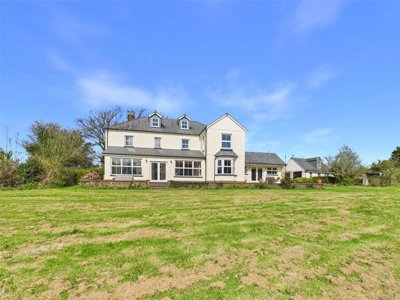
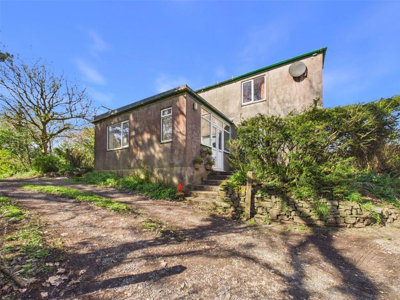
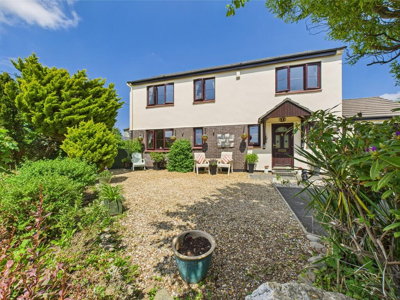
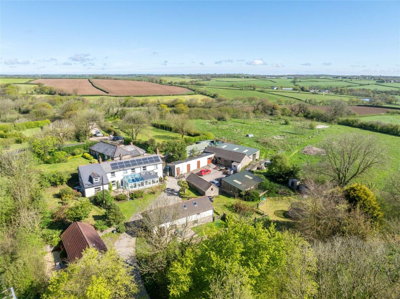
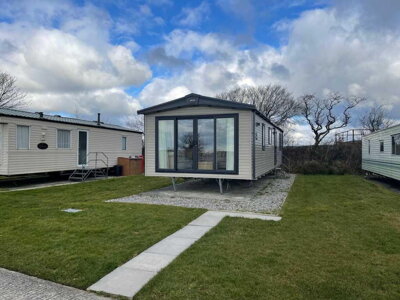
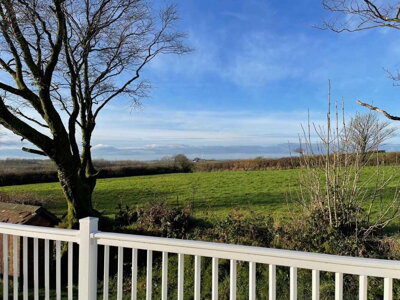
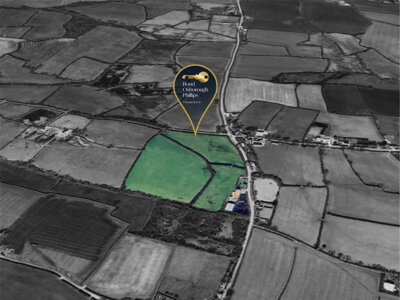
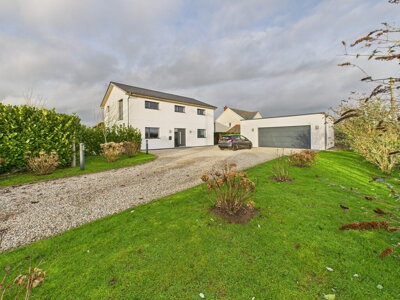
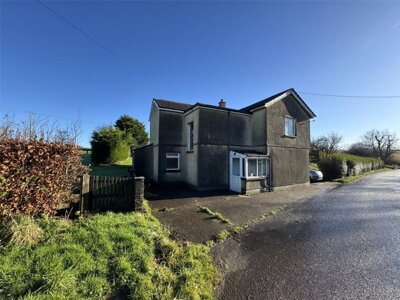
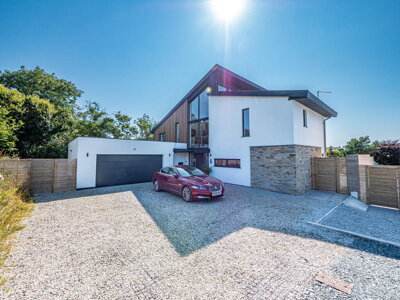
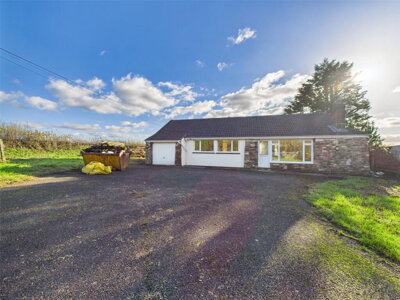
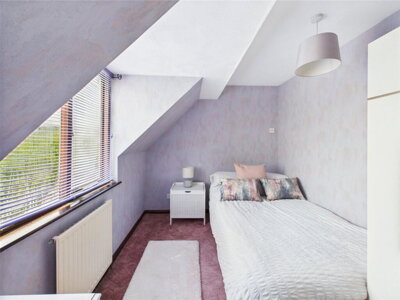
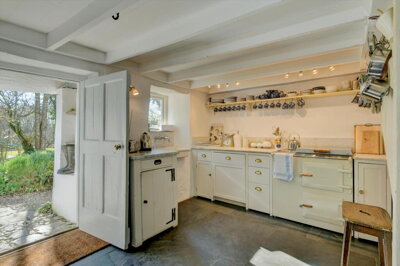
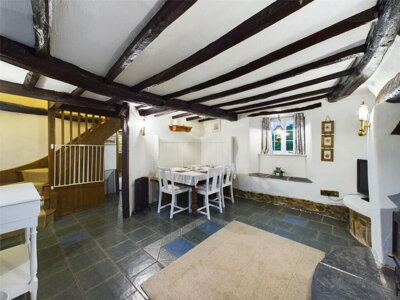
Browse 26 homes for sale in Pancrasweek, Torridge from local estate agents.
The Pancrasweek property market offers detached, semi-detached, and terraced houses spanning various price ranges and neighbourhoods. Each listing includes detailed property information, photographs, and direct contact with the marketing agent.
£600k
3
0
281
Source: home.co.uk
Showing 3 results for Houses for sale in Pancrasweek, Torridge. The median asking price is £600,000.
Source: home.co.uk
Detached
3 listings
Avg £636,667
Source: home.co.uk
Source: home.co.uk
Pancrasweek’s property market mirrors its appeal as a sought-after rural Devon village, with strong long-term capital growth baked in. Our data puts the average sold price at £1,150,000 across the parish over recent transactions, although results vary quite a bit between postcode segments. In EX22 7JB, prices are down 4.2% over the past twelve months, which points to a cooler spell after gains of 18.5% over five years and 38.6% over the past decade. That mix of short-term movement and longer-term growth is exactly what we tend to see in rural markets, where lower transaction volumes mean each sale has more influence on the numbers.
The EX22 7JT postcode sector has performed strongly, with values up 19.2% since November 2018 and 36.1% over ten years. That sort of trajectory suggests demand for rural Devon homes has stayed healthy, even when the market has wobbled in the shorter term. Detached houses dominate here, making up around 75% of transactions in some postcode areas, which fits the way buyers prize space and privacy in Pancrasweek. It also leaves fewer terraced or semi-detached choices for buyers hoping to step into the local market at a lower price point.
Current listings range from appealing three-bedroom freehold houses at around £419,190 to sizeable five-bedroom period homes reaching £721,481. In West Hamsworthy, within the Pancrasweek parish and the EX22 7JN postcode sector, one property sold in May 2024 and has since seen its value ease by roughly 5.8%. The village also draws interest from people after character homes, including chocolate-box grade 2 listed cottages offered with no onward chain. New build activity is still thin on the ground within the immediate village boundary, although shared ownership opportunities and small exclusive developments for mature buyers do sometimes appear across the wider EX22 area.
These market patterns matter when we are deciding what to buy and when to move. Prices can shift quite sharply between postcode segments in the wider Pancrasweek area, depending on exact position, road access, and how close a home sits to Bradworthy or Sutcombe. A local estate agent who knows these micro-markets can put the right comparables in front of us when we are weighing up a particular property.

Pancrasweek has that classic North Devon village feel, with a tight-knit community set among rolling farmland and open countryside. The parish takes its name from Saint Pancras, a nod to its long religious history, and the landscape is all Devon hedgerows, fields, and small pockets of woodland. Rather than one obvious centre, the village is made up of scattered farmsteads and cottages, which gives the place an open, roomy character that many buyers find refreshing. That spread-out settlement pattern reflects its agricultural roots, with farms dotted across the parish instead of gathered round a village green or church.
Locally, the demographic looks much like rural Devon elsewhere, with families, couples, and individuals all drawn by the quality of life on offer. Agriculture still plays a big part in the economy, alongside small businesses serving the village and nearby parishes. Holsworthy, the nearest market town, provides the essentials, supermarkets, banks, medical facilities, and a weekly livestock market that keeps the area tied to farming. That weekly market serves farmers across North Devon and Torridge, and it helps support the rural economy that underpins the local property market. Torridge District Council handles local services, with council tax helping to pay for highway maintenance, refuse collection, and community facilities across this rural patch.
Walkers are well served here, with the Ruby Country Trail and plenty of public footpaths running through the surrounding countryside. The Ruby Country Trail is a long-distance route through the Torridge area, linking Pancrasweek into a wider network of villages and settlements. There are also decent pubs and restaurants in neighbouring villages, while the North Devon coast, with its beaches and coastal paths, is close enough for easy day trips. Buyers often come here for what they see as an authentic Devon lifestyle, away from the tourist crush but still within reach of amenities and the sea in half an hour. Bude and Clovelly, both within forty minutes drive, add beaches, coastal walks, and sailing into the mix.
For families thinking about Pancrasweek, there are schooling options within a sensible drive across Torridge. Primary education is covered by several village schools nearby, and the closest choices are usually small, community-minded schools with good pupil-to-teacher ratios. Bradworthy and Holsworthy both have primary schools serving local catchment areas, and class sizes are often smaller than we would expect in towns or cities. It is still wise to check current catchment rules and admission arrangements with Devon County Council, because they do change and can affect places for younger children.
Secondary schooling in the area is centred on Holsworthy, where The Duke of Edinburgh Award Scheme and the wider curriculum draw families into town. For older children, it is a practical option, and school transport is usually available for those living in the outlying villages. We would still budget for transport costs if the chosen school means a daily journey, since bus services may run only on designated school days and not suit clubs or other activities. For families looking at grammar school provision, there are options in nearby towns, but competition can be strong and catchment boundaries may limit access.
Exeter, Plymouth, and Barnstaple all provide further and higher education routes in Devon, and sixth form provision is available at schools within commuting distance too. That means older students can usually access vocational courses, A-levels, and university degrees without needing to move away straight away. Near Budleigh Salterton, Bicton College offers land-based courses that suit the agricultural feel of Pancrasweek, while Petroc in Barnstaple provides vocational training across a range of disciplines. Before buying, we would check school performance data, Ofsted inspection results, and admissions policies directly with schools and Devon County Council so the fit is clear from the outset.
Life in rural Pancrasweek needs a bit of planning around transport, though the village is not cut off. Exeter and Barnstaple are the nearest mainline railway stations, giving links to London Paddington, the national rail network, and regional services. From Exeter St Davids, the journey to the capital is around two and a half hours, so occasional hybrid commuting is realistic for some people. Barnstaple station connects into Exeter and the wider network through the Tarka Line, although the trip to London is longer than from Exeter.
The A39 is the main road lifeline for most residents, giving access to Bideford, Barnstaple, and the North Devon coast. To reach it, the village uses country lanes that are scenic enough, but they do call for confident driving when the weather turns. Known locally as the Atlantic Highway, the A39 passes through nearby Kilkhampton and cuts the journey to Bude to around twenty-five minutes. A car is really part of daily life in Pancrasweek, because Holsworthy is where we go for shopping, medical appointments, and other practical errands. Anyone considering life here without a vehicle needs to think carefully about how that would work day to day.
For home working, Pancrasweek has better broadband prospects than many people expect from a rural village, with fibre now becoming more common across Devon. The quiet setting and lack of traffic noise make it a good spot for working from home, and the countryside around it gives natural breathing space between calls or tasks. Cyclists and walkers get a lot from the network of quiet lanes and bridleways, though anything involving longer trips or carrying kit tends to need a car. Exeter International Airport is about ninety minutes drive away for international travel, with European cities and holiday routes available in peak periods.
We always suggest spending time in Pancrasweek at different times of day and on different days of the week before committing to a purchase. Pop into the shops in Holsworthy, check broadband speeds, and talk to residents about what village life is really like. Knowing the local values and recent sale prices makes it easier to spot fair pricing when a listing lands. It also pays to see how isolated certain homes feel after dark and in winter, because rural living changes a lot with the seasons.
Before making an offer, speak to a broker and get a mortgage agreement in principle. That gives sellers and estate agents confidence that the finance is there, which can matter in a competitive rural market. Our mortgage comparison tool links us with lenders offering competitive rates for properties in the £400,000 to £700,000+ range that is typical for Pancrasweek. Country homes can sometimes need specialist mortgage products, so it helps to talk through the plan with a broker who knows rural purchases.
Viewings can be arranged through Homemove or directly with local estate agents. When we are looking at older properties, which are common around here, we should pay attention to period features, likely maintenance, and any planning restrictions that could shape future plans. It is worth taking photographs and notes so the properties can be compared afterwards. Seeing homes in different postcode sectors also helps us judge what counts as fair value across Pancrasweek.
Because Pancrasweek has a lot of period stock built between 1800 and 1911, a Level 2 survey should be part of the buying process. That report can pick up defects often found in older homes, including damp, roof problems, and outdated electrics. Our survey booking service connects us with qualified local surveyors who know period properties well. If a property is grade 2 listed, a fuller building survey may be the better option, so the original features and any historic alterations are properly assessed.
As soon as the offer is accepted, instruct a solicitor to get started on the legal work, including searches, contracts, and Land Registry registration. Conveyancing fees in the area usually start from £499 for standard purchases. Searches will be made with Torridge District Council and other relevant bodies, including drainage and environmental checks that matter for rural homes with private water supplies or septic tanks.
Once the survey is satisfactory and the searches are back, the solicitor will arrange contract exchange with the seller’s legal team. A deposit of typically 10% is paid at exchange, and the balance is transferred on completion day. When the funds have cleared, the keys are handed over and the Pancrasweek home becomes ours. We should allow a little extra time for rural completions, because chain-free deals are less common and delays can crop up when several parties are involved.
Pancrasweek’s housing stock stretches across several building periods, from cottages dating back to the early 1800s through to twentieth-century farmhouses and later additions. With older homes, we should look closely for damp in solid-walled construction, the state of thatch or slate roofs, and original features such as fireplaces, staircases, and timber floors. Properties built between 1800 and 1911, which are common in the EX22 7JT postcode sector, usually have thick solid walls made without cavity insulation. That can leave them open to penetrating damp, especially where render or external finishes have broken down or where ground levels have gradually risen against outside walls.
Period houses here can ask for more upkeep than newer ones, but the character and traditional solid build often justify the effort. Sash windows, especially in Georgian and Victorian properties, may need restoration rather than replacement if the aim is to keep the property’s character and respect listed building rules where relevant. Timber elements such as floorboards, beams, and structural timbers need checking for woodworm, dry rot, or wet rot, all of which can show up where maintenance has been neglected or ventilation is poor. Houses built between 1900 and 1929 often combine construction methods, with some cavity walls appearing, although solid walls still dominate rural North Devon properties from this period.
Listed buildings need extra care before we buy. Grade 2 listed homes benefit from protected features that stop unsympathetic alterations, but any major work needs planning permission from Torridge District Council and, in some cases, Listed Building Consent too. Survey costs should be allowed for on listed homes, along with the extra limits they place on renovation plans. A listed property in the village tells us a lot about the historical importance of the local built environment, and ownership brings a duty to maintain its character. Insurance can cost more, and standard mortgage terms may require proof that the property is properly insured from exchange of contracts.
Even though there are no specific designated flood zones reported here, flood risk and drainage still need proper investigation. Rural homes can depend on private water supplies, private drainage systems, or shared arrangements with neighbouring properties, and each one carries its own maintenance responsibilities and costs. Septic tanks and drainage fields are now more tightly regulated under general binding rules, so some homes may need upgrades if they do not meet current standards. We should verify utilities, drainage, and any shared maintenance duties before going ahead. Where a property relies on a borehole or spring, water quality and yield should be tested before purchase.
Because Pancrasweek’s housing stock is dominated by period homes built before 1930, a professional RICS survey before purchase is especially useful. Most homes in the EX22 7JT postcode sector were built between 1800 and 1911, so they predate a lot of modern building regulations and construction standards. Our inspectors understand the defects that commonly affect these older properties and can pick up problems that might not be obvious during a standard viewing. A thorough survey gives us a clear picture of what is being bought before any legal or financial commitment is made.
Typical defects in Pancrasweek properties include damp coming through solid walls, deterioration in thatch and slate roofing materials, and outdated electrical systems that may no longer meet current safety standards. Properties of this age often have fuse boards and wiring that need full replacement, along with plumbing that uses older materials such as lead or early copper piping. Our surveyors check those elements and provide cost estimates for any remedial work. Original features such as open fireplaces, timber staircases, and period joinery add value, but they also need proper maintenance and insurance consideration.
For anyone buying a grade 2 listed home, a comprehensive building survey gives important records of the property’s condition for insurance and renovation planning. Listed building surveyors with North Devon experience can spot where original features have been altered over time and judge what any proposed work might mean. The cost of a detailed survey is only a small fraction of the purchase price, yet it can protect us from expensive surprises after completion. Plenty of buyers in Pancrasweek have saved thousands of pounds by spotting major issues during the survey period and renegotiating accordingly.
Across recent transactions, average sold prices in Pancrasweek have reached about £1,150,000, although that figure reflects the range of property types sold, including sizeable period homes and estates. In specific postcode areas, the average is around £472,336 for EX22 7JB and £586,002 for EX22 7JT. Individual homes range from three-bedroom houses at roughly £419,190 to substantial five-bedroom period properties near £721,481. The market has held up well over the long term, with prices rising by over 38% over ten years in certain postcode sectors, even though recent data shows some cooling in EX22 7JB with a 4.2% fall over twelve months.
Pancrasweek homes sit within Torridge District Council, and most residential properties in the village fall into council tax bands A through D. Band A properties carry the lowest annual charges, while larger period homes and estates may be placed in Band D or higher, depending on the assessed value. The exact band should be checked on the Valuation Office Agency website or through the conveyancing solicitor during the purchase, as bands can be challenged if a property has been wrongly assessed.
Primary schooling nearby is provided by village schools in surrounding parishes, and families usually pick a school within a reasonable drive according to catchment rules. Holsworthy Community Primary Academy serves the local area with the sort of good pupil-to-teacher ratios we expect from smaller rural schools, while Holsworthy College offers the secondary route, including GCSE and A-level courses. Before buying, parents should check school performance data, Ofsted ratings, and admission catchment areas directly with schools and Devon County Council, because catchment boundaries can shift and affect younger children’s places.
Public transport from Pancrasweek is limited, which is no surprise for a rural village where car ownership is effectively part of normal life. There are bus services, but the timetables are infrequent and daily commuting is awkward, although the 319 service does link Holsworthy with surrounding villages, including Pancrasweek, on a limited schedule. Exeter and Barnstaple are the nearest railway stations, and Exeter St Davids offers national rail links with journeys to London of around two and a half hours. Anyone looking to move here should have reliable vehicle transport, or at least be ready for the restrictions that come with rural public transport.
Pancrasweek has seen steady long-term capital growth, with values up by over 36% over ten years in some postcode areas, although short-term swings are to be expected when transaction numbers are low. The rural North Devon market draws lifestyle buyers, retirees, and families who want to live away from urban areas, so demand stays fairly consistent among people who put quality of life ahead of convenience. Rental demand exists for good rural homes, though there are usually fewer tenants than in larger towns and void periods can run longer between lets. Renovation projects and homes with development potential can be attractive here, especially where improvements could unlock significant value in period stock.
Stamp duty Land Tax applies to all residential purchases above £250,000 at standard rates from April 2025, with 0% on the first £250,000, 5% on £250,001 to £925,000, and higher rates above that. For a typical Pancrasweek property valued at £586,000, the SDLT bill on the portion above £250,000 comes to £16,800. First-time buyers can claim relief on purchases up to £625,000, which brings the cost down to around £8,050 on a £586,000 home. A 3% surcharge applies to second homes and investment properties, taking total SDLT on a £586,000 purchase to about £30,550. The exact figure will be worked out by the conveyancing solicitor once the buyer’s circumstances and intended use are clear.
Many homes in Pancrasweek date from the Georgian and Victorian periods, with construction between 1800 and 1911, and some earlier cottages may be listed and need specialist maintenance. They have plenty of character and solid traditional construction, but they also demand the sort of upkeep older buildings need, from regular roof checks to external render maintenance and timber treatment where necessary. Damp penetration in solid walls, roof issues on thatch or slate coverings, timber rot, and outdated electrics are all common enough in period stock, so a thorough survey should come before purchase. Listed building status brings extra limits on alterations and improvements, with planning permission and, in some cases, Listed Building Consent needed for work that would otherwise fall within permitted development.
From 4.5% APR
Compare competitive mortgage rates for Pancrasweek properties
From £499
Expert legal services for your Pancrasweek purchase
From £350
Professional survey for period properties
From £60
Energy performance certificate
Buying in Pancrasweek brings a few extra costs beyond the asking price, and stamp duty Land Tax is usually the biggest one. From April 2025, standard SDLT rates are 0% on the first £250,000 of residential purchases, 5% on amounts between £250,001 and £925,000, and 10% on the slice between £925,001 and £1,500,000. On a typical Pancrasweek property valued at £586,002, the stamp duty bill comes to £16,800 on the portion above £250,000. For additional properties and investment purchases, a further 3% applies across all bands.
First-time buyers can claim SDLT relief on residential purchases up to £625,000, which cuts the effective rate substantially for eligible buyers. On a £586,000 home, a first-time buyer would pay around £8,050 in stamp duty rather than £16,800, a saving that can go towards moving costs or improvements. The relief only applies where the property is bought as a sole or joint residence and the buyers have never owned property anywhere in the world, with the solicitor confirming eligibility. Investors and second home buyers pay the 3% supplement on all bands, which takes their total SDLT on a £586,000 property to approximately £30,550.
Alongside stamp duty, we should allow for survey costs from £350 for a basic RICS Level 2 homebuyer report, with fuller surveys needed for older or unusual homes like many in Pancrasweek. Conveyancing fees usually start from £499 for standard purchases and can rise with title complexity, lease terms, or listed building issues, while local searches, Land Registry fees, and disbursements add more. Local searches with Torridge District Council and Devon County Council generally cost £250-£400, and environmental and drainage searches come on top of that. Buildings insurance should be in place from exchange of contracts, removals costs will vary with distance and volume, and total extra costs usually land somewhere between £3,000 and £6,000, although larger or more complex purchases may go beyond that.

Properties for Sale In London

Properties for Sale In Plymouth

Properties for Sale In Liverpool

Properties for Sale In Glasgow

Properties for Sale In Sheffield

Properties for Sale In Edinburgh

Properties for Sale In Coventry

Properties for Sale In Bradford

Properties for Sale In Manchester

Properties for Sale In Birmingham

Properties for Sale In Bristol

Properties for Sale In Oxford

Properties for Sale In Leicester

Properties for Sale In Newcastle

Properties for Sale In Leeds

Properties for Sale In Southampton

Properties for Sale In Cardiff

Properties for Sale In Nottingham

Properties for Sale In Norwich

Properties for Sale In Brighton

Properties for Sale In Derby

Properties for Sale In Portsmouth

Properties for Sale In Northampton

Properties for Sale In Milton Keynes

Properties for Sale In Bournemouth

Properties for Sale In Bolton

Properties for Sale In Swansea

Properties for Sale In Swindon

Properties for Sale In Peterborough

Properties for Sale In Wolverhampton

Enter your details to see if this property is within your budget.
Loans, cards, car finance
Estimated property budget
Borrowing + deposit
You could borrow between
Typical borrowing
Monthly repayment
Est. at 4.5%
Loan-to-value
This is an estimate only. Your actual budget may vary depending on interest rates, credit history, and personal circumstances. For an accurate affordability assessment, speak to one of our free mortgage advisors.
This calculator provides estimates for illustrative purposes only and does not constitute financial advice. Your home may be repossessed if you do not keep up repayments on your mortgage. Estimates based on 4.5% interest rate, repayment mortgage. Actual rates depend on your circumstances.
Homemove is a trading name of HM Haus Group Ltd (Company No. 13873779, registered in England & Wales). Homemove Mortgages Ltd (Company No. 15947693) is an Appointed Representative of TMG Direct Limited, trading as TMG Mortgage Network, which is authorised and regulated by the Financial Conduct Authority (FRN 786245). Homemove Mortgages Ltd is entered on the FCA Register as an Appointed Representative (FRN 1022429). You can check registrations at NewRegister or by calling 0800 111 6768.

We use cookies to show you personalised content and improve your experience of our website. Find out more in our Privacy policy and Cookie policy.