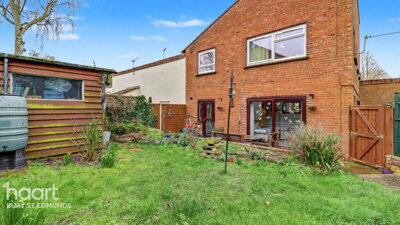
Browse 1 home for sale in Pakenham, West Suffolk from local estate agents.
Studio apartments feature open-plan living spaces without separate bedrooms, incorporating sleeping, living, kitchen, and bathroom facilities. The Pakenham studio market includes properties in modern apartment complexes, converted Victorian and Georgian buildings, and purpose-built developments.
£0k
0
0
0
Source: home.co.uk
Showing 0 results for Studio Flats for sale in Pakenham, West Suffolk.
Pakenham's property market gives buyers a wide spread of options across the Suffolk housing scene. Our data shows detached homes command the highest prices, with average values around £615,000 and a median of £482,500 based on recent sales. These larger family homes usually come with generous gardens and off-street parking, which suits buyers needing room inside and out. The village also mixes modern developments with historic properties, so buyers can weigh contemporary convenience against period character, with home.co.uk recording properties across the IP31 2JU postcode ranging from village cottages to substantial farmhouses.
Semi-detached homes are a more approachable way into Pakenham, averaging around £276,238 and a median of £277,475. These properties make up a sizeable share of sales activity, so they tend to appeal to first-time buyers and growing families looking for value in a desirable village setting. Terraced homes are less common, accounting for only 11.1% of recent sales, yet they have achieved strong prices with medians around £355,000, which reflects the premium attached to character homes with period features. homedata.co.uk recorded 9 sales in 2025, and the IP31 2JU postcode showed an average sale value of £327,804 as of February 2026.
Prices have not moved in a straight line. home.co.uk puts them around 26.2% down on the previous year, and home.co.uk data also shows prices approximately 6% down on the previous year and 8% below the 2022 peak of £494,417. homedata.co.uk indicates a 13.6% fall over the past 12 months based on sold data. That correction follows a longer-term rise of 17.8% over the last decade within the IP31 2JU postcode area. With limited transaction volume, individual sales can still shift the reported averages, so we treat the figures as indicative rather than definitive when reading the village market.

We look closely at how Pakenham homes are built, because it affects upkeep and renovation plans. The village has a mix of traditional Suffolk architecture, with many properties constructed from brick and render that reflect local building traditions. Older homes, including the 18th century farmhouses found in the village, usually use timber framing with plaster or render infill panels, a style seen widely across Suffolk. The "Old Brick House" in Pakenham is a clear example of the village's long-standing link with brick construction, a tradition that carries on in extensions and modern builds alike.
Pakenham's local geology is mostly chalk and boulder clay deposits, and that has shaped both building traditions and the condition of houses here. The clay can create shrink-swell risks during periods of extreme weather, which may affect foundations and structural elements over time. Properties built before modern building regulations may have foundations that are less suited to clay movement, so professional surveys are especially useful on older homes in the village. Our local knowledge helps us spot properties where those geological factors need a closer look during a purchase.
In IP31 2JU, mid-century homes built between 1936 and 1979 make up the main stock, with 35 houses from that era recorded alongside 11 other properties out of 46 in the postcode area. These post-war homes usually have cavity wall construction with brick external leaves, so they are generally solidly built but may need updates to insulation, electrical systems, and plumbing as they age. Alongside those are period properties from the 18th and 19th centuries, which means Pakenham offers a broad mix of homes that call for different assessment approaches.
Pakenham feels like a classic Suffolk village, where farming roots still shape the place and the community feels close-knit. The village name comes from its historical link to the Pakenham family, and traces of its agricultural past remain visible in the rolling farmland and hedgerows around it. The historic Pakenham Watermill, a Grade II* listed building dating from the 18th century, sits at the centre of that story, and it once served the local agricultural community with its grinding capabilities. It remains one of the few surviving examples of its kind in Suffolk and gives the village a great deal of character.
Village life here tends to revolve around local events and the pub, so people do have places to meet and socialise. The surrounding countryside offers strong walking and cycling opportunities, with public footpaths crossing farmland and woodland throughout the IP31 area. National Cycle Network routes run through the region too, linking into wider cycling networks for anyone exploring Suffolk's rural scenery. Bury St Edmunds is approximately 7 miles away, so residents can reach supermarkets, restaurants, healthcare facilities and cultural attractions, then return to the tranquillity of village life.
A conservation area is likely in a place with this much historic character and so many listed buildings, although buyers should check the exact boundaries through West Suffolk Council's planning portal. Those designations can affect permitted development rights and the need for planning permission on alterations, so they matter to anyone thinking about renovation work. The village keeps essential local services for daily needs, while larger facilities sit a short journey away in Bury St Edmunds. That mix of rural charm and practical accessibility makes Pakenham appealing to buyers who want an alternative to urban living without complete isolation.

Families moving to Pakenham have educational options both in the village and nearby. Pakenham itself has a primary school serving the immediate community and providing education for children in the early years and Key Stage 1. Parents should check current Ofsted ratings and catchment area boundaries, as both can affect school placement decisions and change over time. The village's small scale often means class sizes stay manageable, which allows teachers to give focused attention to individual pupils in a supportive learning environment.
Secondary choices widen once you head into Bury St Edmunds, with school bus services covering the surrounding villages in the IP31 area. Parents should research specific schools' academic performance, extracurricular offerings and admissions policies when planning a family move to Pakenham. Suffolk also has grammar school options for academically able students, with selection based on the eleven-plus examination taken in Year 6. The commute to secondary schools is usually a short one by car or public transport, so it is a practical issue for family buyers weighing up properties in the village.
For younger children, nursery and preschool places may be found either in Pakenham itself or in neighbouring villages within easy driving distance. Further education and sixth form provision can be found in Bury St Edmunds, offering A-level courses and vocational qualifications across multiple institutions. That proximity also gives families access to private schooling options if they want a different educational route, widening the choice available to residents of Pakenham. Many families who choose village life here go for the combination of a village primary school followed by daily travel to secondary schools in Bury St Edmunds.

Pakenham's transport links are practical, even if the village keeps its rural feel. It sits within a reasonable distance of the A14 trunk road, which gives direct access to Cambridge to the west and the port of Felixstowe to the east. That major arterial route connects Suffolk with the national motorway network, so car travel remains a workable option for commuters heading to larger cities or needing regular access to regional airports including Stansted, approximately 45 minutes away by car.
Rail travel means heading to Bury St Edmunds station, about 7 miles from Pakenham. It offers regular connections to Cambridge and Norwich. From Cambridge, passengers can join the rail network to London King's Cross, with journey times typically around 90 minutes to the capital. The station also has services to London's Liverpool Street via a change at Cambridge or Norwich, which gives commuters some flexibility over their London destination. Bus services connect Pakenham to Bury St Edmunds too, letting residents without cars reach town centre amenities and rail services, although frequency still reflects the rural nature of the village.
Cyclists get a mixed bag around Suffolk, from tougher rolling routes to quieter lanes. The rolling Suffolk hills bring some demanding climbs, but they also reward riders with wide views across farmland and villages. Parking in the village is usually straightforward because population density is lower than in urban areas, and most properties have off-street parking or garage facilities. Commuters considering Pakenham should still factor journey time and cost into their plans, especially if they work in London or another major city and need to travel regularly, since the combined rail and road journey can take two to three hours door to door.

Browse home.co.uk listings in Pakenham to get a feel for current pricing, available property types and market conditions across the IP31 postcode area. With median prices around £220,000 according to homedata.co.uk data and detached homes averaging over £600,000, knowing your budget range helps narrow the search. It also helps to work with local estate agents who know the specific developments and recent comparable sales in the village.
We always recommend speaking to lenders early and getting a mortgage agreement in principle before viewings begin. That shows your buying capacity to estate agents and sellers, and it strengthens your hand when negotiations start. With current market conditions showing some price correction in Pakenham, having finance lined up before making offers gives you a clear advantage. Our mortgage partners can talk you through competitive rates suited to your circumstances.
Viewings are where the details start to matter. Take time to assess the property condition, neighbourhood character and proximity to local amenities, and make a note of anything that may need further investigation during the survey process. In Pakenham's mix of period properties and mid-century homes, looking at a property at different times of day can show different sides of both the house and the surrounding area.
A professional survey is the sensible next step before you commit to buy. Given Pakenham's mix of period properties and homes built between 1936 and 1979, a thorough survey can pick up damp in timber-framed structures, roof condition on older buildings, or potential subsidence risks linked to local clay geology. Our RICS Level 2 survey starts from £350.
We would always ask a conveyancing solicitor to handle the legal side of the purchase. They will carry out searches specific to the West Suffolk area, deal with contracts, and manage the transfer of ownership. Local searches include drainage and water enquiries plus environmental searches that assess flood risk and ground conditions relevant to the local clay geology. Our conveyancing partners offer competitive rates for buyers in Pakenham.
Once the searches come back clean and finance is confirmed, your solicitor moves to exchange contracts and set completion. On completion day, the remaining funds are transferred and you collect the keys to your new Pakenham home. With only around 9 sales recorded in Pakenham in 2025, the village's limited transaction volume means completions may take a little longer as both sides and their representatives work with smaller local teams.
Clay is part of the story here, so we always look for movement as well as condition. Pakenham's Suffolk geology means some properties may be vulnerable to shrink-swell ground movement, especially during periods of extreme weather. When viewing homes, watch for cracking in walls, doors that stick, or uneven floors that might point to subsidence or heave issues. A thorough RICS Level 2 survey can pick up these concerns before you commit to purchase, and it is especially useful given the age range of homes in the village, from 18th century farmhouses to mid-century houses.
We treat heritage carefully in Pakenham. The presence of listed buildings including the Grade II* Pakenham Watermill suggests that planning controls may be in place to preserve architectural character. If you are considering a period property, check whether any planning restrictions apply and build the likely costs of maintaining heritage features into your budget. Older homes may need more upkeep than modern builds, so building age should shape both your survey requirements and your expectations for renovation costs.
The housing stock here runs across several eras, from 18th century farmhouses to mid-century houses built between 1936 and 1979, which dominate the IP31 2JU postcode area. Older properties may have outdated electrical systems, plumbing that no longer meets current standards, or insufficient insulation. Check the tenure of any property carefully, as freehold houses are most common in Pakenham, although some homes may have leasehold elements or shared ownership arrangements. It is important to understand service charges and ground rent obligations for any property with those tenure types. Because new build activity is limited in the village, most available homes will be second-hand and likely need some degree of updating.

We always set out the full buying cost before any offer goes in. Beyond the property price, buyers should allow for stamp duty, solicitor fees, survey costs and moving expenses. For first-time buyers purchasing properties up to £425,000, no stamp duty applies, which makes village homes in Pakenham especially accessible for those entering the market for the first time. The lower median price point of £220,000 means many buyers in Pakenham will sit below the main stamp duty threshold altogether, which cuts purchase costs significantly.
On the legal side, standard conveyancing in Pakenham usually starts from around £499 for the work itself, plus disbursements for searches, Land Registry fees and bank transfer charges. Searches specific to the West Suffolk area will include local authority searches, drainage and water enquiries, and environmental searches that assess flood risk and ground conditions relevant to the local clay geology. These searches usually cost between £200 and £400 in total and give you important information about the property and its surroundings before you commit.
A RICS Level 2 survey starts from £350, though larger or more complex properties push fees higher depending on size and value. Given Pakenham's mix of older period properties and mid-century construction, that spend is especially useful for spotting hidden maintenance issues. Other costs to budget for include mortgage arrangement fees, valuations required by your lender, buildings insurance from completion day, and removals costs. For a typical Pakenham property around the median price of £220,000, total buying costs excluding mortgage fees usually range between £2,000 and £3,500 depending on circumstances.

Average sold house prices in Pakenham depend on the measure used. homedata.co.uk gives a median of £220,000 based on 9 sales in 2025, while its wider figures put the overall average at £456,661 over the last year and £445,619. Detached properties command around £615,000 on average with a median of £482,500, semi-detached homes average £276,238 with a median of £277,475, and terraced properties have achieved medians around £355,000. The variation reflects different methodologies, reporting periods and the small number of transactions in this small village market, so working with a local estate agent for current market values is advisable when considering a specific purchase.
Pakenham homes sit within West Suffolk Council's area, so council tax is set there each year. Council tax bands run from A to H based on property value at the time of the 1991 valuation, with most village properties likely to fall within bands B to E. You can check the specific band for any property through the Valuation Office Agency website or by looking at West Suffolk Council's records when you are considering a purchase, as bands affect ongoing annual costs for utilities and services.
There is a primary school in Pakenham serving the local community and surrounding villages in the IP31 postcode area. For secondary education, families usually look to schools in Bury St Edmunds, about 7 miles away, which provide a broader range of facilities, specialisms and extracurricular activities than village primaries. Parents should check current Ofsted ratings, consider catchment area boundaries which can change, and confirm school bus transport arrangements when choosing a property for family occupation in the Pakenham area.
Pakenham is linked to Bury St Edmunds by local bus services, with Bury St Edmunds station providing rail access to Cambridge, Norwich and London via connections. The village is also within reasonable driving distance of the A14, which gives road links to Cambridge and Felixstowe and on to the national motorway network. But because this is a small rural village, public transport is limited compared with urban areas, and buses often run at reduced frequencies on weekday mornings and afternoons with less service in the evenings and at weekends, so car ownership remains useful for most residents.
Pakenham has real potential for property investment, especially because it sits close to Bury St Edmunds and the wider Suffolk countryside. House prices have corrected recently, down approximately 13.6% over the past year according to homedata.co.uk and 26.2% according to home.co.uk, which could create buying opportunities for long-term investors. The village's historic character, limited new build supply and desirable rural setting all support continued demand from buyers who want village life with good transport links to larger towns and cities. With only 9 recorded sales in 2025, this tight-knit property market often leaves motivated buyers and willing sellers room to strike fair deals.
Stamp duty rates for 2024-25 start at 0% for properties up to £250,000, rising to 5% on the portion between £250,001 and £925,000 for residential purchases. First-time buyers get relief on the first £425,000, paying 5% on amounts between £425,001 and £625,000, with no relief available above £625,000. For a typical Pakenham property around the median price of £220,000, most buyers would pay no stamp duty at all under current thresholds, which makes the village especially attractive for first-time buyers looking to enter the property market with minimal extra costs.
Competitive mortgage rates for Pakenham buyers
From 4.5% APR
Expert legal services for your property purchase
From £499
Professional property survey for Pakenham homes
From £350
Energy performance certificate for your new home
From £80
Properties for Sale In London

Properties for Sale In Plymouth

Properties for Sale In Liverpool

Properties for Sale In Glasgow

Properties for Sale In Sheffield

Properties for Sale In Edinburgh

Properties for Sale In Coventry

Properties for Sale In Bradford

Properties for Sale In Manchester

Properties for Sale In Birmingham

Properties for Sale In Bristol

Properties for Sale In Oxford

Properties for Sale In Leicester

Properties for Sale In Newcastle

Properties for Sale In Leeds

Properties for Sale In Southampton

Properties for Sale In Cardiff

Properties for Sale In Nottingham

Properties for Sale In Norwich

Properties for Sale In Brighton

Properties for Sale In Derby

Properties for Sale In Portsmouth

Properties for Sale In Northampton

Properties for Sale In Milton Keynes

Properties for Sale In Bournemouth

Properties for Sale In Bolton

Properties for Sale In Swansea

Properties for Sale In Swindon

Properties for Sale In Peterborough

Properties for Sale In Wolverhampton

Enter your details to see if this property is within your budget.
Loans, cards, car finance
Estimated property budget
Borrowing + deposit
You could borrow between
Typical borrowing
Monthly repayment
Est. at 4.5%
Loan-to-value
This is an estimate only. Your actual budget may vary depending on interest rates, credit history, and personal circumstances. For an accurate affordability assessment, speak to one of our free mortgage advisors.
This calculator provides estimates for illustrative purposes only and does not constitute financial advice. Your home may be repossessed if you do not keep up repayments on your mortgage. Estimates based on 4.5% interest rate, repayment mortgage. Actual rates depend on your circumstances.
Homemove is a trading name of HM Haus Group Ltd (Company No. 13873779, registered in England & Wales). Homemove Mortgages Ltd (Company No. 15947693) is an Appointed Representative of TMG Direct Limited, trading as TMG Mortgage Network, which is authorised and regulated by the Financial Conduct Authority (FRN 786245). Homemove Mortgages Ltd is entered on the FCA Register as an Appointed Representative (FRN 1022429). You can check registrations at NewRegister or by calling 0800 111 6768.

We use cookies to show you personalised content and improve your experience of our website. Find out more in our Privacy policy and Cookie policy.