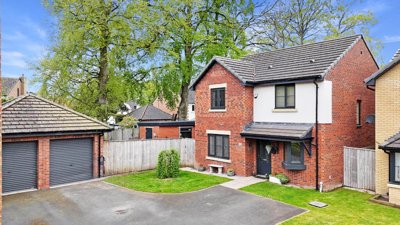
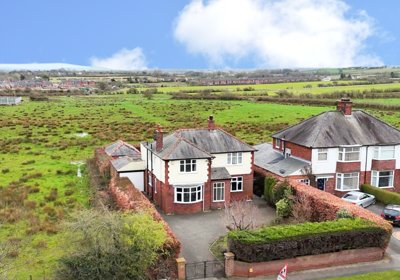
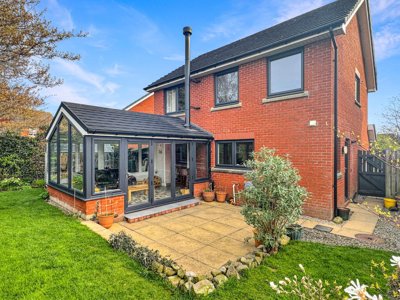
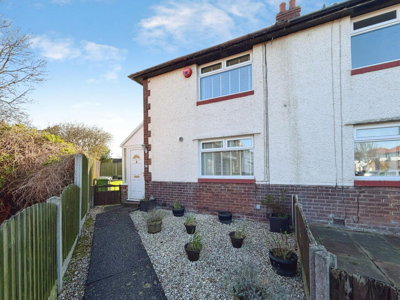
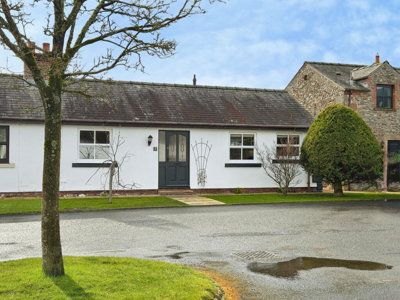
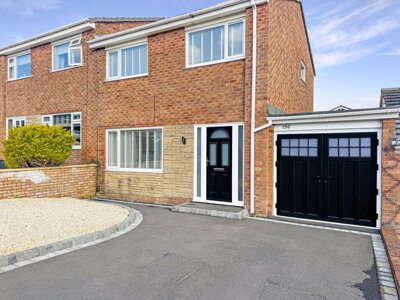
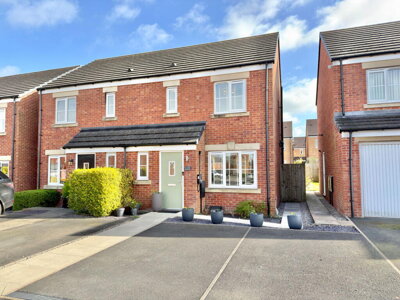
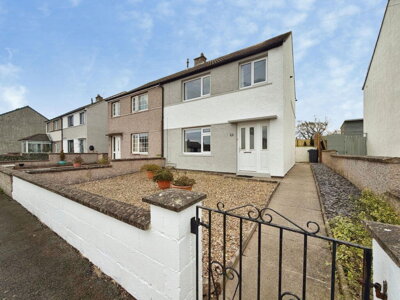
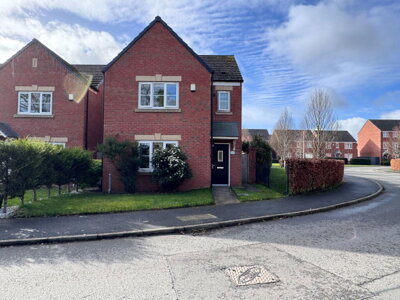
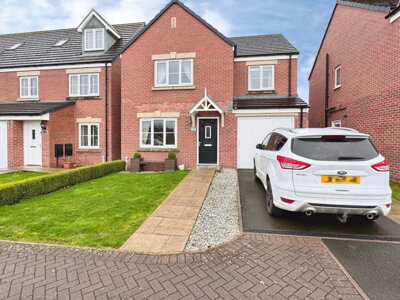
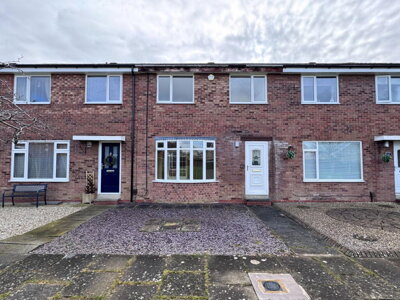
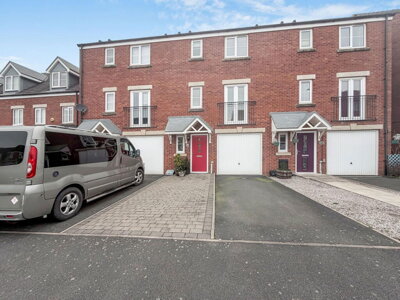
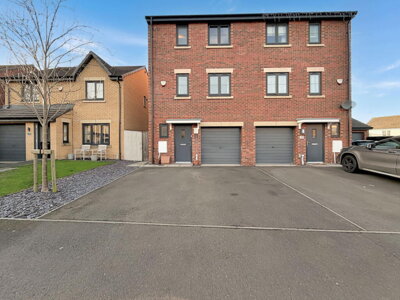
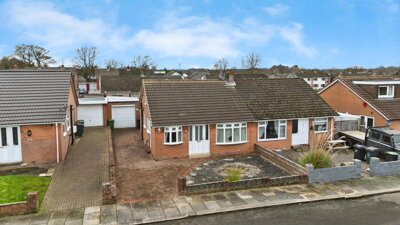
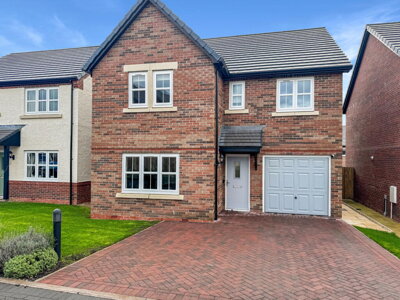
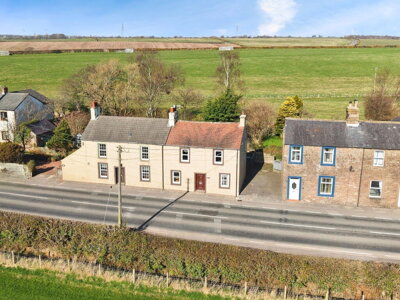
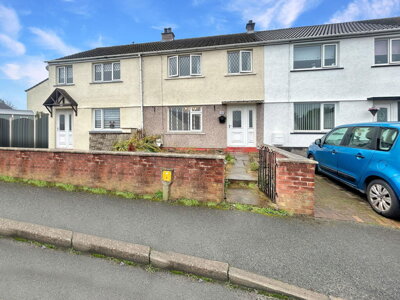
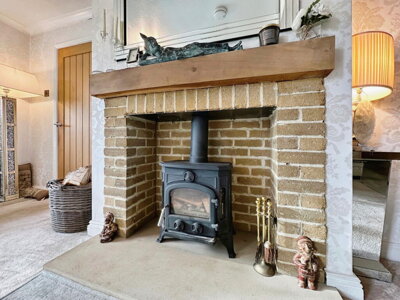
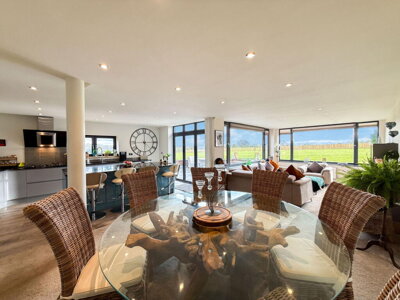
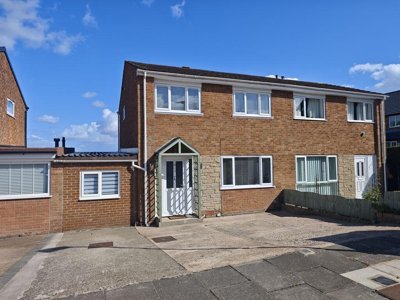
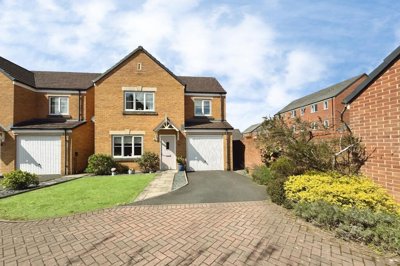
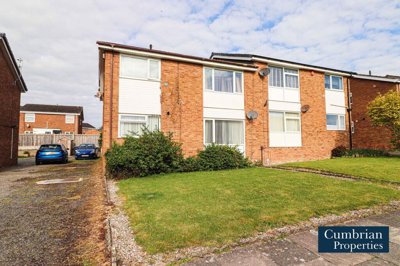
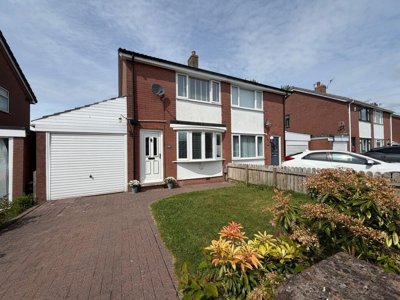
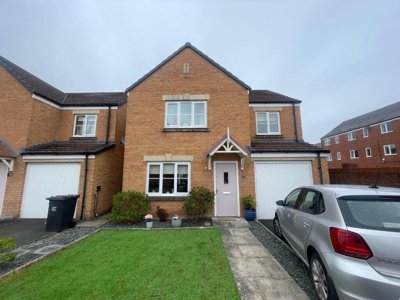
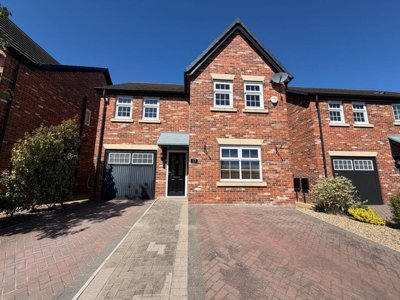
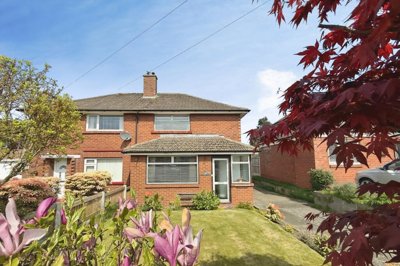
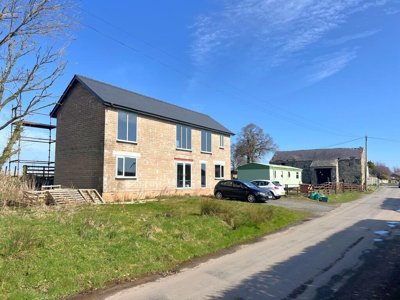
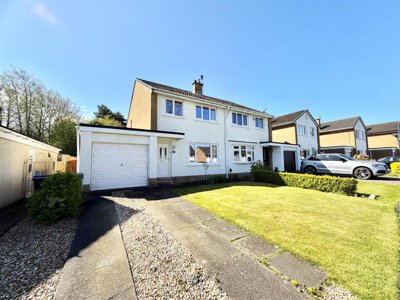
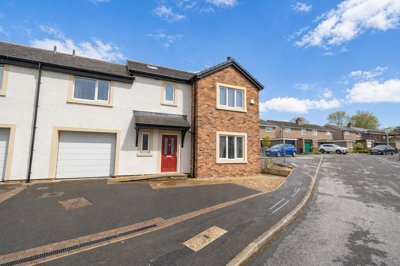
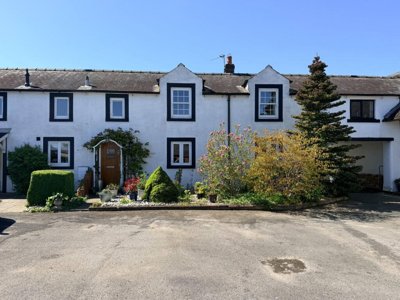
Browse 90 homes for sale in Orton from local estate agents.
Orton's property market mirrors the village itself, with traditional stone-built homes setting the tone and giving it that unmistakable Westmorland feel. Detached properties have averaged around £507,500 in recent sales, while character homes have commanded prices averaging £391,650. Most of the housing stock is made up of character homes and cottages, many from the pre-1919 era, though a handful of newer developments has brought some variety to the local scene. That mix of historic charm and rural setting appeals to buyers who prefer authenticity to modern uniformity. Over the last decade, 224 properties have been sold in the Orton with Tebay area, which points to a steady run of transactions in this sought-after village.
Sold prices in Orton have climbed by 5.5% over the last twelve months, a sign that demand in this desirable village remains solid. The longer view is a little more mixed, with prices 14% up on the previous year but still 34% below the 2021 peak of £402,312. That pull-back from the top of the market can work in buyers' favour, especially for those looking for better value than was on offer during the overheated years. Across Cumbria, there were 6,800 property sales over the same period, a 16.9% fall in transactions, yet Orton appears to be holding its own. New build activity in the county has recorded 225 sales in the previous twelve months, most of them in the £300,000 to £400,000 price band, although we did not identify any specific new build schemes within Orton village itself.
Anyone budgeting for a purchase should allow for Stamp Duty Land Tax of £7,083 on a typical £391,650 property, along with solicitor fees that usually sit between £500 and £1,500 for conveyancing. Our inspectors know the traditional stone homes found in Orton well, and we are familiar with the construction methods used across Westmorland Dales properties, from solid stone wall construction and lime mortar pointing to period roofing systems that need specialist eyes to judge properly.

Orton has the quiet confidence of a classic Cumbrian village, positioned on the edge of the Westmorland Dales National Park with the Lake District National Park also within easy reach. Its centre is defined by historic stone buildings, a village green, and a close-knit feel that larger towns struggle to match. Around the village, rolling fells, ancient woodland and broad valleys provide a dramatic backdrop for walking, riding and simple day-to-day life. Tourism and agriculture underpin the local economy, both deeply rooted in Cumbrian tradition. The nearby Howgill Fells and access to the Pennine Way open up excellent walking and climbing, while the Lune Valley gives cyclists and nature lovers plenty to enjoy.
The village is also known for a much-loved chocolate factory, now something of a local landmark and a draw for visitors from across the region. Day-to-day amenities include traditional pubs, a village shop and community facilities that cater for residents' everyday needs. The local population brings together families, retirees and people who want a slower pace away from urban pressure. On the fringes sits Orton Hall, a Grade II listed building that speaks to the area's history and architectural importance. Talk of a conservation area designation only reinforces the desire to preserve the village's distinctive character. Many homes belong to the Orton Hall estate or sit within a community that values the protection of traditional Westmorland architecture.
Orton is well placed for access to nearby centres. Penrith is roughly 15 miles away and serves as the main commercial centre for north Cumbria, while Appleby is just 8 miles off and offers extra services plus rail links on the scenic Settle-Carlisle line. Kendal lies about 17 miles away, opening up the wider South Lakes area. In practical terms, that means village peace with straightforward access to employment, shopping and transport. The A66 trunk road runs close by, giving good access to the M6 and linking Orton into the wider road network, so Manchester, Leeds and Newcastle are all reachable in around two to three hours by car.

Families looking at Orton will find schooling options through nearby primary schools serving the local area. Across Eden and South Lakeland, primary schools have picked up good Ofsted ratings, which is reassuring for parents. Catchment areas and admissions do matter, though, and in rural Cumbria they can make a real difference to school placement. Because the village is small, secondary education usually means travelling to nearby towns such as Appleby or Penrith, where schools serve wider areas and offer a broader mix of GCSE subjects and extracurricular activities.
Sixth form and further education choices are easy enough to reach in Penrith and Kendal, both of which have solid educational facilities. That access helps make Orton more practical for families with older children. Many parents are happy to pair village primary schooling with the wider options available at secondary level in the surrounding towns. School transport in rural areas is generally well established too, with bus services running for dispersed communities across the Eden district.
For homes with older children, it makes sense to check current Ofsted reports and admission criteria for schools in Appleby-in-Westmorland, the nearest market town with secondary provision. Travel to Appleby is straightforward via the A66, and Cumbria County Council also operates school buses for pupils who live within the relevant catchment areas. It is also worth looking at further education in Penrith, including the Newton Rigg College campus, which offers vocational and academic courses and gives young people a realistic option for staying local after GCSEs.

Orton sits in a useful spot for major road links, which suits residents who commute or regularly need access to regional services. Penrith lies around 15 miles away and acts as the main commercial centre for north Cumbria, with direct rail services to cities including Manchester and London Euston on the West Coast Main Line. The nearby A66 gives reliable access to the M6 at Junction 40 near Penrith and ties the village into the wider national road system. Appleby, only 8 miles away, adds local services and rail links on the Settle-Carlisle line, a route admired for its scenery through the Yorkshire Dales.
There are local bus services in the area, linking Orton with nearby villages and market towns for anyone who prefers public transport or wants to cut down on car use. From stations close by, the Settle-Carlisle railway line offers an alternative for longer journeys and has become increasingly popular with both tourists and commuters. Cyclists and walkers have a good network of rural lanes and footpaths to use, which makes short local travel more sustainable. The Pennine Way national trail runs through the region, opening access to some of the finest walking country in England, while dedicated cycle routes between villages in the Westmorland Dales provide safer options than the busier A-roads.
Working from home does not have to mean feeling cut off, because modern connectivity makes remote work possible from this very rural setting. Many people moving to Orton are professionals who have found that broadband improvements and better mobile coverage make country life work in practice. The Eden Valley is attracting more investment in digital infrastructure, although buyers should still check broadband speeds at individual properties, as rural service can vary sharply from one address to another. For everyday commuting, most residents still need a car, but the short trips to Penrith and Appleby mean that local or remote workers can enjoy a strong quality of life without long daily journeys.

We would begin by looking at current listings in Orton and getting a feel for the local property landscape. With so many older stone-built homes on the market, it is sensible to factor in maintenance or renovation work from the outset. Recent sold prices are worth studying too, because the average sold price of £391,650 gives a useful benchmark when comparing asking prices.
Before arranging viewings, it helps to secure a mortgage agreement in principle from a lender. That shows sellers you are serious and gives a clear picture of what you can borrow. With the average price in Orton sitting at around £391,650, borrowing power needs to be lined up with local values. We can point buyers towards mortgage brokers who know rural Cumbria and understand the demands of traditional stone-built homes.
It pays to visit several properties so the different styles on offer can be compared properly. Older homes deserve close attention, especially for damp, roof problems or outdated systems. We would note whether a property is freehold or leasehold, and check for any restrictions linked to conservation areas or listed status. Viewing at different times of day, and in different weather, gives a better sense of a property's character and condition.
Once the preferred property is identified, a RICS Level 2 Survey should be commissioned to assess its condition in detail. Because many Orton homes are old and built in traditional stone, this survey can identify structural concerns, defects or repairs before you commit to buy. Our RICS qualified inspectors know the construction methods used in Westmorland properties and can report in detail on stone walls, lime mortar pointing and period roofing systems.
The next step is to appoint a conveyancing solicitor to handle the legal side of the purchase. They will run searches, review contracts and manage the transfer of ownership. In a rural place where conservation area restrictions or listed building obligations may apply, it is wise to use a solicitor with experience of similar properties in Cumbria. We recommend solicitors who understand the implications of owning a home in a village with heritage considerations.
Once searches are clear and finance is in place, contracts are exchanged and the deposit is paid. Completion comes next, the keys are handed over and ownership of the new Orton home passes across. Our team stays involved through those final stages, helping the move into Cumbrian village life go as smoothly as possible.
Buying in Orton means paying close attention to what makes the local housing stock different. Traditional stone-built homes need careful checking for cracks, bulging and signs of earlier repair work. Lime mortar was used in these older properties, and cement repairs can cause long-term harm to solid stone walls. We regularly find problems with unsuitable modern mortars and cement repointing on older Westmorland homes, where trapped moisture can gradually damage the stonework. String courses, window reveals and door frames also deserve a proper look, as they are often the first areas to show weathering and decay on traditional stone properties.
The roof matters just as much, and slipped slates or leadwork deserve particular attention on stone-built homes of uncertain age. Many Orton properties have traditional slate or stone tile roofs, which can suffer in severe weather, something Cumbria knows well. Our inspectors assess the age and condition of roofing materials, look for previous repairs and examine lead flashings around chimneys and valleys, which are common entry points for water in older homes. Guttering and downpipes should also be checked, because they play a key role in carrying water away from stone walls and foundations.
Because the village lies close to Orton Hall and may be affected by conservation area designation, buyers should look carefully at any planning restrictions that could affect future use of the property. Where listed building status applies, maintenance and alterations come with specific obligations, and buyers should be fully satisfied about any heritage designations before moving ahead. Flood risk also needs proper research, as Cumbria is no stranger to extreme weather and valley properties can be more exposed. The Environment Agency flood risk maps should be checked, and we recommend asking our solicitor to include a specific flood risk search as part of the conveyancing process for any Orton property.
Service charges and ground rent are unlikely to matter much for most detached and terraced homes, though converted apartments should be looked at very carefully. Properties that form part of the Orton Hall estate, or similar conversions, may carry maintenance responsibilities. Our inspectors always report on tenure and flag unusual lease terms or encumbrances that could affect resale or future renovation plans. We also look for signs of neighbour disputes or maintenance issues that might not be obvious during a casual viewing.

The average sold price in Orton, Cumbria currently stands at approximately £391,650 according to recent market data from homedata.co.uk, with home.co.uk reporting £391,650 as of January 2026. Detached properties have averaged around £507,500, while character homes have achieved approximately £391,650. Prices have risen by 5.5% over the last twelve months, though they remain 34% below the 2021 peak of £402,312. That points to a market that is settling, with decent opportunities for buyers looking for value in a village setting within the Westmorland Dales.
Properties in Orton fall under Eden District Council, which covers most of the village. Council tax bands in this district run from A to H, with most traditional stone cottages and terraced homes usually landing in bands A to C. Larger detached houses, converted farm buildings and newer homes may sit in higher bands. Buyers should check the exact banding with Eden District Council or view the council tax classification on the Valuation Office Agency website so ongoing costs are budgeted properly.
Orton village has access to local primary schools serving the immediate community, while schools across Eden and South Lakeland have achieved good Ofsted ratings in recent inspections. For secondary education, families usually look to nearby towns such as Appleby-in-Westmorland or Penrith, where a broader range of GCSE and A-level choices is available. The nearest secondary school in Appleby can be reached via the A66 trunk road, and school transport is available for pupils within the catchment area. Parents should check current Ofsted reports and admission criteria to decide which options best suit their children.
Orton is served by local bus services linking the village with nearby towns and villages, although frequencies can be modest compared with urban areas and operating hours may not suit daily commuters. The nearest railway stations are in Penrith and Appleby, giving access to the West Coast Main Line and the scenic Settle-Carlisle line respectively. Penrith station offers direct services to major cities including Manchester and London Euston, which makes occasional business travel manageable. The A66 trunk road passes close to the village, providing dependable road links to the M6 and beyond, but for day-to-day commuting most residents still need a car.
Several features make Orton appealing to property investors, not least its position close to two national parks and its recognisable Cumbrian character, which continues to attract buyers looking for a rural way of life. Demand is relatively steady, helped by people moving out of towns, and the average sold price has shown consistent appreciation of 5.5% annually. Older stone properties can also bring renovation potential, although the limited local employment base and the importance of tourism and agriculture should not be ignored. Capital growth has been measured rather than dramatic, so Orton tends to suit lifestyle buyers who want to enjoy the home rather than investors chasing fast returns.
For standard buyers, Stamp Duty Land Tax starts at 0% on the first £250,000 of property value, then rises to 5% on the portion between £250,001 and £925,000. On a typical Orton property priced at the current average of approximately £391,650, that produces SDLT of approximately £7,083 on the portion above £250,000. First-time buyers receive relief on the first £425,000, so there is no SDLT on properties up to that threshold, followed by 5% on the portion between £425,001 and £625,000. Our solicitor will calculate the exact amount due once personal circumstances and any other reliefs have been taken into account.
We strongly recommend a RICS Level 2 Survey for any Orton property, given how many homes are traditional stone-built houses that may be more than 100 years old. Our inspectors have extensive experience across the Westmorland Dales and understand the construction methods used in traditional Cumbrian properties, including solid stone walls, lime mortar pointing and period timber roof structures. A thorough survey will pick up structural concerns, defects or repairs before you commit to purchase, which could save thousands of pounds in unexpected renovation costs. The cost of a RICS Level 2 Survey typically ranges from £350 to £600 depending on property size, which is good value compared with the cost of missed defects.
Specific flood risk data for individual Orton properties was not available in our research, but Cumbria has seen major flooding events in recent years and valley properties should be assessed carefully. We recommend checking the Environment Agency flood risk maps and asking our solicitor to include a specific flood risk search in the conveyancing process. Homes away from watercourses and on higher ground may carry less risk, yet the hilly landscape and severe weather that can affect Cumbria mean buyers should still satisfy themselves on flood exposure. Buildings insurance may also cost more where there is any flood risk history or location.
It is important to understand the full cost of buying in Orton so budgeting is realistic from the start. Beyond the property price itself, buyers need to allow for Stamp Duty Land Tax, which applies to all purchases above £250,000 at standard rates. For a typical Orton property priced at the current average of approximately £391,650, a standard buyer would pay around £7,083 in SDLT on the portion above £250,000. First-time buyers purchasing properties up to £425,000 would pay no SDLT under current relief provisions, which makes village homes more accessible for those entering the market for the first time in Cumbria.
Other buying costs include solicitor fees for conveyancing, which usually fall between £500 and £1,500 depending on complexity and whether the property is freehold or leasehold. Rural homes with added complications such as rights of way, agricultural restrictions or conservation area obligations may cost more in legal fees. A RICS Level 2 Survey costs from approximately £350 to £600 depending on property size, and we particularly recommend it for the older stone-built homes common in Orton, where traditional construction needs specialist assessment. Our inspectors can pick up defects common to traditional building, including problems with stone walls, timber framing and older roofing systems that might not show during a standard mortgage valuation.
An Energy Performance Certificate is also required by law for all property sales, and it typically costs between £60 and £120, with the EPC rating often affecting how attractive a home is to energy-conscious buyers. Mortgage arrangement fees and valuation fees should also be included in the budget, with many lenders offering packages that cover these costs. If a property is listed or sits within a conservation area, specialist surveys may be needed, and we would suggest allowing an extra £200 to £500 for heritage-related assessments. Buildings insurance should be in place from exchange, and contents cover from completion, with rural properties sometimes needing specialist insurers who understand traditional construction methods.

🏠
Our RICS Level 2 Survey is recommended for all Orton properties because traditional stone construction is so common. From £350
🏠
For older properties or where a more detailed structural assessment is needed. From £500
🏠
Required for all property sales. From £60
🔑
Our recommended conveyancing solicitors understand Orton and rural Cumbria properties. From £499
Properties for Sale In London

Properties for Sale In Plymouth

Properties for Sale In Liverpool

Properties for Sale In Glasgow

Properties for Sale In Sheffield

Properties for Sale In Edinburgh

Properties for Sale In Coventry

Properties for Sale In Bradford

Properties for Sale In Manchester

Properties for Sale In Birmingham

Properties for Sale In Bristol

Properties for Sale In Oxford

Properties for Sale In Leicester

Properties for Sale In Newcastle

Properties for Sale In Leeds

Properties for Sale In Southampton

Properties for Sale In Cardiff

Properties for Sale In Nottingham

Properties for Sale In Norwich

Properties for Sale In Brighton

Properties for Sale In Derby

Properties for Sale In Portsmouth

Properties for Sale In Northampton

Properties for Sale In Milton Keynes

Properties for Sale In Bournemouth

Properties for Sale In Bolton

Properties for Sale In Swansea

Properties for Sale In Swindon

Properties for Sale In Peterborough

Properties for Sale In Wolverhampton

Enter your details to see if this property is within your budget.
Loans, cards, car finance
Estimated property budget
Borrowing + deposit
You could borrow between
Typical borrowing
Monthly repayment
Est. at 4.5%
Loan-to-value
This is an estimate only. Your actual budget may vary depending on interest rates, credit history, and personal circumstances. For an accurate affordability assessment, speak to one of our free mortgage advisors.
This calculator provides estimates for illustrative purposes only and does not constitute financial advice. Your home may be repossessed if you do not keep up repayments on your mortgage. Estimates based on 4.5% interest rate, repayment mortgage. Actual rates depend on your circumstances.
Homemove is a trading name of HM Haus Group Ltd (Company No. 13873779, registered in England & Wales). Homemove Mortgages Ltd (Company No. 15947693) is an Appointed Representative of TMG Direct Limited, trading as TMG Mortgage Network, which is authorised and regulated by the Financial Conduct Authority (FRN 786245). Homemove Mortgages Ltd is entered on the FCA Register as an Appointed Representative (FRN 1022429). You can check registrations at NewRegister or by calling 0800 111 6768.

We use cookies to show you personalised content and improve your experience of our website. Find out more in our Privacy policy and Cookie policy.