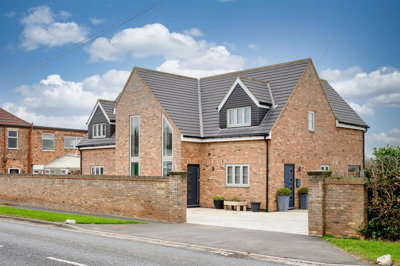
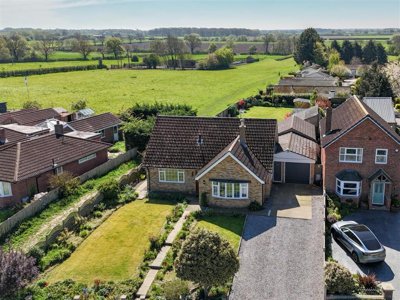
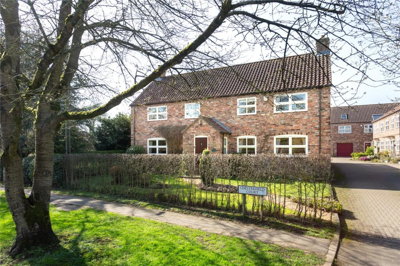
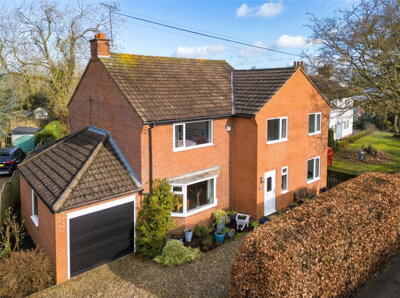
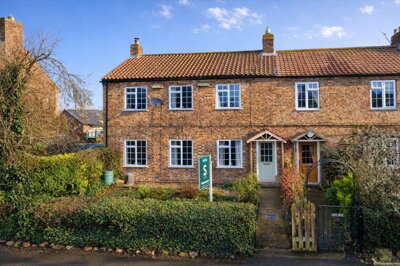
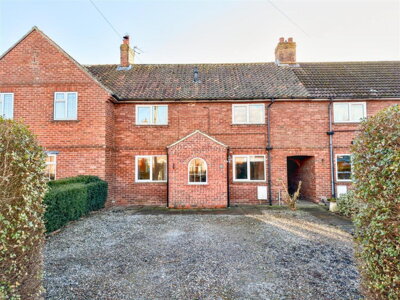
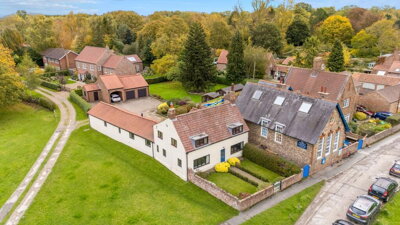
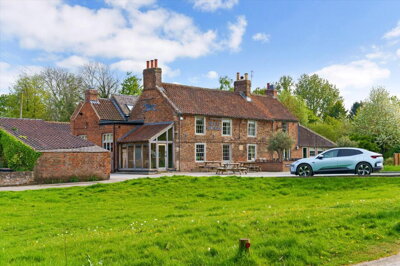
Browse 11 homes for sale in Nun Monkton from local estate agents.
The larger property sector typically features multiple bathrooms, substantial reception space, and private gardens or off-street parking. Four bedroom houses in Nun Monkton span detached, semi-detached, and occasionally terraced configurations, with styles ranging from period properties to modern executive homes.
Detached homes dominate the Nun Monkton market, and they account for approximately 60% of the local housing stock. Average prices for that type sit at £625,000, a reflection of the space, the gardens and the kind of generous plots the village offers. Low-density development means homes here often have more breathing room than their urban counterparts, with many looking out across open farmland or towards the River Nidd. Semi-detached homes make up around 25% of available housing, and they usually sell for approximately £350,000, which gives buyers a slightly more attainable route into this desirable village.
Cottages and terraced houses in Nun Monkton usually begin at £250,000, with age and character doing much of the pricing work. Many sit in the historic core close to the village green and the local pub, so they have the sort of English countryside setting people picture before they even arrive. Flats are scarce here, at only about 5% of the housing stock, and average around £180,000. With such limited supply, apartment buyers often end up looking in nearby villages or on the edge of York instead.
Nun Monkton’s housing stock is mostly historic, and the age profile shows it clearly. Around 40% of homes were built before 1919, often in traditional red brick or local stone with lime mortar pointing and timber floors. Another 15% date from 1919-1945, while approximately 25% were built between 1945 and 1980 using cavity wall brick construction. Only about 20% is post-1980, including some infill schemes and converted agricultural buildings. Put together, that means around 80% of properties in the village are over 50 years old, so a thorough survey before purchase matters a great deal.

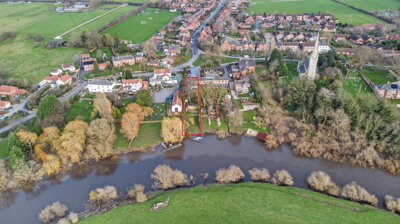
Village life in Nun Monkton is shaped by community and by the slower pace of rural Yorkshire. With approximately 300 residents living in 120 households, it feels intimate, and neighbours tend to know one another. The village green sits at the centre of things, while the popular local pub gives people a place to meet for food and conversation. The Church of St Mary dominates the skyline and points back to the village’s medieval origins as a Benedictine nunnery settlement. Its conservation area designation helps keep new development in step with the traditional character that makes Nun Monkton so distinctive.
Agriculture still drives much of the local economy, with surrounding farms providing work and shaping the landscape. Even so, Nun Monkton has drawn more commuters in recent years, especially people working in York or Harrogate who want a quieter base away from the city. The River Nidd brings riverside walks and fishing, and the farmland around the village links into a wide network of public footpaths for walkers and cyclists. The village shop is modest, but it covers basic daily needs, and the lack of major retail outlets helps keep the community self-reliant.
The flat land here, typical of the Vale of York, makes walking and cycling straightforward across the surrounding countryside. Beneath it lies a mix of alluvium and glacial till over Sherwood Sandstone Group bedrock, a geology that has supported fertile farmland for centuries. Clay-rich soils do bring their own issues, though, especially around foundation movement and drainage. Living in Nun Monkton means accepting a slower rhythm, with essential services usually needing a short drive to nearby villages or into York.

For families looking at a move to Nun Monkton, schooling is mainly found in surrounding villages and nearby towns. There is no primary school in the village itself, so the nearest options are elsewhere and usually serve catchment areas that include Nun Monkton. Parents should check the latest arrangements with North Yorkshire Council, because admissions can be competitive in popular rural areas. The nearby primaries are typically small, community-minded schools, giving children a solid start in their early years.
A number of primary schools within a reasonable drive serve the Nun Monkton area, including those in Boroughbridge, Aberford and Spofforth, each with its own feel. These schools normally take children aged 5-11 and tend to keep close ties with the communities around them. Their rural setting often brings strong outdoor learning opportunities, with grounds that open out towards the surrounding farmland and countryside of the Vale of York.
Older children have secondary options in the larger market towns within reasonable driving distance. North Yorkshire’s selective system means grammar schools in York and Harrogate are open to Nun Monkton residents who meet the academic standard, and schools such as Harrogate Grammar School and York Grammar School draw pupils from a wide area. Families looking at independent education will find several private schools in York and Harrogate, with transport arrangements available from the village. York also gives easy access to further and higher education, about 12 miles away, where the University of York and York St John University offer a full range of undergraduate and postgraduate programmes. It is a useful balance, village life with strong educational reach.

Getting to work from Nun Monkton is fairly straightforward, thanks to its position between York and Harrogate. The village sits approximately 12 miles north of York city centre, and by car the trip usually takes 25-30 minutes, depending on traffic. Drivers can reach the A59 via nearby Little Ouseburn, which gives a direct route towards larger employment centres through Harrogate and Skipton and on to the Lancashire coast. The A1(M) is also within reasonable driving distance for travel to Leeds, Newcastle or farther afield.
For people commuting into York each day, the Park and Ride sites on the outskirts of the city can make life easier. Askham Bar and Poppleton Bar are especially convenient from the Nun Monkton side, and they provide a practical way into the city centre without the stress of parking. Harrogate is also manageable, with the drive taking approximately 40 minutes via the A59 and through the countryside of the Harrogate district.
Public transport is limited here, which is exactly what you would expect from a small rural village. Bus services do run between Nun Monkton, York and the surrounding villages, but not as frequently as urban routes. York and Harrogate are the nearest railway stations, and both offer regular services to major cities including London, Edinburgh, Leeds and Manchester. From York station, LNER reaches London King’s Cross in approximately two hours. For anyone who works from home or keeps flexible hours, the village has superfast broadband that supports remote working well. The flat terrain is also a bonus for cyclists, making local journeys and leisure rides across the Vale of York far easier.

Because approximately 80% of Nun Monkton properties are over 50 years old, buyers need to keep an eye out for the usual defects found in older homes. Damp is a common issue, especially rising damp where pre-modern buildings lack an effective damp-proof course. Penetrating damp also appears often, usually caused by faulty rainwater goods, worn pointing or damaged render on the traditional brick and stone walls that define so much of the village’s historic housing.
Roofs deserve close attention too when buying in Nun Monkton. Older ones, especially on pre-1919 homes, often show wear in the form of slipped tiles, failing ridge pointing and tired leadwork around chimneys and valleys. The clay tiles and natural slate used on historic properties need maintenance methods that differ from those used on modern concrete tile roofs. Timber problems can also crop up, including woodworm and both wet and dry rot, and these often affect roof timbers, floor joists and window frames in older village homes.
Nun Monkton’s ground conditions bring their own set of concerns for owners. Clay-rich soils from alluvium and glacial till mean that homes with large trees nearby, particularly those on shallow foundations, can be vulnerable to subsidence or heave. Our inspectors often come across signs of structural movement near the River Nidd and in lower-lying spots where the ground is less stable. Properties near the river or in low-lying areas also face extra flood risk, and surface water flooding can become an issue in heavy rain because the flat land and clay soils slow drainage.

Homes in Nun Monkton reflect different construction methods depending on when they were built. Pre-1919 properties, which account for approximately 40% of the housing stock, are usually solid wall buildings in local red brick or Yorkshire stone, with timber floors, pitched roofs covered in slate or clay tiles, and lime mortar pointing throughout. These older methods give the houses plenty of thermal mass, but they need a different approach to maintenance, especially where breathability and moisture control are concerned.
Homes built between 1919 and 1980 generally use cavity wall construction in brick, often topped with concrete tiled roofs and fitted with wiring or plumbing that may be original or only partly updated. A fair number of these mid-century houses still have electrics that fall short of current safety standards, and plumbing can include galvanised steel pipes that corrode from the inside over time. Our surveyors regularly flag outdated electrics and plumbing as concerns in properties of this age across the village.
The post-1980 homes in Nun Monkton make up approximately 20% of the stock and usually follow standard modern construction, with cavity walls, brick or rendered finishes, and concrete tiled roofs. They tend to need less maintenance than older properties, although they often lack the character and solid build quality of the village’s historic houses. The conservation area status, along with numerous listed buildings, means any work to older properties has to respect their architectural importance, and specialist advice is sensible before alterations or renovation work begins.

Start by looking through Nun Monkton property listings and getting a feel for local pricing. Detached homes average £625,000, and conservation area controls affect permitted development rights, so it pays to know exactly what is on offer before going any further. The age profile matters too, with 80% of homes over 50 years old, and renovation costs on historic properties should sit in the budget from the outset.
Our advice is to speak to a mortgage broker and secure an agreement in principle before you start viewing. It strengthens your position when you make an offer and shows sellers that you are financially ready. With Nun Monkton’s higher average property prices, buyers should check that the mortgage in principle covers the full purchase price with comfort to spare.
Viewings should focus on homes that match your brief, but older properties deserve extra scrutiny. Look for signs of structural movement, and think about how close the property sits to flood-risk areas near the River Nidd. The conservation area designation can also affect future alterations, so check roofs, walls and rainwater goods, and make a note of any mature trees close to the building that could influence the foundations.
Before you exchange, it is sensible to commission a RICS Level 2 Survey to pick up structural issues or hidden defects. For a typical 3-bedroom detached property in Nun Monkton, the cost usually falls between £550 and £750. Clay soils and historic building methods are common here, so this survey matters more than usual and can reveal things a standard viewing will not.
Choose a conveyancing solicitor to handle the legal side of the purchase. They will carry out local searches, review the title deeds and work with the seller’s solicitors through to completion. Searches through Harrogate Borough Council are important here because of the flood risk and the conservation area designation.
Once the searches come back clean and the finance is in place, contracts are exchanged and the deposit is paid. Completion normally follows within days or weeks, and then the keys are handed over so you can move into your Nun Monkton home.
Several local factors need careful thought when buying in Nun Monkton, especially if the village is new to you. The geology brings a moderate to high shrink-swell risk because of clay-rich soils formed from alluvium and glacial till. That means homes with large trees nearby, particularly those with shallow foundations, can be prone to subsidence or heave movement. A full RICS Level 2 Survey will look for signs of structural movement, and buyers should watch for cracks in walls, sticking doors or windows, and uneven floors during viewings. Flood risk also rises near the River Nidd and in low-lying areas, so that deserves proper attention too.
The conservation area status affects what owners can and cannot do without planning permission. External changes, including new windows, doors, roofing materials and boundary treatments, may need consent from the Harrogate Borough Council planning department. Listed buildings bring tighter restrictions on permitted development rights, and any work to a historic property has to respect its architectural significance. Buyers should also allow for renovation costs, because bringing older homes up to modern standards often costs more than it does with non-listed properties.
Across Nun Monkton’s historic housing, traditional construction methods call for a different approach to upkeep than modern buildings do. Solid brick walls work better with lime mortar pointing than cement, since cement can trap moisture and lead to deterioration in older structures. Timber-framed elements, common in the village’s oldest properties, need regular checks for woodworm and rot. Once buyers understand those methods, they can better appreciate both the character of Nun Monkton homes and the maintenance that comes with owning one.
The average property price in Nun Monkton is £495,000 as of February 2026. Detached homes average £625,000, semi-detached homes cost around £350,000, and terraced properties start from approximately £250,000. Prices have risen by approximately 3% over the past 12 months, which reflects stronger demand from buyers who want village life within commuting distance of York and Harrogate. The village recorded 15 property sales in the past year, a decent level of activity for a community this small.
Nun Monkton falls under Harrogate Borough Council, and council tax bands vary depending on how each property is valued. Most homes sit somewhere between A and F, with traditional village houses often landing in the C to E range. Buyers should check the exact band for any property they are considering, because it affects annual running costs. Band D is common for mid-sized family homes, while smaller cottages and older properties may sit in lower bands.
There is no primary school within Nun Monkton itself, so children usually attend schools in surrounding villages such as Boroughbridge, Aberford and Spofforth. Secondary choices include schools in York and Harrogate, and academically able pupils can access selective grammar schools such as Harrogate Grammar School and York Grammar School. Independent schools across the wider area add more choice, with several private schools in York and Harrogate offering transport for rural pupils. Before buying, families should check the latest catchment arrangements with North Yorkshire Council, as admissions in rural areas can be competitive.
Public transport remains limited, which is part and parcel of Nun Monkton’s rural setting. Bus services link the village with York and surrounding villages, although they run less often than urban routes. York and Harrogate are the nearest railway stations, and both give strong connections to London, Edinburgh, Leeds and Manchester. From York station, LNER services reach London King’s Cross in approximately two hours. Most residents use cars for everyday travel, though the village’s position between York and Harrogate keeps road commuting via the A59 relatively simple.
For property investors, Nun Monkton has a few clear attractions. Conservation area status and a limited pipeline of new homes help support values over time, while commuter demand from people working in York and Harrogate keeps rental interest alive. The countryside setting and close-knit feel also appeal to families looking for a rural lifestyle. The main drawbacks are the small rental market and the way conservation restrictions can limit development. Homes here tend to change hands slowly too, with only 15 sales recorded in the past year, which can make the market less liquid for investors.
Stamp Duty Land Tax applies to every residential purchase in England. Under the standard rates, you pay 0% on the first £250,000, 5% on £250,001 to £925,000, 10% on £925,001 to £1.5 million, and 12% above £1.5 million. First-time buyers pay 0% on the first £425,000, then 5% up to £625,000. With Nun Monkton’s average price at £495,000, most buyers would pay approximately £12,250 in stamp duty, while first-time buyers may pay around £3,500.
Homes in Nun Monkton close to the River Nidd face a higher risk of fluvial, or river, flooding, especially where low-lying land sits near the banks. Surface water flooding can also become an issue during heavy rainfall, because the Vale of York is flat and the clay soils slow natural drainage. Our team recommends asking for a flood risk assessment as part of the conveyancing process and, where possible, favouring homes at higher elevations. Insurance can also be more expensive for properties with significant flood exposure.
Nun Monkton sits on clay-rich soils formed from alluvium and glacial till above Sherwood Sandstone Group bedrock. Unlike some parts of Yorkshire, there is no significant historical coal mining activity directly under the village, which lowers the risk of mining-related subsidence. Even so, the clay soils still bring a moderate to high shrink-swell risk, particularly for homes with large trees nearby or shallow foundations. Any property with trees within falling distance should be assessed by a structural engineer as part of the purchase.
Buying in Nun Monkton brings several costs beyond the purchase price, and they need to be budgeted for carefully. Stamp Duty Land Tax is usually the biggest extra bill, with standard rates of 0% on the first £250,000, 5% on the portion between £250,001 and £925,000, 10% on amounts between £925,001 and £1.5 million, and 12% on anything above £1.5 million. At the village average of £495,000, a standard buyer would pay around £12,250 in stamp duty. First-time buyers may qualify for reduced rates, paying 0% on the first £425,000 and 5% on the part up to £625,000, so a first-time buyer at the village average would pay around £3,500.
Professional fees usually include a RICS Level 2 Survey, which for a 3-bedroom property typically costs between £550 and £750, depending on the surveyor’s workload and how complex the property is. Listed buildings, or homes in poor condition, may need a more detailed RICS Level 3 Building Survey at extra cost. Because many Nun Monkton properties are listed or lie within the conservation area, buyers should plan for specialist survey work that can sit above standard survey budgets.
Conveyancing fees for solicitor work, local searches and Land Registry registration generally come in at £500 to £1,500, depending on how complex the transaction is and whether the property is freehold or leasehold. Searches through Harrogate Borough Council cover drainage and water, environmental checks and planning history, all of which matter in a village with flood risk and conservation area controls. Removal costs, mortgage surveyor’s fees and any mortgage arrangement charges also need to sit in the overall budget for a move to Nun Monkton.
Properties for Sale In London

Properties for Sale In Plymouth

Properties for Sale In Liverpool

Properties for Sale In Glasgow

Properties for Sale In Sheffield

Properties for Sale In Edinburgh

Properties for Sale In Coventry

Properties for Sale In Bradford

Properties for Sale In Manchester

Properties for Sale In Birmingham

Properties for Sale In Bristol

Properties for Sale In Oxford

Properties for Sale In Leicester

Properties for Sale In Newcastle

Properties for Sale In Leeds

Properties for Sale In Southampton

Properties for Sale In Cardiff

Properties for Sale In Nottingham

Properties for Sale In Norwich

Properties for Sale In Brighton

Properties for Sale In Derby

Properties for Sale In Portsmouth

Properties for Sale In Northampton

Properties for Sale In Milton Keynes

Properties for Sale In Bournemouth

Properties for Sale In Bolton

Properties for Sale In Swansea

Properties for Sale In Swindon

Properties for Sale In Peterborough

Properties for Sale In Wolverhampton

Enter your details to see if this property is within your budget.
Loans, cards, car finance
Estimated property budget
Borrowing + deposit
You could borrow between
Typical borrowing
Monthly repayment
Est. at 4.5%
Loan-to-value
This is an estimate only. Your actual budget may vary depending on interest rates, credit history, and personal circumstances. For an accurate affordability assessment, speak to one of our free mortgage advisors.
This calculator provides estimates for illustrative purposes only and does not constitute financial advice. Your home may be repossessed if you do not keep up repayments on your mortgage. Estimates based on 4.5% interest rate, repayment mortgage. Actual rates depend on your circumstances.
Homemove is a trading name of HM Haus Group Ltd (Company No. 13873779, registered in England & Wales). Homemove Mortgages Ltd (Company No. 15947693) is an Appointed Representative of TMG Direct Limited, trading as TMG Mortgage Network, which is authorised and regulated by the Financial Conduct Authority (FRN 786245). Homemove Mortgages Ltd is entered on the FCA Register as an Appointed Representative (FRN 1022429). You can check registrations at NewRegister or by calling 0800 111 6768.

We use cookies to show you personalised content and improve your experience of our website. Find out more in our Privacy policy and Cookie policy.