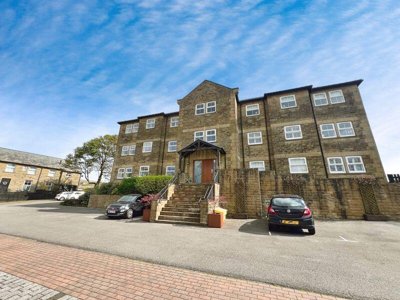
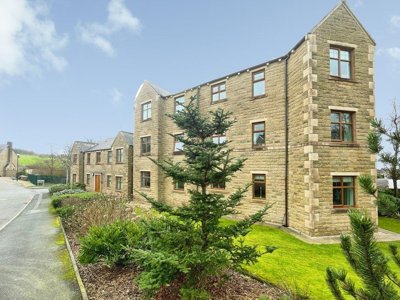
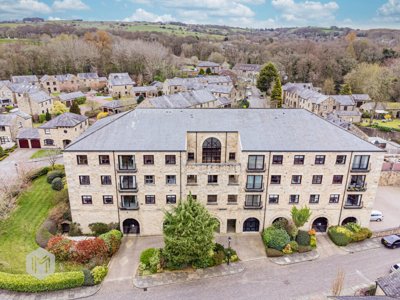
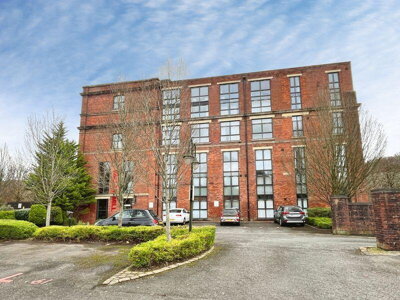
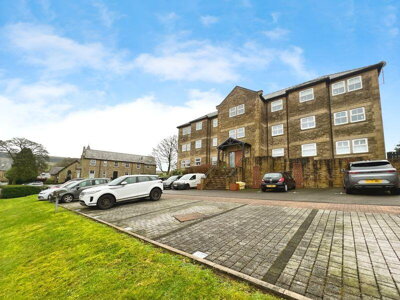
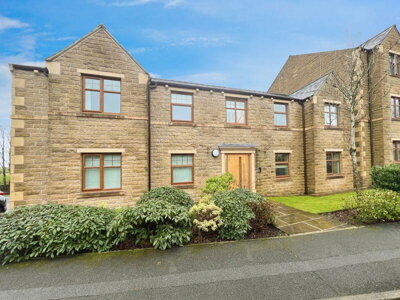
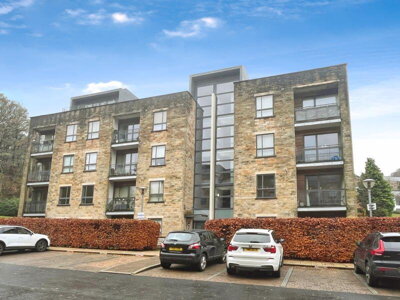
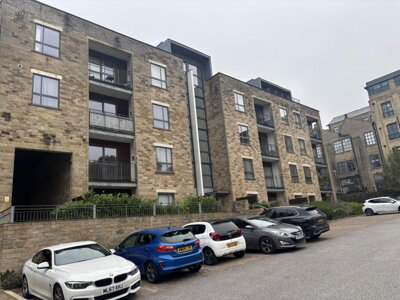
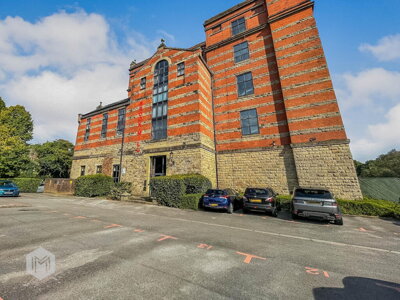
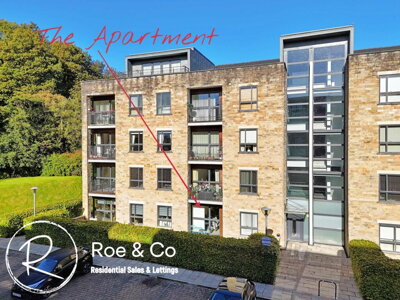
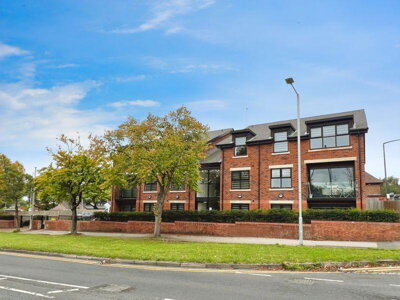
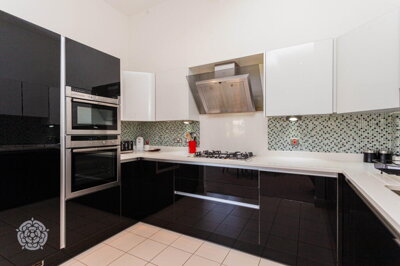
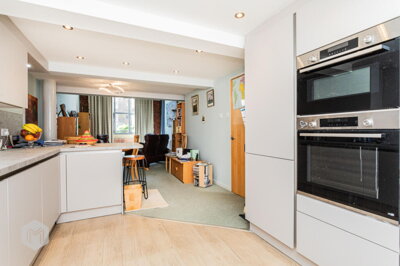
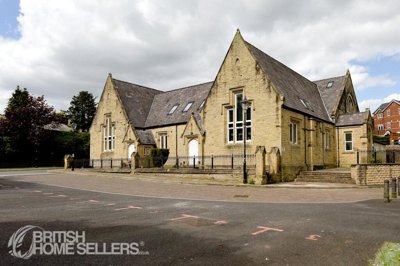
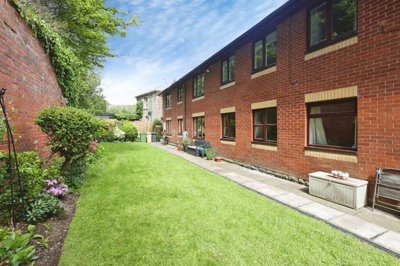
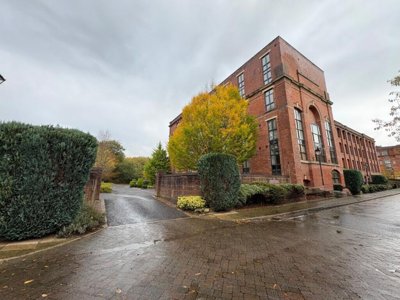
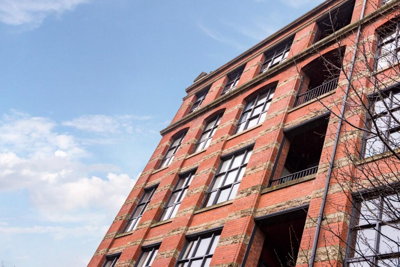
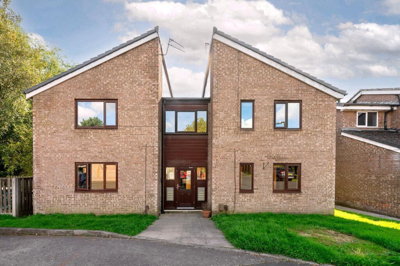
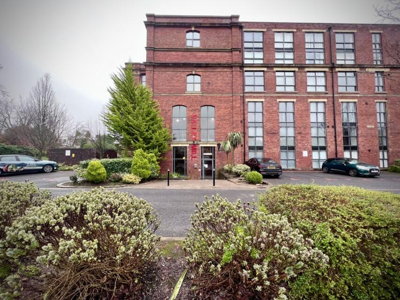
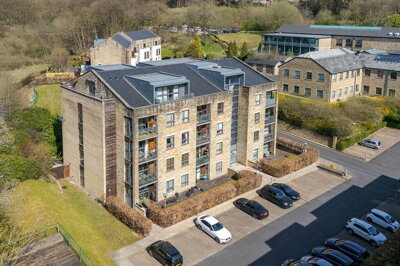
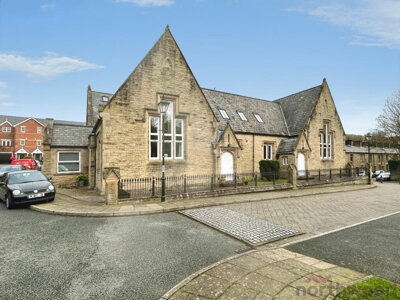
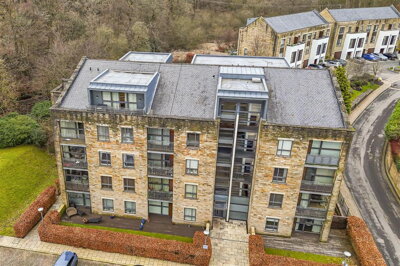
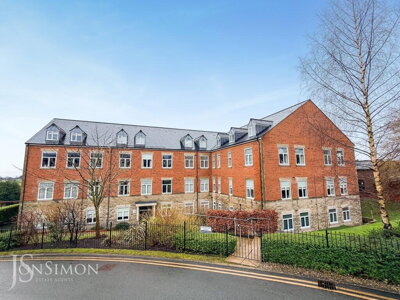
Browse 46 homes for sale in North Turton from local estate agents.
Studio apartments feature open-plan living spaces without separate bedrooms, incorporating sleeping, living, kitchen, and bathroom facilities. The North Turton studio market includes properties in modern apartment complexes, converted Victorian and Georgian buildings, and purpose-built developments.
North Turton has held up well despite wider economic pressure, with property prices easing by 1.41% over the past twelve months. That steadiness says a lot about the area’s pull for buyers who want a semi-rural setting without losing useful transport links. At £536,751, the average property price puts North Turton in the mid-range for Lancashire, offering better value than neighbouring Bolton and Manchester, while keeping the village feel that bigger urban areas cannot quite offer.
The housing mix in North Turton reflects its history, and the stock is nicely varied. Detached homes sit at the top of the market, averaging £859,164 and making up 48% of recent sales, which is why they remain popular with families wanting room and privacy. Semi-detached properties average £526,990, account for 30% of transactions, and strike a sensible balance between space and cost for buyers moving up. Terraced houses, at £264,717 on average, represent 16% of sales and give first-time buyers a more accessible route in, while flats average £196,667 and form 6% of the market, often suiting younger professionals or anyone after a lower-maintenance home.
Different property types have moved in different ways over the past year. Detached homes saw the sharpest fall at 1.74%, which is hardly surprising given their higher values and the way they respond to shifts in confidence. Semi-detached properties were more resilient at 0.93%, terraced homes slipped by 1.02%, and flats changed least, at 0.74%. Taken together, those figures point to a market that has taken the economic hit without much fuss, which will suit buyers who want some reassurance around value.

North Turton sits in the Borough of Blackburn with Darwen, on the southern fringe of the West Pennine Moors. Rolling hills, farmland and the gritstone villages typical of this stretch of Lancashire shape the landscape. The name comes from the historic Turton Township, and the village centre still has a traditional look, with stone cottages, local pubs and community spaces that serve North Turton and the nearby hamlets. Geologically, the area is underpinned by Carboniferous rocks, including sandstones and shales, while glacial deposits have left clay-rich soils that influence both the scenery and the way homes have been built here.
Turton Tower is the standout landmark in the wider Turton area. This Grade I listed building began life as a medieval manor house and was expanded in the 17th century, giving the area a clear historical anchor. Everyday life is helped along by local amenities, from convenience stores to traditional pubs serving hearty Lancashire fare, plus leisure facilities for residents. There is also plenty of access to the countryside, thanks to a strong network of public footpaths and bridleways, which makes North Turton especially appealing to walkers, cyclists and anyone who likes being outdoors. Across the year, community events bring people together and keep the village connected.
For day-to-day living, North Turton keeps things simple. There is a convenience store in the village centre, and Bolton and Blackburn are close enough for supermarkets, high street names and specialist shops. GP surgeries are available nearby, while hospitals in Bolton and Blackburn provide more extensive care. The local pubs do a lot of the social heavy lifting, and village events draw residents together through the year.

Families looking at North Turton will find school options within a sensible travelling distance. Blackburn with Darwen Council handles education locally, and several primary schools serve the surrounding villages. Nearby schools often post good or outstanding Ofsted ratings, and community schools in the Turton area have long placed a strong emphasis on both academic progress and character. That tends to reflect the values of the people who live here.
Primary schools across the wider Turton area include options in Edgworth, Bromley Cross and Bradshaw, all of which are reachable from North Turton by local bus. They generally take children from Reception through to Year 6. Some parents also look to schools in the Bolton borough, which is practical given the A675 road and its links to neighbouring towns. Catchment areas and admission rules can differ between Blackburn with Darwen and Bolton, so those details are worth checking closely.
For secondary education, families can look to schools in Bolton and Blackburn, both served by the bus network from North Turton. GCSE and A-Level options are available across the region, and several local colleges also provide sixth form places. Catchment areas and admissions should be checked early, as places can be tight in popular schools. If education is a priority, we would suggest lining up viewings around school visits and speaking directly with admissions teams for the latest on places and entry requirements.

North Turton works well for commuters heading into Greater Manchester or Lancashire’s main employment centres. The A675 runs through the area and gives direct access to Bolton, around 5 miles to the west, where drivers can join the M61 and reach the wider motorway network. That corridor also makes Manchester city centre, about 20 miles away, a realistic option for people working in professional and financial services.
Bus services run by local providers connect North Turton with Bolton, Blackburn and the surrounding villages. The 539 bus service and similar routes offer regular links into Bolton town centre, where residents can pick up the wider public transport network. Rail travel is available from Bolton and Blackburn stations, with direct services to Manchester, Liverpool and beyond. Bolton railway station also runs straight to Manchester Piccadilly and Manchester Victoria, with journey times of about 30 to 40 minutes into the city centre.
Drivers have decent access too, thanks to the M61 motorway junction near Horwich. Outside peak times, the trip to Manchester city centre takes roughly 35 to 45 minutes, although rush hour will always add extra time. Anyone commuting daily should weigh up transport costs and journey times before they commit, especially if they are travelling to Manchester or Liverpool and cannot rely on remote working. Parking at local stations and the price of rail season tickets are also worth building into the budget.

Before you book viewings, talk to a mortgage lender or broker and get an agreement in principle. It shows how much you can borrow and gives our offer more weight in North Turton’s active market. Sellers tend to take a buyer more seriously when a mortgage decision in principle is already in place, because it signals that the finance side can move quickly once an offer is accepted.
Browse Homemove listings and arrange viewings so you can see what different budgets buy in North Turton. It helps to think about school access, transport, and whether a new build or a character property suits you better. A clear read on the local market makes it easier to spot the homes that fit and to negotiate from a stronger position.
Once a property feels right, we submit a formal offer through the estate agent. There is usually room to negotiate on price, especially if a survey uncovers issues that justify a reduction. Our agent can talk through sensible offer levels using current market conditions and comparable sales nearby.
We would recommend commissioning a RICS Level 2 Survey, also known as a HomeBuyer Report, before completion. With North Turton’s mix of older houses, it can pick up issues like damp, roof defects or possible subsidence linked to clay soils. Survey costs generally sit between £400 and £700, depending on the property’s size and value.
Appoint a solicitor to deal with the legal side of the purchase, including searches, contracts and Land Registry registration. They should know Lancashire properties well and be comfortable with local concerns such as flood risk areas and mining history. For standard transactions, solicitor’s fees usually start from around £499.
Once the searches come back clean and the finance is in place, contracts are exchanged and the deposit is paid. Completion usually follows within days or weeks, and then the keys to your new North Turton home are handed over. Your solicitor will also notify HMRC of the transaction and file the Stamp Duty Land Tax return for you.
North Turton’s heritage runs deep through Lancashire’s past, with the area forming part of the historic Turton Township for centuries. The village and the surrounding countryside contain many buildings of historical interest, each reflecting the agricultural and industrial life that shaped the community. Turton Tower, the Grade I listed medieval manor house expanded in the 17th century, is the key heritage feature and offers a glimpse into the lives of the gentry who once held sway across this part of Lancashire.
The wider Turton area, including places near Turton Bottoms, contains a number of listed buildings and possibly designated conservation areas that speak to the region’s traditional architecture. Local gritstone properties, so typical of West Pennine villages, appear throughout the area and give it much of its visual character. Buyers looking at older homes in North Turton should remember that listed buildings and homes in conservation areas can face extra planning controls on alterations, extensions and even maintenance, and that can affect future value or how the property is used.

The range of property ages in North Turton means construction type matters. Homes built before 1919 often have solid stone or brick walls, timber floor joists and traditional roofing materials. Those features are part of the appeal, and they help give villages like North Turton their character, but they also bring ongoing maintenance. Buyers should check for signs of damp, especially rising damp at ground floor level, and take a close look at roof coverings that may need replacing on older homes.
Local ground conditions need a bit of thought too. Clay-rich soils are common across North Turton, and in very wet or very dry weather they can shrink or swell, which may affect foundations. Homes near large trees or properties built on shallow foundations can be more vulnerable to movement. A detailed RICS Level 2 Survey will check the foundations and look for any signs of subsidence or heave that might need further investigation or repair.
Parts of Lancashire, including sections of the Turton area, sit in former coalfield land, so a mining search report can be useful for establishing whether historic extraction may have had an effect on the ground beneath a property. Active mining is very unlikely in North Turton now, but the legacy of past coal working still matters because some homes may sit on ground altered by old operations. That is especially relevant in lower-lying spots where coal seams were once worked.
Flood risk should be part of any North Turton property assessment. Watercourses such as Bradshaw Brook and its tributaries run through the area, and homes near them can face higher flood risk in periods of heavy rain. Surface water flooding can also appear where drainage is poor. Our survey and solicitor’s searches should cover these points, and buildings insurance needs to be confirmed as available and affordable before a purchase goes ahead.
Older properties in North Turton often bring the usual issues, including timber damage from woodworm and wet or dry rot, out-of-date electrical systems that may no longer meet current standards, and chimney stack problems such as crumbling mortar or leaning stacks. Homes built between the 1920s and 1980s may also have cavity walls with wall ties that have corroded over time. A thorough RICS Level 2 Survey will pick up these defects and help you build repair costs into the offer, or renegotiate the price if needed.

As of February 2026, North Turton’s average property price is £536,751. Detached homes average £859,164, semi-detached properties sit at £526,990, terraced houses average £264,717, and flats usually sell for about £196,667. Prices have eased by 1.41% over the past twelve months, which mirrors broader market conditions while still leaving this semi-rural area relatively steady. The 50 properties that changed hands over the past year show there is still decent activity in the market despite the uncertainty.
Property in North Turton falls under Blackburn with Darwen Council. Council tax bands run from A to H depending on a home’s assessed value, although most residential properties in the area sit in bands A through D. Buyers should check the exact band with Blackburn with Darwen Council or through the Valuation Office Agency website, since it affects the ongoing cost of local services. For a band D property in Blackburn with Darwen, council tax is usually around £1,800 to £2,000 per year, although the final figure depends on the property and any exemptions or discounts.
North Turton has primary schools in the surrounding villages and towns, and secondary schools are available in nearby Bolton and Blackburn. Schools across the Turton area, including those in Edgworth and Bromley Cross, have a history of good Ofsted ratings. Parents should check current performance data on the Ofsted website and confirm catchment areas with the local education authority, since admissions can change and popular schools may be oversubscribed. Travel time from North Turton to primary schools in nearby villages is usually 10 to 20 minutes by car, with school buses also covering the area for families without private transport.
Local bus links connect North Turton with Bolton and Blackburn, where mainline stations open up the wider rail network. The 539 bus route and similar services run regularly into Bolton town centre, giving access to rail services there. Bolton station has direct trains to Manchester, taking around 35 minutes, while Blackburn station links to Preston, Manchester and beyond. For anyone commuting to Manchester or Liverpool, the M61 can be reached via the A675, with travel to Manchester city centre taking about 35 to 45 minutes depending on traffic.
North Turton has a few clear points in its favour for property investors. Its semi-rural setting and good transport links attract commuters who want something more affordable than Manchester or Bolton city centres. Rental demand is likely to come from professionals and families who like village life but work in the larger towns and cities nearby. Prices have been fairly stable over the past year, which supports the case for a resilient market. Even so, investors should weigh up the limited supply of new build homes in the immediate area and the maintenance needs of older properties when working out yields. In similar semi-rural Lancashire locations, the usual rental yield sits between 4% and 6%, depending on property type and condition.
Stamp Duty Land Tax, or SDLT, on standard purchases starts at 0% on the first £250,000 of the purchase price. It then rises to 5% between £250,001 and £925,000, 10% up to £1.5 million, and 12% above £1.5 million. First-time buyers get higher thresholds, paying 0% on the first £425,000 and 5% from £425,001 to £625,000. On a typical North Turton home at £536,751, a standard buyer would pay about £14,338 in SDLT, while a first-time buyer purchasing up to £425,000 would pay no stamp duty.
New build schemes directly in North Turton are limited, but a few nearby areas do offer freshly built homes. The Croft on Turton Road in Bradshaw, a neighbouring area, has homes from Miller Homes in 3, 4, and 5-bedroom layouts. Similar developments in Bromley Cross and Horwich also serve the wider Turton area. These newer homes may suit buyers looking for modern construction and better energy efficiency, although the established villages of North Turton still provide the character and charm that new builds often cannot replicate.
From 4.5%
Finding the right mortgage is essential for your purchase. Compare rates from leading lenders.
From £499
Our approved conveyancing solicitors take care of all the legal work involved in buying a North Turton property.
From £400
A thorough survey of your North Turton property to identify defects and ensure sound investment.
From £85
Energy Performance Certificate required for all property sales. Quick turnaround available.
On top of the purchase price, buyers need to budget for several extra costs when buying in North Turton. Stamp Duty Land Tax is usually the biggest upfront expense after the deposit. At the current average price of £536,751, a standard buyer would pay £14,338 in SDLT, worked out at 0% on the first £250,000 (£0) and 5% on the remaining £286,751 (£14,338). First-time buyers purchasing homes up to £425,000 pay no SDLT, which makes getting on the ladder easier for those entering the market.
Survey costs are a key part of the buying process, especially given the age and varied construction of homes in North Turton. A RICS Level 2 Survey, or HomeBuyer Report, usually costs between £400 and £700 for local properties, depending on size and value. That is money well spent on older homes where damp, roof problems or possible subsidence may show up. With clay soils common in the area, buyers may also want a specific subsidence risk assessment as part of their checks.
Conveyancing fees from our solicitor usually start from around £499 for standard transactions, plus disbursements for searches, registration fees and bankruptcy checks. Those disbursements generally include local authority searches at approximately £200 to £300, drainage and water searches at approximately £100, and Land Registry fees based on the property’s value. Buyers should also allow for removal costs, possible renovation work, buildings insurance from the date of completion, and ongoing bills such as council tax and utilities when planning the full budget for a move to North Turton.
Properties for Sale In London

Properties for Sale In Plymouth

Properties for Sale In Liverpool

Properties for Sale In Glasgow

Properties for Sale In Sheffield

Properties for Sale In Edinburgh

Properties for Sale In Coventry

Properties for Sale In Bradford

Properties for Sale In Manchester

Properties for Sale In Birmingham

Properties for Sale In Bristol

Properties for Sale In Oxford

Properties for Sale In Leicester

Properties for Sale In Newcastle

Properties for Sale In Leeds

Properties for Sale In Southampton

Properties for Sale In Cardiff

Properties for Sale In Nottingham

Properties for Sale In Norwich

Properties for Sale In Brighton

Properties for Sale In Derby

Properties for Sale In Portsmouth

Properties for Sale In Northampton

Properties for Sale In Milton Keynes

Properties for Sale In Bournemouth

Properties for Sale In Bolton

Properties for Sale In Swansea

Properties for Sale In Swindon

Properties for Sale In Peterborough

Properties for Sale In Wolverhampton

Enter your details to see if this property is within your budget.
Loans, cards, car finance
Estimated property budget
Borrowing + deposit
You could borrow between
Typical borrowing
Monthly repayment
Est. at 4.5%
Loan-to-value
This is an estimate only. Your actual budget may vary depending on interest rates, credit history, and personal circumstances. For an accurate affordability assessment, speak to one of our free mortgage advisors.
This calculator provides estimates for illustrative purposes only and does not constitute financial advice. Your home may be repossessed if you do not keep up repayments on your mortgage. Estimates based on 4.5% interest rate, repayment mortgage. Actual rates depend on your circumstances.
Homemove is a trading name of HM Haus Group Ltd (Company No. 13873779, registered in England & Wales). Homemove Mortgages Ltd (Company No. 15947693) is an Appointed Representative of TMG Direct Limited, trading as TMG Mortgage Network, which is authorised and regulated by the Financial Conduct Authority (FRN 786245). Homemove Mortgages Ltd is entered on the FCA Register as an Appointed Representative (FRN 1022429). You can check registrations at NewRegister or by calling 0800 111 6768.

We use cookies to show you personalised content and improve your experience of our website. Find out more in our Privacy policy and Cookie policy.