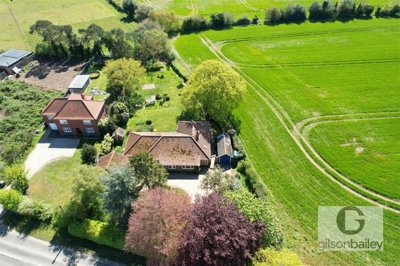
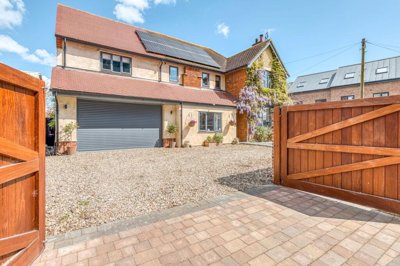
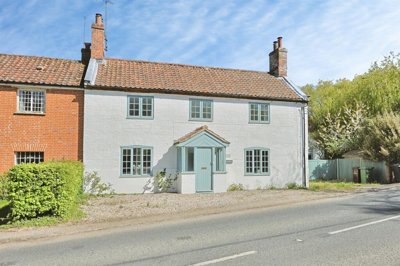
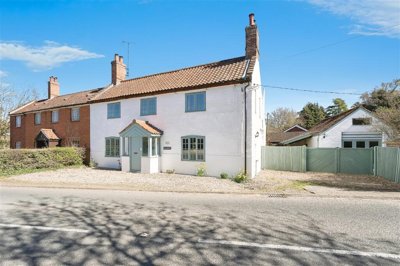
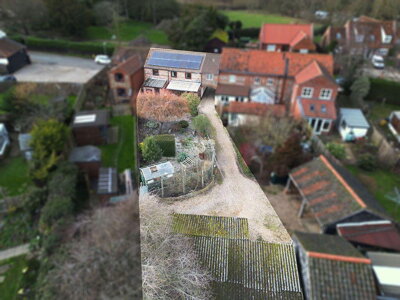
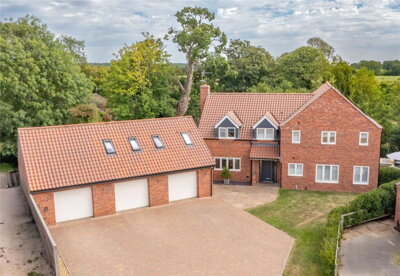
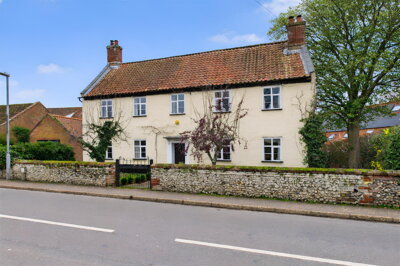
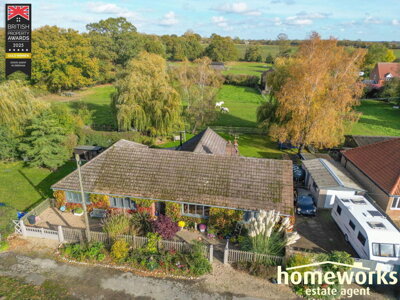
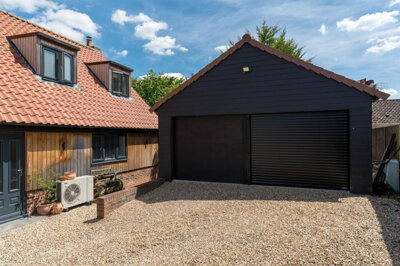
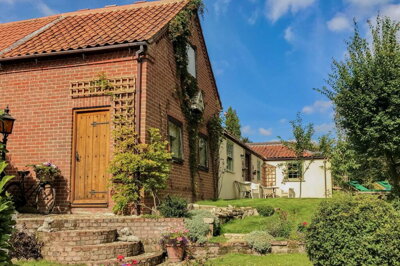
Browse 10 homes for sale in North Elmham from local estate agents.
The larger property sector typically features multiple bathrooms, substantial reception space, and private gardens or off-street parking. Four bedroom houses in North Elmham span detached, semi-detached, and occasionally terraced configurations, with styles ranging from period properties to modern executive homes.
£328,500
Average Price
£375,000
Detached Properties
£275,000
Semi-Detached
£200,000
Terraced Properties
20+
Properties Listed
-4.3%
12-Month Change
North Elmham’s property market mirrors a traditional Norfolk village, with detached and semi-detached homes making up most of the stock and suiting families or anyone after more space. Over the past 12 months, prices have eased by 4.3%, giving buyers a chance to get into this sought-after rural market without paying the peaks seen in earlier years. Detached homes are still the most popular, usually with three to five bedrooms and generous gardens, while the smaller terraced stock is mostly older cottages, often bought for their character and more accessible price points.
New build activity in North Elmham is still limited, with no large-scale housing developments currently under construction in the immediate postcode area. That shortage of fresh supply means purchasers of period homes are joining a community where homes change hands less often, usually through local knowledge and word of mouth. The lack of new stock has helped support values over time, even as the market adjusts to wider economic pressures. First-time buyers should note that terraced properties averaging around £200,000 offer the most accessible route in, although a mortgage agreement in principle is needed before arranging viewings.
Housing in the village spans several eras, from pre-1919 cottages with original features to post-war homes built during the mid-20th century growth of rural communities. Many properties along The Street and near the village centre date from the Victorian and Edwardian periods, with red brick and flint construction that is typical of traditional Norfolk architecture. Later 20th-century schemes added family homes in quieter lanes around the historic core, bringing more practical layouts while keeping the village’s character intact. Knowing the age and build of a property helps buyers judge maintenance needs and possible renovation work.
North Elmham gives residents a distinctly Norfolk village setting, with a population of approximately 1,600 residents spread across 700 households and a close-knit feel that suits local events and everyday village life. At its centre sit the historic church and cathedral ruins, lending a strong sense of continuity and heritage to daily routines. There is a village shop, a pub, and essential services, while the countryside around it opens up walking and cycling routes through farmland and woodland trails. The River Wensum runs close by too, adding scenic stretches and occasional fishing spots for local people.
Agriculture, small businesses, and tourism linked to the historic cathedral ruins all feed into North Elmham’s local economy, though many residents commute to Dereham, Fakenham, or Norwich for work. The village primary school supports local families, and the village hall is busy through the year with events, clubs, and get-togethers. Prices here reflect the appeal of rural living without losing practical access to towns and cities. Strong community spirit, historical interest, and the surrounding Norfolk countryside make the village especially attractive to families and retirees alike.
Step beyond the village and the wider Breckland region opens up, with heathland landscapes, nature reserves, and plenty of outdoor recreation. The A47 gives straightforward links into Norwich for shopping, culture, and healthcare, while Dereham and Fakenham provide supermarkets, independent shops, and weekly markets. Many families moving to North Elmham find the pace slower, but the essentials remain within a sensible drive.

For families thinking about North Elmham, the village primary school covers children from reception through to Year 6. Its village setting helps keep class sizes smaller, and the links with the community are something many parents value for early education. Secondary pupils usually travel to nearby towns such as Dereham or Fakenham, where several schools serve the surrounding villages. Catchment areas and admissions policies can change, so we always suggest checking the current rules before making any decisions.
Further educational choices sit across Breckland, including grammar schools in selective areas, sixth form colleges, and further education options in Norwich for older students. North Elmham’s Norfolk location means families can look across a wide spread of school standards and specialisms. Independent schools are also within reasonable driving distance in places like Norwich and King’s Lynn. Looking at school performance data and Ofsted reports before buying is sensible, since school quality can affect both family life and property values in rural areas.
The village primary school has built strong ties with local families over generations, creating a setting where children grow academically and socially before moving on to secondary education. Parents often mention the sense of belonging and the individual attention children receive as real strengths of village schooling compared with larger urban schools. After-school clubs, extra-curricular activities, and community involvement all add to the classroom experience, helping children gain confidence and social skills in a familiar environment.
North Elmham sits where several country lanes meet in central Norfolk, with the A1066 and A47 providing access into the wider road network. By car, Dereham is around 15 minutes away, Fakenham about 20 minutes, and Norwich city centre roughly 30 minutes depending on traffic. The rural setting means most residents really do need a car, although the quiet roads make driving here far more pleasant than dealing with urban congestion. Parking in the village centre is generally fine for both residents and visitors.
Public transport is limited, as is usual for a village of this size, with local buses running to nearby towns on set timetables. Norwich railway station offers mainline trains to London Liverpool Street in about two hours, so trips to the capital for work or leisure are still practical. Cambridge can be reached by train via Norwich and Ely, while Birmingham and the North involve a change in London. Commuters heading into Norwich may prefer a park and ride site on the edge of the city for lower costs than city-centre parking. Cyclists may enjoy the quieter lanes, although longer journeys still need careful planning around car use.
The A47 corridor is particularly useful for people working in Norwich, with dual carriageway stretches helping traffic move efficiently towards the city. Jobs in manufacturing, logistics, and retail across Norfolk’s market towns are reachable from North Elmham, although plenty of residents choose Norwich for its larger employment market. The village sits midway between the coast and the Fens as well, which gives another angle for those working in Cambridgeshire or further afield. In off-peak conditions, Cambridge can be reached in under an hour.
North Elmham’s architectural heritage is strong, with numerous listed buildings and properties in the designated Conservation Area bringing extra points for buyers to consider. Grade I and Grade II listed homes need Listed Building Consent for most alterations and renovations, which can affect both plans and costs. Anyone looking at a listed property should factor in the added responsibility of keeping a historically important home to suitable standards. The Conservation Area designation also brings restrictions on external changes and development.
The geology here matters too, because the underlying boulder clay brings a moderate to high shrink-swell risk that can affect foundations over time. Older homes with shallow foundations near mature trees are especially prone to subsidence movement, so a full survey is essential before buying any period property. Some homes also sit close to the River Wensum, which can mean higher flood risk, particularly in lower-lying spots near the watercourse, so flood data and insurance implications need checking carefully. Traditional materials such as solid brick, flint, and rendered walls need different upkeep from modern cavity wall construction, and knowing that helps with long-term budgeting.
Older homes in North Elmham often need a careful eye during viewings and surveys. Solid walls can suffer from penetrating damp, especially where rainwater goods have deteriorated or pointing has failed over time. Timber parts such as floor joists, roof rafters, and window frames may show woodworm or wet rot, particularly where maintenance has slipped. The clay subsoil means any cracking, or doors and windows sticking, should be looked at properly before a purchase goes ahead. In period homes, wiring often dates from the 1960s or earlier and may need full replacement to meet modern standards.
Getting to grips with the traditional building methods used in North Elmham helps buyers understand why period homes feel so distinctive, and why they need particular upkeep. Victorian and Edwardian cottages often use Norfolk’s red and gault bricks, sometimes paired with flint nodules set in mortar to form walls that are both attractive and durable. Many older homes also have rendered exteriors, which protect the masonry from driving rain but need periodic repointing and repainting to stay weather-resistant. That mix of brick and flint reflects centuries of local building practice and shapes the village’s visual identity.
Older roofs in North Elmham usually have pitched forms with clay or concrete tiles, although some historic homes still carry Welsh slate brought in during the railway era. Timber roof structures in period properties often reveal earlier repairs with mixed timber species, so our inspectors pay close attention to ridge timbers, purlins, and strutting for signs of movement or decay. Homes from later in the 20th century usually have cavity wall construction with concrete block inner leaves, which tends to perform better thermally but can still suffer from mortar joint deterioration and failure of rendered finishes.
Floor build-up changes a lot from one property age to another, with older houses commonly using suspended timber floors over breathable voids, while post-war homes may have solid concrete ground floors. Suspended timber floors need good sub-floor ventilation to avoid rot, and any damp patches or bouncy floors should lead to a closer look. Period homes also often keep original floorboards, which can be sanded and sealed to show off the natural timber and add character when maintained properly.

It pays to spend time in North Elmham before committing to a purchase. Visit at different times, have a look at the local facilities, and take in the community atmosphere for yourself. A clear view of the local property market, recent sales, and future development plans will help us judge whether this Norfolk village fits a particular lifestyle and set of needs.
Before any viewing, we always recommend getting a mortgage agreement in principle from a lender. It strengthens an offer and shows sellers that funding is in place. The extra costs matter too, solicitor fees, survey costs, and stamp duty all apply, and together they can add several thousand pounds to the budget.
We use Homemove to browse available properties and arrange viewings with estate agents. Take notes at each viewing and ask about the property’s history, any recent renovations, and the neighbours. It is often worth going back more than once, and at different times of day, to gauge noise, light, and the feel of the area.
With so many period homes in North Elmham, a RICS Level 2 Survey is strongly recommended to pick up structural issues, damp, or roof defects often found in older properties. Listed homes may call for a Level 3 Building Survey instead, especially where major renovation or alteration is planned. Survey costs usually sit between £400 for smaller properties and £800 or more for larger family homes.
Once the right property has been found and the survey is in hand, the offer goes through the estate agent. Price negotiation may follow, depending on survey findings or comparable sales. The solicitor should review the contract before commitment, checking for any unusual conditions or clauses that could affect the purchase.
The solicitor handles conveyancing, searches, and the legal checks on the property. On exchange of contracts, the deposit is paid and a completion date agreed. Final funds are sent on completion day, when the keys to the new North Elmham home are handed over.
Based on recent sales data, the current average house price in North Elmham is £328,500 as of early 2026. Detached properties achieve the highest figures at around £375,000, while semi-detached homes usually sell for about £275,000 and terraced homes for around £200,000. Over the past 12 months the market has adjusted by 4.3%, which has left conditions a little more balanced for buyers looking at this desirable Breckland village.
For council tax, properties in North Elmham sit within Breckland Council’s jurisdiction. Most homes in the village are likely to fall into bands A through D, with the exact band based on the property’s assessed value. The precise council tax band for any address can be checked through the Valuation Office Agency website, and that should be built into monthly budgeting.
North Elmham has a local primary school for Reception to Year 6, and it is well regarded by village families for its nurturing feel and community links. Secondary options include schools in nearby Dereham and Fakenham, with catchment areas depending on the exact part of the village. Norfolk also offers grammar schools and independent schools within reasonable driving distance for families interested in selective or private education.
Public transport in North Elmham is limited, which matches its size as a small Norfolk village. Local buses link the village with nearby towns on scheduled routes, while Norwich railway station offers mainline services to London Liverpool Street in around two hours. Most residents rely on car ownership for day-to-day travel, although the village’s position does give reasonable access to the A47 for those commuting to larger employment centres.
Buyers drawn to North Elmham usually want a quiet rural lifestyle with solid access to Norfolk’s towns and countryside, and that supports long-term demand for homes here. Limited new supply locally helps hold values up, while period houses with character continue to attract buyers willing to pay a premium for village living. Rental demand is likely to stay moderate because of the rural setting and the lack of any major employer within the village itself.
For a home bought at the current average price of £328,500, standard stamp duty applies at 0% on the first £250,000 and 5% on the amount between £250,000 and £328,500, which comes to about £3,925 in stamp duty. First-time buyers purchasing properties up to £425,000 may qualify for relief on the first £425,000, cutting costs sharply. Properties above £625,000 do not qualify for first-time buyer relief.
With North Elmham’s many period homes, the usual issues include damp in solid-wall construction, timber problems such as woodworm or rot in roof structures and floor joists, and tired roofing materials. The shrink-swell clay soil can also lead to structural movement where foundations are not adequate. Outdated wiring and poor insulation are common in older properties too, and they should be dealt with during negotiation or after completion.
North Elmham has a number of listed buildings clustered around the historic village centre, including St Mary the Virgin Church and the ruins of North Elmham Cathedral, both Grade I listed. Various residential and agricultural buildings across the village carry Grade II listing status, and each needs Listed Building Consent for alterations. Buyers looking at listed homes should allow for the extra responsibilities and costs of keeping a historic building to proper conservation standards.
From £400
An inspection suited to modern and older properties, spotting defects before purchase.
From £600
Our detailed building survey suits listed or period properties.
From 4.5%
Competitive mortgage rates from trusted lenders for North Elmham properties.
From £499
Solicitors experienced in Norfolk property transactions
Planning the full cost of buying in North Elmham means looking well beyond the asking price, with stamp duty, legal fees, survey costs, and moving expenses all part of the picture. For a typical home at the village average of £328,500, standard Stamp Duty Land Tax rates mean 0% on the first £250,000 and 5% on the remaining £78,500, so total SDLT comes to £3,925. First-time buyers purchasing properties up to £425,000 qualify for relief on the first £425,000, so no stamp duty would be due on a £328,500 purchase, although that relief is not available for properties above £625,000.
Alongside stamp duty, buyers should allow for a RICS Level 2 Survey costing between £400 and £800 depending on size and complexity, which matters especially with North Elmham’s older housing stock. Solicitor conveyancing fees often begin at £499 for standard purchases, with extra charges for local searches, Land Registry fees, and money transfer costs. Mortgage arrangement fees, valuation fees, and broker costs can add more, while buildings insurance has to be in place from exchange of contracts. Removal costs, any renovation work flagged by surveys, and the ongoing cost of council tax, utilities, and maintenance also need to sit within the total budget for moving to North Elmham.
Local search fees for Breckland Council usually come in at around £250-300, covering planning records, highways information, and environmental data for the specific location. Land Registry fees vary with the property price, while the solicitor may also charge for postal charges, bankruptcy searches, and other administrative items. Setting aside a contingency fund of 10-15% of the purchase price above mortgage requirements helps cover unexpected costs and keeps a North Elmham purchase from becoming financially strained.

Properties for Sale In London

Properties for Sale In Plymouth

Properties for Sale In Liverpool

Properties for Sale In Glasgow

Properties for Sale In Sheffield

Properties for Sale In Edinburgh

Properties for Sale In Coventry

Properties for Sale In Bradford

Properties for Sale In Manchester

Properties for Sale In Birmingham

Properties for Sale In Bristol

Properties for Sale In Oxford

Properties for Sale In Leicester

Properties for Sale In Newcastle

Properties for Sale In Leeds

Properties for Sale In Southampton

Properties for Sale In Cardiff

Properties for Sale In Nottingham

Properties for Sale In Norwich

Properties for Sale In Brighton

Properties for Sale In Derby

Properties for Sale In Portsmouth

Properties for Sale In Northampton

Properties for Sale In Milton Keynes

Properties for Sale In Bournemouth

Properties for Sale In Bolton

Properties for Sale In Swansea

Properties for Sale In Swindon

Properties for Sale In Peterborough

Properties for Sale In Wolverhampton

Enter your details to see if this property is within your budget.
Loans, cards, car finance
Estimated property budget
Borrowing + deposit
You could borrow between
Typical borrowing
Monthly repayment
Est. at 4.5%
Loan-to-value
This is an estimate only. Your actual budget may vary depending on interest rates, credit history, and personal circumstances. For an accurate affordability assessment, speak to one of our free mortgage advisors.
This calculator provides estimates for illustrative purposes only and does not constitute financial advice. Your home may be repossessed if you do not keep up repayments on your mortgage. Estimates based on 4.5% interest rate, repayment mortgage. Actual rates depend on your circumstances.
Homemove is a trading name of HM Haus Group Ltd (Company No. 13873779, registered in England & Wales). Homemove Mortgages Ltd (Company No. 15947693) is an Appointed Representative of TMG Direct Limited, trading as TMG Mortgage Network, which is authorised and regulated by the Financial Conduct Authority (FRN 786245). Homemove Mortgages Ltd is entered on the FCA Register as an Appointed Representative (FRN 1022429). You can check registrations at NewRegister or by calling 0800 111 6768.

We use cookies to show you personalised content and improve your experience of our website. Find out more in our Privacy policy and Cookie policy.