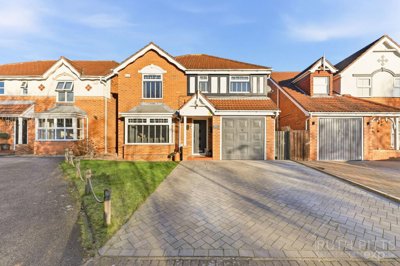
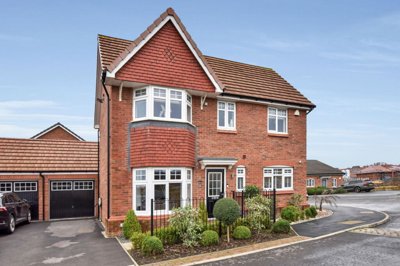
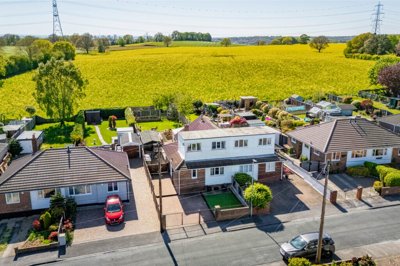
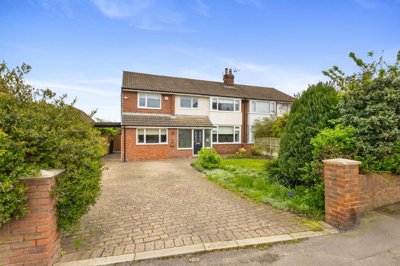
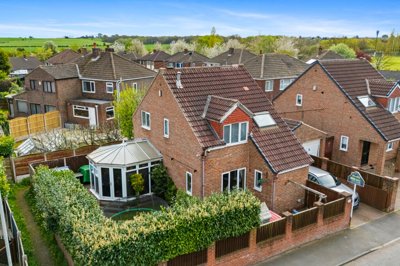
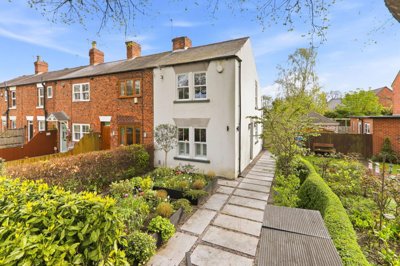
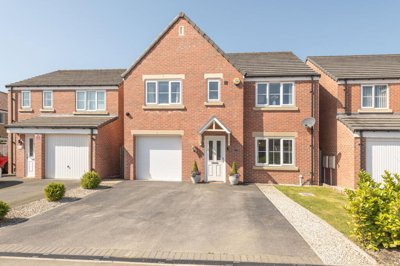
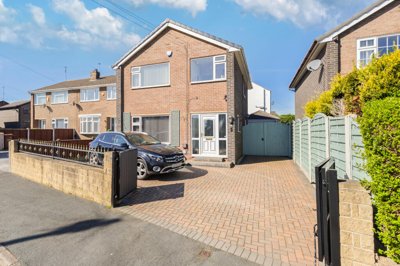
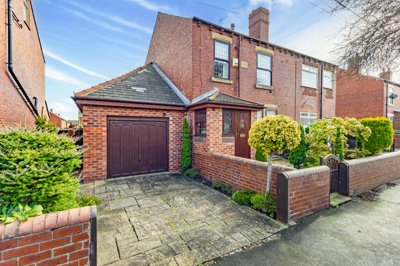
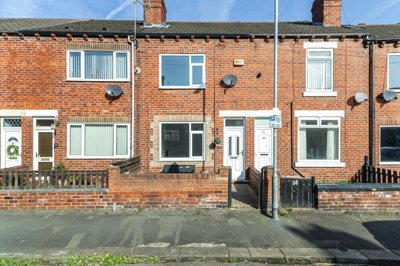
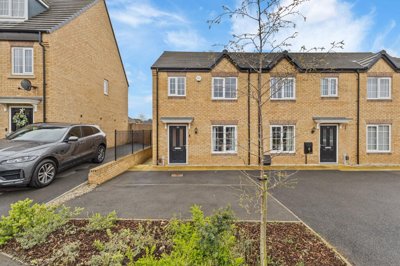
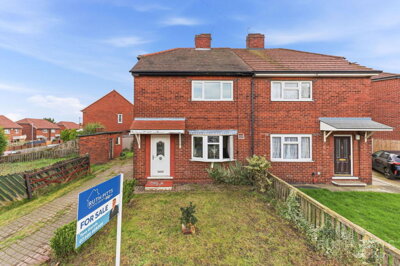
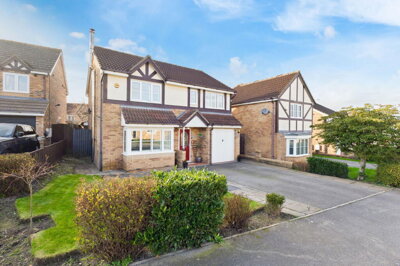
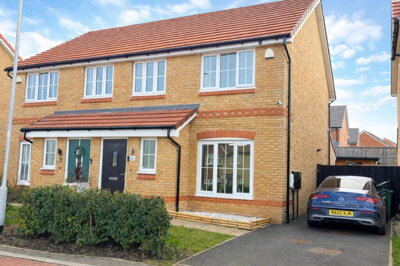
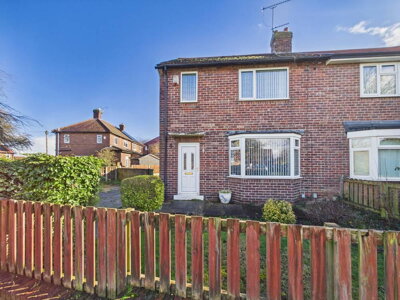
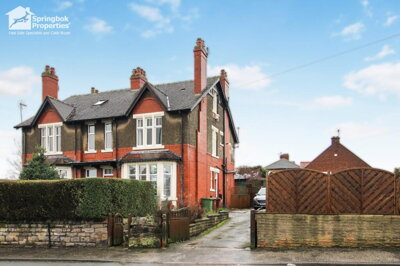
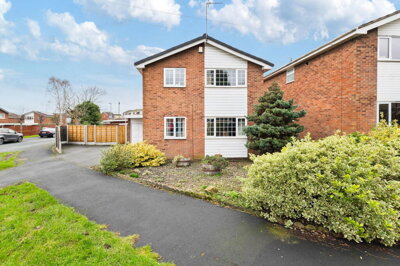
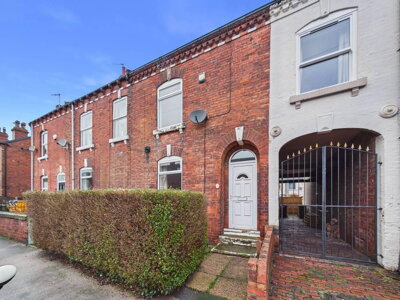
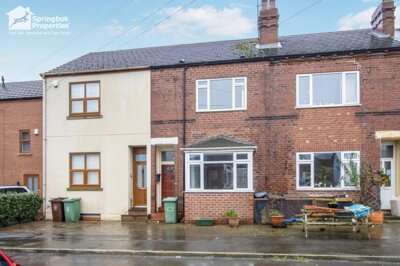
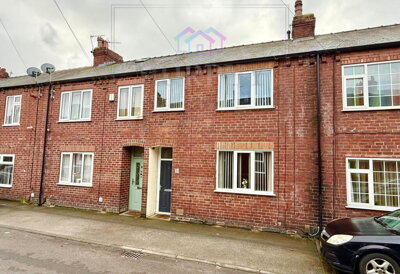
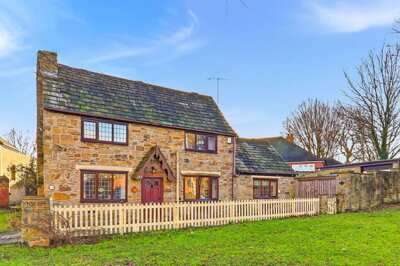
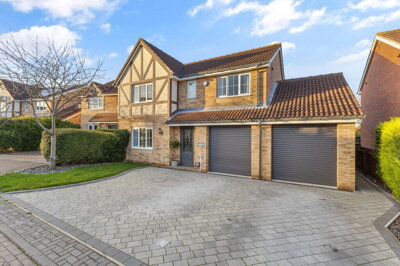
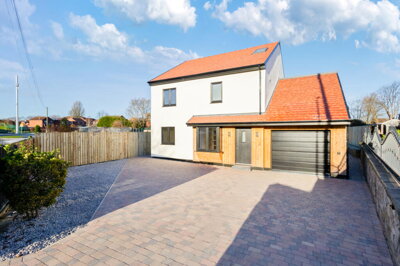
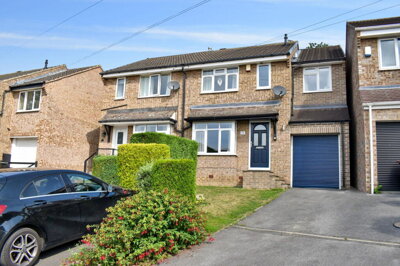
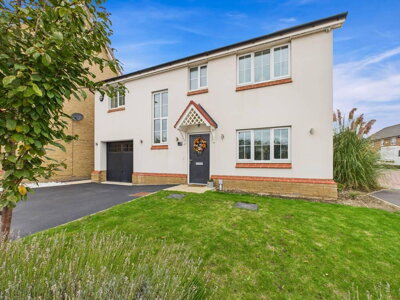
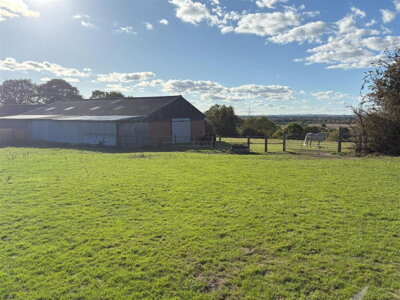
Browse 435 homes for sale in Normanton and Altofts from local estate agents.
The Normanton And Altofts property market offers detached, semi-detached, and terraced houses spanning various price ranges and neighbourhoods. Each listing includes detailed property information, photographs, and direct contact with the marketing agent.
Across Normanton and Altofts, the market has stayed resilient, and the longer view is still upward. Average house prices sit at £226,983 for the combined area. Normanton has seen sold prices rise by 10% against the previous year, and they now sit 11% above the 2023 peak of £190,396. Altofts has moved faster still, with sold prices up 17% year-on-year and 19% above the previous peak. There are 224 active residential property listings, a sign of a lively market in this West Yorkshire location.
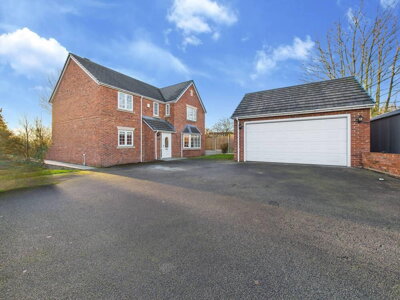
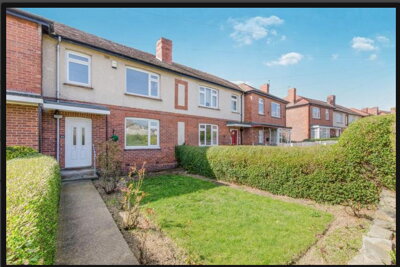
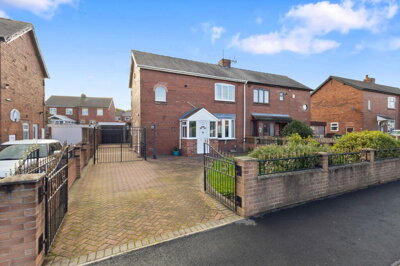
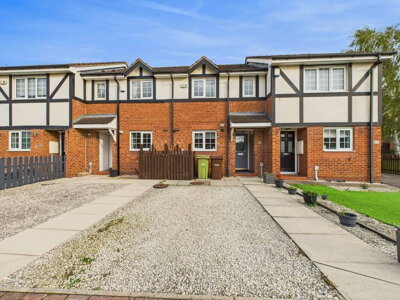
Housing stock in both communities suits a wide spread of budgets and needs. Detached family homes sit at the top of the range, averaging £355,628, while semi-detached homes come in at around £217,575. Terraced properties offer the lowest entry point, typically £160,804, which keeps them appealing to buyers getting a foothold in this part of West Yorkshire. Flats usually begin from £79,356 to £100,000, depending on the development and condition, so there is still a route in for those watching the budget closely.
Altofts is being reshaped by two major new build schemes. Altofts Acres, by Avant Homes West Yorkshire at Wharfedale Drive (WF6 2TL), brings 83 new homes from £194,995 to £379,995, with one to four bedrooms. Taylor Wimpey's Frobisher Meadows on Station Road (WF6 2ND) is larger again, with planning permission sought for 406 homes, including apartments, bungalows and two to four-bedroom houses priced from £304,995 to £394,995. The line-up includes the three-bedroom detached Tetford, the three-bedroom semi-detached Harrton and the four-bedroom detached Rightford. For buyers after a modern layout and better energy performance, these sites add useful choice.

Over the centuries, Normanton and Altofts have been shaped by coal and industry. At their peak, the collieries employed over 10,000 men, leaving a legacy that still shows in mellow red brick terraces and the Listed buildings scattered through the area. Among them are the Grade II* listed Church of All Saints and the impressive Stanley Ferry Aqueduct, which holds Grade I status and is a striking piece of engineering. The Grade II listed Manor House, dating from 1629 internally, is built in coursed squared sandstone, a neat reminder of older craftsmanship.
Daily life in Normanton still centres on a practical high street. Shops, pubs and independent traders sit along the main streets, while the enlarged Eurolink Industrial Estate at Junction 31 of the M62 has drawn in national and multi-national distribution firms and their jobs. Altofts has the added pull of Wakefield Europort's Tuscany Park industrial estate, which gives residents another commuting option. The old Normanton Brick Co Ltd site at Altofts Brickworks, which stopped production in 2011, speaks to the long brick and clay tradition that helped shape the local housing stock.
The local landscape has a distinctive watery edge, with the Aire and Calder Navigation running through the area and offering routes for walks and heritage interest. As set out in the Normanton Conservation Area established in 1994, the settlement pattern is dispersed but linear, with a mix of ages, materials and building styles that gives the place a character of its own. Birkwood Lock, Kings Lock and Wood Nook Lock are all notable, alongside the railway viaduct over the River Calder and the ancient monument The Cross and Signpost. Parks and green spaces add day-to-day recreation, and town council initiatives, along with local events, keep the community close-knit through the year.

A move here also comes with a decent spread of primary schools. Several sit within the parish boundaries, so local children can often stay close to home rather than facing long commutes. Ofsted outcomes have varied from school to school over time, so parents are best served by checking official inspection information and finding the right fit for their child. Catchment areas are usually clear-cut, and for oversubscribed schools it is often the home address that decides the place.
For older pupils, the wider Wakefield district brings a broader set of secondary choices. School performance, extracurricular activities and admission rules all matter, because places at the more popular schools can be tightly contested. Some families prefer faith-based education where it is available, while others look for non-denominational options with strengths in the arts, sciences or vocational pathways. Catchment boundaries matter too, and homes inside the most sought-after areas often sell at a premium to similar properties just outside them.
Further education is within easy reach as well. Wakefield city centre gives access to sixth form colleges and other providers, and some students head to Leeds for more specialist courses, helped by the transport links from Normanton and Altofts. Leeds, Bradford, Sheffield and York are all within reasonable commuting distance for university study, so young adults do not always need to move far from home. For families planning ahead, that level of access adds another layer to the area's appeal.

Transport is one of the strongest cards here. The M62 sits nearby, so Leeds lies to the north, Hull to the east, and Manchester is usually around one hour away by car. Junction 31 of the M62 links straight into the Eurolink Industrial Estate, which is a big draw for people commuting into logistics and distribution. For drivers, that position cuts journey time and keeps access to major employment centres straightforward.
Those who prefer rail can lean on nearby stations and regular services into Leeds, with journey times that make a daily commute realistic for city workers. The route also carries notable heritage, including the Grade II listed railway viaduct over the River Calder, a reminder of the engineering that has long connected this part of Yorkshire. Leeds Bradford Airport offers European routes, while Manchester Airport has a wider spread of international flights, and both are reachable within approximately 90 minutes by car.
Bus travel is well covered too, with Arriva and other operators linking Normanton and Altofts to neighbouring towns and villages. Walking and cycling have improved as well, thanks to signed routes that make local journeys without a car feel more practical. On established streets, on-street parking is the norm, while the newer developments include allocated spaces for residents. Put together, those options give commuters plenty of flexibility in how they get to work and around day to day.

Before we start viewing properties, we recommend speaking to a lender and getting an agreement in principle for the mortgage. It shows exactly how much can be borrowed and tells sellers that finance is already lined up.
On Homemove, we can compare the current range of homes for sale and look at prices across different streets and property types. It is also sensible to spend time in the area at different points in the day, so traffic, noise and the feel of the neighbourhood are all clear before anyone commits to a purchase.
We would then contact the estate agents listing homes in Normanton and Altofts to arrange viewings. During those visits, we note room sizes, take measurements and photographs, and check them against existing furniture. It also helps to ask about the age of the property, any recent work, and whether there is planned maintenance or improvement in the building or on the street.
Once an offer is accepted, we advise instructing a qualified surveyor to carry out a Level 2 HomeBuyer Report. With so many older homes in Normanton and Altofts, that survey looks for the defects common in the local stock, including damp, roof problems and subsidence risk linked to local clay soils. Our inspectors know the usual West Yorkshire pattern and provide a careful assessment of condition.
The next step is to appoint a conveyancing solicitor to deal with the legal transfer of ownership. They will order searches with the local authority, check for planning restrictions or conservation area requirements, and handle the paperwork needed to complete a purchase in West Yorkshire. Our recommended conveyancers understand local titles and can advise on any mining search requirements linked to this former mining area.
When the searches come back satisfactorily and the mortgage offer is in place, contracts can be exchanged and the deposit paid. On the agreed completion date, the solicitor transfers the rest of the funds and the keys to a new home in Normanton or Altofts are handed over.
Buyers in Normanton and Altofts should keep several area-specific issues in mind. Flood risk deserves particular care, because the Aire and Calder Navigation and the River Calder mean some properties sit in flood zones or face higher surface water risk. Homes in or near designated flood zones often need flood risk surveys, and it is sensible to check Environment Agency flood risk maps before moving ahead. Buildings insurance costs and future resale value can both be affected. A detailed survey can also uncover previous flooding or water damage that would be easy to miss on a casual viewing.
The geology brings its own questions. Clay-rich soils in the Normanton and Altofts area carry shrink-swell hazard scores, and that can lead to ground movement affecting shallow foundations. Older houses in the conservation area, and homes close to established trees where roots can worsen movement, are especially worth checking. Cracks in walls, sticking doors or uneven floors can all point to subsidence or settlement, and a structural engineer should look at any concern before a purchase proceeds. Historical mining activity is another factor, although records suggest it is largely settled, and a mining search may still be sensible given the long history of coal extraction in the district.
Homes inside the Normanton Conservation Area can face extra planning controls over alterations and extensions. The mellow red brick character is protected, and external changes to Listed buildings need formal consent from the local planning authority. It is better to understand that before buying, so any future improvements are planned realistically. Leasehold properties, including some flats and newer developments, need close attention as well, particularly the lease terms, ground rent and service charges, which can vary widely and bring continuing costs. Across the area, the mellow red brick materials echo the local brickworks heritage and remain a big part of the appeal.

Recent market data puts the combined Normanton and Altofts average at £226,983. Detached homes are strongest at around £355,628, semi-detached properties sit at about £217,575, terraced houses come in at approximately £160,804, and flats usually start from £79,356 to £100,000 depending on the development. Momentum has been positive overall, with Normanton up 10% year-on-year and Altofts up 17% in sold prices over the same period, although the latest 12 months also show a 6.9% fall in sold prices in Normanton.
Normanton and Altofts sit under Wakefield Council. Local authority figures show that almost 60% of households in the Normanton Town Council area are in Band A, which places it among the more affordable council tax areas in the region. The exact band depends on the valuation of the property, and buyers can check it through the Valuation Office Agency website or ask for council tax band confirmation during conveyancing. Bands B through H carry higher charges in proportion, so that annual bill needs to sit alongside mortgage payments and the other running costs of owning a home.
There are several primary schools serving local families, and the wider Wakefield district gives a fuller spread of secondary options. We always advise checking Ofsted reports and Department for Education data, because inspection results and attainment vary from one school to the next. Catchment areas can have a real effect on property values, and homes in the most desired school zones often command a premium. A visit to the school, plus a conversation with current parents, can reveal a lot that figures on their own will not show.
Bus and rail links are another plus. Arriva services connect Normanton and Altofts with surrounding towns and Leeds, while nearby stations offer commuting routes into Leeds city centre for people who travel by train each day. Junction 31 on the M62 gives direct road access to Leeds, Manchester, Hull and the wider motorway network. Leeds Bradford Airport is around one hour by car and gives domestic and European flights, while Manchester Airport offers more international options for those happy to travel a little further.
For buyers thinking about investment, Normanton and Altofts still look promising. Average prices remain more accessible than nearby Leeds, where house prices are much higher, so demand from commuters looking for a cheaper alternative is unsurprising. The new build activity at Altofts Acres, with 83 homes from £194,995 to £379,995, and Frobisher Meadows, with 406 homes from £304,995 to £394,995, points to developer confidence in the area. Rental demand should also be helped by jobs at Eurolink Industrial Estate and Tuscany Park, together with the pull of Leeds for commuters. Character properties in the conservation area may have a particular draw for tenants who want period features in a well-connected location.
From April 2025, the standard Stamp Duty Land Tax rates apply in Normanton and Altofts, with 0% on the first £250,000 of purchase price, 5% on the slice from £250,001 to £925,000, 10% on £925,001 to £1,500,000, and 12% on any amount above £1,500,000. First-time buyers get relief on the first £425,000, with 5% charged between £425,001 and £625,000, although there is no relief above £625,000. As a guide, a first-time buyer purchasing a semi-detached home at the local average of around £217,575 would pay no stamp duty, leaving more in hand for moving costs and furniture.
Flood risk needs a careful look when buying in Normanton and Altofts because the Aire and Calder Navigation, the River Calder and the wider waterways run close by. Homes near these watercourses can fall into designated flood zones, and surface water flooding can also happen away from the main rivers during heavy rain. Lead Local Flood Authorities handle local flood risk, and we recommend checking Environment Agency flood risk maps before a purchase goes ahead. Buildings insurance can be more expensive in higher-risk areas, and some lenders want flood risk assessments before they approve a mortgage. Our team can help weigh those factors as part of the property decision.
Because many local homes are built in mellow red brick and the ground is clay-rich, we advise looking closely for damp, subsidence or structural movement during viewings. Watch for cracks that suggest foundation trouble, check window and door frames for rot or decay, and look carefully for damp in ground floor rooms and basements where water penetration is more likely. In the conservation area, and for listed buildings, maintenance duties and planning controls matter before a purchase. Our inspectors can provide a thorough RICS Level 2 Survey to pick up defects that a standard viewing may miss.
A clear view of the full purchase costs helps the budget stay grounded and keeps surprises out of the transaction. For most buyers, the biggest extra charge is Stamp Duty Land Tax, which works on a tiered basis according to the purchase price. At a typical Normanton or Altofts price of around the £215,000 to £226,983 average, standard rates mean no stamp duty is due on the first £250,000 of value, so many homes at or below average market price attract zero SDLT under the current thresholds.
First-time buyers have a more generous SDLT relief, with the zero-rate threshold lifted to £425,000 and genuine savings available at typical local price points. That relief applies up to £625,000, after which standard rates take over without the first-time buyer benefit. So, for example, a first-time buyer purchasing a semi-detached home in Altofts at £217,575 would pay no stamp duty at all, leaving more of the budget for moving costs and furniture. Properties above £625,000 do not qualify for first-time buyer relief whatever the buyer status, so higher-value detached homes would be charged at standard SDLT rates.
Beyond SDLT, buyers should also plan for survey costs. A RICS Level 2 HomeBuyer Report usually comes in at £400 to £1,000, depending on the size and value of the property, and with much of the local stock being older and the clay soil conditions in the area, that spend is often well worth it for spotting issues before completion. Our surveyors know the common defect patterns in West Yorkshire properties, including those linked to former mining areas. Conveyancing fees for the legal work typically begin at around £499 for straightforward cases, with leasehold homes or more complex titles costing more. Mortgage arrangement fees, valuation fees and removal costs all need to sit in the budget too, and we advise getting quotes for each before settling on a purchase timeline.

Properties for Sale In London

Properties for Sale In Plymouth

Properties for Sale In Liverpool

Properties for Sale In Glasgow

Properties for Sale In Sheffield

Properties for Sale In Edinburgh

Properties for Sale In Coventry

Properties for Sale In Bradford

Properties for Sale In Manchester

Properties for Sale In Birmingham

Properties for Sale In Bristol

Properties for Sale In Oxford

Properties for Sale In Leicester

Properties for Sale In Newcastle

Properties for Sale In Leeds

Properties for Sale In Southampton

Properties for Sale In Cardiff

Properties for Sale In Nottingham

Properties for Sale In Norwich

Properties for Sale In Brighton

Properties for Sale In Derby

Properties for Sale In Portsmouth

Properties for Sale In Northampton

Properties for Sale In Milton Keynes

Properties for Sale In Bournemouth

Properties for Sale In Bolton

Properties for Sale In Swansea

Properties for Sale In Swindon

Properties for Sale In Peterborough

Properties for Sale In Wolverhampton

Enter your details to see if this property is within your budget.
Loans, cards, car finance
Estimated property budget
Borrowing + deposit
You could borrow between
Typical borrowing
Monthly repayment
Est. at 4.5%
Loan-to-value
This is an estimate only. Your actual budget may vary depending on interest rates, credit history, and personal circumstances. For an accurate affordability assessment, speak to one of our free mortgage advisors.
This calculator provides estimates for illustrative purposes only and does not constitute financial advice. Your home may be repossessed if you do not keep up repayments on your mortgage. Estimates based on 4.5% interest rate, repayment mortgage. Actual rates depend on your circumstances.
Homemove is a trading name of HM Haus Group Ltd (Company No. 13873779, registered in England & Wales). Homemove Mortgages Ltd (Company No. 15947693) is an Appointed Representative of TMG Direct Limited, trading as TMG Mortgage Network, which is authorised and regulated by the Financial Conduct Authority (FRN 786245). Homemove Mortgages Ltd is entered on the FCA Register as an Appointed Representative (FRN 1022429). You can check registrations at NewRegister or by calling 0800 111 6768.

We use cookies to show you personalised content and improve your experience of our website. Find out more in our Privacy policy and Cookie policy.