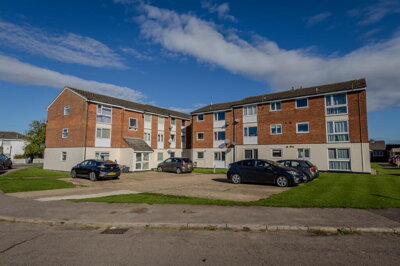
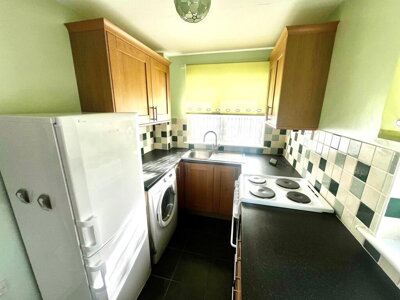
Browse 2 homes for sale in Newport from local estate agents.
One bed apartments provide a separate bedroom alongside distinct living space, bathroom, and kitchen areas. Properties in Newport are available in various building types including mansion blocks, contemporary developments, and house conversions.
homedata.co.uk records point to a varied Newport market, although detached houses have taken the lead in recent sales. In the last year, detached homes averaged £684,272, against £469,481 for semi-detached houses, £330,556 for terraced homes, and £329,000 for flats. For buyers, that gap is a useful guide to the pecking order, from smaller first homes through to larger plots around the village. The draw is often more than the price on paper: it is the chance to settle in a rural place with a proper mix of housing styles.
Growth has moved at different speeds, so the village picture needs reading alongside the district figures. Across Uttlesford, homedata.co.uk shows an average sold price of £491,000 in December 2025, which was up 7.1% on December 2024. Semi-detached homes rose 8.3% and flats were up 4.2% over the same period. Newport itself sat broadly in line with the previous year and 11% below the 2023 peak of £600,894, suggesting a market off its high but not weak. The same research records 646 property sales across Newport over the last 10 years, enough movement to give buyers a sensible read on a village market.
New-build options in Newport are less clear from the live research, so it pays to check current listings carefully if a modern house is what you want. The search results did include homes for sale in the village, but no verified active development came through with firm addresses, price bands, or house types. When a new or nearly new home does appear, compare the specification, plot position, and energy performance rather than judging it on age alone. Our surveyors would also want the title paperwork checked closely, so you can see whether the asking price matches the quality being offered.

Newport, in this context, is a small village and parish in Uttlesford, and that scale is a big part of its appeal. People often come for the quieter pace, the familiar feel of the streets, and the sense that the place is settled rather than constantly changing. The surrounding district also has a strong professional profile, with a median PAYE income of £31,156 and a high share of residents in technical and highly skilled work. That combination helps demand from families, professionals, and upsizers who want countryside around them without losing touch with a solid local economy.
The homes themselves fit that village character, although the research did not provide a full age or property-type breakdown. Sold data shows detached houses are especially prominent, with semi-detached and terraced homes also giving buyers more budget choice. Heritage is part of the mix too: the local research mentioned a Grade II listed period cottage, so Newport is not only about conventional family houses. Character buyers should allow for older fabric and the upkeep that comes with it, while those wanting less fuss may be drawn to newer or already updated homes.
In Newport, the exact street can matter as much as the village name. A house on the edge of the settlement may give a very different day-to-day feel from one nearer the centre, particularly for parking, views, and how quick it is to get out in the morning. Privacy and convenience also need balancing, because village life can mean more time in the car for school runs, groceries, and work. For many movers, that is part of the reason Newport works so well within Uttlesford.
School research for Newport should be done address by address, not by assumption. The supplied research did not verify named primary or secondary schools inside the village, so we would not make up a catchment boundary or rating. Buyers should use the latest admissions maps, school websites, and Essex County Council guidance before committing to a purchase. In a village setting, that check is particularly important, as catchments can shift and a short drive may place you in a different school area.
Uttlesford’s wider reputation with education-minded buyers does help support demand in villages such as Newport. Still, the practical question is not just which schools sound good on paper, but which ones are genuinely accessible from the exact front door. Parents tend to look at primary choices, secondary routes, and post-16 options together, then test all of that against travel time and the usual weekly routine. That gives a far better view than relying on the village name in an estate agent’s description.
Buying with children in mind? Pay close attention to the school run, wraparound care, and whether local roads feel workable at 8 am. Newport can suit families who want a calmer base while still needing reliable access across the wider district for education. We always advise confirming catchment details before making an offer, because even a lovely house can become the wrong buy if the school plan falls apart. Keep your mortgage agreement in principle ready at the same time, so you can move quickly when the right home appears.

For commuters, the real test is the whole journey, not the straight-line distance. Newport buyers should check the nearest rail option, local bus reliability, and the road links they would actually use before offering. The research set did not include precise journey times for this village, so the safest move is to test the exact address against your normal commute. A small change within a village can alter parking, access, and the first stretch of the morning drive more than buyers expect.
Many residents are likely to rely on the road network, which makes driveway space and on-street parking worth inspecting properly at every viewing. Village homes often appeal to buyers who want local life but still travel to nearby employment centres, so the commute can matter as much as the kitchen or garden. If trains are part of your routine, check station parking, service frequency, and whether the route feels realistic on wet winter mornings. Hybrid workers should ask a simple question: not just how far Newport is from work, but how the pattern feels across five days a week.
Everyday travel matters too, not only the commute. Shopping trips, school journeys, clubs, and visits to family can all shape the way a Newport address works in practice. The quieter the setting, the more the car tends to organise the week, so local connectivity becomes part of the purchase decision. We suggest visiting the address at different times of day where possible, as traffic in and out of a village can feel quite different between a quiet lunchtime and the evening peak.
Begin with the exact part of Newport you prefer, because street position, parking, and access can change the feel of a home quickly. Compare sold prices, current listings, and nearby amenities, then you will have a clearer sense of what good value looks like in the village.
Have a mortgage agreement in principle in place before you fill the diary with viewings. Sellers will see that you are serious, and you will know which homes still work once fees, tax, and survey costs are added to the budget.
View more than once if you can, particularly where a property sits near busier routes or has tight parking. Ask early about leasehold status, extensions, broadband, drainage, and any local restrictions that could get in the way of your plans.
A RICS Level 2 survey will be a sensible fit for many village homes, especially those that are older or have been altered over time. For a listed cottage, or a house with obvious structural changes, ask our surveyors whether a more detailed report would be the better route.
Legal checks in Newport should not stop at the basic title. Boundaries, rights of way, planning history, and any access arrangements all need attention. In a village, shared entrances, hedge lines, and drainage can carry more weight than buyers first realise.
Once searches, enquiries, and finance are ready, contracts can be exchanged and a completion date agreed. Keep removals, insurance, and utilities lined up, and the move into Newport is much less likely to feel rushed.
Period houses and older cottages are part of Newport’s charm, but they need proper scrutiny. The research did not return detailed geology, flood, or construction data for the village, which makes surveys and local searches even more important. If a home is listed, changes to windows, roofs, extensions, or internal layouts may need consent, and that can affect cost as well as timing. Ask whether previous work has the right paperwork, because a neat finish is not always proof that everything was properly approved.
Flats and smaller homes call for a different set of checks. Service charges, ground rent, reserve funds, repairs, and management arrangements can alter the true cost of ownership even when the asking price looks keen. Lease length should be checked early as well, because it can affect both mortgageability and resale value. If you are weighing a flat against a house, compare the full monthly outgoing, not only the purchase price.
Practical details can make or break a village purchase, so access, parking, and shared rights with neighbours deserve a close look. The research did not identify a specific flood risk hotspot in Newport, but buyers still need to raise surface water, drainage, and insurance questions during conveyancing. Planning history is worth checking too, particularly if an extension, loft conversion, or outbuilding is part of the plan. Newport can be a strong long-term choice, provided you understand the small rural and semi-rural details before you commit.
homedata.co.uk shows Newport’s average sold price at £532,248 over the last year, while the wider Uttlesford district stood at £491,000 in December 2025. That district figure was 7.1% above December 2024. Newport itself was broadly similar to the previous year and 11% below the 2023 peak of £600,894. Detached homes have sat at the top end of the local market, with terraces and flats much lower. What you actually pay will come down to the street, plot, finish, and whether the property is freehold or leasehold.
Council tax is set through the local authority system, so Newport does not have one single band. The relevant authority is Uttlesford District Council, and the band depends on the individual property’s valuation band rather than the postcode by itself. Ask the estate agent for the current band before offering, then have it confirmed during conveyancing. For a careful budget, that band can matter almost as much month to month as the mortgage rate.
The research supplied to us did not verify named schools inside Newport itself, so we are not going to invent a local favourite. Families should check the latest primary and secondary catchments, along with travel times to the schools they prefer. That matters in a village, where a small change of address can move you into another admissions area. If school access is central to the move, confirm it before spending money on surveys or searches.
Treat transport in Newport as something to test, not something to assume. The research set did not include exact rail or bus journey times, so buyers should check the nearest station, bus timetable, and any parking limits for the specific house. That is important if you commute often or need a dependable school-run pattern. A rush-hour viewing can tell you a lot in a village like this.
Newport will suit many buyers as a steady village market rather than a rapid-turnover investment play. homedata.co.uk records 646 property sales over the last 10 years, suggesting regular movement without a frantic pace, while the wider Uttlesford district posted a 7.1% annual rise to £491,000 in December 2025. Detached homes, semi-detached houses, and period cottages will each appeal to different buyer groups. Investors should look hard at condition, resale liquidity, and local demand, rather than relying on short-term price growth.
For 2024-25, standard stamp duty is 0% up to £250,000, 5% from £250,000 to £925,000, 10% from £925,000 to £1.5 million, and 12% above £1.5 million. First-time buyers pay 0% up to £425,000 and 5% from £425,000 to £625,000, with no relief above £625,000. On a £491,000 home, standard-rate SDLT would be £12,050 before other costs are added. Build in solicitor fees, mortgage fees, searches, survey costs, and removals as well.
You are not legally required to have one, but it can put you in a stronger position. Sellers and agents usually take buyers more seriously once the finance has already been checked. It also protects you from chasing a home that sits beyond your borrowing limit. In a Newport village market, that preparation can be the difference between getting a viewing and being too late.
Stamp duty is one of the larger extra costs to plan for when buying in Newport. The current 2024-25 thresholds are 0% up to £250,000, 5% from £250,000 to £925,000, 10% from £925,000 to £1.5 million, and 12% above £1.5 million. First-time buyers receive 0% up to £425,000, then 5% from £425,000 to £625,000, with no relief above that level. Because Newport’s average sold price sits around the middle of the market, many buyers here will pay 5% on part of the price.
A proper budget needs to look past SDLT and the deposit. Most buyers also have valuation fees, legal work, survey costs, search fees, removals, and sometimes repairs or decorating once they get the keys. Older cottages and listed homes can bring higher future maintenance costs than a newer property. Plan for those extras from the start, and the likely cost of living in Newport becomes much clearer.
Properties for Sale In London

Properties for Sale In Plymouth

Properties for Sale In Liverpool

Properties for Sale In Glasgow

Properties for Sale In Sheffield

Properties for Sale In Edinburgh

Properties for Sale In Coventry

Properties for Sale In Bradford

Properties for Sale In Manchester

Properties for Sale In Birmingham

Properties for Sale In Bristol

Properties for Sale In Oxford

Properties for Sale In Leicester

Properties for Sale In Newcastle

Properties for Sale In Leeds

Properties for Sale In Southampton

Properties for Sale In Cardiff

Properties for Sale In Nottingham

Properties for Sale In Norwich

Properties for Sale In Brighton

Properties for Sale In Derby

Properties for Sale In Portsmouth

Properties for Sale In Northampton

Properties for Sale In Milton Keynes

Properties for Sale In Bournemouth

Properties for Sale In Bolton

Properties for Sale In Swansea

Properties for Sale In Swindon

Properties for Sale In Peterborough

Properties for Sale In Wolverhampton

Enter your details to see if this property is within your budget.
Loans, cards, car finance
Estimated property budget
Borrowing + deposit
You could borrow between
Typical borrowing
Monthly repayment
Est. at 4.5%
Loan-to-value
This is an estimate only. Your actual budget may vary depending on interest rates, credit history, and personal circumstances. For an accurate affordability assessment, speak to one of our free mortgage advisors.
This calculator provides estimates for illustrative purposes only and does not constitute financial advice. Your home may be repossessed if you do not keep up repayments on your mortgage. Estimates based on 4.5% interest rate, repayment mortgage. Actual rates depend on your circumstances.
Homemove is a trading name of HM Haus Group Ltd (Company No. 13873779, registered in England & Wales). Homemove Mortgages Ltd (Company No. 15947693) is an Appointed Representative of TMG Direct Limited, trading as TMG Mortgage Network, which is authorised and regulated by the Financial Conduct Authority (FRN 786245). Homemove Mortgages Ltd is entered on the FCA Register as an Appointed Representative (FRN 1022429). You can check registrations at NewRegister or by calling 0800 111 6768.

We use cookies to show you personalised content and improve your experience of our website. Find out more in our Privacy policy and Cookie policy.