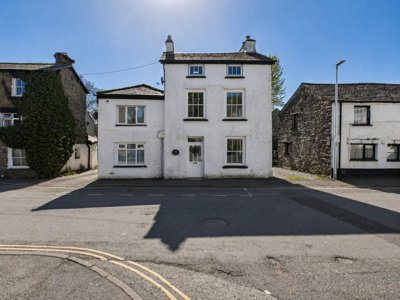
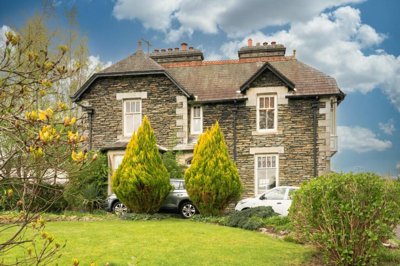
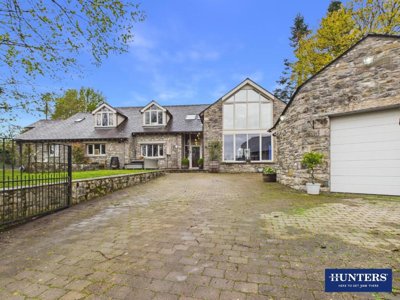
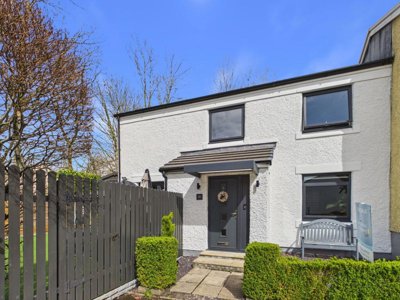
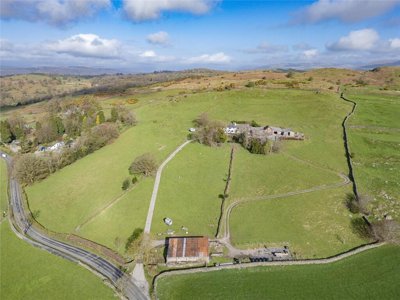
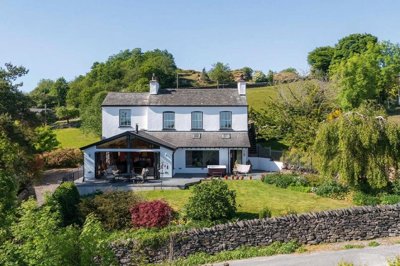
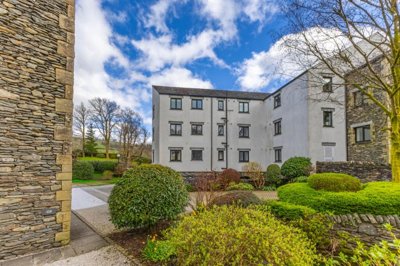
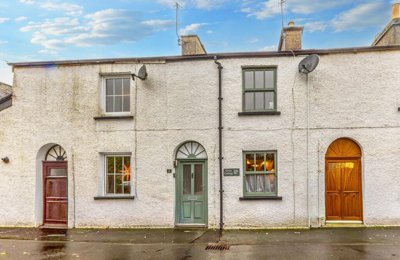
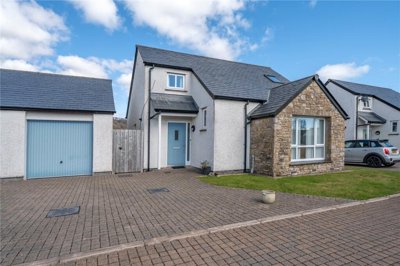
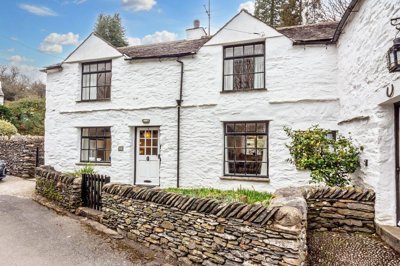
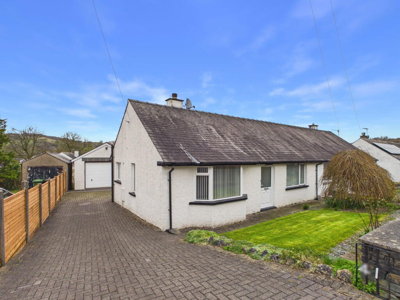
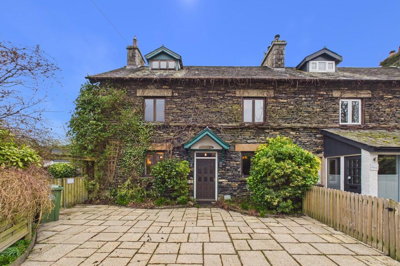
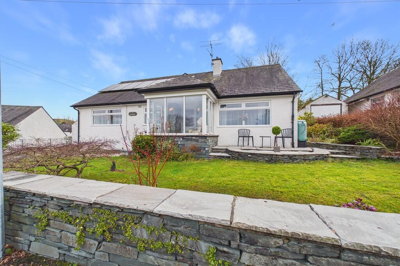
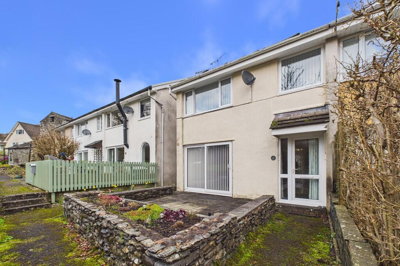
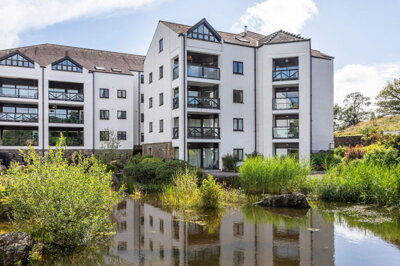
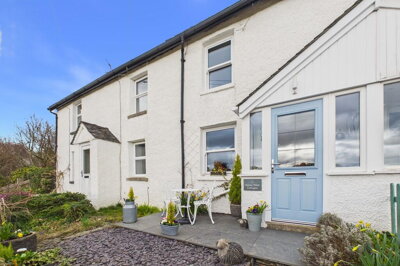
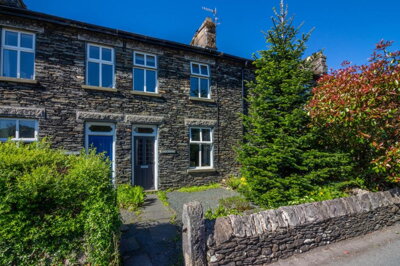
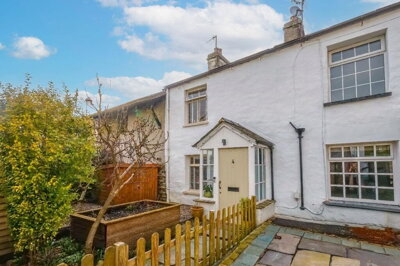
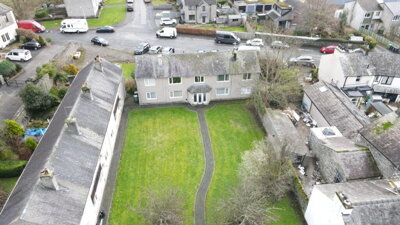
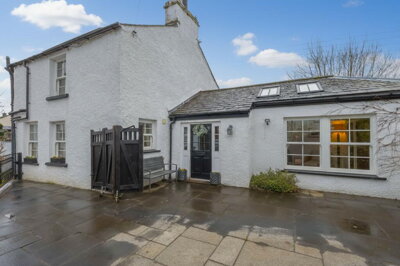
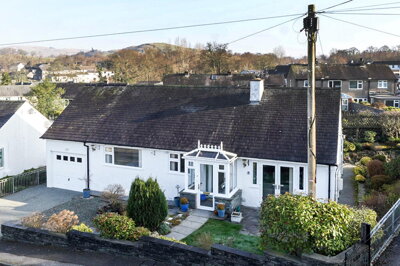
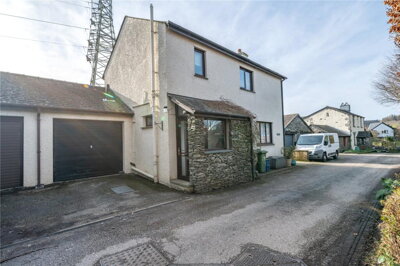
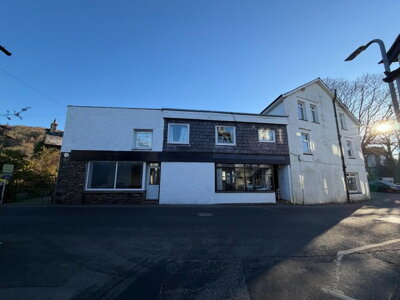
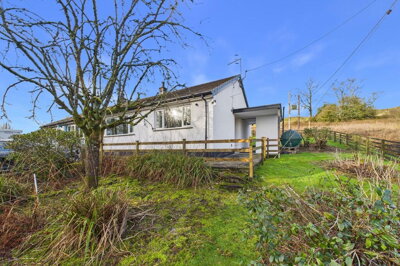
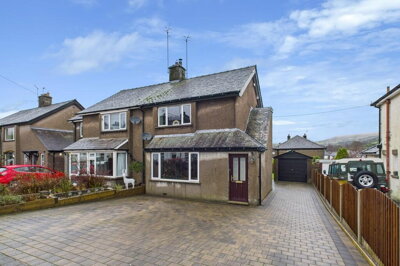
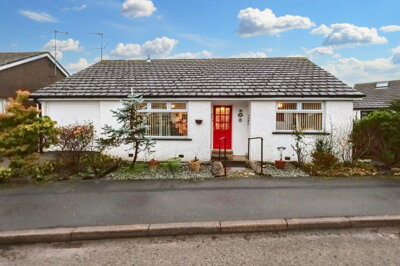
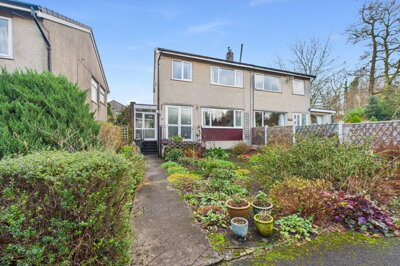
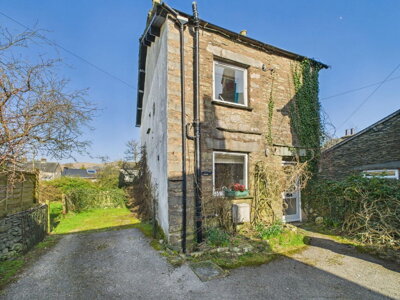
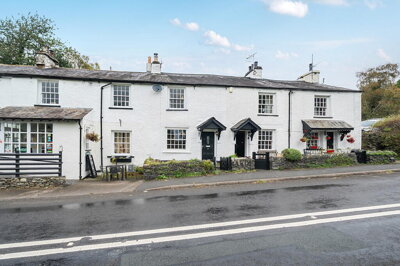
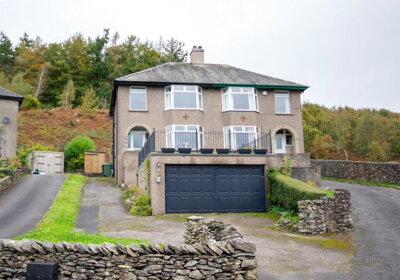
Browse 54 homes for sale in Nether Staveley from local estate agents.
The Nether Staveley market sits within the wider appeal of South Cumbria as somewhere to live, work, and invest. Terraced homes make up most sales here, usually fetching around £347,450, while semi-detached properties average £494,667. Detached houses sit at the top end, with recent sales data showing an average of £918,800 for this type. That stronger detached performance points to steady demand from buyers after more space and the appeal of Cumbrian stone properties.
Within the LA8 postcode area that covers Nether Staveley, new build activity remains thin, with most development taking place in nearby towns and villages. That lack of fresh stock has helped drive the robust price growth seen over the past 12 months. Buyers with an eye for character will also find the village’s eight Grade II listed buildings, including farmhouses, barns, and structures such as Cragg Bridge, add plenty of heritage interest. Traditional Cumbrian limestone is a major feature of the housing stock, and the stone was historically brought from Kendal quarries used across the area for construction.
Most properties sold in Nether Staveley over the past year have been terraced homes, which speaks to the more accessible entry point into this sought-after village. The market has held up well, with prices rising 22% year on year and now sitting 13% above the previous peak recorded in 2022. That pattern suggests buyers are still drawn here, thanks to the mix of rural character, heritage properties, and straightforward access to the Lake District. Opportunities run from starter terraces through to premium detached homes with generous accommodation and gardens.

Daily life in Nether Staveley is closely tied to the Rivers Kent and Gowan, which have shaped both the landscape and the community for centuries. In earlier times, those waterways powered several mills, including fulling, sickle, cotton, and bobbin mills that supported the local economy. These days they add to the village’s scenery and give residents a place to walk, fish, and spot wildlife by the water. Beyond the riverbanks, the countryside blends arable land, pasture, and coppice woodland into the patchwork of the Cumbrian fells and valleys.
The wider Staveley area has seen notable commercial change since the 1990s, particularly after Chadwick’s Mill in Over Staveley was converted into a business park in 1993. That brings jobs and day-to-day services closer to home, so many residents do not need to travel to larger towns for work. Even so, the village keeps a close-knit feel, helped by local events, traditional pubs, and the Lake District backdrop that draws both residents and visitors. Coppice woodland still marks older land-use patterns, and it gives the area attractive places to explore through every season.
Archaeological evidence places the village’s history back to around 4000 BC, with settlement shaped by the agricultural value of the surrounding land. Growth picked up sharply in the mid-19th century after Staveley railway station opened in 1847, linking the area to regional markets and opening the door to further development. Today, the 819 residents enjoy a lifestyle that balances rural calm with practical access to services, schools, and jobs in the local business park and nearby towns.

For families thinking about a move to Nether Staveley, schooling is within easy reach, although primary education is usually accessed through schools in neighbouring Staveley itself. The village developed as a railway settlement in the mid-19th century, and that period of growth helped establish community facilities, including schools. Primary schools nearby take children from Reception through to Year 6, while secondary education is available in surrounding towns via school transport routes.
The 2021 Census figures, with 401 males and 418 females, point to a balanced and settled community. Parents should check current school performance information and admissions arrangements on the Westmorland and Furness Council website to find the right fit for their children. Older pupils can look to the University of Cumbria in nearby Lancaster for higher education, while Further Education colleges across the region offer vocational courses and apprenticeships for young adults building a career without going straight to university.
For families weighing up a move to Nether Staveley, it helps to look at primary and secondary provision side by side. Primary schools in the Staveley area serve the local community, while older pupils usually travel to schools in nearby towns where there is more specialisation. School transport links connect Nether Staveley to those schools, although families should check current routes and timings with Westmorland and Furness Council before they buy. Lancaster’s university campus offers degrees across a range of subjects, and colleges in Kendal and further afield provide vocational qualifications, including apprenticeships that tie in with jobs in Lake District tourism, healthcare, and agriculture.

Transport links from Nether Staveley have changed a great deal since the village’s railway station opened in 1847, which originally played a major part in local growth and development. Today, the station at Staveley gives residents rail connections across the North West and beyond. The M6 motorway is also within a reasonable drive, putting Manchester, Liverpool, and the wider national motorway network within reach. That level of connectivity makes the village attractive to commuters who work in larger cities but prefer rural Cumbrian living.
Local bus routes link Nether Staveley with nearby villages and towns, including Kendal, where residents can find a broader range of shops, supermarkets, healthcare services, and other amenities. The A591 and A590 offer direct routes to Lake District destinations such as Windermere and Ambleside, while the A65 heads towards Lancaster and Yorkshire. Drivers will find parking provision in the village for both residents and visitors, though in a rural setting like this, car ownership is usually a day-to-day necessity.
Staveley railway station acts as an important transport hub for the wider area, with regular services linking residents to regional destinations without a trip into a larger city. Its role reflects the village’s importance as a transport centre in the mid-19th century, when rail links first transformed the local economy. For commuters heading to Kendal, Lancaster, or further afield, rail services and motorway access give plenty of flexibility. Bus routes add to that, serving surrounding villages and connecting to more destinations across Cumbria.

A practical place to begin is with property listings in Nether Staveley and the surrounding Westmorland and Furness villages. Keeping an eye on current prices for terraced, semi-detached, and detached homes will help set realistic expectations and show up good value when it appears. Local estate agents are also worth speaking to, since they know the village well and can flag up opportunities before they reach the main portals.
The Nether Staveley market still mirrors South Cumbria’s wider appeal as somewhere to live, work, and invest. Terraced homes make up much of the activity in the area, usually selling for around £375,000, while semi-detached houses average £352,500. Detached properties sit at the premium end, with recent sales data showing £1,200,000 on average for this type. Strong detached values point to healthy demand from buyers after more space and the appeal of Cumbrian stone properties.
Once you have a shortlist, arrange viewings of homes that fit your requirements, and pay close attention to construction materials, the age of the property, and any familiar issues in older Cumbrian houses. In Nether Staveley, limestone construction and listed buildings mean some homes may need specialist surveys rather than a standard Level 2 report. It also helps to take notes and photographs while viewing, so the details are easier to compare later.
Before booking viewings, speak to lenders and get an Agreement in Principle for your mortgage. With the average property price at £409,545 in Nether Staveley, having your finance lined up shows sellers that you mean business and helps you move fast when the right home comes along. A mortgage broker can compare rates across several lenders and look for the most competitive deal for your circumstances.
After an offer is accepted, we would always arrange for a qualified RICS surveyor to inspect the property. For homes in Nether Staveley priced from £210,000 to £1,200,000, survey costs usually fall between £400 and £800, depending on size and value. The survey should highlight structural issues, damp, roof problems, or other defects that may affect the purchase or give room to renegotiate.
When all searches come back clean and the mortgage offer is confirmed, your solicitor will arrange for contracts to be signed and the deposit to be transferred. On completion day, the remaining funds are sent across and the keys to your new Nether Staveley home are handed over. It is a good moment to celebrate buying a place in this historic Cumbrian village.
Buying in Nether Staveley means looking closely at a few area-specific points that may not be obvious to someone unfamiliar with the village. Because the River Gowan and River Kent run close by, flood risk needs careful thought, especially for homes in lower-lying spots or properties with river frontage. A flood risk report, together with a check of the Environment Agency’s flood maps for the LA8 postcode area, will give essential detail before you proceed.
Heritage issues come up often here, with eight Grade II listed buildings in the parish. Listed status limits what can be altered, renovated, or even maintained, and some work may need Listed Building Consent from Westmorland and Furness Council. Buyers should also allow for higher costs when using specialist tradespeople and materials on older homes. Insurance can be pricier too, so getting quotes before completion makes sense.
The historical presence of Millrigg Mine in Nether Staveley, together with the area’s mining background, means ground conditions should be checked carefully, particularly on older properties. Subsidence is not widespread, but it can affect homes built on land touched by past mining activity. A thorough RICS Level 2 survey should pick up structural concerns linked to foundations, and your solicitor should make sure the right mining searches are completed during conveyancing. Traditional limestone and Cumbrian stone buildings can also bring maintenance needs that differ from standard brick-built homes.
Older homes in Nether Staveley can show the usual defects linked to traditional construction methods used throughout Cumbria. Rising damp is one issue, often tied to ageing damp-proof courses, while period houses with original slate or stone tile roofs may have roof deterioration. Outdated electrical systems can also fall short of current safety standards. Where timber-framed elements exist, they should be checked for woodworm or fungal decay, especially if ventilation has been reduced by later alterations. Properties built before the 1970s may also contain asbestos in insulation, floor tiles, or roofing materials, so specialist removal is needed if it is disturbed during renovation.

Knowing how homes in Nether Staveley are usually built helps buyers judge maintenance needs and likely problem areas. Across the village, traditional properties often have Cumbrian limestone walls, with stone from Kendal historically used for corner trimmings and other structural details. These solid walls need different treatment for insulation and damp-proofing from modern cavity wall construction, and that has a direct effect on energy efficiency and ongoing costs.
During the early 20th century, houses in Nether Staveley built for professional middle-class residents often mixed non-local architectural styles and materials with traditional Cumbrian methods. That variety means the housing stock includes rendered finishes, brick additions, and timber-framed elements, each with its own maintenance needs. Properties from this period also often keep original sash windows, fireplaces, and decorative details that add to the village’s character, but they do need regular attention to stay in good condition.
The Grade II listed buildings scattered through Nether Staveley, including structures such as Cragg Bridge and a number of farmhouses with associated buildings, underline the importance of traditional construction using local materials. These heritage homes are a key part of the village’s architectural story, but listed status brings obligations around maintenance and alteration. Homes built with traditional lime mortar rather than modern cement need specialist repair knowledge, and buyers should allow for conservation-qualified tradespeople when looking at older properties.

We would appoint a conveyancing solicitor to deal with the legal side of the purchase. They will carry out searches with Westmorland and Furness Council, check the title deeds, and manage exchange of contracts. Legal fees typically start from around £499 for standard transactions, with disbursements added for local authority searches, drainage searches, and land registry fees.
Nether Staveley’s average house price is currently £409,545, based on sales data from the past 12 months. Terraced homes average £375,000, semi-detached properties are around £352,500, and detached houses command premium prices at an average of £1,200,000. Prices have risen 22% year on year and now sit 13% above the previous peak recorded in 2022. First-time buyers usually find terraced homes the most accessible way in, while families after more room tend to look to the semi-detached and detached sectors, where the extra space and gardens are reflected in the price.
Nether Staveley is a small village, so primary schooling is generally accessed through schools in nearby Staveley itself, within walking distance or a short drive. Parents should look at current Ofsted reports and the Westmorland and Furness Council school admissions guide to see which options fit their children’s needs. Secondary schools in nearby towns, including Kendal, take older pupils, with school transport routes linking Nether Staveley to those institutions. For higher education, the University of Cumbria campus in Lancaster offers undergraduate and postgraduate programmes across a range of subjects.
Staveley railway station gives direct rail access to the wider North West network, with services connecting residents to Lancaster, Preston, and Manchester. Local bus routes also run to nearby towns including Kendal, where people can use a wide range of shops, supermarkets, healthcare facilities, and other essential amenities. The M6 motorway is within a reasonable drive, so road travel to Manchester, Liverpool, and the national motorway network is straightforward for those who prefer to drive. Even so, because this is a rural area with limited evening and weekend bus services, car ownership is generally recommended for full access to work, education, and leisure across the region.
For council tax, Nether Staveley properties fall under Westmorland and Furness Council, after local government reorganisation transferred responsibility from the former South Lakeland District Council arrangements. The council sets tax bands for all homes in the LA8 postcode area, with bands normally ranging from A to H depending on assessed value. Band D is the national average, and the higher bands apply to the more valuable homes, especially in the detached segment where average prices exceed £1,200,000. You can check the band for any property through the Valuation Office Agency website or by contacting Westmorland and Furness Council directly with the address.
Property prices in Nether Staveley have continued to climb, with a 22% rise over the past 12 months and values now 13% above the 2022 peak of £467,286. Demand is supported by the village’s position near the Lake District, limited new build supply in the LA8 postcode area, and the appeal of traditional Cumbrian homes to buyers after a rural lifestyle. Grade II listed buildings add to the village’s heritage value, though they also bring renovation restrictions that have to be taken seriously. Investors should also allow for potentially longer void periods with traditional stone homes, where maintenance demands can be higher than on modern stock, and they should plan for specialist building survey costs.
Older properties in Nether Staveley can bring a familiar set of challenges, including damp linked to traditional solid-wall construction without modern cavity insulation, roof deterioration on period homes with original slate or stone tile coverings, and electrical systems that may not meet current safety rules. Because limestone construction and the historical mining activity around Millrigg Mine can affect foundations and ground conditions, those areas are worth inspecting before any purchase is completed. Homes built before the 1970s may contain asbestos in different materials, so specialist assessment and removal are needed if renovation disturbs them. A RICS Level 2 survey will identify many of these common issues in older Cumbrian properties, while Grade II listed homes or non-standard construction may call for a fuller Level 3 Building Survey to assess the condition and heritage implications in more detail.
From offer acceptance to completion, a purchase in Nether Staveley usually takes 8 to 12 weeks in a standard case, though problems with searches, surveys, or mortgage arrangements can stretch that timetable quite a bit. Westmorland and Furness Council local authority searches normally come back in 2 to 3 weeks, while mining searches linked to Millrigg Mine and environmental flood risk checks can take longer depending on the property’s history. Chain-free purchases may move faster, but leasehold homes, listed buildings, or properties with unusual tenure arrangements can take extra weeks while specialist enquiries are sorted out.
Stamp duty rates for 2024-25 are set at 0% on the first £250,000 of value, 5% on the part from £250,001 to £925,000, 10% on £925,001 to £1.5 million, and 12% above £1.5 million. First-time buyers have enhanced relief, with 0% on the first £425,000 and 5% on the next £200,000, although that relief stops once the total price goes above £625,000. At an average price of £409,545, most buyers using the standard rates would pay nothing on the first £250,000 and 5% on the remaining £159,545, which comes to around £7,977 in stamp duty. Buyers qualifying for first-time relief would pay nothing, since the average price is below the £425,000 threshold.
Budgeting for a purchase in Nether Staveley needs more than the price on the brochure. At an average property price of £409,545, most buyers will face Stamp Duty Land Tax on the part above the standard threshold. Using the standard rates, a buyer at this price pays nothing on the first £250,000 and 5% on the remaining £159,545, which totals roughly £7,977 in stamp duty. First-time buyers with relief would pay nothing, because the average price sits below the £425,000 threshold.
There are other costs to cover too. Buyers should allow for solicitor fees starting from £499 for standard conveyancing, plus local authority search fees of £150 to £300, drainage and water searches at around £100 to £150, and land registry charges of approximately £150. Those legal costs help provide a proper check on title, planning history, and any local authority notices that could affect the property. For homes in Nether Staveley with historical mining links through Millrigg Mine, extra mining search fees of around £50 to £100 may also be needed to assess subsidence risk or any legacy contamination from earlier extraction.
Properties for Sale In London

Properties for Sale In Plymouth

Properties for Sale In Liverpool

Properties for Sale In Glasgow

Properties for Sale In Sheffield

Properties for Sale In Edinburgh

Properties for Sale In Coventry

Properties for Sale In Bradford

Properties for Sale In Manchester

Properties for Sale In Birmingham

Properties for Sale In Bristol

Properties for Sale In Oxford

Properties for Sale In Leicester

Properties for Sale In Newcastle

Properties for Sale In Leeds

Properties for Sale In Southampton

Properties for Sale In Cardiff

Properties for Sale In Nottingham

Properties for Sale In Norwich

Properties for Sale In Brighton

Properties for Sale In Derby

Properties for Sale In Portsmouth

Properties for Sale In Northampton

Properties for Sale In Milton Keynes

Properties for Sale In Bournemouth

Properties for Sale In Bolton

Properties for Sale In Swansea

Properties for Sale In Swindon

Properties for Sale In Peterborough

Properties for Sale In Wolverhampton

Enter your details to see if this property is within your budget.
Loans, cards, car finance
Estimated property budget
Borrowing + deposit
You could borrow between
Typical borrowing
Monthly repayment
Est. at 4.5%
Loan-to-value
This is an estimate only. Your actual budget may vary depending on interest rates, credit history, and personal circumstances. For an accurate affordability assessment, speak to one of our free mortgage advisors.
This calculator provides estimates for illustrative purposes only and does not constitute financial advice. Your home may be repossessed if you do not keep up repayments on your mortgage. Estimates based on 4.5% interest rate, repayment mortgage. Actual rates depend on your circumstances.
Homemove is a trading name of HM Haus Group Ltd (Company No. 13873779, registered in England & Wales). Homemove Mortgages Ltd (Company No. 15947693) is an Appointed Representative of TMG Direct Limited, trading as TMG Mortgage Network, which is authorised and regulated by the Financial Conduct Authority (FRN 786245). Homemove Mortgages Ltd is entered on the FCA Register as an Appointed Representative (FRN 1022429). You can check registrations at NewRegister or by calling 0800 111 6768.

We use cookies to show you personalised content and improve your experience of our website. Find out more in our Privacy policy and Cookie policy.