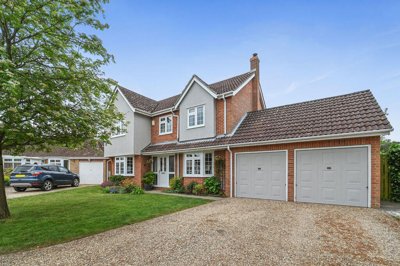
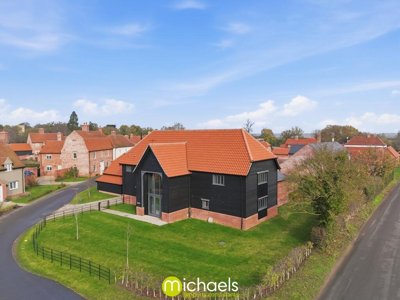
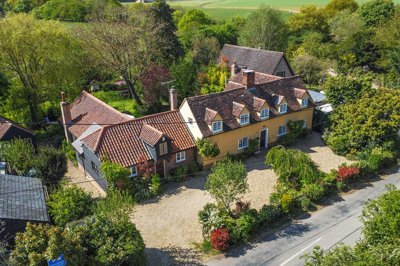
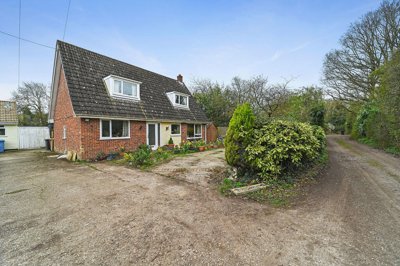
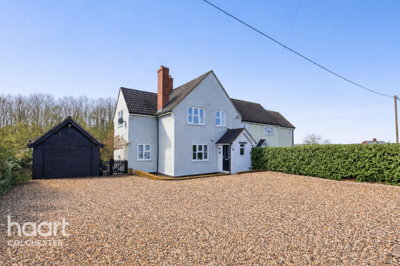
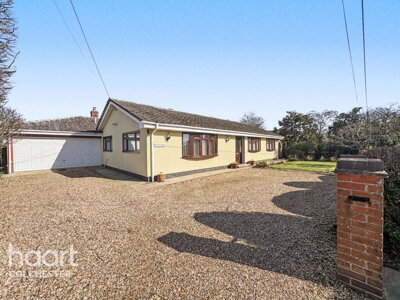
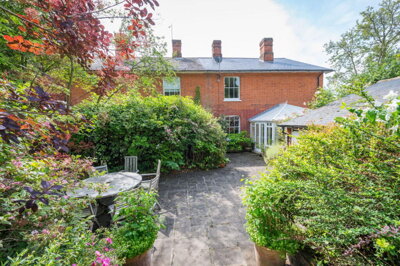
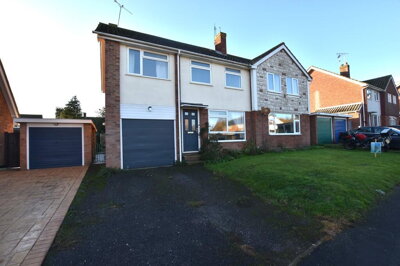
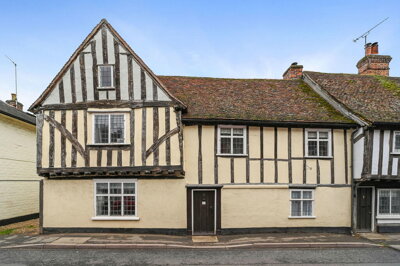
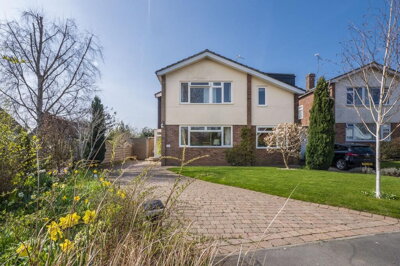
Browse 10 homes for sale in Nayland-with-Wissington from local estate agents.
The larger property sector typically features multiple bathrooms, substantial reception space, and private gardens or off-street parking. Four bedroom houses in Nayland With Wissington span detached, semi-detached, and occasionally terraced configurations, with styles ranging from period properties to modern executive homes.
£450,000
Average House Price
291
Properties Sold (12 months)
£583,750
Detached Average
£373,571
Semi-Detached Average
Nayland-with-Wissington’s property market covers a broad mix of homes, and the village’s architectural heritage is clear in the figures. Detached properties sit at the top end, with an average of approximately £583,750, which suits families after more space and privacy. Semi-detached homes average around £373,571, so they remain a solid option for buyers after traditional village living without the highest price tag. Houses dominate here rather than flats, and the sales data over the past year shows semi-detached and detached properties changing hands most often.
Buyers soon spot that prices can shift quite a bit from one street to the next. Bear Street averages £542,500, while The Westerings comes in lower at £380,000. Willow Grove has been the standout, with prices up 43% in the last year alone. The Westerings has also climbed, by 22% over the same period, although it still sits 3% below its 2020 peak of £390,000. For anyone budgeting in the parish, street level research really matters.
There has been a modest cooling across the market over the last year, with prices down approximately 3% overall. Even so, Willow Grove and The Westerings have moved strongly in double digits, which is a useful contrast. Bear Street has stayed fairly steady year-on-year, although it remains 29% below the 2018 peak of £760,833. That leaves room for buyers in streets that have not yet regained old highs, while those chasing momentum may keep an eye on the newer risers. New build activity in the immediate area is still limited, so most stock is pre-owned period property that has changed hands more than once.

Community life in Nayland-with-Wissington is closely tied to the Suffolk countryside around it. The village keeps much of its historic feel, with many homes showing the red-brick exteriors and tiled roofs that are part of the local look. Grade II listed buildings, including High Pale Farm, add to that heritage appeal. It is an area that has held onto its 16th-century roots, yet Colchester is still only a short drive away for day-to-day conveniences.
Running alongside the River Stour, the village also sits on the line between Suffolk and Essex. That waterside setting shapes the landscape, though properties nearest the river can carry flood risk. The Dedham Vale National Landscape gives the surrounding countryside its open, scenic feel. Day to day, there is a strong local community, with a village hall, pub and churches all serving residents who want rural living without being cut off from services.
Most of the older housing in the village was built with solid brick walls and timber framing, which is typical of homes put up before cavity wall construction became standard. Inside, these properties often have exposed beams, inglenook fireplaces and original floorboards, all of which bring character but also call for the right kind of upkeep. By contrast, later neo-Georgian homes from the late 20th century use cavity wall construction beneath tiled roofs, so buyers can choose between period charm and more modern building methods. The village also falls within a conservation area, so planning rules can limit major alterations and extensions while protecting the streetscape.

Families thinking about Nayland-with-Wissington will find a number of schooling options in the surrounding area. The village sits within the catchment area for primary schools in nearby villages, and several well-regarded choices are within a short drive. It is sensible to check current Ofsted ratings and admissions policies, because popular rural catchments can be competitive. Primary provision nearby includes schools in the surrounding villages, many of which are known for both academic results and pastoral care.
Fordham Primary School, around three miles away in Fordham, takes children from Reception through to Year 6 and serves families from Nayland and the wider area. Its nurturing ethos and close community links have earned praise, which fits the village feel seen across this part of Suffolk. Other options include schools in Great Horkesley and Layer Breton, each with its own character and curriculum style. Parents should check catchment boundaries and registration deadlines, as they can change each year and rural areas often cover a wide geography.
Secondary schooling is available in nearby towns, with a number of well-regarded secondary schools and grammar schools in Colchester. Anyone buying here should think carefully about school transport and journey times as part of the move. Colchester High School and Colchester Royal Grammar School draw pupils from across the region, with academic selection usually determining entry. That mix of schools makes Nayland-with-Wissington a practical base for families at different stages of education. Sixth form and further education are also well served by colleges in Colchester, reachable by car or public transport for older students.

Transport links from Nayland-with-Wissington work well for residents who need to commute but still want village life. The nearest railway station is in Colchester, where regular services to London Liverpool Street take around one hour. Bus routes also connect the village with Colchester and the surrounding villages, which gives some flexibility for those using public transport. Road access comes via the A137, linking to the A12 trunk road for routes to Ipswich, Chelmsford and beyond.
For people working in Colchester, the daily drive is fairly straightforward at around 15-20 minutes. The A134 offers a direct route into the city and passes through attractive Suffolk countryside on the way. Cyclists have rural lanes and country routes to use, although the hilly Suffolk terrain does ask for a decent level of fitness. Parking in the village is usually easier than in bigger towns, and most homes have off-street space. It is a practical blend of rural calm and good connections, which suits remote workers and anyone with flexible commuting needs who is not travelling every day.
Colchester North station has direct trains to London Liverpool Street, with the fastest journeys taking approximately 55 minutes. Colchester Town station gives further options for local travel and links into the wider rail network. Ipswich is about 35 minutes away by car via the A12, so work opportunities in the county town are within reach too. Chelmsford and places beyond can be reached within an hour, while London stays accessible either by direct rail from Colchester or via the A12 to the M25 orbital. Bus services from several operators link Nayland-with-Wissington to Colchester town centre, usually taking around 30-40 minutes depending on stops.
It is worth spending time in Nayland-with-Wissington before deciding to buy. Visit at different times of day and on different days, speak to residents and get a sense of the place yourself. Check local planning applications and read up on any conservation area restrictions that could affect future plans. The village sits within Constable Country and the Dedham Vale National Landscape, so local planning authorities may examine certain developments more closely.
Before you start viewing, get a mortgage agreement in principle from a lender. It puts you in a stronger position when making an offer and shows that you are a serious buyer. A mortgage broker can also help identify the best rates for properties in the £350,000 to £600,000+ price range that is common here. Older homes are widespread, so it is wise to allow for survey costs and any renovation work that comes to light.
Estate agents can then arrange viewings for homes that fit your brief. During each one, take notes and photographs, and ask about the age of the property, any recent renovations and any known issues. Homes in this area are often older, so maintenance needs may differ from those of a modern build. If the property is listed, ask about any consents or restrictions that could affect how you want to use it.
After your offer is accepted, book a RICS Level 2 Survey, especially if the property is older. With so many pre-1919 character homes in Nayland-with-Wissington, a detailed survey can pick up damp, roof problems or signs of subsidence linked to local clay soils. For Grade II listed homes, a more detailed RICS Level 3 Building Survey may be the better option, as it gives a fuller picture of construction and condition.
Next, appoint a conveyancing solicitor to deal with the legal side of the purchase. They will run searches, handle the contracts and work with your mortgage lender. Listed homes may need extra checks around planning permissions and listed building consents. Searches through Babergh District Council will show any planning history that is relevant to the property.
Once the searches come back satisfactorily and the mortgage is finalised, contracts are exchanged and the deposit is paid. Completion usually follows within a few weeks, at which point you get the keys to your new Nayland-with-Wissington home. Our recommended removals partners can help with the move itself.
Buying in Nayland-with-Wissington means paying attention to some local issues that do not always arise in towns and cities. Because the village has conservation areas and listed buildings, renovations and alterations often need special permission from Babergh District Council. Before you go ahead, check whether the property is listed and what that means for future changes. Freehold houses are the usual setup here, although it is still important to confirm the tenure and look out for any unusual leasehold arrangements.
Given how much of the housing stock is older, buyers should focus on the problems that commonly affect period properties. Solid walls need different insulation thinking from modern cavity-wall homes. Look for damp, particularly where older buildings may not have a damp-proof course or where one has failed. Roof condition deserves a close look too, because replacement or major repairs can be expensive on period houses. Homes near the River Stour should also be checked for flood risk, which can affect insurance costs.
Local geology points towards clay soil conditions, which can lead to shrink-swell movement and affect older homes with shallower foundations. Check walls for cracking or movement and talk it through with your surveyor. Electrical and plumbing systems in older properties may fall short of current standards and could need updating. Energy efficiency is often lower in period homes as well, which has an impact on comfort and running costs. For any older property in the village, a thorough RICS Level 2 Survey is essential.
Moated properties and historic manor houses in the area can bring their own complications, including the chance of Japanese knotweed or other invasive species that thrive in certain soil conditions. Where original timber framing survives, it needs specialist knowledge to assess it properly. Always ask for paperwork covering any renovation work, especially on listed buildings where consent may have been required.

The average house price in Nayland-with-Wissington is approximately £450,000, based on recent sales data. Detached homes average around £583,750, while semi-detached properties sit at £373,571. Prices vary sharply by street, with Bear Street averaging £542,500 and The Westerings averaging £380,000. Overall, the market has slipped by 3% over the past year, although streets such as Willow Grove and The Westerings have still seen strong price growth of over 20% in that time.
Homes in Nayland-with-Wissington fall within Babergh District Council tax. The banding depends on property value and type, and typical village homes range from Band C through to Band F. Buyers should check the exact banding with Babergh District Council records, as period properties can be valued oddly because of their character and listed status.
Primary schooling is available in nearby villages, so parents are encouraged to look at current Ofsted ratings and catchment areas before they buy. Fordham Primary School, around three miles away in Fordham, takes children from Reception through Year 6 and serves families from Nayland. For secondary education, Colchester offers options that can be reached by school transport or by car, including Colchester High School and Colchester Royal Grammar School for academically selective pupils. Admissions criteria and travel arrangements should always be checked before deciding on a property here.
Bus services from Nayland-with-Wissington connect the village with Colchester and the surrounding villages. The nearest railway station is Colchester North, where regular services to London Liverpool Street take approximately one hour. Colchester Town station gives further local travel options. The village works best for residents with a car if they want full connectivity, although there are still public transport choices for commuting and local trips.
Nayland-with-Wissington has appeal for property investors because of its position near the Dedham Vale Area of Outstanding Natural Beauty and its closeness to Colchester. Conservation status and limited new-build development help support property values. Rural places with strong community ties and obvious heritage appeal often hold their value well over time. Still, the market here is small and rental demand is limited compared with urban areas, so any investment needs a long-term view.
From April 2024, stamp duty rates begin at 0% on the first £250,000 of residential property purchases, then rise to 5% on the portion between £250,001 and £925,000. For homes priced between £925,001 and £1.5 million, the rate is 10%, with 12% applying above £1.5 million. First-time buyers get relief on the first £425,000, with 5% charged between £425,001 and £625,000. Most properties in Nayland-with-Wissington sit within the 5% stamp duty band.
Nayland-with-Wissington includes several Grade II listed buildings, and High Pale Farm is one of the best known. The historic core of the village points to a strong concentration of heritage properties, which is a big part of its character. Moated 16th-century manor houses and other historic farmhouses in the wider Nayland area add to that architectural story. Anyone buying a listed property should know that even minor alterations usually need consent from Babergh District Council and the relevant heritage authorities.
Homes immediately beside the River Stour face a higher risk of fluvial flooding, especially after heavy rain or when river levels rise. The River Stour forms part of the natural boundary between Suffolk and Essex, so low-lying land near the river needs proper research before purchase. Surface water flooding can also appear where drainage is poor, affecting gardens or lower ground floor rooms. Insurance costs may reflect that risk, and lenders can ask for a flood risk assessment if the property sits in an affected zone.
From £350
Thorough inspection ideal for older properties
From £450
Comprehensive survey for period properties
From £60
Energy performance certificate
From 4.5%
Finance for your purchase
From £499
Legal services for buying
Getting to grips with the full cost of buying in Nayland-with-Wissington makes budgeting much easier. Stamp duty land tax applies to every purchase above £250,000 at standard rates, and most village homes fall between £350,000 and £600,000, which places buyers in the 5% bracket. A property bought for £450,000 would attract approximately £10,000 in stamp duty after the £250,000 nil-rate band. First-time buyers purchasing homes up to £625,000 can claim relief, which reduces the bill significantly for those who qualify.
On top of stamp duty, buyers should allow for solicitor fees of around £800 to £1,500 for conveyancing, plus search fees of about £300 to £500. A RICS Level 2 Survey starts from £350 depending on property size, while older or listed homes may need the more detailed Level 3 survey at a higher cost. Mortgage arrangement fees usually sit between 0% and 2% of the loan amount. Buildings insurance needs to be in place from exchange of contracts, and removals costs will vary with distance and volume. Putting aside 3-5% of the property price for these extra costs gives room for a smoother purchase.
For homes in the £450,000 price bracket, you should also allow for title registration fees of approximately £300, plus local authority searches that vary by council but usually sit at £150 to £300. Properties in flood risk areas may face higher buildings insurance premiums, while older homes can need immediate spending on essential maintenance uncovered by the survey. Period properties may also need renovation costs factored in, because bringing solid-wall construction up to modern insulation standards can be expensive.

Properties for Sale In London

Properties for Sale In Plymouth

Properties for Sale In Liverpool

Properties for Sale In Glasgow

Properties for Sale In Sheffield

Properties for Sale In Edinburgh

Properties for Sale In Coventry

Properties for Sale In Bradford

Properties for Sale In Manchester

Properties for Sale In Birmingham

Properties for Sale In Bristol

Properties for Sale In Oxford

Properties for Sale In Leicester

Properties for Sale In Newcastle

Properties for Sale In Leeds

Properties for Sale In Southampton

Properties for Sale In Cardiff

Properties for Sale In Nottingham

Properties for Sale In Norwich

Properties for Sale In Brighton

Properties for Sale In Derby

Properties for Sale In Portsmouth

Properties for Sale In Northampton

Properties for Sale In Milton Keynes

Properties for Sale In Bournemouth

Properties for Sale In Bolton

Properties for Sale In Swansea

Properties for Sale In Swindon

Properties for Sale In Peterborough

Properties for Sale In Wolverhampton

Enter your details to see if this property is within your budget.
Loans, cards, car finance
Estimated property budget
Borrowing + deposit
You could borrow between
Typical borrowing
Monthly repayment
Est. at 4.5%
Loan-to-value
This is an estimate only. Your actual budget may vary depending on interest rates, credit history, and personal circumstances. For an accurate affordability assessment, speak to one of our free mortgage advisors.
This calculator provides estimates for illustrative purposes only and does not constitute financial advice. Your home may be repossessed if you do not keep up repayments on your mortgage. Estimates based on 4.5% interest rate, repayment mortgage. Actual rates depend on your circumstances.
Homemove is a trading name of HM Haus Group Ltd (Company No. 13873779, registered in England & Wales). Homemove Mortgages Ltd (Company No. 15947693) is an Appointed Representative of TMG Direct Limited, trading as TMG Mortgage Network, which is authorised and regulated by the Financial Conduct Authority (FRN 786245). Homemove Mortgages Ltd is entered on the FCA Register as an Appointed Representative (FRN 1022429). You can check registrations at NewRegister or by calling 0800 111 6768.

We use cookies to show you personalised content and improve your experience of our website. Find out more in our Privacy policy and Cookie policy.