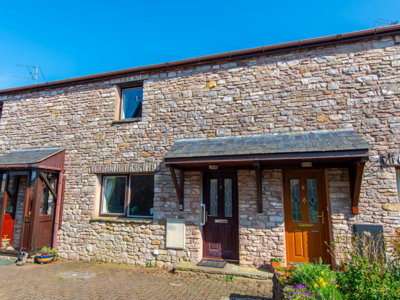
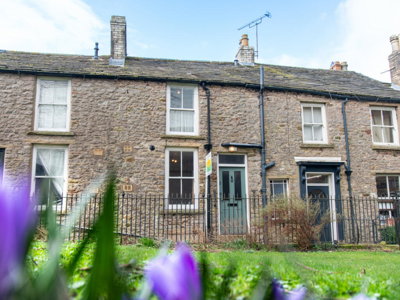
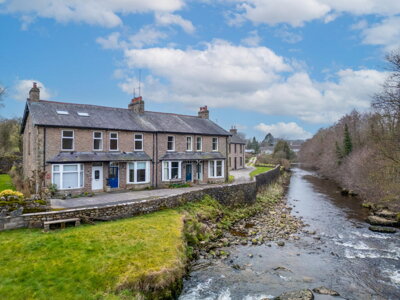
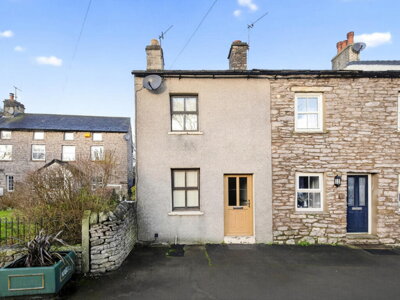
Browse 4 homes for sale in Nateby, Westmorland and Furness from local estate agents.
The 2 bed house market features detached, semi-detached, and terraced properties with two separate bedrooms plus living spaces. Properties in Nateby range from Victorian and Edwardian period homes to modern new builds, with pricing varying across different neighbourhoods.
£0k
0
0
0
Source: home.co.uk
Showing 0 results for 2 Bedroom Houses for sale in Nateby, Westmorland and Furness.
homedata.co.uk records put Nateby’s average sold price over the last year at £294,000, a useful marker when buyers are working out what a sensible budget looks like. The 16% annual fall points to a cooler market, and the 23% drop from the 2019 peak of £380,000 suggests there may be more room to talk on price than there was a few years back. For buyers who are ready to move quickly, that shift can matter. It may also favour those willing to look at different house types, plots and levels of condition rather than waiting for one perfect listing.
Lancashire gives a wider comparison point, with established homes averaging £205,000 and newly built homes averaging £317,000. Over the last 12 months, the county recorded 20,400 property sales, down 17.4% with 4,700 fewer transactions, and only 3.6% of those sales were newly built properties. The mix was led by terraced homes at 37.6%, followed by semi-detached homes at 32.9%, detached homes at 21.9% and flats at 7.5%. These are county figures rather than Nateby-only figures, but they still help show what sort of housing tends to change hands across the surrounding market.

Nateby suits buyers who like the idea of a small village rather than a busier suburban setting. The parish population was 584 in 2011, having risen from 475 in 2001, so the place has grown without becoming large. That scale usually brings quieter roads, fewer passers-by and a stronger chance of recognising the same faces day to day. For movers leaving denser streets behind, that is often the point.
The research we have describes Nateby as a village and civil parish, and it also notes Nateby Hall historically. It does not, however, identify a heavy concentration of listed buildings or a formal conservation area. That suggests much of the appeal comes from the village’s setting and size rather than from a dense historic core. Buyers may find that easier to live with than a street full of protected buildings, although the absence of detailed local geology, building-material or flood-risk data still makes a careful survey a sensible step on any shortlisted house.
We do not have a verified list of schools within Nateby itself, so families should confirm catchments with the relevant local authority before making an offer. For properties sitting within the Westmorland and Furness boundary, that means checking places, admissions rules and transport well ahead of the move date. It is also worth matching primary, secondary and sixth-form provision to the family’s actual weekday routine. A house can look right on a screen, then prove awkward if the school run depends on long drives or a thin bus service.
With no exact school-performance data supplied for Nateby, education needs to be judged alongside journey time and the likelihood of getting a place. Look at well-rated primary schools, realistic secondary options and, where needed, sixth-form or further-education routes within a manageable commute. Families moving with school-age children should compare catchment maps and admissions criteria before viewings start. In a rural area, that early check can prevent a lot of frustration later.

The research pack does not give a verified station list or bus timetable for Nateby, so it is best treated as a rural location first and a commuting base second. Before getting too attached to a house, check car access, local road conditions and peak-time journey times. Anyone relying on rail travel or regular business trips should test the route from the village to the nearest practical station and the main road network. Do it at the time you would normally travel, not on a quiet Sunday afternoon.
Parking deserves a proper look in a small village. Some houses will have generous driveways or useful off-road space, while others may depend on roadside parking, shared access or a short frontage. If the household has more than one car, frequent visitors or regular deliveries, that can matter as much as the bedroom count. Commuters should also think about winter journeys, local closures and whether the route home feels dependable all year round.
Compare asking prices against the sold-price evidence we can verify, then decide whether the house, plot and condition justify the figure. For price context, use homedata.co.uk, while remembering that the Nateby evidence we hold is limited and wider local knowledge still has a part to play.
Get a mortgage agreement in principle before arranging viewings. Sellers and agents are more likely to take an offer seriously when we can show that your finances have been checked and that you know your borrowing range.
See the property in daylight, then go back to the road or lane at another time of day if you can. A second look can reveal parking pressure, traffic patterns, neighbour activity and access snags that are easy to miss during a first viewing.
For many standard homes, a RICS Level 2 survey is a sensible choice. Older, altered or unusual properties may call for a Level 3 survey, and in a rural area our surveyors would pay close attention to roofs, damp indicators, access, drainage and any signs of movement.
Ask a conveyancer to check the title, boundaries, rights of way, covenants and any leasehold clauses if the property is not freehold. Rural homes sometimes come with land, access or responsibility questions that are not obvious at the viewing, so early legal work can save time.
Once the searches, mortgage offer and survey are in place, agree the completion date and get the deposit and removals organised. Keep your solicitor informed if anything changes, particularly if there is a chain involved or you are moving from outside the area.
In a small rural market, the key buying questions are often access, upkeep and resale appeal rather than showy extras. Check whether the property is freehold or leasehold, and if it is a flat or a converted building, ask about service charges, ground rent and the reserve fund. Rural plots may involve shared access, private drainage or responsibility for walls, hedges and fences, so the legal pack needs proper attention. If the price looks unusually low, ask whether repair costs, limited parking or a narrower buyer pool are already being priced in.
The available research does not identify specific flood zones, soil conditions or local construction trends for Nateby, which is one reason a professional survey is important. Even a tidy-looking older house can need checks on damp, roof condition, wiring and general wear. Where a property sits near open land, watercourses or low-lying ground, ask our surveyors and your solicitor what that means in practical terms. Around historic buildings or conservation settings, buyers should also ask whether extensions, replacement windows or other external changes could be restricted.

For the Nateby market dataset we can verify, homedata.co.uk records an average sold house price of £294,000 over the last year. That sits 16% below the previous year and 23% under the 2019 peak of £380,000. Because the available dataset is not fully specific to the Westmorland and Furness boundary, use the figure as a guide rather than a final valuation. It is still a useful benchmark when judging whether an asking price feels realistic.
Westmorland and Furness Council sets council tax bands, and the band follows the property’s valuation rather than the village name by itself. In a small place such as Nateby, different house sizes, ages and improvement histories can mean different bands. Check the exact band on the listing or with the local authority before finalising your budget. The monthly running cost matters alongside the purchase price.
We do not have a confirmed school list for Nateby itself, so current admissions data and catchments need to be checked directly. Families tend to weigh nearby primary, secondary and sixth-form choices by travel time, Ofsted status and whether a place is available for the intake year they need. If children are part of the move, start that work before making an offer. Catchment lines can change, and the right postcode may be as important as the right floor plan.
Verified station and bus data for Nateby is not included in the research pack, so transport needs to be inspected on the ground. Check the nearest rail options, bus frequency and whether everyday life would still work without a car. Regular commuters should drive or travel the route at their usual times. A rural home can be a very good fit, but only if the journey pattern matches the way you live.
Nateby may appeal to buyers looking for a quieter, lower-turnover market with village character. It is less likely to suit someone expecting quick speculative gains without strong local demand behind them. The sold-price evidence we hold shows a softer market, with the average down 16% year on year and 23% below the 2019 peak. Patient buyers may find entry opportunities, especially with well-kept homes in stronger positions, while longer-term value will come down to condition, setting, access and the depth of the local buyer pool.
Stamp duty is based on the price paid and whether the buyer is a first-time buyer, not on Nateby itself. For most buyers, the 2024-25 rates are 0% up to £250,000, 5% from £250,000 to £925,000, 10% from £925,000 to £1.5 million and 12% above £1.5 million. First-time buyers pay 0% up to £425,000 and 5% from £425,000 to £625,000, with no relief above £625,000. A solicitor or mortgage adviser can calculate the exact bill for your purchase.
Across Lancashire, only 3.6% of sales were newly built in the last 12 months, so new-build supply appears limited at county level. The research we have does not confirm any active developments within Nateby itself. Buyers should therefore expect older or established homes to make up much of the available stock. If a new home is the priority, it makes sense to widen the search and compare nearby villages carefully.
Yes, a survey is a sensible move, especially as the research does not provide detailed information on local ground conditions, flood exposure or construction types. A RICS Level 2 survey fits many standard homes, while a Level 3 survey is better for older, altered or more complex properties. In rural houses, issues with roofs, damp, access and drainage can be easy to miss at a viewing. The inspection can prevent expensive surprises after completion.
Stamp duty can change the shape of a budget, so check the numbers before making an offer. For 2024-25, the standard rates are 0% up to £250,000, 5% from £250,000 to £925,000, 10% from £925,000 to £1.5 million and 12% above £1.5 million. First-time buyers pay 0% up to £425,000, then 5% from £425,000 to £625,000, with no relief beyond £625,000. If a Nateby home is close to the average sold figure we can verify, the tax bill may be manageable, although the exact amount still depends on the buyer’s circumstances.
Set money aside for mortgage fees, conveyancing, surveys, searches and removals, particularly if the house is likely to need work after completion. In a rural market, a property’s visible condition does not always tell the whole story, which is why a survey can be so useful. Buyers using a mortgage should also allow for the lender’s valuation and any product fees. Planning those costs early makes it easier for our team to move quickly when the right property appears.
Properties for Sale In London

Properties for Sale In Plymouth

Properties for Sale In Liverpool

Properties for Sale In Glasgow

Properties for Sale In Sheffield

Properties for Sale In Edinburgh

Properties for Sale In Coventry

Properties for Sale In Bradford

Properties for Sale In Manchester

Properties for Sale In Birmingham

Properties for Sale In Bristol

Properties for Sale In Oxford

Properties for Sale In Leicester

Properties for Sale In Newcastle

Properties for Sale In Leeds

Properties for Sale In Southampton

Properties for Sale In Cardiff

Properties for Sale In Nottingham

Properties for Sale In Norwich

Properties for Sale In Brighton

Properties for Sale In Derby

Properties for Sale In Portsmouth

Properties for Sale In Northampton

Properties for Sale In Milton Keynes

Properties for Sale In Bournemouth

Properties for Sale In Bolton

Properties for Sale In Swansea

Properties for Sale In Swindon

Properties for Sale In Peterborough

Properties for Sale In Wolverhampton

Enter your details to see if this property is within your budget.
Loans, cards, car finance
Estimated property budget
Borrowing + deposit
You could borrow between
Typical borrowing
Monthly repayment
Est. at 4.5%
Loan-to-value
This is an estimate only. Your actual budget may vary depending on interest rates, credit history, and personal circumstances. For an accurate affordability assessment, speak to one of our free mortgage advisors.
This calculator provides estimates for illustrative purposes only and does not constitute financial advice. Your home may be repossessed if you do not keep up repayments on your mortgage. Estimates based on 4.5% interest rate, repayment mortgage. Actual rates depend on your circumstances.
Homemove is a trading name of HM Haus Group Ltd (Company No. 13873779, registered in England & Wales). Homemove Mortgages Ltd (Company No. 15947693) is an Appointed Representative of TMG Direct Limited, trading as TMG Mortgage Network, which is authorised and regulated by the Financial Conduct Authority (FRN 786245). Homemove Mortgages Ltd is entered on the FCA Register as an Appointed Representative (FRN 1022429). You can check registrations at NewRegister or by calling 0800 111 6768.

We use cookies to show you personalised content and improve your experience of our website. Find out more in our Privacy policy and Cookie policy.