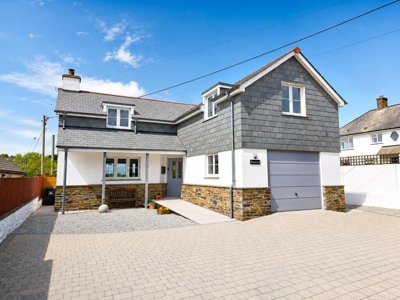
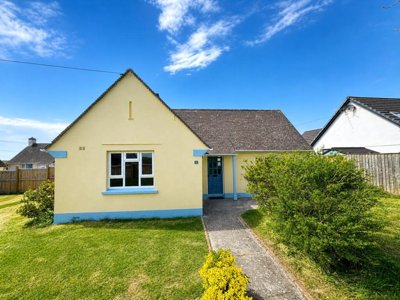
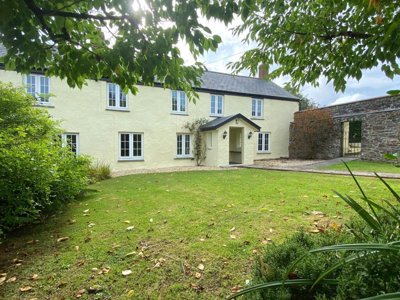
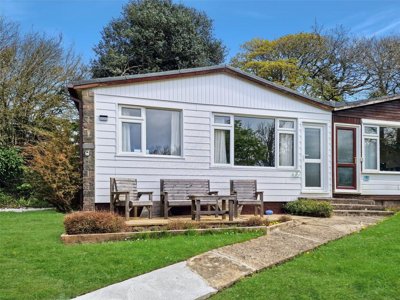
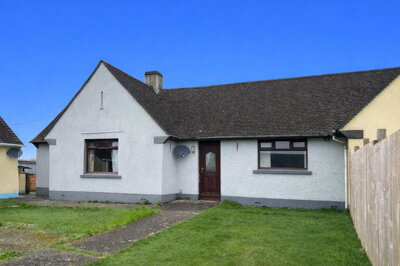
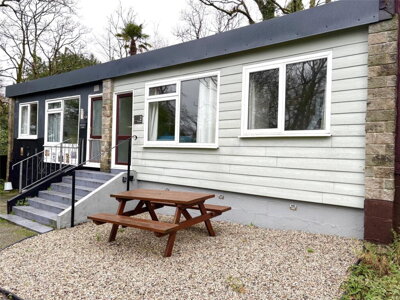
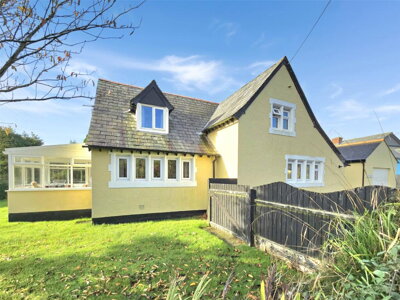
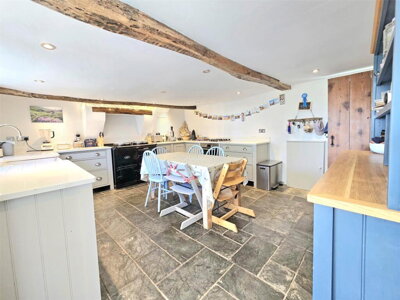
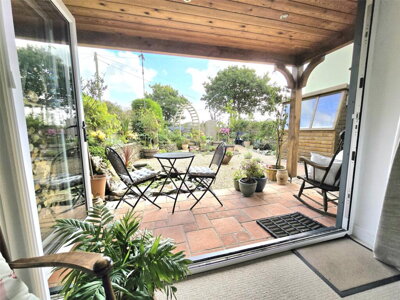
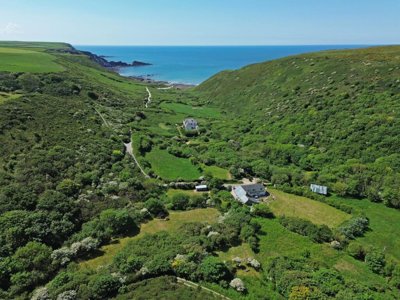
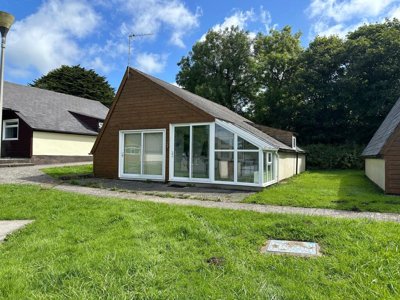
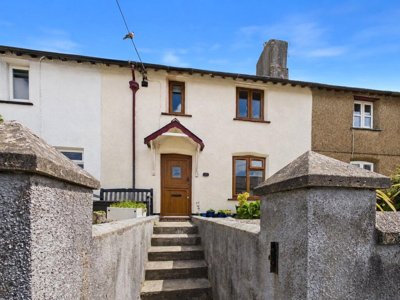
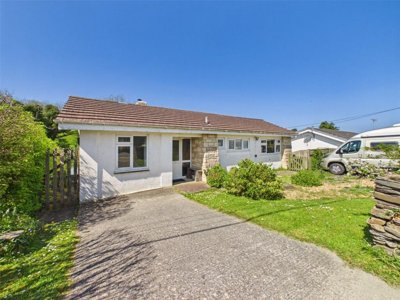
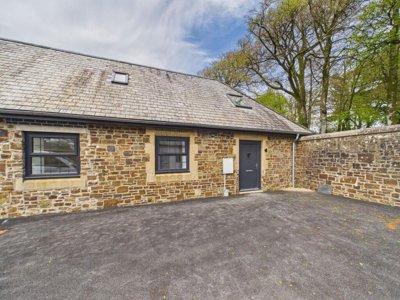
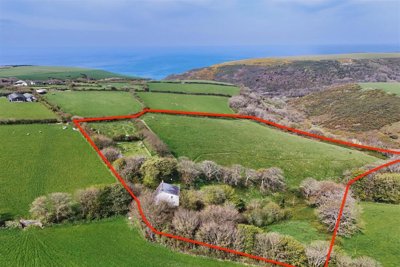
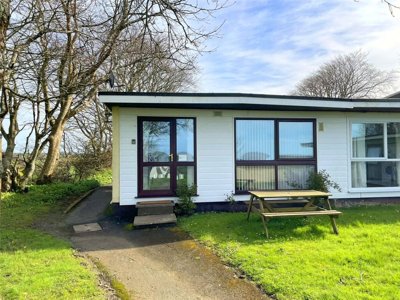
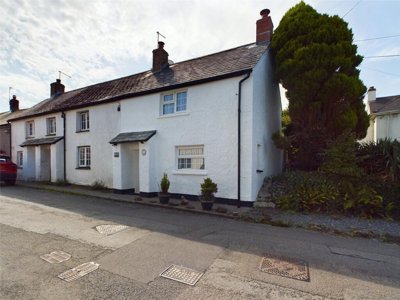
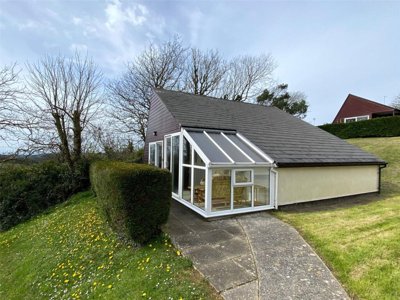
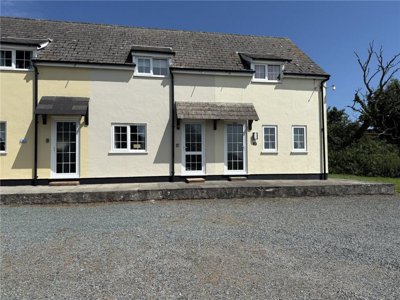
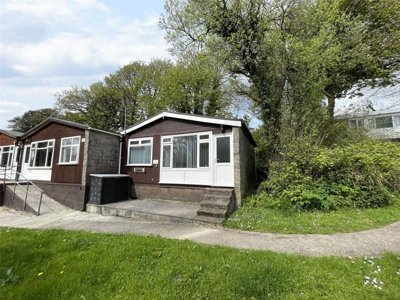
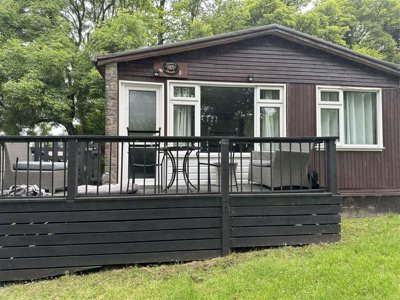
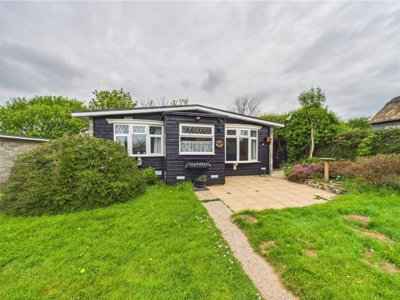
Browse 76 homes for sale in Morwenstow, Cornwall from local estate agents.
£425k
16
2
148
Source: home.co.uk
Source: home.co.uk
Detached
7 listings
Avg £582,857
Bungalow
5 listings
Avg £283,490
Cottage
1 listings
Avg £330,000
End of Terrace
1 listings
Avg £475,000
Not Specified
1 listings
Avg £700,000
Semi-Detached
1 listings
Avg £695,000
Source: home.co.uk
Source: home.co.uk
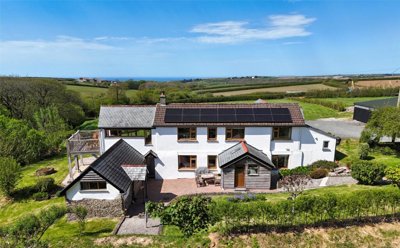
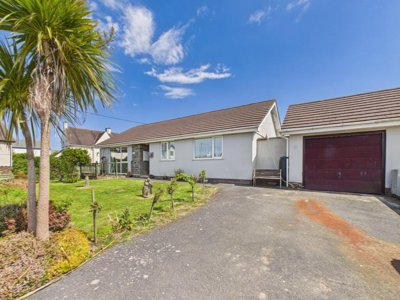
Morwenstow’s property market mirrors its role as an exclusive coastal retreat, with supply consistently lagging behind demand from buyers after rural Cornwall living. Detached homes dominate the local scene, and recent home.co.uk listings data puts the average at around £690,714. These sizeable family houses often come with generous plots, agricultural land, or coastal views, which suits buyers who need room for horses, smallholdings, or simply the kind of countryside privacy town life cannot give.
Semi-detached homes in Morwenstow have also seen striking gains, with recent transactions averaging about £695,000. That points to how thin the stock is for mid-sized homes in the parish, where much of what exists is made up of large detached farmhouses or converted agricultural buildings. Historical figures show the semi-detached market reached a £310,000 median in 2022, up 51.2% since 2019, while terraced homes climbed to a £373,000 median in 2021, 36.9% above 2017 levels.
Flats are few and far between, but the average price sits at £795,700, usually for boutique conversions or purpose-built retirement accommodation in nearby Bude. Looking back, prices in Morwenstow peaked at £601,000 in 2022, and the current market shows a 16% correction over the past year, which may open the door for buyers who missed that high point. For people arriving from Devon or planning a coastal retirement, that gives a more workable entry point than the 2022 peak.
New build activity in Morwenstow is still very limited, with planning applications mostly limited to single-dwelling approvals, annexes, and extensions rather than major schemes. A recent approval for a single dwelling at Lower Brownspitt Farm in Gooseham shows the parish council’s preference for modest, carefully judged development that keeps the existing character intact. Most homes listed are period properties needing anything from light touch work to full renovation, so buyers who want a project can create something personal while still respecting the area’s architectural history.

Here, daily life follows the Cornish countryside and the constant presence of the Atlantic. The parish sits high on the northeastern Cornwall cliffs, with sweeping coastal views that have drawn artists, writers, and poets for generations. Reverend Robert Stephen Hawker once served here, and his odd, enduring legacy still shapes the area, from Hawker’s Hut built from shipwreck driftwood at Higher Sharpnose Point to the former Rectory where he hosted literary visitors of the day.
The Coombe Valley gives the area much of its character, a quiet waterway that has supported settlement since at least 1694, when Coombe Mill first appears in records. It is a peaceful stretch of Cornwall, away from the tourist hotspots, and planning documents also note minor flood repair history in the valley. Farming remains central to local life, so agricultural buildings and traditional farmhouses form much of the housing stock. Shop has a small convenience store and post office for everyday needs, while Bude is close enough for supermarkets, medical facilities, and professional services.
Morwenstow draws a fairly specific mix of buyers, people leaving urban life behind, remote workers who do their jobs online, retired couples after a quiet coastal setting, and families who value outdoor education and countryside living. Along the North Cornwall coast, the satellite dishes hint at specialist technical workers too, which adds a modern note to an otherwise agricultural community. For a small parish, it carries real weight culturally, with multiple Grade I and II listed buildings, including Tonacombe Manor and the Church of St Morwenna and St John the Baptist.
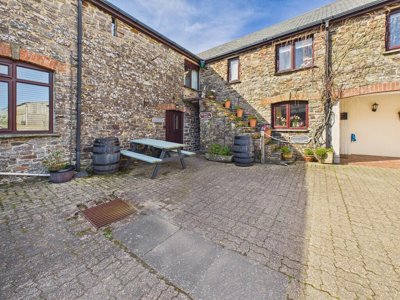
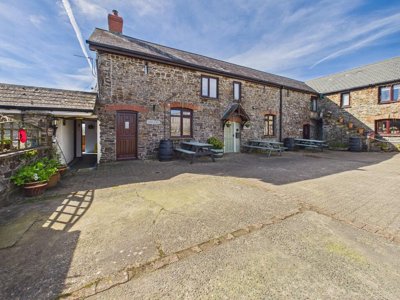
Across the hamlets, the housing stock tells the story of centuries of change, from the late medieval core of Tonacombe Manor to the late 16th and 17th century farmhouses scattered through the parish. Traditional construction is the norm, with stone rubble walls, slate roofs, polyphant and granite dressings, and local brick chimneys. That shared material palette gives Morwenstow its distinctive look. It also means many homes come with similar age-related upkeep.

St Mark’s Church of England Primary School in the hamlet of Shop is the centre of education for younger children in Morwenstow. It serves local families with a small-school setting, where class sizes stay low and teachers can give each pupil individual attention. Parents value the community links and the Cornwall-focused curriculum, which helps children understand and take pride in their heritage.
For secondary school, families usually head to Bude, where Bude Primary School’s secondary campus or nearby comprehensive schools offer a wider choice of subjects and activities. By car, the trip takes around 25 minutes, following the country lanes that define North Cornwall. School transport routes and catchment eligibility often shape property searches here, because the rural setting means those details have a big effect on everyday family life.
The wider North Cornwall area gives families a few more options, including several grammar schools in Devon and Cornwall that take pupils from across the region. Anyone planning a move to Morwenstow should check catchment areas carefully, as transport routes and eligibility can have a real bearing on the school run. For sixth form, the nearest colleges are in Bude and nearby towns, and many families choose boarding or commuting for A-levels, vocational courses, and apprenticeships.
Outside formal schooling, Morwenstow’s landscape offers unusually rich informal learning. The dramatic coast works as a living classroom for marine biology and geography, while the working farmland brings agriculture and rural economies into view every day. Numerous listed buildings, from medieval manor houses to historic churches, add a strong heritage element that urban areas simply cannot match. Parents who move here often point to that environmental and historical setting, saying it helps children grow up with respect for nature, history, and community.

Transport in Morwenstow reflects its rural setting, and owning a car is pretty much essential for day-to-day life because public transport is so sparse. The parish lies about 10 miles from Bude, the nearest town with full amenities, supermarkets, and medical facilities. The drive to Bude takes roughly 25 minutes, again along those winding North Cornwall lanes. For commuters heading to Exeter, Plymouth, or Truro, the journey is longer but still workable, usually between 90 minutes and two hours depending on where they are going and the traffic.
Bus links do exist, though only in a limited way, with local services running between Morwenstow, Bude, and surrounding villages on set timetables. They give residents without cars access to essential services, but the infrequent schedules mean planning ahead matters. Exeter and Plymouth are home to the nearest railway stations, both with high-speed services to London Paddington and the wider national rail network. For remote workers and home-based businesses, the A39 Atlantic Highway opens up access to Barnstaple and beyond, although summer tourist traffic can slow it down.
Anyone considering Morwenstow as a main home while keeping an urban job needs to think carefully about the commute. A lot of current residents work remotely, using high-speed broadband that is available, though specific properties may need checking because rural infrastructure can be patchy. Satellite dishes around the parish suggest some households have gone for specialist connectivity instead. Cycling is popular for local trips, and the coastal terrain makes the rides challenging but rewarding. The South West Coast Path also runs through Morwenstow, giving residents proper walking routes into neighbouring parishes and along the wider Cornish coast.

It pays to spend time in Morwenstow’s hamlets and work out which parts suit the way you live. Drive the lanes, stop in Shop for the local amenities, and talk to residents about life in the parish. Once you get to know the property types, from converted barns to historic farmhouses, it becomes much easier to spot the home that feels right.
Speak to lenders or mortgage brokers early so you have an agreement in principle before you make an offer. With average property prices around £451,262 in Morwenstow, having finance lined up strengthens your position with sellers. Rural mortgage specialists can help with the quirks of buying period homes or properties with land.
Work with local estate agents who know the Morwenstow market properly. View a few homes rather than settling on the first one, so you can compare condition, renovation needs, and price. Many properties here are older homes needing different levels of investment, so knowing the real renovation cost matters before you commit.
Because so many Morwenstow properties date from the 16th, 17th, and 19th centuries, a full survey is essential. A Level 2 homebuyer report should pick up the common issues seen in period homes, such as damp, timber defects, structural movement, and old services. For listed buildings, extra money may be needed for specialist assessment.
Choose a solicitor with experience in Cornwall property transactions and listed building rules. They will carry out local authority searches, check planning permissions, and make sure the paperwork meets legal requirements for this historic area.
Once the surveys come back well and the legal questions are sorted, your solicitor will organise exchange of contracts and agree a completion date. On completion day, the keys change hands, and your new life in Morwenstow starts.
Buying in Morwenstow calls for close attention to the special qualities of this historic coastal parish. Most homes here are period properties built in traditional ways that differ a good deal from modern construction. Stone rubble walls with slate roofs, polyphant and granite dressings, and local brick chimneys are the standard from Tonacombe Manor through to the many farmhouses across the parish. Before you buy, we recommend a RICS Level 2 surveyor with experience of historic Cornish properties, so the condition of these older building elements can be assessed and any remedial work identified.
Listed building status affects a substantial share of Morwenstow’s housing stock, with Grade I, II*, and II designations bringing legal responsibilities for owners. Properties such as Hawker’s Hut, Stanbury Manor, and numerous farmhouses throughout the parish are protected because of their historic importance. Hawker’s Hut is especially unusual, built from driftwood recovered from shipwrecks and shaped with a partially earth-sheltered design under a turf roof. Buyers need to understand that listed building consent may be needed for alterations, extensions, or even certain repairs, and standard building work can face tighter controls than it would in an unlisted home.
Flood risk is generally low across the parish, but specific properties still need checking, especially in the Coombe Valley where minor flood repair work has been documented at places like Ford Cottage. The Coombe Valley has supported settlement since at least 1694, and the waterway through it can bring localised flooding after heavy rain. Being close to the coast also means erosion is a long-term factor for homes near cliff edges, so buyers should check exactly where a property sits in relation to any designated coastal erosion zones.
Broadband and mobile signal can vary a great deal from one Morwenstow property to the next because of the rural setting. The satellite dishes visible along the North Cornwall coast suggest some residents have already turned to specialist connectivity solutions. Anyone who works remotely should check telecommunications carefully before buying. Larger gardens or agricultural land can also bring extra maintenance and insurance costs, so those need to sit in the budget from the start.

The average sold price for properties in Morwenstow over the past year is approximately £451,262 according to homedata.co.uk property data, and that same figure appears at around £451,262 in home.co.uk listings data figures too. Detached properties average about £690,714, while semi-detached homes have recently reached around £695,000. Flats average £795,700, although they make up only a small share of sales. Prices have eased by around 16% from the 2022 peak of £601,000, which gives buyers a more accessible way in. Across Cornwall, the average house price was £277,000 in December 2025, down 2.5% on the previous year, yet Morwenstow’s coastal location still keeps values noticeably higher.
Cornwall Council handles council tax for Morwenstow properties. Bands vary with each home’s valuation, but period farmhouses and cottages are often in bands B through D, while larger detached homes with coastal views may sit higher. Cornwall Council’s website has a searchable database, so buyers can check the council tax band for any specific Morwenstow property before they buy. With Grade I and II* listed buildings such as Tonacombe Manor and the former Rectory in the parish, some homes may also have extra considerations around listed status and council tax classification.
St Mark’s Church of England Primary School in the hamlet of Shop is the main primary school for Morwenstow, educating children up to age 11 within the parish. The small class sizes allow for more individual attention, and the Cornwall-focused curriculum helps pupils connect with their local heritage. For secondary school, families usually look to Bude, or they may consider grammar school places across Devon and Cornwall where catchment areas allow. The drive to secondary schools takes about 25 minutes through scenic countryside lanes.
Public transport links in Morwenstow are sparse, which fits the rural character of the parish. Local bus services do connect Morwenstow with Bude and nearby villages, but they run infrequently, so most residents need a car. Exeter and Plymouth have the nearest railway stations, both around 60-75 miles away, with mainline services to London and the national rail network. Daily commuting, shopping, and most services beyond the parish usually depend on private vehicles, while the A39 Atlantic Highway is the main route into the wider Cornwall and Devon network.
For buyers after lifestyle investment or long-term capital growth, Morwenstow still has real appeal in a tightly controlled market. Strict planning policies limit new development, which helps existing homes hold their value, and the thin supply of properties for sale supports prices. Recent approvals have again shown the parish council’s preference for single dwellings rather than larger schemes, keeping the area’s exclusive feel in place. The coastline remains unspoiled, and buyers from urban areas keep coming for that reason. Holiday lets can work here too, given North Cornwall’s tourism pull, although any rental use has to follow local planning rules and licensing requirements.
Stamp Duty Land Tax applies to every property purchase in England, Morwenstow included. For a home bought at the current average price of £451,262, standard rates mean no duty on the first £250,000, then 5% on the slice between £250,001 and £451,262, which comes to roughly £10,063 in SDLT. First-time buyers get relief on the first £425,000, bringing their liability down to around £1,313. Anyone buying an additional property or a buy-to-let will pay the higher rates, including the 3% supplement. Because many Morwenstow homes are above £500,000, SDLT needs to sit firmly in the purchase budget.
From 4.5%
Expert mortgage advice for Morwenstow properties
From £499
specialist solicitors for Cornwall property transactions
From £350
Essential survey for period properties in Morwenstow
From £80
Energy performance certificate for Morwenstow homes
Planning for the full cost of buying in Morwenstow means looking well beyond the purchase price. Stamp Duty Land Tax is usually the biggest extra expense, and the standard threshold of £250,000 means most buyers will pay something. On a typical Morwenstow home at £451,262, the current SDLT calculation comes out at roughly £10,063. First-time buyers are better off, with relief up to £425,000 reducing the bill to around £1,313 for homes within that limit. Properties above £925,000 attract the highest SDLT rates, which matters for anyone aiming at premium farmhouses or homes with substantial land.
Survey fees deserve close attention because of the age and character of most Morwenstow homes. A RICS Level 2 Survey usually costs between £400-800 nationally, although homes priced above £500,000 average around £451,262. As many local properties date from the 16th, 17th, and 19th centuries, pre-1900 construction often brings an extra 20-40% premium on survey costs because traditional building methods take more time to assess. Listed homes may need specialist surveys that add £150-400 to standard fees, but that is money spent finding problems before purchase rather than after.
Conveyancing fees normally start from £499 for standard transactions, rising where a property is leasehold or has a more complicated title. Local searches from Cornwall Council, drainage enquiries, and environmental searches generally come to £300-500. For homes with agricultural land or in flood risk areas such as parts of Coombe Valley, extra searches may be sensible to pick up any historic flood repair work or drainage issues. The Coombe Valley area has documented minor flood repair history, so it is wise to budget accordingly for a thorough search pack on properties there.
Mortgage arrangement fees vary from lender to lender, typically sitting between 0-2% of the loan amount, although many deals come with fee-free options. Building insurance should be arranged before completion, and premiums for period homes are often higher than for standard houses because traditional materials like stone rubble and slate are more costly to replace. For a period Morwenstow property, budget around £1,500-3,000 a year for buildings insurance, though it is best to get quotes before purchase so there are no surprises. Removal costs, decorator fees for any renovation work, and garden maintenance equipment all add to the moving budget too.

Properties for Sale In London

Properties for Sale In Plymouth

Properties for Sale In Liverpool

Properties for Sale In Glasgow

Properties for Sale In Sheffield

Properties for Sale In Edinburgh

Properties for Sale In Coventry

Properties for Sale In Bradford

Properties for Sale In Manchester

Properties for Sale In Birmingham

Properties for Sale In Bristol

Properties for Sale In Oxford

Properties for Sale In Leicester

Properties for Sale In Newcastle

Properties for Sale In Leeds

Properties for Sale In Southampton

Properties for Sale In Cardiff

Properties for Sale In Nottingham

Properties for Sale In Norwich

Properties for Sale In Brighton

Properties for Sale In Derby

Properties for Sale In Portsmouth

Properties for Sale In Northampton

Properties for Sale In Milton Keynes

Properties for Sale In Bournemouth

Properties for Sale In Bolton

Properties for Sale In Swansea

Properties for Sale In Swindon

Properties for Sale In Peterborough

Properties for Sale In Wolverhampton

Enter your details to see if this property is within your budget.
Loans, cards, car finance
Estimated property budget
Borrowing + deposit
You could borrow between
Typical borrowing
Monthly repayment
Est. at 4.5%
Loan-to-value
This is an estimate only. Your actual budget may vary depending on interest rates, credit history, and personal circumstances. For an accurate affordability assessment, speak to one of our free mortgage advisors.
This calculator provides estimates for illustrative purposes only and does not constitute financial advice. Your home may be repossessed if you do not keep up repayments on your mortgage. Estimates based on 4.5% interest rate, repayment mortgage. Actual rates depend on your circumstances.
Homemove is a trading name of HM Haus Group Ltd (Company No. 13873779, registered in England & Wales). Homemove Mortgages Ltd (Company No. 15947693) is an Appointed Representative of TMG Direct Limited, trading as TMG Mortgage Network, which is authorised and regulated by the Financial Conduct Authority (FRN 786245). Homemove Mortgages Ltd is entered on the FCA Register as an Appointed Representative (FRN 1022429). You can check registrations at NewRegister or by calling 0800 111 6768.

We use cookies to show you personalised content and improve your experience of our website. Find out more in our Privacy policy and Cookie policy.