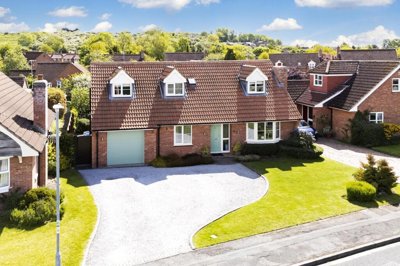
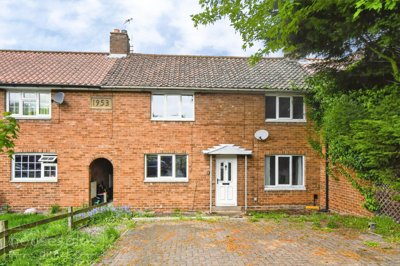
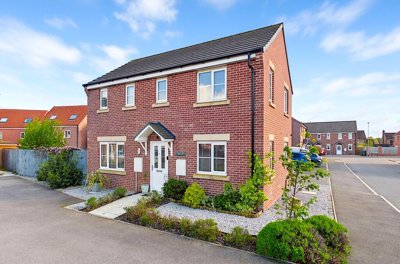
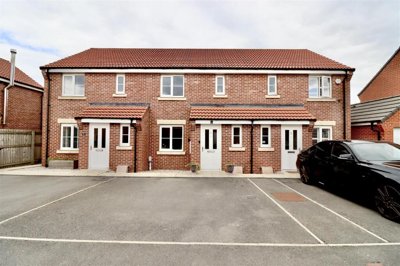
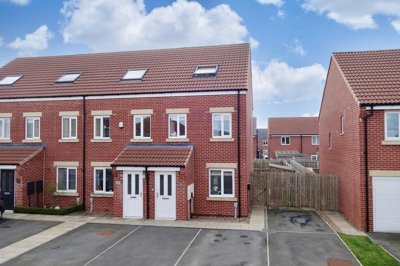
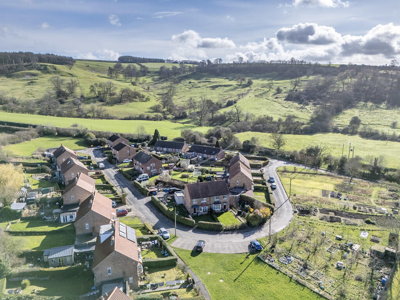
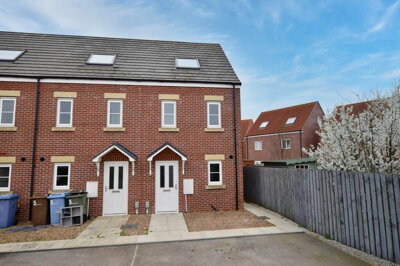
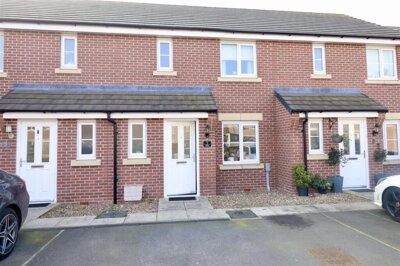
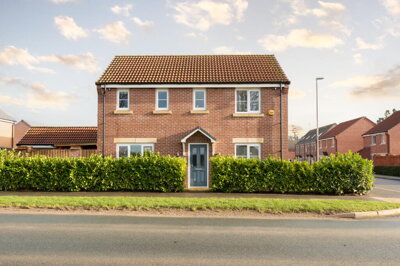
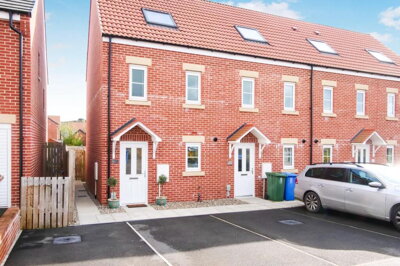
Browse 13 homes for sale in Millington, East Riding of Yorkshire from local estate agents.
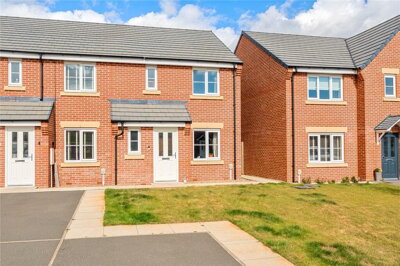
Three bedroom properties represent a significant portion of the Millington housing market, offering space for families with multiple reception rooms and gardens in many cases. Browse detached, semi-detached, and terraced options ranging from period character homes to contemporary developments.
£0k
0
0
0
Source: home.co.uk
Showing 0 results for 3 Bedroom Houses for sale in Millington, East Riding of Yorkshire.
Millington’s property market mirrors wider East Riding of Yorkshire trends. In December 2025, the average house price reached £221,000, a 4.8% rise on the previous year. Against that backdrop, homes in the village tend to sell at a premium because the setting is sought after and supply is tight. The latest confirmed sale in Millington was £327,500 in December 2024, which puts the village comfortably in the middle-to-upper band for the area. With so little stock, homes do not usually sit around for long, and the better ones often draw more than one interested party.
Millington follows the broader East Riding of Yorkshire market, where the average house price reached £221,000 in December 2025, a 4.8% increase from the previous year. In this setting, village homes attract a premium because the location is desirable and the supply of available homes is limited. The most recent confirmed sale in Millington came in at £650,000 in December 2024, placing the village firmly in the middle-to-upper market bracket for the area. With such restricted housing stock, properties rarely linger on the market, and the best homes often bring more than one interested party.
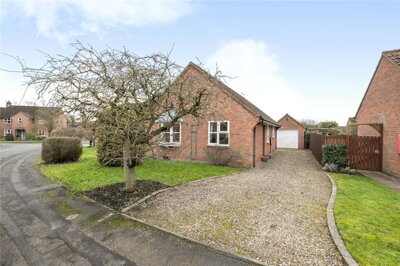
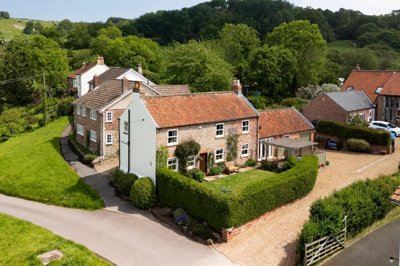
Millington’s housing mix is varied. We see mid-terrace cottages with original features, as well as substantial detached family homes on generous plots. Plenty of properties look out over the East Riding countryside, and some come with agricultural land or paddocks that will suit equestrian buyers or anyone after a smallholding lifestyle. At the top end sits the Grade II listed Georgian residence, with grand proportions and a history modern builds cannot match. Anyone considering one of these homes needs to think about listed-building consent, planning limits and specialist upkeep.

Millington feels like the classic English village, set among the rolling hills and farmland of the East Riding of Yorkshire. The village and civil parish has a strong community feel, with people enjoying rural pace without losing touch with the nearby market towns. Stone farmhouses and the Grade II listed Georgian residence shape the character of the place, giving the built environment real depth. Those period homes are part of what makes the village memorable. Local events and activities also play their part, bringing residents together rather than leaving village life feeling isolated.
For people who like being outdoors, the surrounding countryside is a real draw. We have footpaths and bridleways for walking, cycling and horse riding, and the East Riding landscape shifts from arable fields to gentle valleys as you move through it. Everyday needs are covered in nearby villages and market towns, while York adds shopping, culture and entertainment within easy reach. That mix of peace and access suits families, remote workers and anyone wanting a change from urban life. The agricultural past is still visible too, with working farms continuing alongside homes.
Agriculture still drives much of the rural economy around Millington. Arable farming and livestock production make up the main land use, and several working farms supply regional markets while reinforcing the village setting. Pocklington is close enough for farmers' markets and farm shops, so residents can pick up fresh, locally-produced food without much fuss. For people working remotely or running a business from home, the setting is calm, and superfast broadband in the YO42 postcode area supports dependable internet connections for day-to-day professional life.

Families moving to Millington have a reasonable choice of primary schools within reach. Nearby village schools serve the surrounding rural communities and give children a solid grounding in the core subjects, while keeping them connected to the countryside around them. Small class sizes, which are common in rural schools, can work well for younger children, because they often get more individual attention and a supportive atmosphere. The main primaries serving the area include schools in surrounding villages, many with strong Ofsted ratings and staff who know the pupils well.
Secondary provision is found in the surrounding market towns, where several schools offer a broad curriculum and solid academic records. Pocklington and Market Weighton both serve Millington families, with pupils able to access a wide range of subjects and extracurricular activities. Catchment areas and admissions policies do matter here, so it makes sense to check each school and each year group before committing to a property. East Riding of Yorkshire Council publishes catchment details, transport information and admissions criteria on its website, which lets prospective buyers check what is available before they proceed.
Post-16 options are concentrated in the larger towns, so teenagers can move on to A-levels, vocational courses and apprenticeship routes without having to look far. York also opens the door to some of the region's most sought-after schools for families willing to travel. The city has a number of well-regarded secondary schools and sixth form colleges with strong results and clear routes into higher education. For families who value academic performance, being able to live in a quiet village and still reach York’s institutions is a real advantage of Millington.

Millington sits in a handy spot within the East Riding, with the regional transport network within reach even though the village itself stays quiet. It lies between Pocklington and Market Weighton, both of which have local bus links to wider destinations. That means residents can get to shops, medical appointments and rail services at nearby stations on the Yorkshire Coast Line between Hull, York and Scarborough. Stagecoach and other operators run the local services, and Pocklington acts as a useful transport hub for the area.
Road access will suit commuters heading to York, Hull or Leeds, with the A1079 and linked A-roads doing much of the work. The A1079 runs through nearby towns and gives a direct route to York, with the city centre usually around 40 minutes away by car in normal traffic. Hull and Leeds can be reached via the motorway network, and journey times typically sit at one to one-and-a-half hours depending on conditions. For people travelling further afield, the M62 reaches Manchester and Liverpool, while the M1 opens up Sheffield and London beyond. The A164 and A166 provide extra route choices across the region.
The lack of a direct motorway through Millington helps keep the area calm, although it does mean most residents rely on a car. Pocklington is nearby for parking and bus links into the wider East Riding. Rail travel is available from York, Hull and Selby, with regular services to major cities including London Kings Cross, about two hours from York. For flights, Leeds Bradford Airport and Humberside Airport cover business and leisure trips, and Leeds Bradford offers the broader range of domestic and international services.

We always suggest spending time in Millington and the surrounding villages before making a decision. Visit at different times of day and on different days of the week so you get a proper feel for the community and whether it fits what you want. Walk the countryside, look in on nearby market towns and talk to residents, because that gives a far more honest picture of village life than any brochure can.
In Millington and across the wider YO42 postcode area, the usual property mix includes detached houses, substantial semi-detached homes and characterful terraced cottages. East Riding regional data puts detached properties at £712,500, semi-detached homes at £214,000 and terraced properties at around £170,000. Flats across the broader area average about £103,000, although village living in Millington means flat supply is extremely limited. Semi-detached values have been especially strong, rising by 5.6% in the year to December 2025, which has helped make them popular with buyers looking for something more affordable but still with room for growth. Period homes built in traditional stone command an extra premium, thanks to the quality of the materials and the workmanship behind them.
Local estate agents can help us line up viewings on properties that fit the brief. During each visit, take notes and ask about the property's history, recent work and any planning permissions that have been granted. With period houses, previous surveys and maintenance records are worth asking for too. Homes in Millington often have quirks, so seeing several of them is the best way to work out which features really matter to you.
We would normally arrange a RICS Level 2 or Level 3 survey before a purchase, with the choice depending on the property type. Older homes in Millington, including listed buildings, are often better served by the more detailed Level 3 Building Survey, so their condition can be checked properly. Traditional stone construction and period features can hide defects that a standard viewing will not show.
Once an offer is accepted, we would bring in a solicitor who knows rural property transactions. They handle searches, contracts and the transfer of ownership with the Land Registry. Rural purchases can also bring extra points to check, including rights of way, agricultural drainage and septic tank agreements, and that is where specialist knowledge matters.
After the mortgage is in place, pay the deposit and wait for the agreed completion date. On completion day, the keys to the new Millington home are yours, and village life in the East Riding of Yorkshire can begin. Building insurance, utility transfers and council tax registration should all be set up before moving day so the move runs smoothly.
Millington properties make more sense once you understand the building methods behind them. The East Riding of Yorkshire has long used local materials, and Yorkshire stone appears again and again in farmhouses and period cottages across the area. This golden-brown sandstone, quarried locally, offers good thermal mass and weather resistance when it is looked after, although it does need repointing every few decades to keep moisture out. Many of these stone houses have stood for two centuries or more, but buyers should still budget for the ongoing maintenance they demand.
Many homes in Millington were built using traditional timber frame construction with brick or stone infill panels, a method seen widely across rural Yorkshire. Original beams, inglenook fireplaces and flagstone floors often give these properties their character. Knowing how they were built matters when arranging surveys or thinking about renovation. Modern upgrades, including new electrics, central heating and insulation, can be fitted into older homes without stripping out their history, although listed building consent may be needed.
Roofs in traditional Millington houses usually rely on slate or clay tiles fixed over timber rafters and battens, though some older local properties still have thatch. These materials can last a long time if maintained properly, but individual tiles or slates still need replacing from time to time. Converted agricultural buildings can bring extra roofing questions, depending on how they were originally built and what condition they are in now.
Buying in a rural village like Millington calls for more thought than a standard property inspection alone. Many homes are old, so stone farmhouses and period cottages often need regular upkeep and specialist care. Roofs, original windows and structural elements deserve close attention at viewings, because repair bills can grow quickly if problems turn up later. Any work on traditional materials should be handled by tradespeople who understand historic building techniques, both to protect values and to stay within planning rules.
Grade II listing and conservation controls can have a big say over what changes are allowed. Properties with Grade II status, including those in Millington, are protected because of their historical significance, and most alterations need consent from the local planning authority. Buyers should check restrictions, read through earlier applications and understand the implications before they commit. These homes may cost more and need extra spending on upkeep, but they also bring a level of character and historical value that newer properties cannot reproduce. East Riding of Yorkshire Council's planning portal gives access to listed building records and previous consents.
Environmental checks matter here too, especially flood risk from nearby watercourses and the geology beneath the East Riding landscape. Rural homes often rely on private water supplies and septic systems rather than mains connections, and that brings extra maintenance and regulatory duties. Sellers should confirm any private drainage arrangements, and surveys ought to cover them, because replacing a failed septic tank can cost several thousand pounds. Where there are shared developments, service charges need reviewing alongside freehold maintenance obligations for individual homes. A full survey will flag anything that needs attention before completion, so we can negotiate properly or build repair costs into the budget. For homes in the YO42 postcode area, environmental searches should include flood risk assessments and details of any recorded incidents nearby.

Before you start searching, contact lenders and get a mortgage agreement in principle. It strengthens your position when offers go in and shows sellers that finance is lined up. The East Riding average price of £221,000 is a useful yardstick when working out borrowing needs, although Millington homes usually sit above that figure, so it pays to have the right borrowing limits in place.
Properties in Millington come under East Riding of Yorkshire Council. Council tax bands run from A through H and are based by the Valuation Office Agency on the property's value as of April 1991. Rural homes, including period properties and converted buildings, can sit in different bands depending on size, character and setting. Larger detached houses with generous gardens or land are usually in the higher bands, while smaller cottages and terraced homes tend to sit lower down the scale. Buyers should check each property on the Valuation Office Agency website or ask the selling agent for the band.
Primary education for Millington families is covered by local village schools in the surrounding area, and many of them have good or outstanding Ofsted ratings. Catchment boundaries set by East Riding of Yorkshire Council decide which school serves Millington, so parents should check the current arrangements before they buy. Nearby Pocklington and Market Weighton provide secondary options with strong academic programmes and good results. York adds still more choice for secondary and further education, including access to some of the region's most sought-after sixth form colleges.
Millington is a rural village with limited public transport, mainly served by local bus routes to nearby towns such as Pocklington and Market Weighton. Those services provide access to essential amenities, medical facilities and onward rail links at stations on the Yorkshire Coast Line. Still, this is a place that suits people who have a car for commuting and day-to-day errands. The nearest railway stations sit in the surrounding market towns, while York station offers the widest national links, including direct services to London.
Property values across the East Riding of Yorkshire have risen steadily, with average prices up 4.8% in the year to December 2025. Millington’s village setting, tight supply and closeness to growing towns like Pocklington all point towards ongoing demand. Homes with character, land or development potential may be especially attractive from an investment angle, although rural transactions usually take longer than urban ones. Traditional architecture and protected buildings also help support long-term value retention.
A recent sale in December 2024 puts the average property price in Millington, East Riding of Yorkshire, at £691,667. For comparison, the wider East Riding of Yorkshire averaged £221,000 in December 2025, a 4.8% annual rise. Detached homes across the region average £712,500, semi-detached properties around £214,000 and terraced houses roughly £170,000. Millington commands a premium because of its desirable location, limited supply and the quality of traditional Yorkshire architecture available here.
Older homes in Millington, especially those built from traditional Yorkshire stone or using timber frame construction, need a close look at the structure, roof, damp issues and electrics. Because many village properties are so old, original windows, fireplaces and floorboards should be checked for condition and authenticity. Any home with listed status comes with alteration restrictions that buyers need to understand before they proceed. For period properties, we strongly recommend a RICS Level 3 Building Survey so the condition is properly assessed and any repairs or maintenance needs are picked up before purchase.
For a standard purchase in England, stamp duty is 0% up to £250,000, 5% on the portion from £250,001 to £925,000, 10% from £925,001 to £1.5 million and 12% above £1.5 million. First-time buyers get relief up to £425,000, then pay 5% between £425,001 and £625,000. With Millington’s average price at £650,000, most buyers only pay stamp duty on the amount above £250,000, which comes to £20,000 at standard rates. Qualifying first-time buyers may pay nothing in SDLT at this level.
The full cost of buying in Millington goes well beyond the asking price. Stamp Duty Land Tax, or SDLT, is a major part of the bill, and the standard rates charge 0% on the first £250,000 of any purchase. On a property at the village average of £650,000, SDLT is charged only on the £400,000 above that threshold, which works out at £20,000 at current rates. First-time buyers may benefit from the increased 0% threshold up to £425,000, which can reduce or even remove SDLT liability on a qualifying purchase. Buyers acquiring through a company or adding to a property portfolio should also note the higher rates that apply in those cases.
Removal quotes, lender valuation fees and any renovation or repair work found in a survey all need to sit in the budget from the start. Older properties may also need money spent on updated systems or on the kind of maintenance period buildings often call for. East Riding of Yorkshire Council will start council tax assessment on the completion date, with the band set by the property's characteristics. Buildings insurance should be in place from exchange of contracts to protect the purchase, and contents cover can then follow from moving day onwards.

Properties for Sale In London

Properties for Sale In Plymouth

Properties for Sale In Liverpool

Properties for Sale In Glasgow

Properties for Sale In Sheffield

Properties for Sale In Edinburgh

Properties for Sale In Coventry

Properties for Sale In Bradford

Properties for Sale In Manchester

Properties for Sale In Birmingham

Properties for Sale In Bristol

Properties for Sale In Oxford

Properties for Sale In Leicester

Properties for Sale In Newcastle

Properties for Sale In Leeds

Properties for Sale In Southampton

Properties for Sale In Cardiff

Properties for Sale In Nottingham

Properties for Sale In Norwich

Properties for Sale In Brighton

Properties for Sale In Derby

Properties for Sale In Portsmouth

Properties for Sale In Northampton

Properties for Sale In Milton Keynes

Properties for Sale In Bournemouth

Properties for Sale In Bolton

Properties for Sale In Swansea

Properties for Sale In Swindon

Properties for Sale In Peterborough

Properties for Sale In Wolverhampton

Enter your details to see if this property is within your budget.
Loans, cards, car finance
Estimated property budget
Borrowing + deposit
You could borrow between
Typical borrowing
Monthly repayment
Est. at 4.5%
Loan-to-value
This is an estimate only. Your actual budget may vary depending on interest rates, credit history, and personal circumstances. For an accurate affordability assessment, speak to one of our free mortgage advisors.
This calculator provides estimates for illustrative purposes only and does not constitute financial advice. Your home may be repossessed if you do not keep up repayments on your mortgage. Estimates based on 4.5% interest rate, repayment mortgage. Actual rates depend on your circumstances.
Homemove is a trading name of HM Haus Group Ltd (Company No. 13873779, registered in England & Wales). Homemove Mortgages Ltd (Company No. 15947693) is an Appointed Representative of TMG Direct Limited, trading as TMG Mortgage Network, which is authorised and regulated by the Financial Conduct Authority (FRN 786245). Homemove Mortgages Ltd is entered on the FCA Register as an Appointed Representative (FRN 1022429). You can check registrations at NewRegister or by calling 0800 111 6768.

We use cookies to show you personalised content and improve your experience of our website. Find out more in our Privacy policy and Cookie policy.