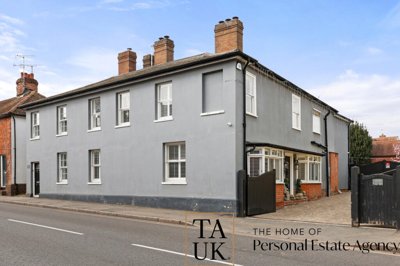
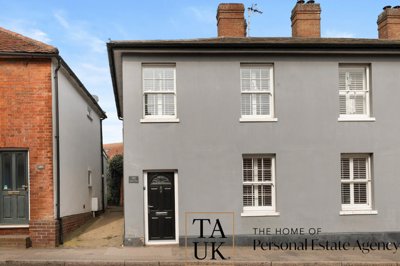
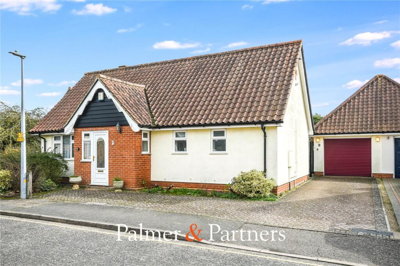
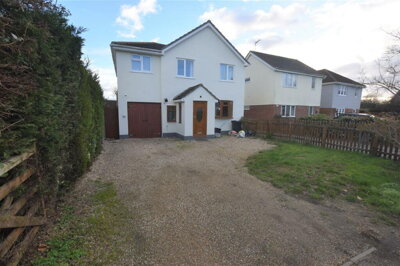
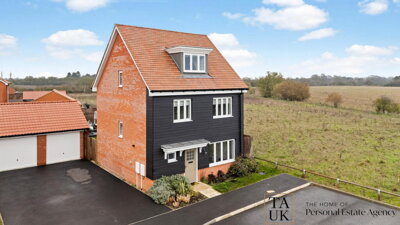
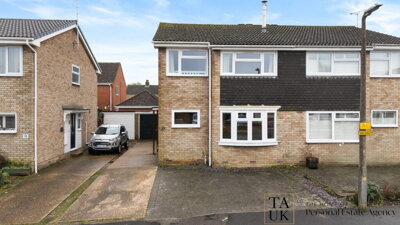
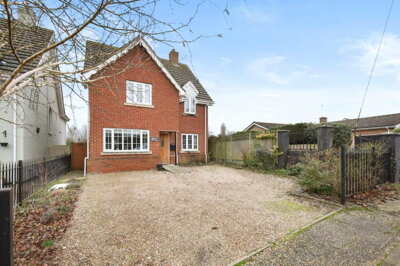
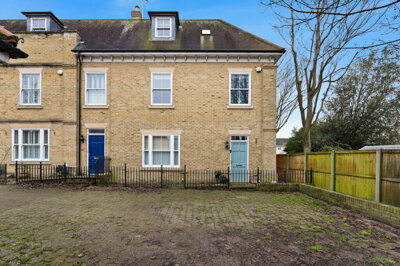
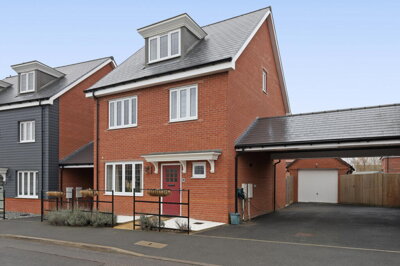
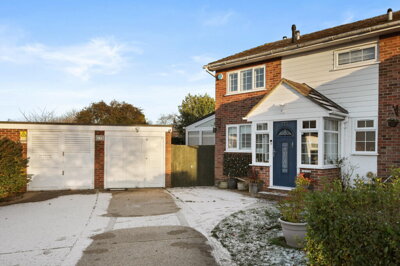
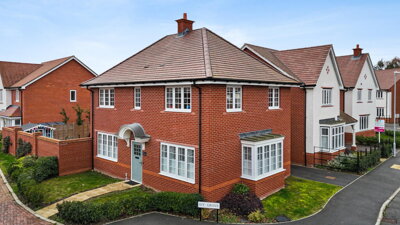
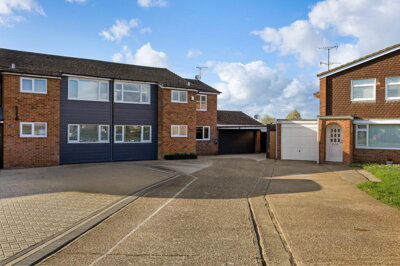
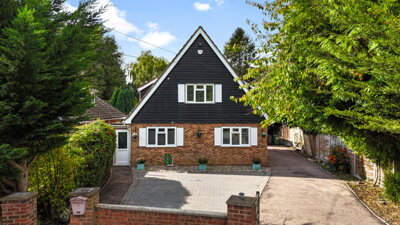
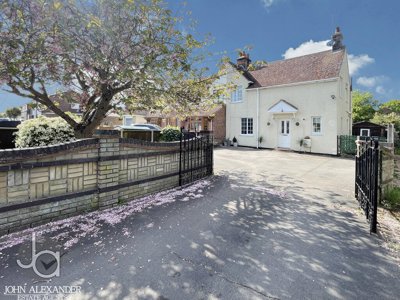
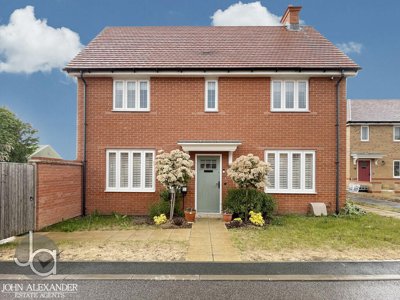
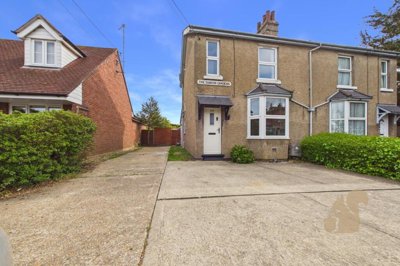
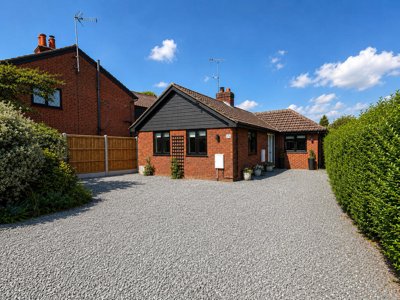
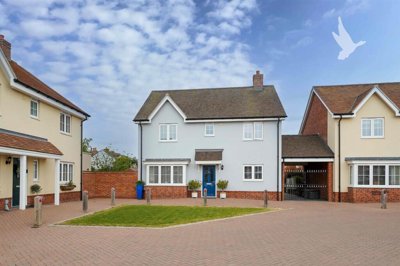
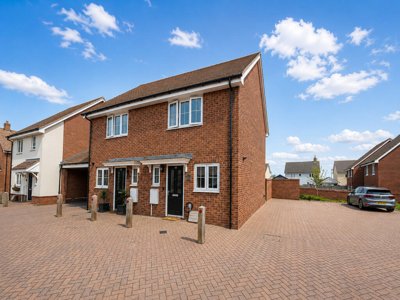
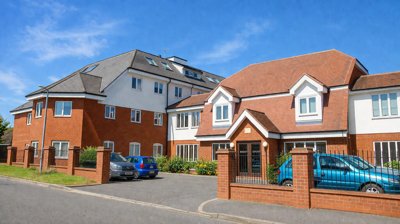
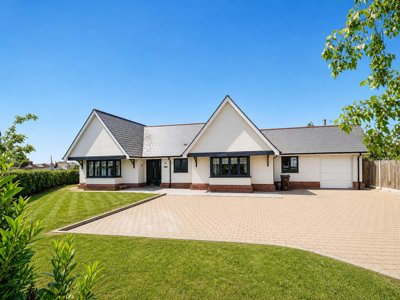
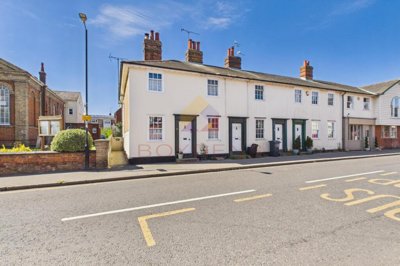
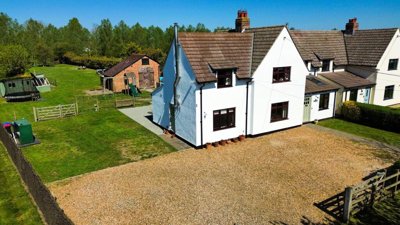
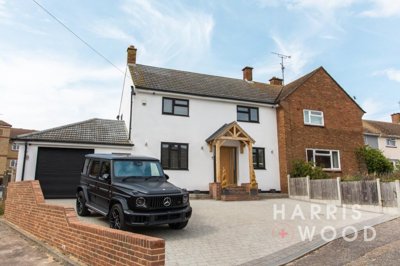
Browse 298 homes for sale in Messing-cum-Inworth from local estate agents.
£726,000
Average Price (Past Year)
+61%
Price Change (Year-on-Year)
CO16 0AR
Postcode Area
5th Most Expensive (Colchester)
Parish Ranking
386
Population (2024 Estimate)
Messing-cum-Inworth has seen a remarkable run of price growth in recent years, and the CO16 0AR postcode area, which covers parts of the parish, now shows average values at £726,000. That leaves it sitting firmly among Essex's premium residential spots. Supply is tight, demand stays strong, and village life within commuting distance of Colchester and Chelmsford keeps pulling buyers in.
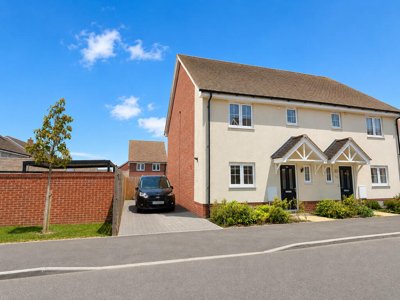
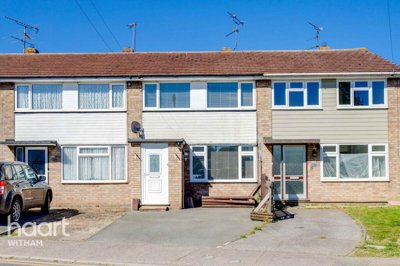
Looking at the housing stock, Messing-cum-Inworth has a wide spread of property types, with detached homes at approximately 30.4%, semi-detached properties at 30.9%, terraced houses at 21.3%, and purpose-built flats at around 14.4%. A small share falls into other flat types and traditional rural properties. Much of the parish is made up of period homes too, with many dating from the C15 through to the C19, so character properties rarely come up for sale.
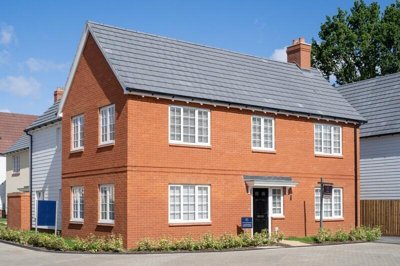
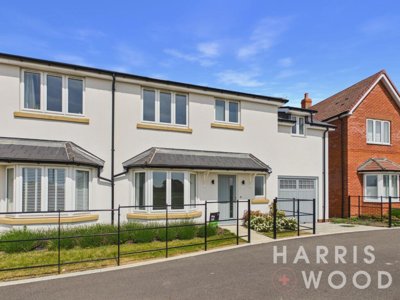
New build choice is thin inside the parish boundary, although nearby Scarlett Mews on Kelvedon Road offers modern homes from £415,000 up to £599,995. Our team also sees the Messing-cum-Inworth Parish Council stay active in planning matters, including the Colchester Local Plan and Neighbourhood Plan Review, with growth kept under close watch. The centre of Messing village is a designated Conservation Area, so exterior changes and extensions need consent from Colchester Borough Council.
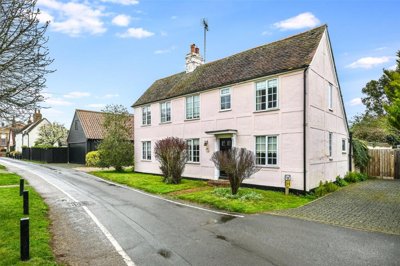
Traditional construction is common here, and we often see timber framing with plaster infill, red brick, and grey gault brickwork, with roofs finished in red plain tiles or grey slate. Because so many homes are listed buildings or period properties, buyers should allow for higher survey costs, as these buildings can take longer to inspect properly. Timber-framed properties need checks for woodworm and rot, and original plaster can mean a bigger redecoration bill.
Messing and Inworth together form a small rural community of around 400 residents according to the 2021 Census, with estimates putting the number nearer 386 by mid-2024. The mean age is 45.5, which points to a settled parish of families and established professionals. The largest share of residents sits in the 45 to 64 bracket, while the 65-84 age group has also grown, which suits both quiet retirement living and household life.
Day-to-day life in Messing centres on the essentials, from Messing Primary School to the medieval Church of All Saints, plus a well-used pub and restaurant where residents meet for local events. A large garden centre is another familiar landmark and draws visitors from nearby villages. Inworth holds most of the parish's small businesses, so local employment stays close to home. A short drive away, Tiptree adds more choice, and Wilkins & Sons keeps its international reputation for jam and marmalade production.
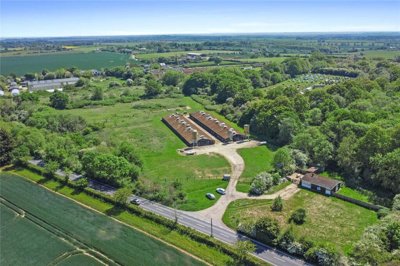
Architecturally, Messing-cum-Inworth has a lot to show off. The centre of Messing is a Conservation Area, and several buildings carry listed status, including Bourchiers Hall, Inworth Hall, and Messing Park, all Grade II* listed, together with the Grade II* Church of All Saints. The Old School House, Bell House, Churchman's Farmhouse, and a scattering of barns and cottages tell the story of centuries of vernacular building. Set in the Essex countryside, the parish gives easy access to public footpaths, farmland, and open views, while Colchester brings retail, cultural, and leisure facilities within reach.
Geology matters here, and Essex geology in this area often includes London Clay, which has shrink-swell potential and can affect foundations over time. Older homes with shallow footings may show movement or even subsidence. The Messing-cum-Inworth Parish Council has also raised concerns about water levels around Hinds Bridge, which carries the B1023 over Domsey Brook, so flood risk should be checked carefully during conveyancing.
Messing Primary School sits at the centre of local education and serves the parish and the wider rural catchment. It teaches children from reception through to Year 6, which makes village-based schooling straightforward for many families. The rural setting, larger grounds, and smaller class sizes help with personal attention and pastoral care. For buyers with children, that school often carries real weight, and nearby homes are frequently chosen with this in mind.
For secondary schooling, families usually look to Colchester and Chelmsford, where there are well-regarded schools in both towns. Essex's grammar school system offers selective routes for secondary-aged children, and Colchester grammar schools draw pupils from across a wide catchment area. Admission arrangements and catchment boundaries need checking from the outset, because they can shift a property search quite a bit. Journey times and school transport from Messing-cum-Inworth also deserve proper thought.
Older children and sixth-form age pupils have further options too, with Colchester Institute offering vocational and academic courses and the University of Essex in Colchester providing higher education within commuting distance. That breadth of provision helps the parish work well for family life. We would still check current Ofsted ratings and admission policies directly with schools, since these can change and may affect catchment eligibility. For daily logistics, car travel is usually part of the picture, so homes near main routes can make life easier.
Homes close to Messing Primary School, and along the established routes into Colchester for secondary schools, are especially popular with families. In a village setting, school travel needs a bit of planning, so many buyers aim to be within walking distance of the primary school or have transport sorted before they agree to buy.
Road travel is the main link out of Messing-cum-Inworth, with the B1023 Inworth Road acting as the principal route through the parish. It connects to the wider Essex network, putting Colchester about 8.5 miles to the east and Chelmsford around 15 miles to the south-east. The A12 trunk road, which runs from London to East Anglia, is also within convenient driving distance and opens access to Ipswich, the Suffolk coast, and the motorway network beyond. Buyers should know, though, that the B1023 Inworth Road is locally described as narrow, with many domestic driveways that do not allow turning, and parts of it are prone to flooding.
Public transport is limited in this rural parish, which is exactly what you would expect from a village of this size. Bus services do run to nearby villages and market towns, but the frequency is lower than in the towns. Rail access comes via Colchester, with mainline services to London Liverpool Street taking approximately 50 minutes, and Chelmsford station adds more rail options into the capital. For people commuting to Colchester, Chelmsford, or London, the village location means transport planning matters and car ownership is usually necessary.
Cycling here is mostly about rural lanes and country paths, so it suits leisure rides and short local trips for confident cyclists. The Parish Council has been clear about road safety and infrastructure limitations, especially where development could add pressure to narrow roads and increase traffic. Parking in the villages is generally fine for residents, though the older village centres can be awkward for visitors and larger vehicles. For anyone driving into Essex employment centres and beyond, the proximity to major road networks remains a major plus.
Most households treat car ownership as essential, simply because bus options are so limited. The B1023 Inworth Road is narrow in places, and drivers need to take care around the many domestic driveways. The road's flood vulnerability, together with the Parish Council's concerns about water levels around Hinds Bridge and Domsey Brook, means longer commutes can become more complicated in bad weather.
Start with the local market and get a feel for Messing-cum-Inworth before making any move. Average prices sit around £726,000 and availability is limited, so local estate agents who know the parish well are important. We would register with agents who specialise in rural Essex properties and set alerts for new listings. With so many period homes and listed buildings, it also helps to read up on Conservation Area rules and listed building consent before you begin.
Before you view anything, get a mortgage agreement in principle from a lender. It shows sellers that financing is in place and that you are serious about buying. In Messing-cum-Inworth, where values are higher than in many nearby places, the decision in principle should match the premium nature of the market. First-time buyers should also check government scheme eligibility and think through stamp duty for their price bracket.
We always recommend viewing more than one property, because that gives a clearer sense of the housing stock. Look closely at timber framing, period brickwork, and traditional roof tiles, and judge the condition of older homes with care. Listed buildings can bring restrictions on alteration, as well as specialist maintenance. It is also sensible to weigh up flood risk near Domsey Brook, access via the B1023, and how close each property is to village amenities.
After an offer is accepted, our advice is to arrange a RICS Level 2 Home Survey before moving towards completion. Many homes in Messing-cum-Inworth are older and built in traditional ways, so a proper survey is the best way to spot damp, timber defects, roof issues, and signs of subsidence linked to local geology. Properties over £500,000 typically cost around £586 for this survey, while older or listed homes may cost more because they are more complex to inspect.
Choose a conveyancing solicitor who knows rural Essex properties and listed buildings. They will take care of searches, property checks, and the legal transfer of ownership. The right solicitor should also be comfortable with Conservation Area requirements, drainage concerns flagged by the Parish Council, and any planning issues attached to the property. For a straightforward transaction, conveyancing costs typically start from around £499.
Once contracts are exchanged through your solicitor, the purchase becomes legally binding. Completion normally follows soon after, when keys are collected and the move into your Messing-cum-Inworth home can begin. Buildings insurance needs to be in place from exchange onwards, which matters even more for older homes with higher rebuilding costs.
Age and construction mean careful checking is essential in Messing-cum-Inworth. The village centre sits within a designated Conservation Area, so exterior alterations, extensions, and significant changes need consent from Colchester Borough Council. Period houses should also be checked for listed status, because any future work on Grade II, II*, or Grade I listed properties will need Listed Building Consent if it affects the character or structure. That can make renovation more involved, but it also protects what makes these homes special.
The local geology brings its own set of questions. Essex geology often includes London Clay, and its shrink-swell behaviour can affect foundations over time. Older homes with shallow footings may show movement or subsidence. A building survey by a surveyor who knows traditional Essex construction should pick up any existing problems and assess structural integrity. Flood risk also needs checking in certain spots, especially because the B1023 Inworth Road is vulnerable to flooding and the Parish Council has raised concerns about Hinds Bridge and Domsey Brook.
Across Messing-cum-Inworth, traditional materials are part of the appeal, with timber framing and plaster infill, red brick, and grey gault brickwork all common, while roofs are usually finished in red plain tiles or grey slate. These materials need the right maintenance approach and can affect insurance premiums as well as mortgageability. Timber-framed homes should be checked for woodworm and rot, and original plaster can mean higher redecoration costs. Exposed beams, old fireplaces, and period joinery add charm, but they also bring ongoing upkeep, so we would assess their condition and factor that into the budget.
Drainage is another area the Messing-cum-Inworth Parish Council has highlighted, especially around new development and the B1023. Low-lying properties near Domsey Brook should be checked for any history of flooding or drainage problems. The narrow road network can also restrict access for larger vehicles, which may matter if building materials need to be delivered for renovation work. As part of conveyancing, your solicitor should carry out the right drainage and environmental searches.
Over the past year, the average property price in Messing-cum-Inworth's postcode area has reached £726,000, a rise of 61% compared with the previous year. The parish is ranked 5th most expensive out of 33 parishes in Colchester with at least 10 sales since 2018. Prices now sit 45% above the 2022 peak of £500,000, which underlines how much demand there is for this rural Essex spot. With limited supply and a premium feel, buyers should expect competition to remain strong.
Council tax bands in Messing-cum-Inworth are set by Colchester Borough Council, and the band for any one property depends on its valuation and make-up. Period homes and listed buildings often sit in higher bands because of their value and historic standing. Buyers can check the band through the Valuation Office Agency website or ask for the information during conveyancing. As the parish is rural but close to Colchester, local authority services come through Colchester Borough Council.
Messing Primary School serves the parish from reception through Year 6, keeping education rooted in the village. Secondary choices in nearby towns include schools in Colchester, along with Essex grammar schools for pupils who are academically selective. It is sensible to check current Ofsted ratings and admission catchment areas, as both can affect eligibility. Colchester Institute gives further education routes, while the University of Essex offers higher education within commuting distance. Because school transport usually means car travel, that should be part of any property decision.
Public transport remains limited in Messing-cum-Inworth, which reflects the rural village feel. Bus services link to nearby villages and towns, although they run less often than in urban areas. Rail access is via Colchester station, where mainline trains reach London Liverpool Street in approximately 50 minutes, and Chelmsford station offers more services into London. The A12 trunk road is close enough for car commuters, while the B1023 Inworth Road is the main route through the parish, narrow in places and lined with many domestic driveways.
Messing-cum-Inworth has shown very strong property value growth, with prices up 61% year-on-year and the parish sitting among Colchester's most expensive. Rural character, close links to major employment centres, strong schools, and limited supply all feed into steady demand. The Conservation Area and the number of listed buildings help protect the architectural character that buyers are drawn to, while the Parish Council keeps development under control. For anyone looking at long-term capital growth or rental potential, the area's prestige and scarcity make it a serious option.
Stamp duty land tax rates from April 2024 are as follows for Messing-cum-Inworth purchases, 0% on the first £250,000, 5% on the portion from £250,001 to £925,000, 10% on the portion from £925,001 to £1.5 million, and 12% on anything above £1.5 million. First-time buyers get relief on the first £425,000 at 0% and pay 5% between £425,001 and £625,000, with no relief above £625,000. With average prices around £726,000, most buyers will pay roughly £23,800 in stamp duty, while first-time buyers would pay around £15,050. Your exact liability will depend on the price and on buyer status.
Because many homes date from the C15 to C19, buyers should commission a full survey that looks for damp, timber defects such as woodworm and rot, roof condition, and possible subsidence linked to local London Clay geology. In the Conservation Area, and for listed buildings, consent history for previous works needs checking. Flood risk near Domsey Brook and drainage issues noted by the Parish Council also need investigation. Traditional materials, including timber framing with plaster infill, period brickwork, and roof tiles, all bring their own maintenance demands and should be reviewed before purchase.
From 4.5%
Finding the right mortgage for our Messing-cum-Inworth purchase
From £499
Expert legal services for your property purchase
From £500
Thorough survey for properties over £500,000
From £80
Energy performance certificate for your new home
Buying in Messing-cum-Inworth brings costs beyond the agreed price, and stamp duty land tax is one of the main ones to plan for. Under the 2024-25 rates, buyers pay 0% on the first £250,000, 5% between £250,001 and £925,000, 10% between £925,001 and £1.5 million, and 12% above £1.5 million. For a typical home priced around £726,000, that works out at approximately £23,800 for a non-first-time buyer. First-time buyers get relief on the first £425,000 and pay 5% between £425,001 and £625,000, which brings their stamp duty to around £15,050.
There are other purchase costs to factor in too, including mortgage arrangement fees, which vary by lender but usually fall between £500 and £2,000, and mortgage valuation fees from £150 to £1,500 depending on the property's value and the lender's requirements. Survey fees for a RICS Level 2 Home Survey average around £500 for standard homes, rising to £586 or more for properties valued above £500,000. As many Messing-cum-Inworth homes are timber-framed or listed, buyers should allow for higher survey costs because traditional construction is more involved to inspect. For homes over £500,000, a RICS Level 2 survey typically costs around £586, while older or listed properties may attract extra charges of 10-40% because of their complexity.
After purchase, the running costs keep going, with buildings insurance often higher for period and listed homes because rebuilding costs can be greater, and council tax charged by Colchester Borough Council. Utility bills vary with the size of the property and the heating system, and older houses sometimes need insulation and heating upgrades. Leasehold homes, which make up around 14.4% of the housing stock, can also bring ground rent and service charges. Owners of period properties need to budget for upkeep of timber framing, period brickwork, and original roof tiles. First-time buyers should also allow for moving costs, furniture, and any renovation work when working out the full budget for a move to Messing-cum-Inworth.
Properties for Sale In London

Properties for Sale In Plymouth

Properties for Sale In Liverpool

Properties for Sale In Glasgow

Properties for Sale In Sheffield

Properties for Sale In Edinburgh

Properties for Sale In Coventry

Properties for Sale In Bradford

Properties for Sale In Manchester

Properties for Sale In Birmingham

Properties for Sale In Bristol

Properties for Sale In Oxford

Properties for Sale In Leicester

Properties for Sale In Newcastle

Properties for Sale In Leeds

Properties for Sale In Southampton

Properties for Sale In Cardiff

Properties for Sale In Nottingham

Properties for Sale In Norwich

Properties for Sale In Brighton

Properties for Sale In Derby

Properties for Sale In Portsmouth

Properties for Sale In Northampton

Properties for Sale In Milton Keynes

Properties for Sale In Bournemouth

Properties for Sale In Bolton

Properties for Sale In Swansea

Properties for Sale In Swindon

Properties for Sale In Peterborough

Properties for Sale In Wolverhampton

Enter your details to see if this property is within your budget.
Loans, cards, car finance
Estimated property budget
Borrowing + deposit
You could borrow between
Typical borrowing
Monthly repayment
Est. at 4.5%
Loan-to-value
This is an estimate only. Your actual budget may vary depending on interest rates, credit history, and personal circumstances. For an accurate affordability assessment, speak to one of our free mortgage advisors.
This calculator provides estimates for illustrative purposes only and does not constitute financial advice. Your home may be repossessed if you do not keep up repayments on your mortgage. Estimates based on 4.5% interest rate, repayment mortgage. Actual rates depend on your circumstances.
Homemove is a trading name of HM Haus Group Ltd (Company No. 13873779, registered in England & Wales). Homemove Mortgages Ltd (Company No. 15947693) is an Appointed Representative of TMG Direct Limited, trading as TMG Mortgage Network, which is authorised and regulated by the Financial Conduct Authority (FRN 786245). Homemove Mortgages Ltd is entered on the FCA Register as an Appointed Representative (FRN 1022429). You can check registrations at NewRegister or by calling 0800 111 6768.

We use cookies to show you personalised content and improve your experience of our website. Find out more in our Privacy policy and Cookie policy.