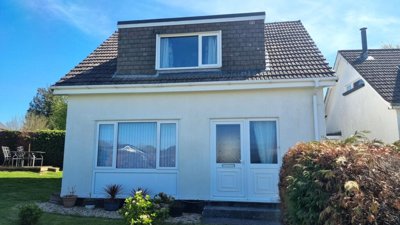
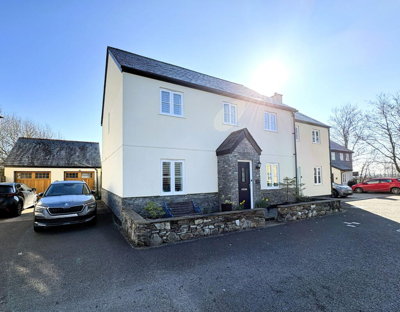
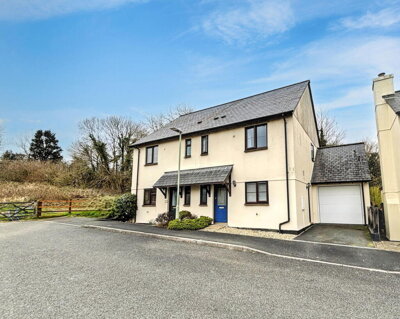
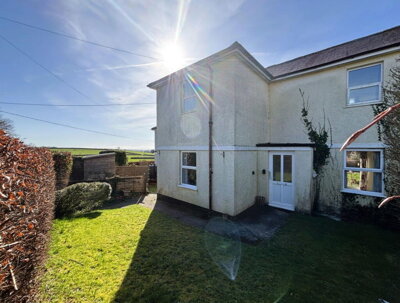
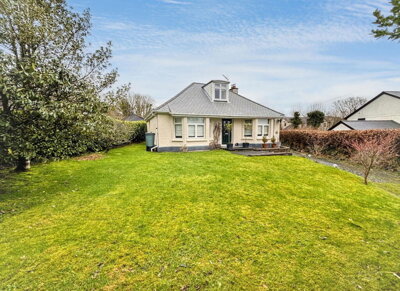
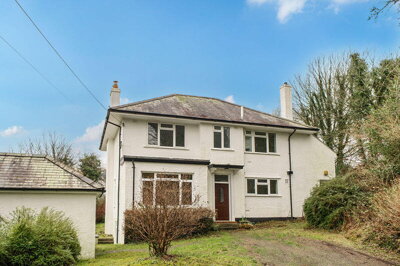
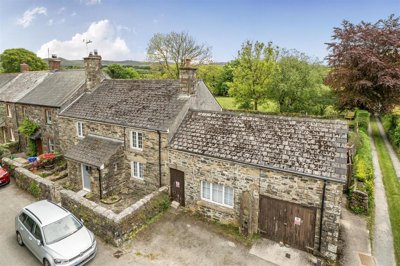
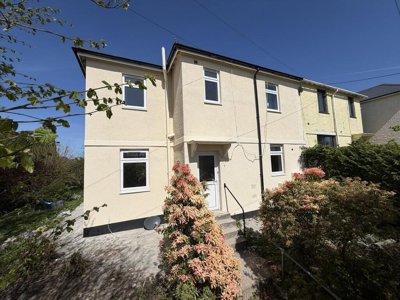
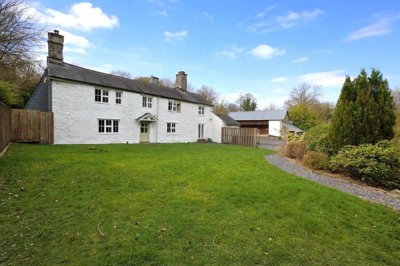
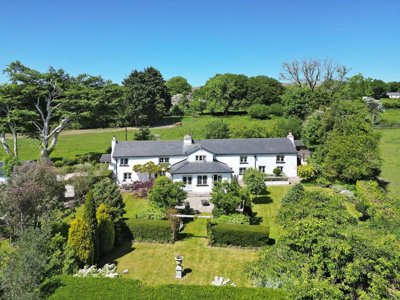
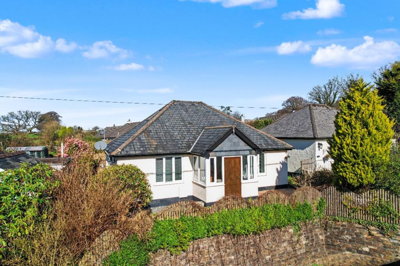
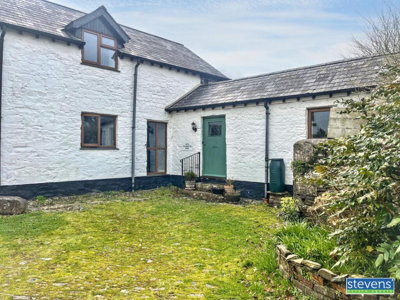
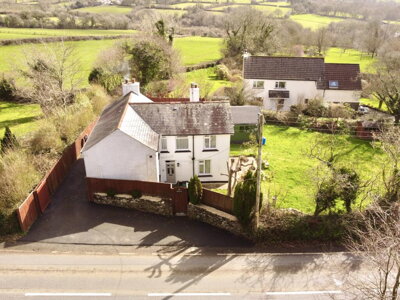
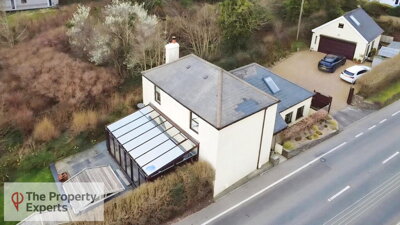
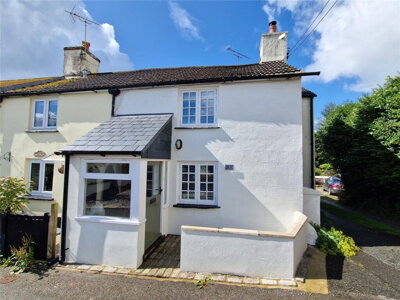
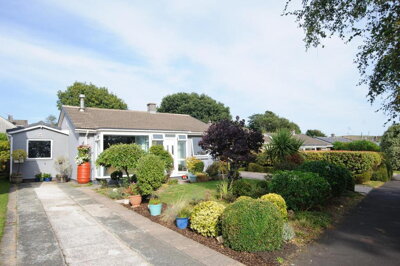
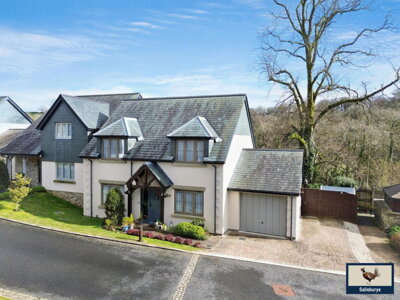
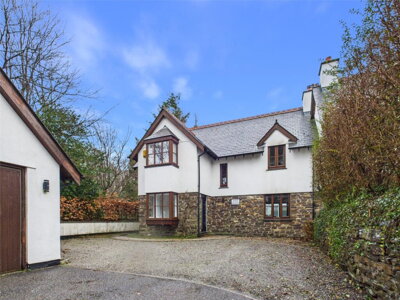
Browse 41 homes for sale in Mary Tavy from local estate agents.
The Mary Tavy property market offers detached, semi-detached, and terraced houses spanning various price ranges and neighbourhoods. Each listing includes detailed property information, photographs, and direct contact with the marketing agent.
Mary Tavy’s property market has held up well, with house prices rising by 0.35% over the past twelve months. That small but welcome lift says a lot about the draw of West Devon villages for buyers looking beyond major urban centres. With an average property price of £368,969, Mary Tavy gives households a chance to stretch their budget further while still living in a beautiful natural setting.
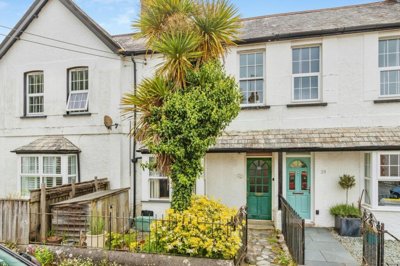
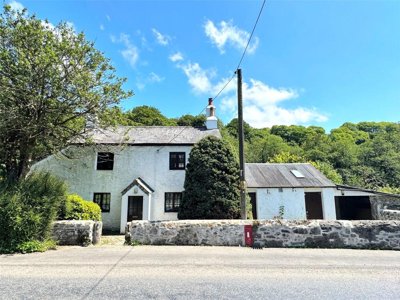
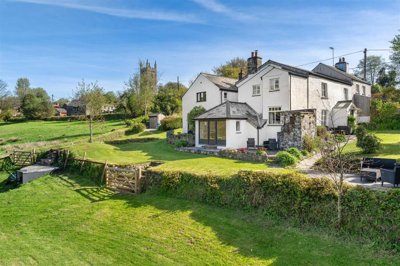
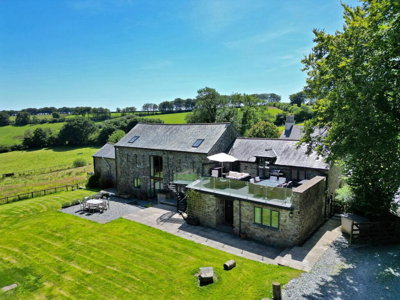
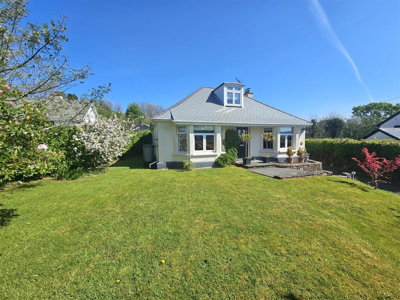
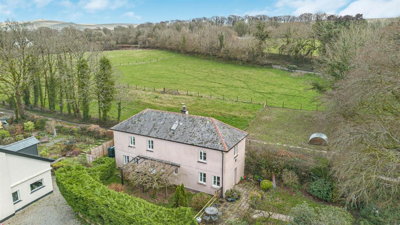
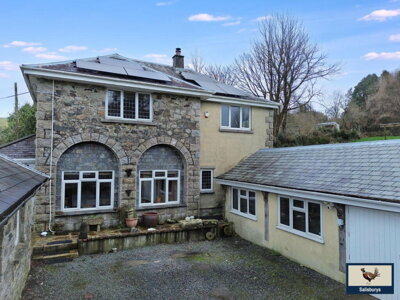
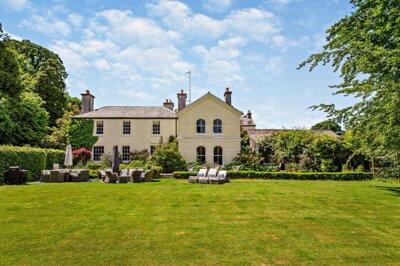
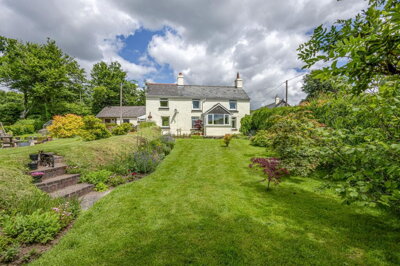
Homes in Mary Tavy reflect a varied architectural backstory. Detached properties make up 52.1% of the housing stock, which suits families and anyone who values a bit of space and privacy. Semi-detached homes account for 27.5%, terraced properties sit at 13.0%, and flats or maisonettes represent just 7.4%. That mix means buyers often find decent gardens, off-street parking, and rooms set up to make the most of countryside views.
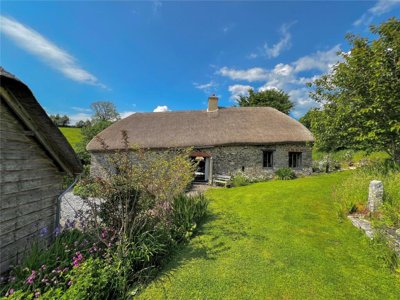
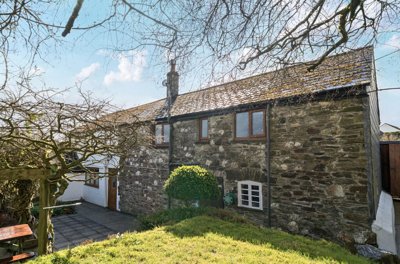
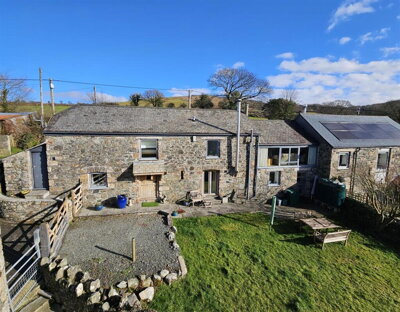
Traditional materials are a big part of the village’s Dartmoor identity. Local granite, slate roofing and rendered finishes are common, especially on the older homes that give Mary Tavy its character. The housing stock spans several periods, from stone cottages that may predate the Victorian era to newer developments built with modern methods. We would look at each property on its own merits, because an older home may need a very different level of care from a newer one.
Recent sales in Mary Tavy point to steady demand in this West Devon village. Supply stays tight, and buyers looking for a rural lifestyle keep showing interest, so well-priced homes tend to sell at a decent pace. For anyone with finance sorted and the appetite to move quickly, that can be an advantage.

Daily life here is shaped by the landscape and the close-knit feel of West Devon village life. Mary Tavy sits within easy reach of Dartmoor National Park, giving residents quick access to hundreds of square miles of moorland, ancient woodland and striking granite tors. Walking, horse riding and cycling are all popular, and visitors come from across the country to follow the public footpaths and bridleways that cross the area.
Mary Tavy’s history is tied to mining, with copper and tin extraction influencing its development and economy in earlier centuries. Traces of that industrial past are still visible in the landscape, and former mining land now forms part of the village’s character and historical interest. Several listed buildings add another layer to that story, preserving features that have been in place for generations.
For everyday life, the village covers the basics well enough, with a respected primary school, a traditional pub serving local food and drink, and community spaces that host events through the year. Tavistock is only a short drive away for more shopping, dining and entertainment, while Plymouth, Devon’s largest city, offers wider retail choices, cultural attractions and healthcare facilities within approximately 30 minutes by car. That mix of countryside calm and access to city services makes Mary Tavy a very practical place to live.
The local economy leans on tourism linked to Dartmoor, alongside agriculture and local services that support the surrounding rural area. Many residents commute to Tavistock and Plymouth for work, helped by the village’s position near the A386 trunk road. Remote working has added to Mary Tavy’s appeal too, since people can keep their careers going while enjoying a strong quality of life in an attractive setting.

Homes in Mary Tavy show the building methods that have shaped West Devon for centuries. The geology here, with granite from the Dartmoor Massif underneath, has influenced how properties are built, and local stone remains a key material. Granitic stone, often taken from nearby quarries, is common in older homes across the village, especially in miners’ cottages and agricultural buildings that have stood for several generations.
Slate roofing is another familiar feature in Mary Tavy, historically sourced from quarries in Cornwall and Devon. Original slate roofs often carry decorative ridge tiles and lead flashing around chimneys and valleys. Over time, individual slates can crack, slip or turn brittle, especially after severe weather. It makes sense to check roof condition closely and allow for possible repair work when weighing up older homes.
Many of the older houses in Mary Tavy were built with solid walls rather than modern cavity construction. Solid walls, usually 200-300mm thick, do not insulate as well as cavity walls and can be more prone to damp if they are not looked after properly. Traditional lime mortars and renders were used to let the walls breathe and manage moisture naturally. Cement-based renders applied later can trap moisture inside the wall, which can damage timber and masonry.
Timber defects are among the issues our inspectors come across most often in Mary Tavy. Older construction, patchy ventilation and the damp West Devon climate can create the right conditions for wet rot, dry rot and woodworm. Ground floor joists, window frames and external joinery are particularly exposed, especially where maintenance has slipped or a property has had leaks or rising damp.
Different forms of damp affect many period homes in Mary Tavy. Rising damp can occur where a property has no damp-proof course, or where one has failed, allowing moisture to travel up masonry walls and affect plaster and timber at low level. Penetrating damp comes from roof defects, damaged flashings or failing external renders, letting water into the building fabric. Condensation damp is often seen in homes that have had replacement windows fitted without enough background ventilation, especially where heating is limited.
Mary Tavy Primary School is at the centre of local education, serving families from Reception age through to Year 6. Its small class sizes and close relationships between staff and pupils are part of its appeal, and they help create a nurturing environment. In a village with a small population, many parents value having decent primary education within walking distance, which cuts down on school runs and helps children build friendships nearby.
For secondary school, pupils from Mary Tavy usually travel into surrounding towns. Tavistock College serves the wider West Devon area and offers a broad curriculum plus a range of extracurricular activities. Catchment boundaries matter here, because they can affect which school a child can attend. Transport for secondary pupils is generally arranged through the local education authority, with bus links from Mary Tavy to nearby towns.
Dartmoor also gives families access to outdoor learning that supports classroom study. Schools in the area often use the moorland landscape for field trips linked to geography, ecology and local history. For families who want more choice, there are several independent schools in the wider area at primary and secondary level, though those come with private fees and can mean longer journeys.
Early years places are available in Mary Tavy and the nearby area, with nurseries and pre-school groups offering childcare for younger children. These settings give children a chance to build confidence and get ready for school before moving on to primary education. For working parents, checking what is available, and what hours those services run, is an important part of planning a move.

Despite its rural feel, Mary Tavy is reasonably well connected, which helps people who commute or travel for work and leisure. The village sits just off the A386 trunk road, giving a direct route north to Tavistock and south towards Plymouth. That road links into the wider network, and the A30 trunk road is reachable via Tavistock for travel across Devon towards Cornwall and beyond.
Bus services do run in Mary Tavy, linking the village with Tavistock, Plymouth and other nearby settlements. Frequencies are limited compared with urban routes, so anyone without a car should study timetables carefully before choosing a home. The nearest railway stations are Gunnislake and Tavistock, with services to Plymouth and other stops on the Tamar Valley Line, although they are not especially frequent.
Many residents commute by car, and Plymouth city centre is usually about 30 minutes away in normal traffic. That makes Mary Tavy appealing for people who want rural living but need access to city jobs, particularly in healthcare, education and professional services. Remote working has also helped the village, as people with flexible arrangements can enjoy the lifestyle Mary Tavy offers while staying connected to employers and clients across the country.
For longer journeys, Exeter gives access to the M5 motorway and national rail connections, while Plymouth’s ferry services offer routes to Cornwall and cross-channel options to France and Spain. The A38 provides another route towards Cornwall and the south coast, so residents have a few different choices for regional travel. Cycling is popular too, with the National Cycle Network and local bridleways offering routes for commuting and leisure alike.

Before you start arranging viewings, it helps to get a feel for Mary Tavy’s market. We suggest checking current listings on home.co.uk to see what sits within budget, then speaking to local estate agents about conditions on the ground. It is also sensible to factor in stamp duty, solicitor fees and survey costs before setting a maximum figure. Knowing how detached homes dominate the village, and how old much of the housing stock is, gives you a far better base for decision-making.
If finance is needed, speak to lenders and obtain a mortgage Agreement in Principle before starting viewings. This confirms how much a lender is prepared to advance based on financial circumstances, which gives confidence when offers are being made and shows sellers that the buyer is serious and financially ready. In Mary Tavy’s competitive market, having that in place before viewing can make negotiations smoother.
Use home.co.uk to browse properties and book viewings through the listed estate agents. During viewings in Mary Tavy, keep an eye on the construction materials, the age of the property and any signs of maintenance issues. Homes near the River Tavy may come with flood risk considerations, and older properties should be checked for damp, roof condition and any mining-related concerns. Notes and photographs are useful for comparing homes later.
After an offer is accepted, we would instruct a qualified surveyor to inspect the property. For most Mary Tavy homes, a RICS Level 2 Survey gives a solid assessment of condition and flags defects that may need attention. Homes over 50 years old, or those with unusual construction, may be better suited to a more detailed RICS Level 3 Building Survey. Given the village’s traditional construction and mining history, a careful survey is especially worthwhile.
Your solicitor will deal with the legal side of the purchase, including searches, contract review and registering the transfer of ownership. Because of Mary Tavy’s mining background, a mining search should be included alongside the usual local authority and drainage searches. That search will show whether the property lies above or near historic mine workings that could affect ground stability.
Once the searches come back satisfactorily and contracts are signed, your solicitor arranges for the deposit to be paid and contracts to be exchanged. On completion day, the remaining funds are transferred and the keys to the new Mary Tavy home are handed over. From there, the focus can shift to any improvements or renovations and settling into the neighbourhood.
Buying in Mary Tavy brings a few extra points to think about. The village’s position on the western edge of Dartmoor means geology matters, both for condition and for risk. Granite bedrock from the Dartmoor Massif usually gives stable foundations, but clay-rich soils formed from weathered shales can move with changes in moisture and affect building stability. A proper survey should pick up any signs of subsidence or ground movement.
Flood risk is another issue for some Mary Tavy homes, especially those near the River Tavy and its tributaries. Not every property is affected, but low-lying homes close to watercourses can face river flooding during periods of heavy rain. Surface water flooding can also happen in parts of the village because of local topography. Buyers should check Environment Agency flood maps and ask current owners or neighbours about any history of flooding before going ahead.
The village’s mining past adds another layer of risk to consider. Some properties in former mining areas may be affected by ground instability from old workings, shafts or adits below the surface. A mining search is essential for any Mary Tavy property and should sit as standard within conveyancing. Listed buildings may also need planning permission for certain alterations and must be maintained with suitable traditional materials and methods.
Older homes often need attention to electrics. Properties built before the 1980s may still have outdated wiring that falls short of current safety standards, including fabric-covered cables, round-pin sockets and fuse boxes that need upgrading. A qualified electrician can assess the installation and quote for any work. Plumbing and heating systems in period homes can also be original or several decades old, so buyers should allow for possible upgrades to modern standards.

According to homedata.co.uk, the average house price in Mary Tavy is currently £368,969. Detached homes average £438,250, semi-detached homes sit at around £288,500, and terraced properties are priced at approximately £245,000. House prices have risen by 0.35% over the past twelve months, which points to a steady market with persistent demand from buyers looking for West Devon village homes. With only 20 property sales recorded in the past year, the market is fairly quiet, so well-presented homes can still attract plenty of attention.
Mary Tavy falls under West Devon Borough Council. Council tax bands run from A to H depending on the property’s assessed value, although most homes in the village are likely to sit within bands A through D given local price levels. The exact band varies from property to property, so buyers should always check the specific home they are considering. Bills also include Devon County Council services and the Police and Crime Commissioner for Devon and Cornwall, in addition to the borough council charge.
Mary Tavy Primary School serves families from Reception through to Year 6 and sits within the village, which means local children can attend without daily travel. For secondary education, pupils usually move on to schools in Tavistock, with Tavistock College the main secondary school for the area. Several other primary and secondary schools in the surrounding towns also serve Mary Tavy families, with catchment areas deciding where a child can attend. Parents should check current catchment boundaries and admission policies before buying, as these can change and may affect where a child can get a place.
Public transport is limited in Mary Tavy, with buses linking the village to Tavistock and Plymouth but timetables that are not ideal for daily commuters. The nearest railway stations are Gunnislake and Tavistock, with services on the Tamar Valley Line to Plymouth and the wider rail network. Most residents rely on private cars for day-to-day travel, although the village’s position near the A386 gives reasonable road access to nearby towns and cities. For commuting to Plymouth, drivers should allow approximately 30 minutes in normal traffic, though peak-hour congestion on approach roads can lengthen the journey.
Mary Tavy has several points in its favour for both investors and homebuyers. Its proximity to Dartmoor National Park keeps demand steady among people after a rural lifestyle, while Tavistock and Plymouth remain within practical reach for work and amenities. Limited supply, modest price growth and a stable community suggest values are likely to hold over time. That said, the village’s small size means the market is less liquid than in larger towns, so selling quickly may be harder if circumstances change. Rental stock is also limited, so suitable letting opportunities may be few and far between.
Stamp duty in England is worked out from the purchase price. For standard buyers, there is no stamp duty on properties up to £250,000, with 5% applied to the portion between £250,001 and £925,000. First-time buyers get relief on the first £425,000, with 5% charged between £425,001 and £625,000. Homes above £625,000 do not qualify for first-time buyer relief. With Mary Tavy’s average price at £368,969, most buyers would pay stamp duty above £250,000, which would come to approximately £5,948 at standard rates for a property at this level.
Anyone buying in Mary Tavy should think carefully about a few location-specific risks. Homes near the River Tavy may flood in heavy rain, and low-lying spots should be checked against current Environment Agency flood maps. The village’s mining history means some homes could be affected by old workings, shafts or adits beneath the ground, which is why a mining search is essential during conveyancing. Listed buildings can also restrict alterations and renovations, with planning permission and listed building consent needed for certain works. On top of that, older homes built from traditional materials often bring more damp, timber defects and roof problems than newer builds, so a thorough survey carries real value.
During viewings in Mary Tavy, focus on the condition of traditional features such as stone walls, slate roofs and original windows. Look out for damp, including stained plaster, peeling wallpaper at low level or a musty smell, especially in solid-wall properties. Check timber elements, including window frames, door frames and any visible floor joists or roof timbers. If a property sits near the River Tavy, ask about any flooding history and inspect boundary features close to the watercourse. Because of the mining heritage here, it can be sensible to request a mining search before making an offer, if possible.
From £400
A detailed inspection of condition, well suited to most Mary Tavy homes
From £600
A full structural survey for older or more complex properties
From £60
An energy performance certificate, required for all property sales
From £499
Legal services for your property purchase in Mary Tavy
From 3.5%
Competitive mortgage rates for Mary Tavy buyers
Budgeting properly for a Mary Tavy purchase means looking beyond the asking price. Stamp duty, legal fees, survey costs and moving expenses all need to be included. With the average property priced at £368,969, most buyers will need to allow for stamp duty on the part of the price above £250,000. At that level, the tax would be approximately £5,948 at standard rates, although first-time buyers may get relief on the first £425,000.
Conveyancing fees usually sit somewhere between £500 and £2,000, depending on how complex the transaction is and which firm is instructed. In Mary Tavy, the mining background can mean extra mining searches are needed, which may nudge costs up a little. A RICS Level 2 Survey, which gives a detailed assessment of condition, typically costs between £400 and £1,000 depending on size and value. For many older Mary Tavy homes built with traditional materials, that is money well spent, because it can bring defects to light before or after completion.
There are other costs to build into the budget too, including mortgage arrangement fees, lender valuation fees, land registry fees for registering the title transfer, and search fees charged by the solicitor. Removal costs and any immediate repairs or renovations should also be included in the overall figure. By allowing for all of that from the outset, we can approach a Mary Tavy purchase with a clearer head and fewer financial surprises as completion comes closer.
Older properties in Mary Tavy may need more ongoing maintenance and improvement than modern homes. Setting aside a contingency fund of around 10-15% of the purchase price is sensible, particularly for period properties that may conceal defects or need sympathetic upgrading to modern standards. That financial buffer gives room to deal with issues as they arise without putting the wider investment under pressure.

Properties for Sale In London

Properties for Sale In Plymouth

Properties for Sale In Liverpool

Properties for Sale In Glasgow

Properties for Sale In Sheffield

Properties for Sale In Edinburgh

Properties for Sale In Coventry

Properties for Sale In Bradford

Properties for Sale In Manchester

Properties for Sale In Birmingham

Properties for Sale In Bristol

Properties for Sale In Oxford

Properties for Sale In Leicester

Properties for Sale In Newcastle

Properties for Sale In Leeds

Properties for Sale In Southampton

Properties for Sale In Cardiff

Properties for Sale In Nottingham

Properties for Sale In Norwich

Properties for Sale In Brighton

Properties for Sale In Derby

Properties for Sale In Portsmouth

Properties for Sale In Northampton

Properties for Sale In Milton Keynes

Properties for Sale In Bournemouth

Properties for Sale In Bolton

Properties for Sale In Swansea

Properties for Sale In Swindon

Properties for Sale In Peterborough

Properties for Sale In Wolverhampton

Enter your details to see if this property is within your budget.
Loans, cards, car finance
Estimated property budget
Borrowing + deposit
You could borrow between
Typical borrowing
Monthly repayment
Est. at 4.5%
Loan-to-value
This is an estimate only. Your actual budget may vary depending on interest rates, credit history, and personal circumstances. For an accurate affordability assessment, speak to one of our free mortgage advisors.
This calculator provides estimates for illustrative purposes only and does not constitute financial advice. Your home may be repossessed if you do not keep up repayments on your mortgage. Estimates based on 4.5% interest rate, repayment mortgage. Actual rates depend on your circumstances.
Homemove is a trading name of HM Haus Group Ltd (Company No. 13873779, registered in England & Wales). Homemove Mortgages Ltd (Company No. 15947693) is an Appointed Representative of TMG Direct Limited, trading as TMG Mortgage Network, which is authorised and regulated by the Financial Conduct Authority (FRN 786245). Homemove Mortgages Ltd is entered on the FCA Register as an Appointed Representative (FRN 1022429). You can check registrations at NewRegister or by calling 0800 111 6768.

We use cookies to show you personalised content and improve your experience of our website. Find out more in our Privacy policy and Cookie policy.