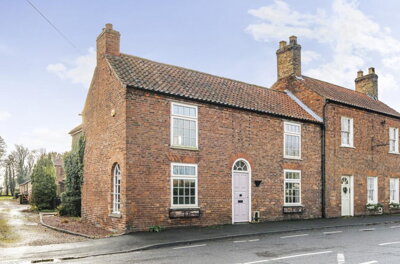
Browse 1 home for sale in Martin from local estate agents.
Studio apartments feature open-plan living spaces without separate bedrooms, incorporating sleeping, living, kitchen, and bathroom facilities. The Martin studio market includes properties in modern apartment complexes, converted Victorian and Georgian buildings, and purpose-built developments.
Martin’s property market still feels like a proper Lincolnshire village market, with semi-detached and detached homes making up most of the stock. Our current listings show the spread, from mid-century family houses to characterful period places. Semi-detached homes are the busiest part of the market, averaging £195,000 for sales in the past year. They often come with decent rear gardens and driveways, which suits families who want room without paying detached-house money. Red brick is common too, and it gives much of rural Lincolnshire its familiar look.
Detached homes in Martin sit at a much higher level, with recent sales averaging £378,119. Usually, that means bigger plots, more reception rooms, and the privacy that comes with a standalone house. New build stock inside Martin itself is thin on the ground. Buyers wanting something newer generally look to the wider LN4 postcode area and nearby villages, where contemporary construction and modern energy efficiency are easier to find. Across North Kesteven, prices rose by 6.3%, with semi-detached homes up 8.3% and flats up 1.6% in the year to December 2025.
Compared with the wider North Kesteven average of £279,053 in December 2025, Martin gives buyers a more approachable way into the local market. District-wide, detached properties averaged £378,119, semi-detached homes £195,000, terraced homes £228,000, and flats £119,000. That sort of price ladder helps buyers see where their search sits in the bigger picture. Sales volumes across Lincolnshire are down by approximately 30% on the previous year, so competition may be lighter, but buyers still need to move quickly when the right house appears.

Martin captures rural Lincolnshire living very neatly, with open countryside and an agricultural setting all around the village. The parish has 1,061 residents across 453 households, which gives it a close community feel without losing the privacy many people want. In the centre, St Michael and All Angels Church, Grade I listed, acts as a landmark as well as a place of worship. Several listed buildings along High Street and the surrounding roads add to the village’s architectural interest and sense of history.
North Kesteven’s economy draws support from food and agriculture, engineering, tourism, and construction. Unemployment remains low, skills levels are relatively strong, and gross weekly earnings for full-time workers reached £740.10 in 2024, above East Midlands and national averages. That sort of stability feeds through into the housing market and the wider community. The emerging engineering side of the district, including engines and turbines, medical and precision equipment, and electrical machinery, points to further job growth. In Martin itself, residents enjoy village life while still having access to opportunities across the district.
Being close to the River Witham adds to the village’s rural appeal, though buyers should keep flood risk in mind in the lower-lying parts near watercourses. The surrounding Fens-edge landscape is flat, which gives wide views but also means surface water can build up after heavy rain. We recommend checking flood history with the owner and looking at Environment Agency data before going any further with a purchase.

Looking at the housing stock helps explain why Martin appeals to buyers who want village character. Most homes sold here over the past year were semi-detached, with detached properties next in line, which matches the usual layout of a rural English settlement. Red brick is widely used, as you would expect in Lincolnshire, and it gives the buildings sturdy, weather-resistant walls. Along High Street and in the centre, older houses often show traditional brickwork with slate or tile roofs, much of it Georgian or Victorian in date.
Listed buildings in Martin, including the Grade I listed St Michael and All Angels Church and a number of cottages and farmhouses, point to a sizeable pre-1919 housing stock. These period homes have plenty of charm, but buyers should know they can also bring extra complications. Older houses often have no modern damp-proof course, so rising damp can be an issue, especially where the ground floors are solid rather than suspended timber. Roofs need attention too, with slipped tiles, worn leadwork, and ageing timbers all common findings in surveys.
Homes from the post-war years through to the 1980s usually have cavity wall construction, which tends to insulate better and resist moisture more effectively than older solid wall buildings. Even so, many of these mid-century properties still keep their original windows, heating, and electrical systems, and those may need updating to current standards. The geology here includes clay soils, which can shrink and swell and put pressure on foundations, especially where buildings have shallow footings or large trees close by. Our inspectors regularly look for subsidence or movement signs during survey work in Martin.

Families thinking about a move to Martin will find that education is mainly centred in nearby towns, although the village does have a useful community link through its local primary school serving the wider catchment. North Kesteven has a network of primary and secondary schools across the district, backed by relatively strong attainment levels. Because Martin is small, the local primary catchment may stretch beyond the village boundary, so location matters when choosing a house. Parents should check the relevant school zone before committing, as admission rules can be competitive in popular areas.
For secondary school, pupils usually travel to places such as Sleaford or other settlements within North Kesteven. The district offers grammar schools for academically able pupils, comprehensive schools with strong pastoral support, and sixth form provision for those staying on after GCSEs. Catchment areas matter here too, because they can affect both property values and what is available on a given street. Further education colleges in nearby towns give clear routes into vocational or academic study after school. Kesthorpe School and other nearby secondaries also provide transport arrangements for pupils from outlying villages like Martin.

Getting around from Martin reflects the practical side of rural Lincolnshire living, and most residents still depend on private cars. The village sits in a fairly flat landscape, so cycling works well for shorter trips to nearby settlements. For commuting, the A15 and A17 link residents to Lincoln, Grantham, and the wider motorway network. The level terrain of the Fens-edge area around Martin makes cycling manageable for most fitness levels, and there are dedicated cycle routes in the surrounding countryside. Parking is usually straightforward, with most homes providing off-street space.
Bus services from Martin connect the village with nearby towns and larger settlements. They usually provide access to regional rail stations, although journey times to major cities vary depending on connections. People working in Lincoln or Nottingham often find the commute needs careful planning around timetables, so many choose to drive instead. The nearest railway stations are in Sleaford and Lincoln, with Grantham offering the East Coast Main Line for faster services to London and the North. The River Witham and nearby watercourses can also affect some rural routes during heavy rain and seasonal weather.

Take time to walk around Martin at different times of day and on different days of the week, because that is the easiest way to get a feel for it. Visit the amenities, talk to residents, and see how community life works in this Lincolnshire village. Check flood risk areas on Environment Agency maps and look at any conservation restrictions that might affect the property you have in mind. Because the River Witham is so close, some parts of the village carry a higher flood risk, especially in heavy rain or when the river is high.
Before you start viewing, get a mortgage agreement in principle from a lender so you know what you can borrow. It also shows estate agents and sellers that you are ready to proceed, which can help when the right place comes up in Martin. With semi-detached homes averaging £195,000 and detached properties at £378,119, a clear budget keeps the search focused. It is sensible to speak to more than one lender or to a mortgage broker, so you can compare rates and find the best deal for your circumstances.
We work with local estate agents to arrange viewings of homes that match your requirements in Martin and across the LN4 postcode area. Our platform lists current available properties, so comparing options and booking visits is straightforward. At each viewing, keep an eye out for damp, roof condition, and the general upkeep of the building. Period houses and mid-century homes in the village can come with very different maintenance needs.
After an offer is accepted, we recommend instructing a qualified surveyor to carry out a RICS Level 2 HomeBuyer Report. That survey looks for defects often found in Lincolnshire homes, including damp in period properties, roof problems, and foundation issues linked to the local clay soils. Our inspectors know the Martin area well and are familiar with the construction methods used in local housing stock. A thorough survey usually costs between £350 and £900, depending on the size and value of the property.
Use a solicitor with Lincolnshire property experience to deal with the legal side of your Martin purchase. They will carry out searches, including drainage and water searches, review the contracts, and manage the transfer of ownership through to completion. Conveyancing fees typically start from £499 for standard transactions, though listed buildings or complicated tenure arrangements can push the price higher. If stamp duty land tax applies, your solicitor will deal with that too.
Once the mortgage is sorted, pay the deposit and work with your solicitor and estate agent to exchange contracts and complete the purchase. On completion day, the keys to your new home in Martin are handed over. We suggest arranging buildings insurance to start before completion and booking removal firms well ahead of time, especially if you are moving from outside the immediate area.
Buyers in Martin need to think carefully about flood risk, because the village sits in the Fens-edge area near the River Witham. Homes in low-lying spots or beside watercourses can face higher risk during heavy rain or river flooding. The flat landscape means surface water can collect in places too, so it is important to check Environment Agency flood maps and talk to the current owner about any flooding history before you commit. We always suggest confirming that the property has suitable buildings insurance available.
The clay soils beneath North Kesteven can create shrink-swell movement, and that brings foundation risk over time. Older properties, especially those with shallow footings or large trees nearby, may already show signs of subsidence or movement. A proper RICS Level 2 Survey will flag structural concerns linked to the ground. Our inspectors look for cracking, uneven floors, and doors or windows that stick, all of which can point to foundation movement. Martin’s many listed buildings can also mean stricter planning controls, which may limit permitted development rights and affect future renovation plans.
Period properties in Martin deserve close attention to original features such as windows, wiring, and plumbing. Plenty of older homes still have original fuse boxes, single-glazed windows, and ageing central heating systems, and these can need serious spending to bring them up to modern standards. Our surveyors check these items and report on what may need attention over the next few years. Building renovation costs into your budget, alongside the purchase price, helps avoid nasty surprises after you move in.

Over the past year, the average house price in Martin was £204,500. Semi-detached properties averaged £154,333, while detached homes reached approximately £355,000. Prices have come back from the 2022 peak of £357,526, a 43% decline, although North Kesteven as a whole saw 6.3% price growth in the year to December 2025. That shift gives buyers a chance to look at rural homes at more manageable price points than the district average of £245,000 in December 2025.
North Kesteven District Council is the local authority for properties in Martin. Council tax bands run from A through to H, and the band is based on the property’s 1991 assessed value. Rural homes with character, bigger plots, or major extensions may sit in higher bands than similar houses in towns. Buyers should check the exact band for any property they are considering, since it affects ongoing ownership costs alongside mortgage payments, buildings insurance, and maintenance. Current North Kesteven council tax rates are available on the district council website.
Martin is served by primary schools that usually draw from wider catchment areas because the village has just over 1,000 residents. The nearest primary schools are in neighbouring villages and take children from several communities across the rural area. Secondary options include schools in nearby towns such as Sleaford, where pupils can follow different pathways, including grammar school routes for academically able students. Parents should check catchment zones and admission rules carefully, as they can shape which homes are best suited to family life and can also affect children’s commute times.
Public transport from Martin is limited, with buses running to nearby towns and railway stations only on certain days and at certain times. Most residents use private vehicles for day-to-day travel and for getting to larger settlements. The village is within reasonable driving distance of the A15 and A17, which link to Lincoln and Grantham, where the nearest railway stations connect to the national rail network. Anyone working in major cities should think through the practical side of rural transport when planning commute times and fuel costs. In good weather, the flat Lincolnshire countryside also makes cycle routes a workable alternative for shorter journeys.
Martin has solid property fundamentals, helped by the wider North Kesteven economy, where unemployment is low and full-time workers earn average weekly pay of £740.10. Agriculture, food production, engineering, and tourism give the district a broad base, which helps it cope better if one sector slows. The village has seen price corrections since its 2022 peak, yet the wider district still recorded 6.3% growth in average prices in the year to December 2025. Rural villages with character, a strong community feel, and good countryside nearby often hold their value well over time.
For 2024-25, stamp duty begins at 0% on the first £250,000 of residential purchases. It then rises to 5% on the slice between £250,001 and £925,000, 10% between £925,001 and £1.5 million, and 12% above £1.5 million. First-time buyers get relief on the first £425,000, with 5% charged between £425,001 and £625,000. At Martin’s average price of £204,500, most buyers would pay no stamp duty under standard rates, and first-time buyers would be fully exempt. Your own position, including whether you own other properties, can change the liability.
Martin sits in an area where flood risk is a real issue because of its position near the River Witham and the flat, low-lying Fens-edge landscape around it. Surface water flooding and fluvial flooding both need to be considered, particularly for homes in lower areas or close to watercourses. Buyers should ask for Environment Agency flood maps, check the flood history of the exact property, and make sure insurance is available and affordable before they proceed. We can point you towards solicitors who are used to reviewing flood risk data during conveyancing.
Martin properties can show defects linked to age and construction, including damp in period homes without modern damp-proof courses, roof problems such as slipped tiles and worn leadwork, and foundation issues caused by the local clay soils. Homes built before modern electrical rules may still have outdated wiring that needs replacing, while older heating systems may be inefficient or near the end of their working life. A detailed RICS Level 2 Survey will pick up these issues and help you negotiate the price or ask for repairs before you complete your purchase.
From 4.5%
Expert mortgage advice tailored to your circumstances
From £499
Professional solicitors handling your property legal work
From £350
Comprehensive survey of your potential new home
From £60
Energy performance certificate for your property
Working out the full cost of buying in Martin means looking at stamp duty as well as the other bills. At the current average price of £204,500, many buyers will sit below the standard nil-rate threshold of £250,000, so the stamp duty bill would be zero. That said, your buyer status, whether you own other properties, and the exact purchase price all matter. First-time buyers in England get relief on the first £425,000, so a home at Martin’s average price would fall into complete exemption under first-time buyer relief.
There are other costs to allow for too, including solicitor fees, survey charges, and removals. In Lincolnshire, conveyancing for a standard transaction typically starts from £499 for basic legal work, although listed buildings and unusual tenure arrangements may cost more. A RICS Level 2 HomeBuyer Report usually costs between £350 and £900 depending on size and value, giving useful protection where age-related defects are possible. Mortgage arrangement fees and any renovation spending should also be built into your budget for Martin.
We can introduce you to recommended conveyancing solicitors and mortgage brokers who know the Martin and North Kesteven area well. Professionals who understand local market conditions, property types, and the issues that crop up in Lincolnshire homes can make the transaction smoother from offer acceptance to completion. Ask for a quote for your Martin purchase today, so you can get a clearer picture of the full cost of buying your new home.
Properties for Sale In London

Properties for Sale In Plymouth

Properties for Sale In Liverpool

Properties for Sale In Glasgow

Properties for Sale In Sheffield

Properties for Sale In Edinburgh

Properties for Sale In Coventry

Properties for Sale In Bradford

Properties for Sale In Manchester

Properties for Sale In Birmingham

Properties for Sale In Bristol

Properties for Sale In Oxford

Properties for Sale In Leicester

Properties for Sale In Newcastle

Properties for Sale In Leeds

Properties for Sale In Southampton

Properties for Sale In Cardiff

Properties for Sale In Nottingham

Properties for Sale In Norwich

Properties for Sale In Brighton

Properties for Sale In Derby

Properties for Sale In Portsmouth

Properties for Sale In Northampton

Properties for Sale In Milton Keynes

Properties for Sale In Bournemouth

Properties for Sale In Bolton

Properties for Sale In Swansea

Properties for Sale In Swindon

Properties for Sale In Peterborough

Properties for Sale In Wolverhampton

Enter your details to see if this property is within your budget.
Loans, cards, car finance
Estimated property budget
Borrowing + deposit
You could borrow between
Typical borrowing
Monthly repayment
Est. at 4.5%
Loan-to-value
This is an estimate only. Your actual budget may vary depending on interest rates, credit history, and personal circumstances. For an accurate affordability assessment, speak to one of our free mortgage advisors.
This calculator provides estimates for illustrative purposes only and does not constitute financial advice. Your home may be repossessed if you do not keep up repayments on your mortgage. Estimates based on 4.5% interest rate, repayment mortgage. Actual rates depend on your circumstances.
Homemove is a trading name of HM Haus Group Ltd (Company No. 13873779, registered in England & Wales). Homemove Mortgages Ltd (Company No. 15947693) is an Appointed Representative of TMG Direct Limited, trading as TMG Mortgage Network, which is authorised and regulated by the Financial Conduct Authority (FRN 786245). Homemove Mortgages Ltd is entered on the FCA Register as an Appointed Representative (FRN 1022429). You can check registrations at NewRegister or by calling 0800 111 6768.

We use cookies to show you personalised content and improve your experience of our website. Find out more in our Privacy policy and Cookie policy.