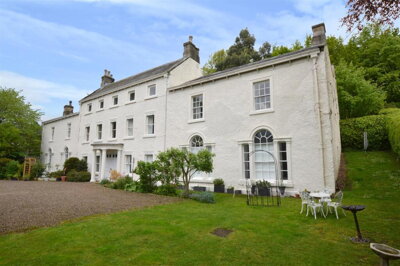
Browse 1 home for sale in Marrick, North Yorkshire from local estate agents.
The 2 bed flat sector typically includes two separate bedrooms, dedicated living areas, and bathroom facilities. Properties in Marrick span purpose-built blocks, converted period houses, and modern apartment complexes on various floors.
£0k
0
0
0
Source: home.co.uk
Showing 0 results for 2 Bedroom Flats for sale in Marrick, North Yorkshire.
Marrick’s property market works rather differently from an urban one, and by January 2026 the average sold house price had reached approximately £550,000. Rural homes with land, character features and sweeping countryside views sit at the premium end of the market, which is no surprise. Buyers here are often after weekend retreats, retirement homes, or a permanent move away from city life. Sales can move at a gentler pace too, with some properties sitting on the market for months before the right purchaser comes along. That longer timescale matters when you are planning a move into the area.
Detached homes with gardens and outbuildings usually sit at the top of the Marrick price range, especially when they still have exposed stone walls, fireplaces and traditional timber joinery. Semi-detached and terraced cottages give buyers a more approachable entry point, although the Yorkshire Dales setting still carries a premium. Freehold ownership is common in the village, which will suit those wary of leasehold hassles and ground rent charges often seen in towns and cities. Our home.co.uk listings cover everything from compact holiday cottages to sizeable farmhouses set in several acres of land.
Your choice of property in Marrick will affect both the purchase price and the upkeep that follows. Traditional stone homes need specialist care, and the building methods used across Swaledale often differ sharply from modern construction. Many village properties are listed buildings or sit within conservation areas, so alterations and extensions can be tightly controlled. Those rules help protect the character that draws people here in the first place, but they also need weighing up carefully before you judge a home’s potential. A conversation with our survey partners before you commit can help you see the true cost of owning a traditional Yorkshire Dales property.

Marrick has the quiet, lasting appeal of a North Yorkshire village, where the pace of life tends to follow the seasons rather than the clock. The village and the surrounding countryside sit within the Yorkshire Dales National Park, so residents are living among one of Britain’s best-known landscapes. Rolling moors, dry stone walls, ancient woodlands and meandering streams shape this part of Swaledale. Artists, writers and walkers have been drawn here for centuries, and the Pennine Way, along with other national trails, passes nearby. The changing light and shifting seasons give everyday life a backdrop that people quickly grow fond of.
At the centre of Marrick community life are the pub, village hall events and a shared respect for the landscape around it. Long-established farming families live alongside newcomers from cities who are looking for a better quality of life, and remote workers who can now stay connected thanks to improving broadband. Local facilities are limited in the immediate village, which is a reflection of its size, but Richmond, around 12 miles away, and Barnard Castle, around 14 miles away, provide schools, supermarkets, doctors’ surgeries and other essentials. Well-dressing, harvest festivals and seasonal gatherings keep the traditional calendar alive through the year.
Weekends and holidays in Marrick attract plenty of attention from buyers after a rural escape. Several homes in the area have holiday let potential, which can help offset carrying costs with an income stream. That said, any letting arrangement has to fit National Park planning policy and any occupancy conditions tied to the property. Full-time living brings a different rhythm, and village life can give a sense of belonging that a weekend base simply does not match. Our platform includes both residential and holiday let properties, so you can compare the choices open to you in this sought-after spot.

Families thinking about a move to Marrick will find schooling within a reasonable drive, although the rural setting means the school run takes longer than it would in town. Primary education is available in nearby villages, while St. Mary's Catholic Primary School in Richmond and other local primaries serve the surrounding communities. These smaller rural schools often create closer links between teachers and pupils, and class sizes are usually smaller than the urban norm. Parents should check the current catchment arrangements with North Yorkshire County Council, because admissions rules can affect who is eligible.
Secondary choices include schools in Richmond and Barnard Castle, with students usually travelling in by bus from the Marrick area. Richmond School and Sixth Form College offers comprehensive secondary education and has built a strong reputation for academic results and extracurricular activity. Grammar schools in nearby towns give families another route, with QES (Queen Elizabeth Grammar School) in Penrith and other schools drawing pupils from across the wider region. For sixth form and further education, Richmond Sixth Form College and Darlington College offer a wider spread of A-level and vocational courses for older students.
For families heading to Marrick, school transport is a key practical issue. North Yorkshire County Council provides transport help for primary-aged children who live beyond the statutory walking distance from their nearest suitable school, which is typically two miles for children under eight and three miles for older children. Secondary transport arrangements should be checked before you buy, because the cost and the logistics of the school run can shape daily life quite a bit in a rural setting. Many families manage by sharing lifts with neighbours, which helps to ease the pressure of countryside commuting.

Transport from Marrick reflects the village’s rural setting, so journeys tend to be planned rather than spontaneous. Darlington, around 25 miles away, and Northallerton, around 28 miles away, are the nearest railway stations, with direct services to Newcastle, York, Leeds and London. Darlington is especially useful, because trains to London King's Cross take around two and a half hours. Drivers use the A66 for east-west travel across North Yorkshire, with links on to the A1(M) for north and southbound journeys. In the immediate area, the roads are mostly minor lanes, narrow and winding, so confident driving helps.
Public bus services do run locally, but the frequency is limited, so most residents find a car is effectively essential. Buses linking Marrick with Richmond and Barnard Castle run several times a day on weekdays, then thin out at weekends. Even so, many people enjoy being able to leave the car behind for short trips, with village walks and rides through the countryside offering a pleasant alternative. The lanes can be demanding, especially in winter when ice and snow make minor roads hazardous. On a good day, though, the scenery turns an ordinary journey into something much nicer.
Newcastle International Airport and Leeds Bradford Airport are the most practical options for air travel, and both are about 90 minutes’ drive from Marrick, with domestic and international flights available. Teesside Airport is also within reasonable reach because of the A66. Plenty of residents feel that the travel time is a fair trade for the quality of life the Yorkshire Dales offers. A bit of forward planning, together with sensible airport parking choices, makes trips abroad much easier from this rural base.

Before viewing homes in Marrick, we recommend spending time in the village and the surrounding area at different times of day and on different days of the week. Get a feel for the distances to schools, shops and work destinations. Use our platform to review property prices in the DL11 postcode so you can understand the local market. A visit at varying times helps you judge the atmosphere and the community, while checking transport options makes it easier to see how day-to-day life would really work.
Speak to a mortgage broker and get an agreement in principle before you start making offers. Rural properties can bring tricky financing, especially where there is land or an agricultural link. Having your money arranged in advance puts you in a stronger position when properties in this desirable area attract more than one bidder. Specialist rural mortgage brokers understand the quirks of funding homes with land, outbuildings, or non-standard construction methods that are common across the Yorkshire Dales.
It pays to work with local estate agents who know the Marrick market well. Our platform links you to available listings, but a local agent may hear about homes before they appear online and can talk through pricing based on recent sales. With their local knowledge, agents can also flag properties due to come to market soon, which gives you an edge in this close-knit market.
Once you have found the right place, arrange a RICS Level 2 Survey so the condition of the building can be checked properly. Older Yorkshire Dales properties often need specialist assessment because of the way they were built. Your solicitor should also look into drainage, rights of way and any planning conditions affecting the property. Homes within the National Park may face extra planning controls, so those need careful investigation before you complete the purchase.
After your offer has been accepted, instruct a conveyancing solicitor to deal with the legal side. Rural transactions often take longer than urban ones, so a little patience goes a long way. Exchange and completion usually follow standard timescales, although chain-free sales can move more quickly. Our conveyancing partners are used to rural properties and can guide you through Yorkshire Dales matters such as agricultural drainage and rights of way.
Buying in a rural Yorkshire Dales village means looking at things that standard searches may not pick up. Properties in Marrick are often older, built with traditional methods using local stone, and they need a different approach to maintenance than modern homes. Roof condition, damp penetration and the state of original windows all deserve close attention before you commit. Through our platform, you can access survey services and conveyancing from trusted partners who know traditional Yorkshire properties well.
Planning controls in the Yorkshire Dales National Park are especially important to understand before you buy. Homes inside the Park boundary are subject to strict rules that limit extensions, alterations and new builds. Parts of the village may also have conservation area status, which brings extra requirements for planning permission on external changes. Some properties carry agricultural ties or occupancy conditions, which can restrict who may live there or require continued agricultural use of any land. Your solicitor should dig into all of this carefully during conveyancing.
Traditional stone homes in Marrick bring both charm and a fair few maintenance questions. Local sandstone has been used for centuries here, creating buildings of real character and, when looked after properly, excellent durability. Even so, traditional houses often lack modern damp-proof courses and insulation standards, so moisture control and energy efficiency need a different approach. A detailed survey from our RICS-certified partners can identify current problems and help you budget for the work ahead. Solid-wall properties also have different heating needs and running costs than cavity-wall homes.
The Yorkshire Dales landscape adds its own practical issues to the property search. Swaledale’s geology can affect drainage patterns, and hillside sites may behave differently from homes on valley floors. Flood risk in Marrick itself is generally low, but the Environment Agency maps should still be checked for each location, along with the drainage setup for the property. Knowing these local factors helps you make a sound decision and avoid unpleasant surprises after the purchase.

Average asking prices in Marrick sit at around £550,000, while sold prices have averaged approximately £550,000 according to recent data. That gap is mainly down to the mix of properties changing hands, with larger rural homes and farms pushing values up in the DL11 postcode area. Homes with land, traditional features and big views usually achieve the strongest prices in the Marrick market, while more modest cottages remain a gentler route into village life.
Marrick falls under the arrangements of North Yorkshire County Council and the Richmondshire District Council. Most rural homes in the DL11 area usually sit in bands C through E, although the exact band depends on the property’s valuation. You can confirm the council tax band for any home through the Valuation Office Agency website or via listing details. Properties with larger land holdings may have higher valuations because the total acreage is taken into account.
The nearest primary schools are in the surrounding villages, and many families travel into Richmond for primary education. Secondary provision includes Richmond School and Sixth Form College, which serves a wide catchment across the Yorkshire Dales. Grammar schools in Penrith and other towns are another draw for families looking for selective education, with transport arrangements available for students from the Marrick area. North Yorkshire keeps detailed school information on its website, including current admissions criteria and catchment area maps that help identify which schools serve particular properties.
Public transport from Marrick is limited, which is what you would expect in a village within the Yorkshire Dales National Park. Bus services link the village to Richmond and Barnard Castle several times a day on weekdays, but the timetable drops back sharply at weekends. Darlington and Northallerton are the nearest railway stations, both about 25-28 miles away, and they provide links to Newcastle, York and Leeds. Most residents rely on a car, although the road network is scenic and the A66 gives reasonable access to the wider system.
Property in Marrick, and across the wider Yorkshire Dales, has generally held its value well, supported by steady demand from people looking for a rural way of life. Homes with land, holiday let potential or development prospects may offer the strongest returns in the DL11 area. Even so, transaction numbers are low, and the market is less fluid than in towns, so a property can take longer to sell when you decide to realise your investment. Before buying for investment, professional advice on your own situation is wise.
Stamp Duty Land Tax applies to purchases in England at standard rates, with zero percent up to £250,000, five percent on £250,001 to £925,000, and ten percent on £925,001 to £1.5 million. First-time buyers get relief on the first £425,000 of the purchase. On a property near the Marrick average of £550,000, most buyers would pay no stamp duty, and first-time buyers would qualify for full relief at that price. Higher-value homes in the area, especially large farmhouses with land, may fall into the higher SDLT bands.
Marrick sits inside the Yorkshire Dales National Park, so strict planning controls apply to most developments and alterations under National Park Authority jurisdiction. You cannot extend homes, build outbuildings or change external features without approval from the National Park Authority, and permitted development rights may be more restricted than in areas outside the Park. Those rules protect the landscape’s character, but they also limit what you can do with a property. It is worth understanding them before you buy, and our survey partners can talk you through the planning angle during your search.
Traditional stone properties in the Marrick area often come with age-related issues tied to how they were built. Surveyors commonly find damp penetration through solid walls, roof problems on older homes, and worn original windows and doors. Many houses use traditional lime mortar pointing rather than modern cement, so maintenance needs a different approach. Outbuildings and agricultural structures included with some properties may have been left neglected and could need serious spending to bring them back. A detailed RICS Level 2 Survey will pick up these points and help you budget for repairs.
From 4.5%
Finance a Marrick property purchase with competitive mortgage rates.
From £499
Expert legal services for your property transaction
From £350
Professional survey for your Marrick property
From £60
Energy performance certificate for your property
The purchase costs for a home in Marrick follow the standard England rules, but knowing them early helps avoid surprises during the transaction. For 2024-25, Stamp Duty Land Tax starts at zero percent on the first £250,000 of a purchase price, then rises to five percent on the portion between £250,001 and £925,000. At the Marrick average asking price of approximately £550,000, a standard buyer would pay no stamp duty, while a first-time buyer would qualify for full relief under the higher thresholds introduced in recent years.
On top of stamp duty, allow for solicitor fees, which are usually between £800 and £2,000 depending on complexity, plus disbursements such as Land Registry fees of approximately £150-200, search fees of around £200-300, and bank transfer charges. A RICS Level 2 Survey starts from approximately £350 for a modest property, and the price rises for larger homes. If you need a mortgage, factor in arrangement fees of 0-1% of the loan amount as well as valuation fees. Rural homes can also bring extra costs where specialist surveys are needed for traditional construction methods, agricultural drainage or rights of way across the land.
Get building insurance quotes early, because some insurers charge higher premiums for older homes in remote places. Thatch, for example, often means a specialist insurance arrangement is needed. Budget calculators and cost estimators are available through our partner services, helping you work out the full cost of buying in the Marrick area. Counting every cost before you make an offer means you are less likely to face financial surprises later in the transaction.

Properties for Sale In London

Properties for Sale In Plymouth

Properties for Sale In Liverpool

Properties for Sale In Glasgow

Properties for Sale In Sheffield

Properties for Sale In Edinburgh

Properties for Sale In Coventry

Properties for Sale In Bradford

Properties for Sale In Manchester

Properties for Sale In Birmingham

Properties for Sale In Bristol

Properties for Sale In Oxford

Properties for Sale In Leicester

Properties for Sale In Newcastle

Properties for Sale In Leeds

Properties for Sale In Southampton

Properties for Sale In Cardiff

Properties for Sale In Nottingham

Properties for Sale In Norwich

Properties for Sale In Brighton

Properties for Sale In Derby

Properties for Sale In Portsmouth

Properties for Sale In Northampton

Properties for Sale In Milton Keynes

Properties for Sale In Bournemouth

Properties for Sale In Bolton

Properties for Sale In Swansea

Properties for Sale In Swindon

Properties for Sale In Peterborough

Properties for Sale In Wolverhampton

Enter your details to see if this property is within your budget.
Loans, cards, car finance
Estimated property budget
Borrowing + deposit
You could borrow between
Typical borrowing
Monthly repayment
Est. at 4.5%
Loan-to-value
This is an estimate only. Your actual budget may vary depending on interest rates, credit history, and personal circumstances. For an accurate affordability assessment, speak to one of our free mortgage advisors.
This calculator provides estimates for illustrative purposes only and does not constitute financial advice. Your home may be repossessed if you do not keep up repayments on your mortgage. Estimates based on 4.5% interest rate, repayment mortgage. Actual rates depend on your circumstances.
Homemove is a trading name of HM Haus Group Ltd (Company No. 13873779, registered in England & Wales). Homemove Mortgages Ltd (Company No. 15947693) is an Appointed Representative of TMG Direct Limited, trading as TMG Mortgage Network, which is authorised and regulated by the Financial Conduct Authority (FRN 786245). Homemove Mortgages Ltd is entered on the FCA Register as an Appointed Representative (FRN 1022429). You can check registrations at NewRegister or by calling 0800 111 6768.

We use cookies to show you personalised content and improve your experience of our website. Find out more in our Privacy policy and Cookie policy.