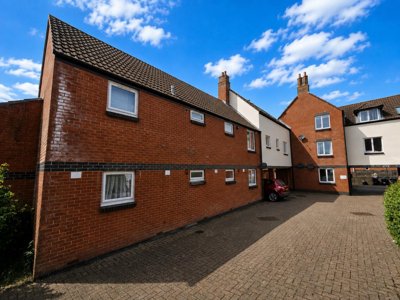
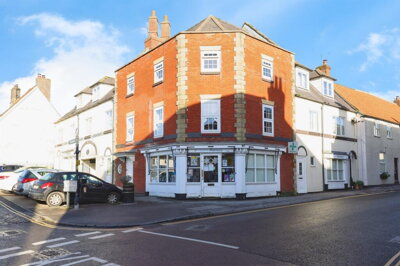
Browse 2 homes for sale in Market Lavington from local estate agents.
Studio apartments feature open-plan living spaces without separate bedrooms, incorporating sleeping, living, kitchen, and bathroom facilities. The Market Lavington studio market includes properties in modern apartment complexes, converted Victorian and Georgian buildings, and purpose-built developments.
Market Lavington’s housing market has a fairly even spread of homes, which suits different kinds of buyer. Detached properties sit at the top end, averaging around £693,738, a reflection of the space and privacy they bring in this semi-rural setting. We have seen 8 detached homes change hands in the past 12 months, so demand for family-sized houses with gardens has stayed steady. Semi-detached homes, at £319,990 on average, are the more accessible way into the village, and 6 sales were recorded over the same period.
Terraced properties in Market Lavington average £228,333, and they have been busy too, with 8 sales in the past 12 months according to home.co.uk listings data. Many still show the village’s familiar red brick and tiled roofs, and quite a few date from the 18th century with earlier cores tucked inside. The sales data also shows 15 properties changed hands in the six months up to October 2025 according to home.co.uk, covering detached, semi-detached and terraced homes. No flats have sold in the village over the past year, which fits with the area’s mainly houses and bungalows housing stock.
For the SN10 4 postcode area that includes Market Lavington, the picture has been one of modest growth, with prices up 2.8% over the last year, or -1.1% once inflation is taken into account according to some sources. That follows a period of correction, and sold prices now sit 25% below the 2022 peak of £426,341. For buyers who missed the pandemic-era rush, that normalisation opens the door to buying at more settled levels. Nearby Devizes has new build options such as the Marshalls Green development by Bovis Homes, although that sits outside Market Lavington’s parish boundary.
The village’s market also benefits from its place in Wiltshire’s transport network, while still keeping a genuinely rural feel. Owner-occupation stood at approximately 74% according to 2011 Census data, with around 14% social housing and 10% private renting. For investors, the limited new-build activity in the village centre and a stable population point towards steady rental demand from local workers, key workers in healthcare and education, and commuters looking for something more affordable than nearby towns.

Market Lavington offers an unusually strong line-up of amenities for a village this size, so day-to-day life is straightforward without a trip into a larger town. Much of village life revolves around the historic church and The Spring area, where the existing Co-op store and surrounding businesses are grouped together. A recent planning approval for a new, larger Co-op store as part of a 14-home development scheme shows continued investment in the commercial heart of the village. Fresh produce is available from the local butcher, there is a village cafe for coffee, and the florist is handy for special occasions, all within a short walk.
There is a real community feel here, helped by the regular events and facilities that draw people together across the year. The museum keeps the local story alive, the library serves all ages, and The Green Dragon remains a traditional pub meeting point. A doctor's surgery gives residents access to primary healthcare close to home, while the chemist and hairdresser fill out the everyday essentials. The village also has a nursing and residential home, which shows the breadth of care provision at different stages of life. On top of that, a post office, printers and several small industrial sites bring work into the community too.
Out in the parish, the landscape shifts between chalk downland, clay and sandy soils, giving residents varied walking country as part of the wider Salisbury Plain ecosystem. The Broadway area still holds traces of the village’s industrial past, where local brickworks ran for centuries until the 1950s and produced the red brick that now defines much of the architecture. The heavy clay there made brick-making especially practical, and those locally produced materials turn up in many of the village’s period homes. Most of the village lies within Flood Zone 1, so river flooding risk is low, although the neighbourhood plan does point to possible groundwater emergence in some areas, something local residents will already know about.
Large parts of the central village sit within a designated Conservation Area, which helps protect its historic character and architectural heritage. That can also bring extra planning controls over external alterations and renovation work. Several listed buildings are found in the village, including St Mary's Church, a Grade I listed building from the late 13th century with evidence of earlier 12th-century stonework. The Old House, a 14th-century manor house and also Grade I listed, contains the structure of an early medieval double-aisled open hall, a reminder of just how old the settlement is. These protections underline Market Lavington’s place in Wiltshire’s history and keep its character intact for future generations.

Families looking at a move to Market Lavington will find school provision inside the village itself, which cuts down on daily runs to neighbouring towns. The primary school is in a handy village location, and older pupils can walk there independently. The secondary school serves the local catchment area and is described as thriving, which points to strong community backing for education. That mix makes Market Lavington especially appealing to families with children of different ages who want to keep travel to a minimum.
St Mary's Church dates from the late 13th century and still contains earlier 12th-century stonework, so the village’s educational heritage sits alongside its historic buildings and long-established community institutions. The current schools carry that tradition on, serving not only children from the village but also pupils from surrounding hamlets and farms across the wider parish. Because school performance can feed directly into property values in catchment areas, this matters to families who place education high on the list. Parents should check current Ofsted ratings and catchment boundaries directly with schools and Wiltshire Council admissions, because those can change over time.
Once children are older, there are further education options within reach in Devizes, Trowbridge and Salisbury, each within a reasonable drive. The village library adds more learning resources and community programmes for all ages, so education does not stop at school age. Several secondary schools in nearby Devizes can be reached in around 15 minutes by car, which gives families alternatives outside the local catchment. Those nearby towns mean village life does not have to be education-limited, although having both primary and secondary schools in Market Lavington is still a clear day-to-day advantage.

Market Lavington sits at a useful crossroads in Wiltshire, so residents get decent access to employment centres without giving up village living. The A360 links the village with Devizes, about 5 miles to the north, where rail and bus options improve. For people heading to Trowbridge, roughly 12 miles south, the drive usually takes around 25-30 minutes via the A361. Salisbury is about 18 miles to the south-east and can be reached via the A360 and A338 corridor, which makes daily commuting possible for anyone with flexibility around travel times.
Local bus services connect Market Lavington with surrounding towns, so there are public transport options for anyone without a car, or for those who prefer not to drive. The nearest railway stations are in nearby towns, and journeys to London Paddington are possible via Westbury or Salisbury. Major rail links also open up Bristol, Southampton and London, so the village can work well for people employed in larger cities but living in a more affordable rural spot. For anyone commuting to Swindon, the journey is around 25 miles and usually takes about 45 minutes by car via the A361 and M4 motorway junction 17.
Most of what residents need is within walking distance, so everyday trips do not always require the car. The local road network is generally quieter than the main routes, although the lanes around the village need care, especially during harvest when agricultural traffic picks up. Parking in the village centre is usually fine for a place of this size, though school or pub events can put temporary pressure on spaces. There is some cycling infrastructure on local routes, but the hilly Wiltshire landscape means longer rides call for a fair bit of fitness. Even so, the village’s position near the major road network makes it practical for people working across Wiltshire and the Thames Valley region.

Before you start viewing, it helps to look at Market Lavington’s sold prices and current listings so you know where the market sits. With average prices around £481,192, you will also want to allow for stamp duty, solicitor fees and survey costs. Sorting a mortgage agreement in principle before you view can make it easier to move quickly if the right property comes up. The 16% reduction in sold prices over the past year means buyers can now enter the market at more realistic levels than during the 2022 peak. ---NEXT---
We can use Homemove to browse available properties in Market Lavington and arrange viewings through the listed estate agents. During viewings, it is worth noting the construction date and materials, because many homes have historic brickwork dating from the 18th century. Ask about recent works, renovations and any planning permissions that affect the property. Homes inside the Conservation Area may face restrictions on alterations, so getting that clear early helps avoid expensive surprises after purchase.
Because Market Lavington has so much older housing stock, a RICS Level 2 Homebuyers Survey is strongly recommended before you commit. For a standard property, that usually costs between £400-£550, and it should pick up issues that often turn up in older homes, including damp, structural concerns and outdated electrics or plumbing. Homes over 50 years old are especially prone to solid wall construction without modern damp proofing, ageing roof structures and electrical systems that may no longer meet current standards. ---NEXT---
The conveyancing solicitor takes care of the legal side of the purchase, including searches for flooding, planning history and property boundaries. We would suggest getting quotes from at least two conveyancing providers, with costs usually starting from around £499 for standard transactions. Given the risk of groundwater emergence in Market Lavington and the presence of Conservation Areas, those searches matter. The solicitor will work with the seller’s representatives to move the transaction along and stay in contact with your mortgage lender. ---NEXT---
Once the searches come back clean and the finance is in place, contracts are exchanged and the deposit is paid, usually 10% of the purchase price. Completion normally follows in 2-4 weeks, at which point the keys are handed over and you can move into your new Market Lavington home. Buildings insurance should be in place from exchange, and it is sensible to allow for immediate work discovered after moving in, especially with older homes where maintenance issues may not have shown up during viewings.
Properties in Market Lavington bring their own set of considerations, shaped by the village’s historic character and local geology. Many homes are built in red brick with tiled roofs, a tradition that took hold while the Broadway brickworks were operating until the 1950s. The locally made bricks have a distinctive colour and texture, which gives the area its particular look. Older houses may have solid walls rather than modern cavity construction, which changes insulation and damp-proofing needs. Timber-framed houses with jettied frontages, including those on the High Street at numbers 22 and 30, are among the village’s oldest properties and may need specialist maintenance.
Parts of Market Lavington sit on clay soils, so buyers should look carefully at foundations and watch for signs of subsidence or ground movement. Clay can shrink and swell as moisture levels change, which can lead to structural movement over time. Cracks in walls, uneven floors and doors or windows that stick are all worth paying attention to. A full survey from a RICS qualified surveyor will pick up these issues, and properties inside the central Conservation Area may also face extra planning controls if renovations are planned. The neighbourhood plan sets out development sites too, so it is sensible to check nearby planning applications if you are buying close to potential growth areas.
Flood risk in Market Lavington is generally encouraging, with most of the area in Flood Zone 1 and therefore at low river flooding risk. Even so, the neighbourhood plan does acknowledge some risk of groundwater emerging at the surface in localised spots, which can affect basements or lower-ground-floor rooms. Local reports from 2008 mention footpaths and gardens that could not hold water during flooding events, so this is not just a theoretical issue. Homes close to the village streams or in lower-lying parts should be looked at more closely. Asbestos can also be present in properties built before 1999, so professional surveys should cover that too, especially before any renovation work that could disturb existing materials.
Several listed buildings and many properties within the Conservation Area mean specialist surveys and extra thought may be needed during a purchase. Listed building status protects historically important structures, but it also limits the changes you can make. The Grade I listed St Mary's Church and The Old House, a 14th-century manor, are the village’s highest heritage listings. Homes in the Conservation Area benefit from protection, although some works that would be straightforward elsewhere may need planning permission. For listed buildings or especially historic properties, a RICS Level 3 Building Survey can be more suitable than a standard Level 2, given the construction type and the potential for more complicated defects.

The average house price in Market Lavington is currently around £481,192 according to home.co.uk listings data, with homedata.co.uk reporting a slightly lower figure of £425,000 for the same period. Detached properties average approximately £693,738, semi-detached homes around £319,990, and terraced properties at approximately £228,333. Prices have reduced by around 16% from the previous year and sit 25% below the 2022 peak of £426,341, so buyers are seeing a market that has adjusted back from pandemic-era highs. The SN10 4 postcode area has also shown modest growth of 2.8% in the last year, which points to stabilising conditions after the correction.
For council tax, properties in Market Lavington fall under Wiltshire Council. Bands run from A through to H, based on the property’s assessed value at the relevant valuation date. Most terraced homes and smaller semi-detached properties in the village tend to sit in bands A to C, while larger detached houses with higher values are often in bands D to F. Specific bands can be checked on the Valuation Office Agency website using the property address, or your solicitor can confirm them during the conveyancing searches as part of the usual paperwork.
Families are often drawn to Market Lavington because both primary and secondary schools are within the village, which keeps school-run logistics much simpler. The primary school is close enough for older children to walk independently. The secondary school covers the local catchment and is described as thriving by local sources, which reflects the strength of community support for education. If you want alternatives, several secondary schools in nearby Devizes can be reached in about 15 minutes by car. Parents should still check current Ofsted ratings and catchment boundaries directly with the schools and Wiltshire Council admissions, because those details can change and they affect eligibility for places.
Market Lavington is linked to nearby towns by local bus services, although private transport is usually more practical for everyday commuting in a rural setting like this. The village is about 5 miles from Devizes, where you will find more transport choices, including rail links. Larger stations in nearby towns provide connections to Bristol, Southampton and London, and journeys to London Paddington are possible via Westbury or Salisbury. For commuters heading to Swindon or Salisbury, car journeys of 25-45 minutes are common via the A361 and connecting roads. The A360 gives reasonable access to the wider Wiltshire network, even if regular buses are better suited to local work or flexible travel patterns.
For investors, Market Lavington has several points in its favour if you want exposure to the Wiltshire village market. New-build supply is limited, while the population of around 2,045 is stable, which helps keep rental demand steady from local workers and commuters. Owner-occupation was around 74% according to 2011 Census data, leaving a private rental sector opportunity of roughly 10% of households. Local employers include the small industrial sites, the schools, healthcare services such as the doctor's surgery and residential home, and village businesses, all of which generate tenant demand from key workers. Older timber-framed or brick homes may offer value-add potential if they need renovation, although some properties are affected by Conservation Area restrictions and those need to be built into any investment figures.
From February 2025, Stamp Duty Land Tax rates for standard purchases are 0% on the first £250,000, 5% on £250,001 to £925,000, 10% on £925,001 to £1.5 million, and 12% on anything above £1.5 million. First-time buyers get relief on the first £425,000 for homes up to £625,000. With most Market Lavington properties averaging around £481,192, first-time buyers who qualify would often pay little or nothing, while standard rate buyers would pay about £3,557 on a property at the current market average. Always check the latest thresholds with HMRC or your solicitor, because rates can change and personal circumstances affect liability. ---NEXT---
Getting to grips with the full cost of buying in Market Lavington makes budgeting far easier and helps avoid surprises once the transaction gets underway. The average price of £481,192 sits within stamp duty thresholds that still make the market relatively accessible for both established buyers and first-time purchasers. At that price, a standard buyer would pay stamp duty on £231,192 above the £250,000 threshold, which works out at roughly £3,557. First-time buyers may pay much less, or nothing at all, depending on the property price and whether they meet the eligibility rules, so Market Lavington can still work well for people stepping on to the ladder.
Beyond stamp duty, buyers also need to budget for solicitor fees, which usually range from £499 for standard conveyancing to more than £1,000 for transactions that involve listed buildings or extra negotiations. A RICS Level 2 Homebuyers Survey, which we strongly recommend for Market Lavington’s older homes, typically costs between £400-£550 for a standard property. Homes with unusual features, larger footprints or the need to meet Conservation Area requirements may be better suited to a more detailed RICS Level 3 Building Survey, which usually costs between £600 and £1,500. An Energy Performance Certificate costs around £85-£120 and is a legal requirement for every sale, giving you information on the property’s energy efficiency rating.
There are other costs to factor into the budget too, including mortgage arrangement fees that usually range from £0 to £2,000 depending on the lender and product chosen, valuation fees if your mortgage provider asks for them, and search fees from your local authority of around £250-£350. Buildings insurance should be arranged from exchange, and you may also need to allow for removals, possible redecoration or renovation work, and getting utilities connected at the new property. For homes within Market Lavington’s Conservation Area, or for listed buildings, additional specialist advice and permissions may be needed from Wiltshire Council conservation officers, which can add to both cost and timescales. Given the age of many homes in the village, it is sensible to keep a contingency for unexpected repairs found after you move in.

Properties for Sale In London

Properties for Sale In Plymouth

Properties for Sale In Liverpool

Properties for Sale In Glasgow

Properties for Sale In Sheffield

Properties for Sale In Edinburgh

Properties for Sale In Coventry

Properties for Sale In Bradford

Properties for Sale In Manchester

Properties for Sale In Birmingham

Properties for Sale In Bristol

Properties for Sale In Oxford

Properties for Sale In Leicester

Properties for Sale In Newcastle

Properties for Sale In Leeds

Properties for Sale In Southampton

Properties for Sale In Cardiff

Properties for Sale In Nottingham

Properties for Sale In Norwich

Properties for Sale In Brighton

Properties for Sale In Derby

Properties for Sale In Portsmouth

Properties for Sale In Northampton

Properties for Sale In Milton Keynes

Properties for Sale In Bournemouth

Properties for Sale In Bolton

Properties for Sale In Swansea

Properties for Sale In Swindon

Properties for Sale In Peterborough

Properties for Sale In Wolverhampton

Enter your details to see if this property is within your budget.
Loans, cards, car finance
Estimated property budget
Borrowing + deposit
You could borrow between
Typical borrowing
Monthly repayment
Est. at 4.5%
Loan-to-value
This is an estimate only. Your actual budget may vary depending on interest rates, credit history, and personal circumstances. For an accurate affordability assessment, speak to one of our free mortgage advisors.
This calculator provides estimates for illustrative purposes only and does not constitute financial advice. Your home may be repossessed if you do not keep up repayments on your mortgage. Estimates based on 4.5% interest rate, repayment mortgage. Actual rates depend on your circumstances.
Homemove is a trading name of HM Haus Group Ltd (Company No. 13873779, registered in England & Wales). Homemove Mortgages Ltd (Company No. 15947693) is an Appointed Representative of TMG Direct Limited, trading as TMG Mortgage Network, which is authorised and regulated by the Financial Conduct Authority (FRN 786245). Homemove Mortgages Ltd is entered on the FCA Register as an Appointed Representative (FRN 1022429). You can check registrations at NewRegister or by calling 0800 111 6768.

We use cookies to show you personalised content and improve your experience of our website. Find out more in our Privacy policy and Cookie policy.