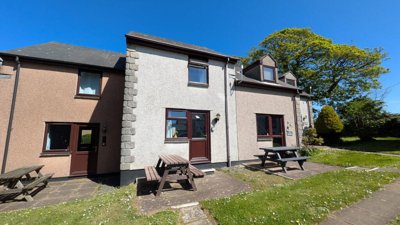
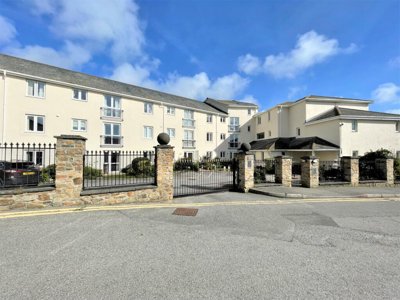
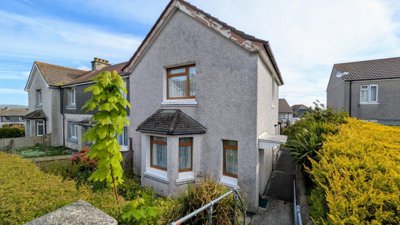
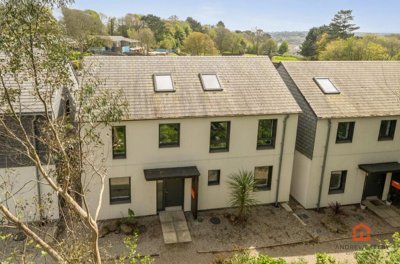
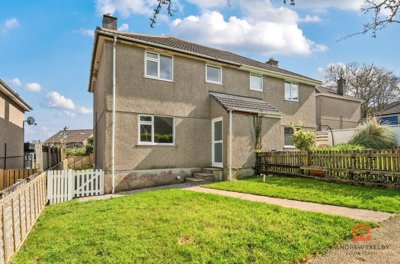
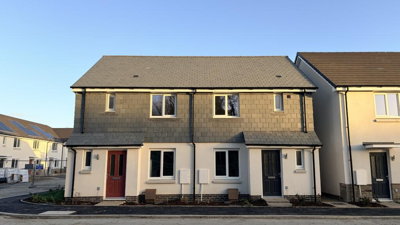
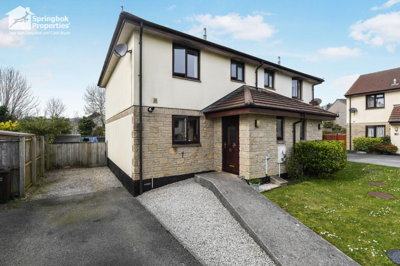
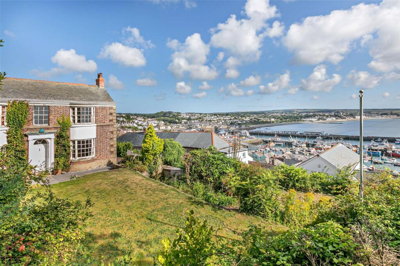
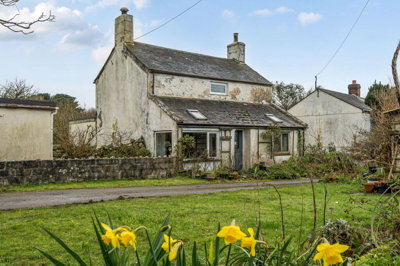
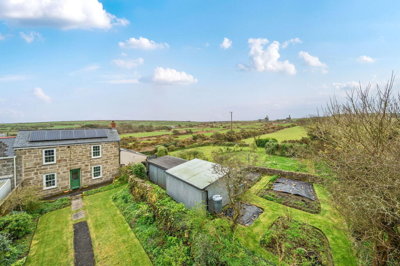
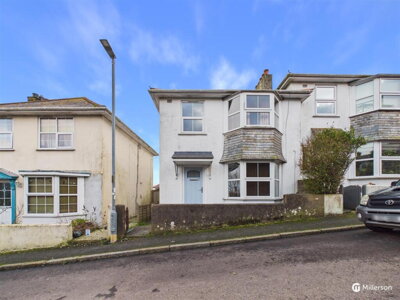
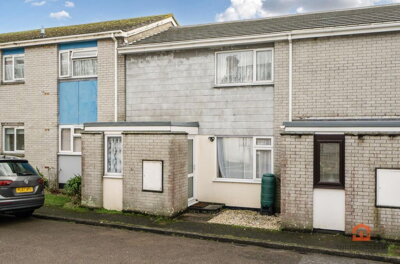
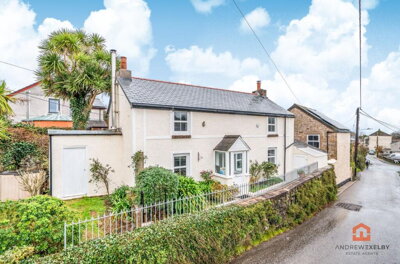
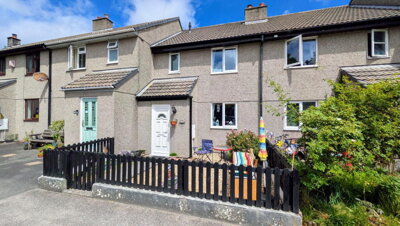
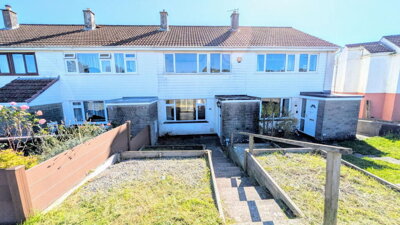
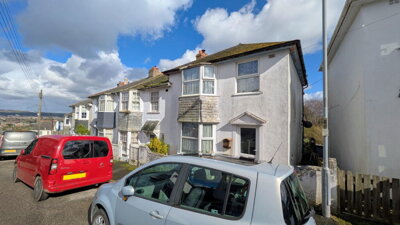
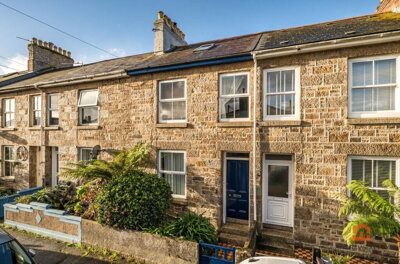
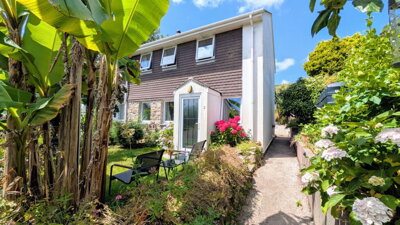
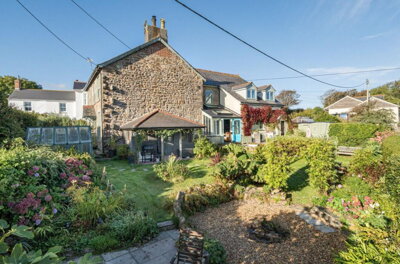
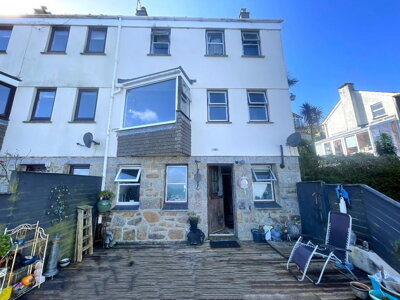
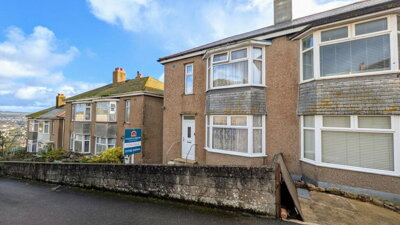
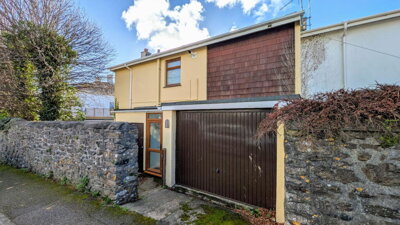
Browse 418 homes for sale in Madron, Cornwall from local estate agents.
£500k
35
2
204
Source: home.co.uk
Source: home.co.uk
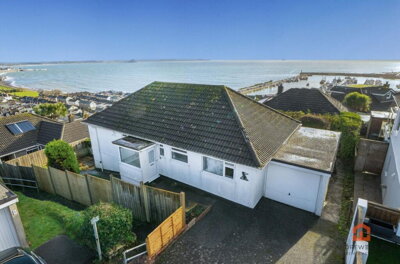
Detached
14 listings
Avg £723,318
Terraced
8 listings
Avg £150,619
Semi-Detached
3 listings
Avg £368,317
Apartment
2 listings
Avg £225,000
Bungalow
2 listings
Avg £657,500
Flat
2 listings
Avg £242,500
Cottage
1 listings
Avg £200,000
Detached house
1 listings
Avg £625,000
Equestrian Facility
1 listings
Avg £1.20M
detached
1 listings
Avg £562,500
Source: home.co.uk
Source: home.co.uk
Madron’s property market offers real scope for buyers after character homes in a prized West Cornwall spot. Detached properties sit at the top of the market, averaging £710,097, which reflects the appeal of larger houses with gardens in this lovely setting. Semi-detached homes come in at around £291,113, terraced properties start from about £121,000, and flats, though less common, are available from £208,750. There is genuine choice here, across budgets and different ways of living.
Over the longer term, values in Madron have climbed by 21% over the past five years, which speaks to the lasting draw of West Cornwall. That rise has outpaced many urban locations, and it is easy to see why buyers pay a premium for rural surroundings with decent links to larger towns. Even with a 1% decrease over the last 12 months, demand still rests on limited supply, the scenery, and the pull of Cornish country life.
Census 2021 data for the ward shows a housing mix shaped by the area’s history, with around 40.8% detached homes, 28.1% semi-detached properties, 20% terraced houses, and 10.7% flats and apartments. That range suits all sorts of buyers, from first-time purchasers to families who want more space outside. It is the strong share of detached homes that tends to appeal most to those who want privacy, gardens, and a rural feel.
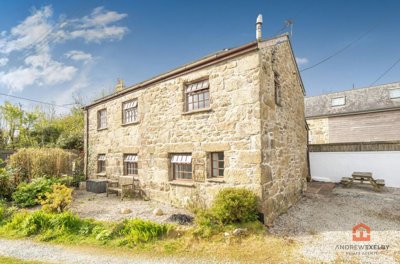
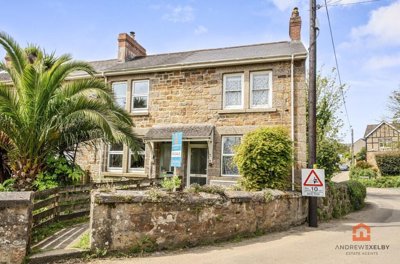
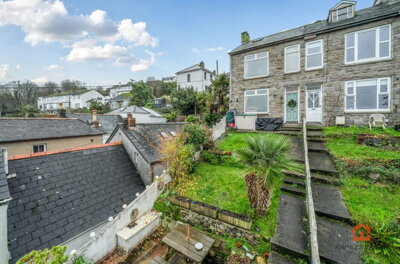
New build activity in the Madron postcode area is still limited, and most of the development is taking place in nearby, larger places such as Penzance and Heamoor. Because fresh stock is scarce, buyers looking for traditional Cornish architecture will find plenty to like, including homes built from local granite, slate, and stone. That shortage of new homes also helps support prices for existing properties, especially where original features and sizeable plots are still intact.

Madron has a very particular place in West Cornwall, giving residents a quiet rural base with strong links to nearby towns. The parish sits on the Carnmenellis Pluton granite bedrock, which shapes the local geology and has long influenced the Cornish building style seen here. The village centre is designated as a Conservation Area, so the historic character around St Maddern's Church is kept intact for future generations.
The demographic picture in the Madron and Gulval ward shows a balanced community, with families, professionals, and retirees all drawn to the quality of life on offer. Being close to Penzance, Cornwall's westernmost market town, means access to shopping, healthcare including the Royal Cornwall Hospital, and good schools. Many people live rurally but work in Penzance or from home, helped by better digital connectivity. That mix of ages gives the area a lively community feel, with events and local groups running throughout the year.
Tourism and agriculture underpin much of the local economy, as you would expect in this part of West Cornwall. The coast and moorland nearby bring visitors all year, which supports local businesses and keeps the community active. Second-home owners and retirees are also part of the picture, shaping demand and feeding into the strong long-term value growth the market has seen. Jobs in Penzance cover retail, healthcare, education, and tourism, so many households do not need to commute far.

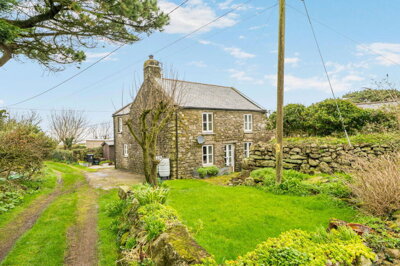
Homes in Madron tell the story of Cornish building traditions over many centuries, and construction methods vary a great deal by age. The Carnmenellis Pluton granite bedrock has influenced how buildings were made here for generations. Granite, slate, and stone are central to traditional construction, and many homes have solid walls finished externally with lime-based mortars and renders that let the fabric breathe.
According to Census 2021 data for the Madron and Gulval ward, the housing stock has a notably deep history. About 25.4% of properties were built before 1919, and these include some of the most characterful homes, such as Cornish longhouses, granite cottages, and old farmhouses. A further 11.5% date from 1919 to 1944, usually in solid brick or stone, while properties from 1945 to 1980 make up around 33% of the stock and cover post-war growth as the village expanded in the mid-twentieth century.
Construction type matters a great deal when we look at homes in Madron. Older properties with traditional solid walls need a different approach to maintenance than modern cavity-wall houses, and buyers should be alert to damp where upkeep has been poor or modern materials were used badly in previous work. Properties built before 1980 make up approximately 70% of the local stock, so a careful survey is well worth having for most purchases here.
Families thinking about a move to Madron will find schools within easy reach, with primary provision serving the local community and secondary education available in nearby Penzance. The local primary school gives children a solid start, and good Ofsted ratings point to strong teaching and pastoral care. Small class sizes and close community ties are a big part of the appeal, and parents often see that as one of the main benefits of rural Cornish living. Children tend to get more individual attention in smaller schools, which many families value highly.
In the wider area, secondary school choices include established comprehensive schools serving the Penzance catchment, while some families choose grammar school provision or independent schools elsewhere in Cornwall. Transport to secondary schools is usually part of the equation, which is normal in rural places but still worth thinking through when comparing homes in Madron and their links to education. Schools benefit from the landscape around them too, with outdoor learning and environmental education often built into the curriculum.
Sixth form and further education are easy enough to reach in Penzance, with A-level courses and vocational qualifications available for different career plans. Good transport links mean students from Madron can access academic or practical routes without too much difficulty. For older students, the University of Exeter's Truro campus is within reasonable travelling distance, and online learning has opened up even more options for those who prefer to study from home. Early years childcare and preschool provision are also available locally, which helps working families with younger children.

Despite the rural setting, Madron has useful links into the wider transport network. Penzance provides direct rail services to London Paddington, with journey times of around five hours, so the occasional work trip or family visit is manageable. Bus services connect Madron with Penzance and surrounding villages, which matters for residents without a car. From Penzance, the A30 trunk road gives the main route across Cornwall, linking the far west with Truro, Exeter, and beyond.
For anyone commuting to Truro or further east, the A30 gives a dependable road route, although journey times of one to one and a half hours show the distances involved. Many residents now work flexibly, making better use of broadband to work from home while still enjoying a Cornish lifestyle. Penzance employment covers retail, healthcare, education, and tourism, so long-distance commuting is not needed for every household. The rise of home working has made places like Madron more attractive to professionals who can do their jobs remotely.
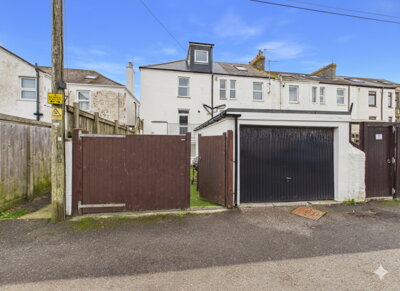
Parking in Madron is generally straightforward, with most homes offering off-street space or garages. Because the village sits away from the busiest traffic points, residents avoid the sort of delays often found in larger towns. Cycling routes have improved in recent years, and the quiet country lanes make for pleasant shorter trips as well as leisure rides. For those needing to fly, Newquay Airport offers UK and European connections within approximately one hour's drive, which keeps international travel within reach.

To begin, we would suggest looking at current listings in Madron so you can get a feel for the local market. With an average price of £428,067 and a range of property types on offer, it is worth checking which streets and styles suit your needs. Think about proximity to Penzance, any conservation area restrictions if you are buying in the village centre, and the construction type. The difference between solid-wall traditional homes and modern cavity-wall properties will affect maintenance and likely costs.
Before you book viewings, getting a mortgage agreement in principle from a lender is a sensible first step. It puts you in a stronger position when you make an offer and shows sellers you are ready to proceed. Madron attracts interest from families, retirees, and people looking for holiday homes, so being prepared matters, especially in a market where prices have shown strong five-year growth of 21%.
We always recommend viewing several properties so you can compare what is actually available. Many homes in Madron are older and may need renovation, so inspect the condition of traditional stone and granite buildings carefully and watch for damp or timber issues that are common in older stock. Make notes and take photographs as you go, it helps later. Properties inside the Conservation Area, and listed buildings in particular, deserve extra attention because of the rules around keeping original features.
Because approximately 70% of properties in the Madron area were built before 1980, a full survey is essential. A RICS Level 2 Survey, usually priced between £400 and £900 in West Cornwall, will flag structural problems, roof defects, or damp that might not be obvious at a viewing. That matters even more for listed buildings or homes in the Conservation Area, where specialist assessment may be needed for planning purposes.
After your offer is accepted, we would instruct a solicitor with experience in Cornish property transactions to deal with the legal side. They will carry out searches, check planning permissions for any changes, and make sure the contract is in order. Homes in conservation areas or with listed status need extra checks on permitted development rights and any conditions attached to previous permissions. The local search package will also include Cornish and local authority enquiries relevant to the area.
Your solicitor will then handle the final stages, including mortgage arrangements, searches, and registration of the property. On completion day, the keys to your new Madron home are handed over. Buildings insurance should be arranged from exchange of contracts, and utility companies need to be told about the move. If the property is in a high radon area of Cornwall, radon testing is sensible as part of the move-in checklist.
Buyers in Madron need to pay close attention to construction type and overall condition, because traditional Cornish buildings are common here. Many homes use local granite and stone, often with external render, and solid walls need a different maintenance approach from modern cavity-wall houses. There is also a greater risk of damp where upkeep has been poor or unsuitable modern materials were used in previous renovations. A proper survey will pick up these points and help you plan for any remedial work.
The Madron Conservation Area, centred on St Maddern's Church, brings with it planning restrictions that buyers should understand before they commit. Inside the conservation area, certain alterations or extensions may need Listed Building Consent, even where similar work might count as permitted development elsewhere. The village also includes several Grade II listed buildings, and those come with further obligations for maintenance and changes. We would factor all of that into renovation plans and budgets, and check carefully that the extra requirements fit with what you want from the property.
There are also environmental issues specific to Madron that are worth checking before purchase. Cornwall is known as a high radon gas area, so testing should be considered for all homes, especially older properties with less advanced ventilation. Surface water flooding can happen in some spots after heavy rain, so it is wise to review Environment Agency flood risk data for the exact property. The granite bedrock generally gives stable foundations, but historical mining activity in Cornwall means buyers should still ask about any mining legacy affecting particular sites, especially at the edges of the parish.
Older homes here can show familiar defects, including damp in solid walls, timber problems such as rot or woodworm, roof issues like slipped slates and ageing felt, and electrical systems that no longer meet current safety standards. Properties built before the 1980s often have weak thermal insulation, which can mean higher heating bills and condensation problems. A detailed RICS Level 2 Survey will look at all of this and give you a clear condition report before you go ahead.

The average property price in Madron currently stands at £428,067 according to recent market data. Prices vary sharply by property type, with detached homes averaging £710,097, semi-detached properties at £291,113, terraced houses around £121,000, and flats from £208,750. Over the past five years, values have increased by 21%, which shows solid capital growth even after a modest 1% decrease over the last 12 months. That long-term strength reflects the appeal of West Cornwall and the limited supply of homes in this sought-after rural parish.
Primary schooling is available through local schools that serve the Madron catchment, and good Ofsted ratings reflect the quality of teaching and small class sizes. Secondary education in Penzance includes comprehensive schools with established reputations across West Cornwall. Families often appreciate the close community links and the outdoor activities on offer through rural Cornish schools, along with enrichment from local clubs and community groups. Sixth form and further education provision in Penzance offers A-level and vocational routes that are accessible from Madron.
Madron has useful transport links despite its rural position. Local bus services connect the village with Penzance, giving regular options for shopping and day-to-day travel. From Penzance railway station, direct services to London Paddington take approximately five hours, which keeps occasional business trips possible. The A30 trunk road gives road access across Cornwall, although trips to Truro and other cities can take one to one and a half hours by car. Many residents mix public transport with remote working, helped by improved broadband that has made rural working more practical.
Property investment in Madron has historically delivered good returns, with prices increasing by 21% over five years according to home.co.uk listings data. Limited new build supply, steady demand from buyers after the Cornish lifestyle, and the area's tourist appeal all support ongoing value growth. Homes in the Conservation Area, or those with listed status, can have extra character appeal, though the planning rules need to be understood from the start. Tourism and proximity to Penzance also help rental demand, while second-home ownership is a noticeable part of the local market.
All properties in Madron fall under Cornwall Council for council tax, and the band depends on value and features. Most traditional Cornish homes in the village are likely to sit in bands A through D, though the exact band varies by property. Higher-value homes or those with more bedrooms may fall into higher bands. Prospective buyers should always check the precise band for any property they are considering, because it affects yearly running costs. Cornwall Council offers online tools to look up council tax bands by address.
Stamp duty Land Tax applies to all property purchases in England, Madron included. For homes bought at the current average price of £428,067, buyers would usually pay stamp duty on the slice between £250,001 and £428,067 at the 5% rate, which gives a figure of approximately £8,903 for a standard buyer. First-time buyers purchasing properties up to £425,000 benefit from relief, paying 0% on the first £425,000 and 5% on the remainder. It is best to work out your own liability using the purchase price, buyer status, and personal circumstances.
Because approximately 70% of homes in Madron were built before 1980, we would strongly recommend a thorough RICS Level 2 Survey for most purchases. That survey will pick up common issues in older properties, including damp, timber defects, roof condition, and possible structural concerns. For listed buildings or properties of unusual traditional construction, a RICS Level 3 Building Survey may be the better choice, since historic homes often need a more detailed look. In West Cornwall, survey costs usually range from £400 to £900, depending on the size and complexity of the property.
A few environmental points deserve attention when buying in Madron. Cornwall is a known high radon gas area, so testing is advisable for every property, especially older homes with weaker ventilation. Surface water flooding can happen in some locations after heavy rain, although the village's inland position means river and coastal flooding risk is generally low. The granite bedrock usually provides stable foundations, but localised problems linked to historical mining activity in Cornwall cannot be ruled out entirely. A full survey will look at these matters for the specific property and suggest any needed mitigation.
The Madron Conservation Area covers the historic village centre and is focused on the Grade I listed St Maddern's Church, along with several other notable historic buildings and structures. Homes within this protected area are subject to extra planning controls designed to preserve the settlement’s historic character. External changes, extensions, and even some maintenance work may need consent from Cornwall Council's planning authority. If you are thinking of buying in the Conservation Area, we would suggest speaking with a planning consultant before you go any further.
From £400
Expert survey identifying defects in traditional Cornish properties
From £600
Comprehensive assessment for older or listed properties
From £80
Energy performance certificate for your new home
From £150
Required valuation for Help to Buy schemes
Buying in Madron involves more than just agreeing the sale price. Stamp duty Land Tax is a major cost, calculated on a sliding scale from 0% on the first £250,000 of purchase price to 5% on amounts between £250,001 and £925,000. For a typical Madron home at the current average price of £428,067, a standard buyer would usually pay about £8,903 in stamp duty. First-time buyers purchasing properties up to £425,000 benefit from relief, paying no stamp duty on the first £425,000.
There are also the usual purchase costs to factor in. Solicitor fees for conveyancing typically run from £500 to £1,500, depending on property value and complexity. Searches arranged by your solicitor, including local authority, drainage, and environmental searches relevant to Cornwall, usually cost between £200 and £400. A RICS Level 2 HomeBuyer Report in West Cornwall generally costs £400 to £900, with larger detached homes and older traditional buildings tending towards the higher end of that range.
When you set your budget for a Madron purchase, remember removals costs, possible renovation or repair work, and the ongoing bills, including council tax, buildings insurance, and service charges if you are buying a flat. Homes in the Madron Conservation Area or listed buildings may need a larger maintenance budget because of the requirements around protecting traditional features. Planning these costs properly helps the move into your new Cornish home feel far less stressful.

Properties for Sale In London

Properties for Sale In Plymouth

Properties for Sale In Liverpool

Properties for Sale In Glasgow

Properties for Sale In Sheffield

Properties for Sale In Edinburgh

Properties for Sale In Coventry

Properties for Sale In Bradford

Properties for Sale In Manchester

Properties for Sale In Birmingham

Properties for Sale In Bristol

Properties for Sale In Oxford

Properties for Sale In Leicester

Properties for Sale In Newcastle

Properties for Sale In Leeds

Properties for Sale In Southampton

Properties for Sale In Cardiff

Properties for Sale In Nottingham

Properties for Sale In Norwich

Properties for Sale In Brighton

Properties for Sale In Derby

Properties for Sale In Portsmouth

Properties for Sale In Northampton

Properties for Sale In Milton Keynes

Properties for Sale In Bournemouth

Properties for Sale In Bolton

Properties for Sale In Swansea

Properties for Sale In Swindon

Properties for Sale In Peterborough

Properties for Sale In Wolverhampton

Enter your details to see if this property is within your budget.
Loans, cards, car finance
Estimated property budget
Borrowing + deposit
You could borrow between
Typical borrowing
Monthly repayment
Est. at 4.5%
Loan-to-value
This is an estimate only. Your actual budget may vary depending on interest rates, credit history, and personal circumstances. For an accurate affordability assessment, speak to one of our free mortgage advisors.
This calculator provides estimates for illustrative purposes only and does not constitute financial advice. Your home may be repossessed if you do not keep up repayments on your mortgage. Estimates based on 4.5% interest rate, repayment mortgage. Actual rates depend on your circumstances.
Homemove is a trading name of HM Haus Group Ltd (Company No. 13873779, registered in England & Wales). Homemove Mortgages Ltd (Company No. 15947693) is an Appointed Representative of TMG Direct Limited, trading as TMG Mortgage Network, which is authorised and regulated by the Financial Conduct Authority (FRN 786245). Homemove Mortgages Ltd is entered on the FCA Register as an Appointed Representative (FRN 1022429). You can check registrations at NewRegister or by calling 0800 111 6768.

We use cookies to show you personalised content and improve your experience of our website. Find out more in our Privacy policy and Cookie policy.