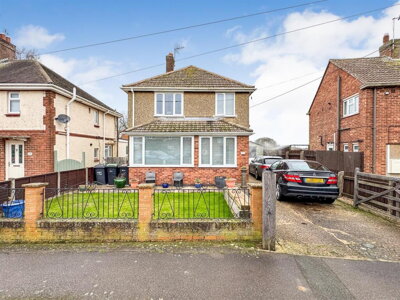
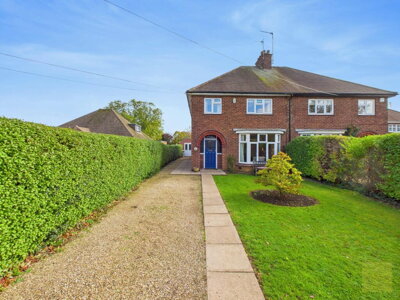
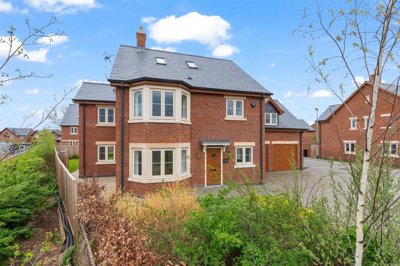
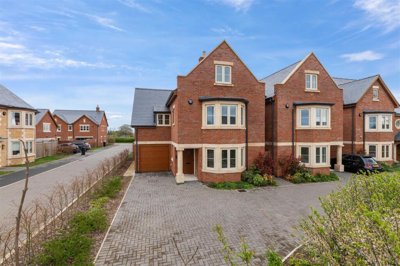
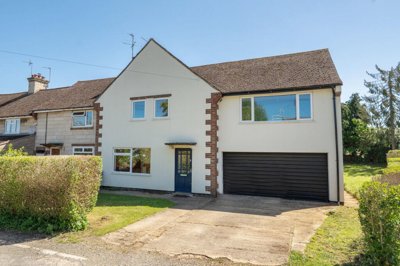
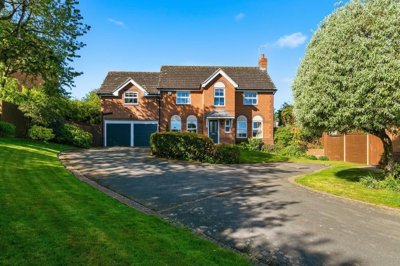
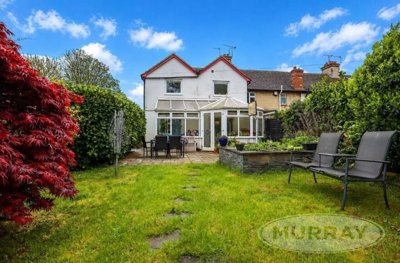
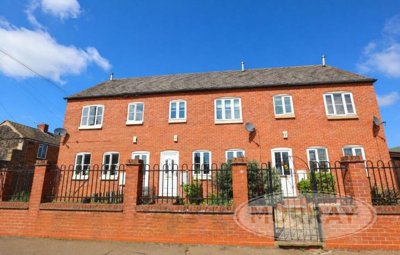
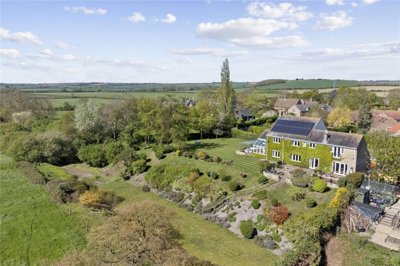
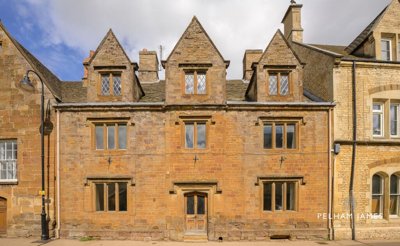
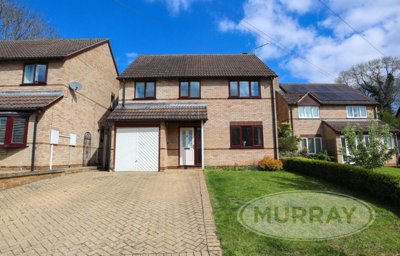
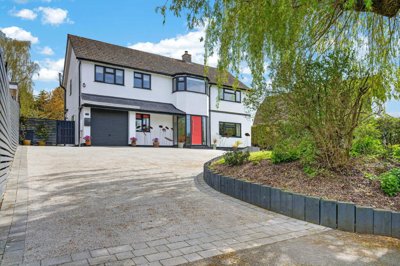
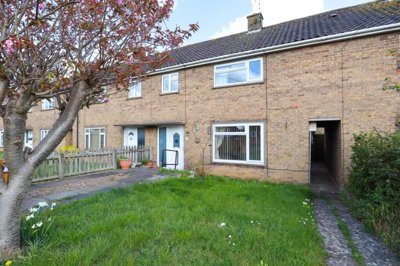
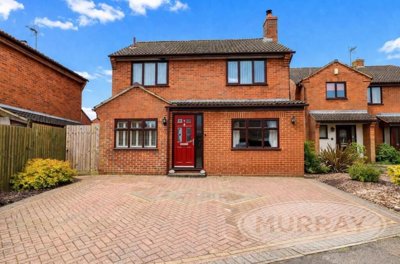
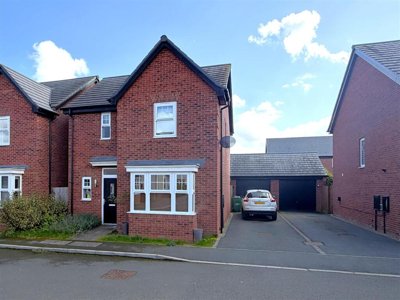
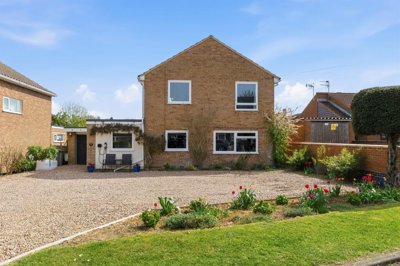
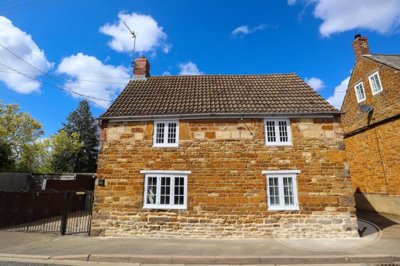
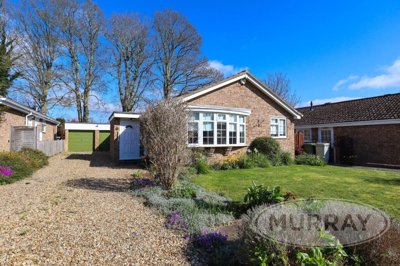
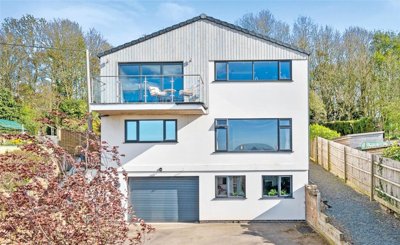
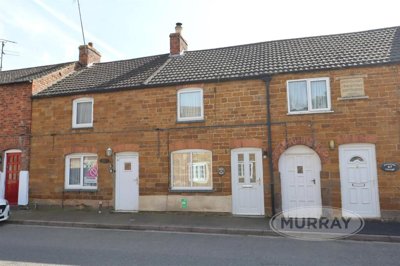
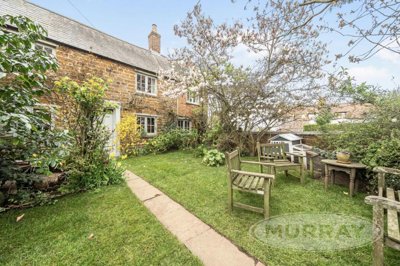
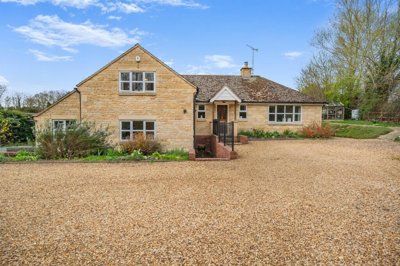
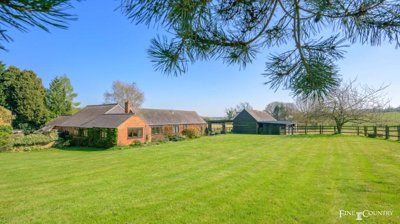
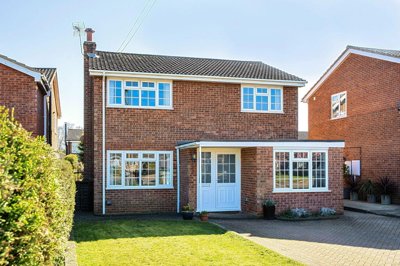
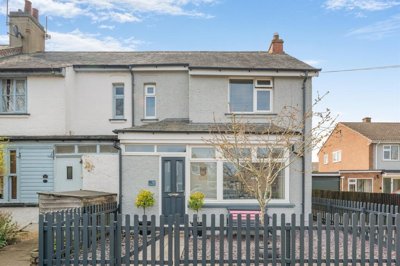
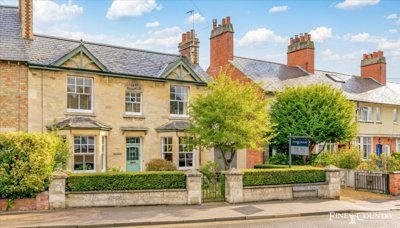
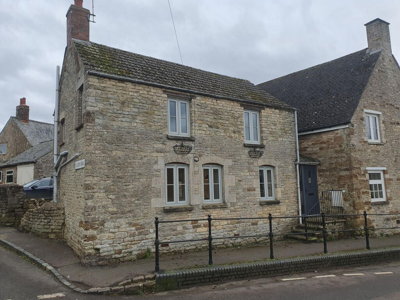
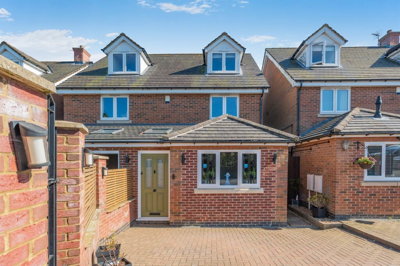
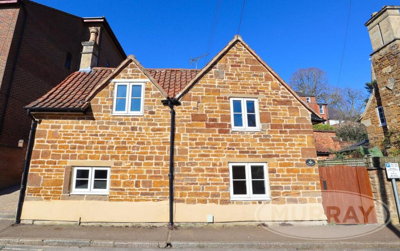
Browse 92 homes for sale in Lyddington, Rutland from local estate agents.
The Lyddington property market offers detached, semi-detached, and terraced houses spanning various price ranges and neighbourhoods. Each listing includes detailed property information, photographs, and direct contact with the marketing agent.
£750k
1
0
43
Source: home.co.uk
Showing 1 results for Houses for sale in Lyddington, Rutland. The median asking price is £750,000.
Source: home.co.uk
Detached
1 listings
Avg £750,000
Source: home.co.uk
Source: home.co.uk
Lyddington's property market is shaped by the realities of a small rural village, where conservation controls and very limited land for development keep supply tight. Recent sales put the average house price at £576,000, although that headline figure covers a wide spread between different homes and levels of condition. Detached houses average £620,000, which reflects the pull of larger period properties with generous gardens in this protected setting. Semidetached homes come in at around £350,000, while terraced properties usually change hands for £295,000 to £400,000 depending on condition and whether listed building status applies. Flats are uncommon here, and the housing stock is still dominated by traditionally built houses.
Recent market data points to a modest correction in Lyddington, with values down by about 7% on the previous year. Even so, we would read that alongside the wider picture. Supply is restricted, buyers still want village character and the Rutland lifestyle, and that has helped prices hold up better than in larger towns and easier-to-reach rural spots. Only 10 sales have completed in the village over the past twelve months, which says a lot about how little stock actually comes up.
Because so much of Lyddington's housing is older, homes often come onto the market needing anything from light updating to full modernisation. More than 70 Listed Buildings are spread through the village, among them the Grade I listed Bede House and St Andrew's Church, as well as many Grade II listed cottages and farmhouses. The Conservation Area was first designated in January 1970, then extended in October 2004 to cover the whole village and adjoining countryside, so any new building is expected to sit comfortably with the historic character that draws buyers here in the first place.

Life here follows the pace of an English rural village, and Lyddington's 177 households tend to share a strong attachment to the place and its setting. The village stands on a gentle ridge above the River Welland valley, with the floodplain to the south creating rich meadows within Rutland's familiar mix of fields, hedgerows and woodland. Underfoot, the Jurassic limestone geology has left its mark on both scenery and building style. The ironstone that gives Lyddington many of its distinctive walls comes from the Marlstone Rock Formation and has been quarried locally for centuries.
With a population of 396, Lyddington remains a settled community where village institutions still matter. The village hall is one of the main anchors, hosting parish council meetings, community quizzes and craft workshops through the year. Planning controls are part of daily property ownership here too. Conservation area status, together with the Article 4 Direction in place, means external changes to properties fronting the highway that affect character need planning permission. Add in over 70 Listed Buildings, and there is a substantial layer of heritage protection shaping how homes are repaired, altered and looked after.
For day-to-day needs, most people look to Uppingham and Oakham, where there are supermarkets, independent shops, healthcare services and places to eat, including several gastro pubs known locally for quality. Living in Rutland also means easy access to good local produce, with farm shops, artisan bakeries and farmers markets all part of the pattern of local life. Bede House brings visitors into Lyddington across the year and helps keep the village's historic reputation in view. For free time, Rutland Water offers sailing, cycling and walking trails, and the network of public footpaths and bridleways starts giving access to open countryside almost straight from the village centre.

Families moving to Lyddington usually look towards Uppingham and Oakham for schooling, both reached by a short drive or by school bus services that serve the village's households. For younger children, Uppingham Church of England Primary School is a common choice, with teaching rooted in strong community values and good Ofsted ratings. It takes pupils from Lyddington as well as nearby villages, so it often becomes an early social hub for local families, with friendships that continue into secondary school.
Older children are well served locally. Uppingham Community College, together with schools in Oakham, provides comprehensive secondary education for the wider Rutland area. Families who want an independent route also have Uppingham School within practical reach, a well-known boarding and day school with roots going back centuries. Its academic standards are strong, and the extracurricular offer is broad, covering music, drama and sports. For many buyers, having that range within a sensible drive adds to Lyddington's appeal, even if the school run needs planning.
For post-16 options, Leicester, Stamford and Peterborough are all accessible and each offers sixth form colleges along with specialist vocational training. We always suggest checking school admissions carefully before committing to a purchase. Rutland works on a placement system based on catchment zones and sibling priority, so buyers need to confirm which catchment applies to the property they are considering. In some parts of the village, catchment boundaries may affect both present-day demand and future resale appeal for families with school-age children.

Lyddington gives residents a fairly practical mix of countryside calm and usable transport links. The village is about 3 miles from Uppingham and 7 miles from Oakham, the county town, and both towns offer regular bus services that connect Lyddington with wider destinations. The A47 trunk road runs nearby, giving direct routes northwest towards Leicester and east towards Peterborough, which helps commuters prepared to travel. Rutland County Council bus services and volunteer-led community transport also support residents without cars, linking the village to nearby towns for shopping, medical appointments and social trips.
Rail travel generally means driving first. The main stations used from Lyddington are Corby and Market Harborough, both within reasonable reach by car. From Corby, East Midlands Railway services get to London St Pancras in roughly 75 minutes, helped by the Corby to Kettering route improvements. Market Harborough offers direct trains to London Euston and Birmingham, with journey times of around one hour to the capital. That makes the village workable for some professionals travelling to Leicester or Cambridge while still wanting a rural base.
Many people cycle locally because the country lanes are quiet and several designated routes make shorter trips to nearby towns and villages realistic on two wheels. Horse riders also make good use of the wide bridleway network across the Rutland countryside. If air travel matters, East Midlands Airport and Birmingham Airport can both usually be reached in about one hour by car, giving access to domestic and international routes. It is one of the reasons Lyddington suits buyers who want rural living without cutting themselves off entirely.

At the upper end of the market, Lyddington shows the same pattern of restricted supply and conservation-led limits on new development, but at much higher values. Based on recent sales, the current average house price stands at £1,178,750, though that still hides considerable variation by property type and condition. Detached homes average £1,566,667, which reflects the premium attached to substantial period houses with large gardens in this protected village. Semidetached properties average £1,125,000, while terraced homes tend to sell between £950,000 and £1,300,000 depending on condition and listed building status. Flats are still scarce, and most of the stock remains traditional houses.
Once you have a shortlist, we would visit those properties and spend time in the village at different points in the day, so you can get a feel for traffic levels and the way the community moves. It is sensible to speak to residents, check school catchment areas where that matters, and test the journey to work rather than assuming it will suit. Because so few homes come up for sale here, buyers often need to view early and decide quickly.
A good starting point is the live market. Look through current Lyddington listings and compare them with local price trends before focusing too narrowly on one house. With detached properties averaging £1,566,667 and terraced homes starting from £950,000, the gap between property types is significant. We would also factor in the village's conservation status and the large number of listed buildings, because both can affect what you buy, what you spend on renovation, and how straightforward the mortgage process is likely to be.
Most homes in Lyddington are old enough that we would treat a survey as essential rather than optional. A RICS Level 2 Survey is usually the baseline, especially for spotting period-property defects such as damp, structural movement and ageing electrics. Many houses are built with traditional solid walls and no cavity insulation, and roofs often use Welsh slate, Collyweston slate or traditional thatch, all of which need a surveyor who understands older construction. If the property is Grade I or Grade II listed, a fuller RICS Level 3 Survey can be the better route.
After an offer is agreed, we would bring in a solicitor who knows rural and listed property work. Local authority searches, planning checks and a clear reading of Conservation Area controls and the Article 4 Direction all matter here. With over 70 Listed Buildings in the village, it is not unusual for solicitors to have to verify a chain of historic consents before matters can move on with confidence.
From there, it is the usual final stretch, mortgage completed, deposit paid and purchase concluded. We would not leave insurance to the last minute, especially on listed properties where specialist cover is sometimes needed. Buildings insurance can also cost more where flood risk is known or where the roof is thatched.
Buying in Lyddington calls for more care than a standard modern-estate purchase because historic villages and conservation areas bring extra layers of control. The large number of Listed Buildings means many homes come with legal duties and planning issues that go beyond an ordinary residential transaction. On Grade I and Grade II listed properties, Listed Building Consent is needed for almost any alteration, inside or out, and that can have a major effect on budgets and renovation plans. Before exchange, we would want copies of all earlier planning consents and building regulation approvals, so it is clear that past works were carried out lawfully and with the right permissions in place.
Traditional construction is a big part of Lyddington's appeal, but it also creates technical issues buyers should understand. Houses built from local ironstone and limestone generally have solid walls without cavity insulation, which can affect warmth and running costs. The Jurassic geology beneath the village includes clay areas with a moderate to high shrink-swell risk, something that can matter where foundations are shallow and trees or heavy vegetation are close by. Roof coverings are often Welsh slate, Collyweston slate or traditional thatch, each with a limited lifespan and specialist repair needs. During viewings, we would look closely for damp penetration, especially in ground floor rooms and basements where original damp-proof courses may no longer be performing properly.
Flood risk deserves close attention here. Lyddington sits near the River Welland, and parts of the village are known to have surface water flooding issues, so homes on lower ground or near watercourses should be assessed with care. The River Welland runs to the south of the village, and its floodplain may create a fluvial flood risk for properties close to it. Insurance premiums can rise in known risk areas. Buyers also need to factor in the Article 4 Direction, because some permitted development rights have been removed, so it is important to know what would need planning permission before going ahead.
Leasehold terms and service charges should be checked carefully on any flat or apartment, although that part of the market is limited because Lyddington is mainly made up of houses and over 51% of properties are detached. On freehold homes, we would want to see that boundaries are clear and that any private roads or shared facilities come with proper maintenance arrangements. Even local community assets, including the village hall, can be tied to shared responsibilities that a buyer should understand from the outset.

Before offering, it is wise to line up a mortgage agreement in principle with a lender. That gives sellers confidence that funding is in place and usually strengthens a buyer's position. With average values in Lyddington at £1,178,750, we would want borrowing capacity checked against local prices early on, and older properties may prompt lenders to ask for surveys as part of the process.
Lyddington properties fall within the area covered by Rutland County Council. Most of the village's period housing, including traditional ironstone cottages and listed buildings, is typically found in council tax bands C to E, depending on size, value and later valuation changes. Because the housing stock also includes larger detached homes and historic farmhouses, some of the more substantial period residences may sit in bands F or G. Before committing to a purchase, we would always check the exact property against the Valuation Office Agency council tax records rather than relying on assumptions.
There is no primary school in Lyddington itself, so local children usually travel to Uppingham Church of England Primary School or to schools in nearby villages and towns that are straightforward to reach. For secondary education, families generally look to Uppingham Community College and other schools in Oakham, both serving the wider Rutland area and both well regarded for academic standards and pupil welfare. Independent provision is also close at hand in the form of Uppingham School, which offers boarding and day places for pupils aged 13 to 18 and has a strong record in academics, music, drama and competitive sports. Catchment areas should still be checked directly with Rutland County Council, as they can shape school allocation and influence which homes families focus on during a search.
In practical terms, Lyddington is the kind of village where having a car usually makes daily life easier. Bus services run by Rutland County Council do connect the village with Uppingham and Oakham for shopping, healthcare and other essentials, but private transport remains important for many households. Rail users tend to rely on Corby or Market Harborough. Corby has East Midlands Railway services to London St Pancras in about 75 minutes, while Market Harborough provides direct services to London Euston and Birmingham with journey times of around one hour. Volunteer-run community transport helps residents who do not drive, and both East Midlands Airport and Birmingham Airport are within approximately one hour by road for domestic and international flights.
What underpins demand in Lyddington is a fairly unusual combination, conservation status, very limited supply and the long-standing attraction of Rutland as England's smallest county. Buyers come here for period homes in a protected rural setting, and that tends to keep demand steady even when the wider market is less certain. Over 70 Listed Buildings, together with the Article 4 Direction, help preserve the village's appearance and often support values over the longer term. Homes in conservation areas that also have workable access to the A47 and rail links from Corby and Market Harborough often hold their value well. The trade-off is that listed building obligations and planning controls can rule out some investment approaches, and renovation plans need to allow for extra time, specialist contractors and the use of appropriate traditional materials.
Current figures put the average Lyddington property price at £1,178,750 from recent sales, although research also shows a range from £950,000 to £1,566,667 depending on the source used and the period measured. Detached houses average £1,566,667, underlining the premium for larger period homes in this conservation village. Semidetached homes usually sell for about £1,125,000, while terraced properties fall between £950,000 and £1,300,000 depending on condition and whether they are listed. Flats are rare and, when available, average around £750,000. Over the last twelve months prices have seen a modest correction of around 7%, but restricted supply and conservation constraints continue to give the market some support against the broader rural backdrop.
Listed status is a major issue in Lyddington because there are over 70 Listed Buildings in the village, and many buyers will be looking at homes where that designation materially affects ownership and future works. Both Grade I and Grade II listed properties are legally protected, and Rutland County Council requires Listed Building Consent for almost any alteration, including internal changes that could affect character. Repair work often has to follow specific rules on materials and methods, with lime mortars, matching stone and period-appropriate fittings usually preferred. Insurance can be more expensive too, and specialist providers are sometimes needed. Before buying any listed home here, we would want a solicitor to confirm the full history of planning consents and building regulation approvals, because unauthorised works can create legal exposure and may lead to retrospective applications.
From 4.5%
Get competitive mortgage rates for your Lyddington purchase
From £499
Expert legal support for your property purchase
From £400
Professional property survey for Lyddington homes
From £85
Energy performance certificate for your property
From April 2025, Stamp Duty Land Tax on residential purchases is charged at 0% on the first £250,000, 5% on the portion from £250,001 to £925,000, 10% from £925,001 to £1.5 million, and 12% above £1.5 million. On a typical Lyddington purchase at the present average of £1,178,750, that means no stamp duty on the first £250,000, then 5% on the next £675,000, which is £33,750, and 10% on the remaining £253,750, which is £25,375. The total comes to £59,125. First-time buyers can get relief on the first £425,000 where the purchase meets the rules, cutting the bill to about £37,688 on the same property. Once the price goes above £625,000, first-time buyer relief no longer applies.
The purchase price is only part of the budget in Lyddington, and we would map out the additional costs early. Stamp Duty Land Tax is usually the biggest one on a residential purchase. At the current average price of £1,178,750, the SDLT calculation is zero on the first £250,000, then 5% on the next £675,000, equal to £33,750, and 10% on the final £253,750, equal to £25,375. That brings the total to £59,125. Buyers purchasing below £625,000 may be able to claim first-time buyer relief, which would cut the charge to about £37,688 on the same property, a meaningful saving for those who qualify.
Survey spend matters particularly in Lyddington because so many properties are old and traditionally built. A RICS Level 2 Survey will usually cost from £400 to £930, depending on size, value and complexity, and national averages are around £445 in 2026. On larger detached homes averaging £1,566,667, or on any listed building in the village, fees are often towards the top end of that range. For Grade I or Grade II listed properties, we would often look instead at a RICS Level 3 Building Survey. That can cost £1,000 or more, but it gives the deeper inspection these complicated historic buildings often need, including detailed comment on traditional construction, lime mortars and period features.

Properties for Sale In London

Properties for Sale In Plymouth

Properties for Sale In Liverpool

Properties for Sale In Glasgow

Properties for Sale In Sheffield

Properties for Sale In Edinburgh

Properties for Sale In Coventry

Properties for Sale In Bradford

Properties for Sale In Manchester

Properties for Sale In Birmingham

Properties for Sale In Bristol

Properties for Sale In Oxford

Properties for Sale In Leicester

Properties for Sale In Newcastle

Properties for Sale In Leeds

Properties for Sale In Southampton

Properties for Sale In Cardiff

Properties for Sale In Nottingham

Properties for Sale In Norwich

Properties for Sale In Brighton

Properties for Sale In Derby

Properties for Sale In Portsmouth

Properties for Sale In Northampton

Properties for Sale In Milton Keynes

Properties for Sale In Bournemouth

Properties for Sale In Bolton

Properties for Sale In Swansea

Properties for Sale In Swindon

Properties for Sale In Peterborough

Properties for Sale In Wolverhampton

Enter your details to see if this property is within your budget.
Loans, cards, car finance
Estimated property budget
Borrowing + deposit
You could borrow between
Typical borrowing
Monthly repayment
Est. at 4.5%
Loan-to-value
This is an estimate only. Your actual budget may vary depending on interest rates, credit history, and personal circumstances. For an accurate affordability assessment, speak to one of our free mortgage advisors.
This calculator provides estimates for illustrative purposes only and does not constitute financial advice. Your home may be repossessed if you do not keep up repayments on your mortgage. Estimates based on 4.5% interest rate, repayment mortgage. Actual rates depend on your circumstances.
Homemove is a trading name of HM Haus Group Ltd (Company No. 13873779, registered in England & Wales). Homemove Mortgages Ltd (Company No. 15947693) is an Appointed Representative of TMG Direct Limited, trading as TMG Mortgage Network, which is authorised and regulated by the Financial Conduct Authority (FRN 786245). Homemove Mortgages Ltd is entered on the FCA Register as an Appointed Representative (FRN 1022429). You can check registrations at NewRegister or by calling 0800 111 6768.

We use cookies to show you personalised content and improve your experience of our website. Find out more in our Privacy policy and Cookie policy.