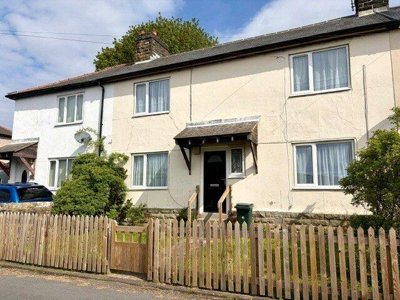
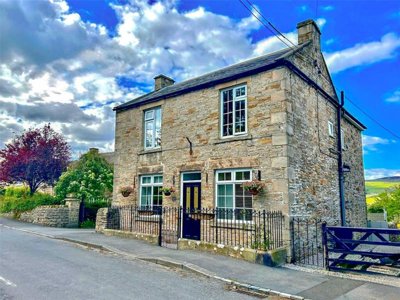
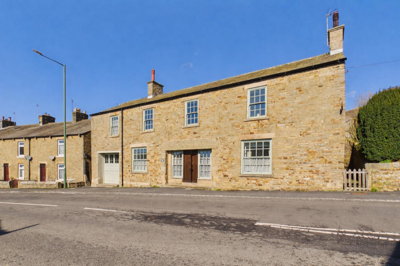
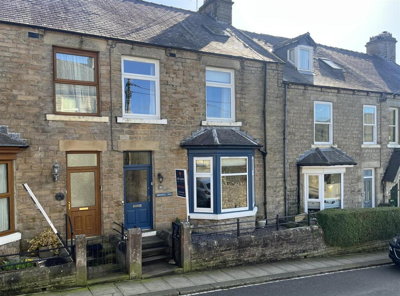
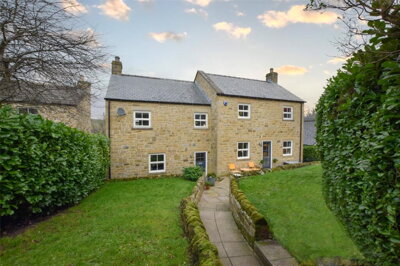
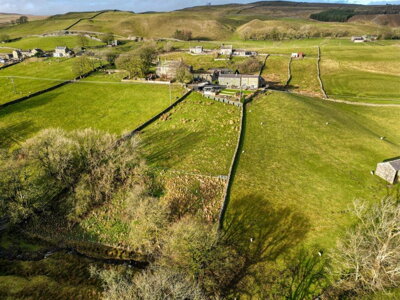
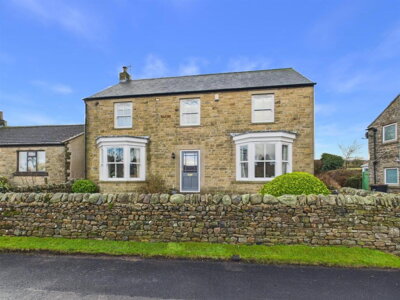
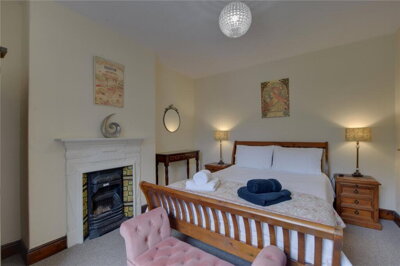
Browse 8 homes for sale in Lunedale, County Durham from local estate agents.
The larger property sector typically features multiple bathrooms, substantial reception space, and private gardens or off-street parking. Four bedroom houses in Lunedale span detached, semi-detached, and occasionally terraced configurations, with styles ranging from period properties to modern executive homes.
£0k
0
0
0
Source: home.co.uk
Showing 0 results for 4 Bedroom Houses for sale in Lunedale, County Durham.
The Lunedale property market is shaped by period housing and a fair degree of rural exclusivity. In the DL12 0PS postcode area, homes currently average £357,761, which speaks to the appeal of these character properties in a protected valley setting. Asking prices nearby run from about £198,616 for 3-bedroom freehold houses with gardens up to around £437,333 for larger 5-bedroom freehold family homes. Recent sales in nearby Lunedale postcode sectors include Low Selset, sold for £595,000 in October 2023, and West Nettlepot, which reached £475,000 in May 2020, a reminder that premium period homes with land and privacy still achieve strong figures.
Looking across County Durham, the average house price is £143,000 as of December 2025, with values up 7.7% year-on-year. Semi-detached homes recorded the sharpest rise at 8.7%, while flats moved up by 2.8%. Between January and December 2025, the County Durham market logged approximately 12,600 sales, though that was 17.2% lower than in the previous twelve months. In Lunedale itself there are no active new-build schemes, so anyone buying here is looking only at the existing period stock, which adds to the village’s settled and established feel.

Life in Lunedale gives a proper rural experience, something that has become harder to find across modern Britain. The civil parish sits in the River Lune valley, ringed by rolling countryside that forms part of the Teesdale area of outstanding natural beauty. With just 163 residents, the village keeps a close community spirit, where neighbours know each other and local events draw people together through the year. Its historic buildings and monuments, along with farmsteads and cottages dating from the Georgian and Victorian eras, speak clearly of centuries of agricultural settlement.
Most of the housing stock is made up of period homes built between 1800 and 1911, using traditional methods and local materials. Stone or brick external walls, slate roofs, timber floorboards, and lime-based mortars and renders are all typical. They give Lunedale properties their distinctive look, though they also call for care and a bit of understanding. Commercial amenities are thin on the ground within the village itself, so residents usually head to nearby towns for shopping, healthcare, and other day-to-day needs. That balance between rural calm and practical access is one of Lunedale’s defining features.
Agriculture still matters here. Farming continues across the valley and helps preserve the landscape that makes Lunedale so attractive in the first place. The River Lune offers walking and outdoor opportunities, with public footpaths crossing farmland and tracing the river through the valley. For local social life, pubs and village hall events act as the natural meeting points, with harvest suppers, quiz nights, and similar gatherings. Buyers should factor in the limited amenities, since a degree of self-sufficiency and a bit of forward planning become part of everyday life, especially for shopping and routine services.

For families thinking about a move to Lunedale, education in the immediate area reflects its rural setting. Primary school provision is usually accessed through small village schools across the wider Teesdale area, with classes serving communities spread over a fairly broad geography. Secondary education is generally based in nearby market towns, so transport arrangements matter for households with school-age children. Catchment areas can stretch across significant distances in this part of County Durham, so parents should check school allocations carefully before they commit to a purchase.
Primary schools nearest to Lunedale serve the scattered upper Teesdale communities, and several are within a reasonable driving distance. These small rural schools often offer close teacher-pupil relationships and real community involvement, although mixed-year classes are common. Parents should visit the schools they are considering and talk through transport practicalities, particularly in winter when weather can affect rural roads. Several primary schools in the Teesdale area have had positive Ofsted assessments in recent years, but each result should be checked properly rather than assumed.
Secondary pupils from Lunedale usually go on to schools in Barnard Castle, which is around 15 miles away along the A66. The trip involves rural roads before joining the main trunk route, so under normal conditions it takes about 30-40 minutes by car. Some families choose to board students locally during the week, while others explore home-schooling arrangements that suit their situation better. Sixth form and further education are centred in the larger towns of the region, including Barnard Castle School and Bishop Auckland College, both usually reached from Lunedale by public transport or private car. The Teesdale area has several well-regarded educational establishments, and their location should be part of any family’s search criteria.

Transport from Lunedale reflects its setting in the Teesdale valley, so most residents rely on private vehicles. The village sits in a valley formed by the River Lune, which flows north to meet the River Tees, and road routes naturally follow the landscape. The nearest major road links lead towards Barnard Castle and the A66, giving access to Darlington, Middlesbrough, and the wider North East network. Journeys to regional centres involve a fair amount of rural driving before the trunk roads begin, so commuting by car means accepting those practical realities.
The A66 is the main arterial route from the Teesdale area, linking Barnard Castle to the A1(M) at Scotch Corner to the east and Penrith and the M6 to the west. From Lunedale, Barnard Castle is roughly 25 minutes away, while Darlington can be reached in about 45 minutes. Durham city lies around 35 miles to the north-east, which means roughly an hour’s drive in normal conditions. Newcastle upon Tyne and the wider Tyneside area are about 50 miles away, so a daily commute is demanding, though not impossible for some people working in major employment centres. Many Lunedale residents mix remote working with the occasional office journey, using fast broadband where it is available.
Public transport serving Lunedale is limited, which is no surprise given the sparse population and rural layout. Bus services linking smaller villages to market towns run less often than urban routes, so anyone depending on public transport has to plan carefully around timetables. The nearest railway stations are in larger towns, with East Coast Main Line services accessible from Darlington. For residents working in Durham, Newcastle, or other regional centres, transport links should be high on the checklist before a move. Cycling can work for shorter local trips, although the valley topography makes life harder for less experienced riders.

The appeal of Lunedale goes beyond the houses themselves and into the lifestyle that comes with them. The village offers a genuinely rural community where the pace is slower, neighbourly relationships are stronger, and there is a clear sense of place. Property values in the DL12 0PS postcode have proved resilient, rising by 39.5% over the past decade, which compares well with the more modest growth seen across County Durham. That performance reflects the lasting draw of period homes in protected rural locations with good access to natural beauty.
Period homes in Lunedale are becoming rarer opportunities, especially for buyers wanting character in a place where new development is tightly controlled. Each property contributes to the village’s established heritage and the coherent look that makes Lunedale stand out. Homes built between 1800 and 1911 using traditional methods can be sympathetically improved while still keeping their historic character intact. For buyers prepared to take on the maintenance these houses need, the reward is a distinctive home with real personality, something modern construction simply cannot mimic.

We would start by looking through current property listings in Lunedale and the wider DL12 postcode area. Getting a feel for the available range, from 3-bedroom cottages to 5-bedroom farmhouses, makes budgeting much more realistic. With just 3 properties typically on the market in the postcode and no new-build choices at all, finding the right place may take a little patience.
Before arranging viewings, we recommend getting a mortgage agreement in principle from a lender. It shows sellers and estate agents that the funding is in place, which matters in a market where period homes may attract more than one interested buyer. When you are weighing up borrowing and total budget, the average property value of £357,761 is the figure to keep in mind.
Once you begin viewing, pay close attention to the construction details of any period home. Properties built between 1800 and 1911 need a proper look at roof condition, timber work, damp evidence, and the state of traditional features. If possible, view across different seasons too, so flooding risk and ground conditions can be judged throughout the year.
For period properties in Lunedale, we strongly recommend a RICS Level 2 Survey to pick up structural issues or defects that are common in older buildings. Given the area’s traditional stone and brick construction, a professional survey can expose damp, timber defects, slate roofing concerns, and lime mortar pointing problems that a standard viewing might miss.
Once an offer is accepted, instruct a solicitor with experience in rural property transactions to deal with the legal work. They will carry out local authority searches, check title deeds for restrictions, and work with the mortgage lender. For homes in areas with flood risk such as the River Lune valley, extra drainage and flood searches may also be needed.
We work with our solicitor to deal with any queries that come up during conveyancing before contracts are exchanged. On completion day, the balance payment is transferred and the keys are handed over. In a market as exclusive as Lunedale, with so little stock available, clear communication with all parties helps keep the move on track and avoids unnecessary delays.
Buying a period property in Lunedale means taking a careful look at the specific demands of older rural housing stock. The main construction period of 1800-1911 means these homes are likely to include traditional materials such as stone or brick walls, slate roofs, timber floors, and lime-based mortars and renders. Those materials need a different approach to maintenance from modern construction, and buyers should allow for ongoing conservation work. It also helps to understand the difference between lime mortar and cement mortar, because the wrong repair can actually damage a historic structure.
Flood risk is a real point to consider in Lunedale because of its position in the River Lune valley. Any buyer looking at a home near the river or in a lower-lying spot should investigate the flood history of that exact location and find out what prevention measures, if any, are in place. Properties on higher ground within the parish may be better protected from river flooding. The presence of historic buildings and monuments in Lunedale Civil Parish also suggests that some homes may have listed building status or conservation-related limits, which can affect the alterations that are allowed.
Because there is no new-build development in Lunedale, all available properties are likely to be freehold houses, although buyers should still check the tenure on each individual home. Service charges and maintenance contributions for shared facilities are less common in this sort of rural setting, but they can still apply to converted apartments or shared rural buildings. With so few homes available in the postcode, competition from other buyers is always possible, especially from those drawn to Lunedale’s particular way of life. Working with a local estate agent who knows the Teesdale market well can bring useful insight into upcoming listings and what vendors are expecting.

The average property value in the DL12 0PS postcode area, which covers Lunedale, currently stands at £357,761 according to the latest market data. Within that area, 3-bedroom freehold houses with gardens begin at around £198,616, while larger 5-bedroom family homes can reach approximately £437,333. Recent premium sales in nearby Lunedale postcode sectors include Low Selset at £595,000 and West Nettlepot at £475,000, both of which show how much special period homes can command. The broader County Durham average is much lower at £143,000, which underlines the premium linked to rural and semi-rural places like Lunedale.
Council tax bands for Lunedale properties are set by Durham County Council and vary according to property type and value. In rural places like Lunedale, period homes can sit across several different bands, depending on how they have been assessed. To find the exact band for any home you are considering, ask for the information during conveyancing through local authority searches. Durham County Council keeps the records for every property within the Lunedale Civil Parish area.
For Lunedale residents, education is found across the surrounding Teesdale area, with primary schools serving rural communities within a sensible travelling distance. Secondary schooling is usually based in nearby market towns, and catchment areas stretch over significant distances because the population is so sparse. Any school’s performance data, including Ofsted ratings, should be checked individually. Smaller rural schools can offer advantages through lower class sizes and more individual attention, though transport arrangements still need careful thought when weighing up options.
Public transport links from Lunedale are limited because of the village’s rural position and its population of 163 residents. Bus services to nearby towns run less frequently than urban routes, so timetable planning matters for anyone relying on them. The nearest railway stations are in larger regional towns, with East Coast Main Line services available from Darlington. Most residents use private vehicles as their main form of transport, and that practical reality needs to be part of any relocation decision. The River Lune valley setting also means road routes follow the natural landscape, which adds distance to many journeys.
Lunedale does offer investment potential, although buyers need to understand the character of this very small rural market. The postcode area has seen 39.5% price growth over the past decade, which points to steady demand for homes in this location. The village’s period housing stock, its setting in the River Lune valley, and its link to the Teesdale area of natural beauty all help support its appeal. Even so, the market is tiny, with typically only 3 properties available in the postcode at any time, and there is no new-build supply to widen the choice. Rental demand in such a small rural community is likely to be limited, so buy-to-let investors should look closely at local rental conditions before they commit.
Stamp Duty Land Tax rates from April 2025 are 0% on the first £250,000 of a residential purchase price, 5% on the portion from £250,001 to £925,000, 10% on the portion from £925,001 to £1,500,000, and 12% on any amount above £1,500,000. First-time buyers have higher thresholds, with 0% on the first £425,000 and 5% on the portion from £425,001 to £625,000, although there is no relief above £625,000. With the average Lunedale property price at £357,761, most standard buyers would pay no stamp duty on the first £250,000 and then 5% on the rest, while first-time buyers would probably pay no stamp duty at all on most homes in this price range.
The Lunedale property market is made up almost entirely of period homes built between 1800 and 1911, using traditional methods with local stone or brick and slate roofs. Most are freehold houses, ranging from 3-bedroom cottages to 5-bedroom farmhouses, and prices currently run from about £198,616 to £437,333 for typical family homes. Exceptional properties with extra land or especially desirable features have sold for much more, and recent sales such as Low Selset at £595,000 show the premium attached to special homes. No new-build developments exist in the village, so every available property forms part of the established period stock.
Homes built between 1800 and 1911 in Lunedale need a different maintenance approach from modern construction. Traditional materials, including stone walls, slate roofing, timber floors, and lime-based mortars and renders, need specialist care rather than standard building practice. If modern cement mortar is used for pointing, it can trap moisture in stone walls and lead to deterioration over time, whereas lime mortar allows the walls to breathe. Buyers should allow for ongoing conservation work and take advice from contractors with experience in historic building restoration. Properties in the River Lune valley may also face damp and moisture management issues that need proper attention.
Getting to grips with the full cost of buying in Lunedale helps buyers budget properly. Stamp Duty Land Tax is the biggest purchase cost after the price itself, and under the current rates from April 2025, nothing is paid on the first £250,000, then 5% applies to amounts between £250,001 and £925,000. On a typical Lunedale property priced at the area average of £357,761, a standard buyer would pay stamp duty on £107,761 at 5%, which comes to £5,388. First-time buyers who meet the qualifying criteria benefit from relief on the first £425,000, so most Lunedale homes would attract no stamp duty liability at all.
Beyond stamp duty, buyers should also budget for survey fees, solicitor fees, and the third-party charges that come with every property transaction. A RICS Level 2 Survey usually costs from £350 depending on property size and value, and for period homes in Lunedale that is money well spent given the chance of hidden defects in older construction. Conveyancing fees generally start from around £499 for standard transactions, although they can rise if the property has complex title issues or planning history. Search fees, land registry charges, and bank transfer costs add smaller amounts to the total. Anyone buying with a mortgage will also need to allow for arrangement fees, valuation fees, and broker costs if an independent mortgage adviser is used.
Properties for Sale In London

Properties for Sale In Plymouth

Properties for Sale In Liverpool

Properties for Sale In Glasgow

Properties for Sale In Sheffield

Properties for Sale In Edinburgh

Properties for Sale In Coventry

Properties for Sale In Bradford

Properties for Sale In Manchester

Properties for Sale In Birmingham

Properties for Sale In Bristol

Properties for Sale In Oxford

Properties for Sale In Leicester

Properties for Sale In Newcastle

Properties for Sale In Leeds

Properties for Sale In Southampton

Properties for Sale In Cardiff

Properties for Sale In Nottingham

Properties for Sale In Norwich

Properties for Sale In Brighton

Properties for Sale In Derby

Properties for Sale In Portsmouth

Properties for Sale In Northampton

Properties for Sale In Milton Keynes

Properties for Sale In Bournemouth

Properties for Sale In Bolton

Properties for Sale In Swansea

Properties for Sale In Swindon

Properties for Sale In Peterborough

Properties for Sale In Wolverhampton

Enter your details to see if this property is within your budget.
Loans, cards, car finance
Estimated property budget
Borrowing + deposit
You could borrow between
Typical borrowing
Monthly repayment
Est. at 4.5%
Loan-to-value
This is an estimate only. Your actual budget may vary depending on interest rates, credit history, and personal circumstances. For an accurate affordability assessment, speak to one of our free mortgage advisors.
This calculator provides estimates for illustrative purposes only and does not constitute financial advice. Your home may be repossessed if you do not keep up repayments on your mortgage. Estimates based on 4.5% interest rate, repayment mortgage. Actual rates depend on your circumstances.
Homemove is a trading name of HM Haus Group Ltd (Company No. 13873779, registered in England & Wales). Homemove Mortgages Ltd (Company No. 15947693) is an Appointed Representative of TMG Direct Limited, trading as TMG Mortgage Network, which is authorised and regulated by the Financial Conduct Authority (FRN 786245). Homemove Mortgages Ltd is entered on the FCA Register as an Appointed Representative (FRN 1022429). You can check registrations at NewRegister or by calling 0800 111 6768.

We use cookies to show you personalised content and improve your experience of our website. Find out more in our Privacy policy and Cookie policy.