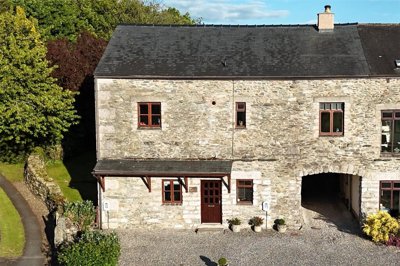
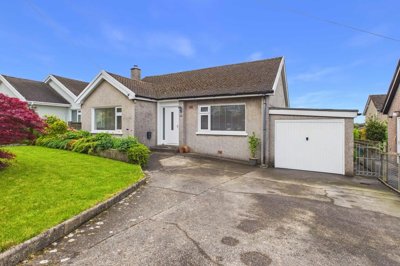
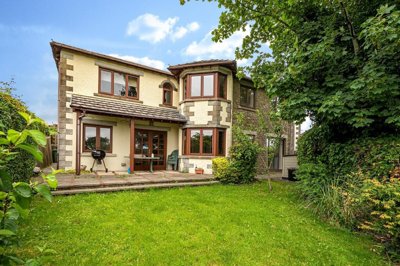
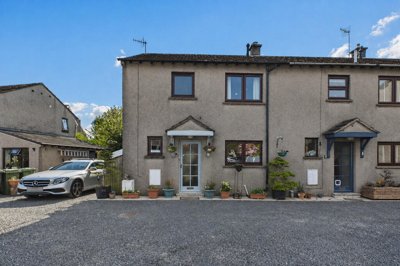
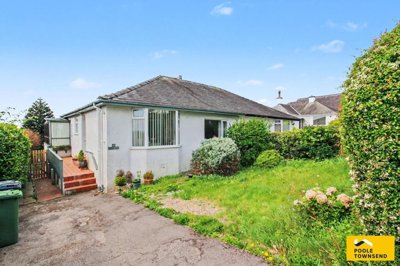
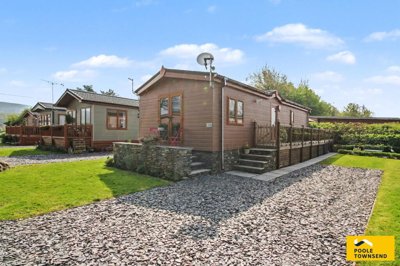
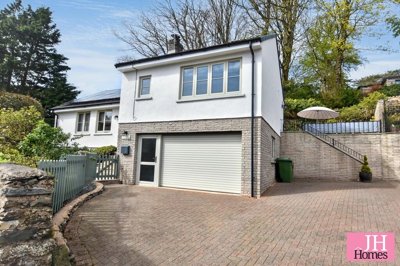
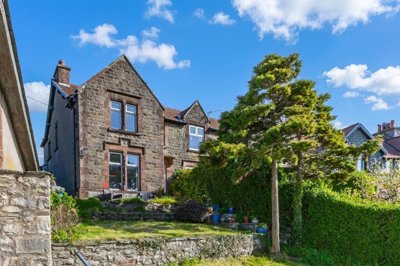
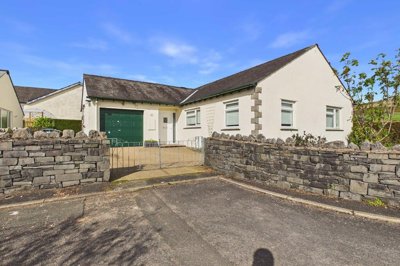
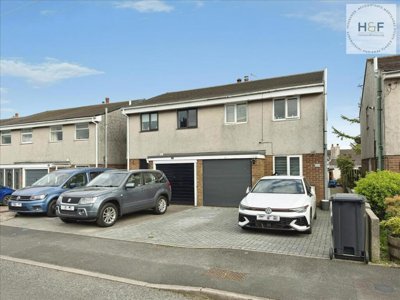
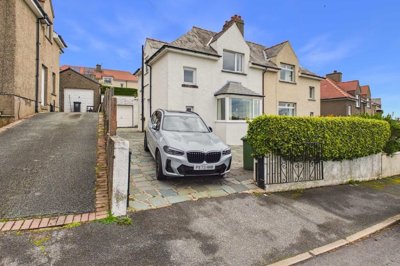
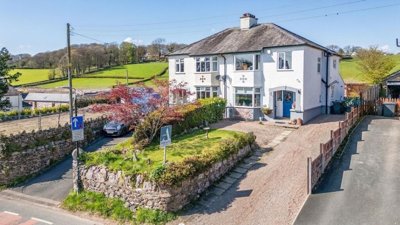
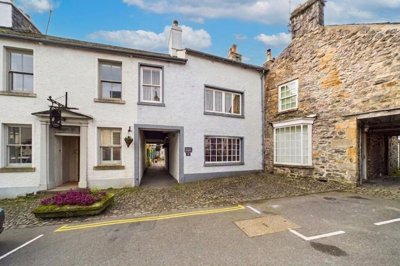
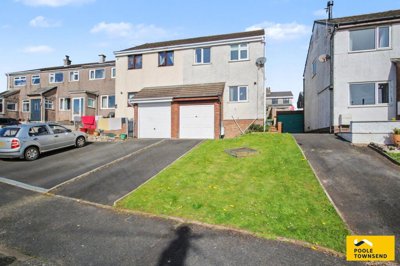
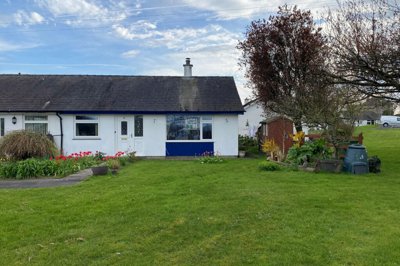
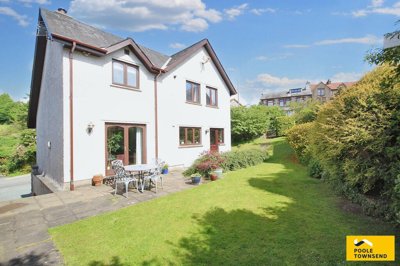
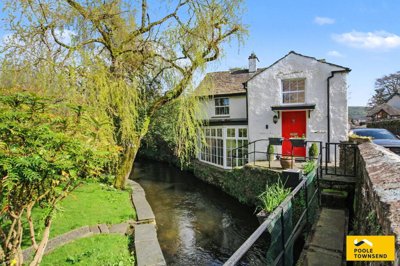
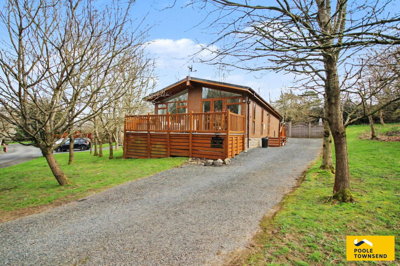
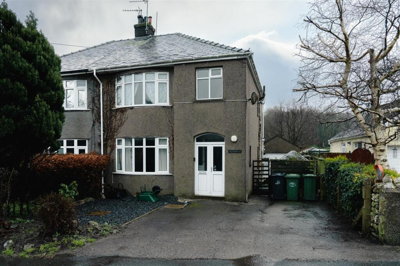
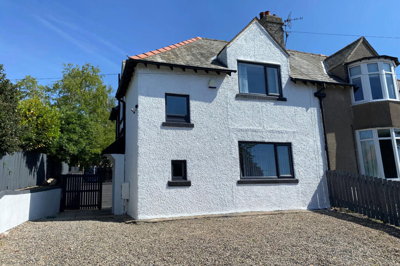
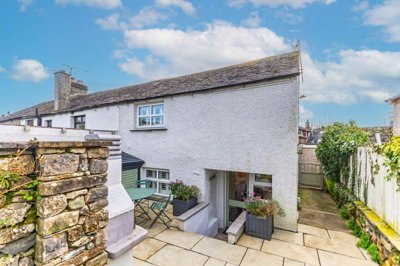
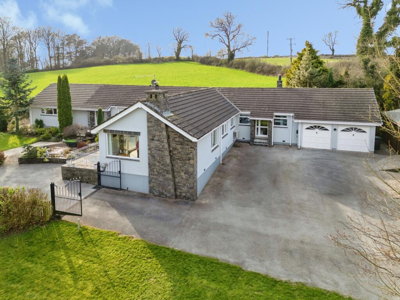
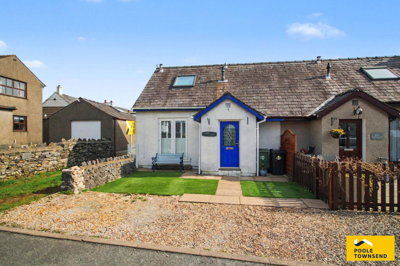
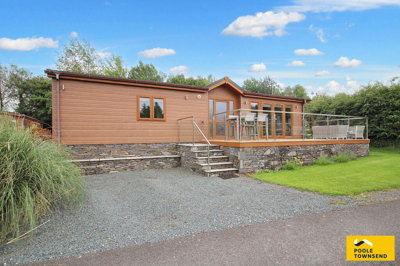
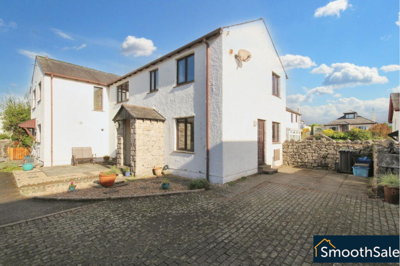
Browse 81 homes for sale in Lower Holker from local estate agents.
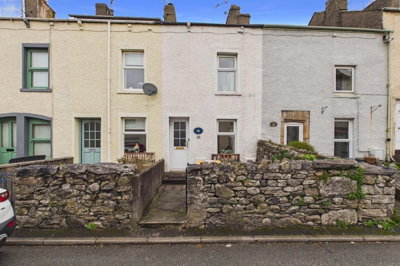
Lower Holker sits within Westmorland and Furness, where average house prices usually fall between £200,000 and £400,000, depending on property type, condition and the exact spot within the parish. Detached family homes with generous gardens and period features sit at the top end, while cottages and terraced houses offer a more affordable way into this sought-after part of the area. The stock leans heavily on the parish’s heritage, with stone construction common across Flookburgh and Cark. Homes with estuary views or close to Holker Hall often draw extra interest from buyers after the status that comes with this corner of South Lakeland.
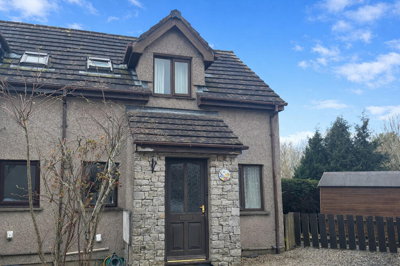
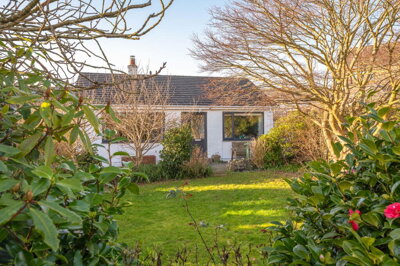
The housing mix in Lower Holker is varied, with detached homes, bungalows, terraced properties and apartments all on offer for different needs. Older homes are usually built in stone, often with roughcast or ashlar dressings and slate roofs chosen to stand up to the coastal weather around Morecambe Bay. Many properties in the villages also hold listed building status, which limits what alterations and maintenance works can be carried out without planning permission from Westmorland and Furness Council. It is worth understanding those restrictions before buying, because heritage ownership brings real responsibilities in this area.
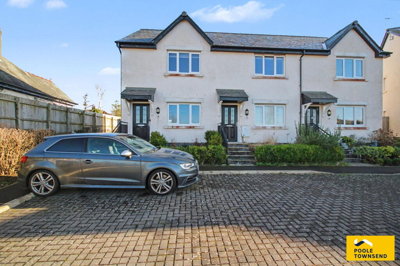
New build activity is limited, but there is a notable scheme moving through the planning system, a proposed development of 29 houses at the former Garden Centre on Allithwaite Road in Flookburgh. It is a resubmission, following earlier applications, and shows that demand for new homes locally remains strong. The parish council has raised concerns about the size of the proposal, pointing to the allocated limit of 24 dwellings for the site, which underlines the care taken over growth in this sensitive rural setting. Lower Holker also benefits from a rich historic backdrop, with 62 listed buildings recorded in the National Heritage List for England, including Holker Hall and its grounds. That concentration of historic fabric helps the parish keep a consistently appealing feel, which supports values over time.

Lower Holker has a lifestyle shaped by a striking natural setting and a deep sense of history. The parish stretches across varied ground, from low-lying marshy plains running towards Morecambe Bay in the south to a wooded, hilly ridge in the north. That mix creates different views and habitats, with the River Leven estuary marking the western boundary and giving walkers and wildlife a natural route through the landscape. Cark sits on the River Eea, adding another watery feature to the parish and a pleasant riverside setting for local strolls.
The heritage here is visible in the buildings and in the way the community works. With five Grade II* listed buildings and plenty of Grade II structures, Flookburgh and Cark show centuries of Cumbrian building tradition. The listed stock is not limited to grand houses, either, it includes farmhouses, bridges, a public house, a former school building and parish churches, all of which tell part of the everyday story of the area. Stone walls, roughcast or ashlar dressings and slate roofs are typical, and they have long proved suited to the coastal weather influenced by Morecambe Bay.
Local life still centres on a few traditional pubs, a parish church and the former school building that now has community uses. It gives the area a close, familiar feel, where neighbours often know one another, something many families and people leaving busier towns appreciate. Nearby Grange-Over-Sands adds the day-to-day essentials, with shops, cafes and services within easy reach. Its promenade offers a fine seafront walk with views across the bay, and the Ornamental Gardens make an easy place to spend a relaxed afternoon.
For walking, Lower Holker is hard to beat. The Cumbria Coastal Way and a network of public footpaths run through the parish, while the marshy edges and estuary margins are a magnet for birdwatchers and anyone who enjoys the tide in motion. Morecambe Bay is well known for its bird life and dramatic tidal shifts. The Lake District National Park is roughly 30 minutes by car, which adds another option for outdoor days out, although the parish itself has plenty of character without the heavy visitor traffic of the best-known spots.

Families moving to Lower Holker will find schooling available in the local area and across the wider South Lakeland district. Primary provision comes from nearby villages, with several outstanding and good-rated schools within a short drive, including options in Grange-Over-Sands, Cartmel and Ulverston. Because the parish is rural, class sizes are often smaller than those in towns, which can mean more personal attention and a stronger community feel around the school gate. Parents should still check catchment boundaries early, as places in the more popular villages can be competitive.
Several primary schools within a reasonable drive of Lower Holker have good or outstanding Ofsted ratings, so parents do have a choice of different settings. Schools in the surrounding villages often have close links with their communities, with events and activities that help new families settle in quickly. Small rural schools usually mean teachers get to know pupils and parents well, which helps keep communication about progress and wellbeing straightforward through primary years.
Secondary education usually means travelling to larger places such as Kendal or Ulverston, where schools draw from catchment areas covering several villages. The region also has a number of grammar schools, giving families an academic route if they are looking for selective education, with entry based on the 11-plus examination and catchment rules that should be checked before buying. Kendal, about 20 miles from Lower Holker, is a common destination for secondary schooling, and its schools tend to have strong academic records and wide extracurricular programmes.
For sixth form and further education, Kendal and Barrow-in-Furness both have strong colleges with a broad range of options. Kendal College offers everything from vocational qualifications to access programmes, while Furness College in Barrow provides further education as well as degree-level courses through partnerships with local universities. Lancaster expands the picture still further, with the University of Lancaster and the University of Cumbria both within reach for those staying in the area for undergraduate study. Lower Holker therefore gives a clear route from primary right through to higher education, without a move to a bigger city being essential.

Transport from Lower Holker balances rural calm with practical links to the region. The area is within easy reach of the A590, which gives direct access to the M6 at junction 36 near Kendal and opens up routes to Manchester, Liverpool and the wider national motorway network. The nearest M6 junction is about 20 miles away, so longer-distance commuting remains realistic for people splitting time between home and office, or for anyone needing regular access to major business centres in the North West.
The A590 is the main road through the area, linking Barrow-in-Furness with the M6 corridor. It runs through the centre of the Lower Holker parish, serving Flookburgh and Cark before carrying on west towards the Furness peninsula and Barrow-in-Furness. Day to day, many residents head to Kendal for work and services, while others travel farther to Lancaster, Manchester or even Liverpool for jobs that are not available locally. By car, Manchester city centre is usually around 90 minutes away in normal traffic.
Public transport is available too, with buses linking the villages of Lower Holker to Grange-Over-Sands and Kendal. The 40 service and connecting routes cover the local area, although rural frequencies mean anyone relying on buses for commuting needs to plan carefully. Grange-Over-Sands and Cark are the nearest railway stations, with services along the Furness line to Barrow-in-Furness and onward to the west coast main line at Lancaster. The routes are scenic through the Morecambe Bay area, but direct travel to the larger cities usually means changing at Lancaster.
For flights, Manchester Airport and Liverpool John Lennon Airport are both reachable via the motorway network, with international routes usually about two hours away by car. Edinburgh and Newcastle airports give northern alternatives for longer-haul travel, and Leeds Bradford Airport adds another regional choice within sensible driving distance. Many Lower Holker residents find that being able to reach Manchester Airport without too much hassle balances the advantages of rural life in this part of Cumbria, so domestic and overseas travel stays workable.

Take a look at our property listings for Lower Holker and get a feel for the area’s character, housing types and price ranges. Knowing the difference between a stone cottage in Flookburgh and a modern home near Cark will help us narrow the search properly. The parish runs from the marshy southern ground near Morecambe Bay to the higher northern ridge, and each village has its own character and amenities, both of which shape appeal and pricing.
We suggest speaking to local estate agents to arrange viewings of properties that fit your brief. It helps to see homes in different villages across the parish, so you can compare amenities, transport links and the general feel before deciding. During viewings, keep an eye out for flood risk signs, such as water marks on external walls, recent damp-proof course work and the age and state of drainage systems, especially on the lower ground.
Get a mortgage agreement in principle before you make an offer. Our mortgage partners can help compare rates and find the most suitable deal for your circumstances, whether you are a first-time buyer or moving from another property. Many homes in Lower Holker are period properties with stone construction and traditional details, so lenders may have specific requirements or ask for a more detailed valuation. Speaking to specialists who know rural Cumbrian property is a sensible step.
Before you complete the purchase, book a RICS Level 2 Survey to check the condition of the property. Many homes in Lower Holker are old, and the number of listed buildings means a thorough survey is especially important for picking up structural issues, damp or maintenance needs linked to traditional building methods. The survey will look at the roof structure, pointing, damp-proof course and the overall state of stone walls, giving a clear picture before you commit.
Our conveyancing partners can deal with the legal side of the purchase, including local searches with Westmorland and Furness Council, title checks and coordination with the seller’s solicitors to keep the transaction moving. Local searches in Lower Holker may uncover flood risk, planning history and any conservation area or listed building issues that affect the property. Your solicitor will investigate all of that properly before exchange of contracts.
Once searches are clear and the finance is in place, our solicitor will organise exchange of contracts and agree a completion date that works with the move. In Lower Holker, where so many homes are older or heritage-listed, it is often wise to leave a little extra time for survey findings or legal questions to be resolved. You will then be told when completion is set, after which removal arrangements can be booked and the move to a new Cumbrian home can take shape.
Buying in Lower Holker calls for a few area-specific checks that are less common in more urban markets. Flood risk matters here, because the parish’s geography, the southern marshy plains, the proximity to Morecambe Bay and the River Leven estuary and River Eea all create potential problems during heavy rain or high tides. The Environment Agency identifies some parts of the parish as having elevated flood risk, and homes in those spots may face higher insurance premiums or need specific flood resilience measures.
We recommend checking the Environment Agency flood maps for the exact property, asking the vendor or agent about flood history and looking for resilience measures already in place, such as flood doors, raised electrical sockets or hard flooring on the ground floor. Homes on the higher northern ridge in the parish may carry lower flood risk, but they can also command premium prices because of their better position and views across the surrounding countryside. It is also worth thinking about access routes during a flood event, because being able to get in and out safely in bad weather matters just as much as the building itself.
There are many listed buildings across the parish, so a lot of homes come with listed building status and the restrictions that go with it. Most are Grade II listed, while five are Grade II*, which points to greater architectural or historical importance. Before going much further, buyers should confirm whether a property is listed, because that affects what changes can be made without planning permission from Westmorland and Furness Council. Listed building consent is needed for alterations that affect the character of the building, and that can include things that seem routine elsewhere, such as replacing windows or doors.
Likewise, conservation areas are likely to be present in the historic village centres of Flookburgh and Cark, so planning rules can be tighter than in non-designated places. Homes within conservation areas may face extra controls over external changes, demolition or tree work that could alter the look of the area. A good RICS Level 2 Survey will identify common issues in older stone properties here, including roof condition, failing pointing and damp penetration where traditional breathable construction has not been treated well. It is sensible to leave funds aside for immediate maintenance or repairs after purchase, because older homes often need attention to roofs, pointing or damp-proofing quite soon after completion.

The property market in Lower Holker sits within the wider Westmorland and Furness picture, where average prices generally run from £220,000 to £410,000, depending on property type, condition and the exact position in the parish. Detached family houses with big gardens and period features sit at the premium end, while cottages and terraced homes give a more accessible route into this appealing area. Stone construction is a defining feature of the housing stock in Flookburgh and Cark. Homes with estuary views or close to Holker Hall often draw extra interest from buyers who want the prestige of this part of South Lakeland.
Average sold prices for Lower Holker itself are not published separately by the major property price databases, but homes across the wider Westmorland and Furness area usually range from £221,000 for cottages and terraced houses to well over £400,000 for substantial detached period properties with gardens and character. Premium homes near Holker Hall or with attractive estuary views can go beyond those figures quite easily. New homes in the proposed Flookburgh scheme on Allithwaite Road would probably sit in line with similar new builds elsewhere in South Lakeland, although no specific pricing has been released because the planning application is still under consideration.
Primary schools in nearby villages, including Grange-Over-Sands and the Cartmel peninsula, are well regarded, and several have achieved outstanding Ofsted ratings in recent inspections. For secondary education, Kendal and Ulverston serve the wider catchment area, with schools there known for strong academic results and broad extracurricular programmes. Grammar schools in the region take pupils on the basis of 11-plus results, and families should check current catchment arrangements and admission policies with each school, as these can change every year and may affect placement at any stage of education.
Bus routes connect the villages of Lower Holker to Grange-Over-Sands and Kendal, with the X6 service acting as the main route through the area. Grange-Over-Sands and Cark are the nearest railway stations, with Furness line services to Barrow-in-Furness and links onwards to the west coast main line at Lancaster, although direct travel to major cities usually means changing trains. The A590 gives road access to the M6 at junction 36, around 20 miles away, so daily commuting to bigger cities is really only practical if you use a car to reach faster rail links at Lancaster or Oxenholme.
Lower Holker benefits from a limited supply of homes for sale, strong demand from buyers drawn to a rural Cumbrian lifestyle and the prestige linked to the area’s heritage and the Morecambe Bay setting. The proposed new development on Allithwaite Road in Flookburgh suggests some growth in housing stock, but the sensitive landscape and the 62 listed buildings in the parish mean large-scale development is unlikely to put property values under threat. Homes with character, sound condition, sensible flood resilience measures and proper listed building compliance tend to hold up well here, which makes Lower Holker attractive for long-term occupation and investment alike.
Council tax in Lower Holker is handled by Westmorland and Furness Council, which brought together the former South Lakeland and Barrow-in-Furness authorities. Most homes in the parish sit in bands A through D, reflecting the mix of values across the area. Band A properties may attract charges of around £1,200-1,400 a year, while more valuable detached houses with multiple bedrooms and generous gardens could land in bands C or D. It is sensible to check the exact band with the council before setting your budget, and some period homes with later improvements may have been rebanded after valuation reviews.
Flood risk is a major point to consider in Lower Holker because of the parish’s closeness to Morecambe Bay, the River Leven estuary and the low-lying marshy land in the south. Properties in Flookburgh and Cark, especially those near watercourses such as the River Eea through Cark, can face elevated risk from tidal surge, river flooding and surface water build-up. We strongly recommend reviewing Environment Agency flood maps for the exact location, arranging a detailed RICS survey that looks at flood resilience measures and asking the vendor or their agent about the property’s flood history before buying. Insurance costs may reflect the risk profile, and homes with known flood events can be harder to insure or sell.
Lower Holker civil parish has 62 listed buildings recorded in the National Heritage List for England, and five of those are Grade II*, which reflects special architectural or historical importance. The listed stock includes major sites such as Holker Hall and its grounds, together with vernacular buildings like farmhouses, bridges, a public house and parish churches that speak to everyday heritage. Because so many properties carry listed status, many homes in the parish have some form of protection, which affects permitted development rights and means listed building consent is needed for certain works. Buyers should check the status of any home they are considering and budget for the specialist requirements that heritage ownership can bring.
From 4.5%
We can compare rates from multiple lenders to help with a Lower Holker purchase
From £499
Our conveyancers handle the legal work, including local searches with Westmorland and Furness Council
From £350
A RICS Level 2 Survey is a sensible check for any property in Lower Holker, especially where period stone construction can hide familiar issues
From £80
An Energy Performance Certificate is required for all property sales in England
Stamp duty land tax for England applies at standard rates, 0% on the first £250,000 of purchase price, 5% on £250,001 to £925,000, 10% on £925,001 to £1.5 million, and 12% above £1.5 million. First-time buyers get relief on the first £425,000, then pay 5% between £425,001 and £625,000. Most homes in Lower Holker priced between £200,000 and £400,000 fall into the lower bands, so a property at £280,000 would attract £1,500 in stamp duty for a standard buyer, or £0 for qualifying first-time buyers under the current thresholds.
Knowing the full cost of buying in Lower Holker helps you budget properly and avoid unwanted surprises during the transaction. Stamp duty land tax applies to all purchases in England, and the current threshold starts at 0% for the first £250,000 of purchase price. For a typical semi-detached home in Lower Holker at £268,000, stamp duty would be charged at 5% on the £18,000 above the threshold, which comes to £900 for a standard buyer. First-time buyers purchasing homes up to £425,000 can benefit from the increased relief and pay no stamp duty on the first £425,000 of the purchase under the current exemption.
On top of stamp duty, buyers should allow for solicitor fees, which average £800-1,500 for conveyancing that includes local searches with Westmorland and Furness Council, title checks and contract work. Survey costs for a RICS Level 2 Survey usually sit between £350-600, depending on the size and complexity of the property, with larger detached homes or unusual construction needing a fuller look. Removal costs vary with distance and the amount you are moving, although many people moving to Lower Holker from urban areas find their belongings reduce in number, as homes here are often more generously proportioned and need less compact storage.
Search fees from Westmorland and Furness Council normally come to £200-300 for the standard local authority search package covering planning history, building regulations and a range of administrative matters. Environmental searches add further cost, and for homes in Lower Holker’s flood risk areas, extra specialist searches on flood risk and drainage may be recommended. Mortgage arrangement fees, where they apply, can add £500-2,000 depending on the lender and the deal chosen, although many borrowers choose products without arrangement fees in exchange for a slightly higher interest rate.

Properties for Sale In London

Properties for Sale In Plymouth

Properties for Sale In Liverpool

Properties for Sale In Glasgow

Properties for Sale In Sheffield

Properties for Sale In Edinburgh

Properties for Sale In Coventry

Properties for Sale In Bradford

Properties for Sale In Manchester

Properties for Sale In Birmingham

Properties for Sale In Bristol

Properties for Sale In Oxford

Properties for Sale In Leicester

Properties for Sale In Newcastle

Properties for Sale In Leeds

Properties for Sale In Southampton

Properties for Sale In Cardiff

Properties for Sale In Nottingham

Properties for Sale In Norwich

Properties for Sale In Brighton

Properties for Sale In Derby

Properties for Sale In Portsmouth

Properties for Sale In Northampton

Properties for Sale In Milton Keynes

Properties for Sale In Bournemouth

Properties for Sale In Bolton

Properties for Sale In Swansea

Properties for Sale In Swindon

Properties for Sale In Peterborough

Properties for Sale In Wolverhampton

Enter your details to see if this property is within your budget.
Loans, cards, car finance
Estimated property budget
Borrowing + deposit
You could borrow between
Typical borrowing
Monthly repayment
Est. at 4.5%
Loan-to-value
This is an estimate only. Your actual budget may vary depending on interest rates, credit history, and personal circumstances. For an accurate affordability assessment, speak to one of our free mortgage advisors.
This calculator provides estimates for illustrative purposes only and does not constitute financial advice. Your home may be repossessed if you do not keep up repayments on your mortgage. Estimates based on 4.5% interest rate, repayment mortgage. Actual rates depend on your circumstances.
Homemove is a trading name of HM Haus Group Ltd (Company No. 13873779, registered in England & Wales). Homemove Mortgages Ltd (Company No. 15947693) is an Appointed Representative of TMG Direct Limited, trading as TMG Mortgage Network, which is authorised and regulated by the Financial Conduct Authority (FRN 786245). Homemove Mortgages Ltd is entered on the FCA Register as an Appointed Representative (FRN 1022429). You can check registrations at NewRegister or by calling 0800 111 6768.

We use cookies to show you personalised content and improve your experience of our website. Find out more in our Privacy policy and Cookie policy.