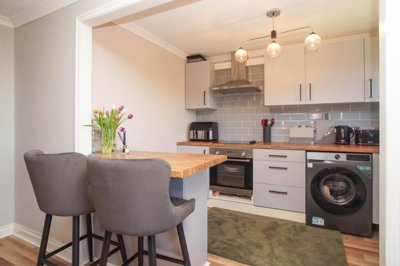
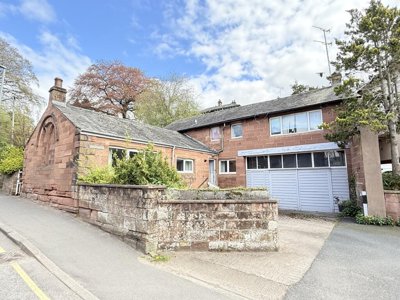
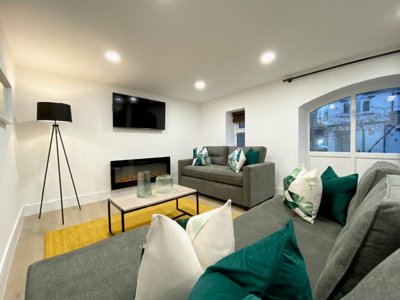
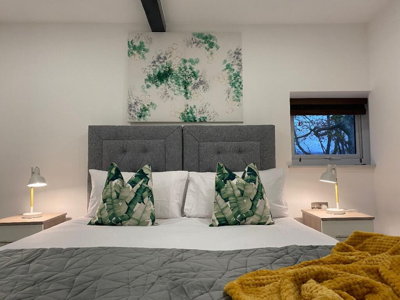
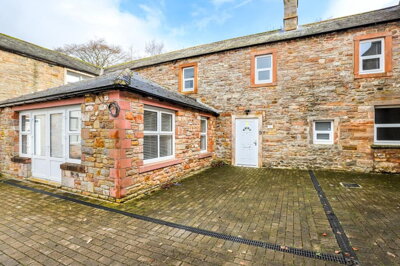
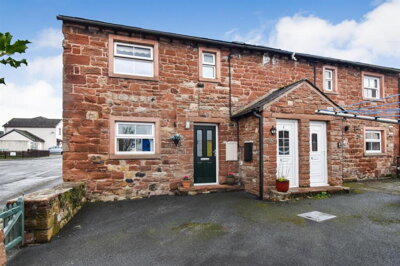
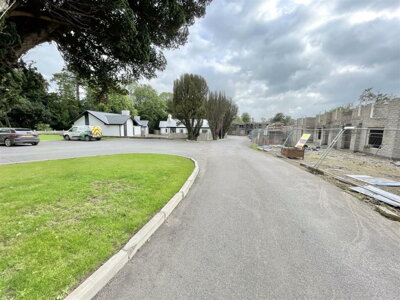
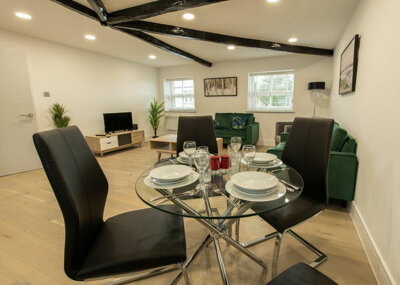
Browse 10 homes for sale in Long Marton from local estate agents.
Studio apartments feature open-plan living spaces without separate bedrooms, incorporating sleeping, living, kitchen, and bathroom facilities. The Long Marton studio market includes properties in modern apartment complexes, converted Victorian and Georgian buildings, and purpose-built developments.
Detached homes lead the Long Marton market, and the village’s appeal as a rural spot in the Eden Valley shows in the numbers. At £575,000 on average, they offer roomy accommodation, sizeable gardens and the sort of stone-built look that suits the area. Semi-detached houses sit lower down the ladder at £322,500, which makes them a practical route in for families and first-time buyers who want traditional Cumbrian architecture without paying top-tier prices. Terraced homes and flats are scarce here, so smaller properties are limited, though that can work in buyers’ favour when one does come up.
Over the last twelve months, prices in Long Marton have edged up by 1%, a gentle move that fits a steady rural market. Since the 2021 peak, growth of 11% points to lasting demand from buyers who place lifestyle ahead of city convenience. There have been no major new-build schemes in the CA10 1EN postcode area, so the stock is still almost entirely character housing with real heritage. With supply tight and interest holding up, prices look likely to stay firm for some time.
Much of Long Marton’s housing dates from before 1919, so buyers need to look a little more closely than they might with a modern estate house. Stone walls, slate roofs and solid floors are all part of the picture here, and they come with their own maintenance quirks. We provide detailed listing information that helps buyers narrow the field, from period farmhouses to cottages that have been updated without losing their character.

Life in Long Marton is shaped by the Eden Valley landscape and the easy-going community feel that people expect from a traditional Cumbrian village. The 2011 Census recorded a population of approximately 397 residents, which gives the place a small, close-knit character where neighbours recognise one another and local events matter. Much of the historic core sits inside a conservation area, protecting the sandstone houses, farmsteads and cottages that give the village its look. It is rural living, but with the basics needed for day-to-day comfort.
Out beyond the village, the countryside opens up properly. Footpaths run across farmland and open ground towards the Pennine hills, and the Lake District and Yorkshire Dales National Parks are both within easy reach for weekends out. Agriculture, tourism and services support the local economy, while many residents commute to Appleby-in-Westmorland, Penrith or Carlisle. That mix of scenery, community and workable travel distances is what draws plenty of people here in the first place.
Daily life in Long Marton is fairly straightforward, because the village does cover the essentials. The post office and shop handle most routine needs, and the church acts as a gathering point for community events across the year. For bigger shops, supermarkets and specialist services, Appleby-in-Westmorland and Penrith are both close enough to get to by car without much fuss.

Families moving to Long Marton will find education available both in the village and further afield. The local primary provision has long served the community, with children usually moving on to secondary school in one of the nearby market towns. Because the village is small, class sizes tend to stay manageable, which helps teachers give pupils more attention and builds stronger links between staff, families and children. For older pupils, school transport is typically available for travel to Appleby-in-Westmorland and beyond.
The wider Eden Valley adds more choice, with faith schools and grammar schools both in the mix. Admissions are shaped either by catchment areas or, in the case of selective schools, entrance requirements, so it pays to check the details carefully. Families should look at performance data and Ofsted ratings before deciding, since school quality can have a real effect on both home life and property values. Sixth form and further education options are mainly in Penrith and Carlisle, both reached by the region’s road and rail links.
School catchment can have a surprising pull on rural prices, and Long Marton is no exception. Being near well-regarded primary schools in the Eden Valley can add to a property’s appeal, and homes in stronger catchment areas often fetch a premium. That is one of the things to weigh up before settling on a budget.

Long Marton is better connected than its village setting might suggest. The A66 runs through the area, giving access north to the M6 at Penrith and south towards the A1(M) corridor. That makes commuting to Penrith, Carlisle, Newcastle and even Manchester possible for people who travel regularly. Journey times depend on where you are heading, of course, but the road network is easier to work with now than it was a few decades ago.
Bus services link Long Marton with Appleby-in-Westmorland and other Eden Valley settlements, although the timetable reflects the rural setting and does call for a bit of planning around school runs and work journeys. The nearest railway stations are in the larger towns, giving access to the wider national rail network. For flights, Newcastle Airport and Manchester Airport are both within reach via the motorway network, while cycling has become more practical too, with many locals using bikes for short trips and leisure rides.
Penrith railway station is particularly useful for residents who prefer the train, with direct services to Manchester and Glasgow. By car, it is roughly 30-40 minutes from Long Marton, and buses run through the day between the village and Penrith. For many households here, the most workable setup is a mix of local driving and rail travel.

Start with property listings in Long Marton on home.co.uk, and compare asking prices with the village average of £333,769. From traditional stone cottages to modern detached family houses, the choice is varied enough to suit different priorities, even if the overall stock is small. Check carefully which homes sit within the Conservation Area and which are listed buildings, since those designations affect what can be changed and what cannot.
Before you view too many homes, speak to lenders or mortgage brokers and get an Agreement in Principle. That step strengthens your offer and shows sellers that the money is lined up. At the village average of £333,769, most standard mortgage products should be available, though rural properties with non-standard construction may need a specialist lender.
It is sensible to see several properties in Long Marton before deciding, and to keep an eye on construction materials, conservation area rules and proximity to the Long Marton Beck and other watercourses. Take photographs and notes so you can compare them later, and try to visit at different times of day to judge noise and natural light. Many homes here are built in traditional sandstone with solid walls, so the condition of the stonework is worth checking closely for weathering or movement.
Before you commit, book a RICS Level 2 Survey on the property you want. A lot of Long Marton homes are older and built in stone, so a survey can pick up defects, structural issues or renovation work that might change your view or your negotiating position. Where a house is listed, a more detailed RICS Level 3 Building Survey may be the better choice, as it goes further into historic construction methods and conservation matters.
Choose a conveyancing solicitor to deal with the legal side of the purchase, including searches, contracts and registration with the Land Registry. They will work with the seller’s side and check that all the necessary boxes are ticked before completion. Because much of the village sits in a Conservation Area, your solicitor should also look at any planning conditions that may affect the property.
Once the searches come back clean and the finance is in place, your solicitor will exchange contracts and agree a completion date with the seller. On completion day the money changes hands and you collect the keys to your new Long Marton home. Buildings insurance needs to be arranged from the moment contracts are exchanged, because liability passes at that point.
Buying in Long Marton brings a few specific points that are worth weighing up carefully. Traditional sandstone is common across the village, which means many houses have solid walls rather than modern cavity insulation, and that can affect both warmth and mortgageability. It is wise to inspect the stonework for weathering, repointing needs or movement that might signal deeper problems. Lime mortar in older homes is usually better than Portland cement for breathability, so the maintenance history often tells us a great deal about how the property has been looked after.
The Long Marton Conservation Area comes with planning rules that shape what owners can do. Bigger alterations, extensions and external changes usually need consent from the local planning authority, which can make renovation work more involved. The village’s many listed buildings have even tighter controls, with Listed Building Consent often needed and specialist contractors frequently required. Buyers should check the listing status of any home and allow for the extra responsibilities and costs. Flood risk near the Long Marton Beck and other watercourses also needs checking on Environment Agency maps, especially in the lower parts of the village.
The geology of the Eden Valley also has a bearing on property condition. Permo-Triassic sandstones and mudstones, together with Carboniferous limestones in the surrounding fells, create a varied ground profile, while glacial till and alluvial deposits along river valleys can include clay-rich soils with shrink-swell risk, especially where mature trees are nearby. Serious subsidence is not common in the village, but cracks in walls or uneven floors should still be taken seriously and assessed professionally. Older homes often need electrical, plumbing and heating upgrades too, so those costs should sit in the budget from the outset.
In the older houses typical of Long Marton, the usual problems are fairly familiar. Damp linked to solid wall construction, roof issues with traditional slate coverings, and timber defects such as woodworm or wet rot can all crop up. Older heating systems and poor insulation are also common, which means energy bills may be higher than in a newer home. A thorough RICS Level 2 Survey can spot these problems before purchase, giving buyers room to renegotiate or walk away if the defects are too serious.

The average property price in Long Marton stands at £333,769, according to homedata.co.uk. Detached homes average £575,000, while semi-detached houses are more affordable at around £322,500. Prices have moved steadily, with a rise of 1% over the past twelve months and an increase of 11% above the 2021 peak of £340,000, which points to continued demand in this Eden Valley village. The limited number of new-build homes in the CA10 1EN postcode area means character properties still command strong interest from buyers after traditional Cumbrian housing.
For council tax, properties in Long Marton fall under Eden District Council. Banding depends on the valuation date and the make-up of the house, so traditional stone cottages often sit in bands A through C, while larger detached homes can sit higher up the scale. Because much of the stock dates from before 1919, many homes benefit from council tax bands that are relatively modest for their size. Buyers should check the exact band for any property through the Eden District Council website or the official government council tax band checker.
Primary education is available locally in Long Marton, with pupils usually moving on to secondary schools in nearby market towns such as Appleby-in-Westmorland. The wider Eden Valley also gives access to faith schools and selective grammar schools, each with its own admissions rules based on catchment and entrance criteria. Appleby Grammar School is a well-regarded option in the nearby market town and attracts pupils from across the Eden Valley, including Long Marton and surrounding villages. Parents should read current Ofsted reports and school performance data, as catchment areas can affect admissions and available places change.
Long Marton has bus links to Appleby-in-Westmorland and other Eden Valley communities, though the service pattern reflects the rural setting and does call for forward planning. Penrith and other larger towns provide the nearest railway stations, and Penrith station has direct trains to major cities including Manchester and Glasgow. The A66 trunk road gives access to the M6 at Penrith, so most commuters still rely on the car, with journeys of around 30-40 minutes to Penrith and roughly one hour to Carlisle. Newcastle Airport and Manchester Airport are both reachable in approximately two hours by car for international travel.
For investors, Long Marton has a few clear attractions. Conservation Area status, proximity to national parks and the lack of new-build supply all help to support the village’s appeal. Traditional stone houses with historic character tend to hold up well in the Eden Valley market, and the 11% price growth since 2021 suggests demand has stayed solid. The small size of the village does mean rental demand is limited compared with urban areas, and anyone buying to let should account for ongoing maintenance on older stone buildings and the costs tied to conservation rules.
From April 2024, Stamp Duty Land Tax rates are 0% on the first £250,000 of property value, 5% on £250,001 to £925,000, 10% on £925,001 to £1.5 million, and 12% on any value above £1.5 million. First-time buyers get relief on the first £425,000, with 5% applying between £425,001 and £625,000. For a typical Long Marton home at £333,769, standard buyers would pay £4,188, worked out at 0% on £250,000 plus 5% on the remaining £83,769. First-time buyers pay £0 on the first £425,000, so most homes in Long Marton would carry no stamp duty for qualifying purchasers.
Homes near the Long Marton Beck and other watercourses can face some river flooding risk, especially after heavy rain or snowmelt in the Pennines. Surface water flooding is another possibility where drainage is weak or surfaces are impermeable, particularly in lower-lying parts of the village. The Eden Valley geology includes alluvial deposits along river valleys, which can add to flood risk close to water. Buyers should check the Environment Agency flood maps for any specific property, and insurance may cost more where risk is higher.
During viewings in Long Marton, the first thing to check is the stonework, because weathering and failing pointing are regular issues in the village’s older homes. Look out for damp signs such as watermarking, musty smells or condensation, all of which can show up in solid wall construction. Roofs matter too, since traditional slate coverings can suffer from slipped tiles or perished felt. Older electrical systems, plumbing and heating often need updating to modern standards, so look carefully at the age and condition of those services. Homes in the Conservation Area, and especially listed ones, come with limits on alterations and renovation that should be understood early.
Getting a clear picture of the full purchase cost helps buyers budget properly and avoid surprises during the transaction. For a home priced at the village average of £333,769, a standard buyer would pay Stamp Duty Land Tax of £4,188, using 0% on the first £250,000 and 5% on the remaining £83,769. First-time buyers have better relief and pay nothing on the first £425,000, so most Long Marton properties would attract zero stamp duty for qualifying purchasers. Homes above £625,000 do not qualify for first-time buyer relief, so higher-value detached houses would face the full SDLT bill.
On top of stamp duty, buyers need to factor in solicitor fees, which usually sit between £500 and £1,500 for conveyancing on a standard property, plus disbursements for searches and registrations. A RICS Level 2 Survey typically costs between £400 and £900 depending on size and complexity, with larger detached homes tending to cost more. Because many Long Marton properties predate 1919 and use traditional construction, the more detailed RICS Level 3 Building Survey can be the wiser choice for homes in poor condition or those needing a deeper look before purchase. An Energy Performance Certificate is required and usually costs between £85 and £150. Mortgage arrangement fees, valuation charges and broker fees can add more if they are not built into the advertised rate.
For a Long Marton property, total buying costs excluding the deposit usually come to between £2,000 and £4,000, though the exact figure depends on price, mortgage needs and how each solicitor structures their fees. Homes that need work can bring extra survey costs and specialist reports, which lenders sometimes ask for on older or non-standard construction properties. A cautious budget and a few quotes from different providers help buyers keep a proper handle on the numbers through to completion.

Properties for Sale In London

Properties for Sale In Plymouth

Properties for Sale In Liverpool

Properties for Sale In Glasgow

Properties for Sale In Sheffield

Properties for Sale In Edinburgh

Properties for Sale In Coventry

Properties for Sale In Bradford

Properties for Sale In Manchester

Properties for Sale In Birmingham

Properties for Sale In Bristol

Properties for Sale In Oxford

Properties for Sale In Leicester

Properties for Sale In Newcastle

Properties for Sale In Leeds

Properties for Sale In Southampton

Properties for Sale In Cardiff

Properties for Sale In Nottingham

Properties for Sale In Norwich

Properties for Sale In Brighton

Properties for Sale In Derby

Properties for Sale In Portsmouth

Properties for Sale In Northampton

Properties for Sale In Milton Keynes

Properties for Sale In Bournemouth

Properties for Sale In Bolton

Properties for Sale In Swansea

Properties for Sale In Swindon

Properties for Sale In Peterborough

Properties for Sale In Wolverhampton

Enter your details to see if this property is within your budget.
Loans, cards, car finance
Estimated property budget
Borrowing + deposit
You could borrow between
Typical borrowing
Monthly repayment
Est. at 4.5%
Loan-to-value
This is an estimate only. Your actual budget may vary depending on interest rates, credit history, and personal circumstances. For an accurate affordability assessment, speak to one of our free mortgage advisors.
This calculator provides estimates for illustrative purposes only and does not constitute financial advice. Your home may be repossessed if you do not keep up repayments on your mortgage. Estimates based on 4.5% interest rate, repayment mortgage. Actual rates depend on your circumstances.
Homemove is a trading name of HM Haus Group Ltd (Company No. 13873779, registered in England & Wales). Homemove Mortgages Ltd (Company No. 15947693) is an Appointed Representative of TMG Direct Limited, trading as TMG Mortgage Network, which is authorised and regulated by the Financial Conduct Authority (FRN 786245). Homemove Mortgages Ltd is entered on the FCA Register as an Appointed Representative (FRN 1022429). You can check registrations at NewRegister or by calling 0800 111 6768.

We use cookies to show you personalised content and improve your experience of our website. Find out more in our Privacy policy and Cookie policy.