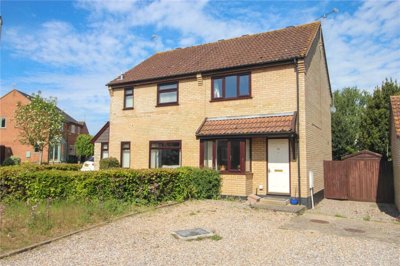
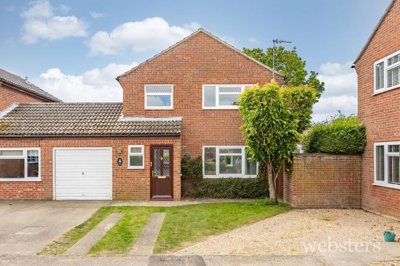
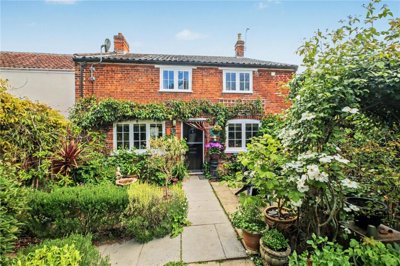
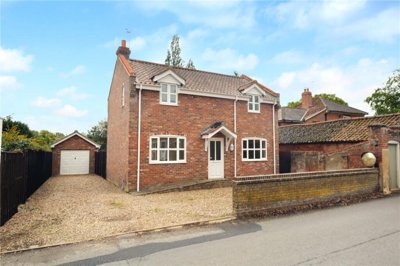
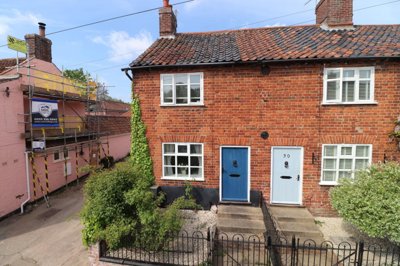
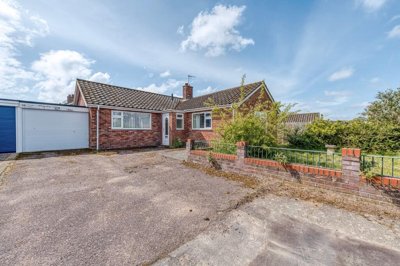
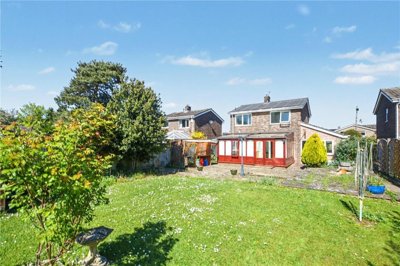
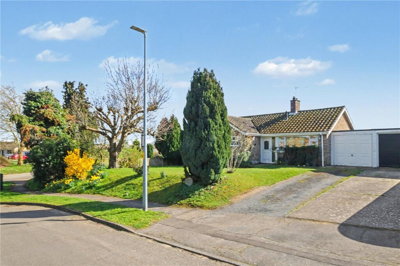
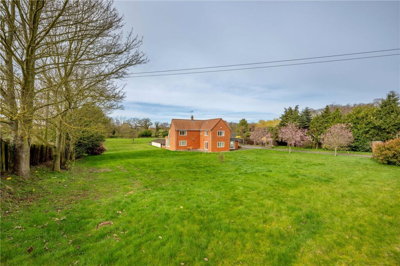
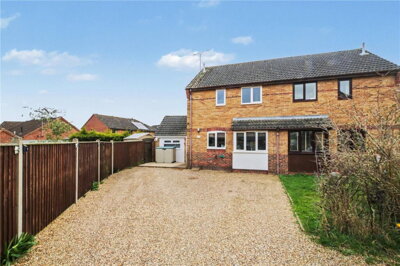
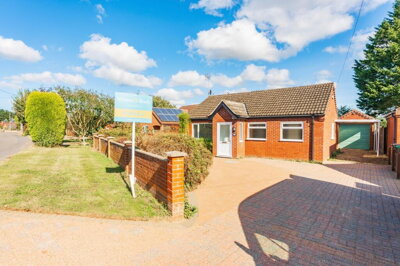
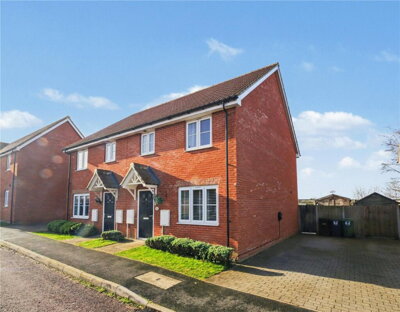
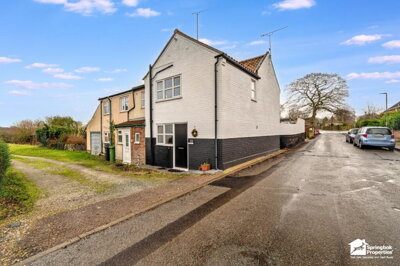
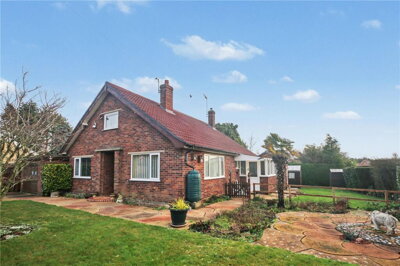
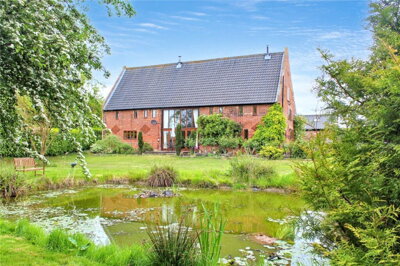
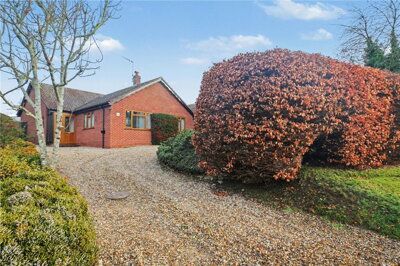
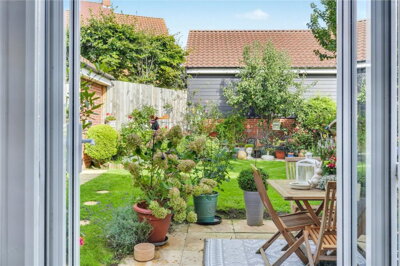
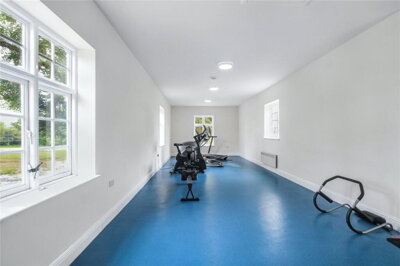
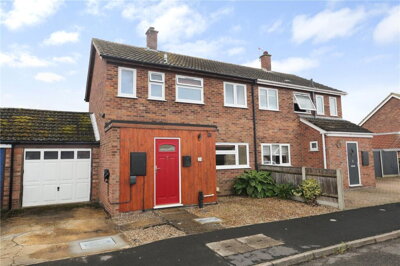
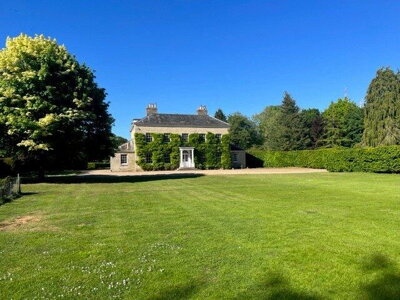
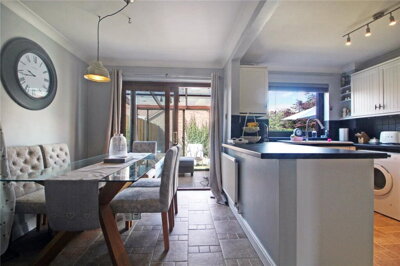
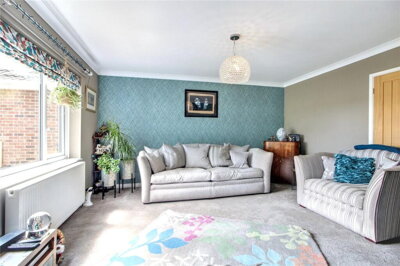
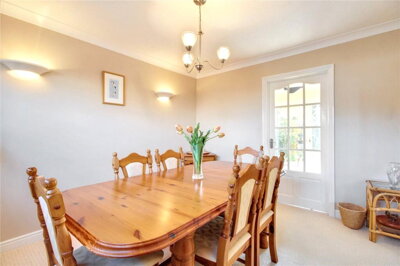
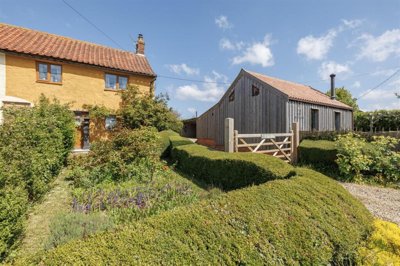
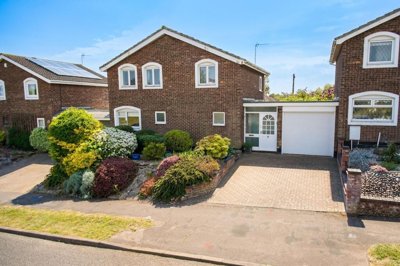
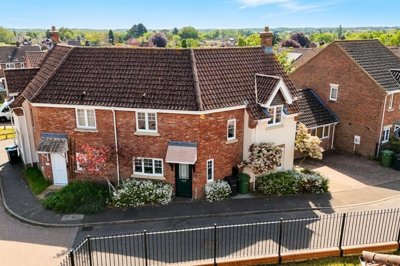
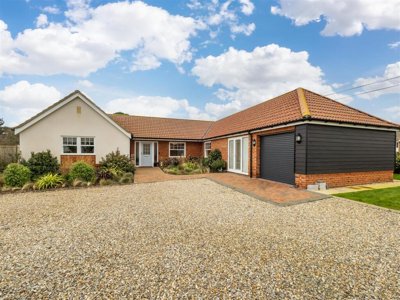
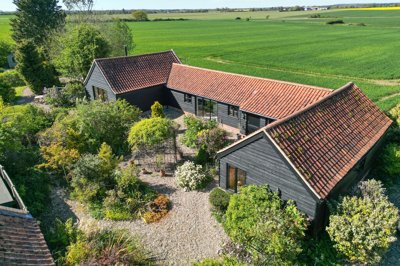
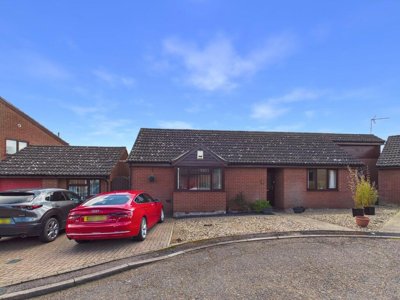
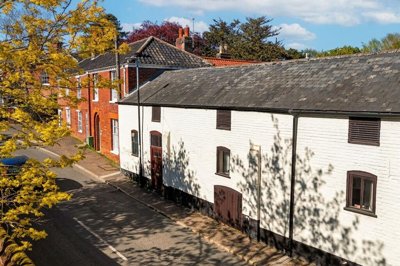
Browse 103 homes for sale in Loddon, South Norfolk from local estate agents.
The Loddon property market offers detached, semi-detached, and terraced houses spanning various price ranges and neighbourhoods. Each listing includes detailed property information, photographs, and direct contact with the marketing agent.
£350k
29
2
113
Source: home.co.uk
Showing 29 results for Houses for sale in Loddon, South Norfolk. 2 new listings added this week. The median asking price is £350,000.
Source: home.co.uk
Detached
14 listings
Avg £656,429
Semi-Detached
11 listings
Avg £278,182
Terraced
4 listings
Avg £252,500
Source: home.co.uk
Source: home.co.uk
Loddon’s property market has a fairly balanced mix of traditional and contemporary homes, and the prices reflect both its appeal and its closeness to Norwich. Detached properties sit at the top of the market, averaging £584,773, while semi-detached homes come in at around £278,000. Terraced properties typically sell for approximately £273,333, which is why they appeal to buyers looking for their first home without paying premium prices. Flats average around £152,500, so they remain the most affordable way onto the property ladder in this part of South Norfolk. ---NEXT---
Orbit Homes leads the new build activity in Loddon, with Hobart Grange and The Maltings both set within the NR14 6FU postcode. These schemes offer 2, 3, and 4-bedroom homes, priced from £280,000 to £440,000, and they give buyers a modern, energy-efficient alternative to older stock. The wider housing mix is still weighted towards detached homes at 35.1% and semi-detached properties at 33.2%, while terraced homes account for 19.8% and flats make up just 11.9%. ---NEXT---
Over the last 12 months, prices in Loddon have stayed steady, with no meaningful movement across property types. That kind of stability points to a mature market, one where homes tend to hold their value well. Buyers get a useful spread of property styles too, along with a trickle of new development. Norwich remains the comparison point, and Loddon still offers worthwhile savings while keeping city access straightforward.
Loddon’s housing stock is varied, and the age profile shows why so many different buyers are drawn here. A quarter of homes were built before 1919, with the red brick, flint detailing, and lime mortar that come with traditional Norfolk construction. Properties from 1919-1945 make up 15% of the stock, while 1945-1980 accounts for 30% as the town expanded after the war. The remaining 30% has been built since 1980, bringing in modern conversions as well as newer homes.

With around 2,500 residents living in roughly 1,100 households, Loddon feels like a close-knit small town rather than a commuter stop. Its history runs deep, and the Conservation Area covering much of the historic High Street and the surrounding lanes is part of that story. Many listed buildings sit within that protected area, which gives the town its character and strong visual identity. In the centre, we find independent shops, traditional pubs, and the everyday services used by both locals and nearby villagers.
Agricultural services, local shops, and small businesses underpin the local economy, although many people still travel into Norwich for work because it is so close. The town centre has the basics covered, with convenience stores, a pharmacy, a medical practice, and a handful of independent shops for day-to-day needs. The River Chet adds a quieter note, and the riverside walks are a real draw for residents who want some open air after work. Fishing and boating are part of life on the water too, which gives the area a bit more leisure appeal.
Community life has plenty going on for different ages and interests. The town hall hosts events through the year, while sports facilities and playing fields give people somewhere to meet, play, and keep active. Pubs still matter here, and several local places provide food and drink in a familiar, traditional setting. For families, that mix of community spirit and access to bigger towns for extra amenities works well.
Heritage is still visible in the property stock, where 25% of homes were built before 1919 using traditional methods with local Norfolk red brick, flint detailing, and lime mortar. Another 30% was built between 1945 and 1980, and a further 30% has been built post-1980, so there is a broad spread of homes from period cottages to modern family houses. Buyers can choose character or something more contemporary, depending on taste and practical needs. On the older homes, Norfolk pantiles or slate roofs are common and suit the town’s historic look.

Families are well served by education in Loddon. Loddon Primary School provides key stage one and two education right in the town, which makes it a practical option for primary-age children. It also serves the surrounding villages, so it sits at the centre of local family life. For secondary school, most students travel to nearby towns, and there are several choices within reasonable distance by school transport or car. We always recommend checking catchments and admissions before you buy.
Looking at the age data, 40% of homes in Loddon were built post-1980, so the town has seen plenty of residential growth over the last four decades. That growth has gone hand in hand with investment in local infrastructure, including education. Families settling here will find a school system that can support children through their school years, while the town’s community feel gives younger households a supportive backdrop. Parent groups and school associations add another layer of involvement.
For parents weighing up a purchase, school catchments and admission rules need proper attention. In Norfolk, schools sit under the local education authority, and applications go through the county council admissions system. Some addresses fall within particular catchment areas, so it is worth checking those boundaries before committing to a property. A visit to the schools, and a conversation with headteachers, can give a clearer picture of what is on offer and help families make a more informed decision.
Alongside state schools, some families in Loddon will also look at independent schooling across the wider Norfolk area. Secondary transport usually means school buses or lifts from parents to nearby towns where the schools are located. Norwich broadens the picture further, opening access to a wider range of institutions, including grammar schools for academically able pupils.

Loddon sits in a practical spot in South Norfolk, with a quiet village feel but decent access to the road network. The town lies just off the A146, which links it north towards Norwich and east towards Beccles. Norwich city centre is about 12 miles away, so commuters and day-trippers can reach it without too much trouble. The A146 is the main route, and traffic is usually manageable outside peak holiday periods.
Bus services connect Loddon with nearby villages and larger centres, so public transport does exist even if it is not frequent. The nearest railway station with regular services is in Norwich, where trains run to London Liverpool Street via Cambridge, and the journey to the capital is typically around two hours. By car, Norwich is usually a 25-30 minute run outside peak hours, though the A146 can slow down when it gets busy. Planning journeys ahead helps avoid the worst of the congestion.
Local employers in Loddon and the surrounding area help keep commute times short for anyone working within South Norfolk. Many residents stay local, working in agricultural services, retail, or one of the growing number of small businesses based in the town. Norwich is still a major draw, though, because it opens up a wider jobs market while allowing people to live somewhere quieter. Cycling has become easier too, with improved infrastructure and country lanes that make two-wheel travel more appealing.
Parking in the town centre is straightforward enough for both residents and visitors, and it gives easy access to the local shops and services. Loddon is also well placed for the wider Norfolk road network, including links to the A11 towards Cambridge and beyond. For longer journeys, Norwich Airport adds domestic and international flights to the mix. Taken together, road, rail, and air connections make Loddon a sensible base for people who travel for work.

A proper visit is best before you start viewing. Walk around Loddon at different times of day and on different days of the week, so you get a feel for the community, the local amenities, and the neighbourhood character. Spend some time in the town centre, check the opening hours of the shops and facilities, and speak to residents for a more honest take on daily life. The riverside walks along the River Chet are worth seeing too, as they are a big part of the town’s appeal.
Before you view anything, speak to lenders or use Homemove’s mortgage comparison service to secure an Agreement in Principle. It strengthens your position when you make an offer and shows sellers that the finance is already lined up. With average prices in Loddon around £403,898, most buyers will need a mortgage, and having the paperwork ready means you can move fast. ---NEXT---
Use Homemove’s platform, or go directly to the estate agents listing homes in Loddon, to arrange viewings. It helps to see several properties across different price bands, so you can judge what your budget really buys. There are 33 properties currently available, with period cottages, family homes, and new builds all in the mix, so a few viewings should quickly show where the best fit lies.
As around 70% of properties in Loddon were built before 1980, a full survey is well worth the money. Our data puts survey costs at £450 to £800, depending on the size of the property. A survey can pick up structural problems, damp, and defects that are common in older homes. With traditional construction, our surveyors often look closely at timber, masonry, and historic building elements that may need work. ---NEXT---
Once an offer has been accepted, the next move is to instruct a conveyancing solicitor to deal with the legal transfer. They will carry out searches covering local authority matters, drainage and flood risk, and environmental issues relevant to Loddon’s geology. Because clay soils are found in the area, any shrink-swell risk should be checked carefully. Your solicitor will manage the contracts and keep in touch with the mortgage lender so the transaction runs through to completion as smoothly as possible.
When all the searches come back satisfactorily and the finance is confirmed, your solicitor arranges contract exchange. Buyer and seller then agree a completion date, and the keys are usually released once the final balance reaches the vendor’s solicitor. In a straightforward case, the process from offer acceptance to completion usually takes 8-12 weeks, though chain length and complexity can stretch that.
There are several local factors worth thinking about before buying in Loddon. The geology here is glacial till over chalk bedrock, and the clay deposits bring a moderate to high shrink-swell risk. Properties with mature trees nearby can be more exposed to subsidence or heave as the clay contracts and expands with moisture changes. A thorough survey should flag up any movement or structural concerns linked to the ground conditions. Older homes with original foundations are often more vulnerable than modern builds with deeper footings.
Flood risk also needs a close look, because Loddon sits alongside the River Chet. Homes right next to the river and its floodplains face a higher river flooding risk, while low-lying areas can be prone to surface water flooding during heavy rain. As part of conveyancing, your solicitor should arrange the appropriate drainage and flood risk searches. It is also sensible to check the Environment Agency flood maps and talk to current owners about any history of flooding before you commit.
Much of Loddon’s historic centre falls within the Conservation Area, so planning restrictions apply to changes and extensions on period properties. Any major alterations to listed buildings, or homes within the conservation area, need consent from South Norfolk District Council. Renovation work may also come with requirements about the materials and methods used. Anyone thinking about a period home for refurbishment should factor in the extra planning steps and the possible cost of using traditional materials and methods.
Because the housing stock is older, buyers should watch for the defects that tend to show up in these homes. About 25% of properties were built before 1919 with solid wall construction, and they often do not have modern damp proof courses. That can lead to rising damp, especially where original lime mortar has broken down or ground levels have been raised. Timber parts, including floorboards, joists, and roof structures, should be checked for rot or woodworm. Homes built between 1945 and 1980 with cavity wall construction can bring different concerns, particularly around insulation standards and cavity fill problems.

The average house price in Loddon is £403,898 as of February 2026. Detached homes average £584,773, semi-detached properties sit around £278,000, terraced homes are at approximately £273,333, and flats average around £152,500. Prices have shown no significant change over the past 12 months. That steadiness reflects a mature market, where demand from buyers who want village living but still need Norwich within reach helps keep values supported. ---NEXT---
For council tax, properties in Loddon fall under South Norfolk District Council. Most homes in the village sit within bands A through D, though the exact band depends on value and type. Properties worth below £160,000 usually fall into band A, while larger detached homes may be band D or E. The precise band for any address can be checked on the Valuation Office Agency website or by asking your solicitor during conveyancing. Council tax payments in South Norfolk help fund education, waste collection, and other local authority services. ---NEXT---
Loddon Primary School provides key stage one and two education for children in the town. It has served the local area for many years and keeps close links with the community. For secondary school, most students travel to nearby towns, with several options available by school transport or car. Norfolk uses a co-ordinated admission scheme, so families should check school catchments before they buy if they want access to a particular school. Bungay, Beccles, and Harleston all have secondary options within reasonable distance of Loddon.
Bus services do run through Loddon, linking the town with surrounding villages and larger centres in South Norfolk, although the timetable is less frequent than in urban areas. Norwich is the nearest major railway station with regular services to London and across the region, and it is roughly 12 miles away. From Norwich station, direct trains to London Liverpool Street take around two hours, so commuting to the capital is possible. For daily travel into Norwich, the A146 gives road access, and the drive is usually 25-30 minutes outside peak periods. A car gives the most flexibility, although the bus routes still provide useful links for people without private transport.
Several features make Loddon appealing for property investment. Stable market conditions, with no price changes over 12 months, suggest resilience, and the town’s proximity to Norwich keeps commuter demand alive for buyers who want something more affordable than city housing. There is a healthy mix of period properties, newer developments, and continuing new build activity, which means there are options at different price points. Homes in the Conservation Area, or properties with distinctive features, may also hold their value well because of their protected status. Hobart Grange and The Maltings show that investment is still going into the area, which supports prices. For buy-to-let investors, rental demand from Norwich commuters remains a key point.
Stamp Duty Land Tax applies to all property purchases in Loddon, as it does across England. The standard rates are 0% on the first £250,000, 5% on £250,001 to £925,000, 10% on £925,001 to £1.5 million, and 12% above £1.5 million. First-time buyers may get relief on homes up to £625,000, with 0% on the first £425,000 and 5% on the amount between £425,000 and £625,000. At Loddon’s average price of £403,898, many buyers pay no stamp duty or only the 5% rate on the amount above £250,000. A first-time buyer at £403,898 would pay £7,695, and a non-first-time buyer at the same price would also pay £7,695. ---NEXT---
From 4.5%
Compare mortgage rates from leading lenders
From £499
Expert solicitors to handle your property legal work
From £450
Comprehensive survey ideal for older properties in Loddon
From £85
Energy performance certificate for your new home
Planning the full cost of a purchase in Loddon matters if you want to budget properly. For standard buyers, Stamp Duty Land Tax in England starts at £250,000. With the average property price in Loddon at £403,898, many buyers will pay stamp duty on the portion above £250,000. On a home at the average price, that comes to £7,695 at the 5% rate on £153,898. First-time buyers buying up to £625,000 benefit from relief that lifts the zero-rate threshold to £425,000. ---NEXT---
There are other costs on top of the purchase price, and solicitor fees for conveyancing usually sit between £500 and £1,500 depending on how complex the case is. In Loddon, a RICS Level 2 HomeBuyer Report generally costs £450 to £800, with larger or older properties landing towards the top end. Since 70% of properties in Loddon were built before 1980, many buyers will get real value from the detail a survey gives them. You also need to allow for search fees, Land Registry fees, and mortgage arrangement fees. On a typical £403,898 property, the extra costs beyond the purchase price are likely to fall somewhere between £3,000 and £5,000, although that depends on the services chosen and the circumstances of the sale.
The local search fees for Loddon cover South Norfolk District Council records, and they include drainage and water searches that matter because of the River Chet floodplain. Environmental searches will show any contamination risks, while planning searches check for recent or pending applications that could affect the property. Your solicitor will say which searches are needed based on the property’s type and location. Some mortgage lenders also insist on a local authority search, which usually sits within the standard conveyancing package.
Extra costs can come up for buyers of period homes in Loddon because older buildings often need specialist attention. Properties in the Conservation Area, or listed buildings, may need more detailed surveys than a standard RICS Level 2 assessment. Traditional building materials can increase renovation costs, although the right work can also add serious value. It is wise to build potential refurbishment spending into the budget and to consider a more detailed building survey for older or non-standard properties.

Properties for Sale In London

Properties for Sale In Plymouth

Properties for Sale In Liverpool

Properties for Sale In Glasgow

Properties for Sale In Sheffield

Properties for Sale In Edinburgh

Properties for Sale In Coventry

Properties for Sale In Bradford

Properties for Sale In Manchester

Properties for Sale In Birmingham

Properties for Sale In Bristol

Properties for Sale In Oxford

Properties for Sale In Leicester

Properties for Sale In Newcastle

Properties for Sale In Leeds

Properties for Sale In Southampton

Properties for Sale In Cardiff

Properties for Sale In Nottingham

Properties for Sale In Norwich

Properties for Sale In Brighton

Properties for Sale In Derby

Properties for Sale In Portsmouth

Properties for Sale In Northampton

Properties for Sale In Milton Keynes

Properties for Sale In Bournemouth

Properties for Sale In Bolton

Properties for Sale In Swansea

Properties for Sale In Swindon

Properties for Sale In Peterborough

Properties for Sale In Wolverhampton

Enter your details to see if this property is within your budget.
Loans, cards, car finance
Estimated property budget
Borrowing + deposit
You could borrow between
Typical borrowing
Monthly repayment
Est. at 4.5%
Loan-to-value
This is an estimate only. Your actual budget may vary depending on interest rates, credit history, and personal circumstances. For an accurate affordability assessment, speak to one of our free mortgage advisors.
This calculator provides estimates for illustrative purposes only and does not constitute financial advice. Your home may be repossessed if you do not keep up repayments on your mortgage. Estimates based on 4.5% interest rate, repayment mortgage. Actual rates depend on your circumstances.
Homemove is a trading name of HM Haus Group Ltd (Company No. 13873779, registered in England & Wales). Homemove Mortgages Ltd (Company No. 15947693) is an Appointed Representative of TMG Direct Limited, trading as TMG Mortgage Network, which is authorised and regulated by the Financial Conduct Authority (FRN 786245). Homemove Mortgages Ltd is entered on the FCA Register as an Appointed Representative (FRN 1022429). You can check registrations at NewRegister or by calling 0800 111 6768.

We use cookies to show you personalised content and improve your experience of our website. Find out more in our Privacy policy and Cookie policy.