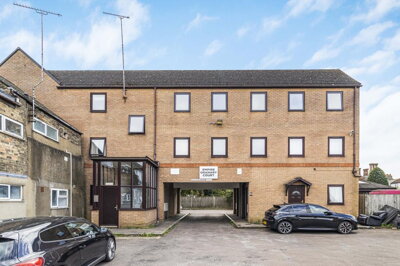
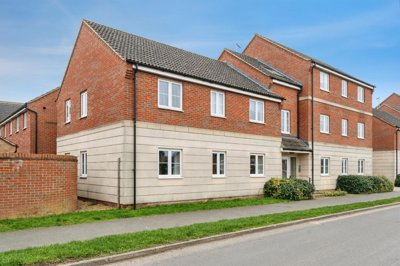
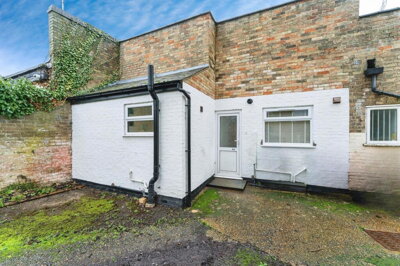
Browse 3 homes for sale in Littleport, East Cambridgeshire from local estate agents.
Studio apartments feature open-plan living spaces without separate bedrooms, incorporating sleeping, living, kitchen, and bathroom facilities. The Littleport studio market includes properties in modern apartment complexes, converted Victorian and Georgian buildings, and purpose-built developments.
£0k
0
0
0
Source: home.co.uk
Showing 0 results for Studio Flats for sale in Littleport, East Cambridgeshire.
Littleport's property market has shown steady resilience, with average house prices up by approximately 1-3% over the past 12 months, based on home.co.uk listings data and homedata.co.uk data. That modest rise says a lot about its appeal as a commuter village, alongside the stream of new housing developments that has broadened the stock. Over the last year, approximately 100 to 120 property sales have been recorded here, healthy activity for a settlement this size. With Cambridge close by, but price points still more approachable than the city, it continues to draw first-time buyers and growing families alike.
Littleport's housing mix reflects the village's varied character, with ONS Census data showing detached homes at 30-35%, semi-detached properties at 30-35%, terraced houses at 20-25%, and flats at 5-10%. For first-time buyers, terraced homes are usually available from approximately £220,000 to £240,000, while semi-detached properties sit between £270,000 and £290,000 for those needing more room. Detached family houses generally range from £400,000 to £420,000, and the top end brings the larger plots and generous gardens often associated with fenland living. Age adds to the mix too, with Victorian and Edwardian terraces in the Conservation Area standing alongside post-war semis and contemporary new builds.

New housing has become a real feature of Littleport in recent years, and there are three major active developments currently on the market. The Orchards, by Cannon Kirk Homes, offers 2, 3, and 4 bedroom homes, priced from approximately £270,000 for a 2-bedroom property to over £400,000 for a 4-bedroom home. It sits in the CB6 1RA postcode area, and buyers are drawn to the modern construction and energy-efficient specifications that help keep running costs down while providing contemporary living space. Homes here generally use cavity wall construction and updated building regulations standards, which is very much the norm for modern fenland development.
Highfields, from Laragh Homes, widens the choice with 2, 3, and 4 bedroom properties ranging from approximately £275,000 to £450,000 or more, depending on size and specification. At the premium end, Littleport Grange from David Wilson Homes, part of Barratt Developments, offers 3, 4, and 5 bedroom homes priced from approximately £350,000 to over £600,000. These new build homes usually come with remaining warranties and modern construction methods, so issues seen in older stock, from poor insulation to outdated electrical systems with contemporary wiring standards, are far less common. Modern plumbing, too. NHBC or similar warranties give buyers extra protection in the early years of ownership.

Littleport has a distinctive way of life, shaped by its fenland setting and its journey from agricultural village to commuter base. According to 2021 Census data, the village has a population of approximately 8,500 to 9,000 residents across roughly 3,500 to 3,800 households, which is enough to support local amenities while still keeping a close-knit feel. The surrounding landscape is flat and open, with the village sitting just above sea level on reclaimed agricultural land, and many residents value the big skies and broad horizons. A walk or cycle across the footpaths that cut through the farmland makes that fenland character plain to see.
The historic centre of Littleport is anchored by St George's Church, a Grade I listed building at the heart of the Conservation Area covering parts of Main Street and Victoria Street. That older core sits in contrast with the post-war growth areas and newer developments that have spread the village outward over time. Day-to-day needs are covered by local shops, pubs, and services, while Ely adds more shopping, dining, and culture, not least Ely Cathedral, which attracts visitors from across the region. The village has a clear community spirit, helped by local events and the clubs and organisations that run throughout the year, and the annual Littleport Show gives new residents an easy way into village life.

For families looking at Littleport, primary schooling is available at Littleport Primary School, which serves younger children in the village and focuses on building core skills. It has grown over time to match the rising population, mirroring Littleport's shift into a commuter settlement. Several nurseries and pre-school settings also operate locally, giving working parents early years and childcare options. Parents should always check current catchment areas and admissions policies, as Cambridgeshire County Council reviews them periodically and they can change the school allocation for a particular address.
Secondary education is led by Witchford Village College, which acts as the main secondary school for many Littleport families and teaches students aged 11-16 through a broad curriculum. Some parts of Littleport may also qualify for places in Ely or neighbouring Cambridgeshire villages, depending on admission rules and available spaces. Cambridge's universities and colleges are another advantage, especially for older students, and the transport links make daily commuting or a base for further study quite realistic. Parents should check current Ofsted ratings and the specific admission arrangements, because these can shift and may affect which homes suit families with school-age children.

Transport is one of Littleport's clear strengths. The village has its own railway station, with regular services to Cambridge and Ely. Cambridge is usually reached in approximately 20-30 minutes by train, which is a major draw for commuters who want village living without giving up access to the city. East Cambridgeshire District Council offices and other public sector employers are based in Ely, easy to reach by train or road, and the wider Cambridgeshire jobs market is within comfortable reach too. The station has seen more use in recent years as remote and hybrid working patterns have taken hold, giving residents the option to travel when needed and otherwise stay put.
Road access from Littleport centres on the A10, which runs through the village and links south-west to Cambridge and north-east to King's Lynn. Shorter journeys are often made by bike, thanks to the flat fenland terrain, although the open landscape does leave cyclists exposed to the wind in poor weather. Bus services run within Littleport and out to nearby villages and Ely, which gives non-drivers a practical alternative. For longer trips, Cambridge Airport has limited commercial flights, while Stansted Airport and London's airports offer much wider connectivity with road and rail access from the area. The A14 trunk road, reached via the A10 and surrounding routes, connects the region to the wider east and the midlands.

The fenland geology around Littleport brings specific property issues that buyers should know about before they commit. Underneath, clay deposits within the alluvium layer over chalk bedrock create a moderate to high shrink-swell risk that can affect foundations. Older homes, especially those with shallow foundations or large trees nearby, are more exposed because the clay contracts in dry weather and expands when wet. Cracking in walls, especially diagonal cracks around corners and windows, sticking doors, and rippling or cracked plaster internally can all point to movement. A full survey should pick up any signs of subsidence or heave that might need work or affect value.
Damp is one of the most common problems in Littleport's older housing stock. Many properties built before the 1970s either lack a proper damp-proof course or still have the original system, which may have failed over time. Rising damp happens when moisture travels up through solid brick or stone foundations into the walls, while penetrating damp usually comes from defective rainwater goods, damaged rendering, or worn brickwork. Tide marks, peeling paint or wallpaper, musty smells, and in more severe cases black mould growth are all warning signs. Properties built before 2000 may also contain asbestos-containing materials, particularly in textured coatings, insulation boards, or pipe lagging.
Roof condition is another regular concern, especially in Victorian and Edwardian homes within Littleport's Conservation Area, where original materials may be nearing the end of their serviceable life. Typical faults include slipped or broken tiles, deteriorated pointing to ridge tiles, failing felt underlays, and lead flashing problems around chimneys and valleys. Post-war homes may have concrete tile roofs that have suffered frost damage or become porous over the decades. Timber defects such as wet rot and dry rot can affect roof structures, particularly where ventilation is poor or leaks have left prolonged dampness behind. Ground floor timber joists and suspended timber floors in older properties can also be affected by rot or woodworm activity.
Knowing how local homes were built helps buyers understand what to expect from different property types in Littleport. Houses built before 1919 in the Conservation Area usually have solid brick walls, often made with the local gault brick or red brick, and lime-based mortars that allow the structure to breathe. They generally have timber floor joists, sometimes on very shallow foundations by modern standards, plus pitched roofs finished in natural slate or clay tiles. Because the walls are solid, there is no cavity for insulation, although internal wall insulation can be fitted subject to Heritage England guidance for listed buildings.
Between 1945 and 1980, post-war building brought cavity wall construction to Littleport, with outer brick leaves and inner blockwork cavities becoming standard. Ground floors in that period were often concrete, replacing the timber suspended floors found in older houses. Roofs commonly used concrete tiles, which were durable but can deteriorate over time, particularly in freeze-thaw conditions. Electrical and plumbing systems from this era often need upgrading to meet modern standards, since original installations may struggle with today's power demands and lead pipework or old rubber insulation may still be present.
Homes built since 1980, including those in The Orchards, Highfields, and Littleport Grange, benefit from current building regulations, deeper foundations suited to the clay geology, cavity wall insulation, and modern electrical and plumbing systems. They usually mean less maintenance and fewer immediate repairs, although they do not always have the character or solid construction of older homes. For buyers weighing up any property in Littleport, understanding the construction era makes it easier to judge condition, likely maintenance, and possible defects, and to set the budget accordingly.
Flood risk deserves careful thought in Littleport, given the village's low-lying fenland position near the River Great Ouse and its tributaries. The Environment Agency provides flood risk mapping, and prospective buyers should look at it closely, especially where properties sit in identified flood zones. Surface water flooding can also happen because the terrain is flat and drainage is not always straightforward, particularly after heavy rainfall when the ground cannot absorb any more. Insurance costs may rise where flood risk is material, so buyers should factor that in alongside any future changes to cover availability.
Drainage deserves a proper look in Littleport because the land is so flat. Some homes may rely on septic tanks or private drainage systems in places not connected to mains sewerage, which brings maintenance and emptying costs. During a survey, the condition of drainage channels, soakaways, and any pumping stations should be checked. Lower-lying properties, or those at the bottom of the local topography, can be more prone to surface water build-up, so buyers should ask vendors about any past flooding or drainage issues affecting the house or neighbouring properties.
Energy efficiency varies a great deal across Littleport's housing stock. Victorian and Edwardian homes in the Conservation Area may have solid walls and very little insulation, which can push heating bills up, while newer homes normally achieve much better SAP ratings thanks to cavity insulation and double glazing. Gas, electricity, and water supplies should all be checked, especially where flats or terraced houses share services. For leasehold property, it is important to understand service charge arrangements, ground rent obligations, and any planned major works or reserve fund contributions before a purchase is agreed.

Speak with local estate agents in Littleport to see the latest listings, arrange open viewings, and secure a mortgage agreement in principle before making any offer. We would also keep local prices in mind, from £220,000 for terraced homes to £420,000 for detached properties, and allow for solicitor fees, stamp duty, and survey costs as well. Getting the full budget clear from the start makes the rest of the process much easier and helps prevent disappointment later on.
Use Homemove to search homes for sale in Littleport, filtering by price, property type, and number of bedrooms. It is worth comparing older homes in the Conservation Area around St George's Church and Main Street, with their brickwork and period details, against new builds at The Orchards, Highfields, or Littleport Grange, where the specifications and warranties are more modern. A visit at different times of day, plus a conversation with current residents, usually gives a far clearer sense of each neighbourhood.
After finding a property, arrange a viewing and, if you plan to go ahead, book a RICS Level 2 Survey. For a typical 3-bedroom semi-detached home in Littleport, surveys cost between £450 and £650. Listed or Conservation Area properties may need the more detailed RICS Level 3 Survey because of their age and distinctive construction. Our surveyors will flag concerns such as damp, subsidence risk from the underlying clay geology, roof condition, and electrical or plumbing issues that need attention.
Once the property and survey results stack up, put in your offer through the estate agent. There is often room to negotiate if the survey highlights matters that need fixing, such as drainage concerns, roof repairs, or electrical upgrades that are common in older Littleport homes. Having your mortgage in principle and survey ready can strengthen your position with the seller.
Choose a conveyancing solicitor to deal with the legal side of the purchase. They will carry out searches, including local authority, drainage, and environmental searches relevant to the fenland location, then handle the contracts and the transfer of ownership. Exchange contracts and agree a completion date that works for both parties, with four weeks from instruction to exchange being typical for straightforward transactions.
After completion is confirmed, collect the keys and move into your new Littleport home. Give yourself time to explore the village, meet neighbours, and settle into the community. Register with the local GP surgery, make use of the clubs and organisations, and get to know the footpaths and cycling routes that cross the surrounding fenland farmland.
Recent market data from home.co.uk and homedata.co.uk puts the average property price in Littleport at between £290,000 and £300,000. Detached homes average £400,000 to £420,000, semi-detached properties sit around £270,000 to £290,000, terraced homes range from £220,000 to £240,000, and flats are usually between £140,000 and £160,000. Prices have risen by approximately 1-3% over the past 12 months, which reflects steady demand for this Cambridge commuter village and its direct rail links that take around 20-30 minutes into the city.
Council tax in Littleport is set by East Cambridgeshire District Council, and the banding normally runs from A through H depending on property value. Most terraced homes and smaller semi-detached houses tend to fall into bands A to C, while larger detached properties may sit in bands D to F. Buyers should check the exact band for any home they are considering, because it affects running costs and can vary a lot between property types and locations in the village.
Littleport Primary School serves the village's younger children, while Witchford Village College is the main secondary school for many local families. Catchment areas are based on residence, so parents should check the current Ofsted ratings and Cambridgeshire County Council admission policies to make sure their address is eligible. Ely also provides further secondary options for families who prefer schools in the market town, and bus and rail links make that workable for students.
Littleport railway station offers regular trains to Cambridge in approximately 20-30 minutes and to Ely in around 15 minutes, which makes the village a strong choice for commuters working in either town. Bus services link the village to surrounding Cambridgeshire communities, while the A10 gives direct road access to Cambridge to the southwest and King's Lynn to the northeast. Cycling is practical for shorter local trips thanks to the flat fenland terrain, though the open landscape can make windy weather a bit uncomfortable.
Several things make Littleport attractive for property investment, not least its proximity to Cambridge, useful transport links through the station, and ongoing new build development that expands the housing stock and brings in new residents. The village has also posted consistent modest price growth of around 1-3% annually, with demand supported by commuters to Cambridge or Ely and local workers looking for good accommodation. Rental demand is likely to stay steady because the village appeals to a fairly mixed tenant base. As ever, buyers should look closely at the exact part of Littleport and weigh up tenant demand for different property types, together with maintenance costs on older stock.
For 2024-25, stamp duty land tax (SDLT) rates are 0% on the first £250,000 of property value, 5% on the portion from £250,001 to £925,000, 10% on £925,001 to £1.5 million, and 12% above £1.5 million. First-time buyers get relief on the first £425,000 at 0%, with 5% applied between £425,001 and £625,000. On a typical £290,000 Littleport purchase, standard buyers would pay £2,000 in stamp duty, while first-time buyers buying up to £425,000 would pay nothing.
The main risks for Littleport property buyers are tied to the low-lying fenland setting near the River Great Ouse, which can affect insurance costs and values in some areas. Shrink-swell clay geology can cause foundation movement, especially where foundations are shallow or trees sit close by. Older homes may also have damp, outdated electrics, or asbestos-containing materials that need remedial work. Flat terrain can bring drainage problems and surface water flooding after heavy rain. A proper RICS Level 2 Survey should pick up any of these concerns before you commit to the purchase.
For a standard 3-bedroom semi-detached property in Littleport, a RICS Level 2 Survey usually costs between £450 and £650. Flats and smaller terraced homes are commonly at the lower end, around £350-£550, while larger detached houses may run to £550-£800 or more, depending on size and complexity. Homes in the Conservation Area, or listed buildings, may need the more detailed RICS Level 3 Survey, which goes deeper into construction and defects but costs significantly more. Given the defects often found in Littleport's varied stock, those survey costs are money well spent.
From 4.5% APR
Expert mortgage advice for Littleport buyers with access to lenders across the market
From £499
Local conveyancing solicitors handling Littleport property transactions
From £450
Professional property survey identifying defects in Littleport homes
From £600
Comprehensive building survey for older or complex Littleport properties
From £85
Energy performance certificate for Littleport properties
Knowing the full cost of buying in Littleport helps buyers budget properly and avoid unwelcome surprises later in the process. Stamp duty land tax (SDLT) will be one of the larger expenses for most buyers, with standard rates beginning at 0% for the first £250,000 of the purchase price. On a typical Littleport property at the village average of £290,000, a standard buyer would pay approximately £2,000 in SDLT once the nil-rate threshold has been used up. First-time buyers purchasing homes up to £425,000 pay no SDLT, which keeps the market accessible for those taking their first step onto the property ladder.
Buyers also need to allow for solicitor conveyancing fees, which typically start from around £499 for standard transactions in the East Cambridgeshire area, although more complicated purchases, such as leasehold property, new builds with NHBC requirements, or listed buildings, can cost more. A RICS Level 2 Survey for a typical 3-bedroom semi-detached home in Littleport costs between £450 and £650, with terraced properties and flats usually nearer the lower end and larger detached homes potentially reaching £800 or more. Property searches, including local authority, drainage, and environmental searches relevant to the fenland location, normally total around £250 to £350.
Buildings insurance should be in place from the point of exchange, and anyone moving to fenland property should ask their insurer specifically about flood risk cover because parts of Littleport sit low. Land registry fees, mortgage arrangement fees, and valuation costs from the lender add more to the total. In all, these combined costs usually add 2-4% to the purchase price above the property value itself, so on a £290,000 home buyers should allow an extra £5,800 to £11,600 for purchase costs. New build homes may also come with developer admin charges for paperwork and reservation deposits, typically £500-£1,000, which are usually deducted from the final purchase price.
Properties for Sale In London

Properties for Sale In Plymouth

Properties for Sale In Liverpool

Properties for Sale In Glasgow

Properties for Sale In Sheffield

Properties for Sale In Edinburgh

Properties for Sale In Coventry

Properties for Sale In Bradford

Properties for Sale In Manchester

Properties for Sale In Birmingham

Properties for Sale In Bristol

Properties for Sale In Oxford

Properties for Sale In Leicester

Properties for Sale In Newcastle

Properties for Sale In Leeds

Properties for Sale In Southampton

Properties for Sale In Cardiff

Properties for Sale In Nottingham

Properties for Sale In Norwich

Properties for Sale In Brighton

Properties for Sale In Derby

Properties for Sale In Portsmouth

Properties for Sale In Northampton

Properties for Sale In Milton Keynes

Properties for Sale In Bournemouth

Properties for Sale In Bolton

Properties for Sale In Swansea

Properties for Sale In Swindon

Properties for Sale In Peterborough

Properties for Sale In Wolverhampton

Enter your details to see if this property is within your budget.
Loans, cards, car finance
Estimated property budget
Borrowing + deposit
You could borrow between
Typical borrowing
Monthly repayment
Est. at 4.5%
Loan-to-value
This is an estimate only. Your actual budget may vary depending on interest rates, credit history, and personal circumstances. For an accurate affordability assessment, speak to one of our free mortgage advisors.
This calculator provides estimates for illustrative purposes only and does not constitute financial advice. Your home may be repossessed if you do not keep up repayments on your mortgage. Estimates based on 4.5% interest rate, repayment mortgage. Actual rates depend on your circumstances.
Homemove is a trading name of HM Haus Group Ltd (Company No. 13873779, registered in England & Wales). Homemove Mortgages Ltd (Company No. 15947693) is an Appointed Representative of TMG Direct Limited, trading as TMG Mortgage Network, which is authorised and regulated by the Financial Conduct Authority (FRN 786245). Homemove Mortgages Ltd is entered on the FCA Register as an Appointed Representative (FRN 1022429). You can check registrations at NewRegister or by calling 0800 111 6768.

We use cookies to show you personalised content and improve your experience of our website. Find out more in our Privacy policy and Cookie policy.