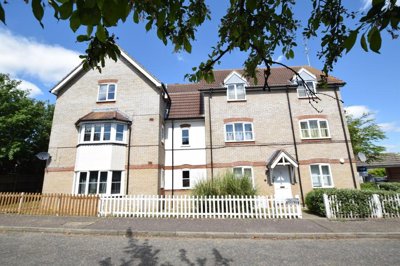
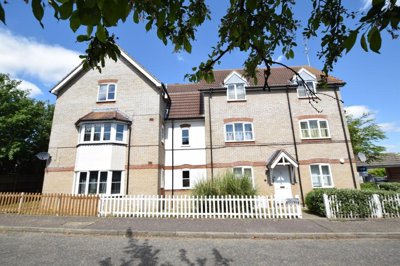
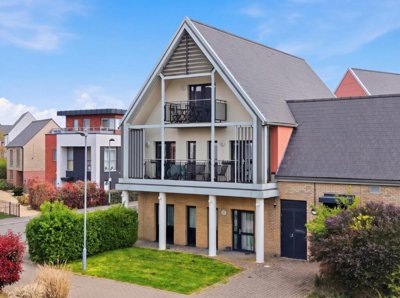
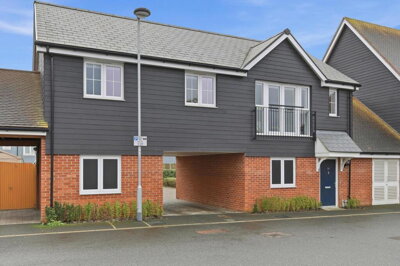
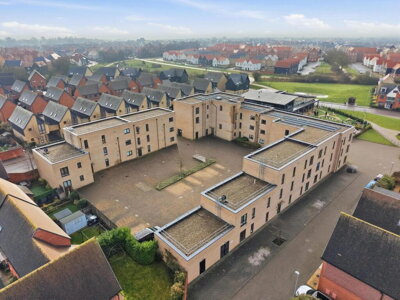
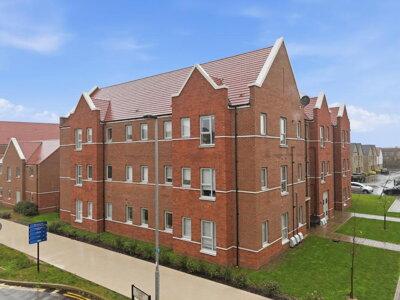
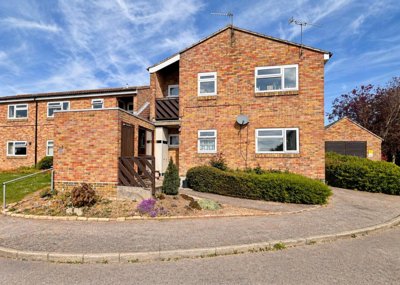
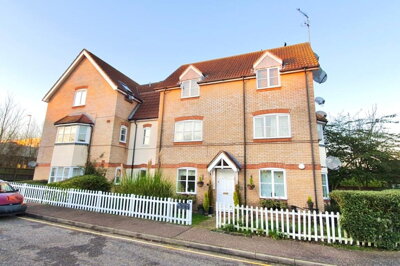
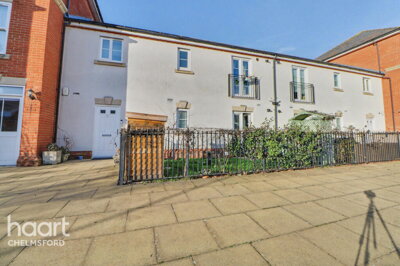
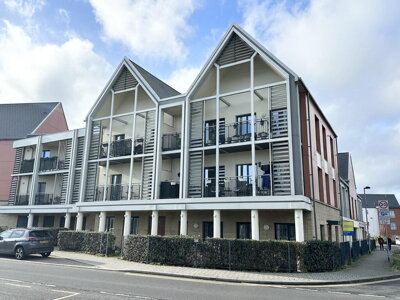
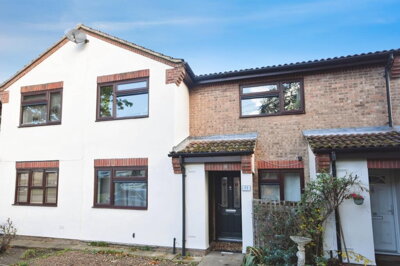
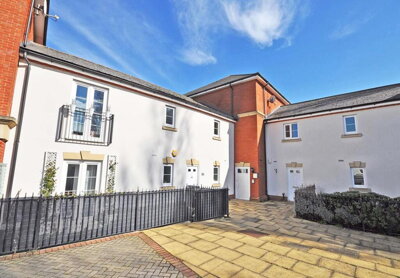
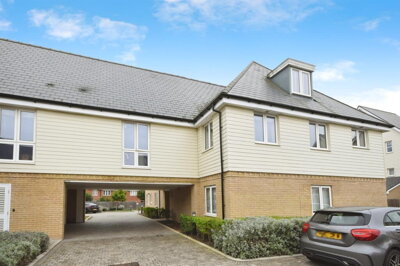
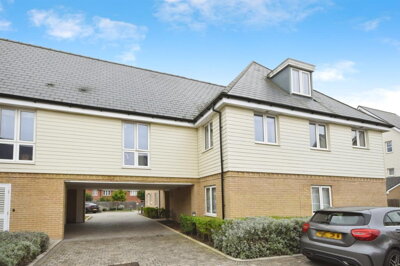
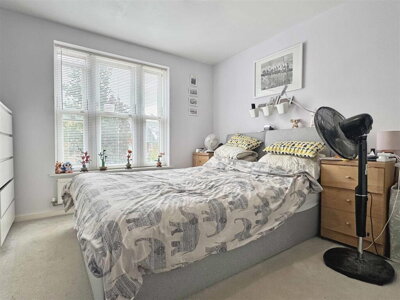
Browse 18 homes for sale in Little Waltham from local estate agents.
The 2 bed flat sector typically includes two separate bedrooms, dedicated living areas, and bathroom facilities. Properties in Little Waltham span purpose-built blocks, converted period houses, and modern apartment complexes on various floors.
Little Waltham's property market has shifted quite a bit over the last year, with house prices down by around 10% from earlier levels. Our figures put the current average at £571,086, below the 2023 peak of £608,111. Short-term movements aside, the village still has plenty of pull for buyers who want village life but need to stay within commuting range of London. Detached homes sit at the top of the market, averaging £631,194, which reflects the value placed on space and privacy here. Semi-detached properties average around £515,000, and terraced homes begin at about £360,000, so there is still a more accessible route into the area.
Much of Little Waltham is made up of period housing, and a good deal of it sits within the designated Conservation Area along The Street and the lanes off it. A notable number of Grade II listed buildings are part of the picture, including Little Waltham Lodge on Main Road, an early-mid 19th-century gault brick house that shows the standard of architecture found across the conservation zone. Buyers who value historic character and traditional building methods tend to be drawn here. That said, Essex brickwork, timber framing and original features often call for specialist care, so owners need to be ready for the demands, as well as the rewards, of preserving older homes.
New build supply is thin on the ground nearby, although planning consent does exist for some individual schemes, including a four-bedroom dwelling on a former storage site in the village. The Novus self-build opportunity in Little Waltham is one of the few chances to secure a new property within the parish boundary. More widely, the Chelmsford Garden Community, close by but outside the Little Waltham parish boundary, will eventually add substantial housing to the area, with plans for 2,750 homes across several sites, including Pratts Farm Lane in Little Waltham itself. Ptarmigan Land, Halley Developments, Countryside and L&Q are among the developers involved, and the wider community is expected to grow to around 6,250 homes.

Village life here still revolves around the centre, where the parish church and historic manor house sit at the core of a Conservation Area that protects the medieval layout of the settlement. With around 1,232 residents, Little Waltham feels small and close-knit, yet it still offers the basic local amenities people need day to day. Along The Street, timber-framed cottages, Georgian and Victorian houses and the familiar Essex brickwork give the village its unmistakably rural English look. Open countryside is close at hand, and public footpaths and bridleways lead straight out to the farmland and woodland that shape the landscape. The Conservation Area boundary reaches beyond The Street too, taking in important meadow land to the northeast and south, as well as areas along Blasford Hill, so the historic setting stays protected.
Buyers also need to think about a few environmental issues. Surface water flooding affects Main Road, The Street and Wheelers Hill, and the flow paths run down Roman Road, which means some homes there can be caught up as well. The River Chelmer and its tributaries bring fluvial flood risk too, with flooding recorded on The Street in January 2001 and January 1947. Homes in low-lying spots near watercourses deserve close attention before anyone commits. In the northern part of the study area, including Great and Little Waltham, flood plains are mostly limited to the river channel because of the topography, but smaller roads and streets can still suffer when heavy rain arrives.
Even with those natural constraints, Little Waltham remains a well-liked place to live. The surrounding Essex countryside looks its best here, and the road links into Chelmsford and beyond help explain why families still come looking for a quieter base with practical connections. The A12 gives access towards Colchester and the M25, while the A130 runs straight into Chelmsford city centre. For anyone heading into London, Chelmsford station gets commuters to Liverpool Street in about 35-40 minutes, which makes regular travel to the capital realistic. That mix of village character, heritage and connectivity is hard to beat.
Families moving to Little Waltham will find a reasonable spread of schooling within reach, which suits the village's mix of young couples and established households. Primary places are available at schools across the wider Chelmsford area, and several nearby schools have good or outstanding ratings. Families from surrounding villages and the southern side of Chelmsford often look in the same direction, although the school allocated will depend on the home address and the admission rules in force at the time. Because Little Waltham keeps a rural profile, we always advise checking primary catchments with Essex County Council before buying, as they can affect both placement and priority.
For older children, Chelmsford offers a broad secondary choice, from well-regarded comprehensive schools to selective grammar schools for pupils who pass the entrance exam. The grammar system includes King Edward VI Grammar School and Chelmsford County High School for Girls for academically able students who meet the entry requirements. That school provision in the wider area is a big part of Little Waltham's appeal to family buyers, because it gives them village life without cutting them off from strong education options. Before buying, we would still suggest checking current catchment information and admission arrangements with Essex County Council, since those details can change and may shape the decision.
On the further education side, Chelmsford's rail link to London makes a lot possible, with world-class universities reachable in around one hour. Sixth form colleges in Chelmsford also give students good options once secondary school ends, while the city's expanding jobs market offers apprenticeships and early career routes for school leavers. Transport to schools can vary from one address to another, so families should think about that alongside academic choices. Living in Little Waltham usually adds 20-30 minutes to school runs into Chelmsford compared with city-centre residents, although many households accept that trade-off for the village setting.

Getting around from Little Waltham is straightforward enough for most working people. The village sits within easy reach of the A130 and A12, so Chelmsford city centre, Colchester and the wider motorway network are all accessible, along with links towards London and East Anglia. If you are commuting into Chelmsford itself, the drive usually takes 15-20 minutes, which makes day-to-day travel manageable without the cost of parking in the centre. The A12 also leads to the M25 at Junction 28, opening up a wider reach for longer journeys. Traffic can still build up through the village, especially at peak times, and The Street and Main Road can slow down when the road network is under pressure.
From Chelmsford station, services to London Liverpool Street run regularly and the 35-40 minute journey keeps the capital within reach for daily commuters. The station has seen major improvements in recent years, with better facilities and more frequent trains making the trip easier. Off-peak services are generally dependable, though the morning and evening rush can leave peak trains busy. Stansted Airport is about 45 minutes away by car, which suits business and leisure travel, and Southend Airport gives another option within approximately one hour's drive.
Bus links do exist, connecting Little Waltham with Chelmsford and neighbouring villages, but they are not especially frequent. They suit the odd trip rather than a daily commute, since the timetable and operating hours do not always match standard working patterns. For most households with cars, private transport is the more practical choice, particularly where school runs or several stops are involved. Commuters can park at Chelmsford station, although spaces tend to go quickly at busy times. Being away from the main congestion points also helps, so journey times into Chelmsford are usually fairly consistent unless something exceptional happens.

Before buying, it pays to spend proper time in Little Waltham. Come back at different times of day and on different days, use the local amenities, and talk to residents so you get a feel for daily life in this Essex village. We would pay close attention to flood risk along Main Road, The Street and Wheelers Hill, and we would also check the school catchment you want with Essex County Council before any commitments are made.
A mortgage agreement in principle is a sensible first step before viewings begin. It shows estate agents and sellers that you have the borrowing power to proceed, which can strengthen your hand when you make an offer. Current mortgage rates for residential purchases usually sit somewhere between 4.5% and 6.5%, depending on deposit size and lending criteria, so it makes sense to compare lenders before you go too far.
Try to view more than one property in Little Waltham so you can see the range properly. Construction age, listed building status and conservation issues can all affect what you are able to do with a house later on. Ask about any past flood history if the property is in a known risk area, and think about whether conservation area consent could shape the alterations you have in mind.
Once an offer is accepted, we recommend arranging a RICS Level 2 Survey before you complete. It gives a professional view of structural problems, defects and maintenance concerns, which is vital information when you are deciding whether to go ahead. For period homes in Little Waltham, that kind of survey matters even more because traditional construction is so common and hidden defects can sit beneath the surface.
You will also need a conveyancing solicitor to handle the legal side of the transaction. They deal with searches, review the contracts and manage the transfer of ownership. Our conveyancing service puts you in touch with experienced property solicitors who know Essex transactions and the extra points that come with conservation areas and listed buildings.
After that, the final steps are about tying the mortgage down, sorting the legal work and agreeing the move date. Your solicitor will handle exchange and completion, and that is when the keys to your new Little Waltham home are handed over. It is wise to allow extra time for any flood risk or environmental searches that may be raised for properties in parts of the village.
There are a few local matters buyers should have in mind in Little Waltham, and they can make a real difference to how a home is lived in. The large Conservation Area around the historic village centre means some alterations and extensions may need conservation area consent. Anything that changes the external appearance of a property in that area, including window replacements, roof changes and extensions, can need approval from Chelmsford City Council. Listed building status, which applies to many homes along The Street and nearby roads, brings further control over external changes and renovations, all of which need planning authority approval. Before you buy any period property here, ask your solicitor to confirm whether it is listed and what that means for maintenance and future changes.
Flood risk is another practical point for some Little Waltham homes, especially those near the River Chelmer and along Main Road, The Street and Wheelers Hill. Properties in flood risk areas may face higher insurance premiums and could need specific resilience measures. A proper survey can pick up flood damage or water ingress that a standard viewing would miss. Surface water flooding along the flow paths down Roman Road has affected homes there before, so buyers should look into the history of any property they are considering. The Environment Agency's flood risk information should form part of the conveyancing checks.
The way a house is built in Little Waltham matters, so it is worth looking closely at construction type from the start. Many homes use traditional Essex brick with gault brick facades, and timber-framed buildings are common in the older stock. Those methods can bring their own issues, including damp penetration, timber decay and movement in the structure, all of which need someone with specialist knowledge to judge properly. It is also important to understand the difference between freehold and leasehold ownership, because some homes carry service charges and ground rent that feed into ongoing costs. For the limited number of modern developments locally, warranty cover and snagging checks need to be dealt with before purchase completion.

home.co.uk listings data puts the current average house price in Little Waltham at approximately £571,086, while homedata.co.uk reports a slightly higher figure of £584,667 for the same period. Detached homes average around £631,194 on home.co.uk, or £666,111 for The Street postcode area on homedata.co.uk, while semi-detached properties come in at about £515,000 and terraced homes start from £360,000. The market has fallen by 10% over the past year from the 2023 peak of £608,111, which could open a window for buyers who are ready to move. That adjustment reflects wider national conditions, but local demand and the village's fundamentals still support long-term value.
Little Waltham sits within Chelmsford City Council, and council tax bands here run from A to H depending on the property. Most period homes and family houses in the village tend to fall in bands D through F, which fits their character and their position within the Conservation Area. The exact band depends on the specific valuation carried out by the Valuation Office Agency, so buyers should check the current banding with Chelmsford City Council before they complete. Council tax charges for 2024-2025 are published annually on the Chelmsford City Council website.
There is no primary school in Little Waltham itself, so children usually attend schools elsewhere in the wider Chelmsford area. Several primary schools in nearby villages and on the southern side of Chelmsford have good and outstanding Ofsted ratings, with popular choices including schools in Boreham, Writtle and the Melbourne area. For secondary education, Chelmsford offers local schools and, for pupils who meet the academic threshold through the 11-plus, selective grammar schools as well. Parents should check current catchment areas with Essex County Council, since they can affect school placement, and transport to school should be part of the property search too.
Public transport is limited in Little Waltham, with bus services to Chelmsford and surrounding places generally running at hourly intervals rather than urban frequencies. Rail travel is picked up at Chelmsford station, about 5 miles away, with regular trains to London Liverpool Street taking around 35-40 minutes and off-peak services running through the day. The A130 and A12 give direct car access to Chelmsford, Colchester and the wider motorway network, and the M25 can be reached via the A12 junction. Most residents depend on private cars, though the rail service does make the odd London commute quite workable.
For investors, Little Waltham has a few clear attractions, not least the village setting, the Conservation Area protections that help support values, and the proximity to Chelmsford with its stronger economy and good London links. The planned Chelmsford Garden Community across the wider area, which will eventually add around 2,750 new homes including sites at Pratts Farm Lane in Little Waltham itself, may also bring extra infrastructure and local amenities over time. Flood risk in some locations and the lack of new supply inside the village are real considerations, though, because they affect particular properties. Homes in the Conservation Area with listed status may have less scope for development, which can limit future value growth, but scarcity often helps them hold their value well.
Stamp Duty Land Tax for standard purchases is charged at 0% on the first £250,000, 5% on £250,001 to £925,000, 10% on £925,001 to £1.5 million, and 12% above £1.5 million of the purchase price. First-time buyers get relief on properties up to £625,000, paying 0% on the first £425,000 and 5% on the rest, as long as they have not previously claimed first-time buyer relief. On a typical £571,086 home in Little Waltham, standard buyers would pay around £16,054 in stamp duty, while first-time buyers would pay roughly £7,343. These figures assume the property will be used as your main residence.
Flood risk in Little Waltham includes surface water flooding along Main Road, The Street and Wheelers Hill, with flow paths running down Roman Road and affecting homes there. Fluvial flooding from the River Chelmer and its tributaries adds another layer of risk, and historic flood events were recorded on The Street in January 2001 and January 1947. Homes in designated flood risk zones may need specialist insurance and should be surveyed carefully for water damage, damp or signs of earlier flooding before completion. If you are buying in an affected area, it is worth looking at the Property Flood Resilience scheme and any measures already fitted to the property.
From 4.5% APR
We compare mortgage rates from leading lenders for a Little Waltham purchase
From £499
Expert property solicitors familiar with Essex transactions
From £350
Professional property survey for homes in Little Waltham
From £85
Energy Performance Certificate for your property
Getting a clear picture of the full buying costs in Little Waltham helps you plan your new home properly. Beyond the purchase price, buyers need to allow for Stamp Duty Land Tax, solicitor fees, survey costs and several other items that can add several thousand pounds to the total. On a property priced at the local average of £571,086, standard buyers would pay Stamp Duty of around £16,054, while first-time buyers benefit from a reduced figure of about £7,343 thanks to the first-time buyer relief threshold of £425,000. Those figures assume the property will be your main residence and that you have not already claimed first-time buyer relief on another property.
There are other costs too. Conveyancing fees usually range from £499 to £1,500, with leasehold properties and those affected by planning conditions often needing more work than simple freehold transactions. A RICS Level 2 Survey, from £350 onwards, checks the condition of the property and picks up defects that may not show during viewings, which is especially useful for period homes in the Conservation Area where hidden problems are more common. An Energy Performance Certificate costs from approximately £85 and has to be commissioned by the seller before marketing can begin.
Mortgage arrangement fees, valuation fees and broker charges can also come into play, depending on the lender and the product chosen, with arrangement fees usually ranging from £0 to £2,000. Search fees, land registry fees and telegraphic transfer charges add smaller amounts to the bill. For Little Waltham homes, extra environmental searches linked to flood risk and the local geology may be sensible given the village's position near watercourses and the nature of its housing stock. We suggest setting aside around 3-5% of the purchase price for these extra costs, so the finances are worked out properly and you can move ahead with confidence when completion arrives.

Properties for Sale In London

Properties for Sale In Plymouth

Properties for Sale In Liverpool

Properties for Sale In Glasgow

Properties for Sale In Sheffield

Properties for Sale In Edinburgh

Properties for Sale In Coventry

Properties for Sale In Bradford

Properties for Sale In Manchester

Properties for Sale In Birmingham

Properties for Sale In Bristol

Properties for Sale In Oxford

Properties for Sale In Leicester

Properties for Sale In Newcastle

Properties for Sale In Leeds

Properties for Sale In Southampton

Properties for Sale In Cardiff

Properties for Sale In Nottingham

Properties for Sale In Norwich

Properties for Sale In Brighton

Properties for Sale In Derby

Properties for Sale In Portsmouth

Properties for Sale In Northampton

Properties for Sale In Milton Keynes

Properties for Sale In Bournemouth

Properties for Sale In Bolton

Properties for Sale In Swansea

Properties for Sale In Swindon

Properties for Sale In Peterborough

Properties for Sale In Wolverhampton

Enter your details to see if this property is within your budget.
Loans, cards, car finance
Estimated property budget
Borrowing + deposit
You could borrow between
Typical borrowing
Monthly repayment
Est. at 4.5%
Loan-to-value
This is an estimate only. Your actual budget may vary depending on interest rates, credit history, and personal circumstances. For an accurate affordability assessment, speak to one of our free mortgage advisors.
This calculator provides estimates for illustrative purposes only and does not constitute financial advice. Your home may be repossessed if you do not keep up repayments on your mortgage. Estimates based on 4.5% interest rate, repayment mortgage. Actual rates depend on your circumstances.
Homemove is a trading name of HM Haus Group Ltd (Company No. 13873779, registered in England & Wales). Homemove Mortgages Ltd (Company No. 15947693) is an Appointed Representative of TMG Direct Limited, trading as TMG Mortgage Network, which is authorised and regulated by the Financial Conduct Authority (FRN 786245). Homemove Mortgages Ltd is entered on the FCA Register as an Appointed Representative (FRN 1022429). You can check registrations at NewRegister or by calling 0800 111 6768.

We use cookies to show you personalised content and improve your experience of our website. Find out more in our Privacy policy and Cookie policy.