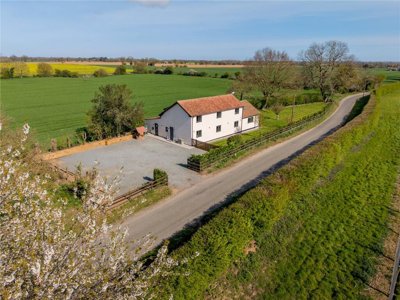
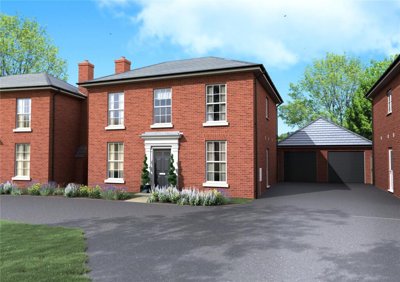
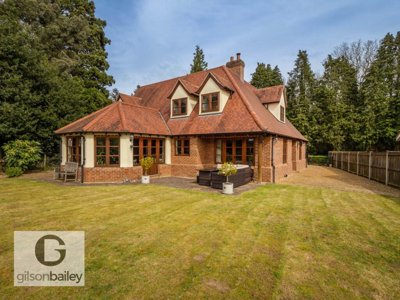
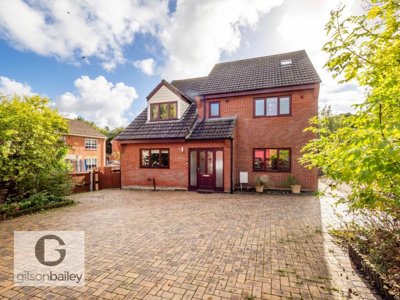
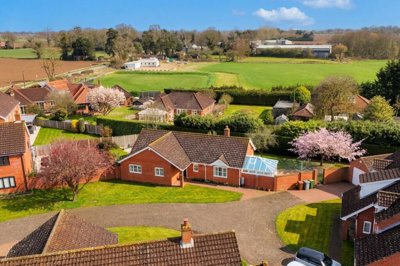
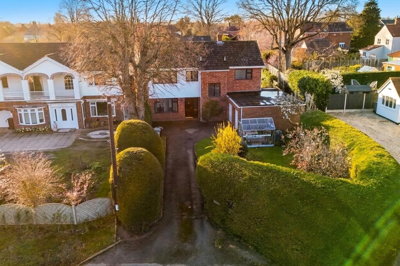
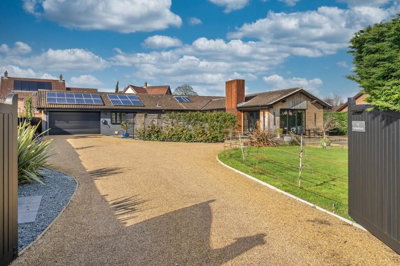
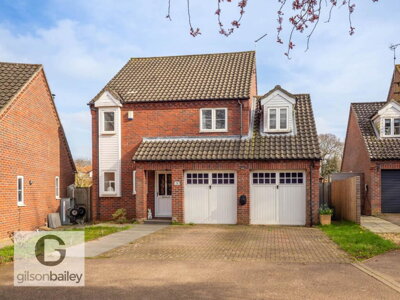
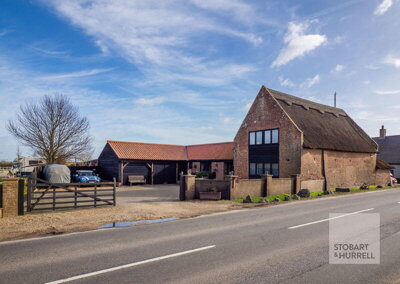
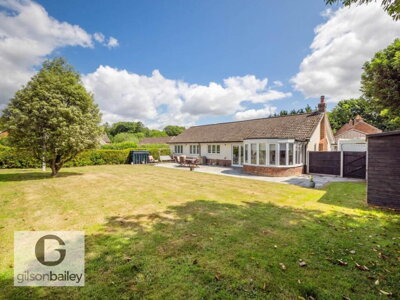
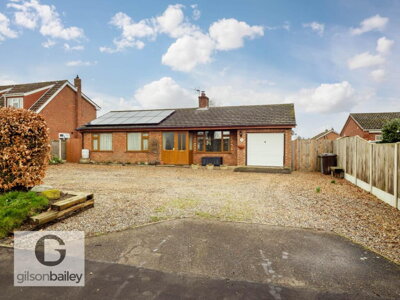
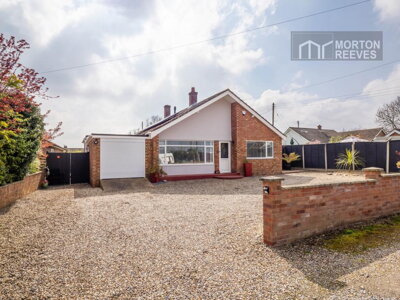
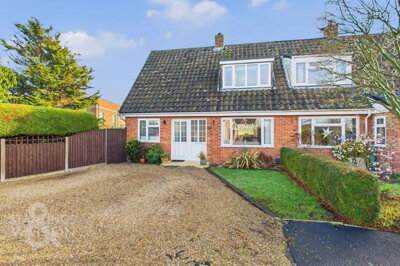
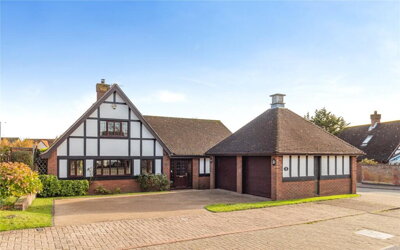
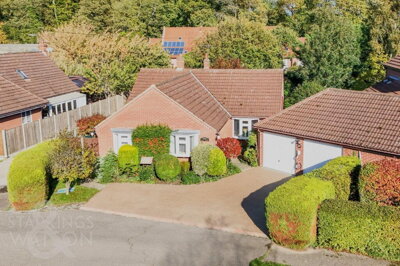
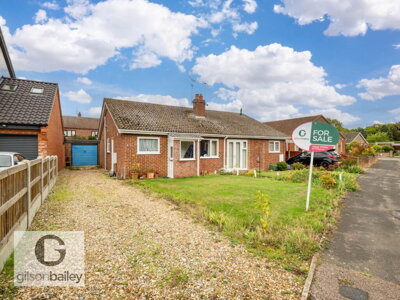
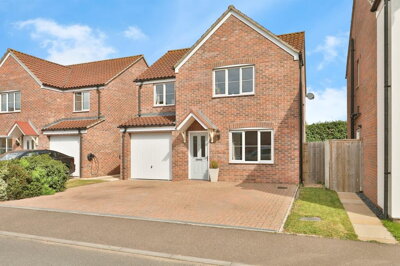
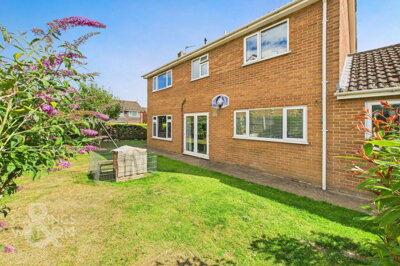
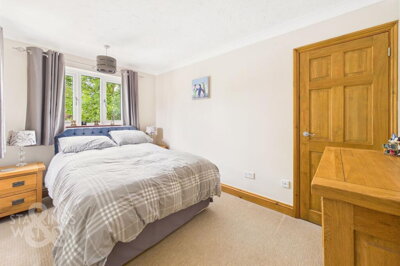
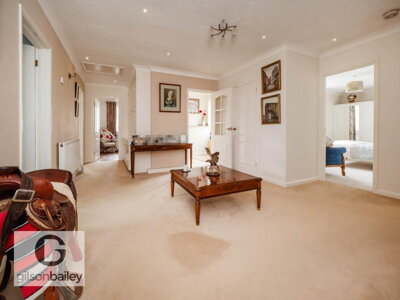
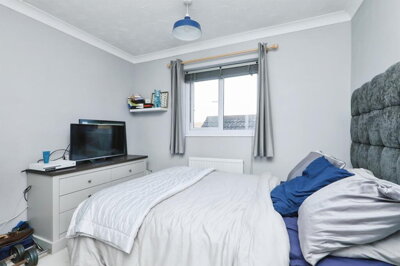
Browse 21 homes for sale in Lingwood and Burlingham from local estate agents.
The larger property sector typically features multiple bathrooms, substantial reception space, and private gardens or off-street parking. Four bedroom houses in Lingwood And Burlingham span detached, semi-detached, and occasionally terraced configurations, with styles ranging from period properties to modern executive homes.
Lingwood and Burlingham's property market has a pleasing spread of homes for different budgets and tastes. Detached properties dominate the local housing stock at approximately 45%, with semi-detached homes making up around 30%, which suits the village's family feel and generous plot sizes. Our current listings include terraced homes from £200,000 and bungalows from £215,000, giving both first-time buyers and investors a way in. The market has been steady too, with overall price growth of 1.6% over the past year, ahead of many urban parts of the region.
Modern buyers have two active new build schemes to look at, and both add a contemporary option to the village. Lingwood Gardens by Abel Homes on Norwich Road (NR13 4TA) offers 2, 3, and 4 bedroom homes priced from £253,333 to £389,375, while The Pastures by Orbit Homes on Station Road (NR13 4AZ) provides similar house types from £253,333 to £389,375. Each development comes with current-spec homes, underfloor heating, modern kitchens, and outdoor living spaces that suit downsizers as well as growing families. New build sales have contributed to 33 total property transactions in the area over the past twelve months, so the market has kept moving despite wider economic conditions.
Buyers comparing price movement will see clear gaps between property types. Detached homes have done best, with 2.3% annual growth to an average of £463,889, while semi-detached properties rose by 0.8% to £330,000. Terraced homes recorded 1.1% growth to £200,000, though bungalows slipped by 0.5% to £215,000. Those differences reflect the way people buy here, with families still chasing larger homes that have gardens and room for a home office. Anyone looking at flats should think carefully about rental demand and service charge commitments before they commit.
Set in the Yare Valley, Lingwood and Burlingham gives residents a quiet village way of life, framed by Norfolk's unmistakable countryside. The character mix is strong, with historic farmhouses and cottages built from local red brick and flint sitting alongside newer housing that has grown the community over the decades. Properties built before 1919 make up approximately 20-25% of the housing stock, which gives the area an established feel, mature gardens, and tree-lined streets. The post-war years changed things as well, with 30-35% of homes built between 1945 and 1980, creating the semi-detached estates that many families live in now.
The River Yare runs close to the village, shaping the landscape and offering boating and riverside walks that link Lingwood into the wider Broads network. Day-to-day amenities are modest but useful, with a convenience store, a traditional pub serving food, and St Peter's Church, which dates from earlier centuries and speaks to the village's long history. Village events, clubs, and local organisations give the place a proper community feel across the year. Norwich city centre lies approximately nine miles distant, so residents still have easy access to retail, dining, and culture without losing the village setting.

Education is fairly straightforward here. The local primary school covers Reception through Year 6, so many households can manage the school run on foot, and that helps underpin the village's family-friendly reputation. Secondary education is available in nearby towns, with school transport connections supporting families who prefer established schools in the wider area. Parents should still check catchment areas and admission policies, because those details can affect which school a property is tied to.
For those wanting more choice, the broader Broadland area opens the door to grammar schools in selective areas and independent schools across Norfolk. Sixth form provision is available at secondary schools with sixth forms and at further education colleges in nearby towns, so older students have clear routes to follow. Good schools matter a great deal here, and many buyers put educational access near the top of their list. Our platform lets families filter properties by school catchment areas, which makes it easier to match a home to the schools they want.
Catchment lines deserve care, because they do not always follow postcode or village boundaries. A property on the eastern side of the village may fall into a different catchment from one on the western side, depending on the current admission policy. New developments such as Lingwood Gardens and The Pastures may also have school placement arrangements that differ from older homes in the village. We recommend contacting the Norfolk County Council admissions team directly to confirm the schools for any property you are considering purchasing.
Getting into Norwich is fairly simple from here. The village sits on key bus routes that connect to Norwich city centre and surrounding villages, which gives non-drivers a workable public transport option. A train station in the area provides rail links to Norwich, with journey times that make everyday commuting realistic for people working in the city. The A47 trunk road passes nearby too, giving road access to Norwich and links into the wider Norfolk network, including Great Yarmouth and King's Lynn.
Cyclists get a decent deal too, thanks to quieter country lanes that make shorter journeys pleasant rather than a chore. Being close to the Norfolk Broads also opens up good recreational routes for weekends. Parking is mixed across the village, with newer developments usually offering off-street spaces while older homes may rely on the road. Norwich railway station adds another layer of connectivity, with services to London Liverpool Street via Cambridge, so the capital is still within reach for business or leisure. That blend of village character and city access is a big part of Lingwood and Burlingham's appeal to commuters.
Working from home is more practical now than it once was, helped by improving digital connectivity and superfast broadband in many parts of the village. Homes on newer developments such as The Pastures on Station Road usually benefit from the latest broadband infrastructure, while older properties may need upgrades to match those speeds. We still recommend checking the actual broadband speed at any address you are considering, because that matters more than ever for home workers and anyone running a business from home.

A mortgage broker is worth speaking to before viewings begin. With average prices around £368,333, most buyers will need a mortgage, and getting an agreement in principle sorted early puts you in a stronger position when you make an offer on a desirable village home. We work with recommended mortgage advisors who know the Lingwood and Burlingham market and can help you find the best rates for your circumstances.
Search home.co.uk for the latest listings in Lingwood and Burlingham so you can get a feel for available homes, price ranges, and where the value sits. It is worth weighing up proximity to schools and transport links, alongside whether a period property or a new build home suits you better. Setting up property alerts means you hear about new homes as soon as they hit the market.
Once a shortlist is in place, book viewings with local estate agents. Visit homes in different conditions and price brackets, because that helps sharpen your requirements before you make an offer. Seeing a property in wet weather, then again later in the day, can tell you a lot about how it really works.
Found the right place? Put in an offer through the selling agent and set out your financial position clearly. In a village market with limited stock, be ready to negotiate on price and terms if you want to secure the purchase. Having your mortgage agreement in principle ready shows serious intent to the seller.
A RICS Level 2 Survey should come next. Given that over 60% of homes in Lingwood and Burlingham are over 50 years old, surveys are useful for spotting damp, roof condition issues, or possible subsidence concerns. We can book RICS Level 2 Surveys specific to Lingwood and Burlingham properties directly through our platform.
The legal side is best handed to a conveyancing solicitor. They will handle the searches with Broadland District Council, manage the transfer of ownership, and see the matter through to completion and keys collection. Local knowledge helps here, because solicitors familiar with Lingwood and Burlingham transactions tend to spot the common issues earlier.
There are a few local factors worth weighing up before a purchase. The geology includes clay-rich soils, which carry a moderate to high shrink-swell risk, so homes with large trees nearby or properties on more vulnerable ground may show movement over time. The area also sits on glacial till deposits over chalk bedrock, and that can affect foundation performance in certain conditions. A thorough survey is essential for spotting foundation concerns, and our platform recommends RICS Level 2 Surveys costing approximately £450-£650 for typical semi-detached homes and £600-£850 for larger detached properties.
Flooding deserves a closer look here, because the River Yare brings some river flooding risk to low-lying areas, while surface water flooding can affect certain properties during heavy rainfall. The Environment Agency flood maps provide detailed information that buyers should review before they commit to a purchase. Homes near the river or in valley locations are worth checking for drainage and flood resilience measures fitted by previous owners. Listed buildings around the village, including historic farmhouses and St Peter's Church, may need specialist surveys and can come with obligations over maintenance and alterations.
Materials vary across the village, but red brick and tiled roofs are the usual sight. Older homes may also use flint or rendered finishes, and those need a slightly different approach to maintenance. Properties built before the 1980s often have electrical systems and plumbing that require updating to current standards, which adds to renovation costs buyers should budget for. Traditional construction methods used in pre-1919 properties, including solid wall construction and timber framing, are very different from modern cavity wall techniques and may call for specialist knowledge during renovation. The two active new build developments offer homes with modern construction standards and energy-efficient specifications, although they command premium prices that reflect those credentials.
Age shows up in the housing stock here. Given that over 60% of properties in the village were built before 1976, age-related issues affect a sizeable slice of the market. Our inspectors often find damp in older properties, especially rising damp where original damp-proof courses have failed, or penetrating damp where traditional render has deteriorated over time.
Roofs need close attention across all ages in the village. Older homes may suffer from slipped tiles, degraded felt underlay, or failing leadwork around chimneys and valleys, while even relatively modern properties can develop concrete tile delamination or mortar deterioration. The clay soils beneath parts of Lingwood and Burlingham can also lead to minor subsidence or heave, especially where foundations are weak or large trees are drawing moisture from the ground. Any property showing visible cracking or settlement should be investigated thoroughly before purchase.
Older services can be a hidden cost. In pre-1980s properties, electrical and plumbing systems frequently need updating to meet current standards and cope with modern household use. Original fuse boxes, dated wiring, and galvanised steel or lead plumbing come up often in village surveys. Timber defects, including woodworm activity and wet or dry rot, can affect structural elements and joinery, especially where ventilation is poor or maintenance has slipped. Budget-conscious buyers should factor those costs into their overall purchase calculations when assessing value.
The average property price in Lingwood and Burlingham stands at £368,333 based on transactions over the past twelve months. homedata.co.uk records detached homes at £463,889, semi-detached properties at £330,000, terraced homes at £200,000, and bungalows at £215,000. The market has moved steadily, with overall prices increasing by 1.6% over the past year, which points to sustained demand for village homes in this part of Broadland. Detached properties have shown the strongest annual growth at 2.3%, reflecting the continuing pull of larger homes with gardens.
Council tax here runs through Broadland District Council's bands, from Band A for homes valued up to £40,000 through to Band H for properties worth over £320,000. Most family homes in the village tend to fall within Bands B to D, and the band you are placed in determines your annual liability. You can check the exact band for any property through the Valuation Office Agency website using the address. New build homes on Lingwood Gardens and The Pastures may start with provisional bandings that differ from the final assessed bands once people move in.
For younger children, the local primary school covers Reception through Year 6 within the village. Secondary options in the surrounding Broadland area include schools with sixth forms, which gives older students a route to progress without leaving the area too early. Parents should check current Ofsted ratings and catchment boundaries, because both can change and affect school placement at any address. Norwich also opens access to grammar schools in selective areas and several independent schools across Norfolk.
Public transport is decent for a village of this size. Bus routes link Lingwood and Burlingham with Norwich and surrounding villages, which is handy for commuters and residents without cars. A local train station gives rail connections to Norwich, so city commuting remains practical. The A47 trunk road offers road access to Norwich, approximately nine miles away, and connects to the wider Norfolk network, including routes to Great Yarmouth and King's Lynn. Norwich railway station also provides services to London Liverpool Street via Cambridge, with journey times of around two hours to the capital.
Investment buyers will find a few things working in the village's favour. Lingwood and Burlingham's proximity to Norwich, rural setting, and good transport links all support steady demand from commuters and families looking for village living. Price growth of 1.6% over the past twelve months shows the market has held up well, and the limited new build supply helps existing homes keep their appeal. The two active developments also show developer confidence in the area, even if those new homes command premium pricing that feeds through to existing values. Rental demand exists from professionals working in Norwich but preferring village accommodation, although investors should still weigh rental yields against purchase costs.
Stamp Duty Land Tax is fairly simple to map out. Standard buyers start at 0% on the first £250,000 of property value, then pay 5% on the portion between £250,001 and £925,000. On a typical Lingwood and Burlingham home at the average price of £368,333, the bill works out at approximately £5,917. First-time buyers purchasing properties up to £625,000 can claim relief, paying 0% on the first £425,000 and 5% on the remainder up to that threshold. Above £625,000, first-time buyer relief does not apply. Additional properties and buy-to-let purchases carry a 3% surcharge on all bands.
Buying here means looking beyond the asking price. Stamp duty, solicitor fees, survey costs, and moving expenses all need a place in the budget. With the average property price at £368,333, standard buyers should plan for approximately £5,917 in Stamp Duty Land Tax under the current 2024-25 thresholds. First-time buyers purchasing under £625,000 can benefit from relief that cuts their SDLT liability significantly, potentially saving several thousand pounds compared with previous owner-occupiers or investors.
Conveyancing and searches add their own line items. Solicitor fees typically range from £500 to £1,500, depending on complexity and whether the property is freehold or leasehold. Local searches with Broadland District Council, drainage and water searches, and land registry fees add further costs of approximately £300 to £500. A RICS Level 2 Survey is an essential investment at £450-£850, depending on property size, and it can give useful negotiating leverage if issues come up during inspection. Removal costs, mortgage arrangement fees, and any renovation budget complete the picture, so buyers should factor them in before proceeding.
On new build sites such as Lingwood Gardens on Norwich Road or The Pastures on Station Road, the extras are slightly different. Additional costs may include new build snagging inspections and builder incentive negotiations. Developers often offer packages that can reduce costs, though buyers should compare the overall value, including any incentives, against the premium charged for new build properties. We recommend getting quotes from multiple conveyancing solicitors and surveyors so you have competitive pricing for your Lingwood and Burlingham purchase.

Properties for Sale In London

Properties for Sale In Plymouth

Properties for Sale In Liverpool

Properties for Sale In Glasgow

Properties for Sale In Sheffield

Properties for Sale In Edinburgh

Properties for Sale In Coventry

Properties for Sale In Bradford

Properties for Sale In Manchester

Properties for Sale In Birmingham

Properties for Sale In Bristol

Properties for Sale In Oxford

Properties for Sale In Leicester

Properties for Sale In Newcastle

Properties for Sale In Leeds

Properties for Sale In Southampton

Properties for Sale In Cardiff

Properties for Sale In Nottingham

Properties for Sale In Norwich

Properties for Sale In Brighton

Properties for Sale In Derby

Properties for Sale In Portsmouth

Properties for Sale In Northampton

Properties for Sale In Milton Keynes

Properties for Sale In Bournemouth

Properties for Sale In Bolton

Properties for Sale In Swansea

Properties for Sale In Swindon

Properties for Sale In Peterborough

Properties for Sale In Wolverhampton

Enter your details to see if this property is within your budget.
Loans, cards, car finance
Estimated property budget
Borrowing + deposit
You could borrow between
Typical borrowing
Monthly repayment
Est. at 4.5%
Loan-to-value
This is an estimate only. Your actual budget may vary depending on interest rates, credit history, and personal circumstances. For an accurate affordability assessment, speak to one of our free mortgage advisors.
This calculator provides estimates for illustrative purposes only and does not constitute financial advice. Your home may be repossessed if you do not keep up repayments on your mortgage. Estimates based on 4.5% interest rate, repayment mortgage. Actual rates depend on your circumstances.
Homemove is a trading name of HM Haus Group Ltd (Company No. 13873779, registered in England & Wales). Homemove Mortgages Ltd (Company No. 15947693) is an Appointed Representative of TMG Direct Limited, trading as TMG Mortgage Network, which is authorised and regulated by the Financial Conduct Authority (FRN 786245). Homemove Mortgages Ltd is entered on the FCA Register as an Appointed Representative (FRN 1022429). You can check registrations at NewRegister or by calling 0800 111 6768.

We use cookies to show you personalised content and improve your experience of our website. Find out more in our Privacy policy and Cookie policy.