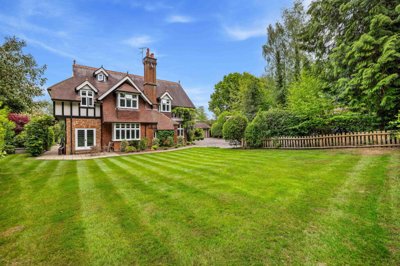
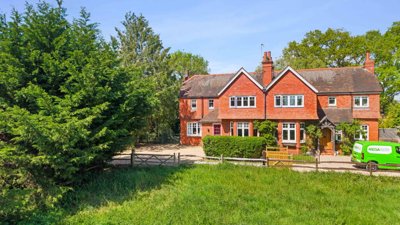
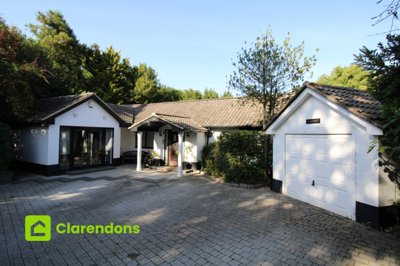
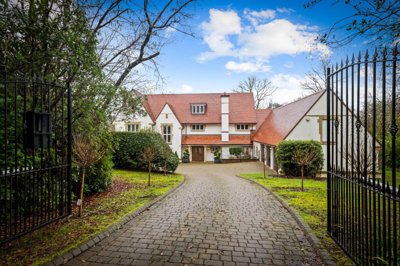
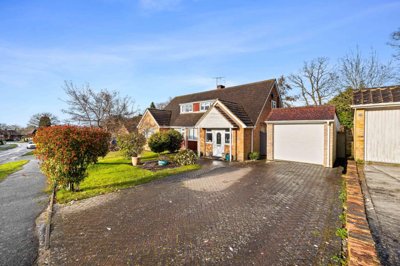
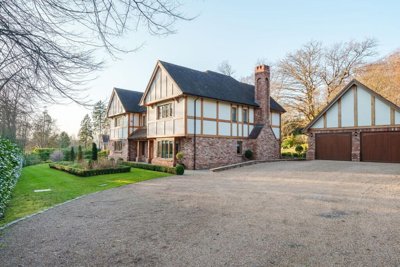
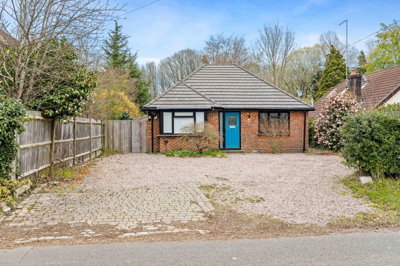
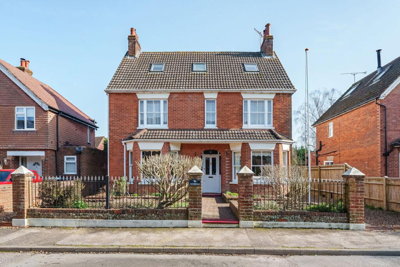
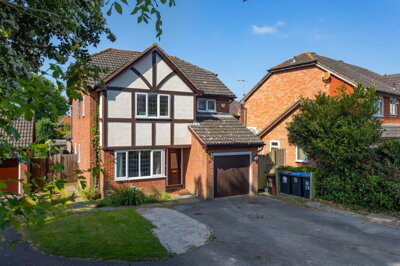
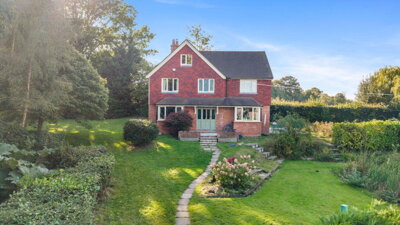
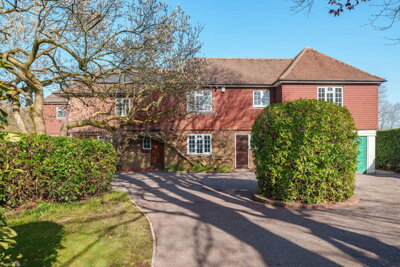
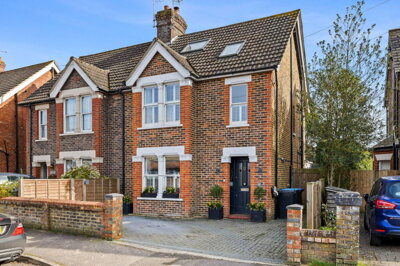
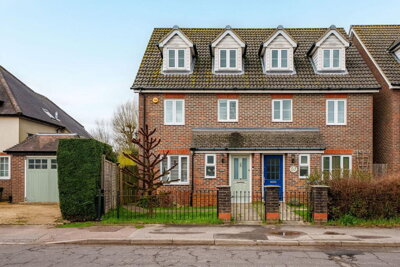
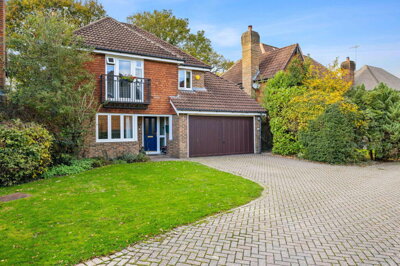
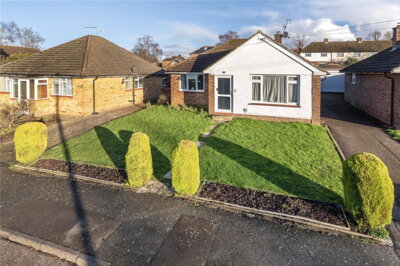
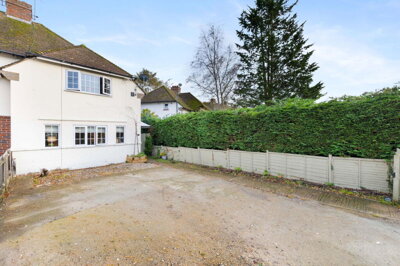
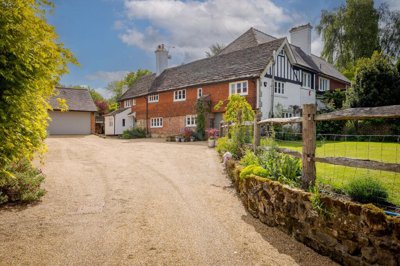
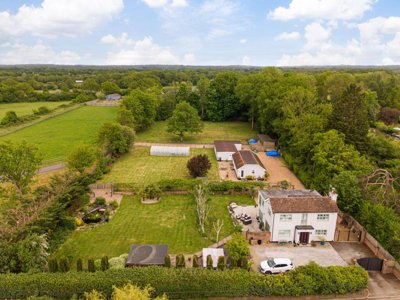
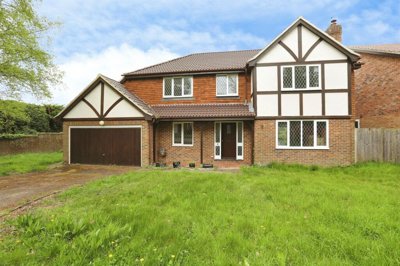
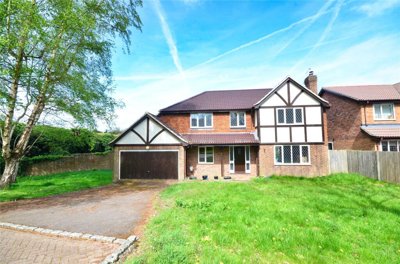
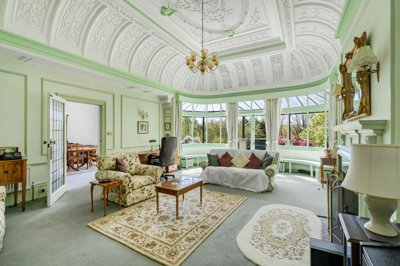
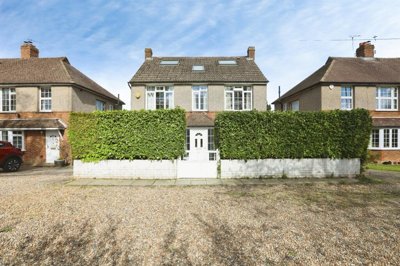
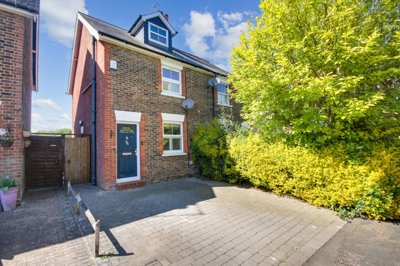
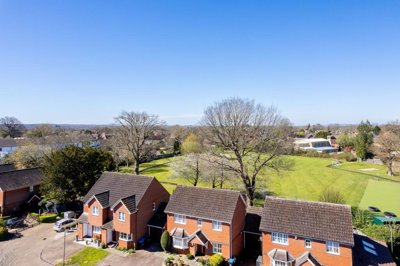
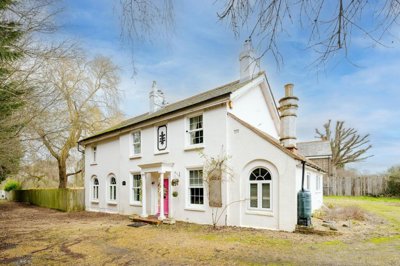
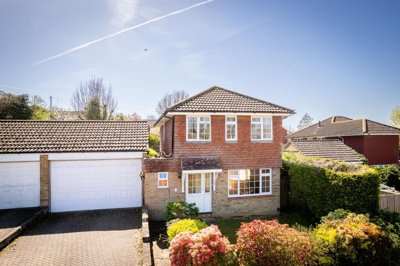
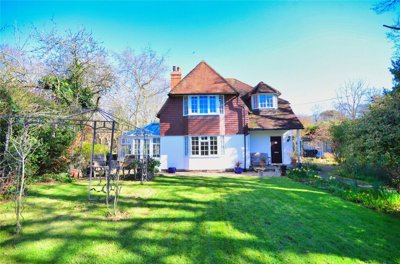
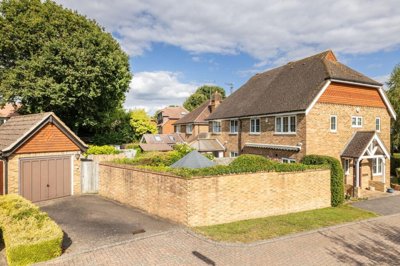
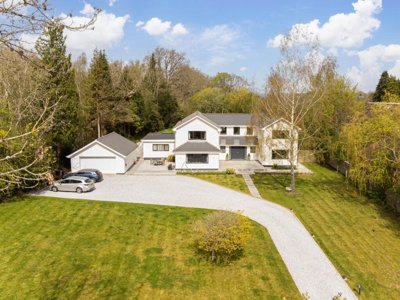
Browse 73 homes for sale in Lingfield, Tandridge from local estate agents.
The Lingfield property market offers detached, semi-detached, and terraced houses spanning various price ranges and neighbourhoods. Each listing includes detailed property information, photographs, and direct contact with the marketing agent.
£750k
15
0
99
Source: home.co.uk
Showing 15 results for Houses for sale in Lingfield, Tandridge. The median asking price is £750,000.
Source: home.co.uk
Detached
9 listings
Avg £1.13M
Semi-Detached
6 listings
Avg £645,000
Source: home.co.uk
Source: home.co.uk
Lingfield’s property market has much the same appeal as the village itself, broad, desirable and varied enough to suit different budgets. Detached homes sit at the top end, with an average of around £1,069,167, and they tend to attract families looking for more internal space and established gardens. Semi-detached houses come in at about £625,818, while terraced homes from £353,800 give buyers a more accessible route into this well-regarded Surrey village. In terms of stock, detached properties make up roughly 35-40% of the market, semi-detached homes 30-35%, terraced properties 15-20%, and flats 5-10% of available homes.
For buyers focused on lower-maintenance living, flats in Lingfield start from around £400,000, often suiting first-time buyers or those who want to stay close to the village centre. Over the past 12 months, 66 property sales have been recorded in Lingfield, which points to a market with steady movement and genuine choice. New homes are adding to that mix too. Lingfield Grange by Cala Homes includes 2, 3, 4, and 5 bedroom houses priced from £525,000 to £1,150,000, while The Oaks and The Paddocks by Thakeham and Lingfield Green by David Wilson Homes bring further new build options at a range of price levels.
A consistent 2% annual rise across all property types points to steady demand in Lingfield, helped by the village’s lifestyle appeal and straightforward links into London. Buyers starting out may gravitate towards terraced homes and flats, while those with more to spend often look to the detached houses found along the quieter residential roads around the village centre.

Life in Lingfield is shaped by countryside, community and a slower rhythm, which is a large part of why families are drawn here. The village sits in Surrey’s Weald Clay landscape, with rolling farmland, woodland and the Lingfield Stream threading through it. With a population of around 4,500 to 5,000, it feels sociable without being crowded, and there is still the sense of space and privacy that buyers often want from a village setting.
The centre of the village covers the essentials well, with independent shops, traditional pubs and day-to-day services that reduce the need to head into larger towns. One of Lingfield’s defining landmarks is Lingfield Park Racecourse, which hosts racing through the year and makes a significant contribution to the local economy through hospitality and tourism. It also supports jobs locally, particularly in hospitality, event management and equine services.
The countryside around Lingfield still has a strong agricultural and equestrian identity, with stables, farms and bridleways all reinforcing that side of village life. Residents also have the North Downs and South Downs National Parks within reach for walking and cycling at weekends. Closer to home, seasonal events such as summer fairs and Christmas markets help keep the community spirit alive across the year.
Lingfield’s housing stock stretches across several periods, from pre-1919 cottages with timber framing and clay tile roofs through to interwar semi-detached homes and post-war estate housing. The Conservation Area covers the historic core around the High Street, Church Road and parts of Plaistow Street, helping to preserve the look and character that set the village apart. Alongside that, there are local parks, community facilities and regular seasonal events that keep the village active.

Construction style matters in Lingfield, and it can tell buyers a lot about both character and upkeep. Brick is the dominant material across the village, usually in traditional red or brown tones, and it appears on everything from Victorian terraces on the High Street to sizeable Edwardian detached houses on the roads leading away from the centre. Some homes also have render or tile hanging to the upper floors, especially older cottages where that finish was used to protect timber-framed walls from the weather.
Many of Lingfield’s oldest buildings still show their timber framing, with oak frames and infill panels visible in cottages dating from the 16th to 18th centuries. These homes usually have steeply pitched roofs finished in clay plain tiles or natural slate, both long-lasting materials but ones that still need regular attention. That mix of timber frame construction and clay tile roofing gives older Lingfield property much of its character, though buyers should allow for possible repair costs to those heritage elements.
One construction detail we often flag to buyers in Lingfield is the difference between solid wall and cavity wall homes. Properties built before the 1930s are usually solid wall, with no cavity between the inner and outer leaves, and that can affect insulation levels and resistance to damp, especially in the Weald Clay setting where ground moisture changes with the seasons. Homes built from the 1930s onwards generally have cavity wall construction, which tends to improve thermal performance and moisture protection. Newer schemes such as Lingfield Grange and Lingfield Green use modern construction methods designed to meet current building regulations.
Families in Lingfield have access to schooling for all age groups, with primary provision in the village and secondary choices in nearby towns. Lingfield Primary School serves younger children locally, and there are several other primary schools within reasonable travelling distance that are rated good and outstanding by Ofsted. Catchment areas matter here, so we always suggest checking them carefully, as they can play a major part in school place decisions within Surrey’s selective education system.
There are also well-regarded primary schools in nearby communities, including Dormansland Primary School in neighbouring Dormansland and St Mary's Church of England Primary School in Lingfield itself. These schools serve a wider rural catchment, and their admission areas often stretch beyond the immediate village boundaries. Anyone buying in Lingfield should confirm which catchment applies to the address in question, because Surrey school placements are usually based on proximity rather than parish lines.
For secondary education, families in the Tandridge district often look at de Stafford School in Caterham and The Warlingham School, both of which serve Lingfield and nearby villages. Grammar schools in towns such as Tonbridge, Tunbridge Wells and Redhill also draw academically selective pupils from across Surrey, with competitive admissions beginning in Year 6. If school choice is a key driver, it makes sense to weigh current performance data and admissions criteria alongside the property search itself.
Sixth form and further education options are available in East Grinstead, Redhill and Reigate, all reachable from Lingfield by rail or local bus. That range of access helps make the village workable for families at very different stages, from those just starting primary school through to teenagers preparing for GCSE or A-level study.

For public transport, Lingfield railway station is the main link for residents, with direct services to London Victoria taking around 45 to 50 minutes. The station lies on the East Croydon to London Victoria line, so Lingfield connects with surrounding towns and the capital without the need to change. That convenience keeps the village firmly on the radar for London commuters, and it has a clear effect on local demand and pricing. Peak services in the morning and evening are regular, although station parking can be tight during the busiest periods.
Drivers are well placed here. Lingfield is close to the M25 at junction 6 near Godstone, which opens up the wider motorway network and gives access towards Gatwick Airport, Brighton and central London. The A22 is also nearby for direct travel towards East Grinstead and the south coast. Parking at Lingfield station can be limited at peak times, so anyone planning a rail commute should check what parking options are actually available. Local bus routes link the village with East Grinstead, Edenbridge and Caterham for those who would rather not rely on the car.
Cycling is more practical for leisure than daily commuting in many parts of Lingfield, largely because the surrounding roads are rural and infrastructure is limited. Even so, the quieter lanes can be enjoyable for confident cyclists in daylight, and the location between the North Downs and South Downs National Parks gives easy access to good walking and cycling routes. Some residents do walk or cycle short distances to the station when parking is full, and the flatter ground around the village centre makes that easier than it might be elsewhere.

We usually suggest spending proper time in Lingfield before narrowing down a purchase. The Conservation Area around the High Street feels quite different from newer development on the edges of the village, and those differences matter once daily life sets in. Commute, school catchment and distance to village amenities all need weighing up, and it is worth walking the residential roads at different times of day to judge traffic, noise and the general feel.
Before starting viewings in earnest, it helps to have a mortgage agreement in principle in place with a lender. Sellers tend to take offers more seriously when financing is already lined up, and it can strengthen a buyer’s position. With Lingfield’s average property price sitting at £700,157, mortgage borrowing is likely to be part of the process for most purchasers, so that decision in principle is a sensible early step.
It is worth viewing a range of properties at different price points so you can see what your budget really buys in Lingfield. Condition matters, especially in older homes where period details and Weald Clay foundations may need closer scrutiny. We always recommend keeping notes and taking photographs during viewings, as comparisons become much easier later on.
Once an offer has been accepted, our advice is to arrange a Level 2 survey, or HomeBuyer Report, so any structural defects or other concerns can be identified early. In Lingfield, the Weald Clay geology makes signs of subsidence or movement especially important to pick up. If the property is listed or has substantial historic character, a RICS Level 3 Building Survey is often the more suitable choice for a fuller assessment.
At the legal stage, buyers should instruct a solicitor with experience of Surrey transactions to deal with searches, contracts and title registration. Knowledge of Tandridge District Council requirements, along with any Conservation Area restrictions, can help keep the process moving and reduce the risk of avoidable delays.
Your solicitor will carry out the final checks and arrange for ownership to be recorded on the official property register. On completion day, the keys to the new Lingfield home are released.
Lingfield property deserves a careful eye because there are several local factors that can materially affect condition and future costs. The Weald Clay geology brings a moderate to high shrink-swell risk, so homes with shallow foundations may move during spells of very dry or very wet weather. That is one reason a detailed structural survey matters, especially for older houses or for properties close to large trees, where moisture extraction can make ground movement worse.
The Conservation Area covering parts of the village centre also has practical implications for buyers. Significant changes to a listed building or to a property within the Conservation Area, including extensions and exterior alterations, may need planning permission or Listed Building Consent. Anyone assessing homes in these parts of Lingfield should allow for tighter renovation limits than they would usually face elsewhere. Where a house has historic timber framing or notable period detailing, a specialist survey may also be advisable beyond a standard RICS Level 2 inspection.
Flood risk is another point to check, particularly for homes near the Lingfield Stream and its tributaries, where river and surface water flooding can follow heavy rainfall. Buyers should look at the Environment Agency flood maps and may want extra surveys for lower-lying plots. Mature gardens and large trees can raise separate concerns around roots affecting foundations and drains, while older solid wall properties may need more thought on insulation and damp resistance. In homes built before the 1980s, we commonly see issues such as damp, roof wear, timber defects and ageing electrical systems.

Recent market data puts the average house price in Lingfield at around £700,157. Detached homes average about £1,069,167, semi-detached properties around £625,818, terraced houses from £353,800 and flats from £400,000. Over the past year, prices have risen by 2%, which suggests steady demand in this part of Surrey. The 66 sales recorded in the last 12 months also point to a market with healthy activity and a reasonable spread of options across different budgets.
Lingfield falls within Tandridge District Council for council tax, and properties are banded from A to H according to value. In practice, many family homes sit in bands C to E, with terraced houses and smaller semis often in band C, and larger detached homes more commonly in band D or E. Buyers should confirm the exact band during conveyancing or check it on the Valuation Office Agency website, as it feeds directly into ongoing ownership costs.
For younger children, Lingfield Primary School serves the village itself, and there are other well-regarded primary options nearby, including Dormansland Primary and St Mary's Church of England Primary School in Lingfield. Secondary choices include de Stafford School in Caterham and The Warlingham School, both rated good by Ofsted and both serving Lingfield and the wider Tandridge area. Academically selective pupils also travel to grammar schools in towns such as Tonbridge, Tunbridge Wells and Redhill via the 11-plus process.
Rail links are one of Lingfield’s practical strengths. Lingfield railway station offers direct trains to London Victoria in around 45 to 50 minutes, which helps explain the village’s popularity with commuters. The station is on the East Croydon line and connects into wider rail routes, including services towards East Grinstead and beyond. Buses to East Grinstead, Edenbridge and Caterham give residents another option for day-to-day travel and shopping.
From an investment angle, Lingfield has a few clear draws, steady price growth of around 2% a year, reliable commuter demand from London buyers, and less new supply than larger towns tend to see. Ongoing development at places like Lingfield Grange and Lingfield Green shows that interest in the area remains strong among both owner-occupiers and investors. Homes near the station and within sought-after school catchments often hold value well, although older property can bring higher maintenance costs, particularly where Weald Clay conditions or Conservation Area controls affect future work.
From April 2025, stamp duty rates are 0% on the first £250,000 of a property’s value, 5% between £250,000 and £925,000, 10% between £925,000 and £1.5 million, and 12% above £1.5 million. On a typical Lingfield purchase at the average price of £700,157, a standard buyer would pay about £22,508 in stamp duty after the £250,000 nil-rate band. First-time buyers get 0% on the first £425,000 and 5% between £425,000 and £625,000, but once the price goes above £625,000, that first-time buyer relief no longer applies.
There are a few recurring risks that buyers in Lingfield should keep in view. Weald Clay creates a moderate to high shrink-swell risk that can affect foundations, especially in older homes with shallow footings or in plots close to large trees. Properties near the Lingfield Stream and other watercourses may also face flood risk, particularly in low-lying positions. Conservation Area controls can restrict external changes to listed and historically important buildings, and older homes may need upgrades to electrics, plumbing or insulation. A RICS Level 2 survey before exchange is often the best way to identify these points and use them in price negotiations or repair planning.
The Lingfield Conservation Area includes the historic village centre around the High Street, Church Road and parts of Plaistow Street, preserving the architectural character of this long-established Surrey village. Homes inside the Conservation Area face additional planning controls, which can affect changes to the exterior such as replacement windows, roof materials and extensions. Listed Building Consent is needed for works that affect the special architectural interest of Grade I, Grade II*, and Grade II listed buildings, and Lingfield has a number of these, including St Peter and St Paul's Church. Buyers looking at these properties should allow for longer planning timescales and tighter renovation limits than they would expect outside designated areas.
From £400
We can help identify property defects before purchase with a RICS Level 2 survey.
From £650
For older or listed homes, we often recommend a more detailed structural survey.
From £80
An energy performance certificate is required for all property sales.
From £499
Our team can connect buyers with expert property solicitors for the legal work.
From 4.5%
Competitive mortgage deals for Lingfield property purchase
Buying in Lingfield involves more than the agreed purchase price, and the full budget needs to cover stamp duty, legal fees, survey costs and moving expenses as well. SDLT rates from April 2025 apply to residential purchases across England, with the tax charged only on the part of the price that falls within each band. For a typical Lingfield property at the average of £700,157, a standard buyer would pay roughly £22,508 after the £250,000 nil-rate band. Broken down, that means 0% on the first £250,000 and then 5% on the remaining £450,157.
First-time buyers pay no stamp duty on the first £425,000, with 5% charged between £425,000 and £625,000. That can make a real difference for those buying flats or terraced houses in Lingfield. Once the purchase price goes above £625,000, first-time buyer relief stops and the standard SDLT rates apply instead. Given the village’s average price levels, many first-time buyers will find the relief most relevant on terraced homes and flats, while detached houses and larger semi-detached properties are more likely to sit above the threshold.
Other buying costs should be built in from the outset. Mortgage arrangement fees usually range from £500 to £2,000 depending on lender and product, a RICS Level 2 survey in Lingfield is typically £400 to £800, and conveyancing fees start from £499 for a standard transaction. Buyers should also allow for local search fees through Tandridge District Council, title registration fees and moving costs. In total, ancillary costs often fall between £3,000 and £8,000, depending on property value, mortgage type and survey needs. Where an older house is involved, repair works highlighted by the survey may need to be added on top.

Properties for Sale In London

Properties for Sale In Plymouth

Properties for Sale In Liverpool

Properties for Sale In Glasgow

Properties for Sale In Sheffield

Properties for Sale In Edinburgh

Properties for Sale In Coventry

Properties for Sale In Bradford

Properties for Sale In Manchester

Properties for Sale In Birmingham

Properties for Sale In Bristol

Properties for Sale In Oxford

Properties for Sale In Leicester

Properties for Sale In Newcastle

Properties for Sale In Leeds

Properties for Sale In Southampton

Properties for Sale In Cardiff

Properties for Sale In Nottingham

Properties for Sale In Norwich

Properties for Sale In Brighton

Properties for Sale In Derby

Properties for Sale In Portsmouth

Properties for Sale In Northampton

Properties for Sale In Milton Keynes

Properties for Sale In Bournemouth

Properties for Sale In Bolton

Properties for Sale In Swansea

Properties for Sale In Swindon

Properties for Sale In Peterborough

Properties for Sale In Wolverhampton

Enter your details to see if this property is within your budget.
Loans, cards, car finance
Estimated property budget
Borrowing + deposit
You could borrow between
Typical borrowing
Monthly repayment
Est. at 4.5%
Loan-to-value
This is an estimate only. Your actual budget may vary depending on interest rates, credit history, and personal circumstances. For an accurate affordability assessment, speak to one of our free mortgage advisors.
This calculator provides estimates for illustrative purposes only and does not constitute financial advice. Your home may be repossessed if you do not keep up repayments on your mortgage. Estimates based on 4.5% interest rate, repayment mortgage. Actual rates depend on your circumstances.
Homemove is a trading name of HM Haus Group Ltd (Company No. 13873779, registered in England & Wales). Homemove Mortgages Ltd (Company No. 15947693) is an Appointed Representative of TMG Direct Limited, trading as TMG Mortgage Network, which is authorised and regulated by the Financial Conduct Authority (FRN 786245). Homemove Mortgages Ltd is entered on the FCA Register as an Appointed Representative (FRN 1022429). You can check registrations at NewRegister or by calling 0800 111 6768.

We use cookies to show you personalised content and improve your experience of our website. Find out more in our Privacy policy and Cookie policy.