Browse 1 home for sale in Leck, Lancaster from local estate agents.
One bed apartments provide a separate bedroom alongside distinct living space, bathroom, and kitchen areas. Properties in Leck are available in various building types including mansion blocks, contemporary developments, and house conversions.
£0k
0
0
0
Source: home.co.uk
Showing 0 results for 1 Bedroom Flats for sale in Leck, Lancaster.
Leck’s property market reflects a small rural village in the Lune Valley that remains highly sought after. Our data shows that homes in Leck and the wider LA6 postcode area have delivered steady long-term growth, with prices in postcode LA6 2HZ rising by 34.5% over the past decade. That points to lasting demand for rural Lancashire villages from buyers who want character homes away from urban centres, but still need access to everyday amenities. LA6 also stretches beyond Leck itself, taking in Whittington, Kirkby Lonsdale, and parts of the Ingleton area, all of which shape the wider market.
What comes up most often in Leck is traditional rural housing, shaped by the area’s agricultural past. Detached homes attract the strongest premiums, with median sale prices reaching £1,500,000 in 2023 from three recorded sales, including a substantial house on Woodman Lane. Semi-detached homes sit at a more approachable level, with recent sales around £361,500 for properties on Low Lane. The village’s history is visible in its housing stock too, with 21 listed buildings across the parish, among them Leck Hall, Grade II listed and built in 1811, plus a number of old farmhouses and outbuildings. Flats and terraced homes are still uncommon here.
New-build activity inside Leck is, for practical purposes, almost absent, because the village keeps its historic feel through careful planning controls. The wider LA6 postcode area does see the odd new scheme in nearby places such as Whittington, where Whittington Farm gives buyers another route into the local market. For anyone set on new construction, it can make sense to widen the search to those neighbouring villages and still keep the Leck lifestyle within reach. Lancaster district planning authority keeps a tight grip on development in rural villages like Leck, which is part of why the character here has stayed intact.

Leck gives us rural Lancashire at its most genuine. In the Lune Valley, the village sits among working farmland and familiar agricultural scenery, with drystone walls and hedgerows defining the landscape. A population of 234 residents creates a close community, where parish meetings, local events and farming customs still matter. The mean age of 44.3 years suggests a fairly even mix of families, couples and individuals, all drawn by the same countryside pace. That balance runs through the village, from young families after a safer setting to retirees who want a quieter place to live.
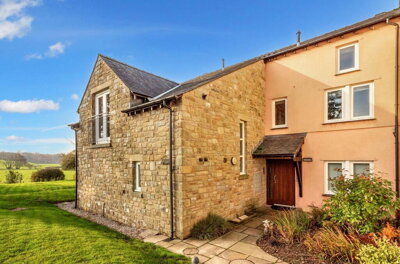
Daily life here sits against a strong architectural backdrop, and sandstone buildings are everywhere in the parish. Leck Hall, Grade II listed, is the Georgian landmark, built in 1811 by John Webb and central to the area’s history. Scattered farmhouses and cottages show off old building methods and local materials, with Lancashire’s characteristic sandstones and limestones much in evidence. Those solid walls are usually finished with practical slate roofs, which have stood up to generations of British weather. The local sandstone gives these properties good thermal mass, although modern insulation may still be needed to meet today’s energy standards.
Step beyond the village and the scenery becomes even more dramatic. The Yorkshire Dales National Park lies to the northeast, while the Lake District National Park is within comfortable driving distance to the north and west. That position opens up plenty of outdoor possibilities, from walking and cycling to straightforward exploring, and it keeps drawing visitors to this corner of Lancashire all year round. Nearby Kirkby Lonsdale, on the Lancashire-Cumbria border, handles much of the day-to-day shopping, dining and service needs for Leck residents. The A65 trunk road links the village to those places, so the area stays connected without losing its quiet feel.

Walk around Leck and the building methods tell their own story. Local sandstone is the main material, quarried from the geological formations beneath the Lune Valley. It has been used here for centuries, as Leck Hall (1811) and the many listed farmhouses and cottages across the parish make plain. The stone usually has the warm buff tone we associate with Lancashire building stone, though the shade shifts with the layer it came from. Traditional lime mortar was used too, which lets the walls breathe and cope with small movements without cracking.
Across Leck’s housing stock, slate roofs are the norm, brought in mainly from the Lake District or Welsh quarries during the Victorian and Edwardian periods. They are usually steeply pitched so they can throw off the heavy rainfall this part of Lancashire sees. Together, sandstone walls and slate roofs create the look that defines the village. The trade-off is maintenance, because individual slates do need replacing over time. Before buying, we would always want a proper roof inspection, since re-roofing with traditional materials can be costly in conservation settings.
The geology around Leck brings relatively low shrink-swell risk compared with many other parts of Britain, because the Lancashire clay deposits are older and more hardened than those found in south-eastern England. Even so, ground conditions can change from one plot to the next, and homes near watercourses or on sloping land need close attention. Leck Beck and other watercourses run through the parish, so some properties may also be affected by groundwater variation. We always recommend a full survey for any purchase in Leck, given the age of much of the housing and the need to understand historic maintenance or structural issues.
Families thinking about a move to Leck will find schooling centred on the surrounding area, with primary schools serving the rural communities of the Lune Valley and nearby settlements. Because the village is small, most primary education is accessed in neighbouring towns and villages, with school transport helping families across this spread-out rural patch. We advise parents to check catchments and admission arrangements carefully before moving, as availability can change quite a bit depending on the exact part of the parish. Country lanes are often part of the school run here, so transport should be built into the property search from the start.
Secondary education for Leck residents is found across the wider Lancaster district, with schools in Kirkby Lonsdale and Lancaster city offering GCSE and A-level routes. Lancaster district also benefits from a strong academic backdrop, thanks to Lancaster University and the University of Cumbria’s Lancaster campus, which help shape the local culture around learning. Sixth form provision and further education colleges in Lancaster add post-16 options for students after vocational or academic qualifications. With two universities so close by, Lancaster also offers plenty of adult education and continuing professional development for residents who want to build new skills.
For families who put school performance first, it makes sense to check Ofsted ratings and results data for schools across the Lancaster and South Lakeland districts. Transport routes and journey times should also be part of the decision, especially with Leck’s rural setting and the distances to some secondary schools. Private and independent schools are available nearby for families after a different educational route, with several established options within a reasonable drive of the village. Settlebeck School in Sedbergh and Dallam School in Milnthorpe are two nearby examples serving the Lune Valley and the wider rural area.

Leck’s transport links are rural in every sense, so most residents depend on a private car. The village sits close to the A65 trunk road, the main route linking the Lune Valley to Lancaster in the south and the Lake District to the northwest. That road runs through Kirkby Lonsdale, where drivers can pick up further links, including the M6 motorway at junction 36 near Kendal. Under normal traffic conditions, Lancaster city is about 30-40 minutes away by car, and the M6 network takes around 20-25 minutes to reach. The A65 is a well-kept single-carriageway road, although it can clog up through Kirkby Lonsdale in peak tourist season.
Public transport is thin on the ground, which is typical for rural Lancashire villages. Bus links from Leck to nearby towns run less often than urban services, so for most households a private car is close to essential. The 80 bus service connects Lancaster and Kirkby Lonsdale and passes through the Lune Valley villages, including Leck, although weekdays usually only bring two or three services and weekends are slimmer still. For commuters heading further afield, Lancaster station offers rail links to Manchester, Leeds and London. Direct trains to London Euston take roughly two and a half hours, which can suit occasional office days for remote workers.
Cyclists get a good deal from the area, with scenic routes through the Lune Valley and links into the wider Lancashire cycling network. The lanes around Leck are popular with leisure riders, though the hills do ask for a decent level of fitness. Routes towards Kirkby Lonsdale and out into the Howgill Fells are harder work, but rewarding. Walking is just as strong, with footpaths over farmland and longer-distance trails such as the Pennine Journey and routes into the Yorkshire Dales. For anyone working from home, it is worth checking superfast broadband availability for the specific property, because speeds vary widely across the parish and can shape how realistic remote working is.

Before we book viewings, it helps to look through current listings across several property portals and get a feel for the LA6 postcode area market. Understanding local price movement, including the premium on detached homes and listed buildings, makes it easier to set sensible expectations and spot genuine value. With only a small number of sales each year in this rural village, we would also widen our research to comparable Lune Valley villages to build a clearer picture of value.
Speak to lenders or mortgage brokers early and get an agreement in principle in place before you start viewing. In Leck, where higher-value homes are common and detached properties have recently reached £1,500,000, sorted finance shows sellers that you are serious and helps the mortgage process move more smoothly once the right place comes along. Specialist rural mortgage brokers may also have access to products for traditional and listed homes that high street lenders do not offer.
It is sensible to view several homes in different seasons, because Leck’s rural character changes quite noticeably through the year. We would pay close attention to sandstone walls, slate roofs and the grounds, since older properties often come with ongoing maintenance. For listed buildings, there are extra responsibilities and possible restrictions linked to Grade II status. Homes in different parts of the parish, from Low Lane to places near Leck Hall, each bring their own feel and their own practical points.
Before you commit, book a RICS Level 2 Survey (Homebuyer Report) to check the condition of the property. In Leck, where older housing and traditional construction are common, surveys usually cost between £400 and £800 depending on value and access. For Grade II listed homes, or those built before 1900, a RICS Level 3 Building Survey may be the better choice, because the extra time and specialist knowledge can pick up traditional-construction issues that a standard survey may miss.
We would appoint a solicitor who knows rural Lancashire property transactions well to deal with the legal side of the purchase. They will carry out searches such as local authority checks, drainage and water searches, and mining records where relevant, given Lancashire’s industrial past. Once enquiries are sorted, exchange and completion usually happen over several weeks. For homes near watercourses, extra drainage and flood risk searches are well worth having.
Buying in Leck means looking at a few local issues that set this rural market apart from urban property transactions. Traditional sandstone construction and slate roofs need careful checking for weathering, structural movement and signs of historic maintenance. Many Leck properties, especially the listed ones, will have been looked after using traditional methods that differ from modern building standards, and that should shape both the survey and any renovation plans. Pointing failure is a common problem in older sandstone walls, where lime mortar has sometimes been replaced with cement mortar that traps moisture inside the structure.
Flood risk needs to be checked on every Leck purchase. The village sits in the River Lune catchment, and Leck Beck runs through the parish, which means isolated homes, farms and local roads can all face flood risk. Some places along Low Lane and near the centre of the village may be closer to water than first appears, so any history of flooding should be looked into during conveyancing. We would also use the GOV.UK long-term flood risk mapping service and ask specifically about any previous flooding. Homes near watercourses or in low-lying spots need especially close scrutiny, including any flood resilience measures the current owners have installed.
With 21 Grade II listed buildings across Leck, there are extra points for buyers to think about. Listed status brings legal protection, so Listed Building Consent is needed for most alterations, extensions or major external changes. That applies to properties throughout the parish, including those near Leck Hall and along the old historic farm lanes. Buyers should budget for higher costs, because specialist surveys, heritage-appropriate materials and conservation contractors often charge more. The upside is that these rules help protect the village’s character and can support values over time. Listed homes in Leck often have exposed beams, original fireplaces and traditional joinery that would be very expensive to add in a modern property.

Based on 2024 data, the median sale price in Leck was £361,500, although that figure comes from a very small sample, with just one recorded sale that year. Detached homes sit much higher, with median values around £1,500,000 recorded in 2023 from three sales. Across the wider LA6 postcode area, prices have risen steadily over the long term, increasing by approximately 34.5% over the past decade. Because annual sales are so few in this rural village, single transactions can have a big effect on averages, so we would treat the figures with care and do wider market research before setting expectations.
For council tax, Leck falls within Lancaster City Council’s area, and services are managed from the civic offices in Lancaster. Individual bands vary by property, depending on the assessed value under the 1991 valuation, with Band A at the lower end and Band H at the top. Buyers should check the band for any specific home through the Valuation Office Agency website, or ask for it during conveyancing. Lancaster City Council sets annual council tax rates according to each band’s share of the council tax requirement, and Leck residents also contribute to Lancashire County Council and police authority charges through their bill.
Primary schooling in the Leck area comes through village schools in nearby communities, with the exact provision depending on where a property sits in the parish and on school admission rules. The nearest primaries are in neighbouring villages, and the catchment school is decided by the specific location of your home within the LA6 postcode area. Secondary schools in Kirkby Lonsdale and Lancaster cover the wider area, and Lancaster’s two universities help underpin the district’s strong educational scene. Parents should check Ofsted ratings and think about transport arrangements as well, because school routes and journey times vary a great deal across this rural patch.
Public transport from Leck is limited, which is exactly what we see in many rural Lancashire villages. Bus services run between Leck and nearby towns, including Kirkby Lonsdale, and the 80 service is the main route into Lancaster, although there are only two or three weekday services and they are much less frequent than urban routes. The nearest rail stations are in Lancaster, with connections to Manchester, Leeds and London, and direct trains to London Euston take about two and a half hours. Most residents rely on private vehicles for day-to-day travel, and for many households car ownership is practically essential given the rural setting and the distances to amenities and services.
Leck does have investment potential, but buyers need to understand the way this small rural market behaves. The LA6 postcode area has seen values rise by 34.5% over ten years, which points to underlying demand for rural homes in the Lune Valley. Supply is limited because the village is small and has conservation characteristics, both of which can help support prices, while the Yorkshire Dales and Lake District nearby keep the area attractive to people after a rural lifestyle. Rental demand, though, is likely to be modest in a village of around 234 residents, and void periods may be longer than in urban markets. Anyone buying to let should think carefully about their goals and the realities of managing a rental property in a remote rural location.
Stamp Duty Land Tax, or SDLT, rates from April 2024 apply to every property purchase in England, Leck included. For residential purchases, there is no SDLT on the first £250,000 of the price, 5% on the portion from £250,001 to £925,000, and 10% on the portion from £925,001 to £1,500,000. First-time buyers can benefit from higher thresholds, paying nothing on the first £425,000 and 5% on the portion from £425,001 to £625,000, provided all purchasers are first-time buyers and the home is not worth more than £625,000. With median prices in Leck around £361,500, most purchases would still have some SDLT to pay, although first-time buyers at that price level would usually remain below the higher threshold.
Leck’s homes are mainly traditional sandstone builds with slate roofs, so the defects we see most often are weathering, deterioration in the pointing to sandstone walls, broken or slipped slate tiles, and signs of penetrating or rising damp in buildings that pre-date modern damp-proof courses. The age of the housing stock, including 21 listed buildings across the parish, also means electrical and plumbing systems may need updating to current standards. Where ventilation has been poor or damp has lingered, timber decay, including woodworm and wet or dry rot, can affect structural timbers. A proper RICS Level 2 Survey will pick up these problems before you commit, so you can factor repair costs into the decision.
Leck sits in the River Lune catchment, with Leck Beck running through the parish and bringing possible flood risk to isolated homes, farms and local roads. GOV.UK flood risk mapping shows some isolated properties and farms in the parish to be at risk from the River Lune and its tributaries. Any property near watercourses or in a low-lying position should be investigated carefully during conveyancing, including questions about previous flooding. Lancashire County Council, as Lead Local Flood Authority, keeps records of local flood incidents and any flood alleviation schemes in the area. We would also ask for a specific drainage and flood risk search as part of the conveyancing pack.
From 3.89%
We compare rates from leading lenders for a Leck property purchase
From £499
Expert solicitors for your Leck property transaction
From £400
We arrange Homebuyer reports for traditional Leck properties
From £80
Energy performance certificate for your Leck property
Properties for Sale In London

Properties for Sale In Plymouth

Properties for Sale In Liverpool

Properties for Sale In Glasgow

Properties for Sale In Sheffield

Properties for Sale In Edinburgh

Properties for Sale In Coventry

Properties for Sale In Bradford

Properties for Sale In Manchester

Properties for Sale In Birmingham

Properties for Sale In Bristol

Properties for Sale In Oxford

Properties for Sale In Leicester

Properties for Sale In Newcastle

Properties for Sale In Leeds

Properties for Sale In Southampton

Properties for Sale In Cardiff

Properties for Sale In Nottingham

Properties for Sale In Norwich

Properties for Sale In Brighton

Properties for Sale In Derby

Properties for Sale In Portsmouth

Properties for Sale In Northampton

Properties for Sale In Milton Keynes

Properties for Sale In Bournemouth

Properties for Sale In Bolton

Properties for Sale In Swansea

Properties for Sale In Swindon

Properties for Sale In Peterborough

Properties for Sale In Wolverhampton

Enter your details to see if this property is within your budget.
Loans, cards, car finance
Estimated property budget
Borrowing + deposit
You could borrow between
Typical borrowing
Monthly repayment
Est. at 4.5%
Loan-to-value
This is an estimate only. Your actual budget may vary depending on interest rates, credit history, and personal circumstances. For an accurate affordability assessment, speak to one of our free mortgage advisors.
This calculator provides estimates for illustrative purposes only and does not constitute financial advice. Your home may be repossessed if you do not keep up repayments on your mortgage. Estimates based on 4.5% interest rate, repayment mortgage. Actual rates depend on your circumstances.
Homemove is a trading name of HM Haus Group Ltd (Company No. 13873779, registered in England & Wales). Homemove Mortgages Ltd (Company No. 15947693) is an Appointed Representative of TMG Direct Limited, trading as TMG Mortgage Network, which is authorised and regulated by the Financial Conduct Authority (FRN 786245). Homemove Mortgages Ltd is entered on the FCA Register as an Appointed Representative (FRN 1022429). You can check registrations at NewRegister or by calling 0800 111 6768.

We use cookies to show you personalised content and improve your experience of our website. Find out more in our Privacy policy and Cookie policy.