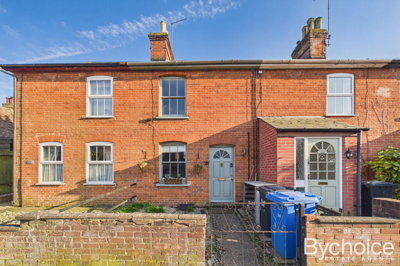
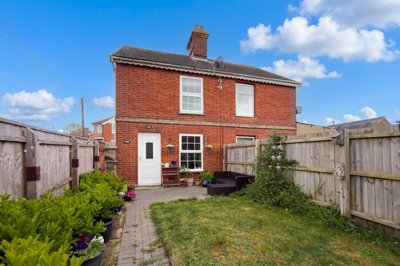
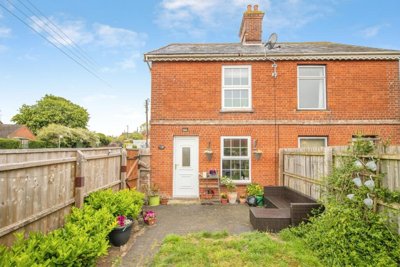
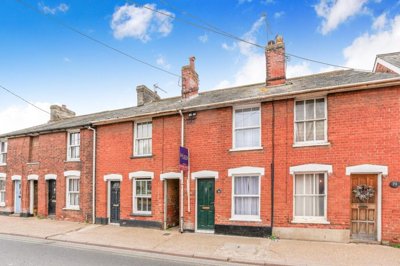
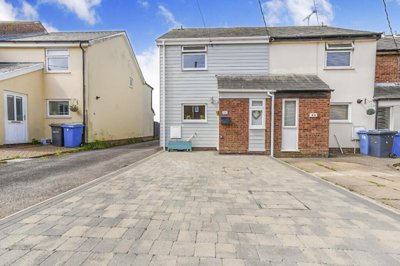
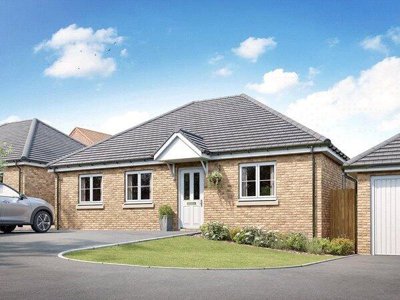
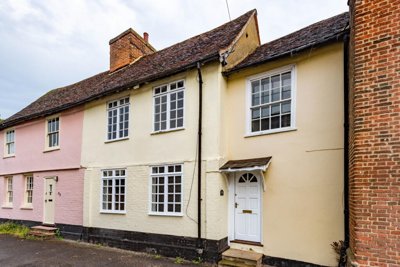
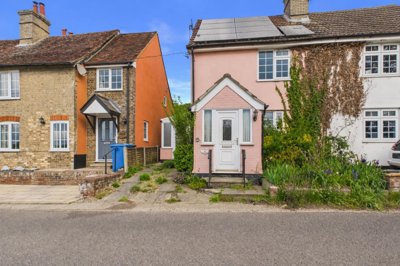
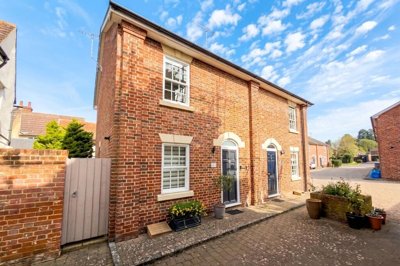
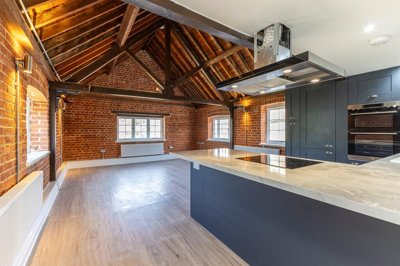
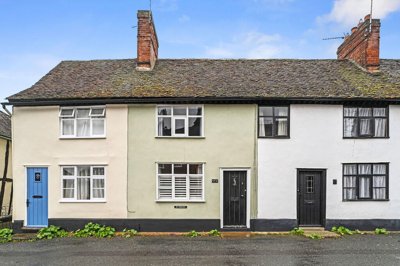
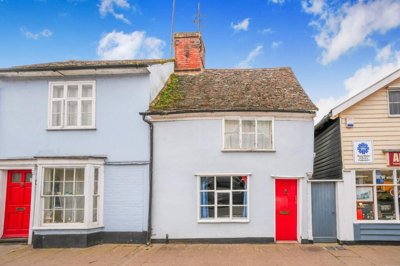
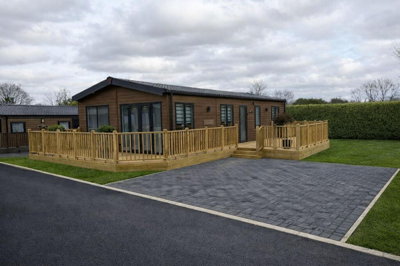
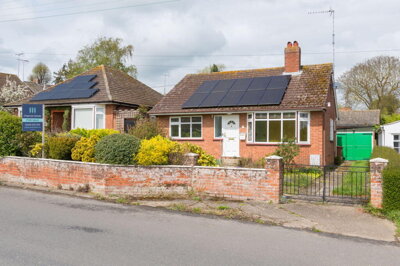
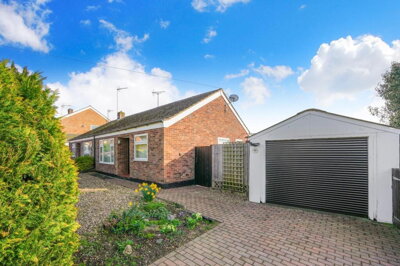
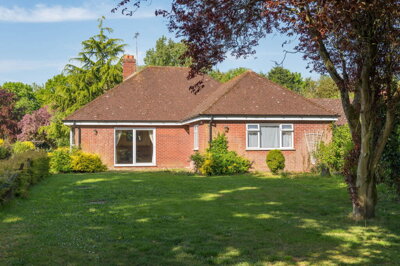
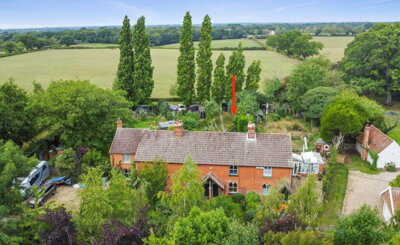
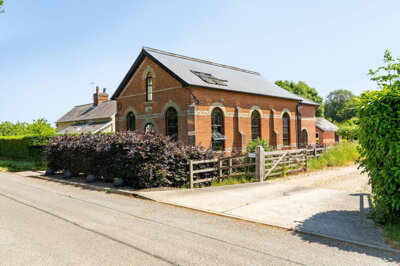
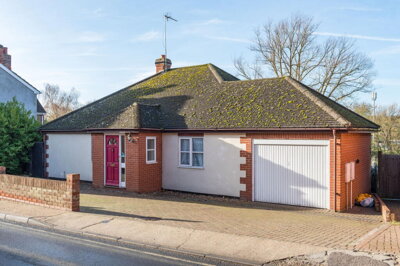
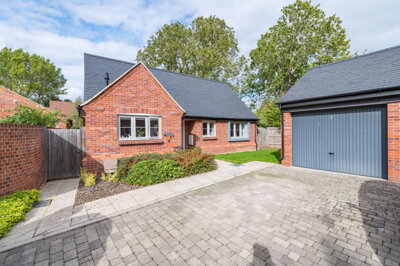
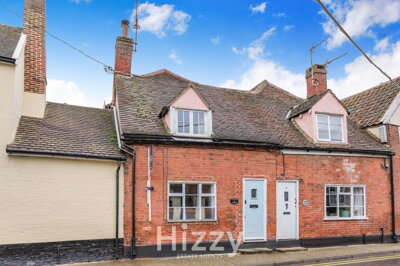
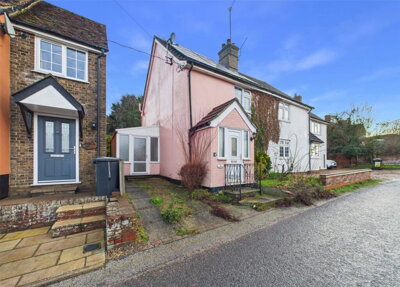
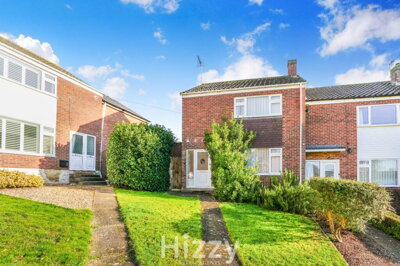
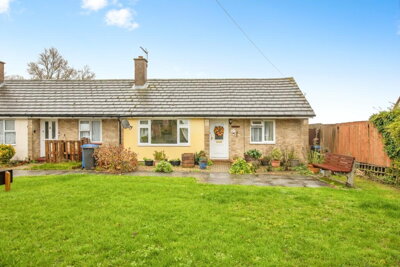
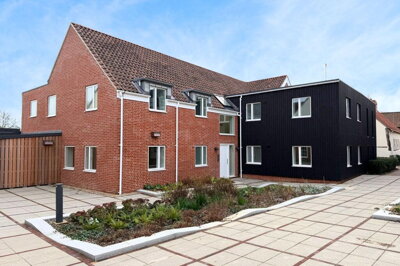
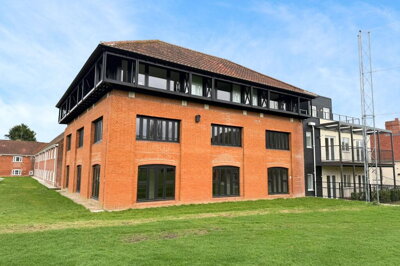
Browse 41 homes for sale in Layham, Babergh from local estate agents.
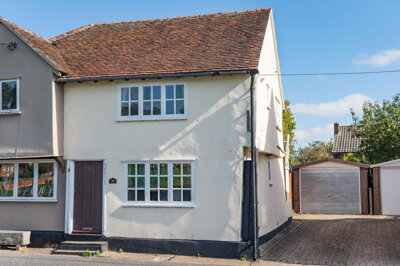
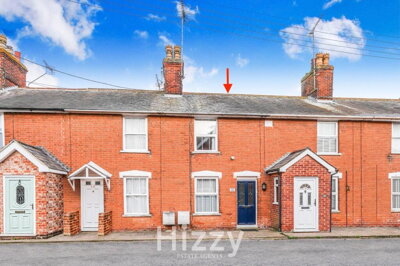
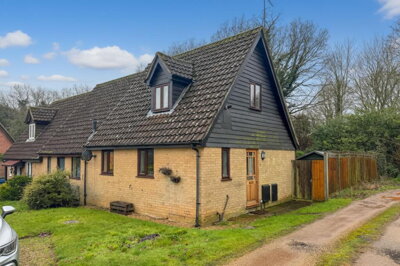
The 2 bed house market features detached, semi-detached, and terraced properties with two separate bedrooms plus living spaces. Properties in Layham range from Victorian and Edwardian period homes to modern new builds, with pricing varying across different neighbourhoods.
£220k
2
0
72
Source: home.co.uk
Showing 2 results for 2 Bedroom Houses for sale in Layham, Babergh. The median asking price is £220,000.
Source: home.co.uk
Semi-Detached
2 listings
Avg £220,000
Source: home.co.uk
Source: home.co.uk
Layham’s property market has been notably strong over recent years, with house prices up 30% on the previous year according to home.co.uk listings data. homedata.co.uk puts the average sold price at around £935,667, while home.co.uk shows a lower average of £560,667, which reflects the spread of property types and the mix of recent sales across the village. Prices are also 8% above the 2021 peak of £519,889, so demand in this Suffolk spot still looks healthy from both sides of the table.
Some streets clearly attract a premium. Upper Street averages £725,000 in sold prices, with transactions running 21% ahead of the previous year and 10% above the 2023 peak of £502,000. Rands Road sits at the top end, where substantial detached homes on generous plots have sold for £1,500,000. Church Lane has reached similar levels to Upper Street, with recent sales around £725,000. Location, size and character all weigh heavily here.
Expect to find period cottages, detached family houses and converted farm buildings in Layham, all of them echoing the village’s agricultural past. Much of the stock is traditional Suffolk in style, and many homes date from the 18th and 19th centuries, built with local materials such as timber frame and Suffolk brick. New-build choice inside the village is limited, although nearby Hadleigh offers newer homes for buyers who want modern construction and warranties, including Rose Manor and Constable Vale on Partridge Road.
Day-to-day life in Layham moves at a pace that feels increasingly uncommon. Farmland wraps around the residential core, and footpaths cut across the countryside for walkers and anyone who likes being outside. That rural feel is matched by a strong local social life, with parish meetings, village hall events and seasonal gatherings giving people regular chances to meet. The mood is neighbourly, and newcomers are generally made welcome.
Sharing the IP7 postcode with Hadleigh gives residents access to a wider set of everyday services without having to head to a larger town. Within roughly five miles, Hadleigh offers independent shops, cafes, a pharmacy, a medical practice and a weekly market. For bigger shops, restaurants and entertainment, Ipswich is about 30 minutes by car, with major retailers, theatres, the waterfront area and a broader choice of dining. It is a useful balance, village calm with practical convenience close at hand.
The Suffolk countryside around Layham lends itself to getting outdoors. To the southeast lies the Dedham Vale Area of Outstanding Natural Beauty, with landscapes that helped inspire John Constable. Footpaths and bridleways link nearby villages through rolling farmland, and cycling routes suit everything from gentle rides to longer days out. The coast is not far either, with Aldeburgh and Southwold both reachable within an hour's drive for a day at the seaside.

For families thinking about Layham, schooling is available through a network of nearby villages and market towns in south Suffolk. Primary places for local children are usually taken up by schools in the surrounding area. Catchment areas should be checked with Suffolk County Council, since admissions depend on geography and current policy. Small class sizes and close-knit school communities are part of the appeal for many parents.
Secondary options include Hadleigh High School, which serves communities across the Babergh district, including pupils from villages such as Layham. It offers a range of GCSE and A-Level subjects, with performance tracked through Ofsted inspections. Families looking for grammar school places can also consider the county grammar schools in Ipswich and Colchester, which admit students through the selective process. The eleven-plus examination decides eligibility, and preparation often starts in Year 5 of primary school.
Colleges in Ipswich and Colchester make further education accessible, with vocational and academic courses available for a wide age range. Higher education is also within reach, thanks to the University of Essex in Colchester and the University of East Anglia in Norwich. Anyone researching schools should visit shortlisted institutions, read current Ofsted reports and think through the daily travel arrangements before committing to a purchase in the village.
Even with its rural setting, Layham has decent transport links for commuting and wider travel. Several railway stations sit within comfortable reach, giving access to major destinations. Manningtree station is around 12 miles away and runs regular services to London Liverpool Street, with journey times of about one hour. Ipswich station, which can be reached within 30 minutes by car, adds more London trains as well as links to Norwich, Cambridge and the East Anglia network.
Road travel from Layham centres on the A1071, which runs to Hadleigh and on towards Ipswich. The A14 lies to the north of the village, opening up routes to Cambridge, the Midlands and Felixstowe port. For air travel, Stansted Airport is about 60 miles away, while Norwich Airport is a similar drive and offers domestic and European flights. That road network means people in Layham can reach jobs in Ipswich, Colchester and further afield without extreme commute times.
Bus services, operated by Suffolk County Council, link Layham with Hadleigh and Ipswich and provide an important option for those without a car. They are especially useful for school journeys and getting to healthcare appointments. For a regular London commute, many residents drive to Manningtree or Ipswich stations and continue by rail, which often gives the best mix of rural living and manageable travel.

Current listings in Layham and the nearby Suffolk villages are worth exploring closely. Street position makes a real difference, with Upper Street and Rands Road commanding very different price levels. It also helps to compare values with similar homes in nearby Hadleigh and across the wider Babergh district, so your search reflects the full spread of what is available in this active village market.
Before arranging viewings, getting a mortgage agreement in principle from a lender is a smart first move. It shows sellers and estate agents that finance is already in place, which can matter in a market where homes move quickly. With average prices ranging from £560,000 to over £1.5 million in the more premium parts of the village, knowing your borrowing limit early makes the search far more focused.
Once that is sorted, it makes sense to book viewings on homes that genuinely match your brief. Take time to feel out the village atmosphere, check what Hadleigh offers nearby and judge the condition of period properties that may need upkeep or updating. Many homes in Layham date from the 18th and 19th centuries, so it pays to understand the realities of traditional Suffolk construction before making an offer.
After an offer is accepted, we recommend instructing a qualified surveyor to carry out a Level 2 HomeBuyer Report. That will pick up structural issues, defects and any areas that need attention before you go any further. For period homes in Layham, a proper survey is especially useful because much of the housing stock is old and hidden problems can sit beneath the surface.
Choose a solicitor with experience in rural property transactions to manage the legal side of the purchase. They will handle searches, review the contract and liaise with your mortgage lender throughout. Rural homes can bring extra questions, including septic systems, private water supplies and agricultural rights, so an experienced solicitor is often worth having from the outset.
Next comes the final mortgage checks, the property searches and buildings insurance. On completion day, your solicitor transfers the remaining funds and you collect the keys to your new home in Layham. Stamp duty, solicitor fees and moving costs all need to be folded into the wider budget.
Buying in a rural Suffolk village like Layham means thinking about features that are specific to the place and the property type. Many of the homes are period houses built with traditional methods, and they may include timber frame construction, thatched roofs or flint knapped walls depending on age and character. Older buildings usually need more ongoing care than modern equivalents, so it is sensible to allow for maintenance and possible renovation work.
Drainage and flood risk deserve proper attention, especially for homes close to watercourses or in lower-lying parts of the village. There was no specific flood risk data readily available for Layham, so a professional survey is the best way to highlight any concerns. In rural properties, drainage often depends on private septic systems or cess pits rather than mains sewage, and buyers should allow for maintenance costs and possible upgrades. It is also important to establish the age of the drainage infrastructure before exchange, so there are no nasty surprises later.
In villages like Layham, planning controls are often tighter than in urban areas, with conservation concerns and proximity to agriculture affecting permitted development rights. The Babergh District Council planning portal can show historical permissions, enforcement action and local plan designations that may shape how a property can be used or altered. Checking these points before purchase helps avoid costly surprises and makes future improvements or extensions easier to plan. Period homes can also be listed buildings, which brings extra consent requirements for alterations.

House prices in Layham have risen strongly, with current figures sitting between £560,667 and £935,667 depending on the source and the period measured. home.co.uk listings data shows prices are up 30% year-on-year and 8% above the 2021 peak of £519,889. In the premium pockets, Rands Road reaches £1,500,000, while Upper Street and Church Lane average around £725,000. The gap between sources mainly reflects the property mix and the small number of sales in this compact village.
Layham falls under Babergh District Council, and homes are usually placed in council tax bands A through G according to assessed value. Band A carries the lowest annual charge, while Band H sits at the top of the scale. Current banding for any particular property can be checked through the Valuation Office Agency website, and Babergh District Council lists the applicable charges for each band. Some older properties with lower market values because of condition may sit in lower bands.
Schooling inside Layham itself is limited, so primary-aged children generally attend schools in nearby villages or in Hadleigh. Hadleigh High School covers secondary education for the area. For grammar school places, pupils can take the eleven-plus to compete for selective schools in Ipswich or Colchester. Current catchment areas should be confirmed with Suffolk County Council admissions, as these can change and may affect eligibility.
Local bus routes, run by Suffolk County Council, connect Layham with Hadleigh and Ipswich. For rail travel, Manningtree station is about 12 miles away and offers hourly services to London Liverpool Street, with journey times of around one hour. Ipswich station adds more London trains and links to Norwich, Cambridge and other regional destinations. The A14 provides road access to Cambridge and the Midlands, and Stansted Airport is around 60 miles away for international travel.
Layham’s property market has shown steady growth, with prices up 30% year-on-year and now above the peaks reached in 2021. The village sits in the desirable Babergh district of Suffolk, close to areas of outstanding natural beauty and within a reasonable commute of London. With limited new supply in such a small place and ongoing demand from buyers after rural living, there is scope for further capital growth, though all property investment carries risk and past performance is no guide to future returns.
For 2024-25, stamp duty is 0% on the first £250,000 of residential property value, 5% on the slice from £250,001 to £925,000, 10% on £925,001 to £1.5 million, and 12% above £1.5 million. First-time buyers get relief at 0% up to £425,000 and 5% on £425,001 to £625,000, although that relief stops above £625,000. With Layham’s average prices, most buyers will face standard SDLT, while first-time purchasers may benefit on homes below £625,000.
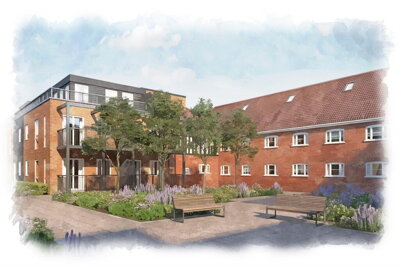
We did not identify any new-build developments explicitly within Layham village itself. Nearby Hadleigh, which shares the IP7 postcode with Layham, does have newer homes at Rose Manor and Constable Vale on Partridge Road. Those schemes suit buyers who want modern construction and the comfort of warranties. For anyone looking specifically inside the village boundary, choice remains limited because the housing stock is mainly period property.
Most homes in Layham are period properties from the 18th and 19th centuries, built using traditional Suffolk methods such as timber frame and Suffolk brick. They have plenty of character, but they also need a buyer to understand what upkeep they involve. Typical issues include thatched roofs needing specialist care, timber frame structures that may show earlier repair work, and private drainage systems that are common in rural settings. A thorough RICS survey is advisable before purchase to pick up anything needing attention.
From £350
Surveying homes in Layham, especially period cottages and older houses, calls for a close look.
From £450
Comprehensive structural survey for older properties
From £60
Energy performance certificate for your property
From £499
Expert legal services for your purchase
From 4.5%
Competitive mortgage rates for Layham buyers
Stamp duty is a major part of the budget for buyers in Layham. At current SDLT rates, a property priced at the village average of around £560,667 would attract no duty on the first £250,000 and 5% on the next £310,667, giving a total of roughly £15,533 for someone without first-time buyer status. A first-time buyer purchasing below £425,000 would pay no SDLT, which could save more than £15,000 compared with someone who does not qualify for the relief. The first-time buyer threshold stops at £625,000, so most homes in premium spots like Rands Road would fall outside it.
Beyond stamp duty, buyers should allow for solicitor fees, usually £500 to £1,500 depending on how complex the deal is and whether a mortgage is involved. Rural purchases can also bring extra legal work tied to septic systems, rights of way or agricultural matters. Search fees, Land Registry charges and other disbursements normally add several hundred pounds more. Survey fees for a RICS Level 2 HomeBuyer Report start at around £350 for standard homes, while larger or more complicated period houses can cost more. A RICS Level 3 Structural Survey may suit older properties with possible hidden defects.
Moving costs also need a place in the budget, including removals, packing materials and any temporary storage. If the purchase is mortgage-funded, life insurance and buildings insurance are essential and lenders will check for them before the loan completes. First-time buyers are sometimes surprised to find deposit requirements usually sit between five and fifteen percent of the property value, so a £560,000 home may call for a deposit of £28,000 to £84,000. An agreement in principle before starting the search helps set a realistic budget and shows sellers that offers on this competitive village market are being taken seriously.

Properties for Sale In London

Properties for Sale In Plymouth

Properties for Sale In Liverpool

Properties for Sale In Glasgow

Properties for Sale In Sheffield

Properties for Sale In Edinburgh

Properties for Sale In Coventry

Properties for Sale In Bradford

Properties for Sale In Manchester

Properties for Sale In Birmingham

Properties for Sale In Bristol

Properties for Sale In Oxford

Properties for Sale In Leicester

Properties for Sale In Newcastle

Properties for Sale In Leeds

Properties for Sale In Southampton

Properties for Sale In Cardiff

Properties for Sale In Nottingham

Properties for Sale In Norwich

Properties for Sale In Brighton

Properties for Sale In Derby

Properties for Sale In Portsmouth

Properties for Sale In Northampton

Properties for Sale In Milton Keynes

Properties for Sale In Bournemouth

Properties for Sale In Bolton

Properties for Sale In Swansea

Properties for Sale In Swindon

Properties for Sale In Peterborough

Properties for Sale In Wolverhampton

Enter your details to see if this property is within your budget.
Loans, cards, car finance
Estimated property budget
Borrowing + deposit
You could borrow between
Typical borrowing
Monthly repayment
Est. at 4.5%
Loan-to-value
This is an estimate only. Your actual budget may vary depending on interest rates, credit history, and personal circumstances. For an accurate affordability assessment, speak to one of our free mortgage advisors.
This calculator provides estimates for illustrative purposes only and does not constitute financial advice. Your home may be repossessed if you do not keep up repayments on your mortgage. Estimates based on 4.5% interest rate, repayment mortgage. Actual rates depend on your circumstances.
Homemove is a trading name of HM Haus Group Ltd (Company No. 13873779, registered in England & Wales). Homemove Mortgages Ltd (Company No. 15947693) is an Appointed Representative of TMG Direct Limited, trading as TMG Mortgage Network, which is authorised and regulated by the Financial Conduct Authority (FRN 786245). Homemove Mortgages Ltd is entered on the FCA Register as an Appointed Representative (FRN 1022429). You can check registrations at NewRegister or by calling 0800 111 6768.

We use cookies to show you personalised content and improve your experience of our website. Find out more in our Privacy policy and Cookie policy.