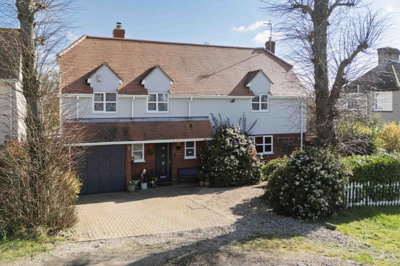
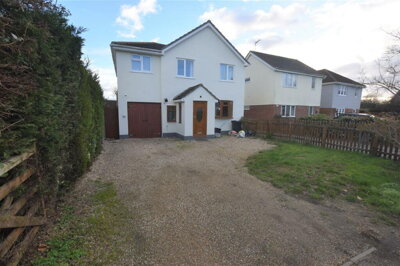
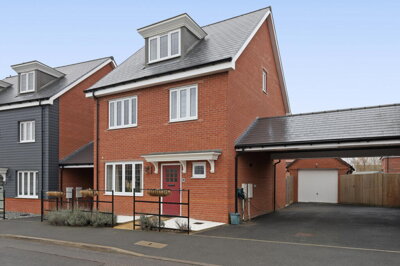
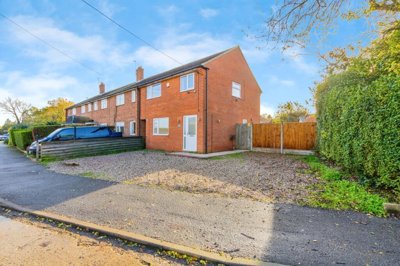
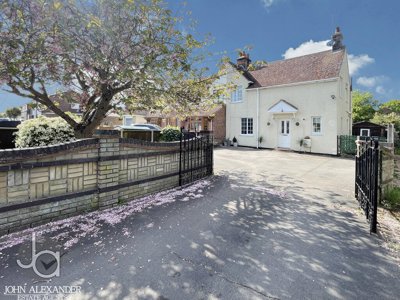
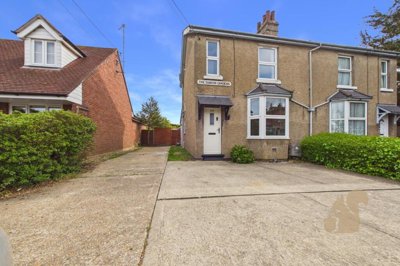
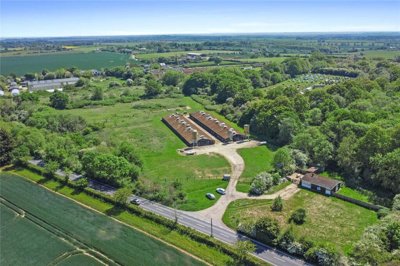
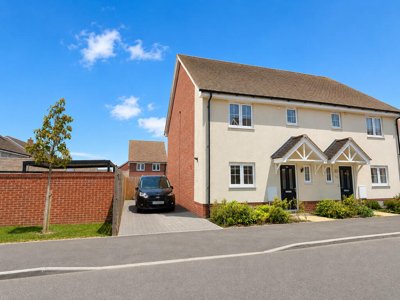
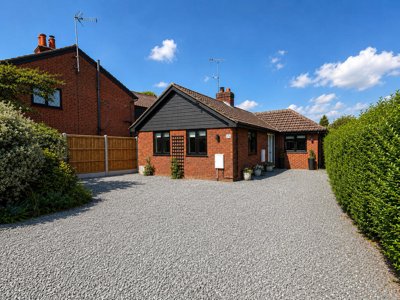
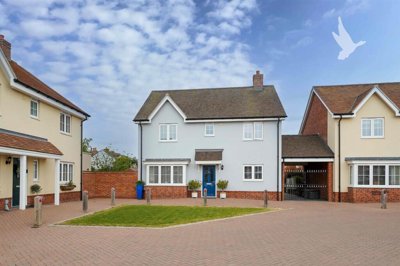
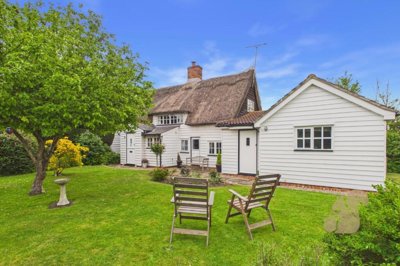
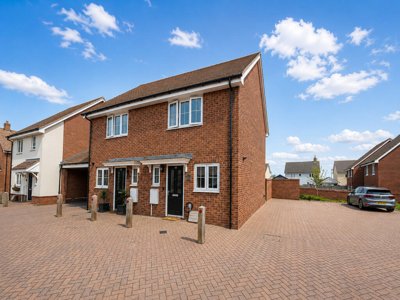
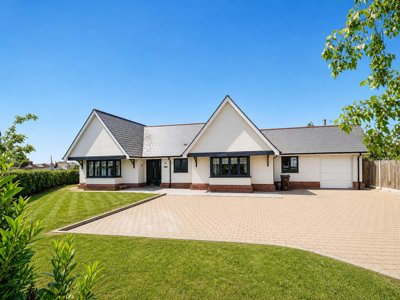
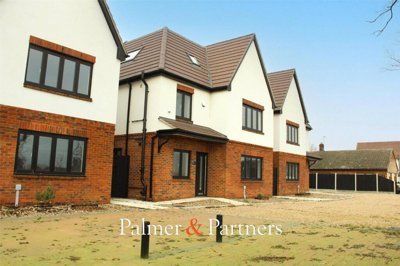
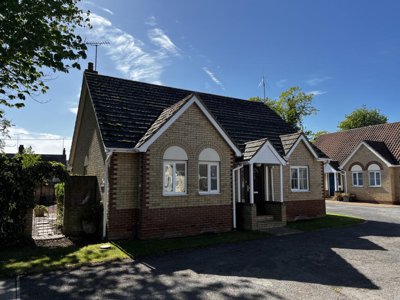
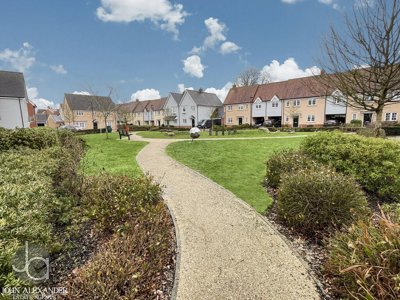
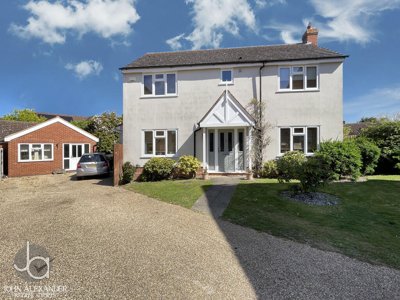
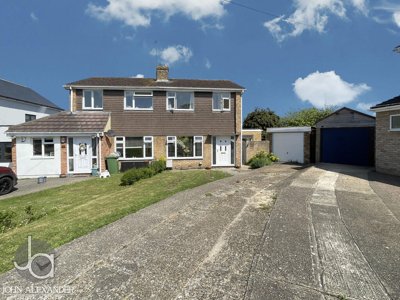
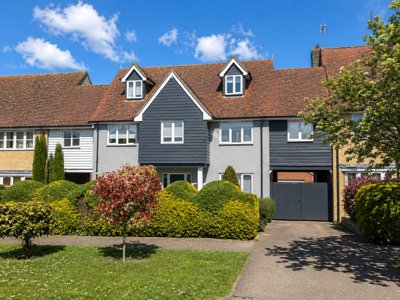
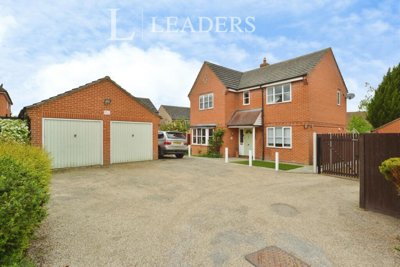
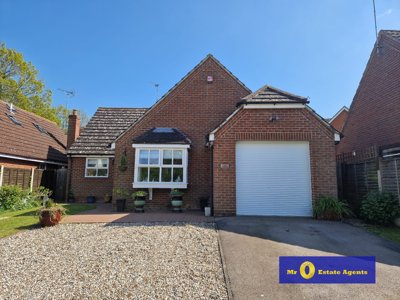
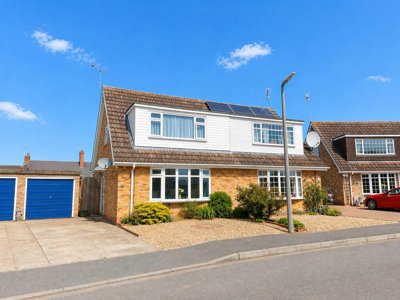
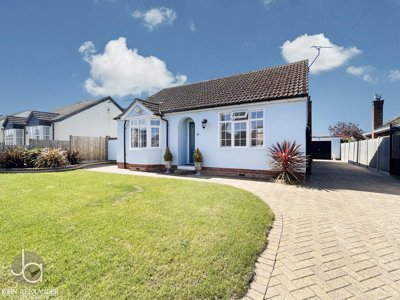
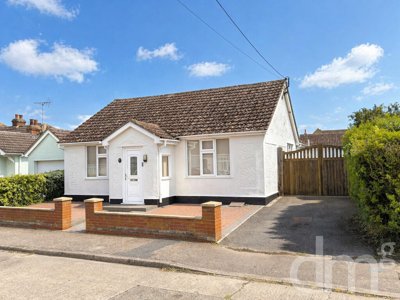
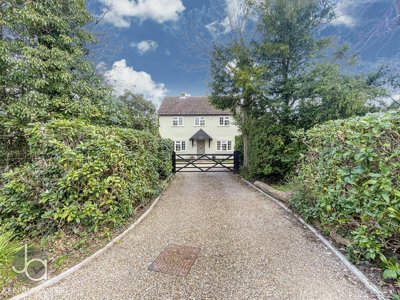
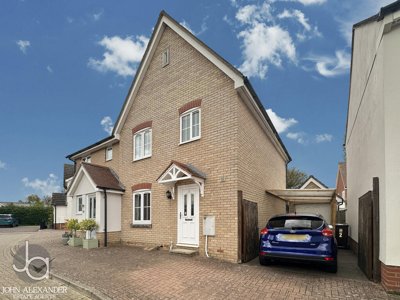
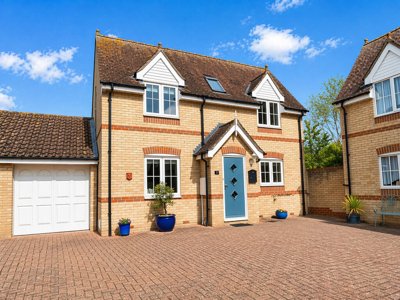
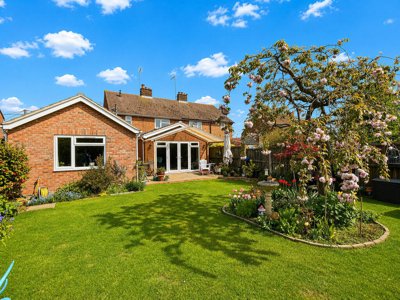
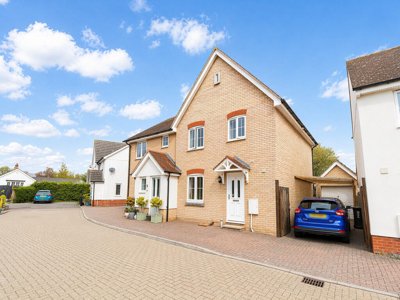
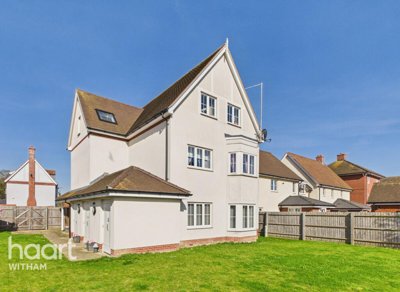
Browse 156 homes for sale in Layer Marney from local estate agents.
Over the past twelve months, Layer Marney has put in a very strong performance, with overall house prices up 19% according to home.co.uk listings data. That kind of rise points to steady demand for rural Essex homes, especially those with larger plots and access to well-regarded schools. Detached houses have been at the front of it, climbing by 27% to a current average of approximately £700,000, which says plenty about how much buyers value space and privacy in this sought-after village.
For buyers looking for a lower starting point, semi-detached homes in Layer Marney currently average around £350,000. That part of the market has actually seen a 12% price correction over the same period, which may open the door for buyers after period character at a less demanding price. Stock is still tight. Only 4 property sales were recorded in the village over the past twelve months, which reflects how rarely homes become available in this small rural community.
There is barely any new build activity in the Layer Marney postcode area, with most development pushed into larger nearby places such as Colchester instead. That lack of fresh housing stock has helped the village keep its established feel, so buyers are far more likely to find real historic character than standardised modern schemes. Red brick remains a defining feature across the area, and many of these houses were built well over a century ago, which still shows in the craftsmanship.

Life in Layer Marney feels very much like the classic English village model, slower-paced, sociable and shaped by its history. The name comes from the medieval Marney family, and their Tudor connection still dominates the place through Layer Marney Tower. This Grade I listed building is one of the finest Tudor structures in Essex, and it remains both a major local landmark and a draw for visitors across the year. Around Layer Marney Tower itself, there is likely to be a notable cluster of listed buildings, and the area may sit within a conservation area because of that historical importance.
Beyond the village, the setting is made up of rolling farmland and the River Blackwater valley, which gives residents plenty of scope for walking, cycling and time outdoors. Underfoot, the ground is predominantly London Clay, and that geology has influenced both the way buildings were constructed and the agricultural identity of the parish. Homes in Layer Marney often come with generous plots, while traditional brickwork and timber-framed details reflect long-established rural building methods. It is quiet here too, because the village sits away from the main arterial routes, though day-to-day amenities are still within reach.
As a small civil parish, Layer Marney tends to feel close-knit, with neighbours familiar to one another and local events helping to keep that community spirit alive through the year. Agriculture shaped the village economy for generations, although many residents now travel into Colchester and further afield for work. That mix of rural heritage and modern commuting is a big part of the appeal for families wanting more room and calm without giving up career options. Jobs within the village itself are still limited, so most people work in nearby towns or commute to larger employment centres.

Families moving here have a decent spread of schooling options within an easy drive. Layer Marney sits within the catchment for a number of well-regarded primary schools in neighbouring Essex villages and towns. In this rural part of the county, primary provision often covers communities within a 3-5 mile radius, and local schools are frequently rated Good or Outstanding by Ofsted inspectors. We always suggest checking current catchment boundaries with Essex County Council, as demand and capacity can alter them.
For secondary education, most households look towards nearby towns, especially Colchester, reached by school transport or the family car. Colchester's grammar school system includes the highly selective Colchester Royal Grammar School and St. Helena School, giving pupils strong academic routes where entrance standards are met. Across the wider area, comprehensive schools add a broad mix of subjects and extracurricular options to suit different learners. In practice, many families weigh up available places and Ofsted ratings more heavily than distance alone, because commutes from Layer Marney are usually manageable.
Early years provision is available, though not usually right on the doorstep. Several childcare and preschool options serve the surrounding villages, and families in Layer Marney often piece together arrangements using both village settings and larger providers in nearby towns. Demand can outstrip places in rural areas, so parents are wise to research early and register interest as soon as possible. With the village population being small, formal childcare within Layer Marney itself may be limited, which makes planning ahead especially important for working families.

Layer Marney sits in a useful part of Essex, giving residents rural quiet without cutting them off from major employment centres. Colchester, Britain's oldest recorded town, is around 8 miles away and provides the main rail link to London Liverpool Street. From Colchester's mainline station, journey times to the capital are approximately 50 minutes, which keeps city commuting realistic from a more affordable village base. By road, the A12 offers direct routes towards Chelmsford and the M25, widening the commute to places such as Canary Wharf and other east London business districts.
Bus links do serve Layer Marney and nearby villages and market towns, but they are less frequent than you would expect in an urban area. Most residents treat car ownership as essential for everyday life, although the upside is that the village is not on a busy through-route, so congestion is seldom much of an issue. Cycling has become easier in recent years as local infrastructure has improved. The country lanes are popular with leisure riders and with commuters happy to tackle longer distances by bike, though the rolling River Blackwater valley does bring a few hilly stretches.
Parking is rarely difficult here. In keeping with a rural village setting, most properties have ample off-street space and often a garage as well. Because there is very little commercial development, the sort of parking pressure seen in larger towns is almost unknown in Layer Marney. For people working remotely, that can be a real advantage, along with reliable broadband and the quiet needed for focused work. Many houses also come with sizeable outbuildings, which can work well as home offices or workshops.

We recommend starting with current Layer Marney listings on Homemove and paying close attention to property type, pricing and the features that come up again and again. In a village with so few transactions, finding the right house can take time. It helps to understand the local pricing picture from the outset, including the premium attached to detached homes at around £700,000, so that when the right place appears you are ready to move quickly.
Before you book viewings, get a mortgage agreement in principle in place with a lender. Sellers and estate agents usually take buyers more seriously when finances are already outlined, and that matters in a rural market where a good property can draw interest from several parties at once. Through Homemove, our team can also put you in touch with competitive mortgage products suited to your circumstances.
Once a shortlist starts to form, we would book viewings through the relevant estate agents and take a careful look at each property. In Layer Marney, it is particularly important to watch for signs of damp or subsidence because of the local London Clay geology. A proper viewing should cover every room, the outside of the building, and any land or outbuildings included in the sale.
Before going too far with a purchase, we strongly advise arranging a RICS Level 2 Survey so the condition of the property is properly checked. In Layer Marney, where many homes pre-date modern construction standards, that extra step can bring up issues such as damp, timber defects and possible foundation concerns linked to clay soil conditions. Across the wider Essex area, survey fees for homes in this price range usually sit between £500 to £800. Money well spent.
On the legal side, your solicitor will deal with searches, title checks and contract negotiations. We would always lean towards a conveyancer who knows rural Essex well, as that experience can be useful where rights of way, agricultural covenants or conservation area restrictions may affect a property. Those points are not unusual in villages like Layer Marney, and it helps to have them picked through properly.
After enquiries are answered and the finance is fully confirmed, contracts are exchanged and the deposit is paid. Completion then usually follows in 2-4 weeks, and that is the point when the keys to your new Layer Marney home are handed over. Buildings insurance should be arranged from the date of contract exchange so the property is protected from that moment.
Buying in Layer Marney calls for a slightly different mindset from buying in town, and the geology is a big reason why. The area sits on London Clay, which can be prone to shrink-swell movement in periods of extreme weather and, over time, that can affect foundations. A thorough RICS Level 2 Survey should look at whether foundation depths appear adequate and pick up any signs of subsidence or wider structural movement that might need repair. Because the local clay has moderate to high shrink-swell potential, we pay particularly close attention to homes with shallow foundations or large trees nearby.
Flood risk also deserves a proper check before you commit. The River Blackwater runs to the west of the village, and homes in low-lying spots or close to watercourses may carry a higher risk during heavy rainfall. We would expect a survey to note any known flooding history or drainage concerns, and buyers should also confirm whether a property sits within any Environment Agency flood warning zones. Surface water flooding can be an issue in rural areas too, especially where drainage is poor and rainfall is intense.
Near Layer Marney Tower, the concentration of listed buildings and the possibility of conservation area designation can have a direct impact on what buyers are allowed to do with a property. Houses with historic status may need Listed Building Consent for alterations or improvements, which can add time, specialist input and extra cost to renovation plans. Any repair or alteration work to a listed building needs the right consent in place, so we always tell buyers to budget not just for the work itself, but for the conservation-standard approach that often comes with it.
Construction style matters here, and traditional methods are common across Layer Marney. Many properties have solid walls rather than modern cavity walls, so insulation performance may fall short of current expectations. During the buying process, we would look carefully at the usual trouble spots in older rural homes, rising damp, poor ventilation, ageing electrics and timber defects, and price those risks into the offer. Wiring in houses more than 50 years old often no longer meets current safety standards, and where large trees stand close by, the clay soil can add another layer of foundation risk.

The current average house price in Layer Marney is approximately £588,625 according to home.co.uk listings data. Detached homes are averaging around £700,000 after a 27% rise over the past twelve months, while semi-detached properties sit at £350,000 following a 12% price correction. Taken across the market as a whole, prices are up 19% year-on-year, which shows the strength of demand for rural homes in this part of Essex. There were only 4 property sales recorded in the past twelve months, so limited supply remains a defining feature.
For administration, Layer Marney comes under Colchester Borough Council. Council tax bands run from A to H depending on the size and value of the property. In practice, many detached family houses in the village are likely to fall into band E, F, or G, while smaller homes may sit in band D. Before final budget planning, buyers should check the exact band for the property with Colchester Borough Council or through the title documents.
Schooling for Layer Marney residents is mainly provided through nearby villages and towns, with many families using schools within a 3-5 mile radius. Essex County Council keeps the latest school details and catchment information on its website, which is the best place to confirm current arrangements. For secondary education, options include Colchester Royal Grammar School and St. Helena School in Colchester, along with comprehensive schools across the wider area. As with many rural moves, families often focus more on places available and Ofsted ratings than pure distance, since travel times from Layer Marney are generally workable.
Public transport is limited in Layer Marney, which is exactly what you would expect from a small rural village. Bus services link it to surrounding communities, but frequencies are lower than on urban routes. The closest mainline station is Colchester, about 8 miles away, with regular trains to London Liverpool Street taking around 50 minutes. That is why most residents depend on a car for everyday travel, using the A12 for connections to Chelmsford, the M25 and larger London employment locations including Canary Wharf.
Price growth in Layer Marney has been solid, with overall values rising 19% over the past twelve months. Buyers are drawn by the village's rural setting, the historic presence of Layer Marney Tower and the fact that Colchester is close enough for practical commuting. Very little new development is taking place within the postcode area, which helps preserve the exclusivity that supports local values. From an investment angle, rental demand may be moderate because employment within the village is limited, but the appeal to London commuters and the wider South East still underpins long-term value.
Stamp Duty Land Tax is payable on property purchases in England, and the current residential rates are 0% on the first £250,000, 5% on £250,001 to £925,000, 10% on £925,001 to £1.5 million, and 12% on anything above £1.5 million. First-time buyers get relief on the first £425,000, with 5% charged from £425,001 to £625,000. On a typical Layer Marney purchase at £588,625, that means a standard buyer would pay approximately £14,431, while a first-time buyer would pay £8,181. A useful saving if you qualify.
There are a few recurring risks we would want buyers to think through carefully in Layer Marney. London Clay is the main one, because it can contribute to subsidence and foundation movement in extreme weather, especially where foundations are not deep enough or large trees are close to the house. Older homes may also come with weak damp-proofing, dated electrics and timber defects that need attention. Then there is the River Blackwater, which can raise flood risk for some lower-lying properties. A RICS Level 2 Survey is the sensible way to bring those issues into the open before purchase, giving you room to renegotiate or budget for the necessary works.
One of Layer Marney's defining landmarks is the Grade I listed Layer Marney Tower, widely regarded as one of the finest Tudor structures in Essex, and the surrounding area is likely to contain a higher concentration of listed buildings. If a home is listed or sits within a conservation area, buyers need to think carefully about future works, because Listed Building Consent may be needed for renovations or improvements. Those protections do a lot to preserve the village's character, but they can also make alterations and extensions slower, more technical and more expensive.
The purchase price is only part of the calculation in Layer Marney, and stamp duty needs to be built into the budget from the start. At the average property price of £588,625, most buyers fall within the standard SDLT structure, with 0% due on the first £250,000 and 5% payable on the portion from £250,001 to £588,625. On that basis, a standard buyer should expect a stamp duty land tax bill of approximately £14,431. We would treat that as a core upfront cost, alongside the deposit and any mortgage arrangement fees.
First-time buyers have a more favourable SDLT position. No duty is charged on the first £425,000, and 5% applies to the slice between £425,001 and £625,000, which brings the bill on a £588,625 purchase down to approximately £8,181. That is a meaningful reduction. Even so, the relief is only available if the buyers have never owned property anywhere in the world, and it is clawed back if the home is not your primary residence within three years of purchase. We always advise checking the full eligibility rules before relying on that saving.
There are other buying costs to allow for as well. Solicitor fees usually range from £800 to £2,500 depending on how straightforward the matter is, mortgage arrangement fees can run from £0 to £2,000, and valuation fees are commonly £200 to £500. For a RICS Level 2 Survey on a property in this price bracket in the wider Essex area, £500 to £800 is typical. Buildings insurance should start from contract exchange and often costs £200 to £500 a year for a home of this value. Title registration fees, local authority search fees and mortgage broker charges round out the usual buyer outlay.

From £499
Our solicitors handle every legal part of a Layer Marney purchase, from start to finish.
From £500
Our condition survey highlights the defects that turn up most often in properties across this area.
From £750
For older or listed homes, we usually recommend a detailed building survey.
From £85
An energy performance certificate is required on all property sales.
Properties for Sale In London

Properties for Sale In Plymouth

Properties for Sale In Liverpool

Properties for Sale In Glasgow

Properties for Sale In Sheffield

Properties for Sale In Edinburgh

Properties for Sale In Coventry

Properties for Sale In Bradford

Properties for Sale In Manchester

Properties for Sale In Birmingham

Properties for Sale In Bristol

Properties for Sale In Oxford

Properties for Sale In Leicester

Properties for Sale In Newcastle

Properties for Sale In Leeds

Properties for Sale In Southampton

Properties for Sale In Cardiff

Properties for Sale In Nottingham

Properties for Sale In Norwich

Properties for Sale In Brighton

Properties for Sale In Derby

Properties for Sale In Portsmouth

Properties for Sale In Northampton

Properties for Sale In Milton Keynes

Properties for Sale In Bournemouth

Properties for Sale In Bolton

Properties for Sale In Swansea

Properties for Sale In Swindon

Properties for Sale In Peterborough

Properties for Sale In Wolverhampton

Enter your details to see if this property is within your budget.
Loans, cards, car finance
Estimated property budget
Borrowing + deposit
You could borrow between
Typical borrowing
Monthly repayment
Est. at 4.5%
Loan-to-value
This is an estimate only. Your actual budget may vary depending on interest rates, credit history, and personal circumstances. For an accurate affordability assessment, speak to one of our free mortgage advisors.
This calculator provides estimates for illustrative purposes only and does not constitute financial advice. Your home may be repossessed if you do not keep up repayments on your mortgage. Estimates based on 4.5% interest rate, repayment mortgage. Actual rates depend on your circumstances.
Homemove is a trading name of HM Haus Group Ltd (Company No. 13873779, registered in England & Wales). Homemove Mortgages Ltd (Company No. 15947693) is an Appointed Representative of TMG Direct Limited, trading as TMG Mortgage Network, which is authorised and regulated by the Financial Conduct Authority (FRN 786245). Homemove Mortgages Ltd is entered on the FCA Register as an Appointed Representative (FRN 1022429). You can check registrations at NewRegister or by calling 0800 111 6768.

We use cookies to show you personalised content and improve your experience of our website. Find out more in our Privacy policy and Cookie policy.