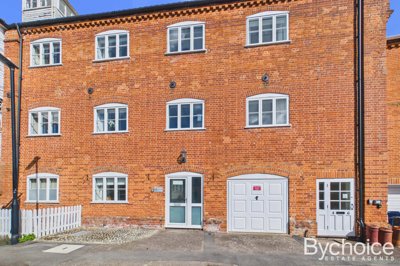
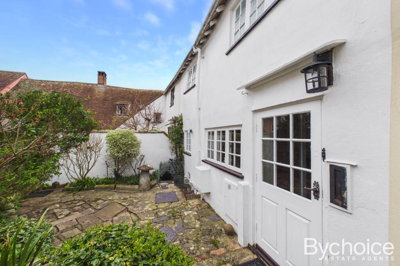
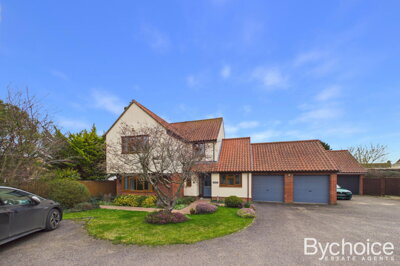
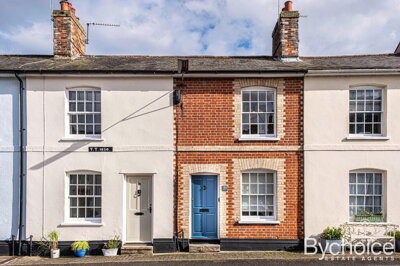
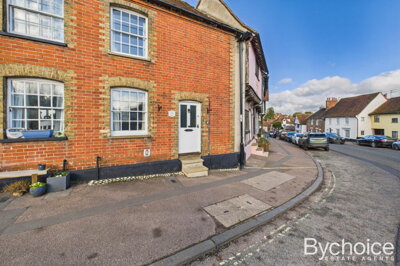
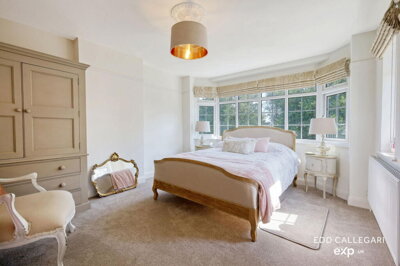
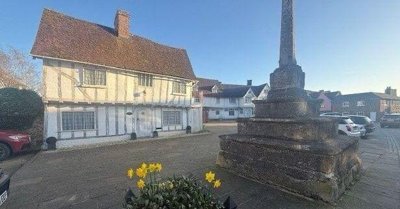
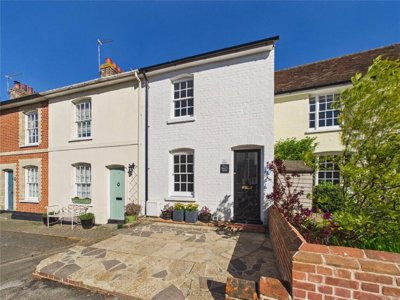
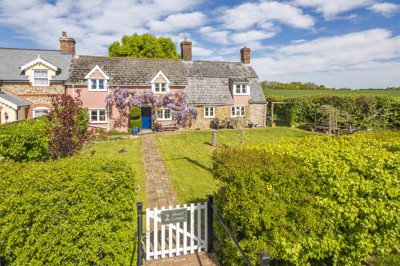
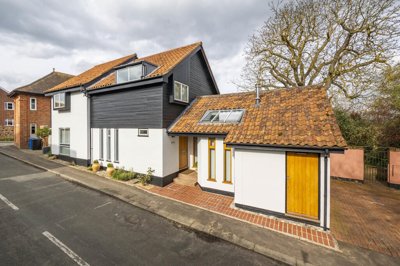
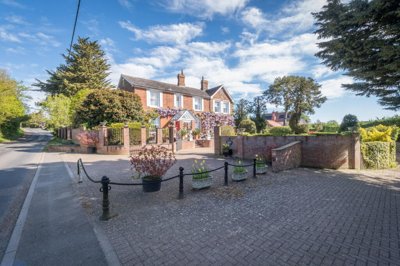
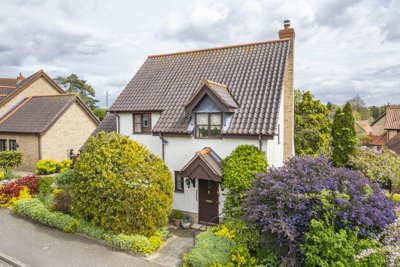
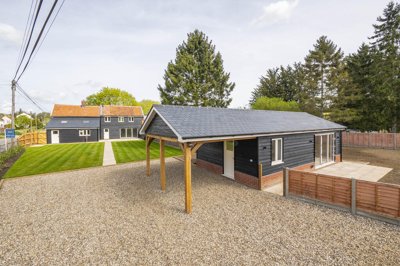
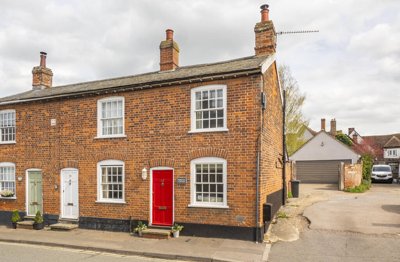
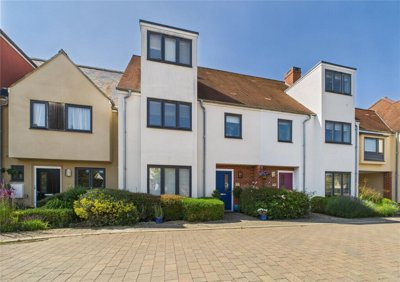
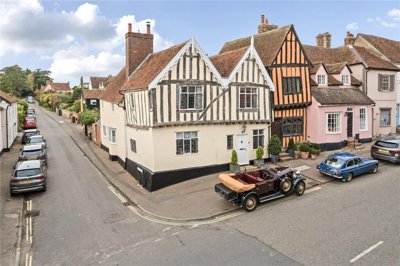
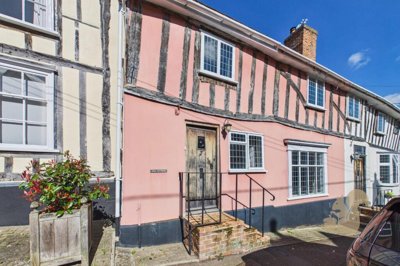
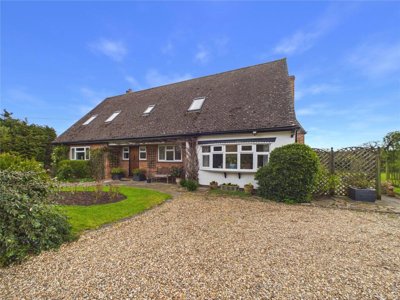
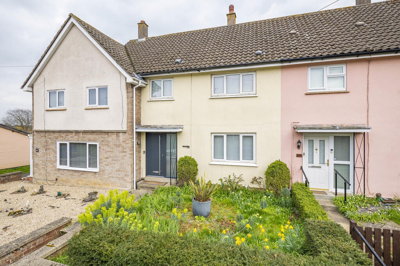
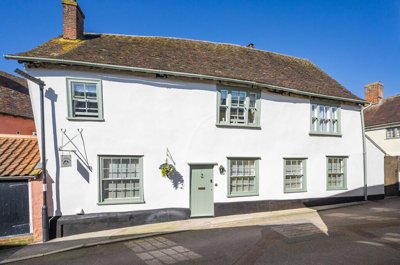
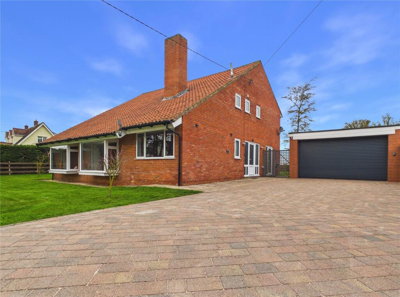
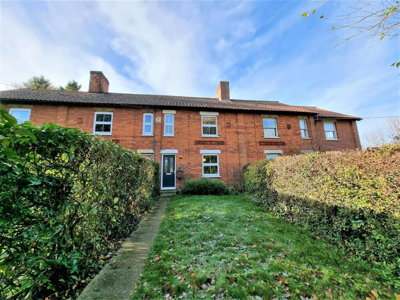
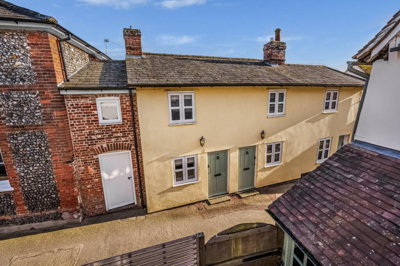
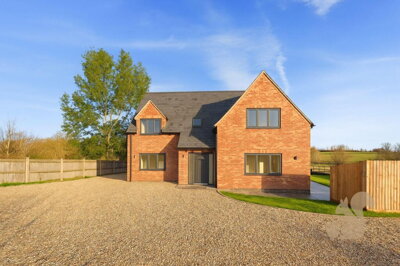
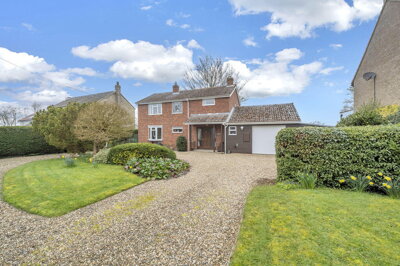
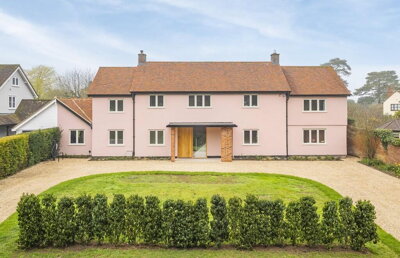
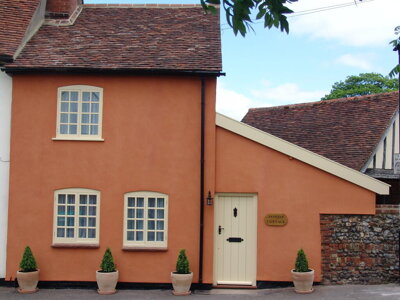
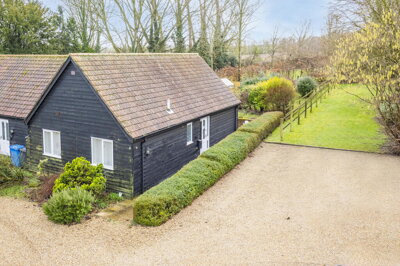
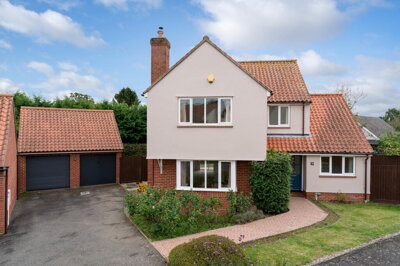
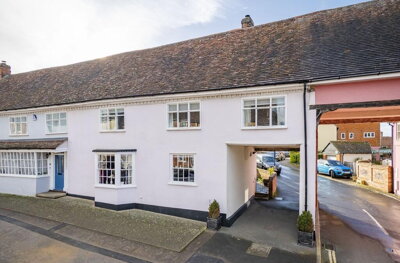
Browse 58 homes for sale in Lavenham, Babergh from local estate agents.
The Lavenham property market offers detached, semi-detached, and terraced houses spanning various price ranges and neighbourhoods. Each listing includes detailed property information, photographs, and direct contact with the marketing agent.
£450k
20
0
138
Source: home.co.uk
Showing 20 results for Houses for sale in Lavenham, Babergh. The median asking price is £450,000.
Source: home.co.uk
Terraced
10 listings
Avg £356,000
Detached
7 listings
Avg £814,286
Semi-Detached
3 listings
Avg £500,000
Source: home.co.uk
Source: home.co.uk
Lavenham’s market has kept moving upwards, with homes selling for around 2% more than the previous year and 20% above the 2022 peak of £522,931. home.co.uk puts the average sold price at £522,931, and home.co.uk reports the same £522,931 figure. Demand stays firm because homes are scarce and the village’s reputation as a heritage hotspot still carries weight. Street by street, the picture shifts, Water Street is down 23% on the previous year, while Prentice Street is up 46%, a reminder that micro-location still matters hugely here.
Prices vary sharply by property type in Lavenham. Detached homes sit at the top of the market, averaging between £814,583 and £851,500 according to major portal data. Semi-detached houses tend to sell for about £395,000 to £642,333, helped by family demand for period character without the full cost of a detached place. Terraced homes, which make up a sizeable share of the stock, average between £327,308 and £343,250. Flats are uncommon, and the limited data we have points to averages around £227,500, with the odd apartment appearing in a converted historic building.
New build activity in the Lavenham postcode area is thin on the ground, and we have not identified any active developments inside the village itself. That leaves buyers looking mainly at character homes, many of them centuries old and in need of varying levels of upkeep or renovation. Over the last decade, about 361 properties have changed hands in Lavenham, so even this niche rural market has kept a steady rhythm. With supply so tight and demand still present, well-kept homes can attract strong prices, while renovation projects may suit buyers happy to take on the work.

Life in Lavenham is steeped in English heritage, with medieval architecture and a strong community feel shaping everyday life. The village made its wealth in the wool trade, and that history still shows in the timber-framed guildhall and merchant houses along the old streets. Today, Lavenham still has the essentials, a primary school, village shop, traditional pubs, and a weekly market that nods to its past as a trading centre. Seasonal festivals and craft markets also bring visitors in from across Suffolk and further afield, adding to its role as a cultural stop.
Step outside the village and the Suffolk countryside opens out into miles of walking and cycling routes, with footpaths crossing rolling farmland and linking nearby villages across this attractive part of the county. The River Brett runs through the landscape, adding to the rural setting and supporting wildlife and outdoor pursuits. Around the village you will find Lavenham Farmers Market, artisan shops selling local goods, and gastropubs serving food made with Suffolk ingredients. The Dedham Vale Area of Outstanding Natural Beauty is close by, and the Suffolk Heritage Coast is still within reasonable driving distance for a day out.
A wide mix of people are drawn here, families for the primary school and community spirit, retirees for the quieter pace and local services. Tourism plays its part too, helped by Lavenham’s reputation as one of the best-preserved medieval villages in England, so summer weekends can feel lively. Some homes have been turned into successful holiday lets, giving owners income while supporting the visitor economy. It is a place that appeals to people who want authenticity and permanence, not just an address.

Education in Lavenham centres on Lavenham Community Primary School, a long-established village school for children from reception age through to Year 6. It is known for a nurturing atmosphere in a small rural setting, where teachers tend to know each child well and can respond accordingly. For secondary school, families usually look to Sudbury, where options include Ormiston Sudbury Academy and feeder links with surrounding schools, including St. Mary’s Church of England Primary School feeder relationships with surrounding institutions. Catchment areas and admissions rules can shift, so parents should check the details carefully before making plans.
Families who want independent schooling have several well-regarded prep and senior schools within a manageable commute across Suffolk. Bury St. Edmunds, Colchester, and Ipswich all offer choices, and some schools further out provide boarding for pupils travelling from home. Grammar schools in nearby towns give academically able children another route, although places are competitive and early registration matters. Getting there varies from family to family, some drive, some use school transport, and some move closer once children reach a later stage.
Post-16 study is easy enough to reach through colleges in Sudbury, Bury St. Edmunds, and Colchester, with A-levels, vocational courses, and apprenticeship programmes all on offer. The University of Cambridge and the University of East Anglia are both within roughly an hour’s drive, opening up higher education options for older students. For buyers, that education map can matter a great deal, especially where the village primary school and the daily school run are part of the decision, particularly for families with children already at school or planning ahead.

Transport from Lavenham reflects its rural Suffolk setting, so private cars do most of the heavy lifting. The village is about 3 miles from the A1141 road, which links through to Sudbury, the nearest town with mainline rail services. From Sudbury station, direct trains run to London Liverpool Street via Marks Tey, usually taking around 1 hour 40 minutes. That can work for occasional commuting, but the drive to the station and service frequency both matter. Colchester is around 30 minutes away by car and offers quicker rail journeys to London, from 45 minutes to an hour.
For the daily commute, most people in Lavenham drive, with Sudbury, Bury St. Edmunds, and Colchester all reachable within 20 to 45 minutes depending on traffic. The A12 trunk road, which gives access to Ipswich and the East Coast, can be reached via the A1141 and the surrounding road network. There are bus services in the village, but they are limited compared with urban routes, so a car is usually essential for anyone with regular travel needs. Parking can also be tight in peak tourist periods, when visitors arrive for the heritage attractions, and that is worth bearing in mind when planning everyday routines.
Cycling provision in the area is improving, and the quiet country lanes are popular with leisure riders, while some commuters use two wheels for shorter trips. National Cycle Route 13 runs through the region, linking Lavenham with other Suffolk destinations and giving a workable option for greener travel. For international flights, Stansted Airport is about 1 hour 15 minutes away by car, with Heathrow and Gatwick also reachable, though both take around 2 to 2.5 hours. The rural transport set-up means buyers should think through mobility needs and commuting patterns carefully before settling on a home here.

Our first step would be to look at current listings in Lavenham through Homemove and the main property portals. Stock is limited, so homes can move fast, and it helps to know the local price bands and property types before making a move. Set a budget with the average sold price in mind, around £522,931 to £558,000, and think about whether period features and older construction suit what you want. Alerts on property portals are useful too, because the better houses in Lavenham rarely sit around for long.
Before arranging a viewing, we would suggest getting a mortgage agreement in principle from a lender. It shows sellers and agents that you are serious, and it gives you a clear idea of how much you can borrow. In this price bracket, most buyers will need a mortgage, and having that finance in place can put you in a stronger position where several people may be interested in the same home. A mortgage broker who knows the Suffolk market should be able to guide you on products and rates.
We would then line up viewings for homes that fit your brief, and use that time to look beyond the rooms themselves to the street and the wider setting. Signs of older-property issues matter here, things like damp, timber defects, or movement in the structure. When the right place comes along, an offer goes through the estate agent, and for desirable period homes in Lavenham that is often at or near the asking price, given the strength of demand. Act promptly if you are keen, because homes here are rarely available for more than a few weeks.
Once your offer has been accepted, a RICS Level 2 Survey should be instructed, especially given Lavenham’s older housing stock. Historic homes need a close look at timber condition, damp, and any structural concerns. A proper survey can flag issues that may justify a price discussion or future repair budget, which is important in a village where many properties date back centuries. For listed buildings, or homes with significant historic fabric, a RICS Level 3 Building Survey is often the better fit.
The legal work sits with a conveyancing solicitor, who will carry out searches, check ownership, and deal with contracts on your behalf. Because Lavenham sits in a conservation area and has many listed buildings, those searches may need to cover planning permissions, building control approvals for earlier works, and any restrictions affecting the property. It is sensible to use a solicitor who deals with historic houses regularly, so nothing relevant is missed.
When the searches come back clean and the mortgage offer is in place, contracts are exchanged and the deposit is paid. Completion usually follows within days or weeks, and that is when the keys to your Lavenham home are handed over. Moving from further away takes a bit more planning, especially in a rural place like this where furnishing, deliveries, and the first few days of settling in can take extra coordination.
Homes in Lavenham need a careful eye, because much of the stock is historic and many properties date from the 15th and 16th centuries. Timber-framed buildings, so typical of the village, can suffer from wet rot, dry rot, and woodworm in structural timbers, which means regular maintenance and, at times, specialist treatment. Look out for damp as well, including musty smells, stained walls, and lifting floorboards, since older solid-walled houses are especially vulnerable to moisture ingress. Modern damp-proof courses and sensible ventilation are positive signs, though older homes may still need continued attention to stay in good order.
The village sits on Suffolk’s clay geology, so shrink-swell subsidence can be an issue, particularly where mature trees are drawing moisture from the ground. Watch for cracking in walls, sticking doors and windows, and floors that are not level, all of which may point to movement. Properties close to large trees deserve a closer look, and a RICS Level 2 Survey will check foundations and any sign of movement or repair. Where structural work has already been done, there should be records showing that it was properly designed and carried out to current standards.
Lavenham is a conservation area with many listed buildings, so owners often face planning restrictions on alterations, extensions, and even some external maintenance. Listed buildings bring extra responsibilities, and many changes will need Listed Building Consent rather than ordinary approval. Before buying, confirm the listing status and speak to Babergh District Council planning department about any intended works. These rules protect the village’s character, but they can limit what you can do, which matters if you hope to modernise or enlarge a period home. Insurance can also be higher, and some standard policies do not give enough cover for historic construction, so specialist insurers may be needed.
Traditional building methods in Lavenham often rely on lime mortars and plasters rather than modern cement, with wattle and daub infill panels in timber-framed homes. These breathable materials let moisture leave the walls naturally, which helps protect the building. Problems start when earlier work uses the wrong materials, such as cement render or non-breathable insulation, because moisture gets trapped and the historic fabric can deteriorate faster. A good survey will pick up where original methods have been altered and point towards remedies using traditional materials.

The average sold house price in Lavenham is about £522,931 according to homedata.co.uk property data, with home.co.uk showing £522,931 and home.co.uk reporting £522,931 too. Detached homes average above £810,000, semi-detached properties sit around £624,000 to £642,000, and terraced houses fall between £310,000 and £343,000. Prices are around 20% higher than the 2022 peak of £522,931, which speaks to the strength of demand in this medieval village. Flats are still rare, averaging about £227,500, while premium detached homes can still command top-end prices.
Living in Lavenham means becoming part of a close-knit community built around one of England’s best-preserved medieval villages. Weekly markets, traditional pubs, artisan shops, and regular community events give the place a lively rhythm through the year. Residents also have the basics close by, a primary school, a village shop, and local pubs serving good Suffolk produce. Add in countryside walks, the River Brett, and easy access to the Dedham Vale Area of Outstanding Natural Beauty, and the setting is hard to better. Tourism brings energy without taking over, so the village still feels peaceful.
Public transport is limited in Lavenham, with bus services to nearby towns but frequencies that suit occasional trips more than daily travel. The nearest railway station is Sudbury, around 3 miles away, with trains to London Liverpool Street via Marks Tey and journey times of about 1 hour 40 minutes. Most people depend on private cars for everyday travel, and Colchester, with its faster rail links, is about 30 minutes away by car. Stansted Airport is roughly 1 hour 15 minutes away, though rural traffic can lengthen that quite a bit.
Lavenham’s market rests on sound fundamentals, one of England’s best-preserved medieval villages, steady demand for rural character homes, and very limited new build supply that keeps scarcity in play. Historic properties can attract a premium, and the tourism economy can support holiday let income where the property suits it. Even so, conservation controls, listed building duties, and the specialist nature of old-house ownership all need to be part of any investment calculation, along with the realities of liquidity in a smaller market. The village should hold long-term appeal, but sellers may need patience if they come to market.
Properties in Lavenham fall within Babergh District Council, which sets council tax bands using property valuations. In practice, bandings in the area tend to run from Band A for lower-value terraced cottages through to Band H for larger detached homes, with many period houses landing in the middle bands. Buyers should check the exact band with Babergh District Council or the Valuation Office Agency, as the annual cost can change the running budget. Homes with historic significance or substantial floor area may sit in higher bands, which adds to the total cost of ownership for premium places.
Stamp duty rates, SDLT, start at 0% on the first £250,000 of residential purchases, then move to 5% on the portion from £250,001 to £925,000. On a typical Lavenham home at around £540,000, the charge is worked out on the amount above £250,000, leaving a bill of about £14,500 in SDLT for standard buyers. First-time buyers get relief on the first £425,000, which brings the stamp duty down to around £5,750 for qualifying purchases. Non-UK residents also pay an extra 2% surcharge on all residential purchases.
Lavenham is almost entirely a conservation area, and it has a particularly high concentration of listed buildings, so most period homes come with some form of heritage protection. In the conservation area, Babergh District Council permission is needed for external alterations, extensions, and even some maintenance work. Listed buildings are graded by significance, with Grade I for the most important buildings and Grade II for most historic homes. Any work on a listed building usually needs Listed Building Consent as well as standard planning permission, and traditional materials and methods have to be used. That protects the village’s character, but it does mean renovation work needs careful planning and the right specialist contractors.
Holiday lets can work in Lavenham, especially for homes close to the village centre and its heritage attractions. Running one does mean planning permission from Babergh District Council under use class rules, and each application is judged on the property’s location and impact on the neighbourhood. The strong tourism trade in Lavenham can support good occupancy for well-presented homes, particularly those with character that visitors want. Former commercial conversions can be a good fit too. Anyone considering this route should allow for the time and cost of permissions, along with fire safety and accessibility requirements for short-term rentals.
From 4.5% APRC
Compare mortgage deals from trusted lenders
From £499
Expert solicitors handling your property purchase
From £350
Essential for historic Lavenham properties
From £60
Energy performance certificate for your new home
Buying in Lavenham brings extra costs beyond the purchase price, and for most buyers stamp duty land tax is the biggest of them. On a home priced at the village average of around £540,000, a standard buyer would pay £14,500 in SDLT, calculated at 5% on the £290,000 portion above the £250,000 threshold. First-time buyers of qualifying homes would pay about £5,750 thanks to relief on the first £425,000, which can free up money for period-property renovation. Homes above £925,000 move into a 10% band, and the extra 2% SDLT surcharge for non-UK residents applies to all purchases above £40,000.
Survey fees also need to be built into the budget, particularly in Lavenham where historic homes are common and a RICS Level 2 Survey gives an important view of construction condition. A standard homebuyer report starts from £350 for a modest property, then rises with value and complexity. For older timber-framed buildings here, extra specialist surveys such as timber condition checks or a fuller building survey may be sensible, adding cost but giving a clearer picture of any problems that need attention. An Energy Performance Certificate is legally required before a property is marketed, though buyers can ask for one if it is not already provided.
Conveyancing fees usually start from £499 for straightforward purchases and can rise to £1,500 or more where historic properties or listed buildings make the deal more complex. Local search fees, bankruptcy checks, and Land Registry registration costs can add several hundred pounds to the solicitor’s bill. For Lavenham homes, it can also be worth checking for planning conditions, enforcement notices, and environmental matters because of the conservation area status. Mortgage arrangement fees, usually 0% to 1% of the loan amount, should be compared across lenders when collecting quotes. Altogether, buyers should allow an extra 3% to 5% of the purchase price to cover these costs, so there are enough funds available beyond the property valuation to complete the purchase smoothly.

Properties for Sale In London

Properties for Sale In Plymouth

Properties for Sale In Liverpool

Properties for Sale In Glasgow

Properties for Sale In Sheffield

Properties for Sale In Edinburgh

Properties for Sale In Coventry

Properties for Sale In Bradford

Properties for Sale In Manchester

Properties for Sale In Birmingham

Properties for Sale In Bristol

Properties for Sale In Oxford

Properties for Sale In Leicester

Properties for Sale In Newcastle

Properties for Sale In Leeds

Properties for Sale In Southampton

Properties for Sale In Cardiff

Properties for Sale In Nottingham

Properties for Sale In Norwich

Properties for Sale In Brighton

Properties for Sale In Derby

Properties for Sale In Portsmouth

Properties for Sale In Northampton

Properties for Sale In Milton Keynes

Properties for Sale In Bournemouth

Properties for Sale In Bolton

Properties for Sale In Swansea

Properties for Sale In Swindon

Properties for Sale In Peterborough

Properties for Sale In Wolverhampton

Enter your details to see if this property is within your budget.
Loans, cards, car finance
Estimated property budget
Borrowing + deposit
You could borrow between
Typical borrowing
Monthly repayment
Est. at 4.5%
Loan-to-value
This is an estimate only. Your actual budget may vary depending on interest rates, credit history, and personal circumstances. For an accurate affordability assessment, speak to one of our free mortgage advisors.
This calculator provides estimates for illustrative purposes only and does not constitute financial advice. Your home may be repossessed if you do not keep up repayments on your mortgage. Estimates based on 4.5% interest rate, repayment mortgage. Actual rates depend on your circumstances.
Homemove is a trading name of HM Haus Group Ltd (Company No. 13873779, registered in England & Wales). Homemove Mortgages Ltd (Company No. 15947693) is an Appointed Representative of TMG Direct Limited, trading as TMG Mortgage Network, which is authorised and regulated by the Financial Conduct Authority (FRN 786245). Homemove Mortgages Ltd is entered on the FCA Register as an Appointed Representative (FRN 1022429). You can check registrations at NewRegister or by calling 0800 111 6768.

We use cookies to show you personalised content and improve your experience of our website. Find out more in our Privacy policy and Cookie policy.