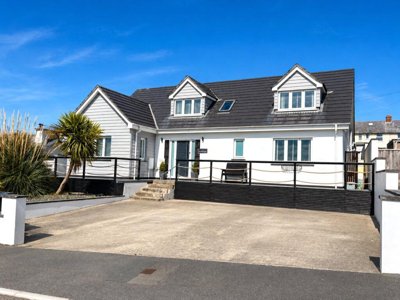
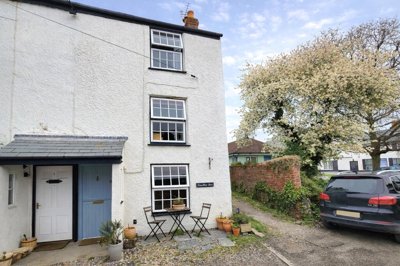
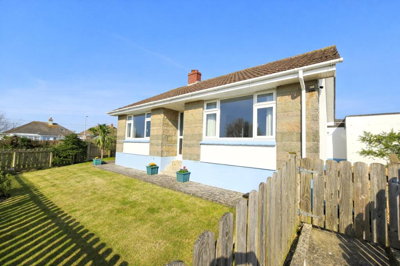
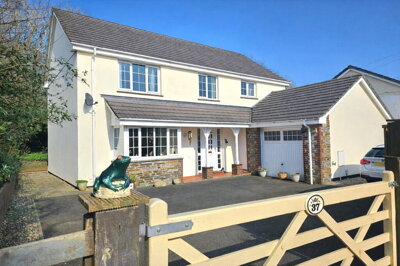
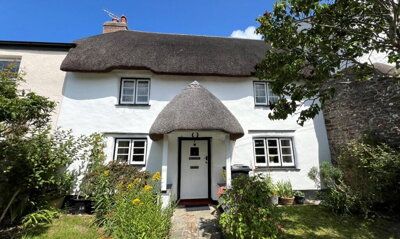
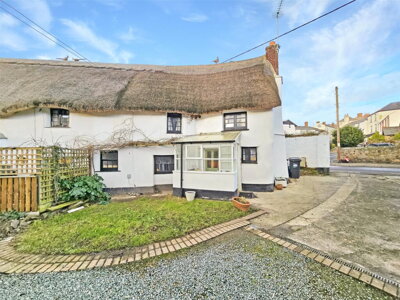
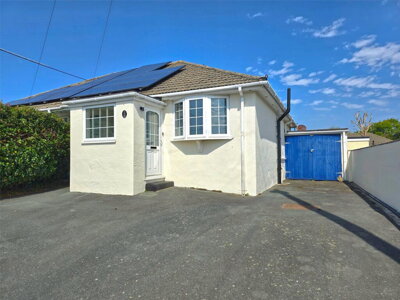
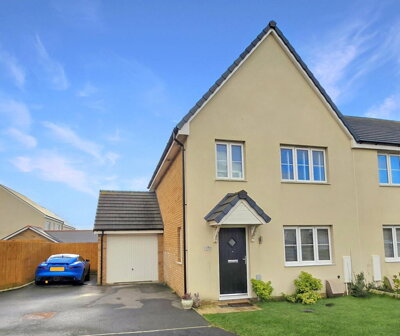
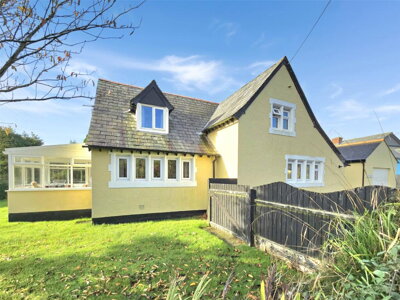
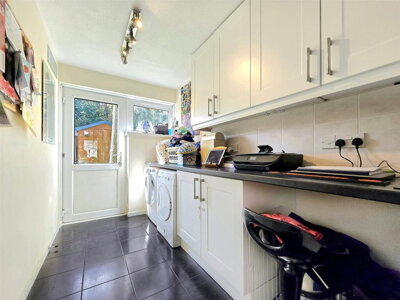
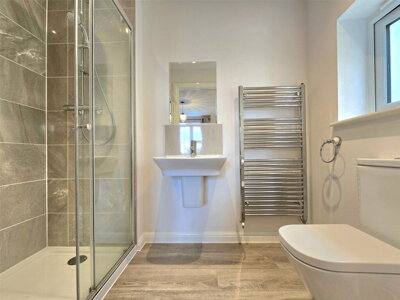
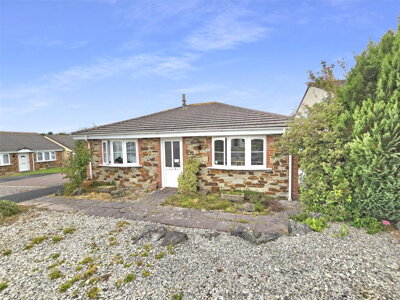
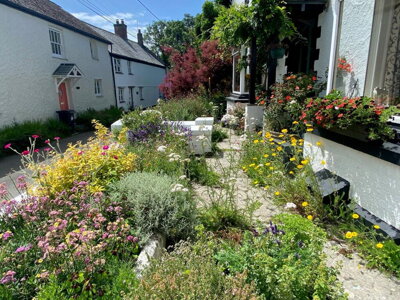
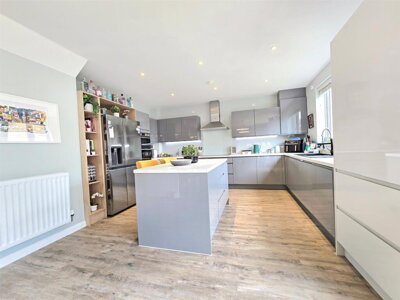
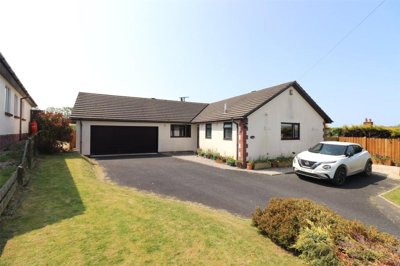
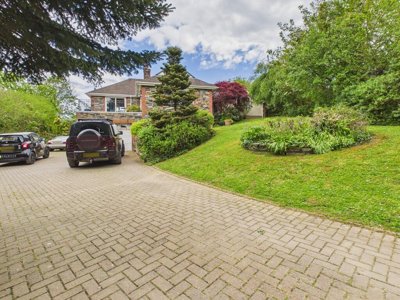
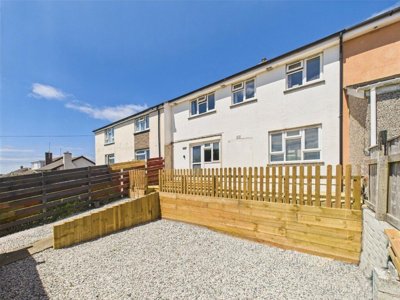
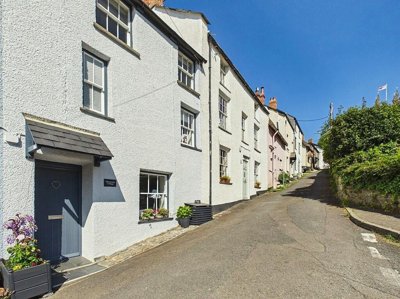
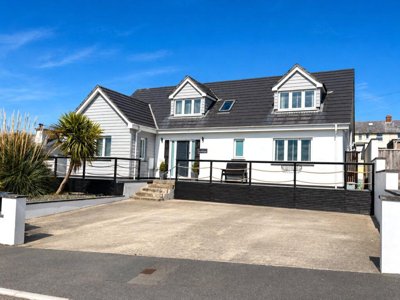
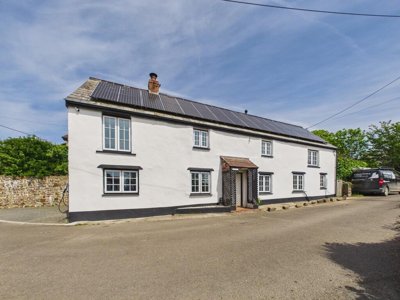
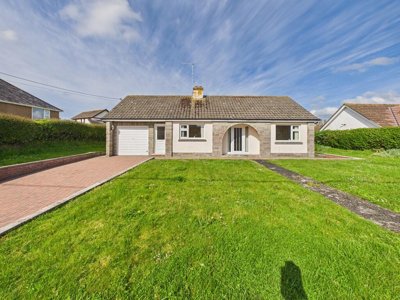
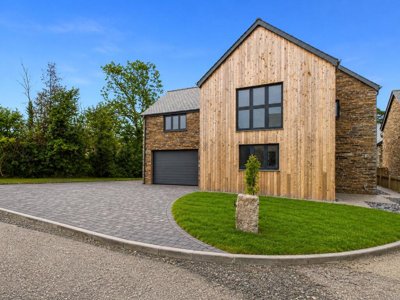
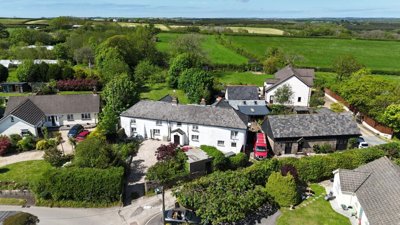
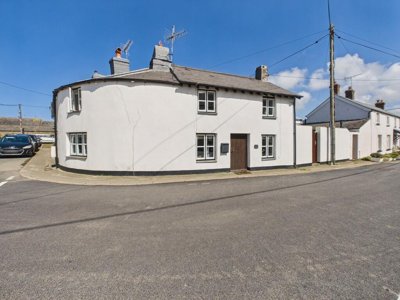
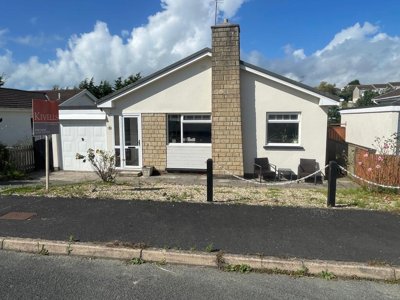
Browse 154 homes for sale in Launcells, Cornwall from local estate agents.
The Launcells property market offers detached, semi-detached, and terraced houses spanning various price ranges and neighbourhoods. Each listing includes detailed property information, photographs, and direct contact with the marketing agent.
£425k
1
0
32
Source: home.co.uk
Showing 1 results for Houses for sale in Launcells, Cornwall. The median asking price is £425,000.
Source: home.co.uk
Detached
1 listings
Avg £425,000
Source: home.co.uk
Source: home.co.uk
£390,000
Average Property Price
£450,000
Detached Properties
£300,000
Semi-Detached Properties
£250,000
Terraced Properties
£180,000
Flats
~15
Properties Sold (12 months)
Launcells has kept its footing over the past year, with house prices up by approximately 2.6% according to homedata.co.uk. That modest rise says a lot about the draw of rural Cornwall for people putting down roots, raising a family, or looking for a quiet retirement base. The current average property price of £770,000 puts Launcells in a competitive spot within the North Cornwall market, giving buyers more space and character for the money than many premium coastal locations. Link detached homes usually fetch around £375,000, so they can still offer a useful entry point for first-time buyers or anyone after a manageable home with a garden.
Launcells’ housing stock reflects its farming background and rural setting, with detached homes making up the main share, at an estimated 60-70% of the total. These larger properties often sit on generous plots, with privacy and outdoor space that is increasingly hard to find in urban areas. Traditional farmhouses with exposed stone walls and original fireplaces sit alongside more modern detached houses, built as infill development over recent decades. There is also a smaller run of terraced cottages and converted agricultural buildings, usually priced from £325,000, which suit buyers who want period character without the upkeep that often comes with larger detached homes.
Most of Launcells’ homes are older, and a significant proportion date from before 1919. That means solid stone walls, cob, and original timber elements are common, and those need a proper understanding during the buying process. Properties from the 1945-1980 period account for some infill development and agricultural worker housing, while post-1980 builds are relatively scarce and tend to appear as individual replacements or small developments on larger plots. Age and construction matter here, because older homes often call for different maintenance routines and can benefit from a thorough survey before purchase.

Around 450-500 people live in Launcells, across roughly 180-200 households, which gives the parish its close-knit village feel. Agriculture remains at the centre of the local economy, with farming still shaping both the landscape and local employment. There is also some tourism influence from nearby Bude and the wider North Cornwall coast, and a number of homes are used as holiday lets or second homes, which reflects the area’s popularity with visitors. The result is a mix of permanent residents and seasonal arrivals that helps keep local services going, while the parish stays recognisably a place where people live and work rather than just pass through.
Launcells has a strong architectural heritage, with several Grade II listed buildings, including the notable St Swithin's Church at Launcells, as well as various farmhouses and traditional cottages that speak to the area’s long agricultural history. Local stone, slate, and granite are the usual building materials, and many older properties are made from solid stone or traditional cob, using clay, sand, straw, and water. The geology is mainly Devonian slates and sandstones, typical of North Cornwall, with clay, silt, sand, and gravel sitting over parts of the parish. It all gives Launcells its distinctive look, and the buildings sit neatly in the surrounding countryside rather than fighting against it.
Village life here turns around the parish church, local farms, and the slower rhythms of rural Cornwall. The village hall puts on events across the year, from agricultural shows to community suppers, giving residents regular chances to meet up. Bude is close enough for supermarkets, independent shops, restaurants, and leisure facilities, all within a short drive. Beyond that, the surrounding countryside offers plenty of walking, with footpaths crossing farmland and linking into the wider North Cornwall trail network that keeps outdoor types coming back.

Families moving to Launcells have a practical range of schooling options within reach, with primary schools in nearby villages and towns. Because the area is rural, children often travel by bus to primary schools in surrounding communities, and secondary education is usually provided in Bude, approximately 5-7 miles away. Cornwall's education system keeps class sizes reasonably small in rural areas, which helps teachers give pupils more individual attention and build good relationships with them. The wider Bude area also has secondary schools serving the North Cornwall coast and inland parishes, with solid reputations for academic achievement and extracurricular activities.
The primary schools around Launcells provide a steady start for younger children, and the region has a good spread of Ofsted ratings. These small rural schools tend to benefit from tight-knit communities, where teachers know each child individually and can support both learning and personal development. Many families value the calm atmosphere that rural primary schools offer, along with outdoor learning and strong local links. For secondary education, Bude Grammar School and Bude Junior School serve the area, while surrounding towns also offer comprehensive options for families who prefer a non-selective route.
For families who place a premium on educational standards, Launcells’ position in Cornwall gives access to a number of well-regarded schools nearby. Some households look further afield too, with independent schools in Exeter or Plymouth offering boarding and day places for those prepared to travel. Cornwall also has agricultural colleges and further education institutions, so older students can follow vocational or academic routes without having to leave the county altogether. Before buying, we always recommend checking current catchment areas with Cornwall Council, because they vary by location and can change over time.

Launcells combines rural calm with workable links to regional centres and beyond. The village lies approximately 5 miles from Bude, where bus services run on to Wadebridge, Truro, and other Cornwall destinations, and local services cover the everyday commute and shopping trips. For longer journeys, Exeter is approximately 75 miles away, reached via the A361 and A39, which also connect into the national motorway network and rail services. Most residents find a car essential for full connectivity, though the area avoids the congestion and parking headaches that come with more urban places.
The A39 is the main road through this part of North Cornwall, running between Bude and Barnstaple. It cuts through attractive countryside and links into the Atlantic Highway for trips towards Cornwall's larger towns. Truro is about 45 minutes away via the A39 and A30, while Plymouth is roughly 90 minutes for those needing city services. For people working from home, broadband has improved a great deal in recent years, which has helped make countryside locations like this more appealing to professionals.
Cycling works well for local journeys, with quiet country lanes giving recreational riders and commuters some scenic routes, while the coast nearby opens up more cycling opportunities along designated paths. The National Cycle Network runs through North Cornwall too, offering traffic-free stretches for family rides and longer routes for more experienced cyclists. For rail travel, the nearest mainline stations are at Bodmin Parkway, approximately 30 miles away, and Exeter St David's, around 70 miles away, both of which connect into the wider national network, including services to London Paddington.

Current stock in Launcells is worth studying properly, and home.co.uk lists approximately 8 properties at the moment. With prices averaging £770,000, comparing like-for-like homes gives a clearer picture of what the market is doing. Set your budget with the local range in mind, from terraced cottages at £325,000 to detached homes at £375,000. It also helps to register with estate agents in the Bude area who cover Launcells, so you hear about new listings before they reach the bigger portals.
A mortgage agreement in principle is the sensible next step before arranging viewings. It puts buyers in a stronger position when offers go in and shows sellers that finance is already lined up. Local brokers who know Cornwall properties can talk through the process and point towards competitive rates for rural homes. Because older construction is common in Launcells, some lenders may ask for specialist valuations, so it is worth raising that with a broker early on to avoid delays later.
Viewings are where the details start to matter. Pay attention to the construction materials, the age of the property, and any maintenance work that may be coming up. Many Launcells homes are pre-1919 and carry traditional features that need specialist knowledge. A RICS Level 2 Survey costing £500-£750 for a typical detached property can flag problems before you go any further. Look out for damp, roof condition, and any obvious structural concerns that could need a closer look.
Once the right home comes up, make the offer through the estate agent. If it is accepted, instruct a conveyancing solicitor straight away so the legal work can begin. For property in Launcells, the solicitor should be familiar with local points such as drainage arrangements, rights of way, and any agricultural factors that may affect the home. A lot of rural properties here use private drainage systems or shared arrangements, and those need careful legal checking.
After that, the focus shifts to finalising the mortgage, completing surveys, and answering any legal queries before exchange. On completion day, the keys are handed over and you become a Launcells resident, ready to settle into this picturesque North Cornwall village. Buildings insurance needs to be in place from exchange, and utilities should be arranged well before moving day so nothing is left to the last minute.
Buying in Launcells means reading the building carefully, because the local market comes with a few specific quirks. Older construction is common, so buyers need to think about the materials used and what they mean for maintenance and renovation. Traditional stone and cob are attractive, but they need a different approach from modern cavity-wall homes. Slate roofs may need re-slating from time to time, and older properties often do not have modern damp-proof courses, which is why specialist surveys are so useful for this housing stock.
The defects that turn up most often in Launcells are the usual ones for older North Cornwall property. Rising damp is a familiar issue in pre-1919 homes built without damp-proof courses, or where the original system has failed, especially at ground-floor level in solid stone or cob walls. Penetration damp is also common, caused by faulty render, tired leadwork around chimneys, or blocked gutters, particularly after the harsh Atlantic weather that hits the area. Timber problems, including woodworm and both wet and dry rot, can appear where moisture has got into the fabric or where loft and under-floor areas are poorly ventilated.
Flood risk still deserves a proper look, especially for homes close to watercourses such as the River Neet that runs through the parish. The village itself is inland, so it avoids direct coastal flooding issues, but low-lying areas near streams and drainage channels can see surface water flooding in heavy rain. A survey should deal specifically with drainage arrangements and any flooding history. It is also common for properties here to rely on private drainage, such as septic tanks or cesspits rather than mains sewage, and buyers need to understand the maintenance that comes with that before they commit.
Listed building status brings another layer of checks in Launcells. If you are considering a listed home, the extra costs and restrictions for future works need to be built into the plan, because any changes have to be approved by the local planning authority. For a historic property, a detailed RICS Level 3 Building Survey may be more appropriate than a standard Level 2, given the complexity of the construction and the maintenance demands. Agricultural connections, including farm access tracks or fields, can also affect how the property is used, so those should be cleared up during conveyancing.

homedata.co.uk recent market activity puts the average house price in Launcells at approximately £770,000. Detached properties command higher prices, averaging around £375,000, while link detached homes typically sell for approximately £375,000. Terraced properties and cottages give more accessible entry points from around £325,000, and flats and smaller units start from approximately £325,000. Over the past twelve months, prices have risen by around 2.6%, which points to steady demand for rural North Cornwall homes.
Council tax in Launcells falls under Cornwall Council and is banded according to a property's value and character. Most detached homes in the parish usually sit in bands D through F, which reflects their size, rural setting, and larger gardens or outbuildings. Smaller terraced cottages may land in bands B or C, which keeps ongoing costs lower and can make them more appealing to first-time buyers or households with tighter budgets. The exact band can be checked on the Cornwall Council website or requested from the seller during the purchase.
Launcells does not have its own school, so children usually go to primary schools in nearby villages and towns across the surrounding North Cornwall area. Secondary education is provided in Bude, approximately 5-7 miles away, with strong reputations for both academic and vocational routes, including Bude Grammar School. The wider area also has several well-regarded primary schools within easy driving distance of Launcells, while further education colleges in Truro and Bodmin serve older students. We always check current catchment areas and admission policies with Cornwall Council, because they can change and will vary by property location.
Public transport is limited from Launcells, which is exactly what you would expect from a rural parish, with bus services linking the village to Bude and nearby towns on the A39 corridor. The nearest railway stations are in Exeter or Bodmin Parkway, roughly 45-75 minutes’ drive away depending on traffic, and both connect to the national rail network, including services to London Paddington. Most residents see car ownership as essential for day-to-day life, although the village’s position near the A39 gives reasonable access to regional destinations. For commuting, the peaceful rural setting suits people who work from home or have flexible arrangements.
homedata.co.uk shows that the Launcells market has held up steadily, with prices rising approximately 2.6% annually as buyers continue to look for rural Cornwall homes and countryside living. The area appeals to those after character properties, and tourism from nearby Bude can create holiday let income on suitable homes, provided the right planning consents are in place. Cornwall’s popularity as a tourist destination, together with the shift towards remote working, supports long-term investment appeal. Even so, the market is small and rental demand is limited, so some homes may take longer to sell than properties in larger towns.
Stamp duty rates for 2024-25 apply across England, with no property in the zero-rate band up to £250,000 for standard buyers. Properties between £250,001 and £925,000 attract 5% duty on the portion above £250,000, and higher rates apply once the price moves above £925,000. First-time buyers get relief on homes up to £625,000, paying 0% on the first £425,000 and 5% on the amount between £425,001 and £625,000. With Launcells average prices at £770,000, most buyers paying market value would face stamp duty of approximately £26,000.
Launcells parish contains several Grade II listed buildings, and St Swithin's Church is one of the most recognisable landmarks in the area. Farmhouses and traditional cottages across the parish also hold listed status, which reflects the area’s agricultural history and older building methods. Anyone considering a listed home needs to remember that external alterations, extensions, or major internal changes will need Listed Building Consent from Cornwall Council. Those restrictions protect Cornwall’s heritage, but they can also make maintenance and renovation more expensive than on similar non-listed homes.
The main risks with older Launcells homes usually come back to the construction and the local weather. Damp is a common concern in pre-1919 properties, particularly rising damp through solid walls without adequate damp-proof courses and penetrating damp from Atlantic weather hitting exposed elevations. Timber defects, including woodworm and fungal decay, can affect roof structures, floor joists, and window frames where moisture has been present. Roof condition is another obvious risk, because slate and tile coverings on older homes often need periodic maintenance and eventual replacement. A thorough RICS Level 2 Survey or Level 3 Building Survey should pick these issues up before purchase.
From 4.5%
Specialist mortgage advice for Launcells properties
From £499
Local property solicitors familiar with Cornwall
From £500
Professional survey for standard properties
From £750
Detailed survey for older or complex properties
From £80
Energy performance certificate
Budgeting properly starts with the stamp duty rules. For 2024-25, the zero-rate band is set at £250,000 for standard purchases, which means many Launcells homes in the £250,000 to £325,000 range attract only minimal duty. At the average Launcells price of around £770,000, a standard buyer would pay approximately £26,000 in stamp duty, calculated at 5% on the part above £250,000. First-time buyers purchasing homes up to £625,000 have enhanced relief, so properties valued under £425,000 may attract no stamp duty at all.
The bill does not stop at the purchase price. Budget for solicitor fees too, usually £800 to £2,000 for conveyancing on a Launcells property, plus disbursements for searches, land registry fees, and title checks. A RICS Level 2 Survey for a typical 3-bedroom property in Launcells costs approximately £500-£750, although larger or older homes with more complicated construction may need a fuller Level 3 assessment. If a mortgage is involved, arrangement fees can range from zero to over £2,000 depending on the lender and product. Buildings insurance must be in place from exchange of contracts, and you may also need cash for immediate repairs or renovations depending on the condition of the property.
Rural ownership brings its own line items in Launcells. Homes not connected to mains drainage may need septic tank or cesspit emptying, plus possible upgrade costs that can run to several thousand pounds if the system has to be replaced to meet current regulations. Listed building properties may bring extra spending on specialist surveys and consents, though those controls also help protect the character and value of Cornwall's architectural heritage. When working out the full budget, set aside a contingency fund of at least 10% for unexpected works, especially on older homes where hidden defects are more common because traditional construction methods are so prevalent in the parish.

Properties for Sale In London

Properties for Sale In Plymouth

Properties for Sale In Liverpool

Properties for Sale In Glasgow

Properties for Sale In Sheffield

Properties for Sale In Edinburgh

Properties for Sale In Coventry

Properties for Sale In Bradford

Properties for Sale In Manchester

Properties for Sale In Birmingham

Properties for Sale In Bristol

Properties for Sale In Oxford

Properties for Sale In Leicester

Properties for Sale In Newcastle

Properties for Sale In Leeds

Properties for Sale In Southampton

Properties for Sale In Cardiff

Properties for Sale In Nottingham

Properties for Sale In Norwich

Properties for Sale In Brighton

Properties for Sale In Derby

Properties for Sale In Portsmouth

Properties for Sale In Northampton

Properties for Sale In Milton Keynes

Properties for Sale In Bournemouth

Properties for Sale In Bolton

Properties for Sale In Swansea

Properties for Sale In Swindon

Properties for Sale In Peterborough

Properties for Sale In Wolverhampton

Enter your details to see if this property is within your budget.
Loans, cards, car finance
Estimated property budget
Borrowing + deposit
You could borrow between
Typical borrowing
Monthly repayment
Est. at 4.5%
Loan-to-value
This is an estimate only. Your actual budget may vary depending on interest rates, credit history, and personal circumstances. For an accurate affordability assessment, speak to one of our free mortgage advisors.
This calculator provides estimates for illustrative purposes only and does not constitute financial advice. Your home may be repossessed if you do not keep up repayments on your mortgage. Estimates based on 4.5% interest rate, repayment mortgage. Actual rates depend on your circumstances.
Homemove is a trading name of HM Haus Group Ltd (Company No. 13873779, registered in England & Wales). Homemove Mortgages Ltd (Company No. 15947693) is an Appointed Representative of TMG Direct Limited, trading as TMG Mortgage Network, which is authorised and regulated by the Financial Conduct Authority (FRN 786245). Homemove Mortgages Ltd is entered on the FCA Register as an Appointed Representative (FRN 1022429). You can check registrations at NewRegister or by calling 0800 111 6768.

We use cookies to show you personalised content and improve your experience of our website. Find out more in our Privacy policy and Cookie policy.