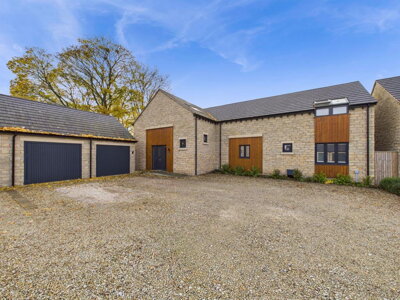
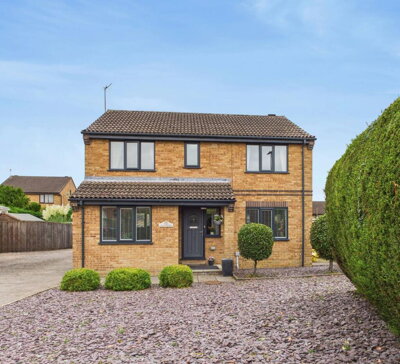
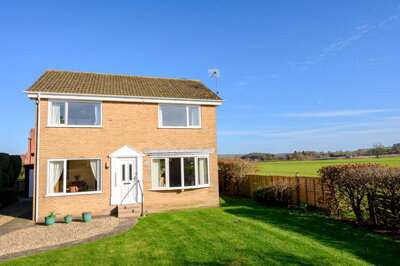
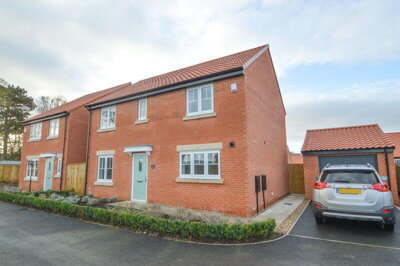
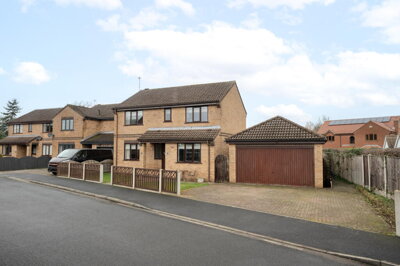
Browse 5 homes for sale in Langton, North Yorkshire from local estate agents.
The larger property sector typically features multiple bathrooms, substantial reception space, and private gardens or off-street parking. Four bedroom houses in Langton span detached, semi-detached, and occasionally terraced configurations, with styles ranging from period properties to modern executive homes.
£0k
0
0
0
Source: home.co.uk
Showing 0 results for 4 Bedroom Houses for sale in Langton, North Yorkshire.
homedata.co.uk records point to a notably busy year for Langton’s sold market, with prices up 26.9% over the last 12 months and an average sold value of £625,000. For a village of this size, that is a sizeable movement, but the supplied research does not verify a sales count for the last year, so we would read the market as thin rather than broad and repeatable. One substantial detached house, or a well-restored cottage, can pull the average around far more here than it would in a larger town. The evidence also suggests a heritage-led market, not a run of standard estate housing.
Langton’s buildings give away a lot before you even step inside, with limestone, sandstone, white brick, pantile roofs, and Westmorland slate all found in the local stock. Langton Hall, built around 1770, is a Grade II*-listed Georgian country house, and the supplied research identifies 23 listed buildings in the village, all Grade II or Grade II*. We could not verify any active new-build development within Langton, North Yorkshire, from the supplied material, which points to a settled village rather than a growth spot. Buyers should expect character, varied condition, and a real need for careful surveying.

History does more of the shaping in Langton than modern estate planning, and that is a large part of the draw. The research supplied for this page shows a strong concentration of listed buildings, from houses, cottages, and farm buildings to the Church of Saint Andrew and even a listed telephone kiosk. That tells you the historic setting is still very much intact. It tends to suit buyers who want a quieter, more characterful place to live and who do not mind the quirks that older buildings bring, because here the street scene matters almost as much as the individual house.
Look closely at Langton Hall, Green Farmhouse, Ivy Cottage, Norcliffe Arms, and The Old Cottage, and the same local story keeps appearing, limestone, sandstone, and brick, with clay pantiles or slate above. Those materials help define the village’s appearance, and they speak more to traditional craft than to speculative modern building. The supplied research could not verify detailed population, household, or housing-stock percentages for Langton, so we would treat it as a small, distinctive rural settlement rather than a place best understood through broad demographic averages. For many buyers, that absence of big-town uniformity is part of the appeal.
The supplied research does not verify named schools within Langton itself, so we would be careful about promising a fixed village school list. In a small North Yorkshire settlement, families usually need to look across the wider Ryedale area and towards the nearest market town options before deciding whether the commute, catchment, and wraparound care are workable. Start the school search before committing to a purchase, particularly if you need a particular primary or secondary route. North Yorkshire Council admissions information is the right place to check the latest catchment boundaries.
For buyers with children, the school run sits right alongside the house choice. Village life can be brilliant for space and a slower pace, but less convenient if a walkable school is essential. Ask the selling agent what current local arrangements look like, then check journey times at the same time of day you would normally travel. With a period home or listed property, it is also worth asking whether the building itself fits family life, not just whether the school geography works. A house can look ideal on paper, then the daily routine tells a different story.

Transport is one of the weaker areas in the supplied research, so we will not dress up public transport links that have not been verified. Langton should be treated as a rural village, which usually means the car does most of the daily work for commuting, shopping, and school travel. Check route times properly if you need early starts, as small roads and village access can add more time than the map implies. Anyone depending on trains or regular buses should confirm the nearest practical stop and timetable before making an offer.
A quieter setting is part of Langton’s charm, and you avoid some of the pressure and parking stress that comes with a larger town centre. The trade-off is convenience. Older village homes can have limited on-street parking, narrow lanes, or access arrangements that suit one household much better than another, so the commute may depend on the exact property as much as the location. We would visit at different times of day to see how traffic, deliveries, and parking work in practice. Flexible workers may see the setting as a real advantage, while regular commuters should test the route before falling for the house.
Cycling may have a role in a rural North Yorkshire move, but comfort will depend on the particular route and road conditions, not on confirmed dedicated infrastructure within the village. The research supplied here does not confirm a detailed local bus or rail network for Langton, so treat transport as a property-by-property check rather than a safe assumption. That matters even more with older stone homes, where a charming address still has to support the day-to-day journey. A mortgage agreement in principle is a sensible first step too, because the local market can move quickly when a well-kept village home appears.
Before viewings begin, get a mortgage agreement in principle in place so your budget is clear and you can act quickly when the right Langton home comes up.
We would weigh up the heritage character, listed-building setting, parking, and access, then set those against your daily routine and longer-term family plans.
At the viewing, pay attention to room sizes, rooflines, heating, drainage, and parking space, especially with the older limestone or brick homes found in the village.
For most homes here, a RICS Level 2 Survey is a sensible choice, and it becomes more valuable if the property is older, altered, or listed.
Ask your conveyancer to review the title, listed-building constraints, any planning history, and the usual legal searches before you commit.
After the legal work is complete and the mortgage is ready, you can exchange contracts, complete the purchase, and start planning the practical move into village life.
Langton’s housing stock makes condition just as important as location, because older village homes often bring original materials, changed layouts, and maintenance histories that need proper checking. If the property is listed, ask whether alterations, roof work, window changes, or internal updates had the correct consent. That is not a niche issue here, as the village contains 23 listed buildings and includes a Grade II*-listed country house, so heritage is part of the market rather than an occasional complication. Our surveyors with experience of traditional construction can help spot problems before they become expensive.
Roofs, damp, and services need particular attention where lime, stone, pantiles, or slate are involved, because those materials do not behave like modern mass-market construction. The supplied research does not verify shrink-swell geology for Langton, and it does not confirm detailed flood-risk mapping, so these remain standard points to raise with our surveyor and your solicitor. If the home is a flat or a conversion, check leasehold terms, service charges, and restrictions on alterations, as those costs can matter as much as the purchase price. The charm of an old home is easy to notice, but the running costs deserve the same attention.
Parking and access need a proper look in Langton, particularly where village streets are narrower and driveways less generous than in newer developments. The research supplied for Langton does not identify any active new-build schemes in the village, so most buyers will be comparing established homes of different ages, layouts, and repair histories. Use the viewing to ask direct questions about insulation, heating efficiency, storage, and likely future works. If a house feels right but needs attention, understand the scale of that work before exchange, not after completion.
As of 18 February 2026, homedata.co.uk records an average sold house price of £625,000 in Langton, North Yorkshire. Sold prices have risen by 26.9% over the last 12 months, which points to firm demand for a limited stock of homes. In a small settlement, though, one sale can shift the average more than it would in a larger market. Anyone buying here should compare condition, plot size, and heritage status house by house, rather than leaning too heavily on the average.
Council tax is set by the individual property, not by Langton as a whole, so there is no single village band. North Yorkshire Council is the relevant billing authority, and the exact band should be checked on the listing and through your solicitor’s searches. Larger and older homes, including period properties, often fall into higher bands than smaller cottages, but that can only be confirmed case by case. Ask for the band before finalising your budget, because the monthly cost of ownership matters alongside the purchase price.
We would not claim a specific best-school list for Langton, because the supplied research does not verify named schools within the village itself. Families usually need to look at the wider Ryedale area, the nearest market town schools, and the current North Yorkshire Council catchment information. That puts school research near the start of the move, not after a house has already been chosen. If education is a priority, confirm travel times, admissions rules, and wraparound care before you make an offer.
The research supplied for this page does not confirm a detailed bus or rail picture for Langton, so public transport needs a local check before you buy. As a small rural village in North Yorkshire, Langton is best approached as a car-led location for most everyday trips. If your commute depends on a train or regular bus, test the journey from the exact property at the times you would normally travel. That will tell you far more than a map on its own.
Langton may suit buyers who value heritage, scarcity, and a distinctive village setting, the kind of factors that can support long-term appeal. homedata.co.uk records a 26.9% rise in sold prices over the last 12 months, which is encouraging, although the market is small and individual homes can influence the figures. The absence of verified new-build activity also suggests limited fresh supply, which may help character homes retain attention. From an investment angle, we would look hard at quality, condition, and maintenance costs rather than assuming a high-volume rental market.
For a standard buyer, a £625,000 home sits in the 5% band above £250,000, giving an SDLT bill of £18,750 before any special circumstances. First-time buyers get 0% up to £425,000 and 5% from £425,000 to £625,000, so a £625,000 purchase would mean stamp duty of £10,000. If the purchase is an additional property, or if the transaction has unusual elements, the bill can change, so your solicitor should confirm the exact figure. Run the numbers early, so the deposit and moving budget are realistic.
Yes, we would strongly recommend a survey, particularly in a village with so many listed and period properties. A RICS Level 2 Survey is a sensible starting point for many homes, while a more detailed report may be better for a property with visible defects, heavy alterations, or complex heritage features. In Langton, limestone, sandstone, and pantile roofs make professional inspection especially useful, because traditional buildings need specialist knowledge. A survey can help you price repairs, negotiate sensibly, and avoid unwelcome costs after completion.
Stamp duty is one of the largest extra costs to plan for, and the current 2024-25 thresholds are clear once the bands are set out. Standard buyers pay 0% up to £250,000, 5% from £250,000 to £925,000, 10% from £925,000 to £1.5 million, and 12% above £1.5 million. First-time buyers get 0% up to £425,000 and 5% from £425,000 to £625,000, with no relief above £625,000. If you are looking at Langton around the average sold price of £625,000, a first-time buyer could pay £10,000 in SDLT, while a standard buyer would pay £18,750.
Beyond stamp duty, budget for conveyancing, searches, a survey, removals, and any early repairs linked to a heritage or period home. That matters in Langton because the local housing stock includes listed buildings and older construction materials, bringing both character and maintenance. We would get a mortgage agreement in principle before viewings, so the full budget is clear and not just the asking price. With that done, it becomes much easier to judge whether a village house is affordable in real terms.
Properties for Sale In London

Properties for Sale In Plymouth

Properties for Sale In Liverpool

Properties for Sale In Glasgow

Properties for Sale In Sheffield

Properties for Sale In Edinburgh

Properties for Sale In Coventry

Properties for Sale In Bradford

Properties for Sale In Manchester

Properties for Sale In Birmingham

Properties for Sale In Bristol

Properties for Sale In Oxford

Properties for Sale In Leicester

Properties for Sale In Newcastle

Properties for Sale In Leeds

Properties for Sale In Southampton

Properties for Sale In Cardiff

Properties for Sale In Nottingham

Properties for Sale In Norwich

Properties for Sale In Brighton

Properties for Sale In Derby

Properties for Sale In Portsmouth

Properties for Sale In Northampton

Properties for Sale In Milton Keynes

Properties for Sale In Bournemouth

Properties for Sale In Bolton

Properties for Sale In Swansea

Properties for Sale In Swindon

Properties for Sale In Peterborough

Properties for Sale In Wolverhampton

Enter your details to see if this property is within your budget.
Loans, cards, car finance
Estimated property budget
Borrowing + deposit
You could borrow between
Typical borrowing
Monthly repayment
Est. at 4.5%
Loan-to-value
This is an estimate only. Your actual budget may vary depending on interest rates, credit history, and personal circumstances. For an accurate affordability assessment, speak to one of our free mortgage advisors.
This calculator provides estimates for illustrative purposes only and does not constitute financial advice. Your home may be repossessed if you do not keep up repayments on your mortgage. Estimates based on 4.5% interest rate, repayment mortgage. Actual rates depend on your circumstances.
Homemove is a trading name of HM Haus Group Ltd (Company No. 13873779, registered in England & Wales). Homemove Mortgages Ltd (Company No. 15947693) is an Appointed Representative of TMG Direct Limited, trading as TMG Mortgage Network, which is authorised and regulated by the Financial Conduct Authority (FRN 786245). Homemove Mortgages Ltd is entered on the FCA Register as an Appointed Representative (FRN 1022429). You can check registrations at NewRegister or by calling 0800 111 6768.

We use cookies to show you personalised content and improve your experience of our website. Find out more in our Privacy policy and Cookie policy.