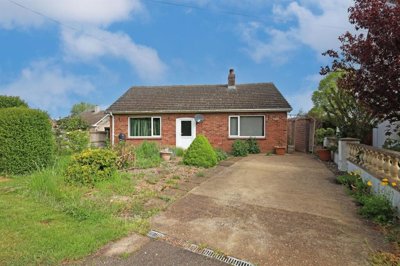
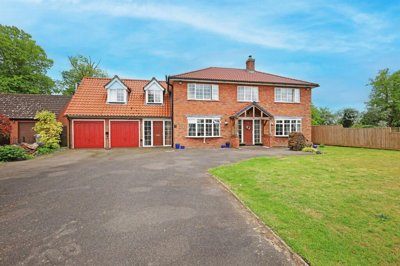
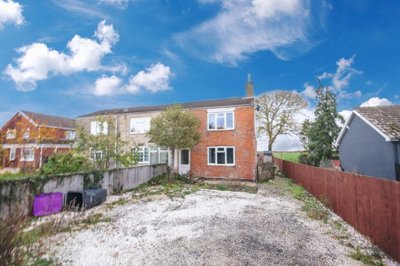
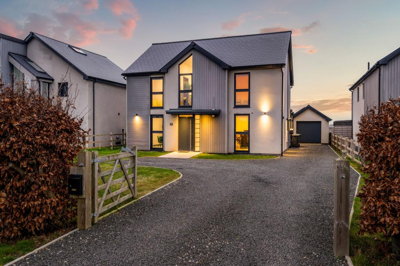
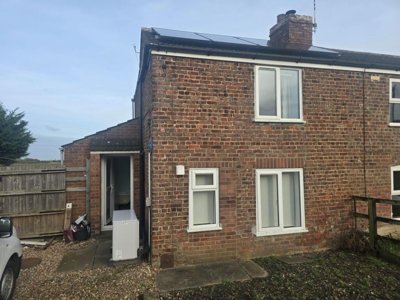
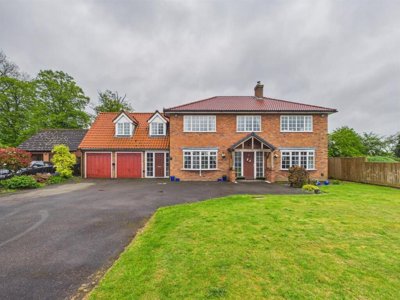
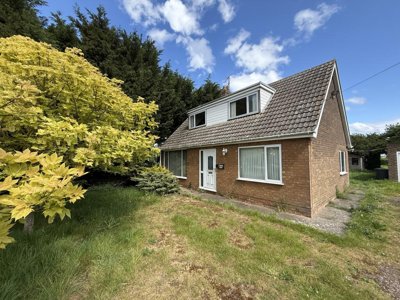
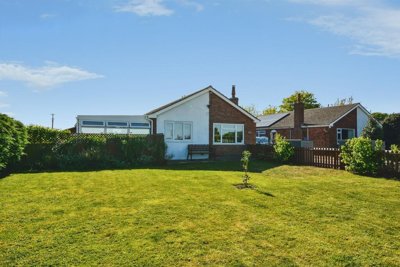
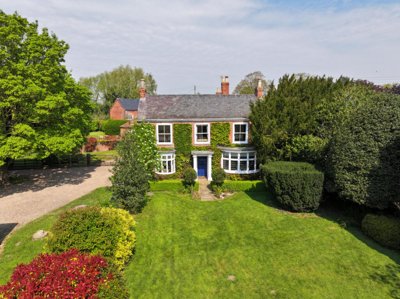
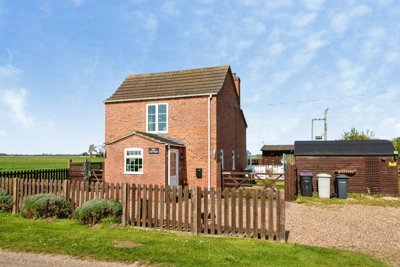
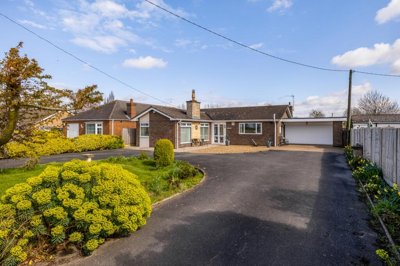
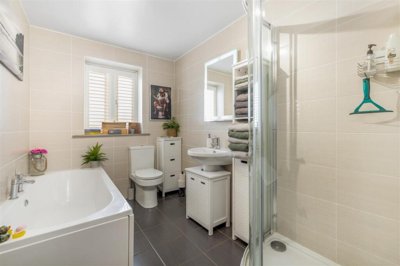
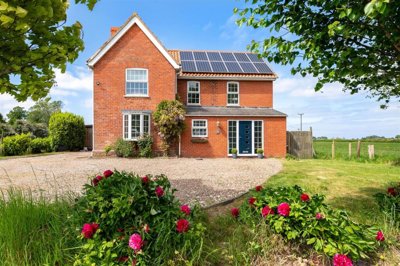
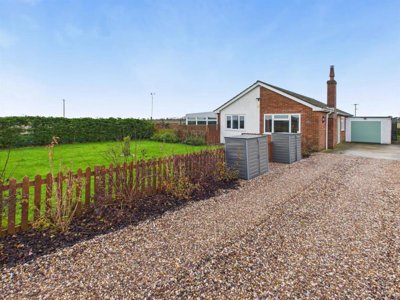
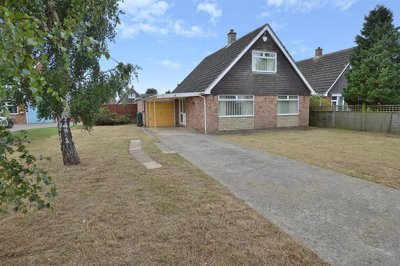
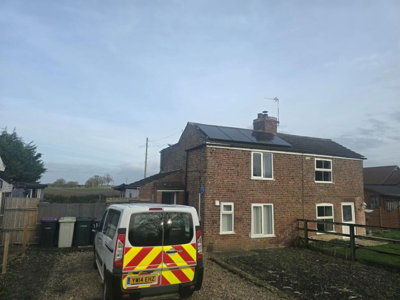
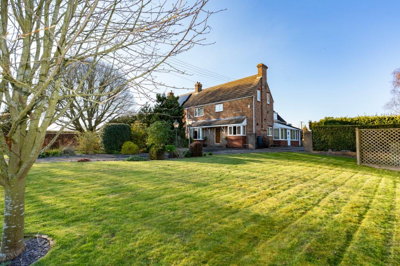
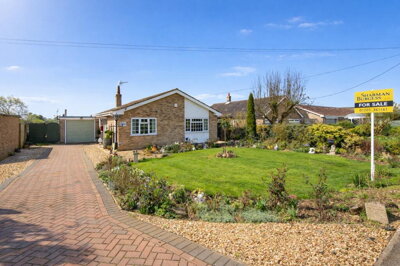
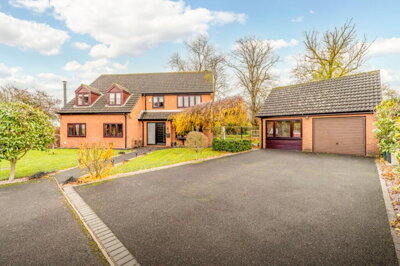
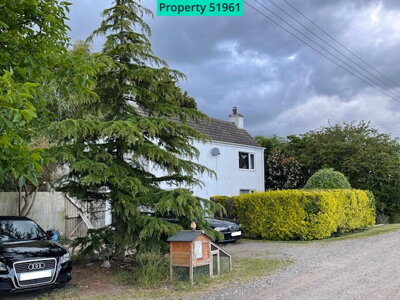
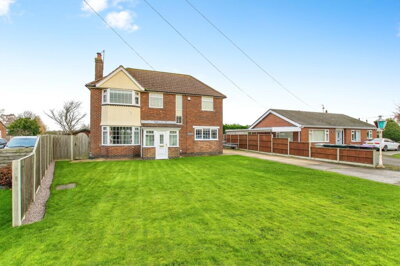
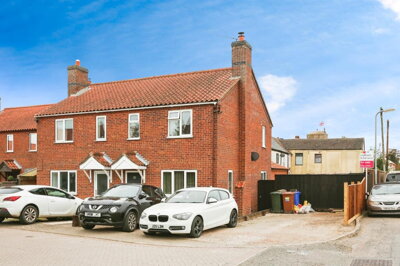
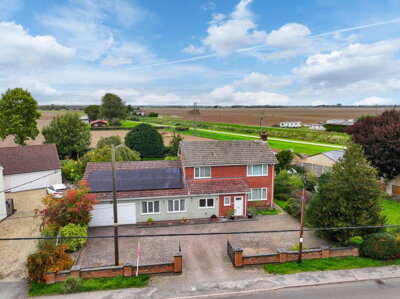
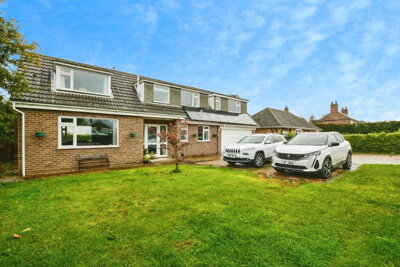
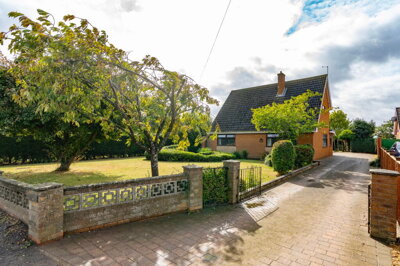
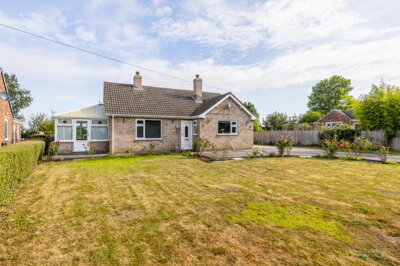
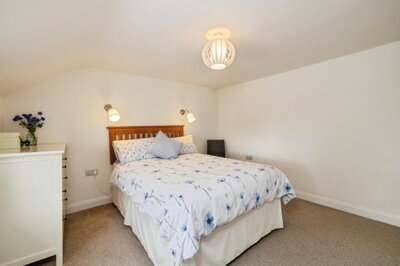
Browse 36 homes for sale in Langriville, East Lindsey from local estate agents.
£300k
9
1
154
Source: home.co.uk
Source: home.co.uk
Detached
4 listings
Avg £495,000
Bungalow
2 listings
Avg £240,000
Detached Bungalow
2 listings
Avg £297,475
detached-bungalow
1 listings
Avg £300,000
Source: home.co.uk
Source: home.co.uk
Around Langriville, the market mirrors rural Lincolnshire more widely, where buyers often get more space for their money than they would in urban centres further south. East Lindsey is regularly one of the more affordable districts in England for buying property, and average prices still sit below national and regional benchmarks. Put that alongside the area’s scenery, and the appeal is clear for anyone after countryside living without the price tag that comes with better-connected commuter areas. Our platform keeps an eye on available listings across the village and the surrounding parishes, so we can help match properties to both requirements and budget.
In the smaller East Lindsey villages, the stock usually ranges from Georgian and Victorian stone and brick cottages to converted farm buildings with generous room sizes, plus more recent detached and semi-detached homes built across the twentieth century. Around Langriville, many homes still keep original details, flagstone floors, exposed beam ceilings, multi-fuel fires, the kind of touches that give a property warmth as well as character. Brick and local limestone are common in the village and nearby, while some older houses still show timber framing linked to traditional Lincolnshire building methods. Larger plots, mature gardens, and outbuildings are another familiar part of the picture, which suits buyers wanting a rural lifestyle without stepping into extreme premium pricing.
Interest across East Lindsey has stayed steady among buyers hoping to leave the larger cities behind, helped by a mix of affordable prices, strong scenery, and local services that keep improving. Langriville itself produces little transaction data because the village is so small, but the wider market includes everything from modest starter homes to substantial period houses with land. In the area, village cottages usually sit somewhere around £150,000 to £250,000, while larger detached homes with gardens and outbuildings can reach £300,000 to £500,000 depending on condition and setting. New build activity remains limited nearby, so character properties still make up most of what buyers will see.

Langriville sits in the middle of Lincolnshire’s agricultural heartland, where wide fields, winding lanes, and long-established farming communities have changed very little over generations. As part of the civil parish, the village keeps the calm feel of rural England, yet it still has links to the amenities offered by nearby towns. The parish council meets regularly to deal with local matters, and community events through the year bring people together for fundraisers, celebrations, and social gatherings. That sense of connection is a real part of life here, with village halls, parish meetings, and local occasions acting as the natural meeting points.
For anyone who likes the outdoors, the wider East Lindsey district offers a lot. The Lincolnshire Wolds, an Area of Outstanding Natural Beauty, is close by and gives walking, cycling, and horse riding across rolling chalk hills and attractive valleys. The Viking Way long-distance footpath also crosses the region, so experienced walkers can spend miles on scenic routes. Head east and you reach the coast around Skegness and beyond, where sandy beaches and seaside attractions make easy day trips. To the west, Lincoln is about 20 miles away, with its cathedral, castle, and full shopping offer.
Day-to-day amenities are covered by nearby towns. Horncastle is a short drive and has independent shops, cafes, restaurants, and a weekly market every Saturday. You will also find supermarkets, medical practices, and a cinema there, which keeps routine trips straightforward. Louth, often called the capital of the Wolds, adds more shopping and cultural options, while Spilsby provides essentials such as a doctors surgery and secondary schooling. It is that mix of rural peace and practical access that makes Langriville such a workable base in Lincolnshire.

Families thinking about Langriville will find a network of schools serving the village and the surrounding parishes across East Lindsey. Primary provision nearby comes from village schools in neighbouring communities, including The Mareham Lees Church of England Primary School and similar schools within a sensible travelling distance for younger children. Many of these smaller rural schools hold Good or Outstanding Ofsted ratings, and the smaller class sizes often mean children get more individual attention. Those first schools then feed into middle schools in market towns, before pupils move on to secondary education at grammar and comprehensive schools in Horncastle, Louth, and the surrounding towns.
Secondary choices in the area include King Edward VI Grammar School in Louth for pupils who live in the relevant catchment areas, a historic school with a strong academic reputation and excellent exam results. For those not taking the grammar route, The Banovallum School in Horncastle offers comprehensive secondary education and has received positive Ofsted reports in recent inspections. Prince William School in Spilsby serves pupils from the northern part of the district, and families living further east also have options in Wainfleet and Boston. School transport helps link rural communities to these opportunities, which matters in a district as spread out as this one.
Sixth form and further education usually mean travelling to Lincoln, Grantham, or Boston, where students can choose from a wider curriculum and specialist facilities. The Lincoln College group offers a broad mix of vocational and academic courses, while the University of Lincoln provides higher education in the county city. Lincolnshire has a strong academic tradition, and that, combined with the space and quieter setting of rural living, makes the area appealing to families who place education high on the list. Parents moving to Langriville should check catchment areas with Lincolnshire County Council, as admissions policies can affect eligibility, especially in popular year groups when some schools are full.

Road links from Langriville are straightforward for a rural area, although public transport is naturally thinner than it would be in a town or city. The A16 corridor runs through the region, linking Grimsby, Louth, and Peterborough, and it forms the main route for regional travel past nearby towns such as Spilsby and Horncastle. The A158 towards Lincoln runs through Horncastle, giving access to the A46 and then to the city around 20 miles to the west. For longer journeys, the A14 to the south gives access to the M18 and M1 motorways, while the A1 provides north-south links to Newcastle and London.
Rail travel from East Lindsey is centred on Lincoln, where Lincoln Central station has regular services to London, Nottingham, Sheffield, and Edinburgh. East Midlands Railway also runs Lincoln to Peterborough services, which open up further connections, including Stansted Airport for international travel. From Lincoln to London King’s Cross, the journey usually takes around two hours, so day trips to the capital are possible for people with flexible working patterns. Humberside Airport near Grimsby handles UK and European destinations, while East Midlands Airport offers a wider spread of international flights for holidays.
Bus services in rural Lincolnshire link villages to the market towns, although how often they run depends heavily on the route and the time of day. Stagecoach operates the service connecting Horncastle, Spilsby, and nearby villages, with weekday journeys and only limited weekend provision, so it is wise to check current timetables as rural routes are often adjusted. For most residents, a car is still the most practical answer for commuting to Lincoln or other major employment centres. Even so, those with flexible or hybrid working can make it work, though journey times and home working arrangements should sit high on the list when weighing up employment prospects.

We always suggest spending time in Langriville and the surrounding villages at different times of day and on different days of the week, as that is the best way to understand the local rhythm. Visit the amenities in Horncastle and Spilsby, talk to residents, and get a feel for the atmosphere before committing to a purchase in this rural corner of Lincolnshire. Our platform gives you detailed information on available properties, local schools, transport options, and area characteristics while you do the homework.
Get a mortgage agreement in principle sorted before you start viewing, as it shows sellers you mean business and gives you a clear idea of your real budget. Our mortgage partners know the Lincolnshire market and can talk you through the application process without fuss. As you plan, remember the extra costs too, Stamp Duty, legal fees, survey costs, and moving expenses all need to sit inside the overall figure for buying in the area.
Use our platform to book viewings of properties in Langriville and nearby villages that fit what you are looking for, then compare condition, character, and value across a few homes before deciding whether to make an offer. It helps to take a notepad along and jot down key features and any concerns, especially with period homes where age and maintenance history make a real difference. Our listings include detailed descriptions and photographs, so it is easier to decide which homes are worth seeing in person.
After your offer has been accepted, book a RICS Level 2 Survey so the property condition can be checked properly, and that step matters even more with period homes in rural Lincolnshire, where older building methods can call for specialist eyes. Our surveyors know the common defects seen in East Lindsey properties, including issues linked to traditional brickwork, timber framing, and ageing roof structures. The report will set out any structural concerns, maintenance requirements, or problems that could affect your decision to proceed, or your negotiating position.
Next, appoint a conveyancing solicitor to deal with the legal side of the purchase and to make sure searches and contract reviews are carried out in full before you move ahead. Our recommended conveyancers understand Lincolnshire transactions and can handle local authority searches, drainage enquiries, and property registration efficiently. Give the legal process enough time, as freehold purchases in this region usually take eight to twelve weeks.
Once the mortgage offer is finalised, the remaining searches and checks complete, and the completion date agreed, things should start to come together. On completion day, your solicitor transfers the balance to the seller’s conveyancer, and then you get the keys to your new Lincolnshire home. Leave room for utility transfers, mail redirection, and the practical side of moving, particularly if you are coming from further afield.
Properties in Langriville and across the wider East Lindsey area reflect building methods used throughout Lincolnshire for centuries. Georgian and Victorian brick cottages are still common in villages, and many were built with solid brick walls and no cavity insulation, so energy costs can be higher than in modern homes. Some older properties also use local limestone and ironstone, both softer natural stones that can need regular care to guard against weathering and moisture penetration. Our surveyors are used to assessing these traditional methods and can pick up on issues that may not be obvious without building knowledge.
Timber framing is less common than in some parts of the country, but it does appear in older agricultural buildings and in a number of homes converted from farm use. Those structures can show movement or decay in the timbers, and that usually needs a specialist assessment. Flat roofs on extensions and outbuildings are also common in rural properties, and they often show deterioration before the inside gives much away. Thatch appears too, though not everywhere, and it needs someone with the right knowledge to judge condition and ongoing maintenance properly.
Drainage and damp are among the defects our surveyors most often find in East Lindsey properties. Rural homes frequently depend on private drainage systems, including septic tanks and treatment plants, so understanding how they work before you buy is essential. Shared drainage between neighbouring properties can also bring maintenance responsibilities and disputes if the arrangements are not properly recorded. Rising and penetrating damp can affect period houses without modern damp-proof courses, particularly where a property has stood empty or been badly maintained. Our RICS Level 2 surveys assess these points in detail, giving you the information needed to make a sound decision.
Buying in rural Lincolnshire means thinking about a few things that are different from an urban search. Flood risk should be checked against official Environment Agency maps before you commit, because homes in certain valley locations or near watercourses can be vulnerable during heavy rainfall. The Langriville area sits within the wider East Lindsey district, where some low-lying farmland has had historical flooding events, so due diligence on each property matters. Drainage in the countryside can vary a lot from urban systems, so it is important to understand the septic tank or private drainage setup for any home you are considering.
Some Langriville properties may include agricultural land or outbuildings, and those need separate thought around ownership, maintenance responsibilities, and access rights. They can add real value, but they can also bring ongoing costs, so it is important to be clear about exactly what is included in the sale. Tenure should be checked carefully too, freehold is the norm in rural areas, although leasehold or other unusual arrangements do sometimes crop up. With period homes, our survey assessment should also look closely at original features, construction materials, and the history of any alterations or extensions.
Energy efficiency in older rural properties can vary widely, and an EPC assessment alongside the RICS survey will help you understand likely upgrade costs and ongoing heating needs. Homes with solid walls, single glazing, and older heating systems may cost more to run than modern equivalents, though improvements can make a noticeable difference to comfort. Some properties in the area are listed buildings, which brings restrictions on alterations and improvements that buyers need to understand before they commit. Our platform can put you in touch with surveyors and conveyancers who understand these rural property issues and can guide you through each stage with confidence.

Beyond the purchase price itself, buyers budgeting for a home in Langriville need to allow for several extra costs that can add up to several thousand pounds. Stamp Duty Land Tax is the biggest government charge, with the current thresholds starting at 0% for purchases up to £250,000, then moving through 5%, 10%, and 12% bands for higher values. For a typical cottage priced at £200,000, no Stamp Duty would be payable for someone buying their first home, while additional rate payers would pay £1,500 in SDLT. Buyers making their first purchase benefit from more generous thresholds, and that can save thousands compared with previous owner-occupier rates.
Conveyancing fees usually fall between £500 and £1,500, depending on how straightforward the transaction is, with simple freehold purchases at the lower end and leasehold or more complicated matters needing extra work. Search fees for local authority, drainage, and environmental checks normally total £200 to £400 in Lincolnshire. A RICS Level 2 HomeBuyer Report usually costs between £450 and £700, depending on the property’s value and size, while an Energy Performance Certificate costs from £85 to £150, again depending on size. Our recommended surveyors know East Lindsey property values well and can quote competitively for homes across the village and nearby area.
Mortgage arrangement fees vary from lender to lender, often sitting between 0% and 1.5% of the loan amount, and they should sit alongside valuation fees when you compare overall costs. Property registration fees, usually around £150 to £300 depending on the purchase price, complete the government charges linked to the move. Removals, storage if needed, and connecting utilities at the new address can add another £1,000 to £3,000, depending on how far you are moving and how much you have. After completion, your solicitor calculates and submits SDLT to HMRC, and payment is due within 14 days of the transaction closing.

Publicly aggregated average house price data for Langriville is not available, simply because the village is small and transaction volumes are limited. Even so, East Lindsey villages usually range from around £150,000 for modest cottages to £400,000 or more for substantial period homes with land. Across the wider district, prices are generally more affordable than national averages, while detached homes and character properties still command premiums based on condition and location. Our platform shows current listings so you can get a feel for pricing on properties that match what you need in this particular spot.
East Lindsey District Council administers properties in Langriville, and council tax bands run from A through to H depending on the value and type of the home. Most modest village cottages sit in bands A to C, with a typical band A property attracting annual charges of around £1,200 to £1,400. Larger detached homes and period residences can fall into bands D through F, which brings higher annual bills. Specific bandings can be checked through the Valuation Office Agency website, and the band directly affects your annual council tax, together with East Lindsey’s share of the Lincolnshire County Council precept.
Primary schools in nearby villages and towns serve the Langriville area, and several Good-rated schools sit within reasonable distance, including those in Tetford, Horncastle, and Spilsby, which cover different parts of the catchment. Secondary options include King Edward VI Grammar School in Louth for grammar-qualified pupils, along with comprehensive schools such as The Banovallum School in Horncastle, which has had positive feedback in recent Ofsted inspections. Catchment areas are set by Lincolnshire County Council, so buyers with children should check places and transport arrangements before committing, as some homes may sit outside the catchment they would prefer.
Public transport in rural Langriville is limited compared with what you would find in a town, so bus services are the main option for anyone without a private vehicle. Stagecoach routes linking Horncastle, Spilsby, and nearby villages run to weekday timetables, with reduced Saturday services and very little on Sundays. Rail access means travelling to Lincoln Central station, around 20 miles away, where regular trains to London, Sheffield, and Nottingham operate throughout the day. Buyers should think carefully about how much they rely on public transport and plan around that, especially if commuting or school transport will be part of daily life.
Villages like Langriville can offer decent investment potential for people looking at long-term capital growth as well as lifestyle value, rather than chasing immediate rental yields. In East Lindsey, property prices have been relatively stable compared with some urban markets, and demand is driven by buyers who want affordable countryside living within reach of jobs and good schools. There is rental demand from local workers, retired people, and those after rural retreats, although strong rental yields need realistic expectations because local wages are lower. Smaller village markets are also less liquid than towns, so any investment decision should weigh holding periods and likely rental yields against the prospects for capital appreciation.
Stamp Duty Land Tax applies to property purchases in England, with the current thresholds starting at 0% for the first £250,000 of purchase price for standard buyers. For properties between £250,000 and £925,000, the rate is 5%, rising to 10% for amounts between £925,000 and £1.5 million, and 12% above that point. Buyers making their first purchase benefit from increased thresholds of 0% up to £425,000, with 5% applying to amounts between £425,000 and £625,000, provided certain conditions are met about previous property ownership. Working out your exact liability means looking at buyer status, any other property you own, and the price of the home you choose in Langriville, and our conveyancing partners can give precise calculations during the purchase.
From 4.5%
Finance your Langriville property purchase
From £499
Legal services for your property purchase
From £450
Thorough condition survey by RICS qualified surveyor
From £85
Energy Performance Certificate for your property
Properties for Sale In London

Properties for Sale In Plymouth

Properties for Sale In Liverpool

Properties for Sale In Glasgow

Properties for Sale In Sheffield

Properties for Sale In Edinburgh

Properties for Sale In Coventry

Properties for Sale In Bradford

Properties for Sale In Manchester

Properties for Sale In Birmingham

Properties for Sale In Bristol

Properties for Sale In Oxford

Properties for Sale In Leicester

Properties for Sale In Newcastle

Properties for Sale In Leeds

Properties for Sale In Southampton

Properties for Sale In Cardiff

Properties for Sale In Nottingham

Properties for Sale In Norwich

Properties for Sale In Brighton

Properties for Sale In Derby

Properties for Sale In Portsmouth

Properties for Sale In Northampton

Properties for Sale In Milton Keynes

Properties for Sale In Bournemouth

Properties for Sale In Bolton

Properties for Sale In Swansea

Properties for Sale In Swindon

Properties for Sale In Peterborough

Properties for Sale In Wolverhampton

Enter your details to see if this property is within your budget.
Loans, cards, car finance
Estimated property budget
Borrowing + deposit
You could borrow between
Typical borrowing
Monthly repayment
Est. at 4.5%
Loan-to-value
This is an estimate only. Your actual budget may vary depending on interest rates, credit history, and personal circumstances. For an accurate affordability assessment, speak to one of our free mortgage advisors.
This calculator provides estimates for illustrative purposes only and does not constitute financial advice. Your home may be repossessed if you do not keep up repayments on your mortgage. Estimates based on 4.5% interest rate, repayment mortgage. Actual rates depend on your circumstances.
Homemove is a trading name of HM Haus Group Ltd (Company No. 13873779, registered in England & Wales). Homemove Mortgages Ltd (Company No. 15947693) is an Appointed Representative of TMG Direct Limited, trading as TMG Mortgage Network, which is authorised and regulated by the Financial Conduct Authority (FRN 786245). Homemove Mortgages Ltd is entered on the FCA Register as an Appointed Representative (FRN 1022429). You can check registrations at NewRegister or by calling 0800 111 6768.

We use cookies to show you personalised content and improve your experience of our website. Find out more in our Privacy policy and Cookie policy.