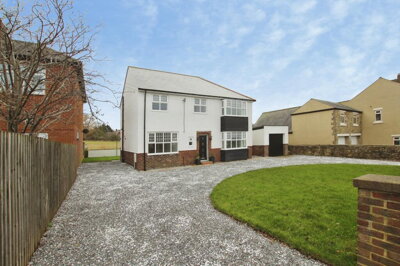
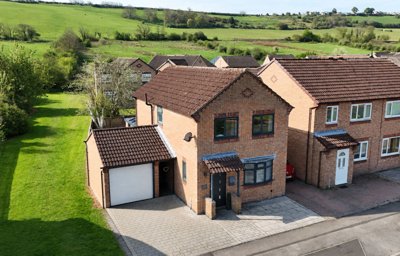
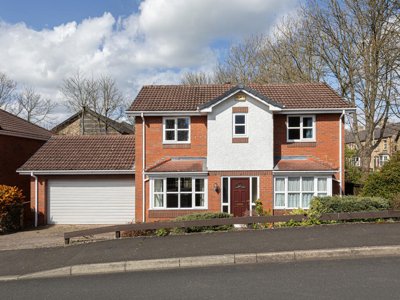
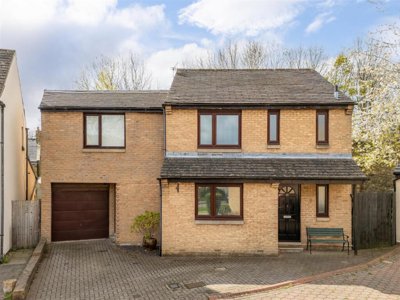
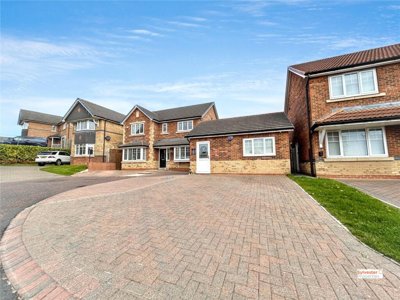
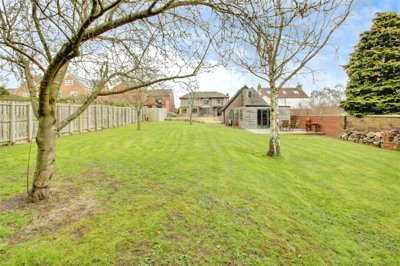
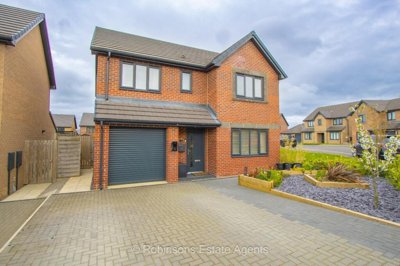
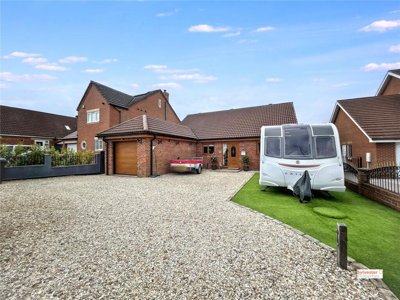
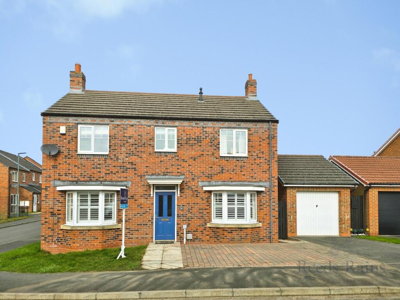
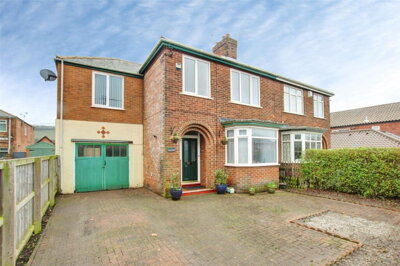
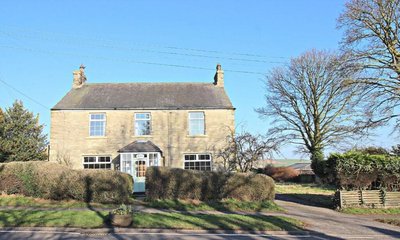
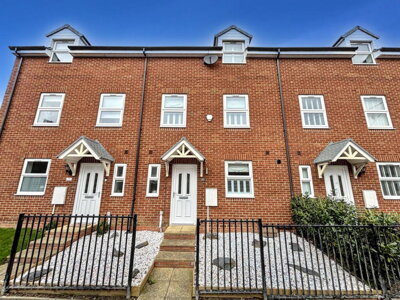
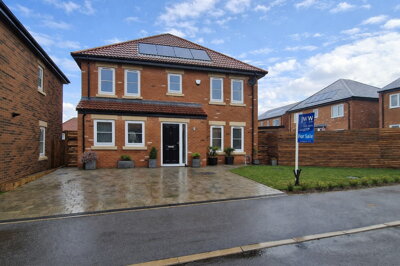
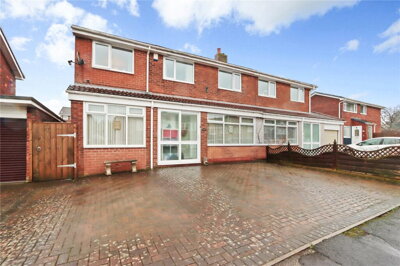
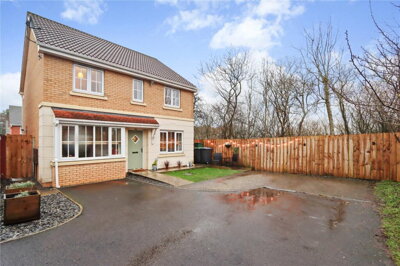
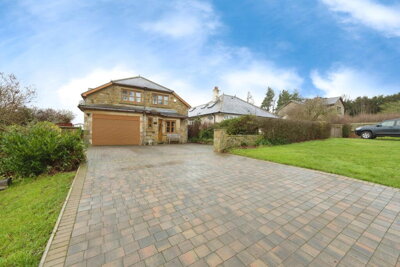
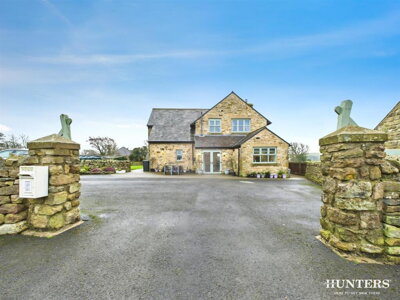
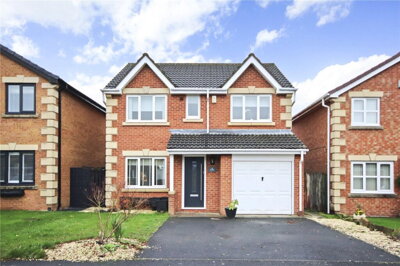
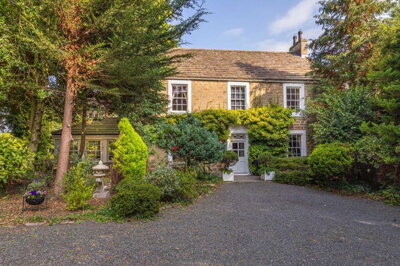
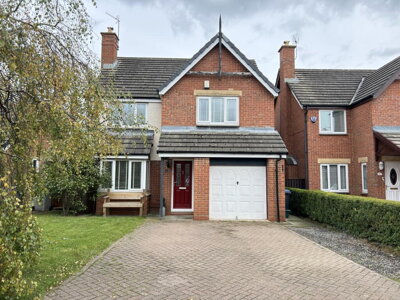
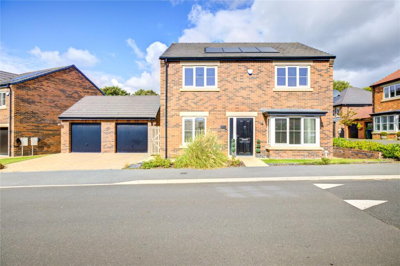
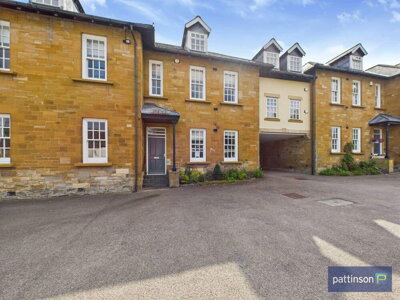
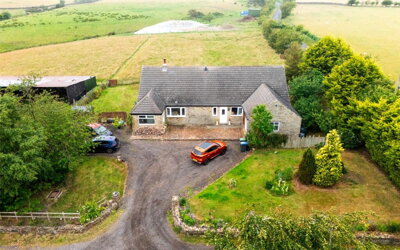
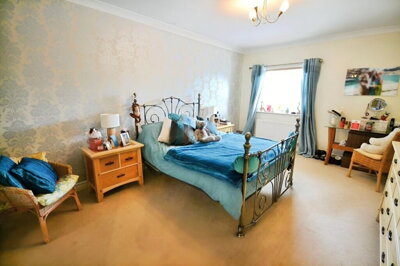
Browse 28 homes for sale in Lanchester, County Durham from local estate agents.
The larger property sector typically features multiple bathrooms, substantial reception space, and private gardens or off-street parking. Four bedroom houses in Lanchester span detached, semi-detached, and occasionally terraced configurations, with styles ranging from period properties to modern executive homes.
£400k
4
0
141
Source: home.co.uk
Showing 4 results for 4 Bedroom Houses for sale in Lanchester, County Durham. The median asking price is £400,000.
Source: home.co.uk
Detached
3 listings
Avg £666,667
Terraced
1 listings
Avg £230,000
Source: home.co.uk
Source: home.co.uk
Lanchester’s property market has held up well over the past year, with home.co.uk listings data showing house prices rising by 1.29%. Our records show 46 residential properties sold in the village over the last twelve months, a modest level of turnover, but one that stays active across the year. Buyers are often drawn here by larger family homes, and census data shows that approximately 71% of houses in Lanchester Parish have three or more bedrooms. That says a lot about the village, and about the kind of households it suits.
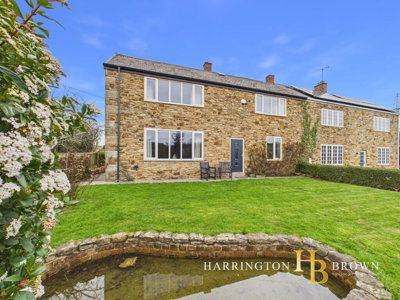
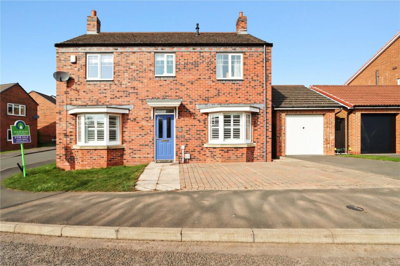
A wide mix of homes is available in Lanchester, covering different budgets and needs. Detached family houses sit at the top end of the market, with average prices around £330,405, reflecting their size and the appeal of bigger garden plots. Semi-detached homes, usually priced from £196,250, give a good balance between space and affordability for first-time buyers and growing families. Terraced houses, averaging approximately £210,385, offer an entry into the village while keeping the Victorian and Edwardian character that runs through much of Lanchester’s housing stock.
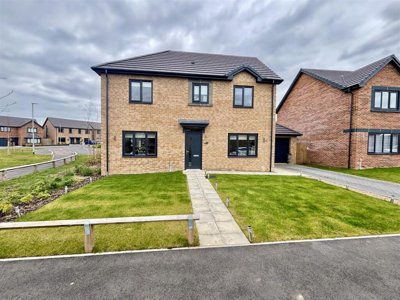
New-build schemes in and around Lanchester bring a more contemporary option to the mix. The Canterbury at The Pastures is the premium choice, with five-bedroom detached houses priced from £1,100,000 for buyers wanting brand-new accommodation. More affordable routes in include Mown Meadows on Cecil Crescent, where two to four-bedroom homes start at £159,996 and go up to £284,995, plus Scholars' Meadows on the same road, offering three to five-bedroom properties from £259,995 to £474,995. These developments pair modern layouts and energy-efficient designs with local sandstone finishes that sit neatly alongside the village’s existing streetscape.

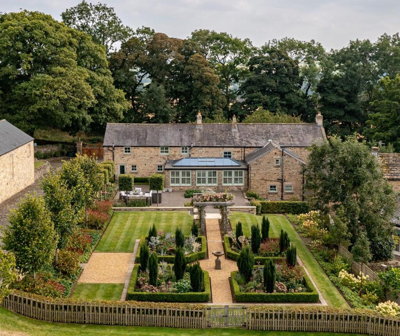
Lanchester lies within the West Durham Coalfield, and that geography has shaped both its history and its look. Growth accelerated after the Durham-Consett railway line opened in 1862, bringing new terraces of stone houses to Station Road, The Garths, Prospect Terrace, and Railway Street. The village centre still revolves around Front Street and the village green, where the Grade I listed All Saints Church reaches back to the 12th century and shows off the mellow local sandstone seen across much of Lanchester. Blue-grey Welsh slate roofs, which replaced earlier red clay pantiles after the railway arrived, now define the skyline.
Demographics in Lanchester point to a community that is maturing and changing with it. Census data shows the number of residents aged 65 and over increased by 20% between 2001 and 2011, while the working-age population fell by 7% over the same period. That has fed directly into local planning, with the Lanchester Neighbourhood Plan calling for bungalows, level-access flats, and homes that can adapt as people age in place. Community life remains strong too, helped by the Lanchester Partnership, a charitable organisation that develops and runs projects for local residents.
Rolling farmland surrounds the village, and the landscape is threaded with small tributaries such as Smallhope Burn and Alderdene Burn, which flow towards the River Browney. They add to the rural feel, but they have also brought flood risk during heavy rain, most clearly during the flash flooding in October 2023 when most roads in the village closed. Low-lying spots near Fenhall Park, Victoria Terrace, St Bedes Court, and homes along Durham Road and Front Street are marked as flood warning areas, so buyers should think about that early in any search or survey.
For day-to-day life, Lanchester offers more than many villages its size. Shops, a pharmacy, and several pubs are all within walking distance of the centre, while the nearby countryside gives plenty of room for walking and cycling. In summer, the cricket club and ground become a social focal point, very much part of the village’s community feel. All Saints Church still serves the parish too, and its medieval fabric continues to draw visitors interested in heritage that stretches back to Roman times.

Families with younger children will find primary education available within the village itself. The local primary school takes pupils from Reception through to Year 6, which keeps school-run distances short. Parents should check current catchment areas and admissions policies directly with the school or Durham County Council, since these can change every year and may affect values on particular streets or within specific developments. The school’s links with village life are strong, and that family-focused feel runs through Lanchester as a whole.
For secondary education, residents usually look to schools in the surrounding area, reached by local bus services linking Lanchester with nearby towns. Parents will want to compare current performance tables and Ofsted ratings to find the best fit, bearing in mind that results can move from year to year. The Lanchester Neighbourhood Plan recognises how important schools are to keeping the community balanced, and notes that accessible education helps the village appeal to relocating families. Sixth form and further education are available at colleges in Durham and surrounding towns, giving clear routes on from secondary school.
Across County Durham, there are also grammar schools in nearby Durham city, with selective admissions based on academic ability. Entry usually involves the Durham entrance assessment, so families looking at that route need to plan ahead for registration and preparation. Independent schools are available in the region as well for those considering private education. Before buying in Lanchester, it is sensible to check current school admissions arrangements, because catchment boundaries can shift and that can change which school a child can attend.

Road connections are one of Lanchester’s practical strengths. The A691 runs through the village and links directly east to Durham city and west to Consett, giving drivers a straightforward main route. Journey time to Durham city centre is usually about 20 to 30 minutes, depending on traffic. The A68 offers another north-south link, joining Lanchester to Newcastle upon Tyne, with the trip into Newcastle city centre generally taking around 45 minutes to an hour. For commuters to larger regional centres, that makes the village workable while still keeping an urban job market within reach.
Bus services are the main public transport option in Lanchester, linking the village with surrounding towns and cities. From Durham, passengers can join the wider Northern Rail network for journeys to Newcastle, Sunderland, and other regional destinations. There is no railway station in the village itself, after the Durham-Consett line closed in 1966 as heavy industry declined in the area. Even so, bus links to Durham mainline station mean rail travel remains accessible if residents are happy to build in the extra time. Stagecoach and other regional operators serve the village, although frequency varies by route and day of the week.
Parking in the village is available, though it can tighten up at busy times, especially near the centre and local amenities. Buyers planning a daily run to Newcastle or another distant workplace should allow for the cost and time that longer journeys bring. For shorter trips, cycling can work well, and the surrounding countryside gives scenic routes for leisure rides. Lanchester sits away from the major motorway network, which helps keep its quieter character intact, but anyone buying here should be honest about how often they need to travel before committing to a property.

Get a mortgage agreement in principle before you start viewing. It shows sellers and estate agents that you are serious, and it gives a clear picture of what you can actually borrow. In Lanchester, where prices range from around £160,000 for new-build starter homes to over £1,000,000 for premium detached properties, that figure matters from the outset.
Take time to see Lanchester at different points in the day and week. Walk around the village centre, check the local shops and services, and talk to residents about living here. It also helps to think about local issues, such as flood risk near watercourses, the implications of being within the conservation area, and how close you want to be to schools if you have children.
Homemove gives access to all available properties in Lanchester, with viewings arranged through the listed estate agents. During appointments, look closely at construction quality, the state of roofs and rendering, and any signs of damp or structural movement. Local sandstone walls and Welsh slate roofing are part of the village’s look, but age means a careful inspection is always sensible.
After you have found the right place, book a RICS Level 2 Home Survey before you move any further. Lanchester’s mining heritage, together with the age of much of its housing stock, makes a professional survey especially important. Surveyors covering the DH7 postcode area offer rates from around £350 plus VAT for a one-bedroom property, rising to approximately £450 plus VAT for a five-bedroom home.
Choose a conveyancing solicitor to deal with the legal side of the purchase. They will carry out searches that usually include a mining search because Lanchester sits in the West Durham Coalfield, a flood risk search for homes near Smallhope Burn or Alderdene Burn, and checks on conservation area status and any Article 4(2) Direction where relevant.
Once the searches are clear and your mortgage offer is in place, you will exchange contracts with the seller and pay your deposit. Completion usually comes within two to four weeks, and then the keys to your new Lanchester home are handed over. On completion day, your solicitor transfers the remaining funds, and you collect the keys from the estate agent.
The Lanchester Conservation Area was designated in 1972 and extended in 2017, and it covers the historic village centre, including the village green, Front Street, and Victorian and Edwardian developments. If you are buying within this area, an Article 4(2) Direction removes permitted development rights, so planning permission is needed for works such as window replacement, door changes, roof alterations, and boundary wall modifications. That helps protect the village’s character, but it also cuts back renovation options, which should be part of the decision.
Mining subsidence is a major issue to consider in Lanchester, given its place in the heart of the West Durham Coalfield. The Coal Authority advises a mining report for any property in former coal mining areas, since subsidence damage can appear many years after mining stopped and from workings at depths exceeding 200 metres. Buyers should use a qualified surveyor who understands the local risks, and they should allow for possible remediation costs if anything comes up in the survey.
Flood risk deserves careful thought in parts of Lanchester. Areas around Fenhall Park, Victoria Terrace, St Bedes Court, Brook Villas, Church View, Durham Road, Front Street, The Garths, Percy Crescent, Station Road, The Square, and Woodlands are identified as flood warning areas because of their closeness to Smallhope Burn. Homes near these watercourses may face higher insurance premiums and can be vulnerable in heavy rain, as the October 2023 flooding event showed when disruption spread across the village. A specialist flood risk assessment is worth considering for any property in these locations.
Lanchester’s buildings reflect the region’s construction heritage. Older homes often use local sandstone walls, which can weather and erode over time, while Welsh slate roofing is durable but may still need attention or replacement after decades of exposure. Properties built before modern damp-proof courses can be more prone to rising damp, especially where solid walls are involved. When viewing, we would look for damp, crumbling mortar, loose or missing roof tiles, and cracks that hint at structural movement. A full RICS Level 2 survey will pick up defects that need attention.

According to home.co.uk listings data, the current average house price in Lanchester is around £233,453, while home.co.uk also reported a similar average of £228,000 as of early 2026. Prices have gone up by 1.29% over the last twelve months, and sold prices show an 18.1% increase against the previous year. Detached homes average approximately £330,405, semi-detached properties sit around £196,250, and terraced houses are about £210,385. New-build homes range from around £160,000 for two-bedroom homes at Mown Meadows to £1,100,000 for premium five-bedroom detached houses at The Canterbury.
For council tax, properties in Lanchester come under Durham County Council. The band depends on the assessed value of the home, with bands running from A through to H. Most residential properties in the village fall within bands A to D, which reflects the mix here, from modest terraces to larger family homes and premium detached houses. The specific band for any address can be checked on the Durham County Council website or through the Valuation Office Agency.
A primary school in the village serves Reception through Year 6, giving families with young children a straightforward local option. Secondary schools are available in surrounding towns and can be reached by local bus services. Parents should look at current Ofsted reports and performance data when weighing up choices, since ratings do change over time. Grammar schools in Durham city offer selective education for academically able pupils. Before buying a property, it is wise to confirm catchment areas directly with Durham County Council, as admissions policies can affect school access.
Bus routes link Lanchester with Durham and Consett, and from Durham passengers can connect to the mainline railway station for services to Newcastle, Sunderland, and further afield. The village has no railway station of its own, following the closure of the Durham-Consett line in 1966. Services run through the day, though they are less frequent on evenings and weekends. For commuters relying on public transport, the bus journey to Durham city centre usually takes 30 to 45 minutes, so the village suits people with flexible working patterns or those who do not need to travel in every day.
Property investors may find several features of Lanchester appealing. House prices have risen steadily, with a 1.29% increase over the past year and an 18.1% rise in sold prices compared with the previous year. The village’s ageing population points to demand for single-level homes such as bungalows and retirement properties. Conservation area status also helps support values by protecting the village’s character. Even so, investors should weigh the limited rental market in a village of this size, possible flood risk in certain spots, and the history of mining subsidence. Careful research into local demand is sensible before going ahead.
Stamp Duty Land Tax for standard purchases in England starts at 0% on the first £250,000 of the purchase price, then rises to 5% on the portion between £250,001 and £925,000, 10% on the portion between £925,001 and £1.5 million, and 12% on anything above £1.5 million. First-time buyers get higher thresholds, paying 0% on the first £425,000, 5% between £425,001 and £625,000, with no relief above £625,000. For instance, a first-time buyer purchasing a typical Lanchester property at £233,453 would pay no stamp duty at all under the current thresholds.
Lanchester has a rich historic core, with many listed buildings clustered around the village centre. The Grade I listed All Saints Church dates from the 12th century and is built from the mellow local sandstone that gives much of the village its character. Other notable listed buildings include Burnhopeside Hall and its associated farm buildings, both Grade II*, together with Hamsteels Hall Farmhouse and The Deanery on Durham Road, which are also Grade II* listed. Many homes along Front Street and nearby streets are Grade II listed, which brings strong period appeal but also means Listed Building Consent is needed for alterations. Buyers of listed property should allow for the extra costs and restrictions that come with heritage ownership.
Much of Lanchester’s housing stock dates from the Victorian and Edwardian periods, so buyers should watch for the usual defects found in older homes. Damp is common, especially rising damp in solid-walled properties without modern damp-proof courses, and roofs can show missing or slipped slates together with deteriorating ridge mortar. Some homes in the village also show structural movement, which local mining history can make worse. Older electrical and plumbing systems often need updating to meet current standards. A detailed RICS Level 2 survey, set against the building’s era and the local ground conditions, is the sensible step here.
From 3.79%
Secure financing for your Lanchester property purchase
From £499
Legal services including mining and flood risk searches
From £350
Detailed property inspection for Lanchester homes
From £60
Energy performance certificate for your new home
Buying in Lanchester involves more than the advertised price, so it helps to account for the extra costs from the start. Stamp Duty Land Tax is one of the bigger ones, and the current thresholds for standard purchases in England apply wherever the property is. At the Lanchester average price of approximately £233,453, a standard buyer would pay no SDLT on the first £250,000, so the tax bill would be nil under the present rules. Higher-value homes, such as the new-build five-bedroom properties available at around £1,100,000, would be charged SDLT at 12% on the amount above £1.5 million, with the slice between £925,001 and £1.5 million taxed at 10%.
First-time buyers in Lanchester can benefit from stronger SDLT relief, with no tax due on the first £425,000 of the purchase price and 5% on amounts between £425,001 and £625,000. The relief is available only up to £625,000 and applies where the buyer has never owned property anywhere in the world before. For someone buying at or near the Lanchester average price, that can mean the entire SDLT bill is nil. SDLT relief cannot be claimed on additional properties bought while keeping an existing main residence, which would instead attract the higher rates for additional dwellings.
Survey costs, solicitor fees, and mortgage arrangement fees all need to be added to the budget as well. A RICS Level 2 Home Survey for a three-bedroom property in Lanchester usually costs around £400 plus VAT when arranged through local surveyors covering the DH7 postcode area. Conveyancing fees generally start from around £499 for straightforward purchases, though extra searches such as mining reports can push this up because of Lanchester’s coalfield location. Mortgage arrangement fees vary by lender, from zero on fee-free products to around £1,000 or more where the interest rate is lower. In total, buying costs excluding SDLT typically come to between £2,000 and £4,000, depending on the property value and individual circumstances.

Properties for Sale In London

Properties for Sale In Plymouth

Properties for Sale In Liverpool

Properties for Sale In Glasgow

Properties for Sale In Sheffield

Properties for Sale In Edinburgh

Properties for Sale In Coventry

Properties for Sale In Bradford

Properties for Sale In Manchester

Properties for Sale In Birmingham

Properties for Sale In Bristol

Properties for Sale In Oxford

Properties for Sale In Leicester

Properties for Sale In Newcastle

Properties for Sale In Leeds

Properties for Sale In Southampton

Properties for Sale In Cardiff

Properties for Sale In Nottingham

Properties for Sale In Norwich

Properties for Sale In Brighton

Properties for Sale In Derby

Properties for Sale In Portsmouth

Properties for Sale In Northampton

Properties for Sale In Milton Keynes

Properties for Sale In Bournemouth

Properties for Sale In Bolton

Properties for Sale In Swansea

Properties for Sale In Swindon

Properties for Sale In Peterborough

Properties for Sale In Wolverhampton

Enter your details to see if this property is within your budget.
Loans, cards, car finance
Estimated property budget
Borrowing + deposit
You could borrow between
Typical borrowing
Monthly repayment
Est. at 4.5%
Loan-to-value
This is an estimate only. Your actual budget may vary depending on interest rates, credit history, and personal circumstances. For an accurate affordability assessment, speak to one of our free mortgage advisors.
This calculator provides estimates for illustrative purposes only and does not constitute financial advice. Your home may be repossessed if you do not keep up repayments on your mortgage. Estimates based on 4.5% interest rate, repayment mortgage. Actual rates depend on your circumstances.
Homemove is a trading name of HM Haus Group Ltd (Company No. 13873779, registered in England & Wales). Homemove Mortgages Ltd (Company No. 15947693) is an Appointed Representative of TMG Direct Limited, trading as TMG Mortgage Network, which is authorised and regulated by the Financial Conduct Authority (FRN 786245). Homemove Mortgages Ltd is entered on the FCA Register as an Appointed Representative (FRN 1022429). You can check registrations at NewRegister or by calling 0800 111 6768.

We use cookies to show you personalised content and improve your experience of our website. Find out more in our Privacy policy and Cookie policy.